Travel alert
Hurricane Season Runs June 1 to November 30. What It Means for a Maui Booking
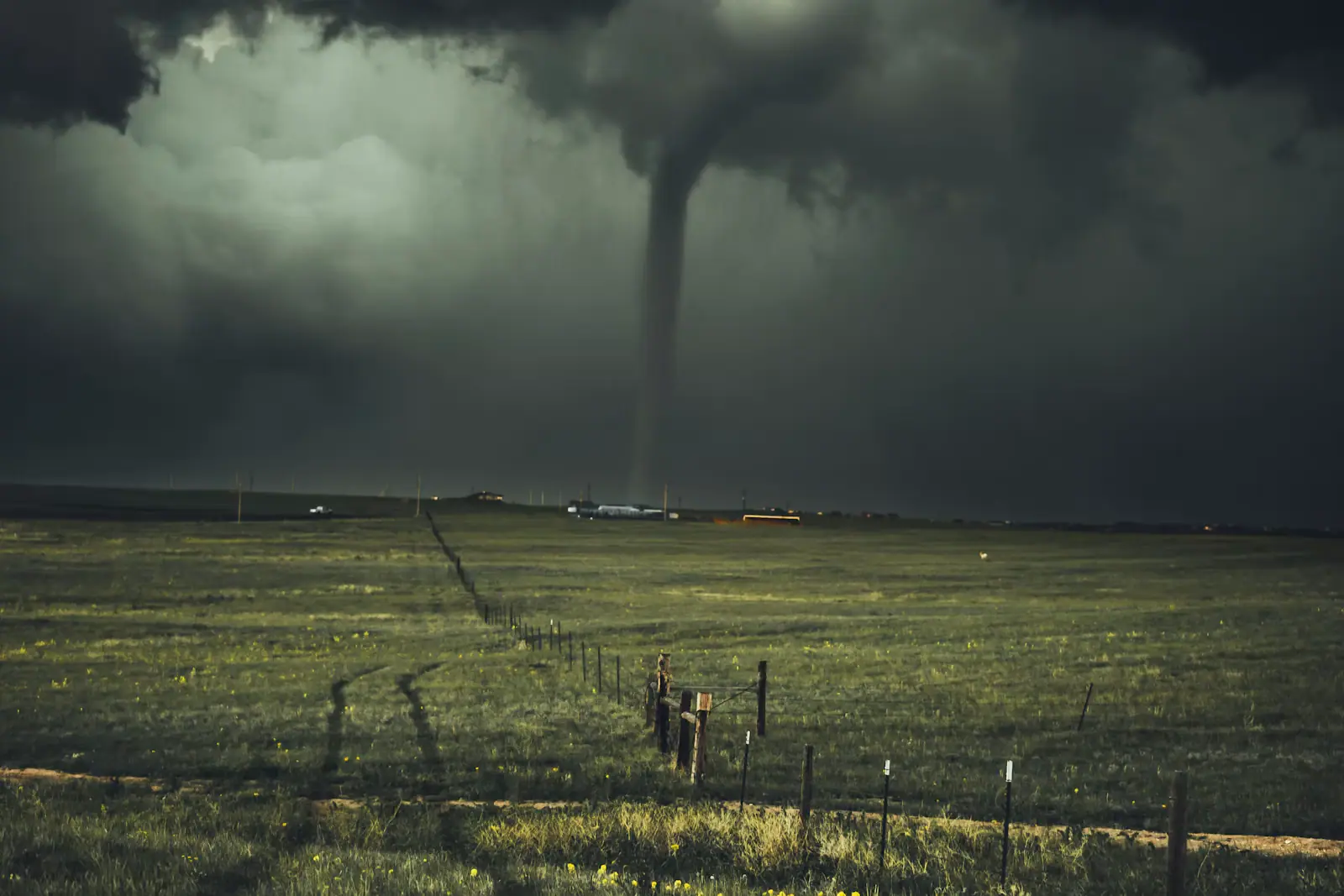
Direct hits are rare. Near misses that bring surf, rain and flight disruption are not, and they cluster in the back half of the season.
Travel alert
Around 1,500 people live along the Hāna Highway and drive it to work. The convention at the bridges is simple, it works, and visitors routinely break it.
The Hāna Highway runs roughly 64 miles with something in the region of 600 curves and 59 bridges. Most of those bridges carry one lane. Several are close to a century old, and the road was built to connect windward villages rather than to serve visitors.
Around 1,500 people live along it. They drive it to work, to school and to the doctor, and on a weekday morning a good share of the traffic is theirs.
It is unwritten, it is universal, and it takes thirty seconds to learn.
Stop only in a marked pullout, fully off the asphalt, with both wheels clear. If it is full, keep driving; there is another one shortly. Do not park in front of a gate, on a driveway apron, or on the grass verge outside a house, because in several villages the verge is the only parking the residents have.
The waterfalls that look most inviting from a blind curve are exactly the ones with nowhere safe to stop. Let them go.
This is the one that matters most. If three or more cars are behind you, use the next pullout and let them go. It costs you ninety seconds. For the driver behind it may be the difference between making a shift and not.
Several roadside stops are on private land and charge for parking. Pay it; it funds the toilets and the litter picking.
And do not attempt the road after a transpacific flight on the same day, or in the dark. Three hours each way of continuous concentration is the actual requirement, and fatigue is what puts rental cars into the ditch on this road.
SourcingRoad length, curve and bridge figures are the long-established public description of Hawaiʻi Route 360 and its historic bridge inventory. Etiquette described here reflects guidance repeatedly issued by Maui County and East Maui community organisations. Road conditions and closures change after storms; check current conditions before driving.
Plan around it
The pages that carry the practical detail behind this story — hours, costs, access and where it sits on Maui.
Things to do
Maui's Hāna Highway is 64 miles, roughly 600 curves and 59 mostly one-lane bridges. When to start, what to stop for, and whether to drive…
Things to do
Getting around Maui: whether you need a rental car, what Maui Bus actually covers, the roads your contract excludes, parking costs and…
Things to do
A practical guide to Maui waterfalls, from Twin Falls to Waimoku on the Pipiwai Trail: where to park, which pools are closed and when they…
Things to do
Maui tours explained: what Molokini, Hāna, Haleakalā, luau and helicopter trips really cost, which harbour they leave from, and the hour…
Newsroom
Travel alert
Direct hits are rare. Near misses that bring surf, rain and flight disruption are not, and they cluster in the back half of the season.

Travel alert
Hawaiʻi restricts the sale of oxybenzone and octinoxate. Maui County goes further and reaches the bottle in your beach bag.
Travel alert
Two of Maui's best-known state parks require non-residents to hold a reservation booked in advance. Turning up without one means turning around.
Who reported this
Culture & Food Editor
Marcus reports on Hawaiian history, language and the restaurants that keep both going, from Wailuku saimin counters to the paniolo kitchens above Makawao. He learned ʻōlelo Hawaiʻi as an adult and badly, which is why he writes about pronunciation with sympathy. He points readers toward Native Hawaiian-owned businesses wherever there is one to point to.
Our newsroom is machine-assisted and human-edited: stories are drafted from verified public sources and checked before they publish. How that works is set out in our editorial standards.