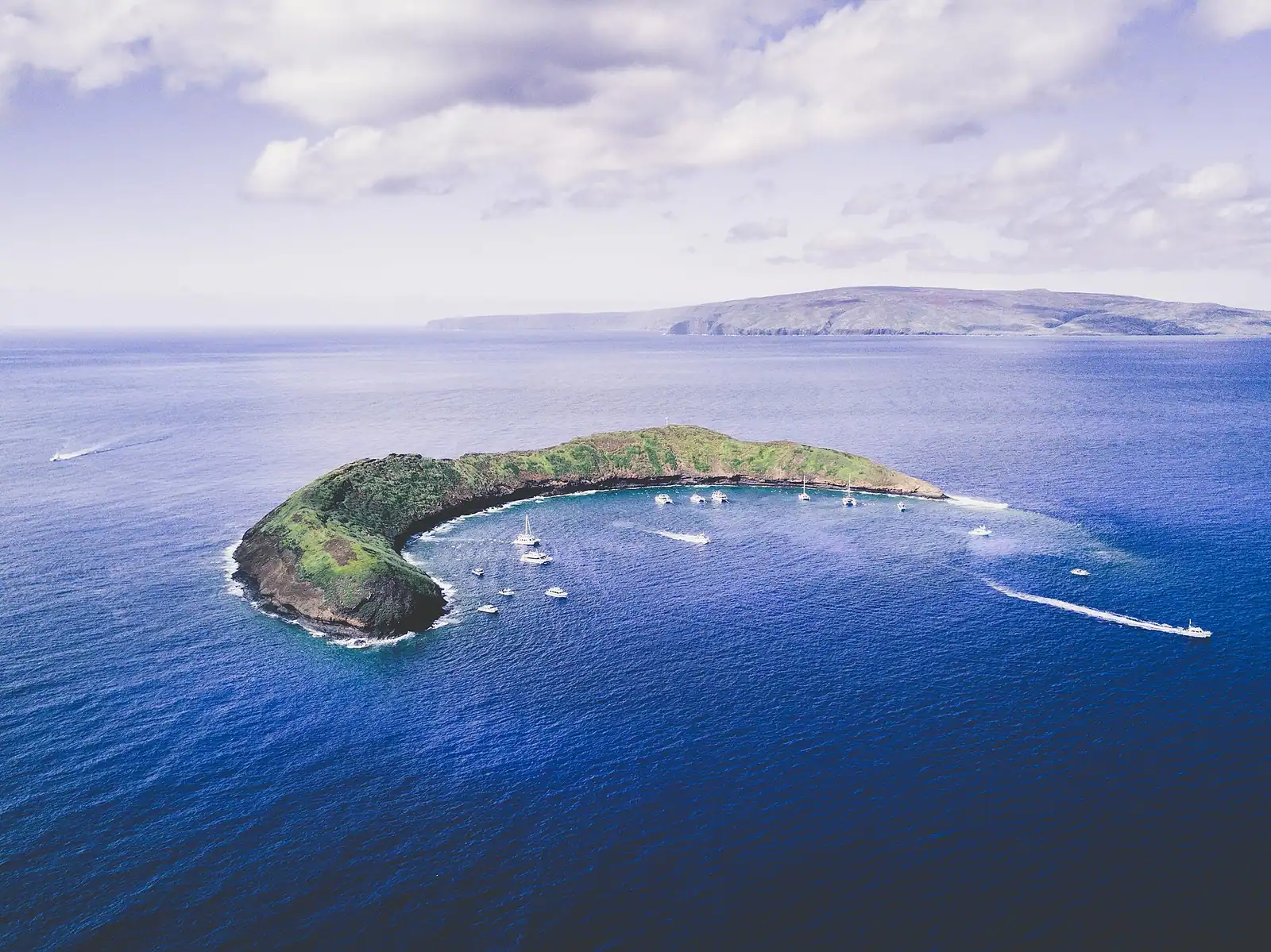
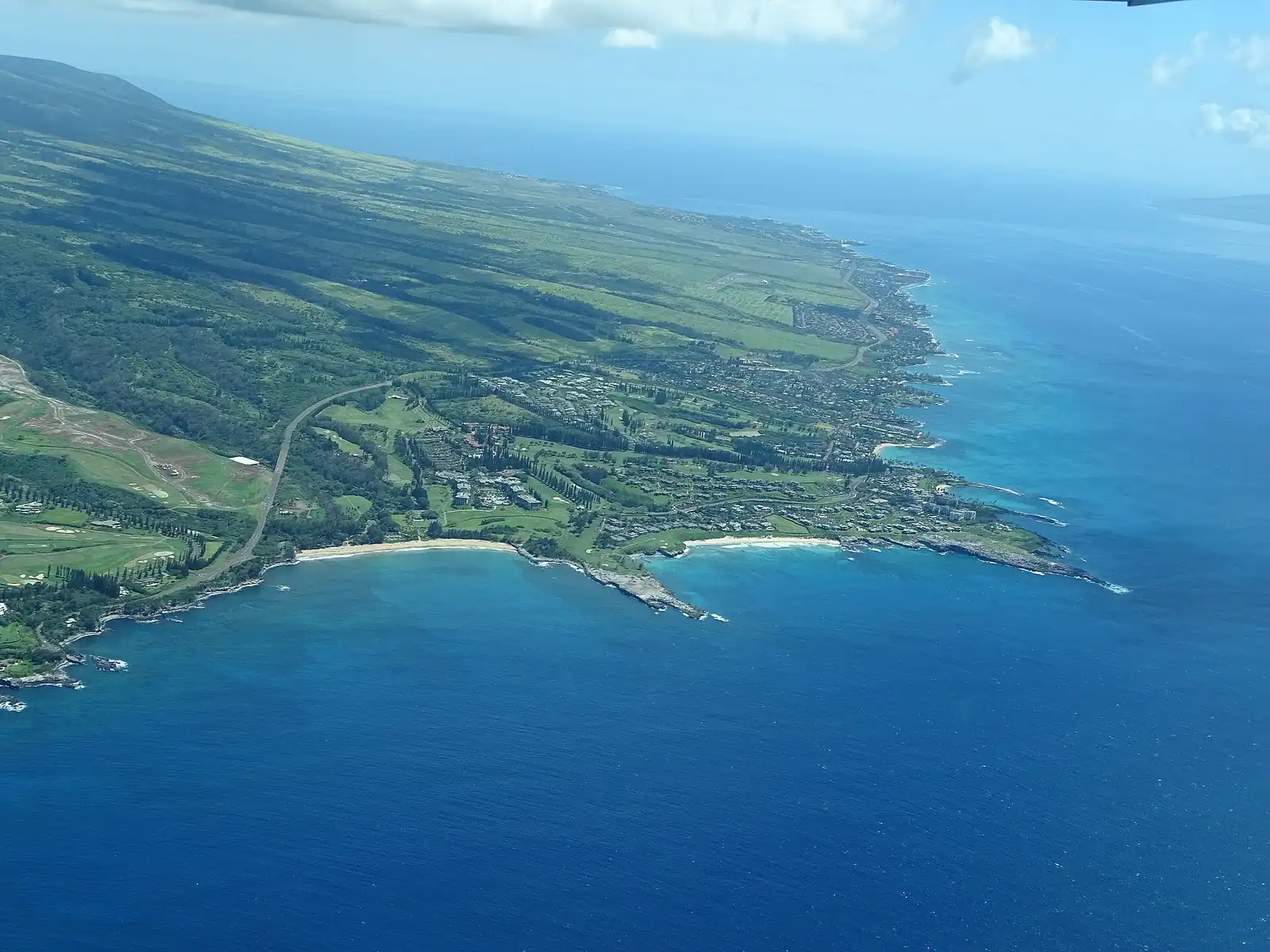
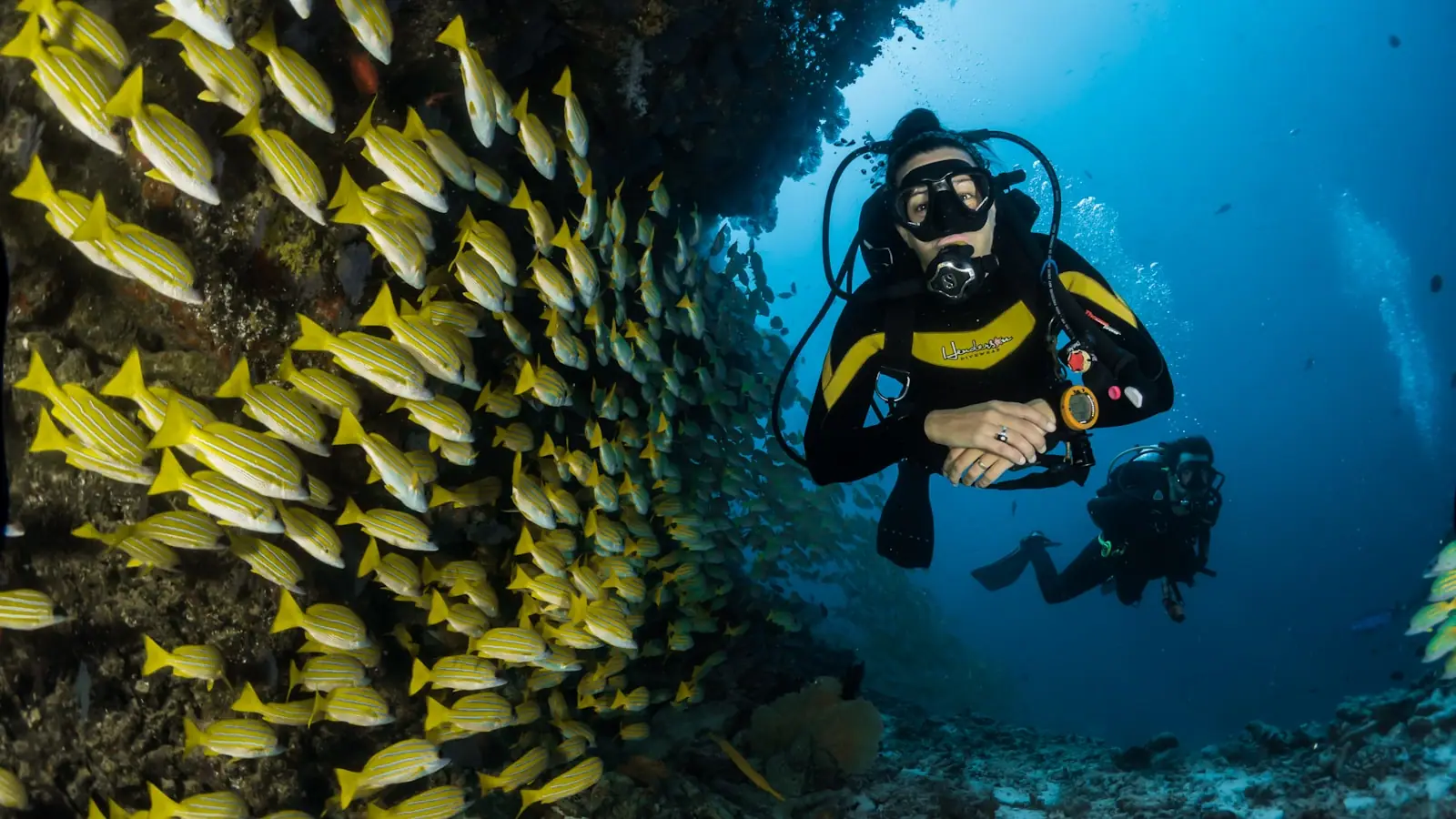
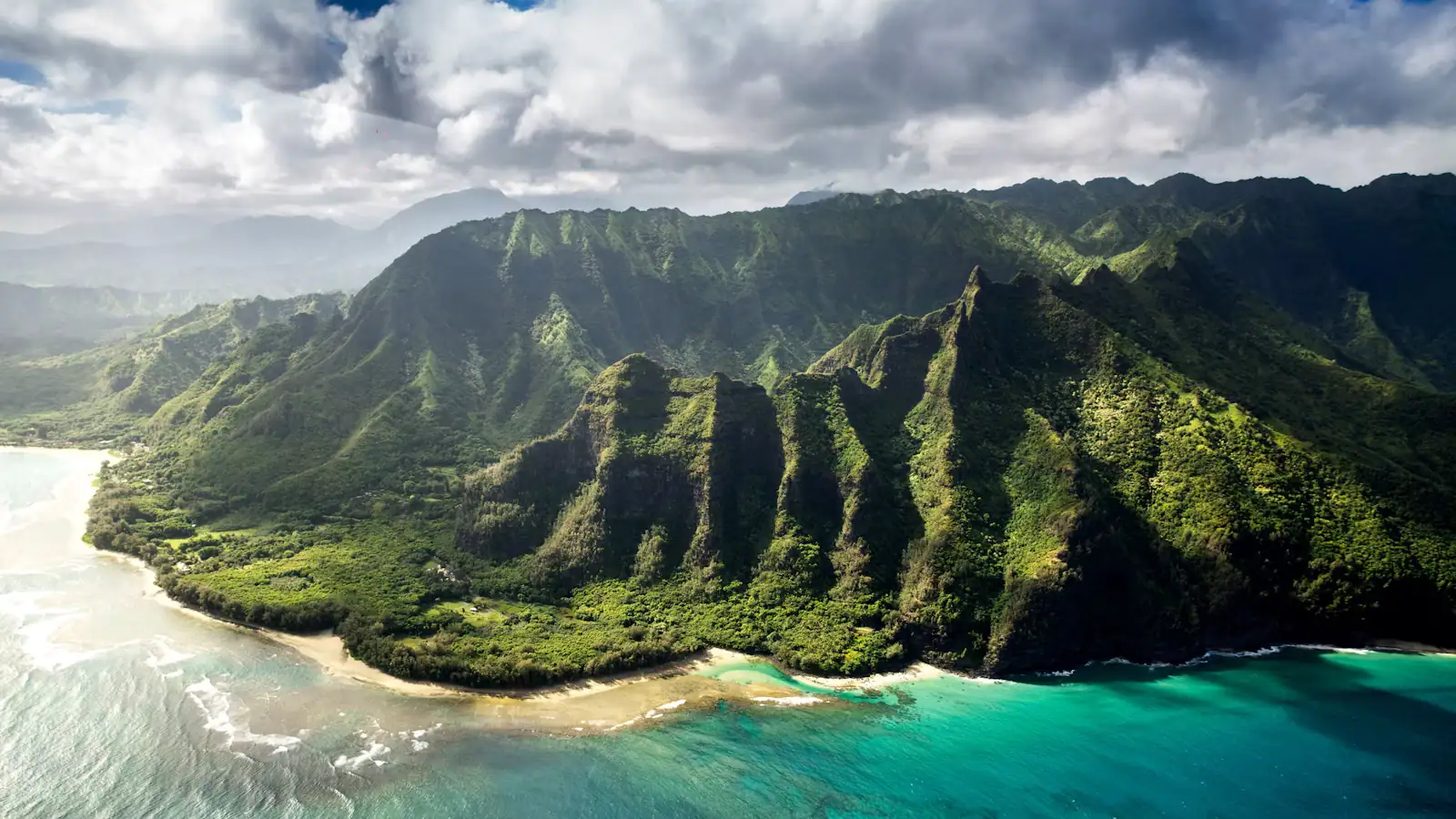
Maui dives better than its reputation suggests, and the reason is volcanic. The island's leeward coast is young lava that fell into deep water, so instead of the broad flat reefs of the Caribbean you get arches, ledges, collapsed lava tubes and sudden drop-offs within a few minutes of a boat ramp. Add Molokini, a crescent of a partly submerged tuff cone sitting three miles off Mākena in open water, and Lānaʻi's south coast forty minutes across the ʻAuʻau Channel, and there is enough variety here to fill a week without repeating a site.
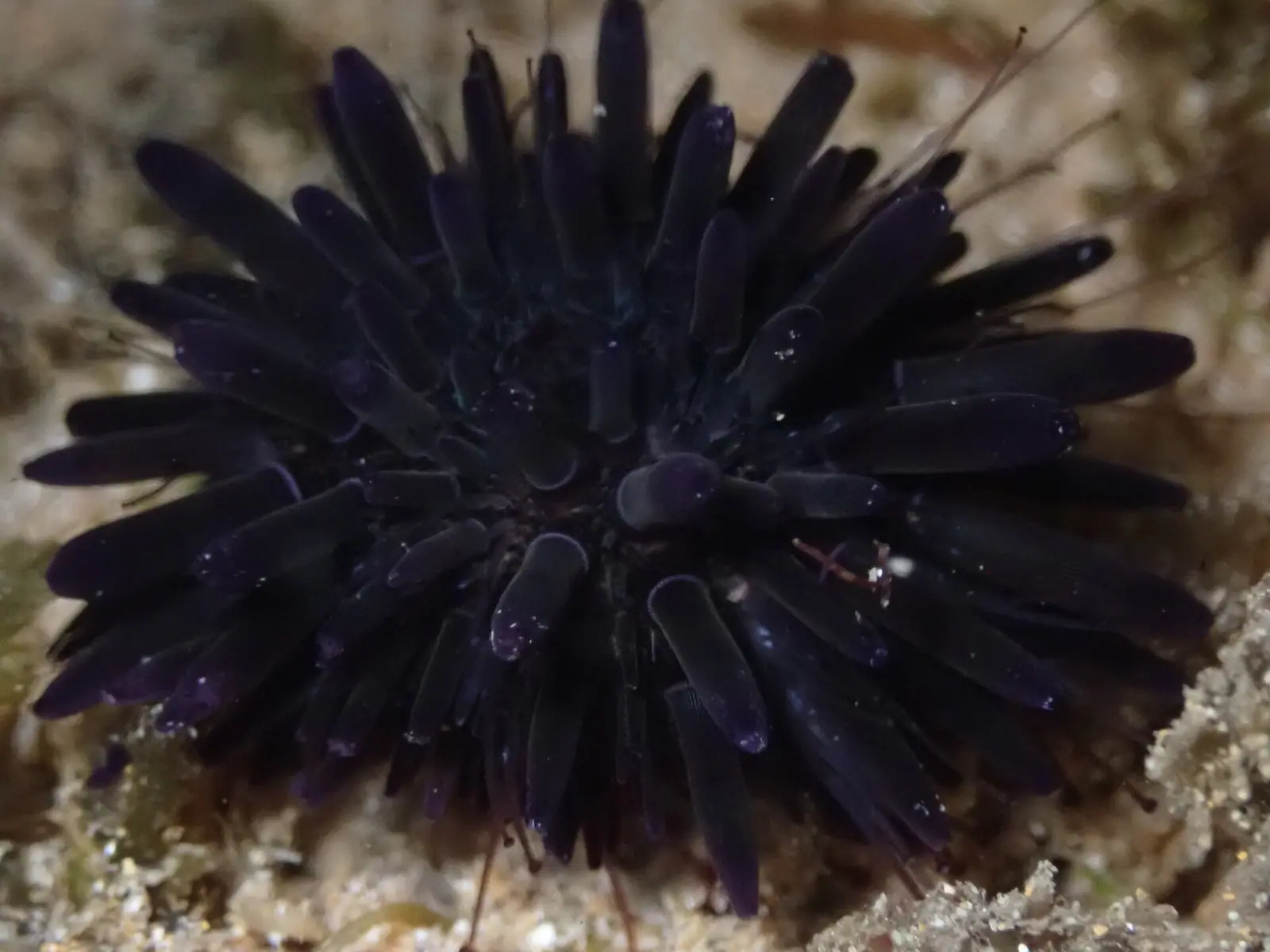
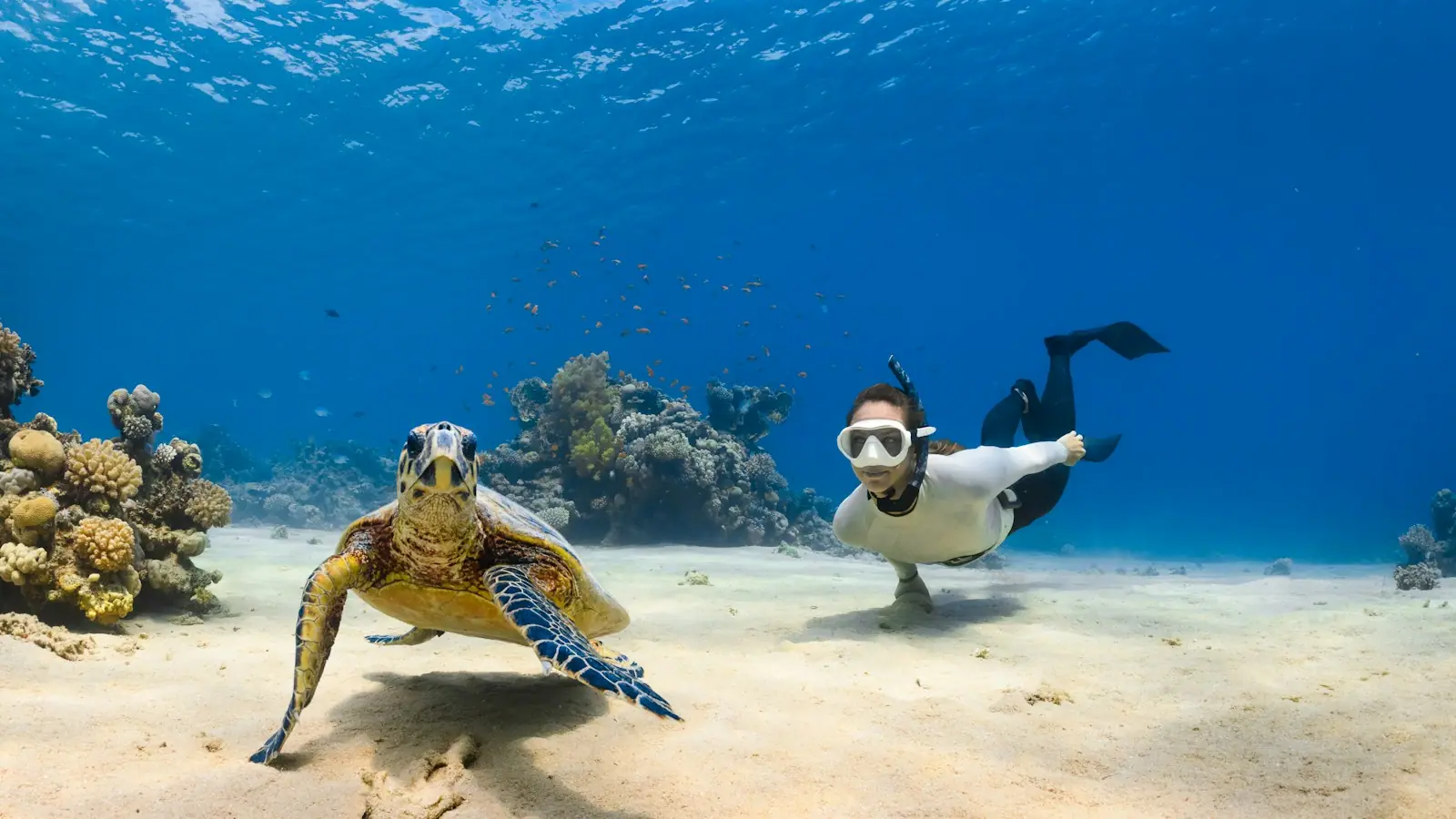
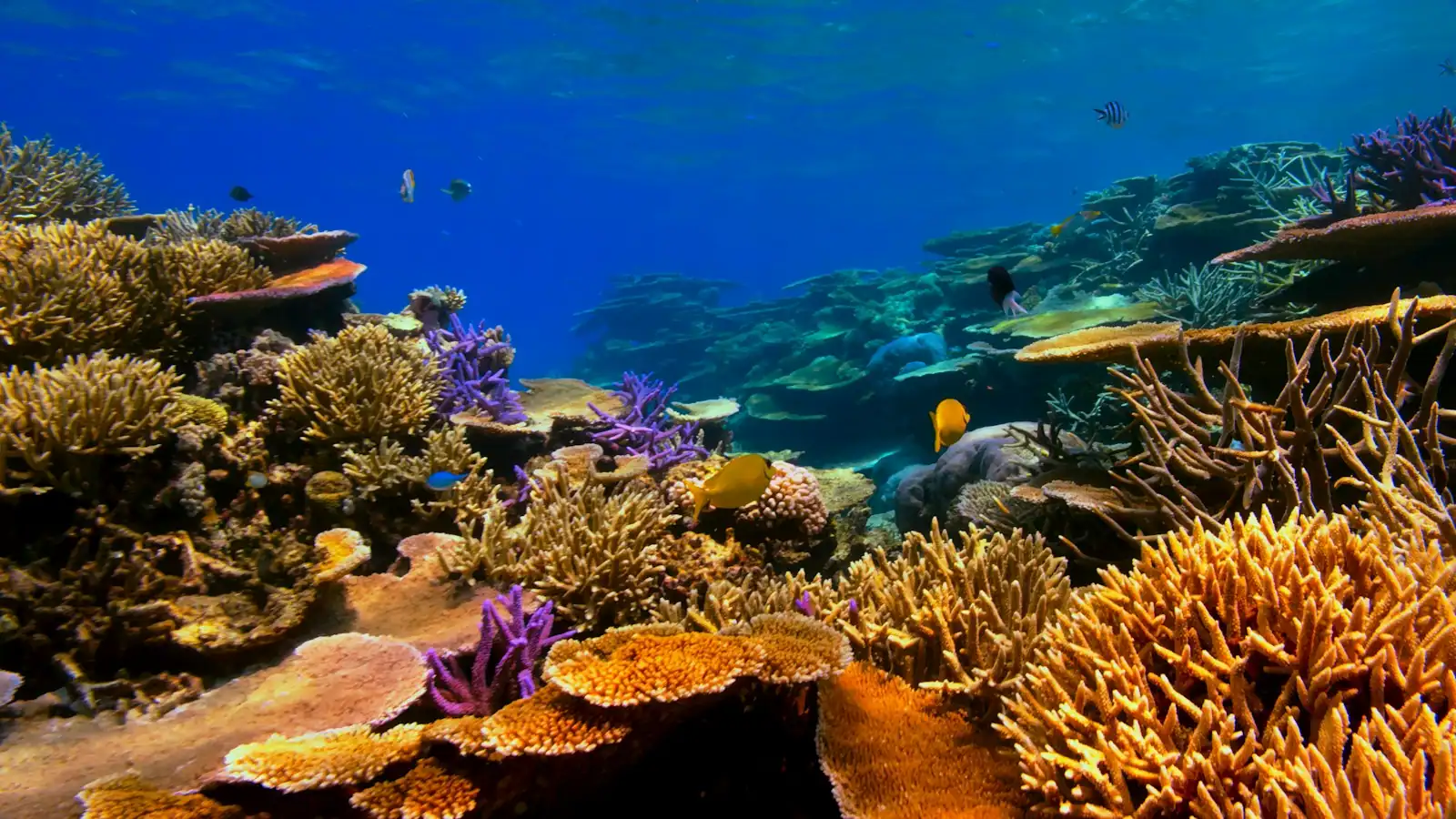
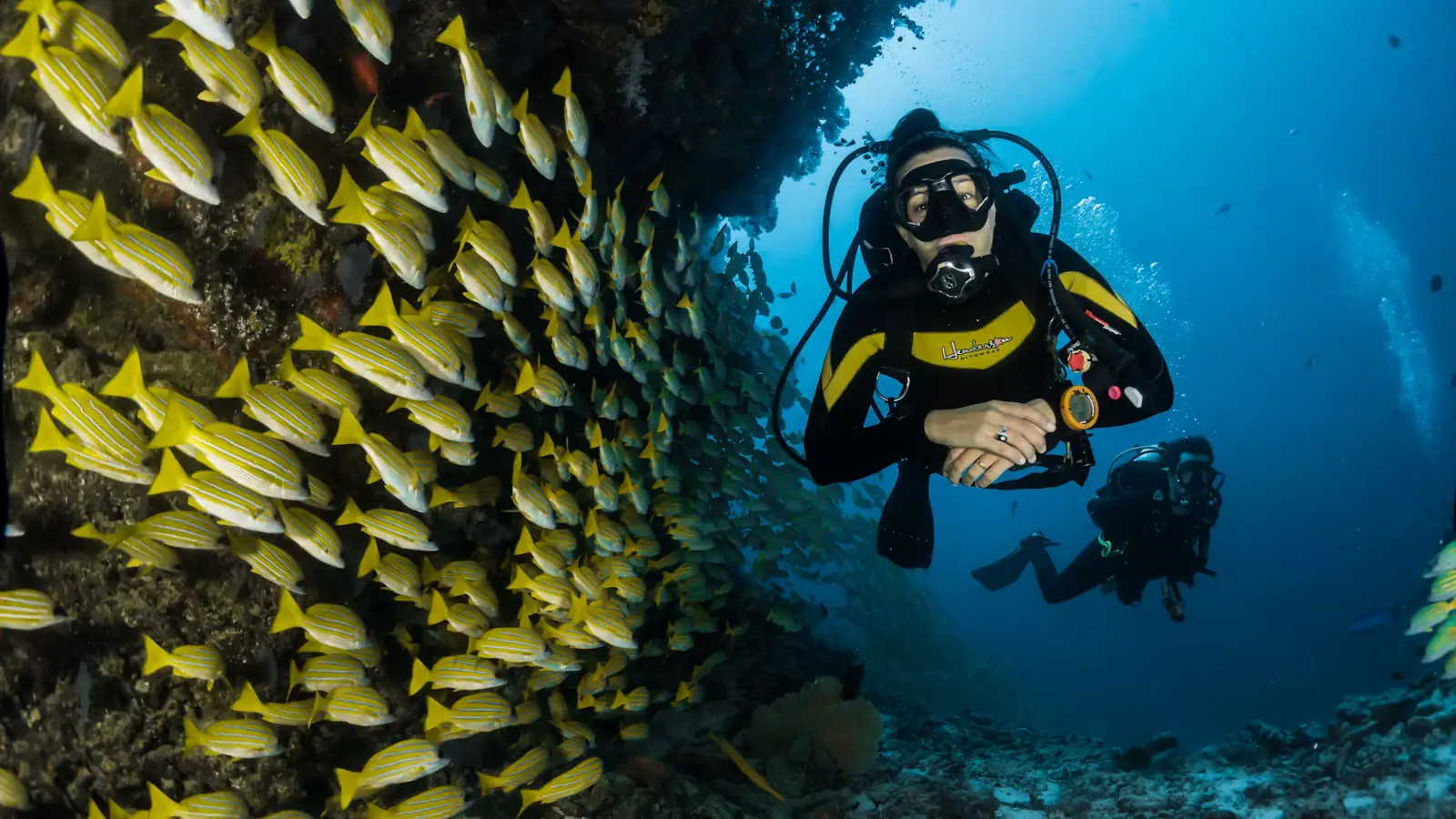
The fish are the other half of the argument. Roughly a quarter of the reef fish in Hawaiian waters are found nowhere else on earth, the highest rate of endemism of any island group in the world, which is why divers who have logged hundreds of hours in the tropics still surface here talking about the fish. Bandit angelfish, Potter's angelfish, saddle wrasse, the endemic butterflyfish, the Hawaiian cleaner wrasse working a station on a turtle's shell. Green sea turtles are so routine on the south-shore dives that the site names give it away.
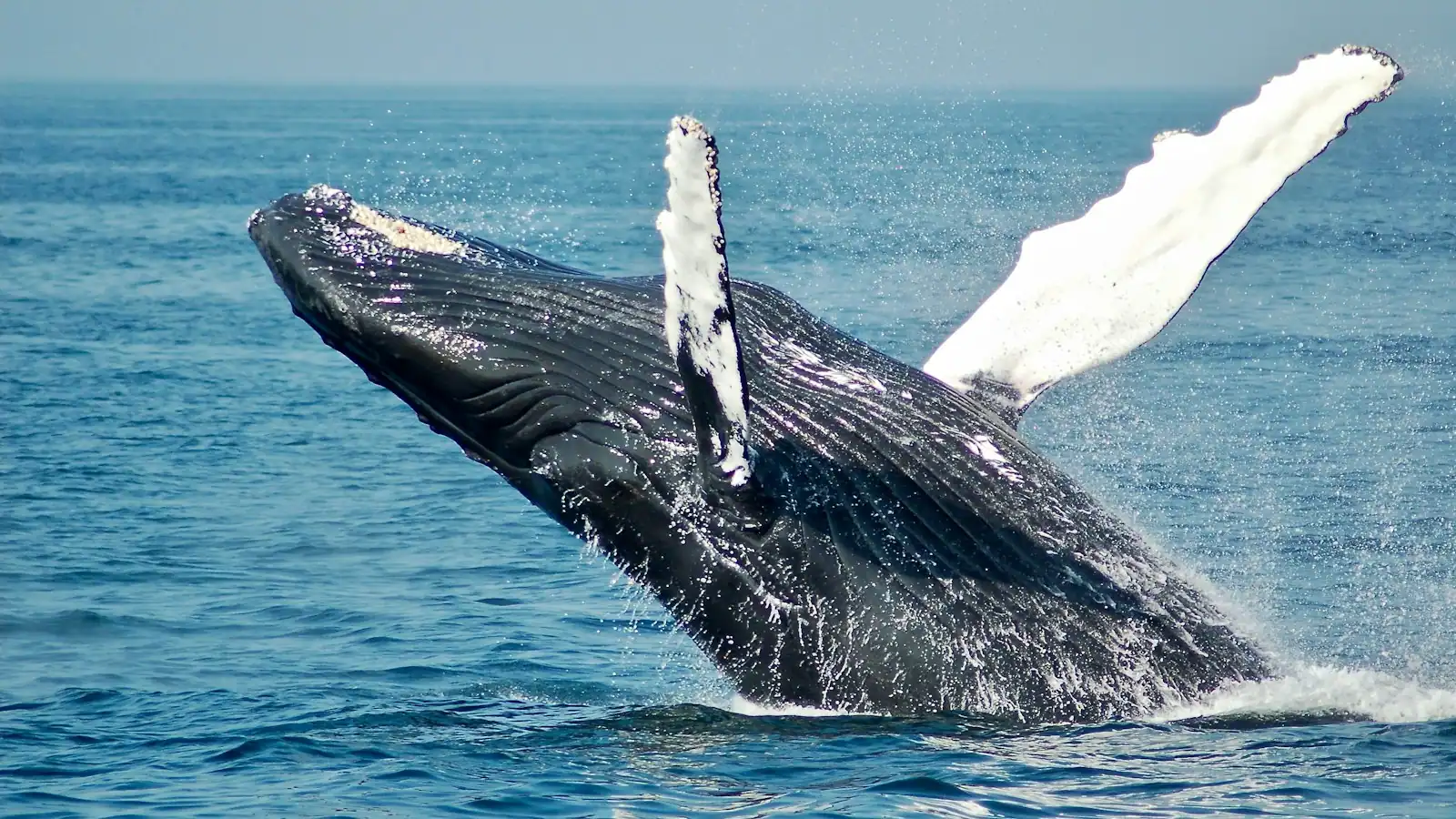
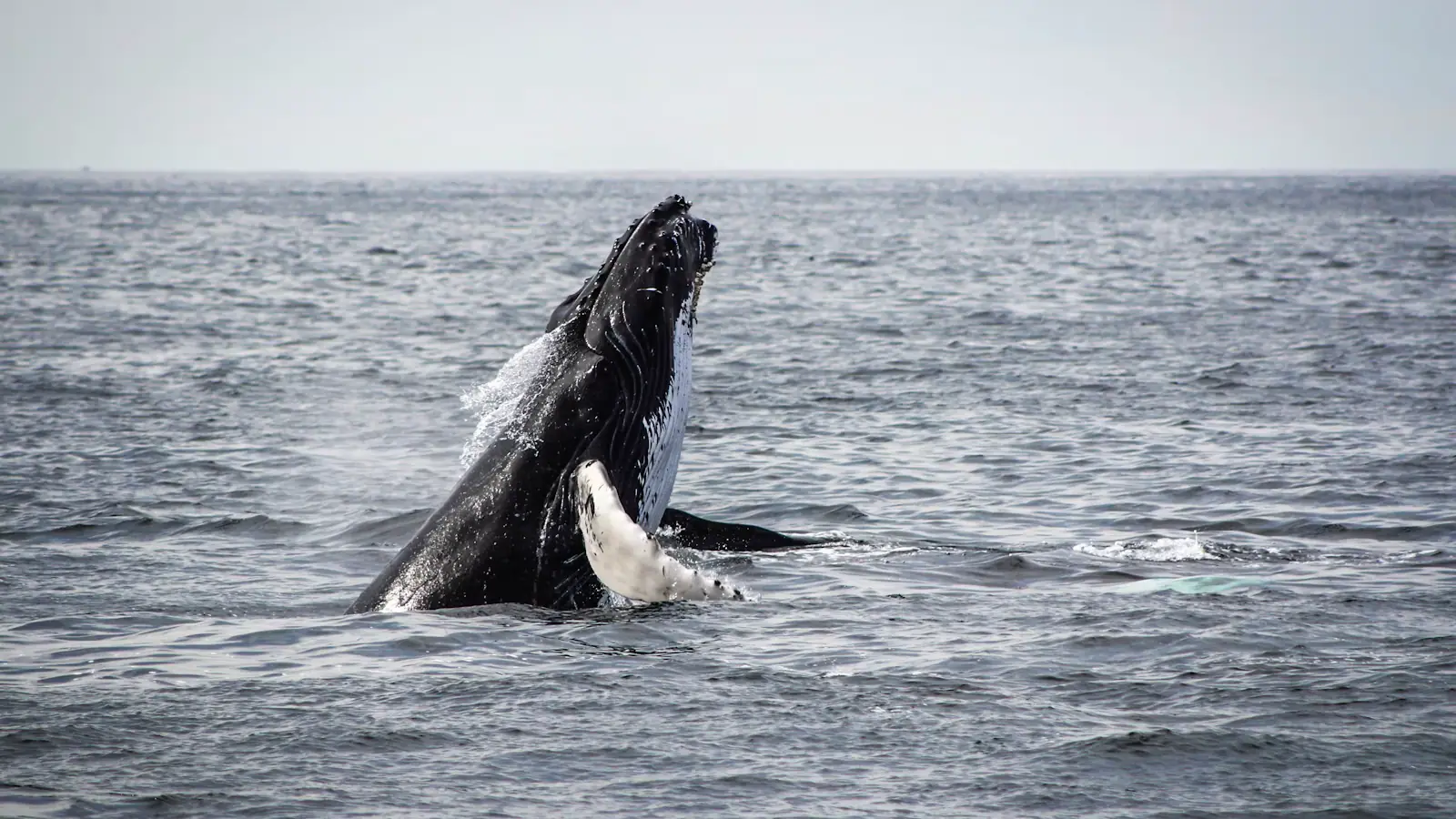
Then there is the thing that no other dive destination in the United States can offer. From roughly December through April, humpback whales fill the ʻAuʻau Channel, and you hear them underwater. Not occasionally. On a winter dive off Lānaʻi or the back wall of Molokini, whale song is a constant presence in the water, a structure of moans and rising notes that carries for miles and feels like it is coming from inside your own chest. You will not see a whale on a dive, because federal law keeps boats and divers a hundred yards away and the whales have no reason to come to you. You will hear them for the entire dive, and divers remember that longer than they remember the reef.
The practical shape of Maui diving is simple. Almost everything leaves in the morning, because the trade winds accelerate through the gap between Haleakalā and the West Maui Mountains and turn the channel and the Molokini crossing lumpy by early afternoon. Most boats run two tanks. Water sits somewhere around 75°F in late winter and near 80°F in late summer, so a 3mm shorty or full suit covers the year. Visibility at Molokini regularly exceeds a hundred feet, which is the number that keeps the site on best-of lists.
One warning up front, because it is specific to Maui and it is the mistake visitors make. The summit of Haleakalā is 10,023 feet, and the road to it climbs from sea level in about two hours. Driving to altitude after diving carries the same decompression risk as flying, and so does the flight home out of Kahului. Plan the summit and the dive days apart, and leave a full day between your last dive and your departure flight.