Skip to content
Menu

Booking through these earns us a commission from Viator. You pay the same, and payment did not decide what is listed.

Search

Things to Do

Upcountry Maui and the Farms

Last updated

Upcountry Maui, from Makawao's paniolo town to the Kula lavender and goat farms and the winery at ʻUlupalakua: what to see, when to go and what it costs.

Drive twenty-five minutes uphill from Kahului and Maui stops being a beach. The Haleakalā Highway climbs through the old cane land into pasture, the temperature drops ten to fifteen degrees, the air smells of eucalyptus rather than salt, and you start seeing fence lines, horses and cattle grates. This is upcountry: the western slope of the volcano between roughly 1,500 and 4,000 feet, running from Makawao through Pukalani and Kula up to Keokea and out to ʻUlupalakua. It has its own weather, its own agriculture and its own sense of itself, and a great many visitors who spend a week in Wailea never see it at all.

The history is ranching, not tourism. Cattle arrived in Hawaiʻi as a gift to Kamehameha I in the 1790s and were left to multiply until they became a problem, and in the 1830s Kamehameha III brought Mexican vaqueros from California to teach Hawaiians to manage them. The Hawaiian word for those cowboys, paniolo, comes from español, and paniolo culture on Maui predates the American cowboy of the mainland West. Makawao is where that history is still visible: a one-junction town of false-front timber buildings, saddleries, galleries and a bakery, which hosts one of the biggest rodeos in the state around the Fourth of July.

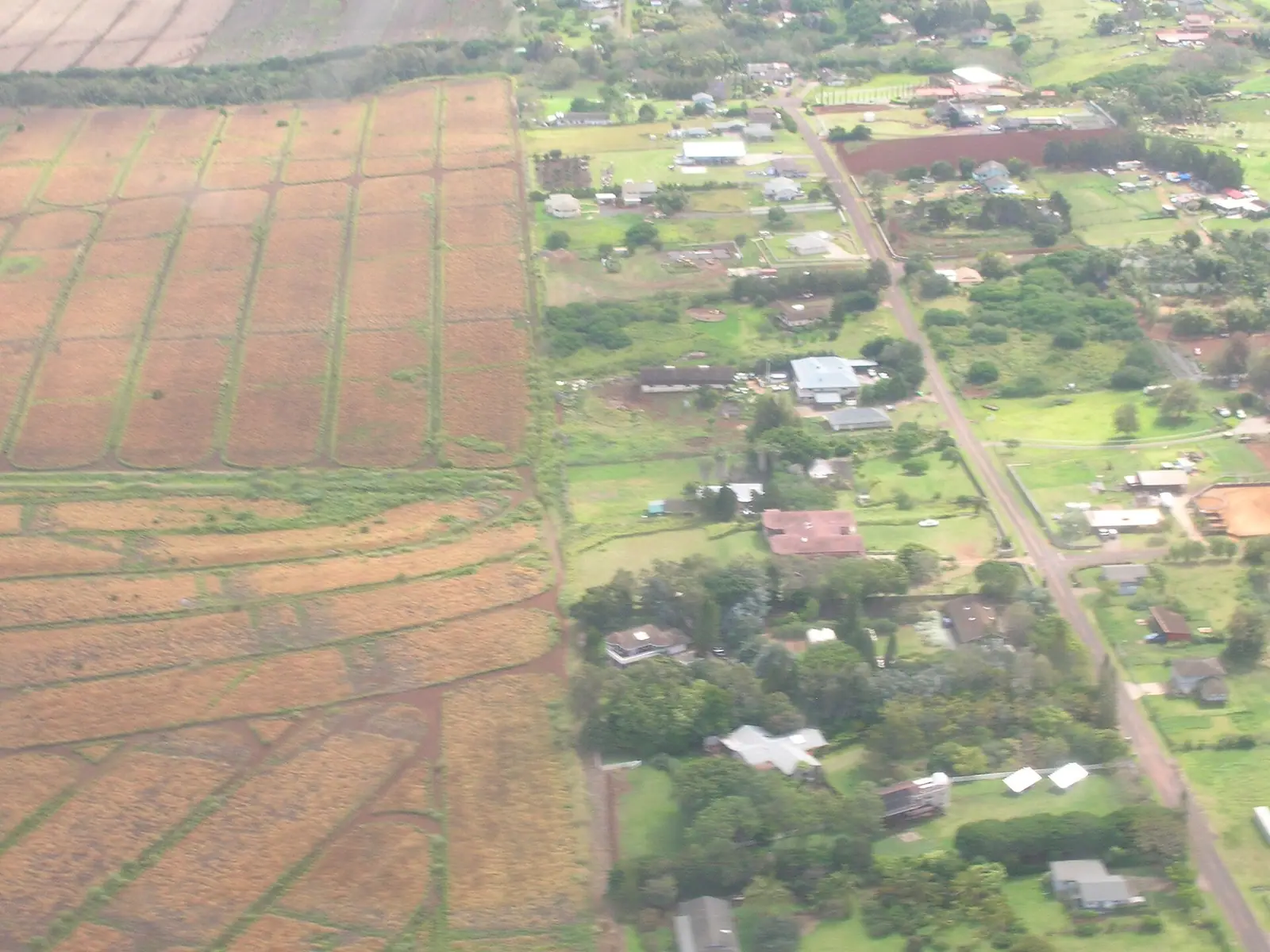
The agriculture is what makes it worth a day now. Elevation, volcanic soil and a reliable temperature range mean things grow up here that will not grow at sea level. Protea, a South African flower with an alien, architectural look, thrives on this slope and is shipped worldwide from Kula. Lavender is farmed at around 4,000 feet. Sweet Kula onions, strawberries, lettuces and coffee come off the same hillside. There is a goat dairy making cheese, a distillery growing its own sugarcane, a pineapple company still farming at Hāliʻimaile, and a winery at ʻUlupalakua that has been planted since the 1850s and once poured for King Kalākaua.

Context matters for that last point. Maui's plantation economy is recent history rather than ancient: Hawaiian Commercial and Sugar took the island's final commercial sugar harvest in December 2016, ending more than a century of cane in the central valley, and large-scale pineapple wound down before it. What you are driving through upcountry is farmland working out what it is now, which is why so much of it is open to visitors. The farm tours are not theatre. They are a second income stream for working agricultural businesses.

Practically, it is the best pairing on the island for a Haleakalā morning. Come down from the summit at eight, have breakfast in Kula, walk a lavender farm at ten and a winery at noon, and you have used a day the beach could not have improved on. And if the coast is hot, or windy, or you have snorkelled enough, upcountry is where Maui keeps its shade.
Our picks

The ones we would book

  • Editor's Pick

    Best guided upcountry farm tour

    Why we chose it

    Three or four working farms in a morning with transport included, which solves the two real problems: a winding unlit road between stops and the fact that two of the best places up here pour alcohol. Look for an itinerary that includes the lavender farm at around 4,000 feet and the ʻUlupalakua winery rather than only the easy lower-slope stops.

    Maui Pineapple Farm Tour in Haliimaile

    Low Supplier Cancellation Rate

    Maui Pineapple Farm Tour in Haliimaile (opens in a new tab)

    Editor's PickFree cancellation
    3.1K reviews

    We welcome you to the one and only Maui Pineapple Tour! Situated in the historic town of Hali'imaile, this unique tour offers an insiders…

    1–2 hours

    Prices checked

    from $99.48

What upcountry is actually like

Cooler, quieter, greener and much less organised for visitors than the coast, which is the point.

The temperature. Ten to fifteen degrees Fahrenheit below the beach, and more at the top of Kula. A morning at 4,000 feet can start at 55°F. Afternoons often bring mist rolling up the slope, which arrives fast and can cut visibility to a few hundred feet on the Kula Highway.

The look. Pasture, eucalyptus windbreaks, jacaranda along the roadsides, cattle, and long views down over the isthmus to the West Maui Mountains and out to Molokaʻi and Lānaʻi. On a clear morning you can see the whole shape of the island from the Kula Highway, which no coastal viewpoint gives you.

The pace. Shops keep their own hours, some close two days a week, and the famous bakery in Makawao sells out of its cream puffs by mid-morning. Turning up at three in the afternoon expecting a full menu is the standard visitor mistake.

The distances. Makawao to ʻUlupalakua is about forty minutes of winding two-lane road with no streetlights. From Kāʻanapali, allow an hour and a quarter just to reach Pukalani. Upcountry is a half-day at minimum and works much better as a full one.

What it is not. There is no strip of attractions and very little signage. Several farms require a booking rather than a walk-up, and one or two ask for a week's notice in high season. Treat it like visiting a set of working businesses spread across a hillside, because that is what it is.

Spring bonus. Roughly March through May the jacaranda along the Kula Highway comes into purple bloom, which is briefly one of the most photographed stretches of road in Hawaiʻi.

The towns, and who each suits

Makawao, at about 1,600 feet, is the centre of paniolo Maui and the one town up here that rewards simply walking around. False-front timber buildings on a single crossroads hold saddleries, galleries, a glass-blowing studio, coffee and the bakery whose cream puffs sell out by mid-morning. The Makawao Rodeo around the Fourth of July is one of the largest in Hawaiʻi and fills the town. It suits browsers, couples and anyone who likes towns better than attractions.

Pukalani is where upcountry does its shopping: a supermarket, a petrol station and a hardware store. It is also, practically, the last convenient fuel before the drive to the Haleakalā summit, which is worth knowing at 3am.

Kula is not really a town but a long scatter of farms, nurseries, churches and houses along the Kula Highway between roughly 2,000 and 4,000 feet. This is where most of the farms are and where the views are best. It suits people who are happy to drive between stops.

Keokea, further south and smaller still, is two shops, a gallery and a coffee house with a view, plus a park commemorating Sun Yat-sen, who had family ties to the Chinese farming community that settled this part of the slope in the late 19th century. It suits anyone who wants the quietest coffee stop on Maui.

ʻUlupalakua, at the end of the road, is a working cattle ranch with a winery, a store and a grill across the road. It is the natural turning point of an upcountry drive and the place most people wish they had allowed more time for.

Who should come up here. Anyone on a second visit to Maui. Anyone travelling with someone who does not want another boat. Families with children who like animals. Couples looking for an afternoon that is not a beach. And anyone who has just come down from Haleakalā at sunrise and needs breakfast.

When to go up, and how long to allow

When to go

Morning is clearer. Cloud builds on the slope through the day and the mist can close in on Kula by early afternoon, sometimes completely. A morning start gives you the long views down over the isthmus; a late-afternoon arrival often gives you fog.

Half a day minimum, a full day ideally. Makawao and two farms is a comfortable half-day. Adding ʻUlupalakua and Keokea makes it a full one, because the driving between stops is slow and the road is winding.

The obvious pairing. Haleakalā sunrise, then breakfast in Kula or Makawao, then a farm or two on the way down. You are already at altitude, everything is open by nine, and it turns the worst alarm clock of the holiday into the best day of it.

Jacaranda season, roughly March to May. The Kula Highway turns purple. It is short, it varies year to year, and it is worth timing a drive around if you are here for it.

Rodeo week, around the Fourth of July. Makawao fills, parking disappears and the town is at its most itself. Plan for it or plan around it.

Winter. November through March is cooler, mistier and greener, with more rain on the slope. It is also the quietest. A 55°F morning at a lavender farm is a genuine change of pace from a week on the south shore.

Days of the week. Several upcountry businesses close two days a week and farm tours often run on fixed schedules rather than continuously. Check before you build a day around any single stop, and book the guided tours ahead in peak weeks.

Do not combine it with Hāna. They are on opposite sides of the mountain and both need a day.

What an upcountry day costs

What it costs

This is the cheap end of Maui, which on an island with a median bookable activity price a little over $200 is worth knowing. Bands below; confirm current rates before you go.

Free. The drive itself, which is the main event. Walking around Makawao and Keokea. The winery grounds and the historic mill ruins at ʻUlupalakua. Roadside farm stands. The jacaranda in spring.

Under $25 a head. Entry to the botanical garden. A tasting flight at the winery. A self-guided walk at the lavender farm. Coffee and a cream puff in Makawao, if you get there early enough.

$25 to $60 a head. Guided walking tours at the lavender farm. Farm and cheese-tasting tours at the goat dairy. Distillery tours with tasting. A pineapple farm tour, usually including a pineapple to take home.

$130 to $250 a head. A guided upcountry farm tour by van, typically visiting three or four farms with transport and tastings included, which removes the driving and the winding-road problem and is the right answer if you intend to taste anything.

$180 to $400. Combination day tours that pair a Haleakalā sunrise with upcountry stops on the descent.

The hidden costs. Fuel, because the climb and the distances are real. And the shopping, because protea, lavender products, goat cheese, coffee and a bottle of wine add up faster than a tasting fee does. Several farms will ship flowers to the mainland, which is a better souvenir than most and is worth asking about at the counter.

Book it

Everything else we track

We could not find tours matching this right now

Nothing came back for Maui upcountry. Operators add and retire experiences constantly, so this list changes week to week. Try a broader category, or come back in a day or two.

The farms and gardens, and what each one does

How they compare

Working businesses, spread across the slope. Most want a booking; several do not open every day.

WhereRoughlyWhat you actually doBest for
Lavender farm, upper KulaAround 4,000 ftWalk terraced gardens of lavender and protea with long views down the slope, take a guided walking tour, drink lavender tea and eat a lavender sconeThe single prettiest hour upcountry; couples; anyone wanting a short, easy stop
Goat dairy, lower KulaAround 1,500 to 2,000 ftFarm tours, cheese tasting, feeding and milking sessions on some schedulesFamilies with children, and anyone who likes cheese enough to plan around it
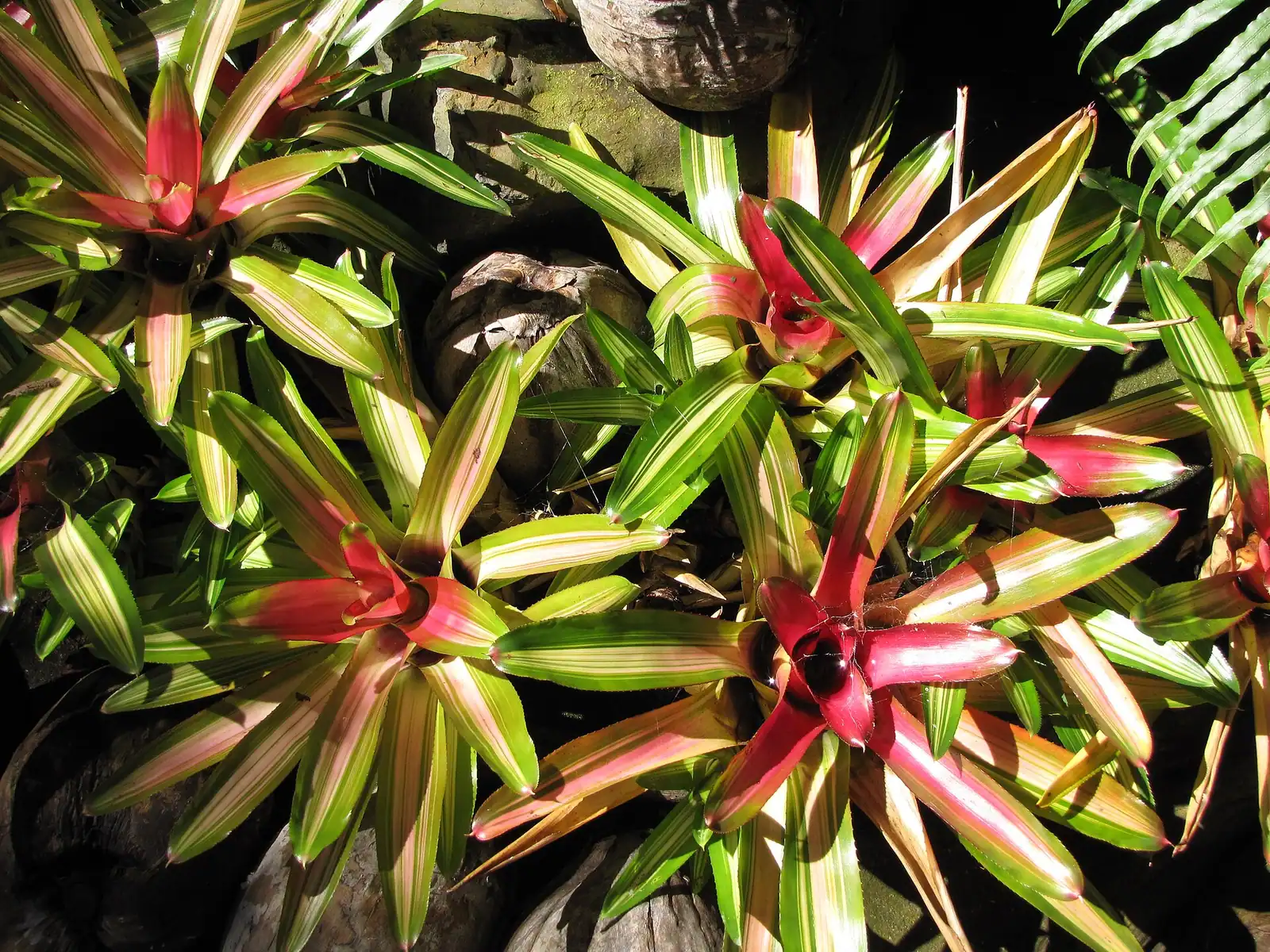
Kula Botanical GardenKula HighwayEight acres of koa, protea, bromeliads and native plantings on a self-guided walkA quiet, cheap, genuinely botanical hour; older visitors; a rainy afternoon
Winery at ʻUlupalakuaAround 1,800 ft, end of the Kula HighwayTastings in a 19th-century cottage on a working cattle ranch, including a pineapple wine the estate is known for; free grounds and historic mill ruins to walkThe best single destination upcountry; adults; the natural turning point of a drive
Distillery, KulaUpper slopeTours of an organic farm growing its own sugarcane, with tastingAdults; something different from the wine and lavender pairing
Pineapple farm, HāliʻimaileAround 1,000 ft, lower slopeA working-farm tour of one of the last commercial pineapple operations in Hawaiʻi, usually with a pineapple to take awayAnyone curious about what replaced the plantations
Protea farms, KulaAcross the slopeBuying and shipping cut protea; some farms open to visitorsGardeners, and anyone wanting a souvenir that is not a T-shirt

Two planning notes. Book ahead, a week or more in the December to April and mid-June to August peaks, because several of these run small guided tours with limited capacity. And check opening days, since a number of upcountry businesses close two days a week and a Tuesday itinerary can collapse entirely.

What to take upcountry

What to bring

  • A jacket or fleece. Non-negotiable. Upcountry runs ten to fifteen degrees cooler than the coast and the top of Kula can sit around 55°F on a misty morning while Kīhei is at 84°F.
  • Closed shoes. You will be walking on farm tracks, gravel, wet grass and, at one or two places, actual mud. Flip-flops do not work up here.
  • Cash. Farm stands, honesty boxes and some small shops do not take cards, and mobile signal is patchy in places on the upper slope.
  • A cool bag if you intend to buy cheese, flowers or produce and then drive around for four hours in a hot car.
  • Sunglasses and mineral sunscreen. UV at 3,000 to 4,000 feet is stronger than at the beach even when the air is cool, and Maui County permits only mineral sunscreen.
  • A full tank. Fuel is available in Pukalani and Kula and then essentially nowhere until you come back down. This is also the practical answer for anyone heading to the summit before dawn.
  • Your bookings, downloaded. Several farms run capacity-limited tours and signal is unreliable.
  • Patience with the road. It is two lanes, winding, unlit, and locals drive it every day. Use the pullouts.

Leave behind: any expectation that everything is open, and any plan that depends on a single business being open on a particular day without checking.

The roads, the fog, and the one that is not a shortcut

Before you book

The Kula Highway and the Makawao roads are working rural roads. Two lanes, no lighting, blind bends, cattle grates and a fair amount of farm traffic. Local drivers are commuting; visitors are sightseeing. Use the pullouts to let people past rather than driving slowly with a queue behind you.

Fog arrives fast. Cloud rolls up the slope in the afternoon and visibility can drop to a few hundred feet within minutes on the upper Kula Highway. Use headlights rather than full beam, and never stop in the lane for a photograph.

The back road past ʻUlupalakua is not a shortcut. The Piʻilani Highway continues around the dry southern flank of Haleakalā toward Kaupō and eventually joins the Hāna side. Sections are narrow, rough, unpaved in places, subject to rockfall and washout, and there is no fuel, no service and frequently no mobile signal. Most hire car agreements prohibit it outright, which means a breakdown or a claim is on you. Unless you have specifically checked your rental terms and current road conditions, turn around at ʻUlupalakua.

The Polipoli road to the state recreation area at around 6,200 feet is similarly rough and often needs a high-clearance or four-wheel-drive vehicle. It is also cold and frequently fogged in. Check conditions before committing.

Altitude. Nothing upcountry is high enough to cause trouble, but the 10,023-foot summit is, and nobody should drive up there within 18 hours of scuba diving.

Drinking and driving. There are a winery and a distillery up here, on winding unlit roads, an hour from the resorts. If tasting is the plan, take a guided tour or nominate a driver. This is the most obvious hazard on this page and the one most often ignored.

Respect the working land. Fences, gates and no-entry signs upcountry are protecting cattle, crops and people's homes. Do not walk into a field for a photograph.

On the ground

Where to go

Every place below has its own page — hours, parking, what it costs and what to expect when you get there.

  • Bare volcanic cinder cones on a high crater floor under early morning light

    Park

    Haleakalā National Park

    A 10,023-foot volcano with a reservation system at the gate and a second district four hours away on the far side of the island.

    3–8 hoursAround $30 per private vehicle, valid three days and covering both districts. Sunrise entry needs a separate $1 reservation.

  • Rows of grapevines running across an upland slope with hills beyond

    Entertainment

    MauiWine at ʻUlupalakua Ranch

    Free

    Maui's only winery, pouring estate syrah and sparkling pineapple wine in a cottage built for King Kalākaua on a working cattle ranch.

    1–2.5 hoursNo admission charge to visit the grounds and tasting room. Flights, glasses and bottles are paid for individually.

  • Low wooden false-front storefronts along a quiet small-town street under a cloudy sky

    Neighbourhood

    Makawao Town

    Free

    Hawaiian cowboy country at 1,600 feet, where two streets of false-front storefronts meet and the Fourth of July means a rodeo.

    1–3 hoursFree to visit. Parking is free on the street.

  • Rows of flowering lavender running across a sloping field

    Park

    Aliʻi Kula Lavender

    Thirteen acres of lavender at 4,000 feet, with a view that takes in both of Maui's coastlines on a clear morning.

    1–2 hoursA small admission charge, historically a few dollars per adult; children 12 and under free.

  • A spiky pink protea flower head with stiff bracts, photographed close up

    Park

    Kula Botanical Garden

    Eight acres of protea, koa and orchids at 3,300 feet, where the air is cool enough to grow things the rest of Maui cannot.

    1–2 hoursAround $15 per adult and about $5 for children roughly 6–12; under-sixes free.

  • A still lagoon reflecting steep green mountain ridges under scattered cloud

    Park

    Maui Tropical Plantation

    Free

    A working farm at the mouth of Waikapū Valley where the grounds are free and the mountain behind it does most of the work.

    1–2.5 hoursFree to enter the grounds and park. The tram tour, ziplines and food are charged separately.

Straight answers

Questions people actually ask

What is upcountry Maui?

The western slope of Haleakalā between roughly 1,500 and 4,000 feet, running from Makawao through Pukalani and Kula to Keokea and ʻUlupalakua. It is ranch and farm country rather than resort country: pasture, eucalyptus, protea and lavender farms, a goat dairy, a winery on a 19th-century cattle ranch, and a paniolo town with a rodeo. It runs ten to fifteen degrees Fahrenheit cooler than the coast and has its own weather.

Is upcountry Maui worth visiting?

If you have more than four days on the island, yes, and it is the part of Maui that most often surprises people. It gives you a completely different landscape and climate within half an hour of Kahului, a set of working farms you can visit, the best long views of the island's shape, and shade and cool air when the coast is hot. It pairs naturally with a Haleakalā sunrise, since you come down the same road.

How long does it take to drive upcountry from Kāʻanapali?

About an hour and a quarter to Pukalani or Makawao, and closer to an hour and three quarters to ʻUlupalakua at the end of the Kula Highway. From Wailea or Kīhei it is roughly 45 minutes to Kula. The roads upcountry are winding two-lane and unlit, so allow more time than a map suggests, and remember that Makawao to ʻUlupalakua alone is about forty minutes.

What farms can you visit upcountry on Maui?

The main ones are a lavender farm in upper Kula at around 4,000 feet, a goat dairy in lower Kula with cheese tastings and milking sessions, the Kula Botanical Garden, an organic distillery growing its own sugarcane, a pineapple farm at Hāliʻimaile, several protea nurseries, and the winery at ʻUlupalakua on a working cattle ranch. Most want a booking rather than a walk-up, and several close two days a week.

How much cooler is upcountry Maui?

Typically ten to fifteen degrees Fahrenheit below the coast, and more at the top of Kula. A misty morning at 4,000 feet can sit around 55°F while Kīhei is in the mid-eighties. Afternoons often bring cloud rolling up the slope, which arrives quickly and can cut visibility on the Kula Highway. Bring a jacket or fleece, which is the item visitors most consistently leave in the hotel.

When do the jacaranda trees bloom on Maui?

Roughly March through May, varying year to year, when the jacaranda along the Kula Highway turns purple and drops a carpet of blossom on the road. It is short-lived and worth timing a drive around if you are on the island for it. The same season is pleasant upcountry generally: green from winter rain, clear mornings and temperatures in the sixties and seventies on the slope.

Can you drive the back road past ʻUlupalakua?

You can, but check your hire car agreement first, because most prohibit it. The Piʻilani Highway continues around the dry southern flank of Haleakalā toward Kaupō and eventually the Hāna side, and sections are narrow, rough, unpaved in places and subject to rockfall and washout. There is no fuel, no service and frequently no mobile signal. Unless you have checked both your rental terms and current road conditions, turn around at ʻUlupalakua.

Is there still sugar or pineapple farming on Maui?

Sugar has gone. Hawaiian Commercial and Sugar took the island's final commercial harvest in December 2016, ending more than a century of cane in the central valley, and large-scale pineapple wound down before it. Pineapple continues on a smaller scale at Hāliʻimaile, where a farm tour is one of the better upcountry stops. Much of what you see upcountry is former plantation land working out what comes next, which is why so many farms now welcome visitors.