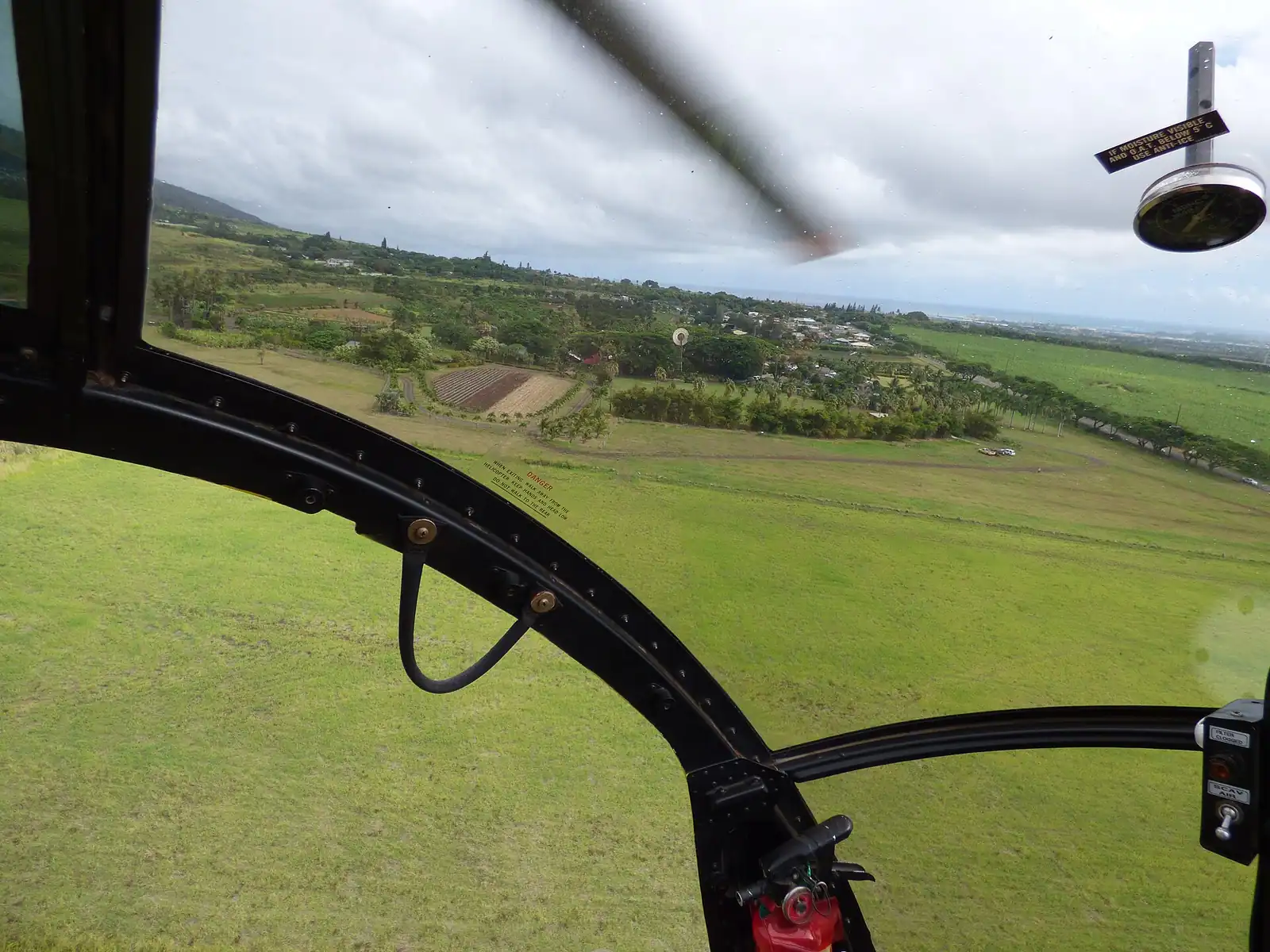
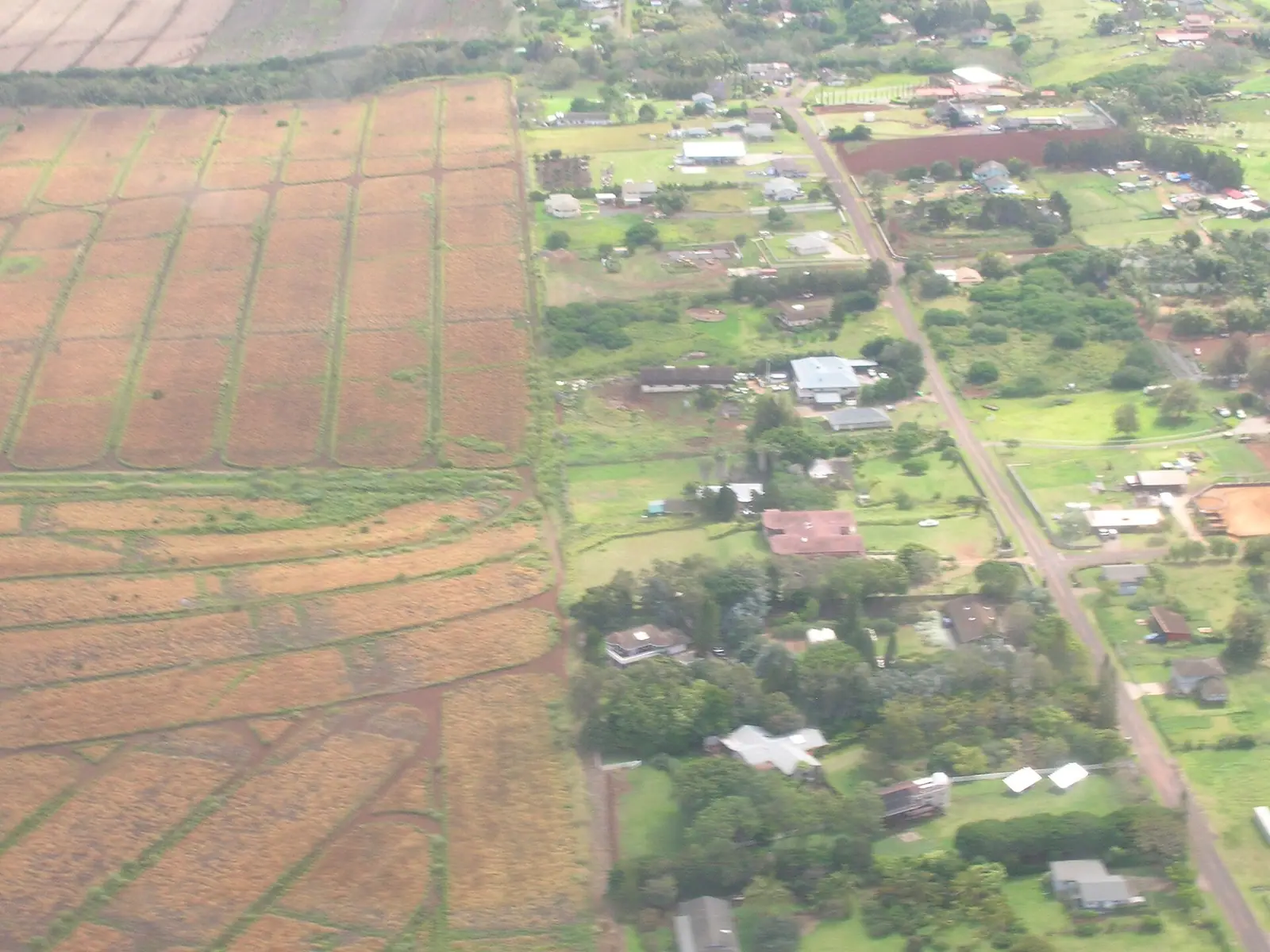
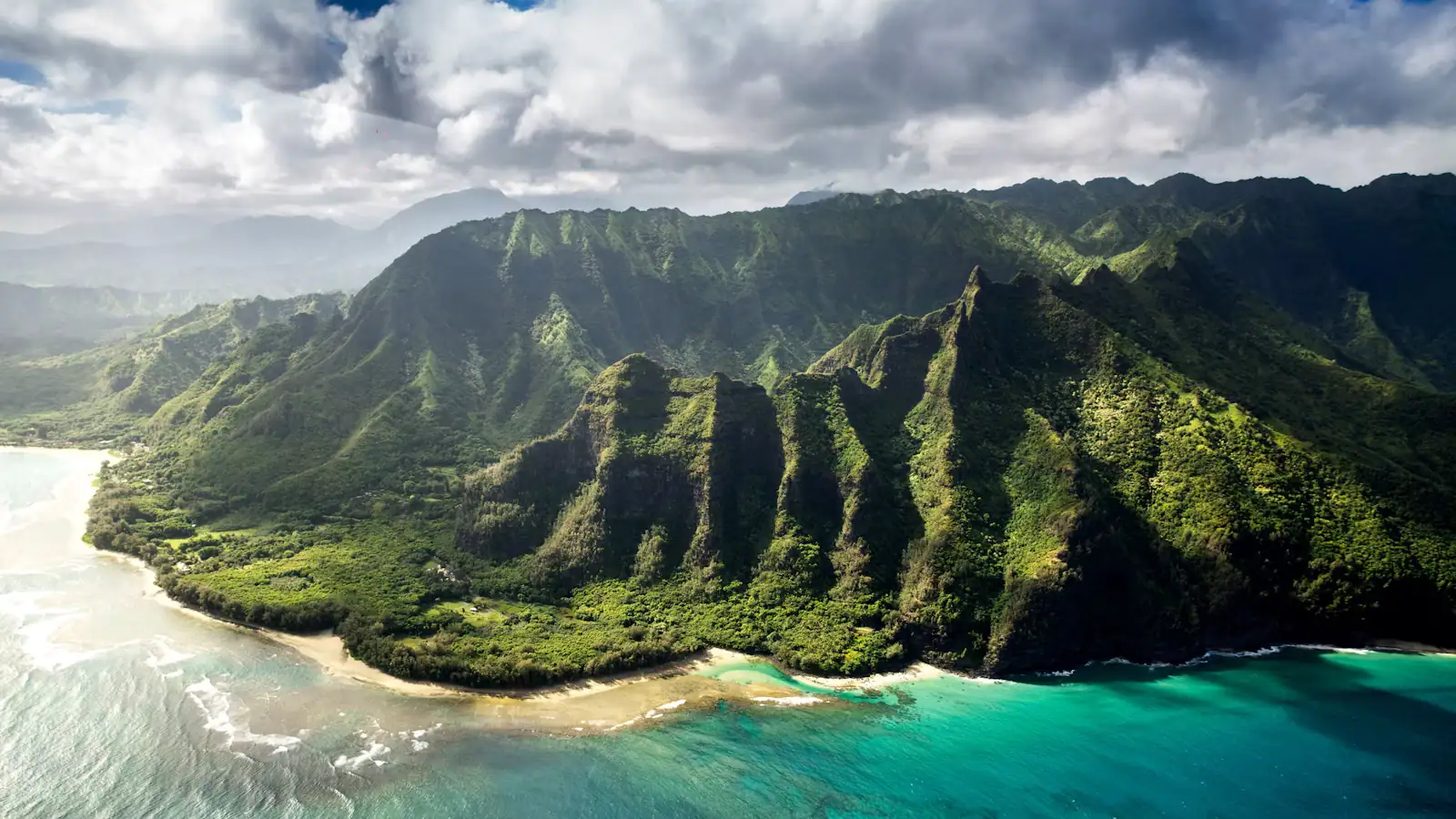
Almost every zipline on Maui is strung over land that was growing sugar or pineapple within the lifetime of the people running it. The central valley between Haleakalā and the West Maui Mountains was Hawaiʻi's last commercial sugar plantation until Hawaiian Commercial and Sugar took its final harvest in December 2016, and the fields above Kāʻanapali and Kapalua grew pineapple for decades before that. What you are flying over is an agricultural landscape in the middle of deciding what to be next, and the better guides will tell you so.
There are four places to do it, and they are genuinely different rather than variations on a theme. Above Kāʻanapali, a course climbs into the West Maui foothills behind the resort, with lines that run out toward the ocean and a view across the ʻAuʻau Channel to Lānaʻi and Molokaʻi on a clear morning. On the slope of Haleakalā at around three to four thousand feet, an upcountry course runs through eucalyptus and pasture in air that is ten to fifteen degrees cooler than the coast, with short guided walks between platforms. At Kapalua, side-by-side dual lines let two people fly together, with roughly two miles of cable, a long suspension bridge across a gulch and an off-road vehicle shuttle up through old pineapple fields. And in Waikapū, in the central valley between Wailuku and Māʻalaea, the plantation grounds host two separate operations: a shorter, gentler course over the fields and lagoon that takes younger children, and a longer set of lines strung across the valleys behind it.
One correction worth making early, because guidebooks and blog posts have not caught up. The Piʻiholo Ranch zipline above Makawao, for years the biggest upcountry course on the island, has been closed for several years and is not coming back. If an itinerary you found online includes it, that itinerary is old and everything else in it should be checked too.
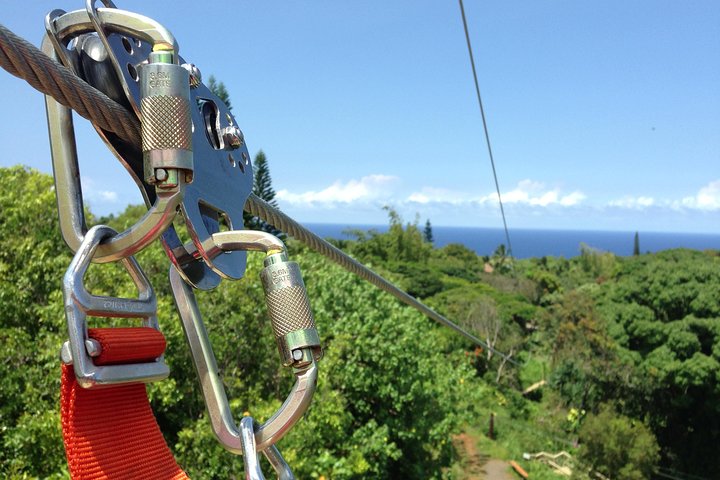
The practical shape is consistent across all four. You book ahead, because walk-ups are rarely accommodated. You arrive 15 to 30 minutes early for paperwork and harness fitting. You get a ground school on braking and hand position. Then you do somewhere between five and eight lines over two and a half to four hours, with a guide at each end of every cable. Guides clip and unclip you throughout, so the actual skill required is close to zero. What it asks of you is nerve on the first platform and the ability to follow instructions on the rest.
The limits are where bookings go wrong. Most Maui courses set a minimum weight around 80 pounds and a maximum somewhere between about 250 and 280, with minimum ages between roughly eight and ten on the bigger courses and lower on the family course at Waikapū. Those are safety limits tied to cable speed and braking, they are checked on a scale at check-in, and they are not negotiable. Read them before you pay, not after.