Skip to content
Menu

Booking through these earns us a commission from Viator. You pay the same, and payment did not decide what is listed.

Search

All Tours

Sunrise Tours on Maui

Last updated

How Haleakalā sunrise on Maui works: the recreation.gov reservation, why a tour skips it, the 10,023 ft cold, and the sunset alternative nobody books.

Haleakalā means house of the sun, and the name is not scenery. In Hawaiian tradition the demigod Māui climbed to this summit and snared the sun as it came over the rim, forcing it to move more slowly across the sky so his mother Hina could dry her kapa. People still come to the same rim for the same event, and Native Hawaiian practitioners still conduct oli, chant, at the moment the light arrives. If you are standing there when that happens, the correct response is silence and stillness. It is not a performance for visitors and it is not a photo opportunity.

The practical mechanics are less poetic. The summit is 10,023 feet above sea level, reached by a road that climbs from the coast in roughly two hours, and it is genuinely cold up there before dawn: temperatures in the thirties and forties Fahrenheit are normal, wind chill takes it lower, and ice on the railings in winter is not unusual. Visitors arrive in shorts every single morning and spend the sunrise sitting in a rental car with the heater on. Do not be one of them.

Since 2017, the National Park Service has required a timed reservation for every private vehicle entering the summit area between about 3am and 7am. It is booked through recreation.gov, it carries a small per-vehicle fee, and it is entirely separate from the park entrance fee. Reservations release 60 days ahead at 7am Hawaiʻi time, with a smaller batch of last-minute tickets released 48 hours before each date. They sell out. This is the single most common reason a Maui itinerary falls apart.

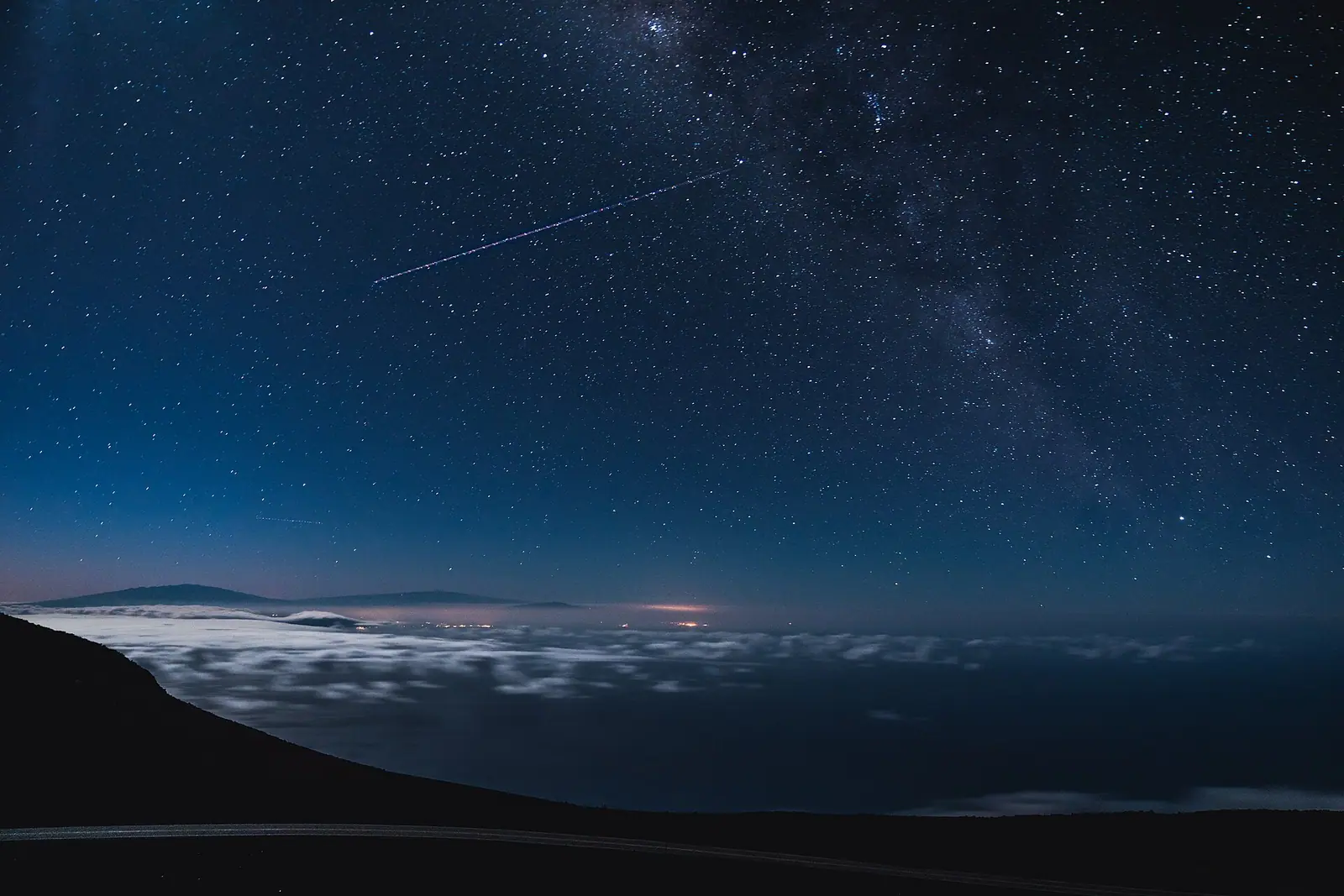
There are two ways around it. The first is to book a commercial tour, which operates under its own park permit, so your seat does not depend on a reservation you failed to win. The second is to go at sunset instead: the same summit, the same crater, the same cloud inversion, no reservation required at all, temperatures that are merely cold rather than pre-dawn cold, and a fraction of the crowd. Sunset at Haleakalā is one of the most underrated recommendations on this island, and it pairs with stargazing afterwards, because at 10,000 feet above the ocean with almost no light pollution the sky is remarkable.

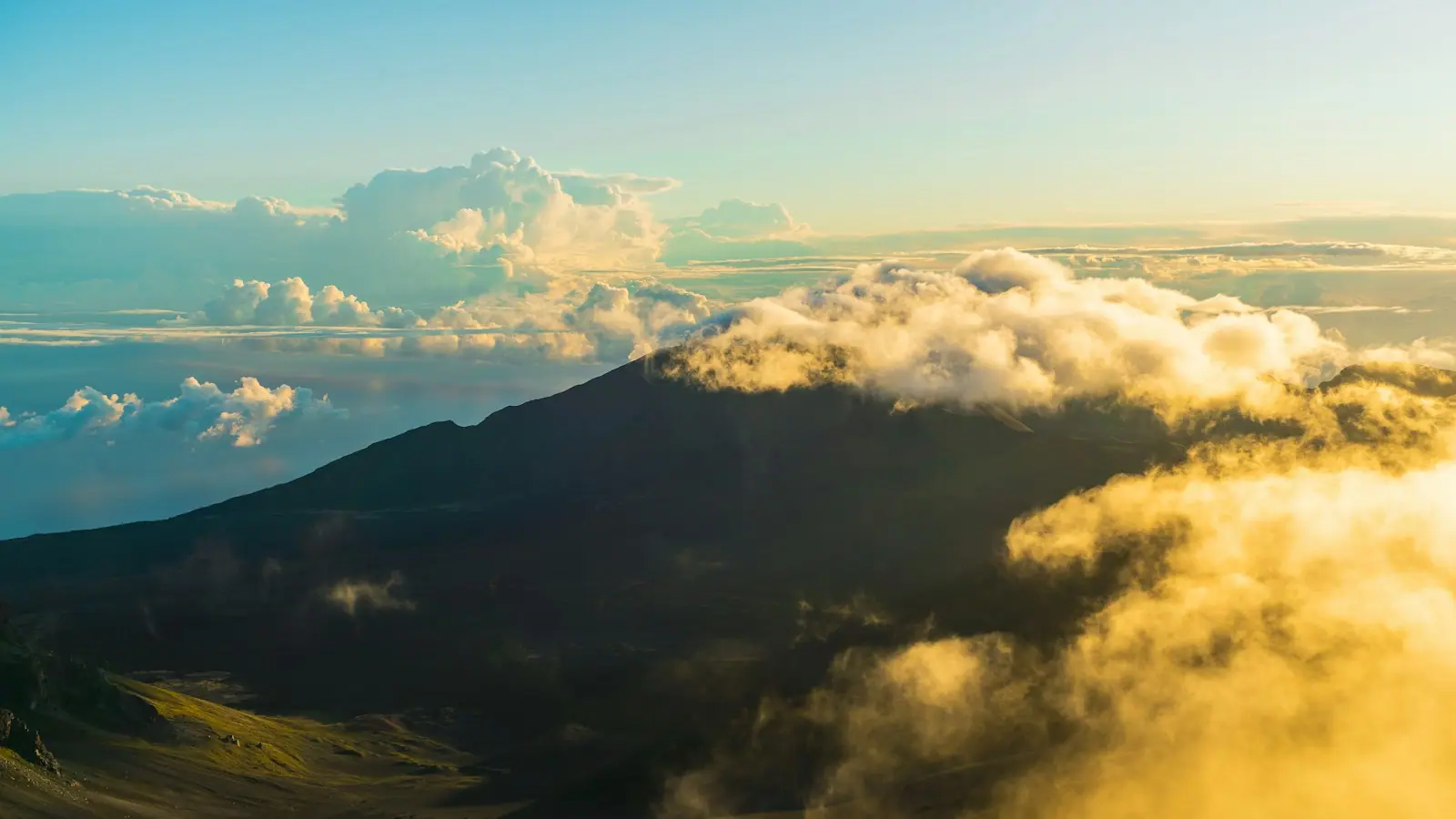
What actually happens at sunrise is worth describing honestly, because expectations vary. You arrive in the dark, usually 60 to 75 minutes before the sun, and you queue for parking at the Haleakalā Visitor Center at 9,740 feet or up at Puʻu ʻUlaʻula, the highest point. You stand in cold wind. Then the eastern sky goes from grey to a deep orange behind the cloud layer, which is usually below you, and the crater floor comes up out of shadow in colours that do not survive photography: rust, bruise, ash. It lasts about twenty minutes. Then almost everyone leaves at once and the road down is a slow procession.

It is worth the alarm clock. It is also worth doing properly.
Our picks

The ones we would book

  • Editor's Pick

    Best guided sunrise tour

    Why we chose it

    The booking that solves the reservation problem outright, because commercial operators hold their own park permits. Look for a van that supplies parkas and blankets, stops upcountry on the descent rather than driving straight back, and puts you at a rim viewpoint rather than a lower overlook. Ask what happens if the summit is clouded in.

    Maui: Majestic Haleakala Sunrise Tour with Pick-up

    Low Supplier Cancellation Rate

    Maui: Majestic Haleakala Sunrise Tour with Pick-up (opens in a new tab)

    Editor's PickFree cancellationInstant confirmation
    698 reviews

    Once-in-a-lifetime may be the only way to describe watching the sun slowly rise over Haleakala National Park and spill over onto the…

    Full day

    Prices checked

    from $263.99
  • Most Booked

    Best sunrise and downhill bike combination

    Why we chose it

    Sunrise on the rim, then a long descent through Kula pasture and eucalyptus toward the coast. Note that commercial bike tours begin outside the park boundary rather than at the summit, so the first section is by van. Bring gloves you can brake in; it is cold for the first half hour and this is not a beginner cycling day.

  • Best Private Tour

    Best private sunrise for a family

    Why we chose it

    A private van lets you set the pickup time, keep a sleeping child horizontal for the first hour and decide on the morning whether to stay for a walk down Sliding Sands. With four or more people the per-head price stops looking extravagant, and it removes the worst part of the day: driving a mountain road in the dark on four hours of sleep.

    Haleakala Classic Vehicle Sunrise Tour with Breakfast

    Low Last Minute Supplier Cancellation Rate

    Haleakala Classic Vehicle Sunrise Tour with Breakfast (opens in a new tab)

    Best Private TourFree cancellationInstant confirmation
    174 reviews

    This tour is operated by Haleakala EcoTours a sister company of Bike Maui. This is NOT a bike tour. The Sunrise Tour offers guests an…

    Full day

    Prices checked

    from $286.97
  • Best Value

    Best value way up the mountain

    Why we chose it

    Self-guided bike trips and central-meeting-point van tours cut the price by dropping the hotel pickup and the guided descent. You still get the summit at the right hour and the park permit problem solved, usually for well under Maui's median tour price of just over $200. Confirm where the meeting point is before you book.

How the sunrise reservation actually works

Local tips

This trips up more Maui visitors than anything else on the island, so here is the mechanism in order.

What needs a reservation. Any private vehicle entering the Haleakalā summit district between roughly 3am and 7am. It is per vehicle, not per person, and it names the person who booked it, who must be in the car with photo ID.

Where. Recreation.gov, under Haleakalā National Park summit sunrise. Nowhere else. Third-party sites reselling these are not legitimate.

When it releases. The main batch goes live 60 days in advance at 7am Hawaiʻi time. A smaller batch of last-minute tickets is released 48 hours before each date. Both go quickly in peak weeks.

What it costs. A small per-vehicle booking fee, in the region of a dollar. It does not include the park entrance fee, which is charged separately per vehicle and covers three days across both the summit and Kīpahulu districts. An America the Beautiful pass covers the entrance fee but not the reservation.

What does not need a reservation. Entering the park at any other hour, including sunset, stargazing after dark and all daytime hiking. Only the 3am to 7am window is controlled.

The workaround. Commercial tour operators hold their own National Park Service permits. Booking a seat on a van tour, a sunrise-and-bike trip or a guided hike removes the reservation question entirely, which is a large part of why those tours exist and why they are priced the way they are.

If you missed out. Check recreation.gov at the 48-hour release, set an alarm for 7am Hawaiʻi time 60 days out, book a tour, or go at sunset. Do not turn up at the gate hoping; rangers check at the entrance station and turn cars away.

What the morning is really like

The alarm. From Kahului the drive is about two hours; from Kāʻanapali or Wailea allow two and a half to three. Sunrise on Maui ranges from roughly 5.45am in June to just before 7am in December, and the park advises arriving well before it. That means leaving a west-side hotel somewhere around 2am in summer. Tours collect even earlier.

The road. The Haleakalā Highway climbs from sea level through cane and pasture, past Pukalani and Kula, into switchbacks on open mountainside. It is well surfaced but relentlessly winding, dark, and frequently in cloud partway up. Nēnē, the endangered Hawaiian goose, are on and beside the road near the top; drive slowly.

Parking. The lots at the Haleakalā Visitor Center at 9,740 feet and at Puʻu ʻUlaʻula fill first. Rangers direct traffic. If the top is full you will be sent to a lower overlook, which still works.

The wait. Between 30 and 75 minutes in the dark and wind. This is the part nobody photographs and the part that decides whether you enjoyed it.

The sunrise. Around twenty minutes of changing light, usually above a cloud layer, with the crater's cinder cones emerging out of shadow. On perhaps one morning in five the summit itself is in cloud and you see very little. That is the deal. No tour can guarantee it.

Afterwards. Almost everyone leaves at once. The sensible move is to stay: walk twenty minutes down Sliding Sands while the light is still low, look for ʻāhinahina silverswords, then descend to Kula for breakfast when the traffic has cleared.

Timing, season, and the sunset alternative

When to go

Allow the whole morning. Six to eight hours door to door from a west-side or south-shore base, including the drive, the wait, the sunrise and breakfast on the way down. Tours typically run seven to eight hours.

Sunrise times. Roughly 5.45am at the June solstice to just before 7am in late December. Arrive 60 to 75 minutes before, or earlier in peak weeks, for parking.

Season. Winter mornings are colder and more often clouded in, but the crater is at its most dramatic when there is a sharp inversion. Summer is more reliable for clear skies and busier for parking. There is no month when this does not work and no month when it is guaranteed.

Cloud. The summit sits above the trade-wind inversion most days, which is exactly why the cloud sea below is part of the spectacle. Perhaps one morning in five the mountain is in the cloud rather than above it.

Sunset instead. No reservation, no 2am alarm, warmer, quieter, and the light on the crater going the other way is every bit as good. Pair it with an hour of stargazing once the sky is dark and you have one of the best evenings on Maui for the cost of fuel and the park fee.

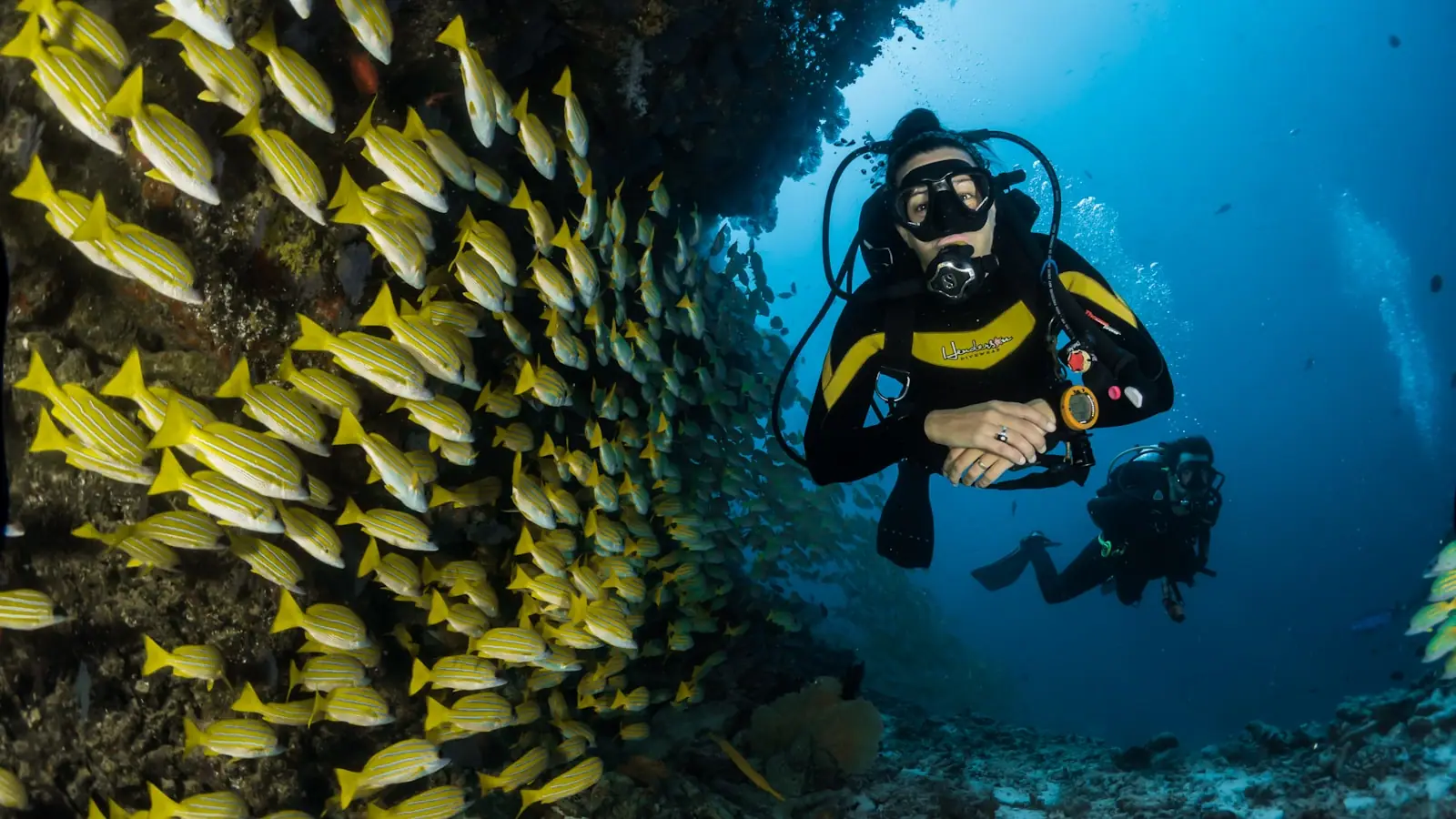
What not to combine. Do not put Haleakalā sunrise and the Road to Hāna on the same day; they are on opposite sides of the island and the combined driving is unreasonable and unsafe. Do not put the summit within 18 hours of a scuba dive, because 10,023 feet is an altitude exposure. And do not book a sunrise for the morning after a red-eye arrival; jet lag plus altitude is a bad start to a holiday.

What a sunrise trip costs

What it costs

Maui carries the highest tour prices of any destination on this network, with a median of just over $200, and sunrise trips sit mid-range within that. Bands to verify before booking.

  • Recreation.gov sunrise reservation: a small per-vehicle booking fee, around a dollar. Separate from and in addition to the park entrance fee.
  • Haleakalā National Park entrance: charged per vehicle, valid three days, covers both the summit and Kīpahulu districts. Covered by an America the Beautiful pass.
  • Guided sunrise van tour: commonly $150 to $250 per person including pickup, park fees and often breakfast or an upcountry stop.
  • Sunrise plus guided downhill bike: typically $180 to $300 per person, including bike, helmet, wind gear and support vehicle.
  • Sunrise plus self-guided bike descent: usually cheaper, in the $130 to $200 range, with the van taking you up and leaving you to ride down at your own pace.
  • Private sunrise tour: generally $700 and up for a small group, priced per party, and the right answer for a family with different wake-up tolerances.
  • Self-drive total: park fee plus reservation plus fuel, so typically under $50 for a carful. By some distance the cheapest way to do it, if you can get the reservation.

Two hidden costs. Hotel pickups on the west side mean a 2am collection and a longer day in the van, which is worth weighing against meeting centrally. And breakfast in Kula on the way down is a small expense that materially improves the morning.

Book it

Everything else we track

We could not find tours matching this right now

Nothing came back for Haleakala sunrise. Operators add and retire experiences constantly, so this list changes week to week. Try a broader category, or come back in a day or two.

Tour, bike trip or your own car

How they compare

Three ways up, and they suit different people.

OptionTypical shapeBest forTrade-offs
Guided van tourHotel or central pickup around 2am to 3am, summit for sunrise, often a Kula or upcountry stop on the way down, back late morningAnyone without a sunrise reservation, anyone who does not want to drive a mountain road in the dark, nervous driversFixed schedule, shared vehicle, the earliest pickup of any tour on Maui
Sunrise and downhill bikeVan to the summit for sunrise, then a guided or self-guided descent by bicycle from outside the park boundary down through Kula and Makawao toward PāʻiaReasonably confident cyclists who want the descent as the main eventCommercial bike tours start outside the park boundary, not at the summit itself; it is cold, there is traffic, and it is not a beginner cycling activity
Your own carYou book the recreation.gov reservation, drive up, park, stay as long as you likeIndependent travellers, photographers, anyone wanting to hike after sunriseYou must win the reservation; you drive two to three hours in the dark and then back down tired

Two points that decide it for most people. First, the driving: the descent after sunrise is on a steep, winding road, in a queue, after four hours of sleep, and the brakes on a hire car being ridden all the way down is a genuine issue. Guided vans are the safer option if anyone is short of sleep.

Second, flexibility: your own car lets you stay for the hike, which is where the mountain actually rewards you. If you have the reservation and a confident driver, self-drive is the better day.

What to wear at 10,023 feet before dawn

What to bring

Assume you are going to a mountain, because you are.

  • A proper insulating layer. Fleece or a puffy jacket. Summit temperatures before dawn are commonly in the thirties and forties Fahrenheit, and ice on railings happens in winter.
  • A windproof shell over it. Wind at the rim is the whole problem. Without a shell, the warmest fleece is inadequate.
  • Long trousers, closed shoes and socks. Not shorts. Not flip-flops.
  • Hat and gloves. Genuinely. Most visitors regret skipping these more than anything else.
  • A blanket from the accommodation if you do not have proper cold-weather clothing. Many tour operators supply parkas and blankets; ask when you book.
  • A head torch or phone light for the car park in the dark.
  • Water. Dry air at altitude dehydrates fast and dehydration makes altitude symptoms worse.
  • Sunglasses and mineral sunscreen for after sunrise. UV at 10,000 feet is severe even when it is 40°F.
  • Snacks and a thermos. There is no food service at the summit and nothing open on the way up before dawn.
  • A camera that works in the cold, and a spare battery, because batteries drain fast up there.

If you are cycling the descent, add gloves you can brake in, a windproof layer you can vent, and clear or lightly tinted glasses for the early section.

Altitude, cold, and the way to behave at the rim

Before you book

Altitude is the real risk. You go from sea level to 10,023 feet in about two hours with no acclimatisation. Headache, nausea, dizziness and breathlessness are common, and the only reliable treatment is to descend. The National Park Service advises that people with heart or respiratory conditions, and anyone who is pregnant, should consult a doctor before going up. Children feel it too and are less able to explain what is wrong.

Do not go within 18 hours of scuba diving. Driving to 10,000 feet after diving carries the same decompression risk as flying. This is the most common serious mistake divers make on Maui.

Cold and dark. Hypothermia at the rim is rare but shivering misery is routine. Every ranger has seen visitors in swimwear.

Driving down. Steep, winding, long, and usually on very little sleep. Use engine braking rather than riding the brake pedal, pull over to let faster traffic past, and stop at Kula for coffee rather than pushing through.

Cultural protocol. Native Hawaiian practitioners conduct oli at sunrise on the rim. When chant begins, stop talking, stop filming and stand still. Do not applaud at the end. This is a religious practice at a sacred site, not part of the visitor programme, and the summit is a wahi pana, a storied place, regardless of whether anyone is chanting that morning.

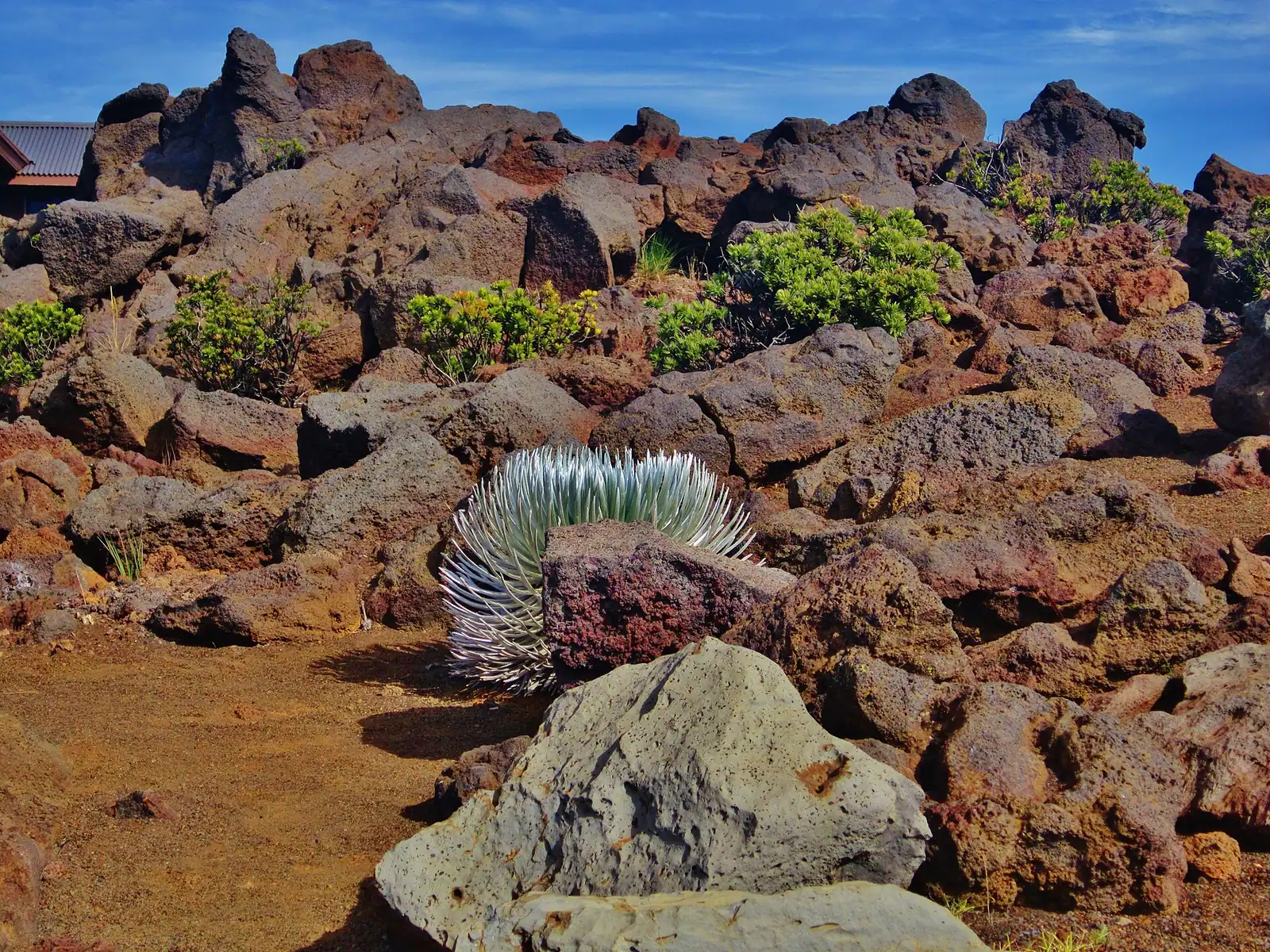
The mountain itself. Stay on the marked paths. ʻĀhinahina, the Haleakalā silversword, grows on this mountain and nowhere else on earth, and its shallow roots spread just under the cinder, so a single footstep beside the trail can kill a plant decades old. Nēnē are struck by cars on the summit road; drive slowly and never feed them. Drones are prohibited in the park.

Take your rubbish down with you. There are no bins at the overlooks and the wind moves everything.

On the ground

Where to go

Every place below has its own page — hours, parking, what it costs and what to expect when you get there.

  • Bare volcanic cinder cones on a high crater floor under early morning light

    Park

    Haleakalā National Park

    A 10,023-foot volcano with a reservation system at the gate and a second district four hours away on the far side of the island.

    3–8 hoursAround $30 per private vehicle, valid three days and covering both districts. Sunrise entry needs a separate $1 reservation.

  • A mountain ridge standing above an unbroken layer of cloud at first light

    Viewpoint

    Puʻu ʻUlaʻula (Haleakalā Summit)

    The highest point on Maui, 10,023 feet up, where the horizon curves and the clouds are a thousand feet below your feet.

    1.5–4 hoursCovered by the Haleakalā National Park entrance fee, around $30 per vehicle for three days. Sunrise entry needs a separate $1 reservation.

  • A windsurfer carving off the top of a breaking wave with spray behind the sail

    Beach

    Hoʻokipa Beach Park

    Free

    Maui's wave-sailing arena, watched from a clifftop lookout, where green sea turtles drag themselves onto the sand most afternoons.

    0.5–2 hoursFree. Both the beach park and the clifftop lookout are free to enter and free to park at.

  • Low wooden storefronts with painted signs along a small-town main street

    Neighbourhood

    Pāʻia Town

    Free

    A two-street sugar town that surfers took over, and the last place to buy petrol, coffee and a picnic before the Road to Hāna.

    1–3 hoursFree to visit. You pay for what you buy, and parking is free but scarce.

  • Low wooden false-front storefronts along a quiet small-town street under a cloudy sky

    Neighbourhood

    Makawao Town

    Free

    Hawaiian cowboy country at 1,600 feet, where two streets of false-front storefronts meet and the Fourth of July means a rodeo.

    1–3 hoursFree to visit. Parking is free on the street.

  • A spiky pink protea flower head with stiff bracts, photographed close up

    Park

    Kula Botanical Garden

    Eight acres of protea, koa and orchids at 3,300 feet, where the air is cool enough to grow things the rest of Maui cannot.

    1–2 hoursAround $15 per adult and about $5 for children roughly 6–12; under-sixes free.

Straight answers

Questions people actually ask

Do you need a reservation for Haleakalā sunrise?

Yes, for any private vehicle entering the summit area between roughly 3am and 7am. Reservations are booked only through recreation.gov, cost a small per-vehicle fee and are separate from the park entrance fee. The main batch releases 60 days ahead at 7am Hawaiʻi time, with a smaller batch 48 hours before each date, and they sell out. Commercial tour operators hold their own park permits, so booking a tour removes the requirement entirely.

How cold is Haleakalā at sunrise?

Cold enough to need a winter coat. Temperatures at the 10,023-foot summit before dawn are commonly in the thirties and forties Fahrenheit, and wind chill on the exposed rim takes it lower. Ice on railings is not unusual in winter. Bring an insulating layer, a windproof shell, long trousers, closed shoes, a hat and gloves. Many tour operators supply parkas and blankets, which is worth asking about when you book.

How much does a Haleakalā sunrise tour cost?

A guided van tour typically runs $150 to $250 per person including pickup, park fees and often breakfast. Sunrise combined with a guided downhill bike descent usually lands between $180 and $300, with self-guided bike descents cheaper at roughly $130 to $200. A private tour generally starts around $700 for a small group. Driving yourself costs the park entrance fee per vehicle, the small reservation fee and fuel. Verify current prices when booking.

What time do you need to leave for Haleakalā sunrise?

From Kahului, allow about two hours of driving; from Kāʻanapali or Wailea, two and a half to three. The park advises arriving well before sunrise, which ranges from roughly 5.45am in June to just before 7am in late December, and you want 60 to 75 minutes on top for parking. In practice that means leaving a west-side hotel around 2am in summer. Tour pickups are earlier still.

Is Haleakalā sunset as good as sunrise?

Many people think it is better, and it needs no reservation at all. Only the 3am to 7am window requires a timed booking, so you can drive up in the afternoon, watch the light go across the crater the other way and stay for stargazing once the sky darkens. It is warmer, far less crowded, and there is no 2am alarm. If you missed the recreation.gov release, this is the answer rather than a consolation prize.

Is Haleakalā sunrise safe for children and older visitors?

It needs thought. The summit is 10,023 feet and you reach it in about two hours from sea level, so altitude symptoms such as headache, nausea and breathlessness are common. The National Park Service advises anyone with heart or respiratory conditions, and anyone pregnant, to consult a doctor first. Young children often feel the altitude and cannot explain it. Nobody should go within 18 hours of scuba diving, because the ascent carries the same risk as flying.

Can you bike down Haleakalā from the summit?

Not from the summit itself. Commercial downhill bicycle tours begin outside the national park boundary rather than at the top, so the sunrise portion is by van and the ride starts lower down before descending through Kula and Makawao toward the coast. It is a long, cold, fast descent on a public road with traffic, and it is not a beginner cycling activity. Expect gloves, a helmet and a wind layer to be provided.

What happens if it is cloudy at Haleakalā sunrise?

Sometimes you see almost nothing, and no operator can promise otherwise. The summit usually sits above the trade-wind inversion, which is why the sea of cloud below is part of the experience, but on roughly one morning in five the mountain is inside the cloud rather than above it. Tours generally do not refund for weather. If the forecast looks poor and your dates are flexible, sunset carries the same risk with none of the reservation pressure.