Skip to content
Menu

Booking through these earns us a commission from Viator. You pay the same, and payment did not decide what is listed.

Search

Things to Do

Free Things to Do on Maui

Last updated

Free things to do on Maui: shore whale watching, Hoʻokipa's turtles, every public beach, coastal walks and free hikes. Plus what still costs money.

Green sea turtles resting on the sand at the eastern end of Hoʻokipa Beach Park on Maui with a roped-off viewing distance

Maui has the most expensive activity market in this network and one of the better free ones, which is a stranger combination than it sounds. The median bookable tour here runs a little over $200 a person and roughly 18% of inventory sits above $250. Against that, every beach on the island is public, the best whale watching in the United States can be done from a roadside pullout for nothing, and the single most reliable wildlife encounter on Maui happens on a stretch of sand near Pāʻia with no ticket booth anywhere near it.

The legal basis matters and is worth knowing, because it is unusually generous. In Hawaiʻi the shoreline is public to the high-water mark, and developments are required to provide public access and public parking to it. That is why the beach in front of the Wailea resorts is yours, why there are signed public access paths and marked stalls between the hotels at Kāʻanapali, and why Mākena, Kapalua and Nāpili are all open to anybody who can find a space. In practice the limit is capacity rather than permission: the small lots at Ulua, Mokapu and Kapalua Bay fill by about half past eight.

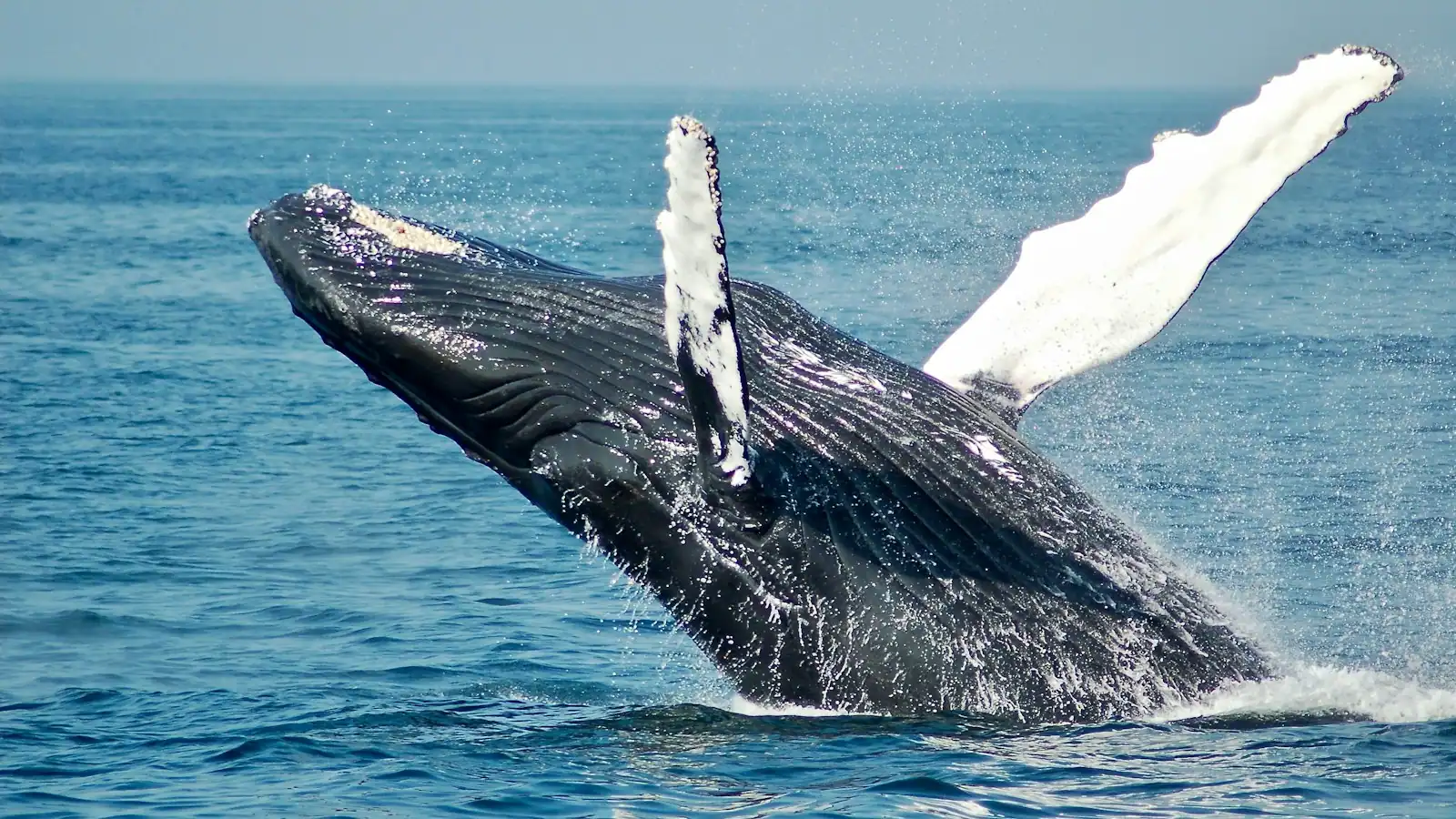
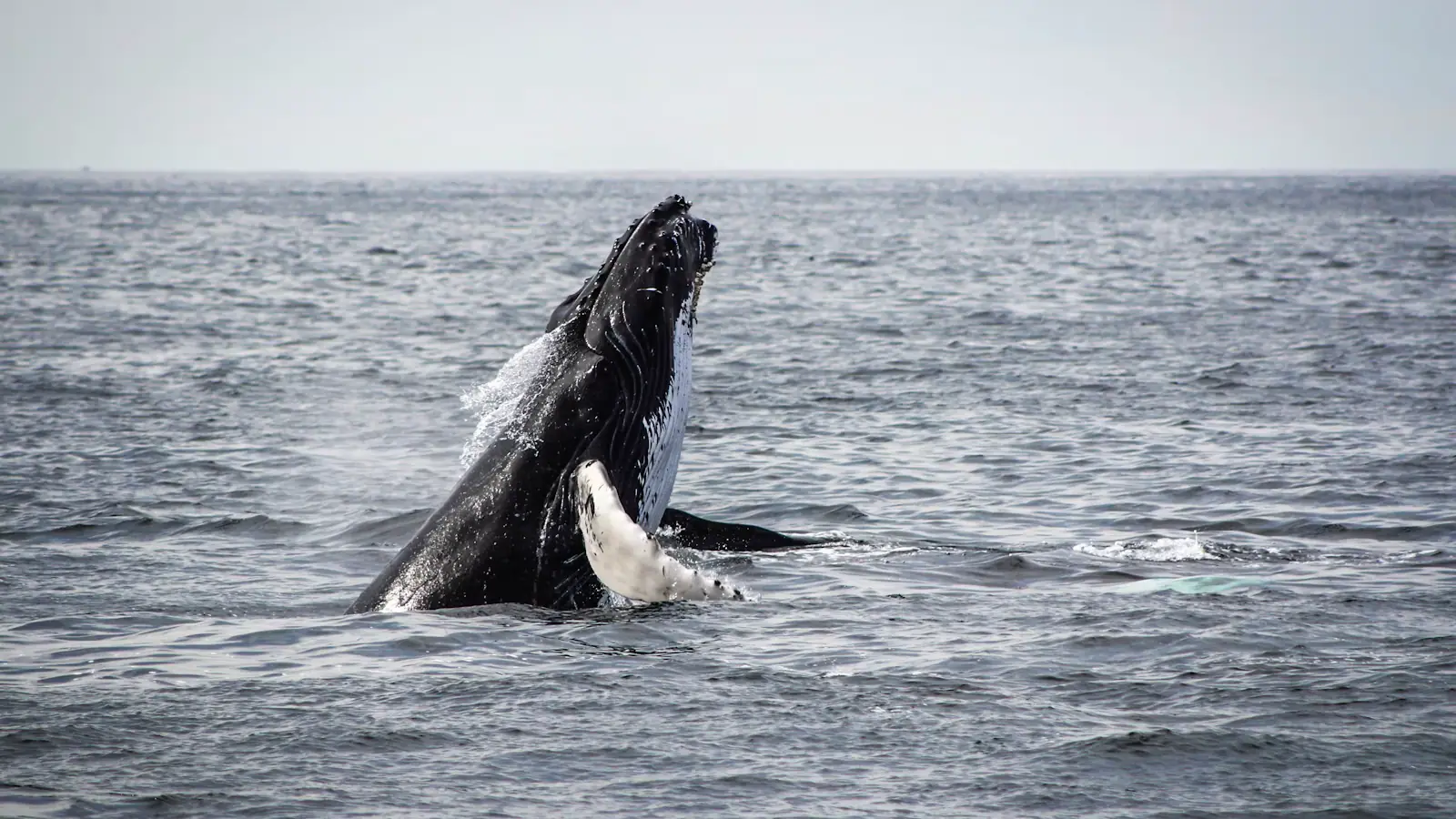
Three things on this page are genuinely world-class and genuinely free. Between December and April, humpbacks fill the shallow ʻAuʻau Channel between Maui, Lānaʻi, Molokaʻi and Kahoʻolawe, the densest breeding concentration in the country, and you can watch them breaching from Papawai Point and the Honoapiʻilani Highway pullouts without buying a ticket. Green sea turtles haul out on the east end of Hoʻokipa Beach Park most afternoons, with volunteers on hand to explain the 10-foot rule. And the trade winds that make afternoon boat trips uncomfortable make Hoʻokipa the best free spectator sport on the island, with windsurfers and kitesurfers directly below the lookout.

Where the page has to be careful is the word "free" itself. Maui now runs three reservation systems that catch visitors out: Haleakalā's summit, ʻĪao Valley State Monument and Waiʻānapanapa State Park all charge, all require booking ahead for non-residents, and none of them can be sorted out in the car park. They are cheap, and they are not free. The section below separates the three categories honestly.

One more thing this page will not do. Lahaina is not a free attraction. Historic Lahaina town was destroyed by the 2023 wildfire, which killed about a hundred people, and residents have asked repeatedly that visitors do not sightsee, photograph or film the area. Front Street reopened to traffic between Pāpalaua and Shaw Streets in August 2026, and the way to engage with West Maui is to spend money in the businesses that have reopened rather than to drive through looking.

Our picks

The ones we would book

  • Free

    The best free hour on Maui

    Why we chose it

    Hoʻokipa Beach Park in late afternoon. Green sea turtles haul out on the eastern sand with volunteers explaining the 10-foot rule, and the lookout above puts you directly over one of the world's great windsurfing breaks on any trade-wind day. No ticket, no booking, and the thing most visitors describe first when they get home.

  • Best Value

    Cheapest paid ticket worth having

    Why we chose it

    The $30 Haleakalā vehicle pass covers three days and both districts of the park, which means a summit sunset one evening and the Pipiwai Trail near Hāna on another day. Split across a car of four it is under two dollars a person a day, and the sunset run needs no separate reservation.

  • Editor's Pick

    The tour worth paying for after the free version

    Why we chose it

    Watch whales from Papawai Point first, then decide. If you want to be inside the 100-yard federal limit with a naturalist explaining what a competitive pod is doing, a two-hour boat trip at $50 to $120 is the only ticket on Maui that sits below the island's median price and still outperforms its category.

  • Best for Families

    Free, and children actually engage with it

    Why we chose it

    The Hawaiian Islands Humpback Whale National Marine Sanctuary visitor centre at Kalepolepo in Kīhei: scopes on the deck pointed at the channel, no admission charge, and the stone walls of the Koʻieʻie fishpond right outside, which is a pre-contact Hawaiian aquaculture structure a child can walk along.

Whale watching without a boat, December to April

When to go

This is the best free thing on Maui and most visitors book a boat without realising they had the option.

Humpbacks migrate from Alaskan feeding grounds to the shallow, sheltered ʻAuʻau Channel between Maui, Lānaʻi, Molokaʻi and Kahoʻolawe to breed and calve. It is the densest concentration of the species in the United States, the water in the channel is only a few hundred feet deep, and the animals are often within a mile of shore. Season runs roughly December through April, with the peak in January to March.

Papawai Point, the pullout on the Honoapiʻilani Highway between Māʻalaea and Olowalu, is the best-known shore-watching spot on the island and it exists because the whales come very close to that headland. The lot is small and fills, so arrive early. The other Pali pullouts along the same stretch work too, and you can watch from Keawakapu, Wailea and the Kāʻanapali beach walk on a good day.

Timing. Morning is calmer and the light is behind you looking west, which helps. Late afternoon has more surface activity in many people's experience but harsher glare. Take binoculars if you have them; you are unlikely to need a long lens to see a breach.

The free indoor version. The Hawaiian Islands Humpback Whale National Marine Sanctuary visitor centre at Kalepolepo in Kīhei costs nothing, has scopes on the deck aimed at the channel, and sits beside the stone walls of the Koʻieʻie fishpond, an ancient Hawaiian aquaculture structure you can walk around. It is the best free half-hour of context on the island.

A note for perspective: a two-hour boat trip at $50 to $120 is still excellent value and gets you closer, within the 100-yard limit federal law imposes on vessels. But nobody needs to spend money to see whales on Maui in February.

Hoʻokipa: turtles, windsurfers and nothing to pay

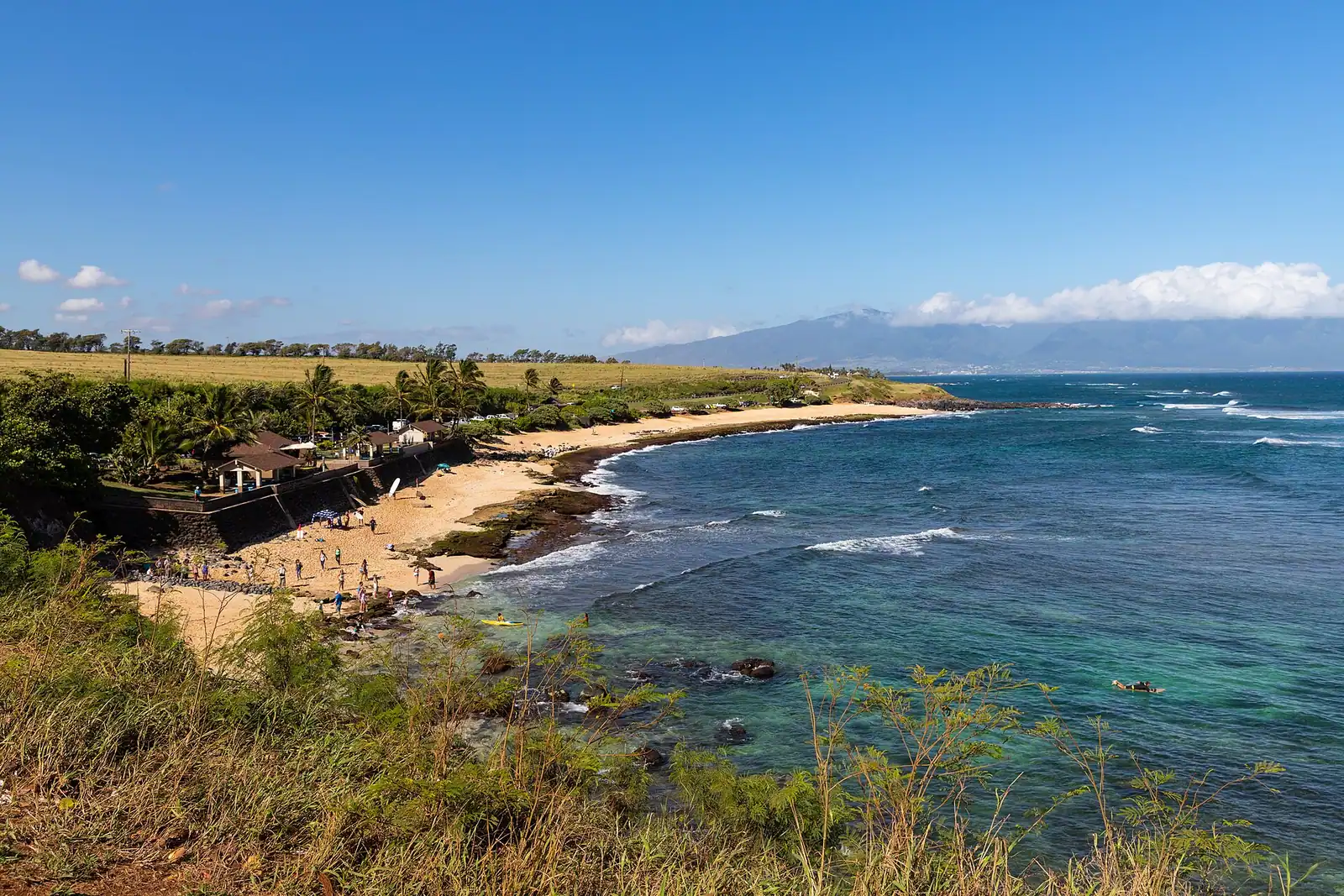
Hoʻokipa Beach Park, a couple of miles east of Pāʻia on the Hāna Highway, does two free things better than any ticketed attraction on Maui.

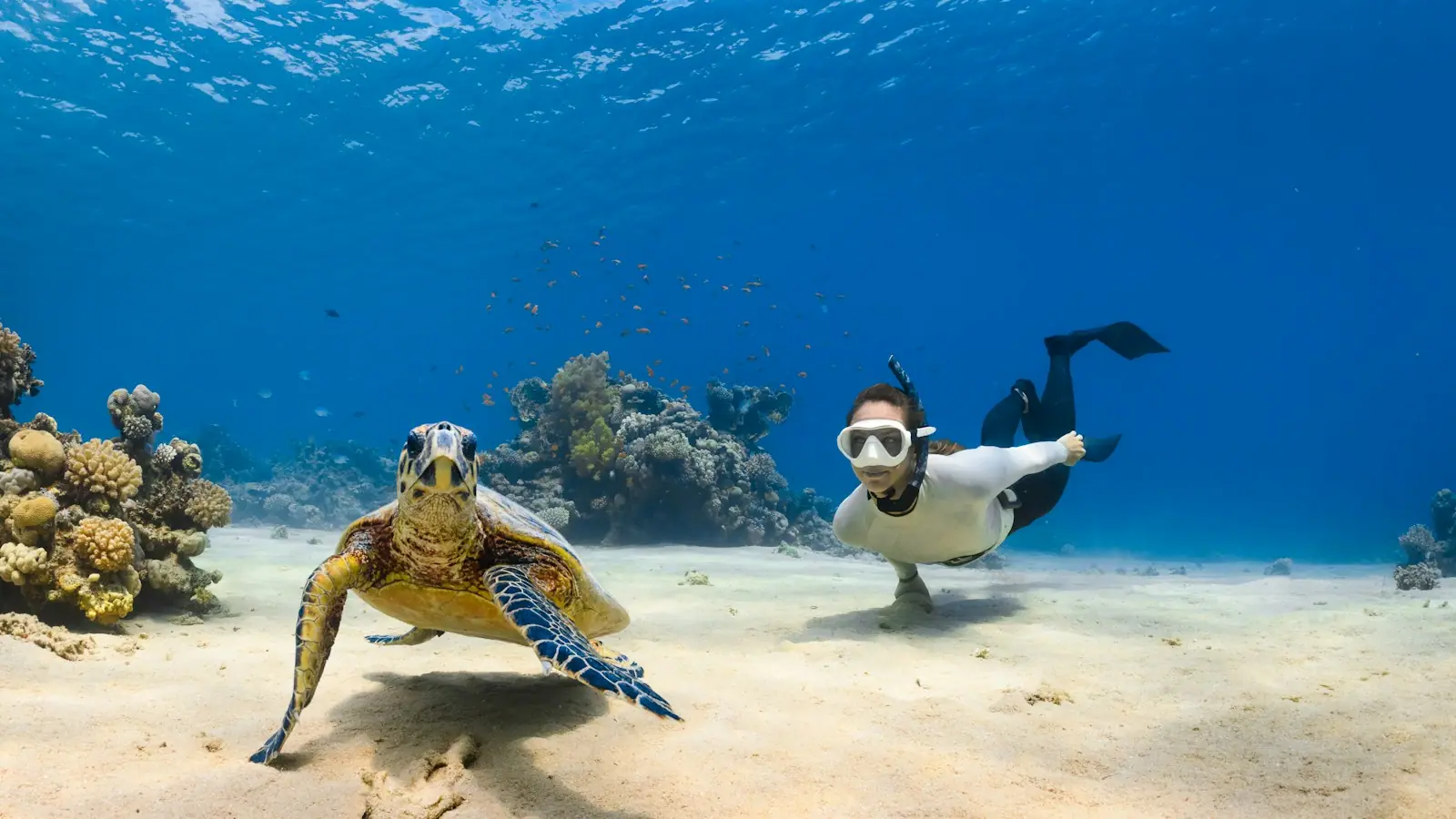
Green sea turtles, honu, haul out on the eastern end of the beach most afternoons, usually from mid-afternoon onwards, and lie in the sand in numbers. Volunteers rope off a respectful perimeter and will explain, patiently and repeatedly, that the law requires 10 feet of distance. This is not a wildlife park. They are wild animals that have decided this stretch of sand is a good place to rest, and they are there because people have mostly left them alone.

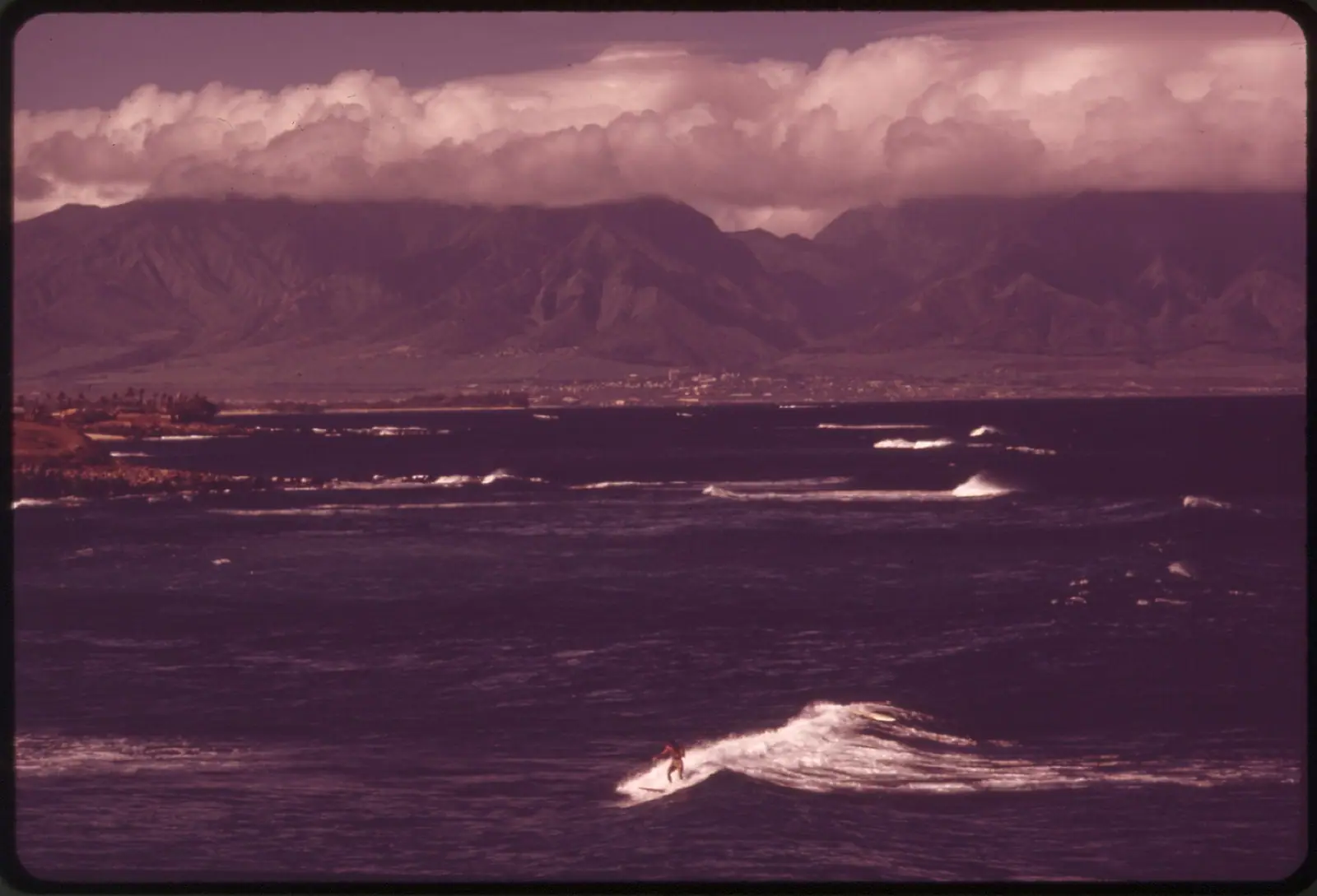
Above the beach, the lookout on the highway puts you directly over one of the most important windsurfing and kitesurfing breaks in the world. On a trade-wind afternoon, which is most afternoons from spring through autumn, there will be dozens of sails in the water below you doing things that are difficult to believe from a hundred feet up. In winter the north swell brings serious surf and the big-wave crowd instead.

Hoʻokipa is not a swimming beach. The break is heavy, the bottom is reef, and the current runs. Go to watch.

How to do it well. Park in the lookout lot above the beach for the windsurfing, and in the lower lot for the turtles. Late afternoon covers both. Bring a windproof layer, because the same trades that make the sailing also make the lookout cold in a t-shirt. And combine it with Baldwin Beach Park two miles west, which has a sheltered reef-walled cove at its western end, lifeguards, restrooms and a mile of sand, all free.

The free walks, coastal and otherwise

Maui's best walking costs nothing, and the variety is the point: you can be on a paved oceanfront path in the morning and in a cloud forest at 2,500 feet in the afternoon.

The Kāʻanapali beach walk runs about a mile and a half each way along the resort frontage, up to Puʻu Kekaʻa at the north end, paved, flat, stroller-friendly and open to everyone. Do it at dusk and stay for the nightly cliff-dive and torch-lighting ceremony at Puʻu Kekaʻa, which recalls Kahekili, the last ruling chief of Maui, and costs nothing to watch from the sand.

The Wailea coastal path is the south-shore equivalent: about a mile and a half past five beaches, with the Wailea, Ulua and Polo access points and their public lots along it. Best in the last hour of daylight, with Kahoʻolawe and Molokini on the horizon.

Waiheʻe Ridge Trail, above Wailuku on the windward side of the West Maui Mountains, is the island's best free hike: roughly four and a half miles round trip and about 1,500 feet of climb, up a ridge into cloud forest with views back over the isthmus when the cloud lifts. It usually does not lift after about ten in the morning, so start early. The access road is steep and the car park is small.

The Lahaina Pali Trail, the old mountain route above Māʻalaea, is a free state trail through dry, hot, exposed country with the wind turbines above you and the whole channel below. Five miles of it, no shade, and genuinely unpleasant in the middle of the day. Go at first light with water.

Makawao Forest Reserve above Makawao town has miles of free trail through eucalyptus and pine at around 2,500 feet, popular with mountain bikers and almost never visited by tourists.

And the cheapest hike with the best payoff is not free: the Pipiwai Trail at Kīpahulu, four miles round trip through a bamboo forest to the base of Waimoku Falls, covered by the $30 three-day national park pass that also gets you the summit.
Free towns, and free history

Maui's towns cost nothing to walk around and are where the island stops being a resort.

Pāʻia is a sugar town that became a windsurfing town, two streets of shopfronts, and the last supermarket and petrol station before the Hāna Highway. The Mantokuji Buddhist temple at the eastern edge of town, with its cemetery facing the sea, is the plantation era still standing and is open to quiet visitors.

Makawao at 1,600 feet is paniolo country, with wooden storefronts and a rodeo arena. Hawaiian cowboys were working cattle on these slopes in the 1830s, decades before the American West had an industry, and the Fourth of July rodeo here is a local event rather than a performance. The galleries are free to browse.

Wailuku has had a slow revival along Market Street: antique shops, a few good restaurants, and the county's civic buildings. It is also the gateway to ʻĪao Valley, which is ten minutes further up the road and is not free.

Kīhei's Koʻieʻie fishpond at Kalepolepo, next to the whale sanctuary visitor centre, is an ancient Hawaiian aquaculture wall you can walk along, maintained by a community group. Free, unsignposted enough that most visitors drive past it, and a genuine piece of pre-contact engineering.

Olowalu around mile marker 14 is a shallow reef where turtles come in to be cleaned by reef fish. It is a roadside pullout rather than a beach park, so park carefully, keep well off the coral, and give the turtles their 10 feet.

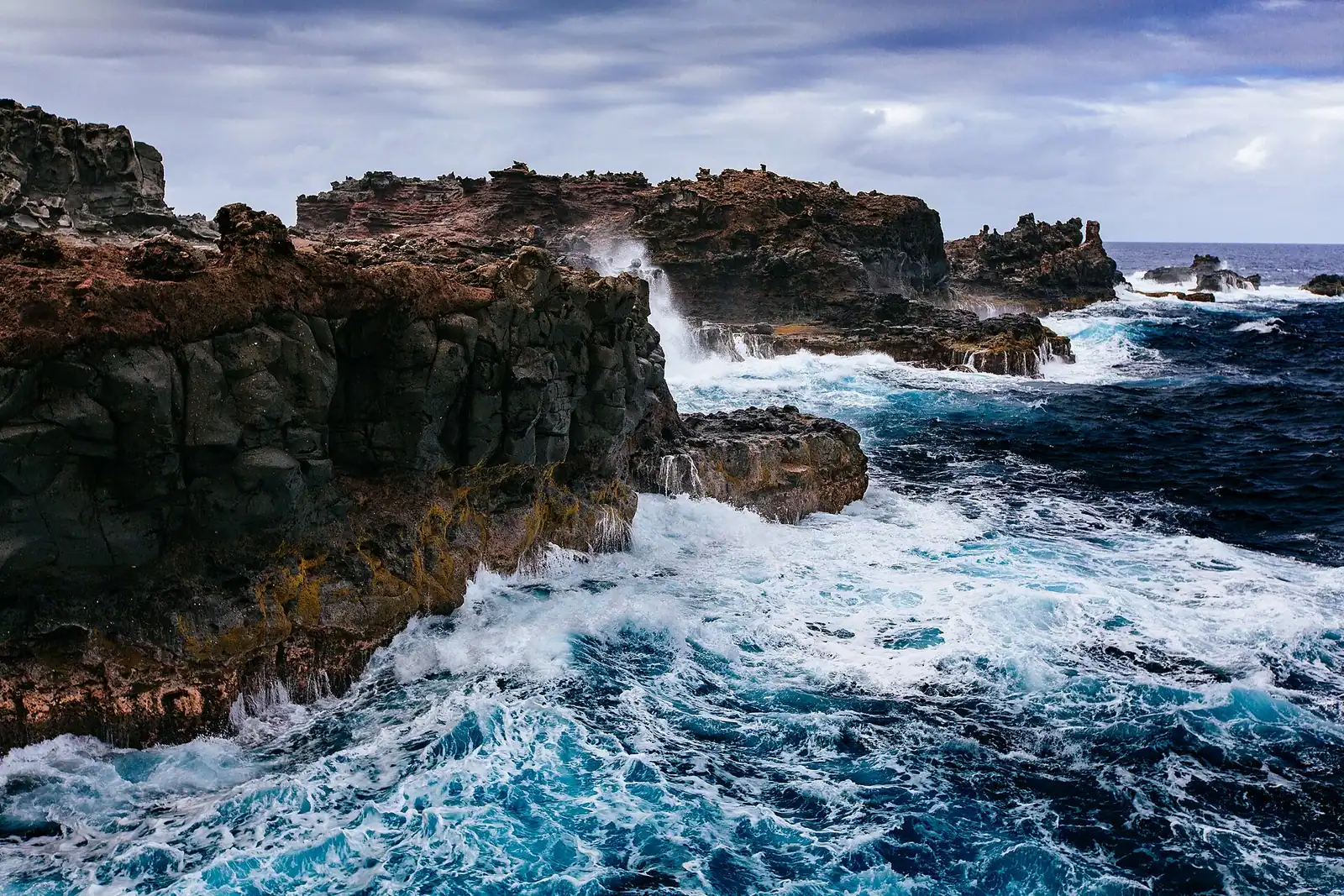
Nākālele Blowhole on the north coast of West Maui is free and genuinely dangerous. The ground around the hole is undercut lava and people have been killed there. Look from well back, and treat the unmarked scramble down as the real hazard.

What still costs money, and what it costs

What it costs

Confirm current rates before you go. These are the fees that most often surprise people who came expecting a free day.

  • Haleakalā National Park. $30 per private vehicle for three days, covering both the summit and Kīpahulu districts. $15 per person on foot or bicycle. The sunrise reservation is a separate $1 per vehicle through recreation.gov, required for any vehicle entering the summit district between 3am and 7am, and fee-free days do not waive it.
  • ʻĪao Valley State Monument. Non-residents book ahead; roughly $10 per vehicle for parking plus about $5 per person. Hawaiʻi residents with state ID are exempt.
  • Waiʻānapanapa State Park. Timed entry for non-residents, around $10 per vehicle plus about $5 per person. Slots release 30 days ahead at midnight Hawaiʻi time and roadwork since July 2026 has reduced availability.
  • Some Hāna Highway stops on private land. A handful of the popular waterfall and farm stops charge per vehicle for parking. Carry small notes; not all of them take cards.
  • Resort parking. Wailea and Kāʻanapali hotels commonly charge nightly for parking on top of the room rate. The public access lots beside them are free and small.
  • Maui Ocean Center. Ticketed and at the upper end of US aquarium pricing, but the one genuinely wet-weather half-day on the island.

The money-saving moves that actually work here: rent snorkel gear by the week from a shop rather than paying per boat trip, buy groceries in Kahului rather than in the resort towns, split the $30 park pass across a full car and use it on two separate days, and do your whale watching from Papawai Point before deciding whether you also want the boat.

Book it

Everything else we track

Booking through these earns us a commission from Viator. You pay the same, and payment did not decide what is listed.

Sharing, or having it to yourselves

Most of what is bookable here sells two ways, and the cheaper one is not always the cheaper one. A shared departure is priced per person; a private booking is priced for the party, so the arithmetic flips somewhere around four to six people — and it is the only version where you pick the time. Check the party size each listing actually covers before you decide.

  • Book a seat

    A shared departure, priced per person. The cheapest way to do this for one or two people.

  • Book the whole thing

    Priced for the party rather than the seat, and you choose the departure time.

  • Hula Lesson on Maui (Basics)

    Excellent Quality

    Hula Lesson on Maui (Basics) (opens in a new tab)

    Free cancellationInstant confirmation
    21 reviews

    We're Maui's only multicultural dance and arts center providing an inviting way to experience Hawai'i's heritage. This class is geared to…

    1 hour

    Prices checked

    from $20
  • Lauhala Bracelet Craft Class on Maui

    Low Last Minute Supplier Cancellation Rate

    Lauhala Bracelet Craft Class on Maui (opens in a new tab)

    Free cancellationInstant confirmation
    22 reviews

    Our classes are fun and informal experiences intended to introduce the culturally curious to the history and arts of Hawaiʻi. Our…

    1 hour

    Prices checked

    from $25

Free, free-with-parking, and free-but-booked

How they compare

Maui's three tiers, because conflating them is how people end up turned away at a gate.

TierWhat it meansExamples
Genuinely freeNo fee, no booking, park and walk inEvery beach, Hoʻokipa, Baldwin, Kāʻanapali beach walk, Wailea coastal path, Papawai Point, Nākālele Blowhole, Olowalu, Makawao, Pāʻia, Wailuku, the whale sanctuary visitor centre in Kīhei
Free entry, paid parkingThe place costs nothing; the stall doesSome trailheads and a few private-land waterfall stops on the Hāna Highway, where parking is charged per car
Fee and reservationNon-residents must book ahead and payHaleakalā summit and Kīpahulu, ʻĪao Valley State Monument, Waiʻānapanapa State Park

The fee tier is not expensive: Haleakalā is $30 per vehicle for three days plus $1 for the sunrise permit, and the two state parks each run about $10 per vehicle plus roughly $5 per non-resident. Spread across a car of four, the national park pass is the cheapest per-hour experience on Maui. The catch is entirely the booking: sunrise permits release 60 days ahead at 7:00am Hawaiʻi time, Waiʻānapanapa slots 30 days ahead at midnight, and both go quickly.

Everything else on this page needs nothing but a tank of fuel and, in a couple of cases, an early alarm.

On the ground

Where to go

Every place below has its own page — hours, parking, what it costs and what to expect when you get there.

  • A long curve of pale sand meeting clear turquoise water under a bright sky, with low green headland beyond

    Beach

    Kāʻanapali Beach

    Free

    Three miles of public sand, a lava headland called Puʻu Kekaʻa, and free beach parking the resorts are legally required to keep.

    2–7 hoursFree. Public beach access and the mandated resort stalls cost nothing; Whalers Village charges for parking with validation.

  • A windsurfer carving off the top of a breaking wave with spray behind the sail

    Beach

    Hoʻokipa Beach Park

    Free

    Maui's wave-sailing arena, watched from a clifftop lookout, where green sea turtles drag themselves onto the sand most afternoons.

    0.5–2 hoursFree. Both the beach park and the clifftop lookout are free to enter and free to park at.

  • A wide, empty stretch of coarse gold sand curving away beneath a bare reddish volcanic hill

    Beach

    Mākena Beach (Big Beach / Oneloa)

    Free

    Two-thirds of a mile of undeveloped gold sand backed by a cinder cone, with a shorebreak that puts people in hospital every year.

    1.5–5 hoursBeach access is free; non-residents pay to park at the state park kiosks.

  • Dark volcanic sand and black rock at the edge of a small ocean cove

    Park

    Waiʻānapanapa State Park

    Black basalt sand, freshwater caves and an ancient coastal trail, three miles before Hāna — and you cannot get in without booking ahead.

    1–2.5 hoursNon-residents pay per-vehicle parking plus a per-person entry fee, both by advance reservation. Hawaiʻi residents with state ID are free.

  • Snorkeller looking down over a shallow coral reef in very clear blue water

    Nature preserve

    Honolua Bay

    Free

    A protected bay with no sand, no restrooms and no lifeguard — and the best shore snorkelling in West Maui for half the year.

    1–3 hoursFree. No entry fee, no permit and no parking charge — and no facilities of any kind.

  • Low wooden storefronts with painted signs along a small-town main street

    Neighbourhood

    Pāʻia Town

    Free

    A two-street sugar town that surfers took over, and the last place to buy petrol, coffee and a picnic before the Road to Hāna.

    1–3 hoursFree to visit. You pay for what you buy, and parking is free but scarce.

  • A green sea turtle swimming over shallow coral in clear water

    Historic site

    Olowalu

    Free

    A reef that reseeds coral across four islands, a cliff of petroglyphs, and the site of a massacre that changed Hawaiian history.

    1–3 hoursFree. No charge for the shoreline, the reef or the petroglyph trail.

  • A wide golden beach with calm water and palm trees under bright morning sun

    Neighbourhood

    Kīhei

    Free

    Six miles of beach, three lifeguarded parks and the best free whale watching on Maui, plus a wind that arrives every afternoon.

    2–8 hoursFree. All the beach parks are public with free parking.

  • A short crescent of pale sand backed by palms, with low rocky points at either end

    Beach

    Nāpili Bay

    Free

    A quiet condo-fronted crescent with turtles on both rocky sides, no facilities, and street parking that is gone before seven.

    1.5–4 hoursFree. Shoreline access is public; there is simply very little parking and no county facilities.

  • A sheltered bay with dark sand, a small pier and a steep green headland behind

    Beach

    Hāna Bay

    Free

    The one reliably calm swim on the Hāna coast, under the cinder cone where Queen Kaʻahumanu was born in 1768.

    1–2.5 hoursFree. Parking is free.

  • A long, softly curving beach with calm shallow water and a dry hillside beyond

    Beach

    Keawakapu Beach

    Free

    Three quarters of a mile of soft sand between Kīhei and Wailea, three free car parks, and the island's best morning swim.

    1.5–4 hoursFree, with three free car parks along its length.

  • A long sweep of pale sand at Baldwin Beach Park with ironwood shade along the left and surf breaking down the shoreline

    Beach

    H.A. Baldwin Beach Park

    Free

    A mile of north shore sand with lifeguards, a shaded pavilion and a sheltered pool at the western end that toddlers can actually use.

    1.5–5 hoursFree, including parking. County beach park with lifeguards, restrooms, showers and a pavilion.

  • Low wooden false-front storefronts along a quiet small-town street under a cloudy sky

    Neighbourhood

    Makawao Town

    Free

    Hawaiian cowboy country at 1,600 feet, where two streets of false-front storefronts meet and the Fourth of July means a rodeo.

    1–3 hoursFree to visit. Parking is free on the street.

  • Low two-storey storefronts along a quiet main street with shopfront awnings

    Neighbourhood

    Wailuku Town

    Free

    Maui's county seat — antique shops, an 1833 mission house and a 1928 theatre, three miles below the mouth of ʻĪao Valley.

    1.5–4 hoursFree to visit the town. Museum admission and theatre tickets are charged separately.

  • A plume of seawater bursting upward from a hole in dark coastal rock

    Water feature

    Nākālele Blowhole

    Free

    A lava vent on Maui's northernmost point that fires seawater skyward — and a place where standing in the wrong spot has killed people.

    0.5–1.5 hoursFree. No entrance fee and no parking charge.

  • A still lagoon reflecting steep green mountain ridges under scattered cloud

    Park

    Maui Tropical Plantation

    Free

    A working farm at the mouth of Waikapū Valley where the grounds are free and the mountain behind it does most of the work.

    1–2.5 hoursFree to enter the grounds and park. The tram tour, ziplines and food are charged separately.

  • A single waterfall falling into a rock pool in a narrow fern-covered gully

    Water feature

    Wailua Falls

    Free

    Eighty feet of water beside the road south of Hāna, and the only serious Maui waterfall you can see without leaving the car.

    10–40 minutesFree. No entry fee, no reservation and no parking charge.

Straight answers

Questions people actually ask

What can you do on Maui for free?

Every beach on the island, because Hawaiʻi law makes the shoreline public and requires resorts to provide access and parking. Watch humpbacks from Papawai Point between December and April. See green sea turtles haul out at Hoʻokipa most afternoons. Walk the Kāʻanapali beach path or the Wailea coastal path. Hike Waiheʻe Ridge or the Lahaina Pali Trail. Visit the free whale sanctuary centre in Kīhei, and wander Pāʻia, Makawao and Wailuku.

Can you see whales on Maui without paying for a tour?

Yes, and the shore watching here is among the best anywhere. Humpbacks fill the shallow ʻAuʻau Channel between Maui, Lānaʻi, Molokaʻi and Kahoʻolawe from roughly December to April, peaking January to March, and they come close to the coast. Papawai Point on the Honoapiʻilani Highway is the classic spot; the other Pali pullouts, Keawakapu and the Kāʻanapali beach walk all work. Take binoculars.

Are Maui's beaches free if a resort is in front of them?

Yes. The shoreline in Hawaiʻi is public to the high-water mark and developments must provide public access and public parking. Wailea, Kāʻanapali, Kapalua and Mākena all have signed access routes and free public stalls. The practical constraint is capacity: the lots at Ulua, Mokapu and Kapalua Bay fill by about 8:30am. Chairs and umbrellas set out by a hotel remain hotel property.

Is Haleakalā National Park free?

No. Entry is $30 per private vehicle for three days, $25 per motorcycle and $15 per person on foot or bicycle, covering both the summit and Kīpahulu districts. Sunrise adds a separate $1 per vehicle reservation through recreation.gov, required for entry between 3am and 7am and released 60 days ahead. Federal fee-free days do not waive the sunrise reservation. Sunset at the summit needs no reservation, just the entry fee.

Where can you see turtles on Maui for free?

Hoʻokipa Beach Park near Pāʻia is the most reliable, with green sea turtles hauling out on the eastern end of the beach most afternoons and volunteers keeping a respectful perimeter. They are also common in the water at Nāpili Bay, Kapalua Bay and the Olowalu reef around mile marker 14. Hawaiʻi and federal law require 10 feet of distance from a turtle and 50 feet from a Hawaiian monk seal.

What free hikes are there on Maui?

Waiheʻe Ridge Trail above Wailuku is the best: roughly four and a half miles round trip and 1,500 feet of climb into cloud forest, and it needs an early start because the ridge clouds in by mid-morning. The Lahaina Pali Trail above Māʻalaea is five hot, exposed miles with no shade. Makawao Forest Reserve has miles of free trail at 2,500 feet. The Pipiwai Trail is better than all of them and needs the park pass.

How do you keep costs down on Maui?

Rent snorkel gear by the week from a shop rather than paying per boat trip. Buy groceries in Kahului rather than the resort towns. Split the $30 three-day Haleakalā pass across a full car and use it on two separate days. Watch whales from shore before deciding whether to book a boat. And build the week around beaches, which cost nothing, rather than around tours, which on Maui average a little over $200 a person.