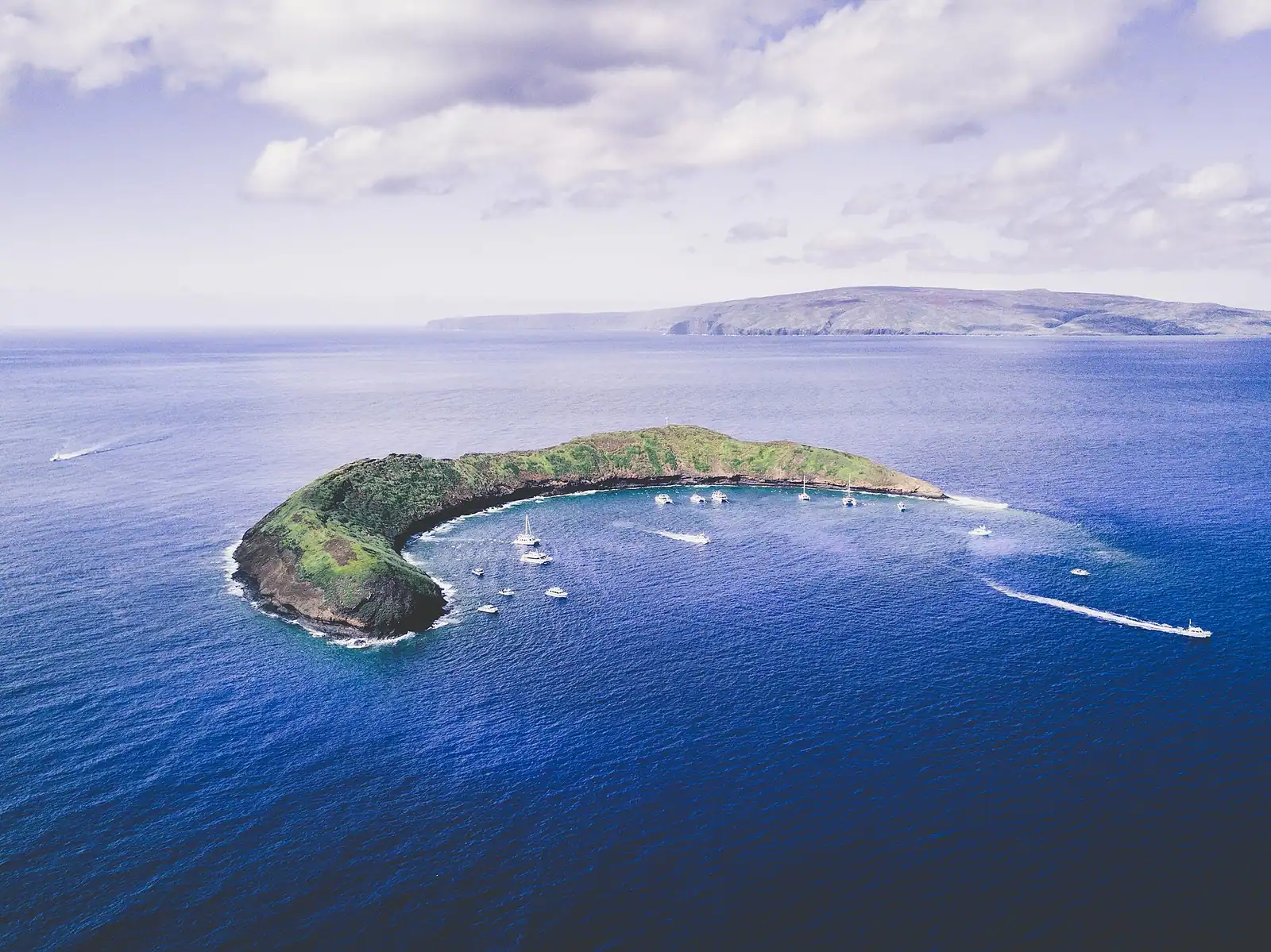
The stretch of water between Maui, Lānaʻi, Molokaʻi and Kahoʻolawe is the reason humpback whales are the thing Maui is best at. That basin, Maui Nui, is shallow, warm and sheltered: the ʻAuʻau Channel is only a few hundred feet deep across most of its width, which is unusual in an archipelago whose slopes normally plunge into abyssal water. Mother humpbacks want exactly that, because a newborn calf has no blubber and cannot handle depth or cold. So every winter a large share of the entire North Pacific humpback population swims roughly 3,000 miles from Alaskan feeding grounds to this one shallow bowl, taking four to six weeks to do it, to give birth, nurse and mate.
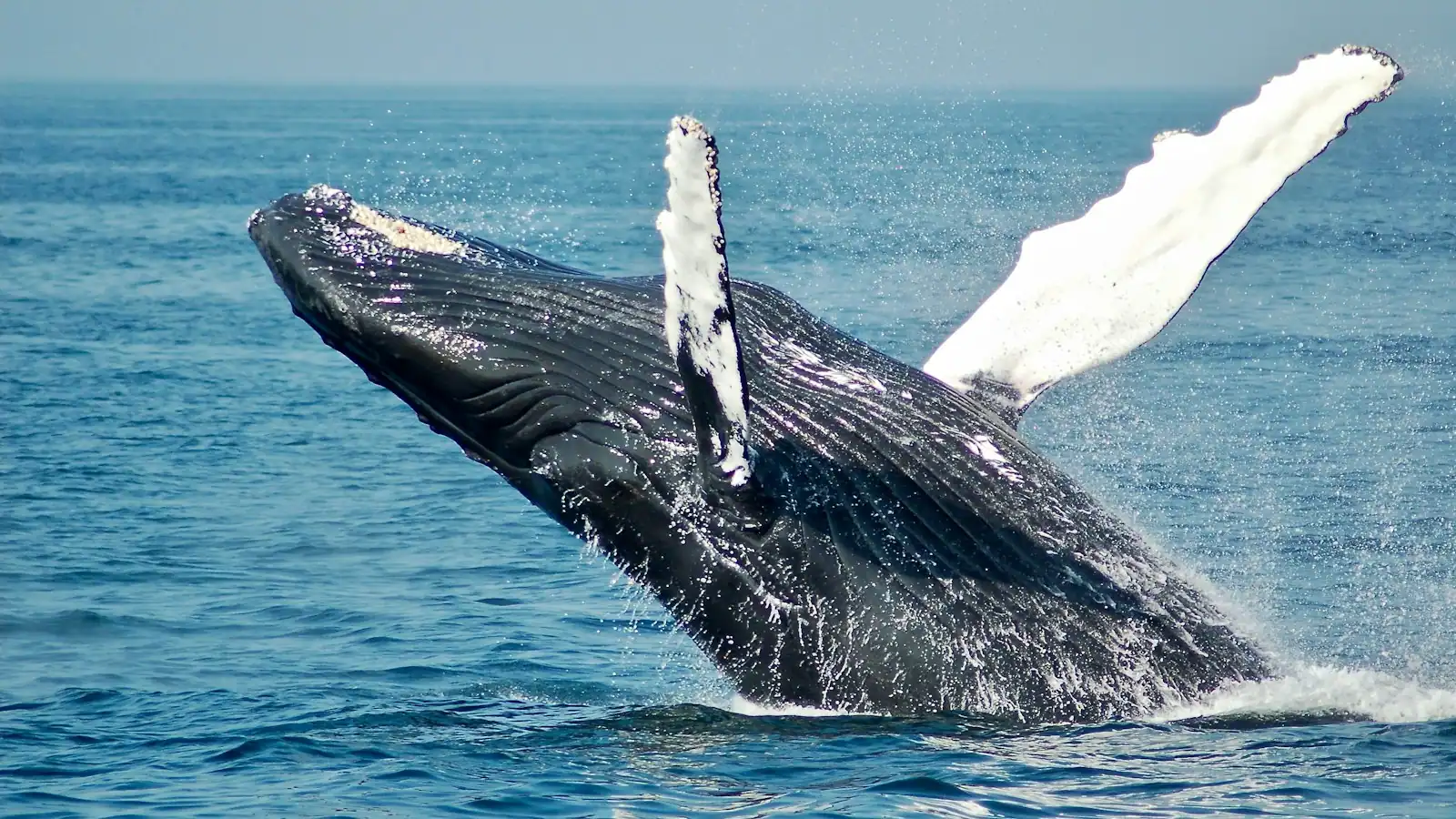
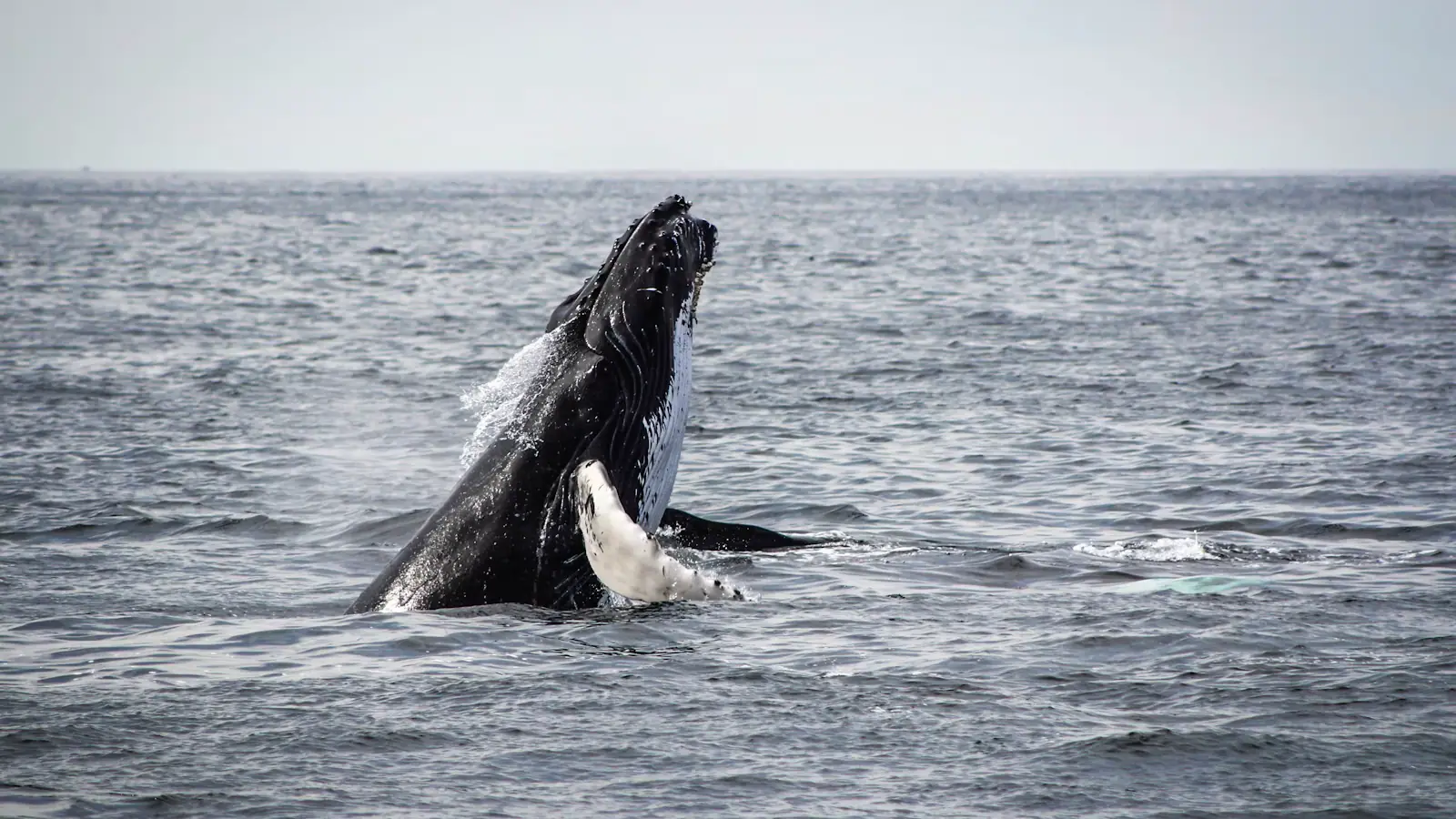
They do not eat while they are here. An adult humpback arriving in November is living on fat laid down over an Alaskan summer and will leave in spring measurably thinner. That single fact reframes what you are watching. The breaching, the pectoral slapping, the tail lobs and the explosive competition pods of males chasing a single female are not feeding behaviour. They are the entire reproductive business of a species, conducted at the surface, in water you can reach in twenty minutes from a harbour.
The season runs roughly December through April, with the reliable peak from mid-January to mid-March. In those weeks you do not need a boat to see whales off Maui. You will see blows from the Honoapiʻilani Highway pali, from the Wailea coastal path, from a Kāʻanapali balcony and from the windows of the plane on approach. What a boat buys you is proximity, a naturalist explaining what that behaviour means, and on many vessels a hydrophone dropped over the side so you can hear the males singing, which is the part nobody is prepared for.
Where boats leave from matters, and one of those places needs saying directly. Māʻalaea Harbor sits closest to the channel and carries most of the fleet, including trips run by a Maui-based nonprofit whose ticket income funds humpback research. The Kīhei boat ramp and the Mala Boat Ramp serve smaller vessels. Lahaina Harbor is operating again with limited permitted commercial trips during daylight hours as West Maui rebuilds, and boats do sail from there. If you book out of Lahaina, go to spend money with the businesses that have reopened along Front Street, not to look at what burned.
One last thing worth knowing before you book anything: the 100-yard approach rule is federal law, not an operator policy. No captain can drive you closer. What good ones do instead is shut the engines off and wait.