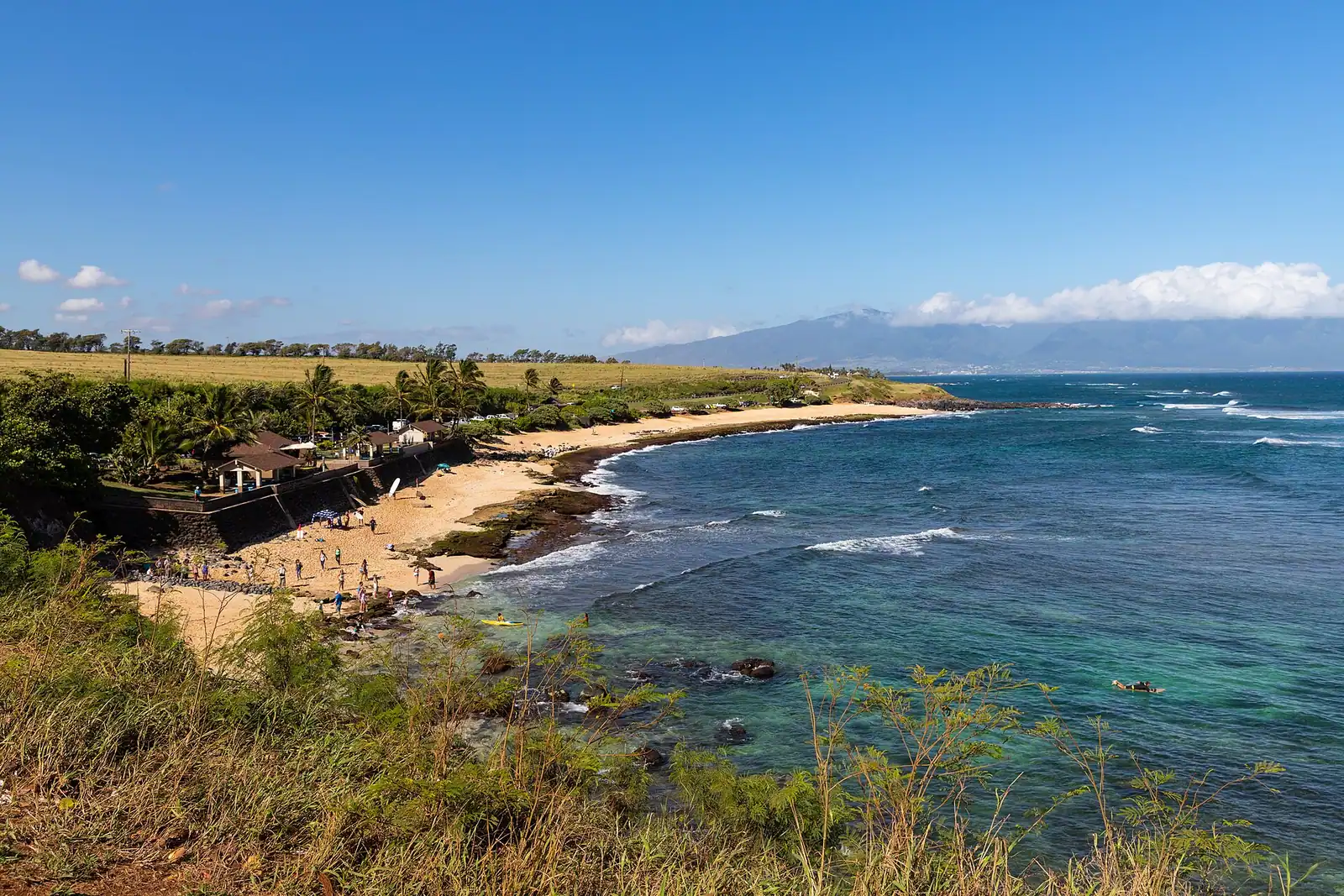
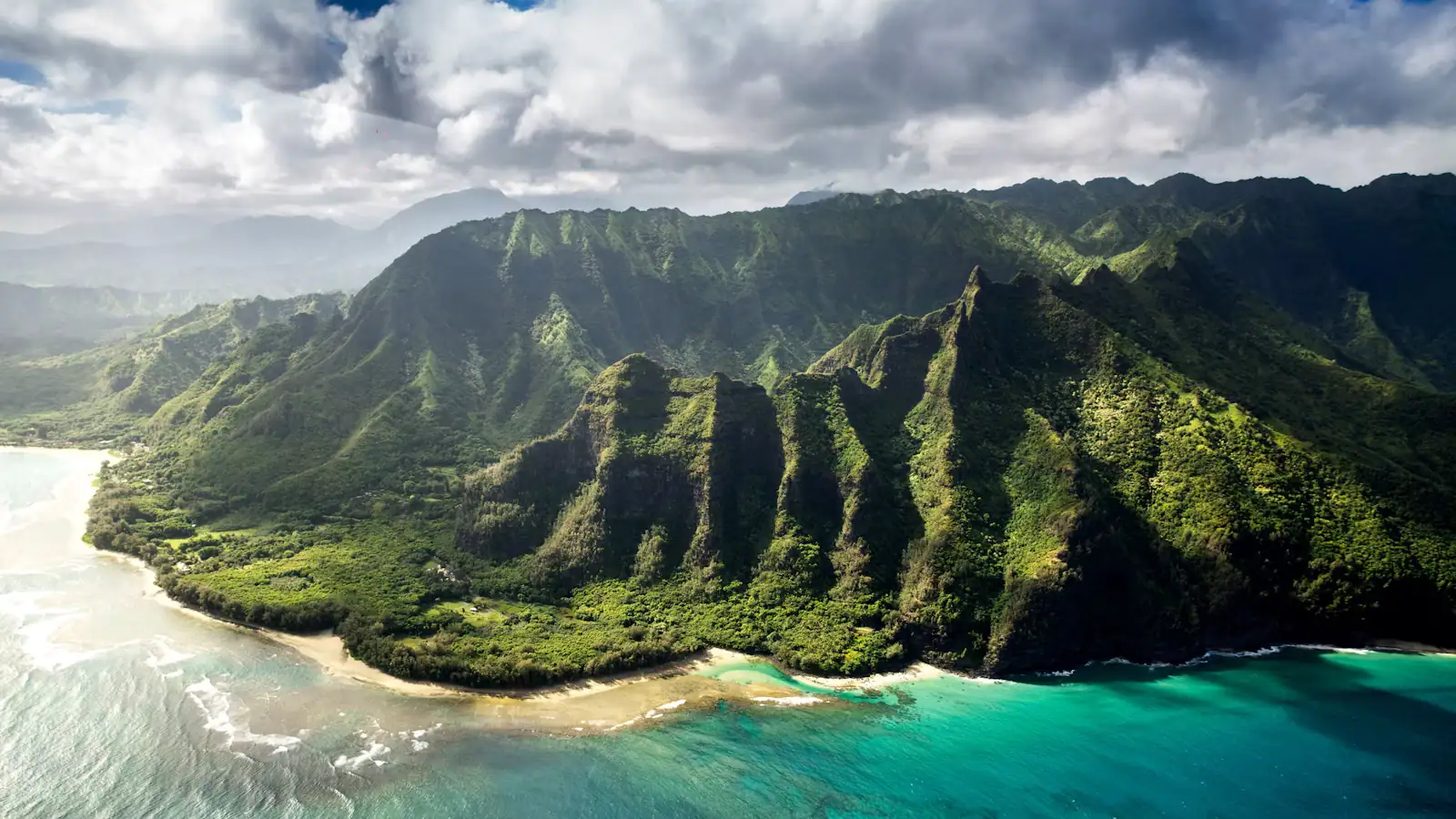
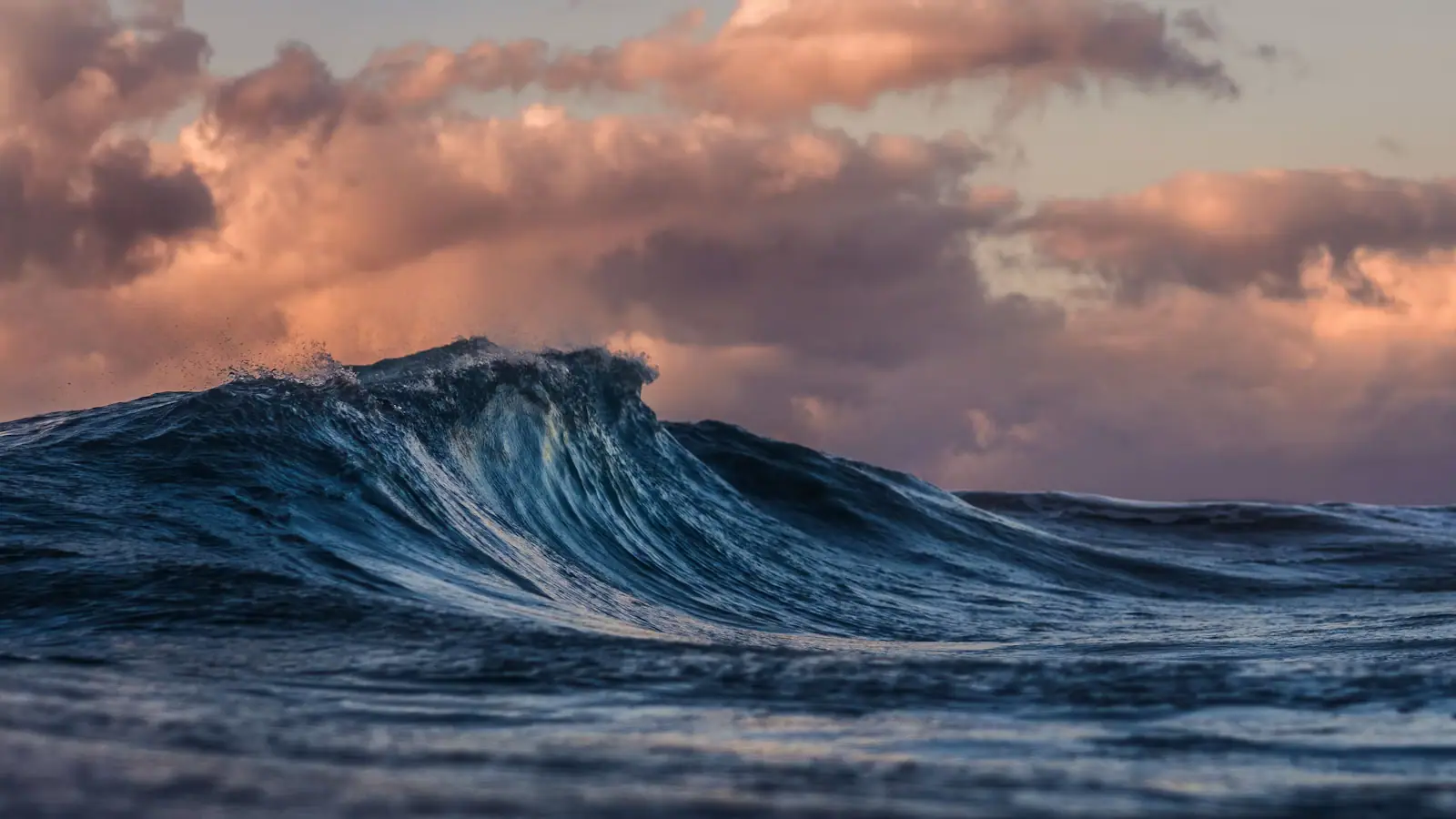
Maui has an unusual problem for a surf destination: its most famous waves are among the most dangerous in the world, and its beginner waves are quiet, small and easy to drive past. Peʻahi, which the world knows as Jaws, breaks off the north shore in winter at heights that require tow-in teams and water-safety crews on skis. Hoʻokipa, ten minutes from Pāʻia, is a reef arena where the standard is high and the crowd is not patient. Honolua Bay in January is a point break good enough to have hosted world tour events. None of these is where you learn, and none of them will tolerate you finding that out in person.
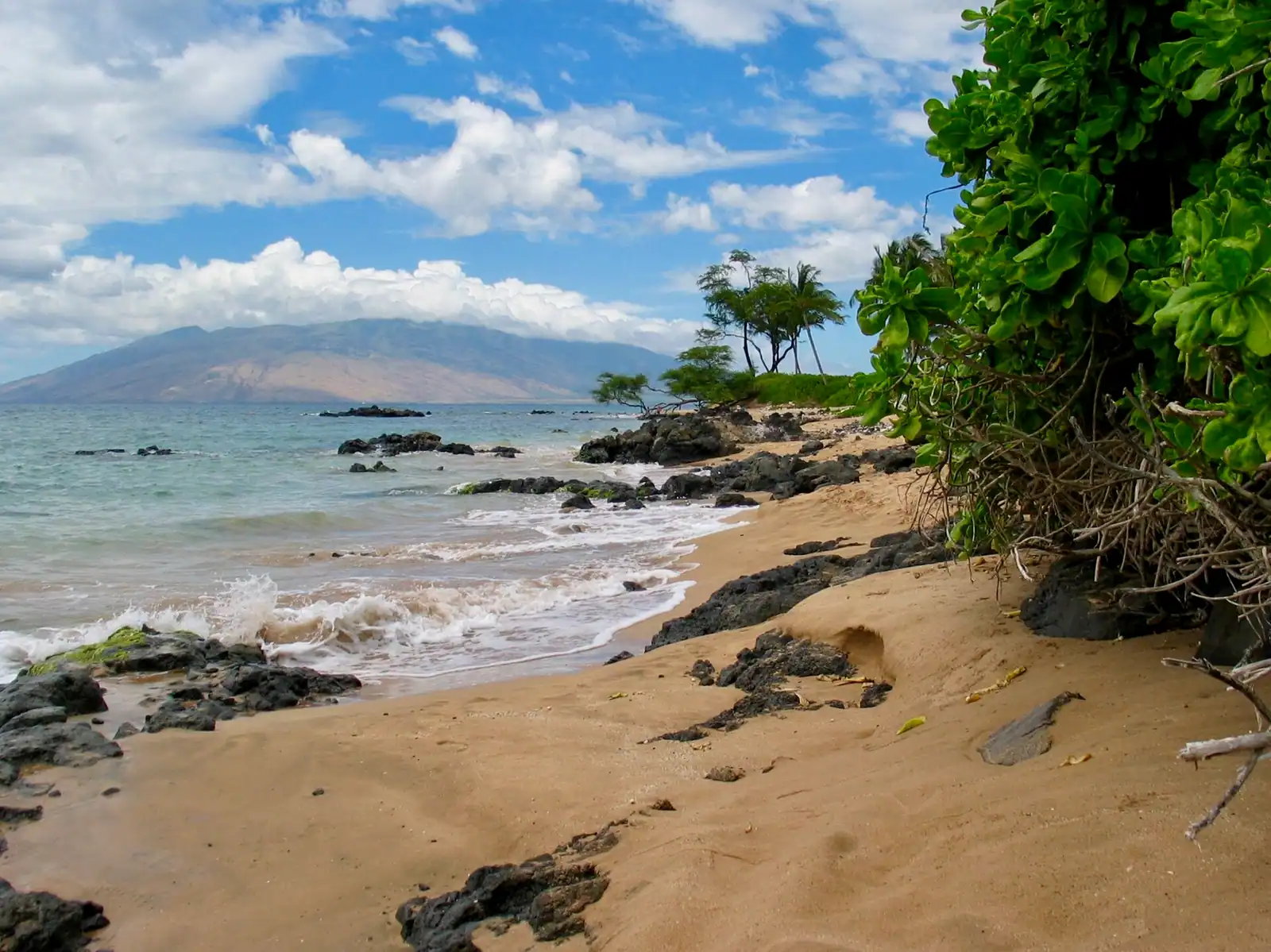
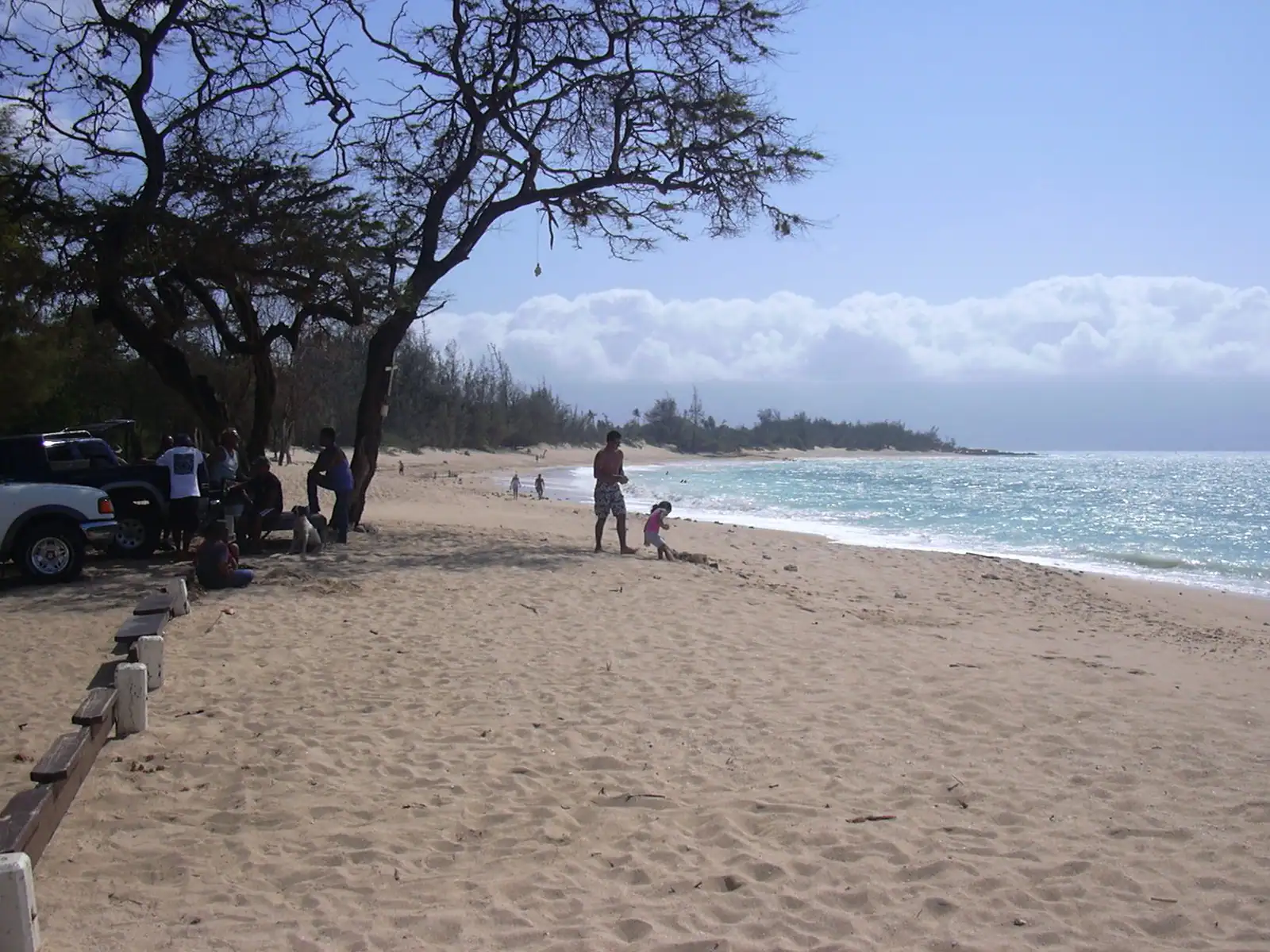
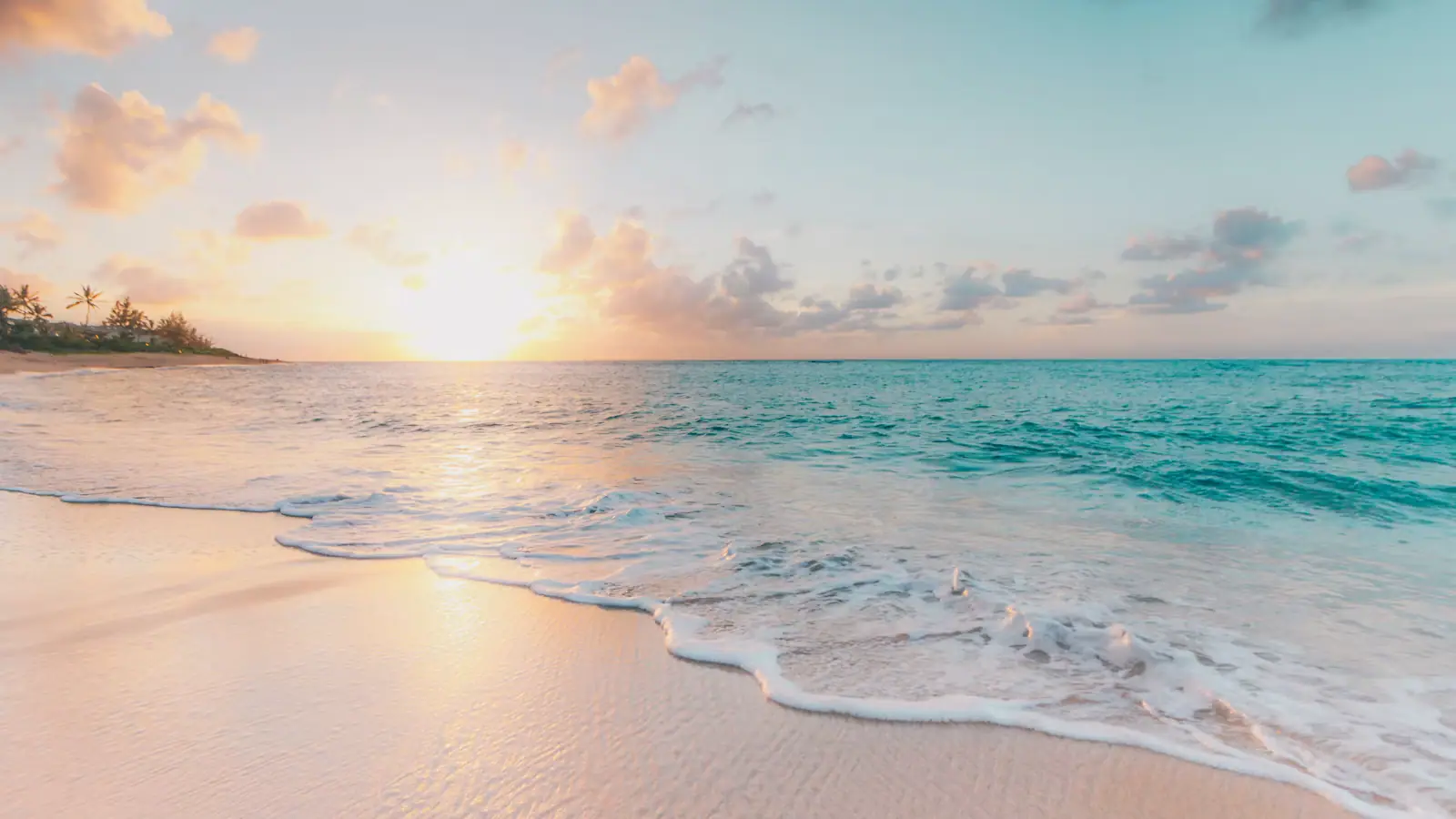
Where you do learn is a much shorter list, and it is mostly on the south shore. The Cove at Charley Young Beach in Kīhei is the island's default first-lesson spot: a small, forgiving wave over a mostly sandy bottom, a short paddle, a lineup full of other beginners and a beach park with restrooms and parking behind it. Kalama Park down the road takes the overflow. On the west side, Launiupoko Beach Park south of Lahaina gives long, slow rides over a reef shelf with a walled swimming pond next to it for the children not surfing, and the stretch of coast around mile marker 19 near Ukumehame has gentle rollers that schools use when Launiupoko is busy.
There is a change worth knowing about before you book. The Lahaina Breakwall, immediately south of Lahaina Harbour, was for decades the west side's beginner classroom and the place most Maui surf schools met their students. The August 2023 wildfire destroyed the town behind it, and the Breakwall is not where lessons are taught now. Lahaina Small Boat Harbour began a phased reopening in December 2025 with limited daylight operations, and recovery work along the waterfront continues; west-side surf schools have moved their teaching south to Launiupoko and the Ukumehame coast. Book with an operator who tells you exactly where you are meeting and what the beach looks like.
The seasonal pattern on Maui is the other thing to plan around, and it is the reverse of what mainland visitors assume. From roughly November to March, north and northwest swell hits the top of the island: the north shore and Honolua get big, and the south shore is usually small and clean, which makes winter the better season for a first lesson in Kīhei. From about May to September the pattern flips, south swell wraps into Kīhei and Mākena, and the west and north sides settle. Neither season stops beginners surfing. It just moves where the school takes you.
One last framing. A two-hour group lesson on a soft-top board will almost certainly have you standing up, because the boards are enormous and forgiving and the instructors push you into the wave. What it will not do is teach you to surf. Take the lesson for the morning in the water, the wipeouts and the story, and take the second lesson if you want any of it to stick.