Skip to content
Menu

Booking through these earns us a commission from Viator. You pay the same, and payment did not decide what is listed.

Search

All Tours

Maui Boat Tours

Last updated

Which Maui boat tour to book: Molokini snorkel trips, Lānaʻi crossings, sea-cave rafts and sailing catamarans, with harbours, prices, timing and the wind.

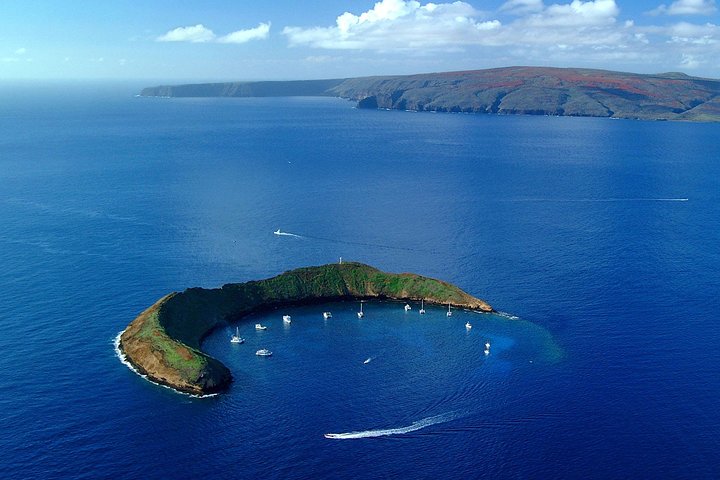
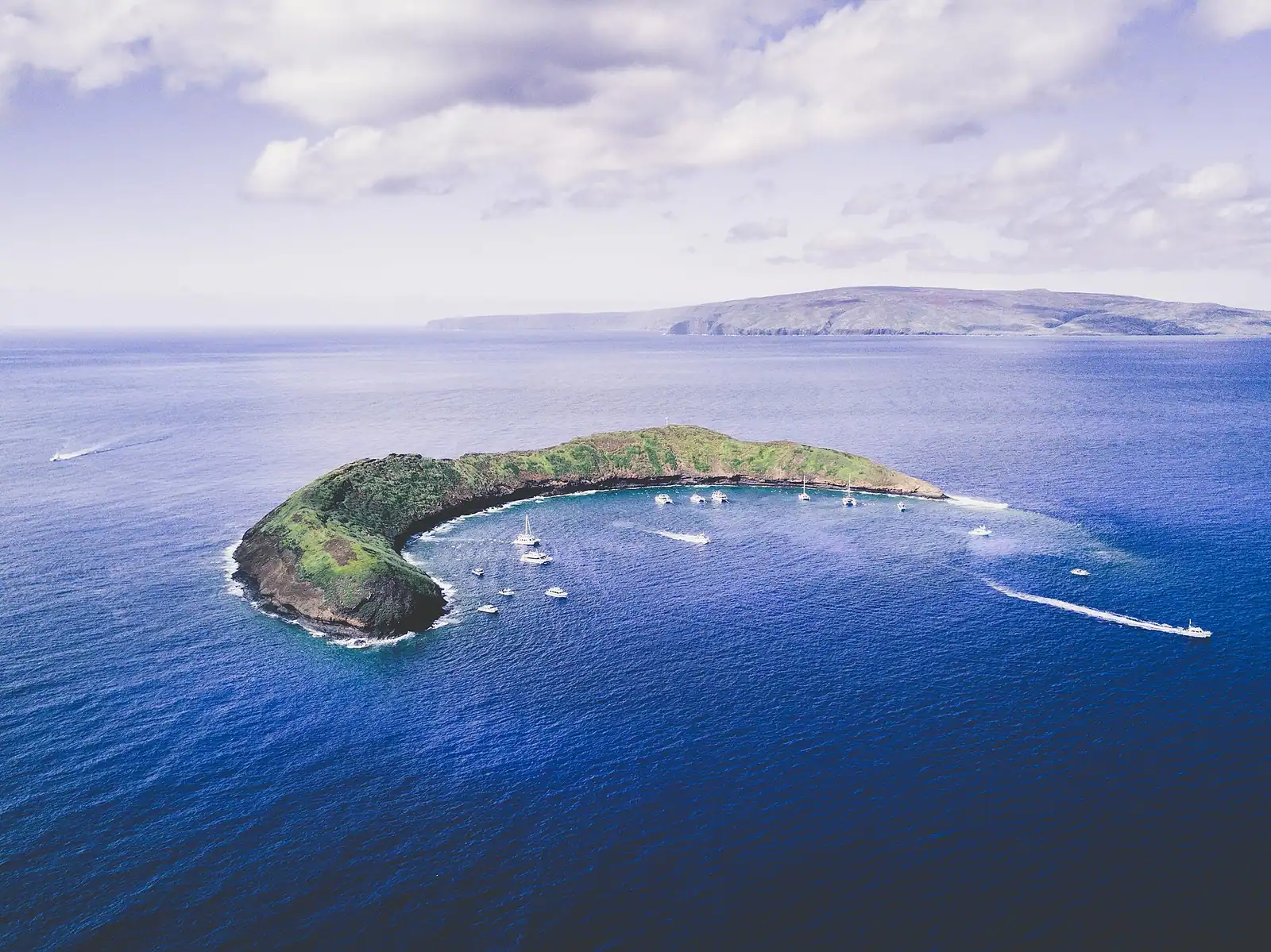
More money changes hands on Maui's boats than on anything else visitors do here, and the reason is that the best things about this island are three miles offshore. Molokini, a crescent of a drowned volcanic cone sitting in open water off Mākena, is a Marine Life Conservation District where nothing may be taken and visibility routinely passes a hundred feet. Lānaʻi is a forty-minute crossing to a coastline with almost no development on it. The ʻAuʻau Channel, sheltered by four islands, holds one of the densest concentrations of humpback whales anywhere on earth between December and April. And the south coast past La Perouse Bay runs into lava sea caves and arches that no road reaches and no large boat can enter.

None of that is reachable from a beach, which is why Maui's tour inventory is priced the way it is. The median price of a bookable activity here is a little over $200, by some distance the highest of the sixteen destinations on this network, and nearly a fifth of the inventory sits above $250. Boat trips account for much of that. It is worth knowing before you start comparing, because a $180 snorkel trip on Maui is a mid-market ticket rather than a splurge.

The single most useful thing to understand is the wind. Trade winds cross the low isthmus between Haleakalā and the West Maui Mountains, accelerate through the gap, and pour out over Māʻalaea Bay and the Molokini channel from the middle of the morning onward. The same crossing that is glass at seven can be a genuinely unpleasant twenty minutes at one in the afternoon, and Molokini's moorings get uncomfortable in the same window. This is why every experienced operator runs their best snorkel trip first thing and sells the afternoon departure cheaper. Book the early one. It is not a preference, it is the difference between two different trips.

The second thing is departure point. Māʻalaea Harbour, in the middle of the south coast, is the island's largest commercial harbour and the shortest run to Molokini. Kāʻanapali Beach has no harbour: boats nose onto the sand and you wade out and climb a ladder. Kīhei boat ramp and Mākena Landing serve the smaller craft and the rafts. And Lahaina Small Boat Harbour, historically the busiest departure point on the west side, began a phased reopening in December 2025 after the August 2023 wildfire, with a limited number of permitted operators and restricted operating hours while recovery work continues ashore. Some operators that sailed from Lahaina for decades now leave from Māʻalaea or load off Kāʻanapali. Confirm your check-in point with the operator rather than trusting an old listing or an old guidebook.

The third is the boat itself, which decides the day more than the company name does. A 65-foot power catamaran with a buffet, a water slide and a hundred passengers and a six-person rigid inflatable that runs the lava coast at speed are both "a Maui boat tour". They have nothing else in common.

Our picks

The ones we would book

  • Editor's Pick

    Best early Molokini snorkel morning

    Why we chose it

    The first departure of the day out of Māʻalaea, moored inside the crater before the trade wind crosses the isthmus, with a second stop on the way home. Look for a boat that briefs the conservation rules properly, supplies good masks and gets you in the water for at least 90 minutes rather than an hour. Morning matters more than the hull.

    Spacious beautiful yacht with plenty of space for everyone to relax

    Involves Animals

    Maui: Molokini and Turtles Luxury Yacht Snorkel (opens in a new tab)

    Editor's PickFree cancellationLikely to sell out
    629 reviews

    We are a family-owned Maui company with over 40 years of experience on Hawaiian waters. Our expert Captains and crew bring decades of…

    5 hours

    Prices checked

    from $318
  • Best for Families

    Best boat for a mixed-age family

    Why we chose it

    A large power catamaran solves the problems families actually have: shade, a real restroom, flotation vests for every child, a water slide for the ones who will not snorkel and a stable ride for the grandparent who would rather sit. Kāʻanapali beach loading removes the harbour car park from the morning entirely.

    Molokini Island

    Short term availability

    Maui Snorkeling Adventure to Molokini and Turtle Town (opens in a new tab)

    Best for FamiliesFree cancellationInstant confirmation
    2.5K reviews

    Visit Maui’s famous snorkeling and diving destinations Molokini Crater and Turtle Town (or Coral Gardens) on a snorkeling catamaran…

    5–6 hours

    Prices checked

    from $159.95
  • Best Value

    Best value ticket on the water

    Why we chose it

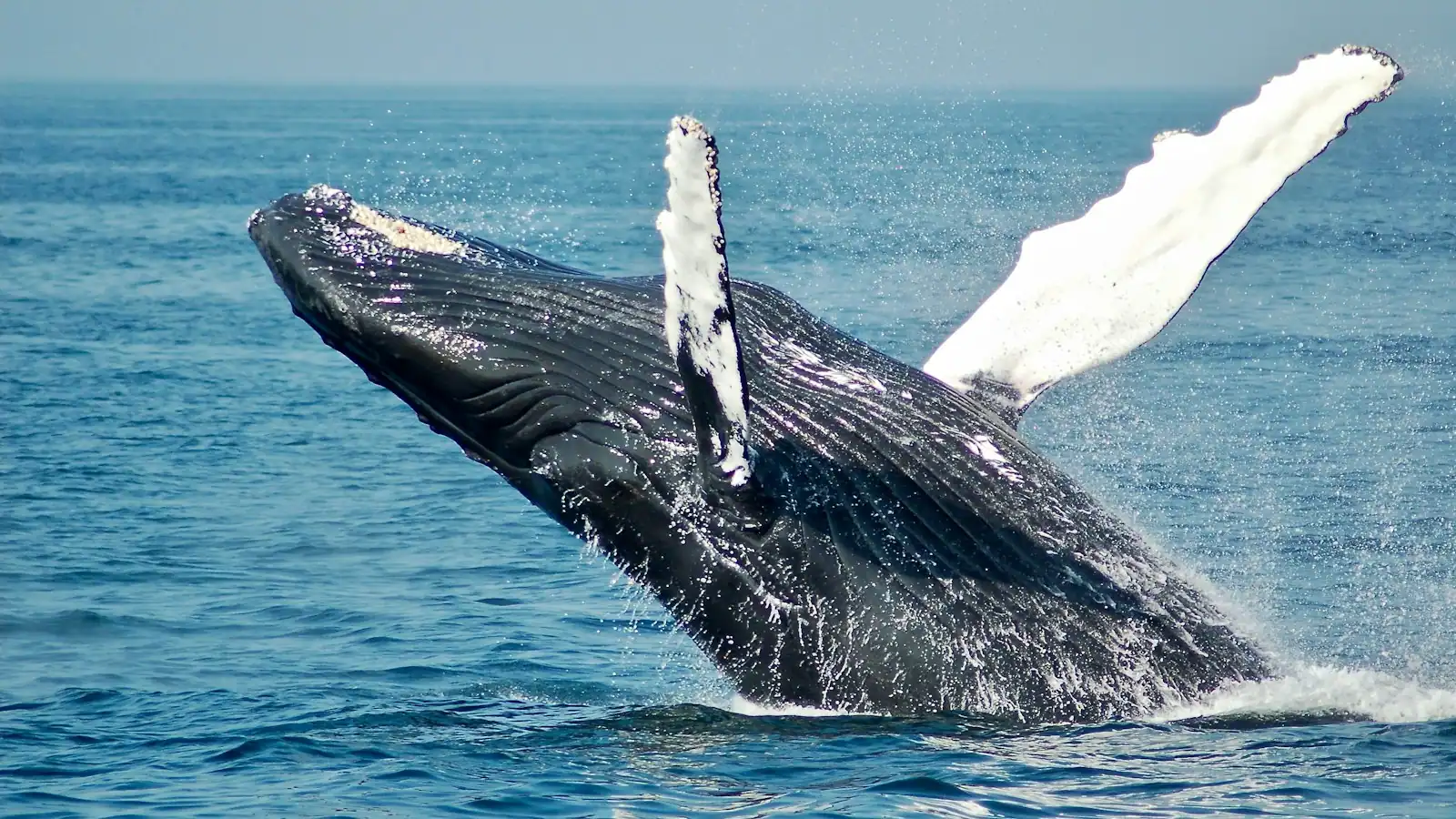
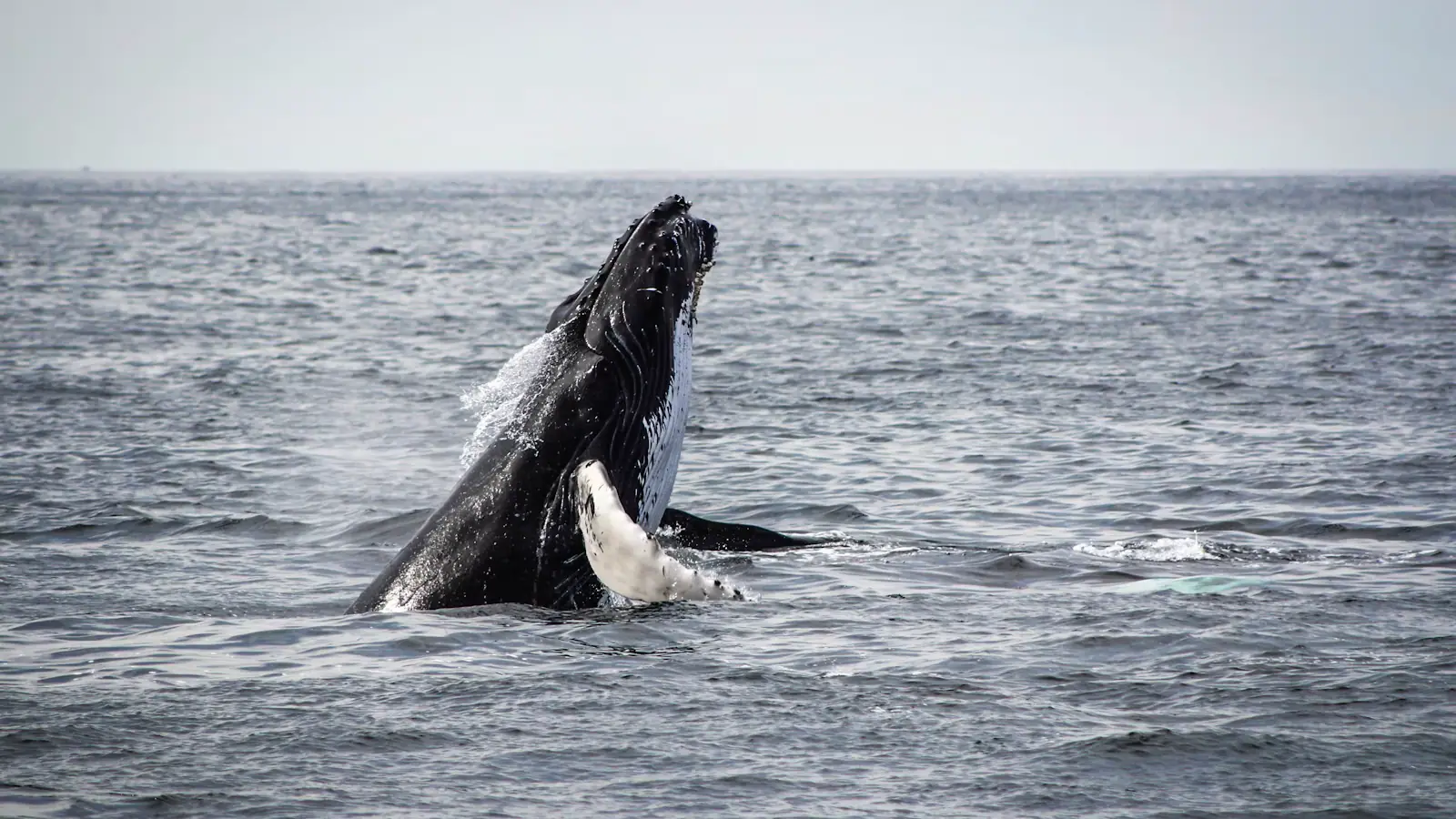
    A two-hour whale watch between December and April is the cheapest good boat trip on Maui and, in January or February in the ʻAuʻau Channel, among the most memorable. Pick a boat carrying a naturalist and, if you can find one, a hydrophone. Hearing a humpback sing through a speaker on deck is worth the fare on its own.

  • Small Group

    Best raft trip to the Kanaio sea caves

    Why we chose it

    Rigid inflatables from Kīhei or Mākena reach the lava arches and sea caves south of La Perouse Bay that no road serves and no large catamaran can enter, and they usually fit three snorkel stops into the morning. It is wet, bumpy and without shade, and there are normally age, back and pregnancy restrictions. Read them before booking.

  • Best Private Tour

    Best private charter

    Why we chose it

    Worth it from about eight people, or with a group whose interests do not match a fixed itinerary. You set the departure hour, which on this island means leaving at dawn before the wind, and you choose whether the day is Molokini, the Lānaʻi coast or fishing. It is also the only way to avoid sharing a mooring in high season.

  • Accessible

    Best option for non-swimmers and small children

    Why we chose it

    Not everyone gets in the water, and Maui has good answers: a submarine dive on the west side, a glass-bottom boat, or a big catamaran where the shaded deck is a genuine place to spend two hours. Check the current west-side departure arrangements when booking, as several operations changed their shoreside logistics after 2023.

    'Alihilani Lahaina Sunset Sail

    Short term availability

    'Alihilani Lahaina Sunset Sail (opens in a new tab)

    AccessibleFree cancellationInstant confirmation
    199 reviews

    We pride ourselves on sailing, so enjoy the natural sounds as we turn of our motors and raise our sails. Our spacious catamarans make for…

    2–3 hours

    Prices checked

    from $117.30

What a Maui boat day looks like

Check in 30 to 45 minutes before departure. At Māʻalaea that means finding a space in a car park that fills early; at Kāʻanapali it means standing on the sand with your shoes in your hand.

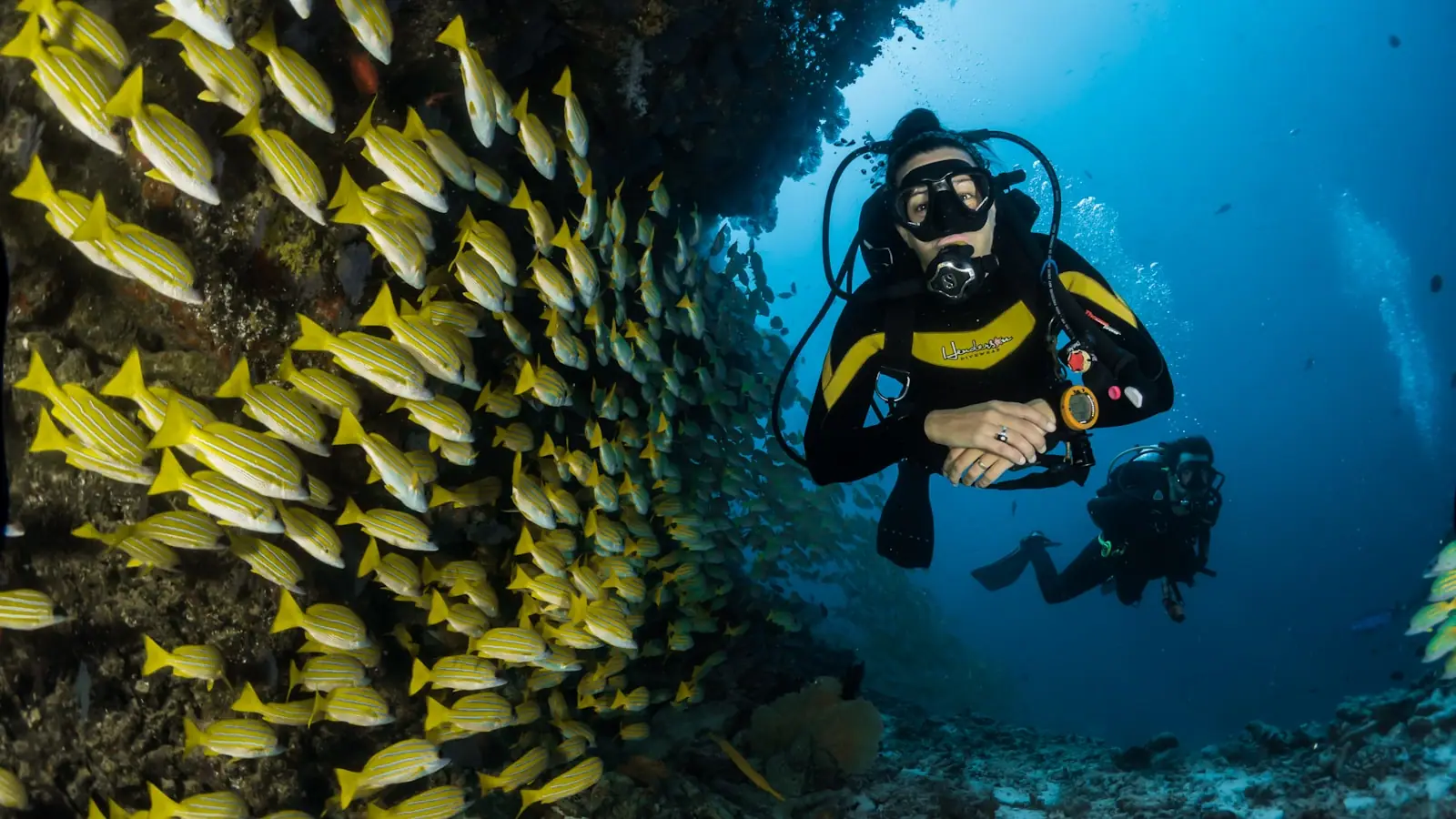
A standard Molokini morning leaves around seven, runs 30 to 50 minutes out depending on the boat, and moors inside the crescent for roughly an hour and a half. The crater's interior is a sheltered bowl with a sand and coral floor between about 20 and 60 feet, so you are snorkelling in water that feels shallower than it is, over reef fish in numbers that surprise people who have snorkelled elsewhere. Crews brief the marine conservation rules before anyone gets wet, and the good ones brief the sunscreen rule too.

Most trips then move to a second stop on the way home, usually a turtle site off Mākena or the coral flat at Olowalu. Breakfast goes out on the crossing and lunch after the second stop, and boats are typically back at the dock by early afternoon.

Lānaʻi trips are longer. Forty minutes across the ʻAuʻau Channel, a snorkel at Hulopoʻe or along the south coast, sometimes a beach landing, and back mid-afternoon. In whale season the crossing itself is often the highlight.

Raft trips are different in kind. Rigid inflatables leave from Kīhei or Mākena, run fast and low with no shade and no cabin, and go where the big boats cannot: the sea caves and lava arches of the Kanaio coast beyond La Perouse Bay, reachable only by small craft. You will be wet from the first ten minutes. It is the most fun and the least comfortable option on the island.

Whale watches are short, usually two hours, and the good ones carry a naturalist and sometimes a hydrophone so you can hear the singing rather than just watch the surface.

Where the boats actually leave from

Local tips

Departure point determines your morning, and Maui's are further apart than the map suggests.

Māʻalaea Harbour. The island's main commercial harbour, on the central south coast between Wailuku and Kīhei, and the shortest run to Molokini. The largest fleet, dock boarding, and the tightest parking on the island at seven in the morning. Allow thirty minutes, not fifteen. It is roughly 20 minutes from Kīhei, 25 from Wailuku and 40 from Kāʻanapali.

Kāʻanapali Beach. No harbour at all. Catamarans nose onto the sand, you take your shoes off and wade out to a ladder. The easiest boarding on Maui if you are staying on the west side, and no car park to find. You will get wet to the knee before the trip starts, and there is no restroom between your hotel and the boat.

Kīhei boat ramp and Mākena Landing. The rafts and several smaller charters. Shorter transit to Molokini and to the south coast lava, which is why the three-stop raft trips leave from here.

Lahaina Small Boat Harbour. Historically the busiest departure point on the west side. It began a phased reopening in December 2025 following the August 2023 wildfire, with a limited set of permitted operators and restricted daylight operating hours, and harbour and shoreside recovery work is expected to continue. There are no walk-up booking booths. Book online or through your accommodation in advance, and confirm the check-in location and time directly with the operator, because several long-established Lahaina boats now sail from Māʻalaea or load off Kāʻanapali instead.

Getting to Lānaʻi independently. The passenger ferry between Maui and Mānele Bay historically ran from Lahaina. Its departure point and schedule have changed since 2023, so check the current arrangement before planning a Lānaʻi day trip around it rather than booking a tour.

What Maui boat tours cost

What it costs

Maui carries the highest activity prices of any destination on this network: a median bookable price a little over $200, roughly 3.7 times what the same categories cost on Hilton Head, and almost a fifth of the inventory above $250. Boats are the main reason. These are bands; confirm current pricing before booking.

  • Molokini snorkel, morning, large catamaran with breakfast and lunch: commonly $150 to $230 per adult. The core product of this island.
  • Afternoon Molokini or Turtle Town trip: usually $90 to $150, cheaper because the wind is up and the visibility is down. Sometimes still worth it.
  • Rigid inflatable raft, two or three snorkel stops plus the Kanaio sea caves: typically $120 to $200.
  • Lānaʻi crossing with snorkelling, full day: generally $220 to $320.
  • Whale watch, two hours in season: commonly $50 to $95, the cheapest good boat ticket on Maui.
  • Sunset cocktail sail: $110 to $180; dinner cruise $170 to $260.
  • Submarine: typically $130 to $190 per adult, less for children.
  • Private charter: most half-day private boats start around $1,000 to $2,500 depending on size, which becomes sensible at eight or more.
  • Fishing charter, shared: roughly $200 to $350 per person for a half day; private boats considerably more.

Costs that are easy to miss: crew tips, customary here at 15 to 20 percent and not in the ticket; parking at Māʻalaea; wetsuit top hire on winter trips; and, on some operators, a fuel surcharge that only appears at the final screen.

Where the value is. A two-hour whale watch in February is the best ratio of money to memory on this island. After that, an early Molokini morning on a mid-size boat, booked direct and on a weekday.

Time of day, time of year

When to go

Morning, always, for anything involving snorkelling. Trade winds funnel through the isthmus and build from mid-morning, so the Molokini crossing and the crater moorings are calmest and clearest before about eleven. Water clarity follows the same curve. The first departure of the day is the one to book and it sells out first.

Afternoon trips are cheaper for a reason, but they are not worthless: a Turtle Town or Olowalu afternoon in sheltered water can be excellent, and the light for turtles is better later. Just do not pay full price for an afternoon Molokini and expect the morning's conditions.

Whale season runs roughly December through April and peaks January to March. In those months every boat on the island is also a whale boat, and the two-hour dedicated trips are the best value on Maui. Outside that window, do not book anything marketed as whale watching.

Summer, May to September, gives the flattest water, the warmest temperatures near 80°F and the best odds for the north-coast and Honolua sites. Winter brings north swell, which closes the northern sites and pushes everything to the south coast and the channel.

Duration to allow. Molokini morning, four and a half to five and a half hours door to door. Lānaʻi, seven to eight. Raft trip, four to five. Whale watch, two and a half with parking. Sunset sail, three.

Book ahead. Peak weeks are mid-December through March and mid-June through August, and the well-reviewed morning boats sell out several days in advance. Book the boat before the restaurant.

Do not stack it. A Molokini morning and a Haleakalā sunrise on the same day is a bad plan, and diving plus the summit road within 18 hours is a genuinely unsafe one.

Book it

Everything else we track

Booking through these earns us a commission from Viator. You pay the same, and payment did not decide what is listed.

Which boat suits which group

How they compare

Choose the hull first. Everything else follows from it.

BoatTypical sizeBest forWhat you give up
Large power catamaran50 to 130 passengersFamilies, mixed ages, anyone who wants shade, a real restroom, a buffet and a water slide; the most stable ride to MolokiniIntimacy. You may be one of a hundred in the water at the same mooring
Sailing catamaran30 to 60 passengersPeople who actually want to sail; quieter crossings under canvas; good compromise between comfort and characterSlower, so less time at the site, and sailing depends on the wind
Rigid inflatable raft6 to 24 passengersThe Kanaio sea caves, fast coastline running, snorkellers who want three stops instead of one, adventurous teenagersNo shade, often no restroom, a wet and bumpy ride, and usually a minimum age and a back and pregnancy restriction
Six-pack charterUp to 6 passengersFishing, private snorkelling, families who want the boat to themselves and a schedule of their ownPrice, and weather sensitivity
Dive boat6 to 24 diversCertified divers wanting the Molokini back wall or the Lānaʻi CathedralsNot a snorkel trip; the itinerary serves the divers
Whale watch vessel20 to 100 passengersTwo focused hours in season with a naturalist aboardSeasonal only, roughly December to April
SubmarineAround 45 passengersNon-swimmers, small children, older visitors, anyone who wants the reef without getting inIt is a scheduled attraction, not an ocean day. Check the current departure arrangements on the west side

Two matching notes. If anyone in the group is unsteady on their feet, choose a dock departure and a large catamaran, not beach loading and not a raft. And if the group contains one keen snorkeller and several people who would rather sit in the shade, the big catamaran is the compromise that keeps everyone civil.

What to bring on a Maui boat

What to bring

  • Mineral sunscreen only, zinc oxide or titanium dioxide. Non-mineral sunscreen is prohibited in Maui County under Ordinance 5306, and reputable crews will say so at the briefing. Apply it 20 minutes before boarding, not on the swim step.
  • A rash guard or sun shirt. Better protection than reapplying, and better for the reef. You will be face down in the sun for an hour.
  • Motion sickness medication taken the night before and again an hour before boarding. Not on the dock, where it is too late. The Molokini crossing catches out people who never get sick.
  • Your own mask if you own one. The single biggest upgrade to a snorkel trip. Rental masks leak.
  • A towel and a dry layer for the ride home. Boats are wet and windy once you are moving.
  • Reef shoes if you are on a raft trip with a lava-shore landing.
  • A waterproof phone case or nothing at all. Boats lose phones every week.
  • Cash for the crew tip.
  • A hat with a strap and sunglasses with a strap. Everything unsecured goes over the side eventually.
  • Photo ID if there is a bar.

Leave behind: glass, which most boats prohibit; large bags, which there is nowhere to stow; and any expectation of a wetsuit being included, which varies by operator and season.

If anyone in the group is a weak swimmer, say so at check-in. Every legitimate Maui boat carries flotation vests and noodles and the crew would much rather know in advance.

Marine law, wind cancellations and the Lahaina question

Before you book

Molokini is a Marine Life Conservation District. Nothing may be taken, fed or damaged, boats use fixed moorings rather than anchors, and standing on the coral is both illegal and the fastest way to make a crew unhappy. The islet above water is a state seabird sanctuary and landing on it is prohibited.

Humpback whales: 100 yards. Federal rules prohibit approaching a humpback within 100 yards by any means on or in the water, and within 1,000 feet by aircraft or drone, anywhere in Hawaiian waters. Boats that find whales close aboard must idle and let the animals move. If a captain shuts down the engines and waits, that is compliance, not a delay.

Spinner dolphins: 50 yards, and no swimming with them. Hawaiian spinner dolphins rest in shallow bays during the day after feeding all night, and federal rules prohibit approaching them within 50 yards, including swimming with them, in waters within two nautical miles of the main Hawaiian islands. No legitimate Maui operator offers a swim-with-dolphins trip. Anyone who does is a reason to book elsewhere.

Turtles and monk seals. Ten feet from a green sea turtle, fifty from a Hawaiian monk seal, in the water and on the sand. Do not touch, do not chase, do not position yourself for a photograph.

Wind cancels trips here; rain does not. Operators run in showers and cancel when the channel gets up, which happens most often on strong-trade winter afternoons. Read the cancellation and rebooking terms before you pay, and book your priority boat early in the trip so a cancellation has somewhere to go.

Lahaina. The August 2023 wildfire destroyed the town behind the harbour and killed about a hundred people, the deadliest wildfire in the United States in over a century. The small boat harbour reopened in phases from December 2025 with limited operators and restricted hours, and the town above it is a community rebuilding, not a sightseeing stop. Book boats there only after confirming with the operator, and do not treat the waterfront as somewhere to wander and photograph. Residents have been clear about this and their wishes are the relevant authority.
On the ground

Where to go

Every place below has its own page — hours, parking, what it costs and what to expect when you get there.

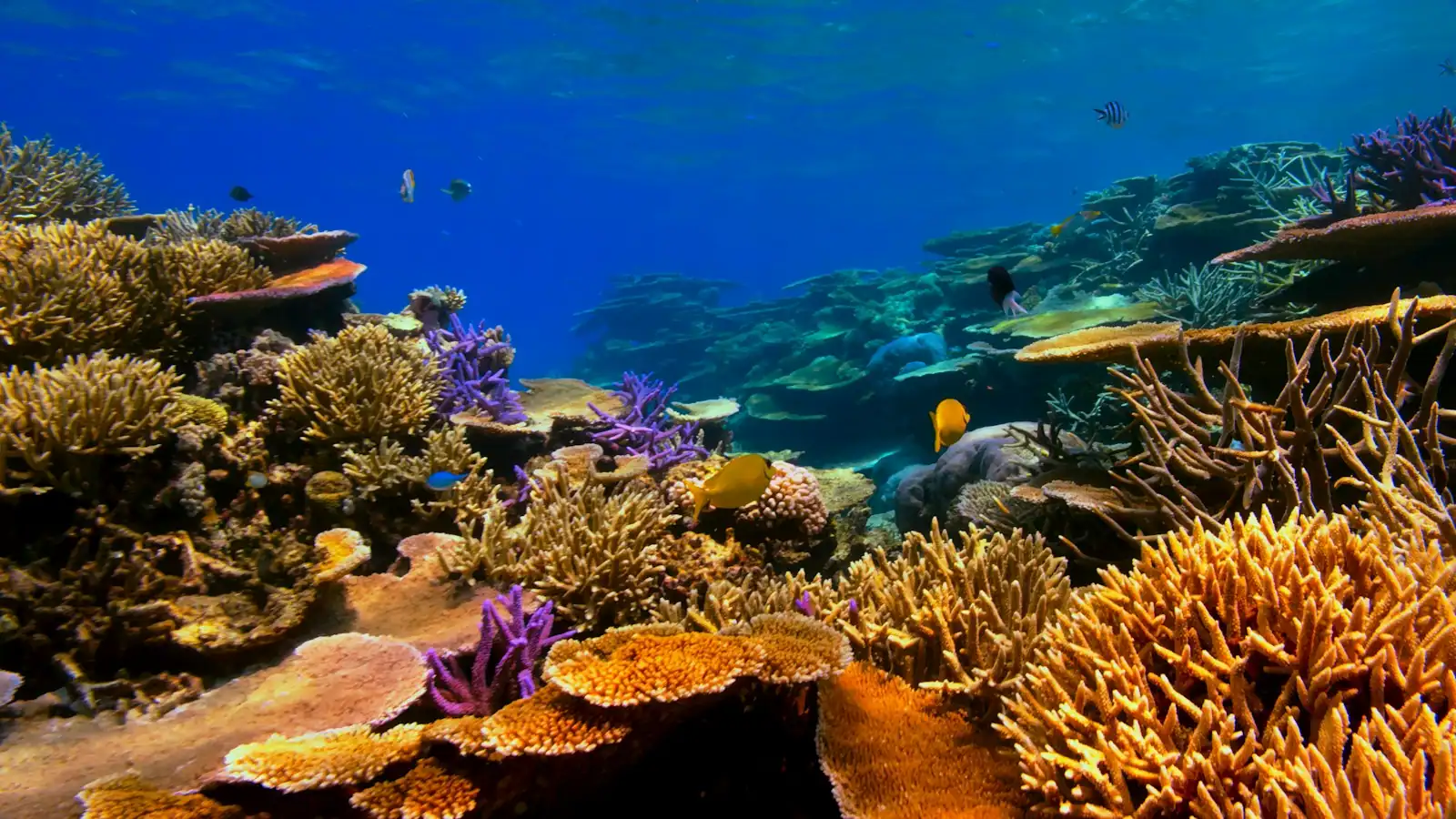
  • Reef fish over coral in very clear blue water

    Nature preserve

    Molokini Crater

    A sunken crescent of volcanic rock three miles offshore, with water clear enough to see the bottom from the deck.

    4–6 hoursNo entry fee to the conservation district itself; access is entirely through paid boat charters, which on Maui sit at the premium end of the market.

  • A long curve of pale sand meeting clear turquoise water under a bright sky, with low green headland beyond

    Beach

    Kāʻanapali Beach

    Free

    Three miles of public sand, a lava headland called Puʻu Kekaʻa, and free beach parking the resorts are legally required to keep.

    2–7 hoursFree. Public beach access and the mandated resort stalls cost nothing; Whalers Village charges for parking with validation.

  • A wide, empty stretch of coarse gold sand curving away beneath a bare reddish volcanic hill

    Beach

    Mākena Beach (Big Beach / Oneloa)

    Free

    Two-thirds of a mile of undeveloped gold sand backed by a cinder cone, with a shorebreak that puts people in hospital every year.

    1.5–5 hoursBeach access is free; non-residents pay to park at the state park kiosks.

  • Snorkeller looking down over a shallow coral reef in very clear blue water

    Nature preserve

    Honolua Bay

    Free

    A protected bay with no sand, no restrooms and no lifeguard — and the best shore snorkelling in West Maui for half the year.

    1–3 hoursFree. No entry fee, no permit and no parking charge — and no facilities of any kind.

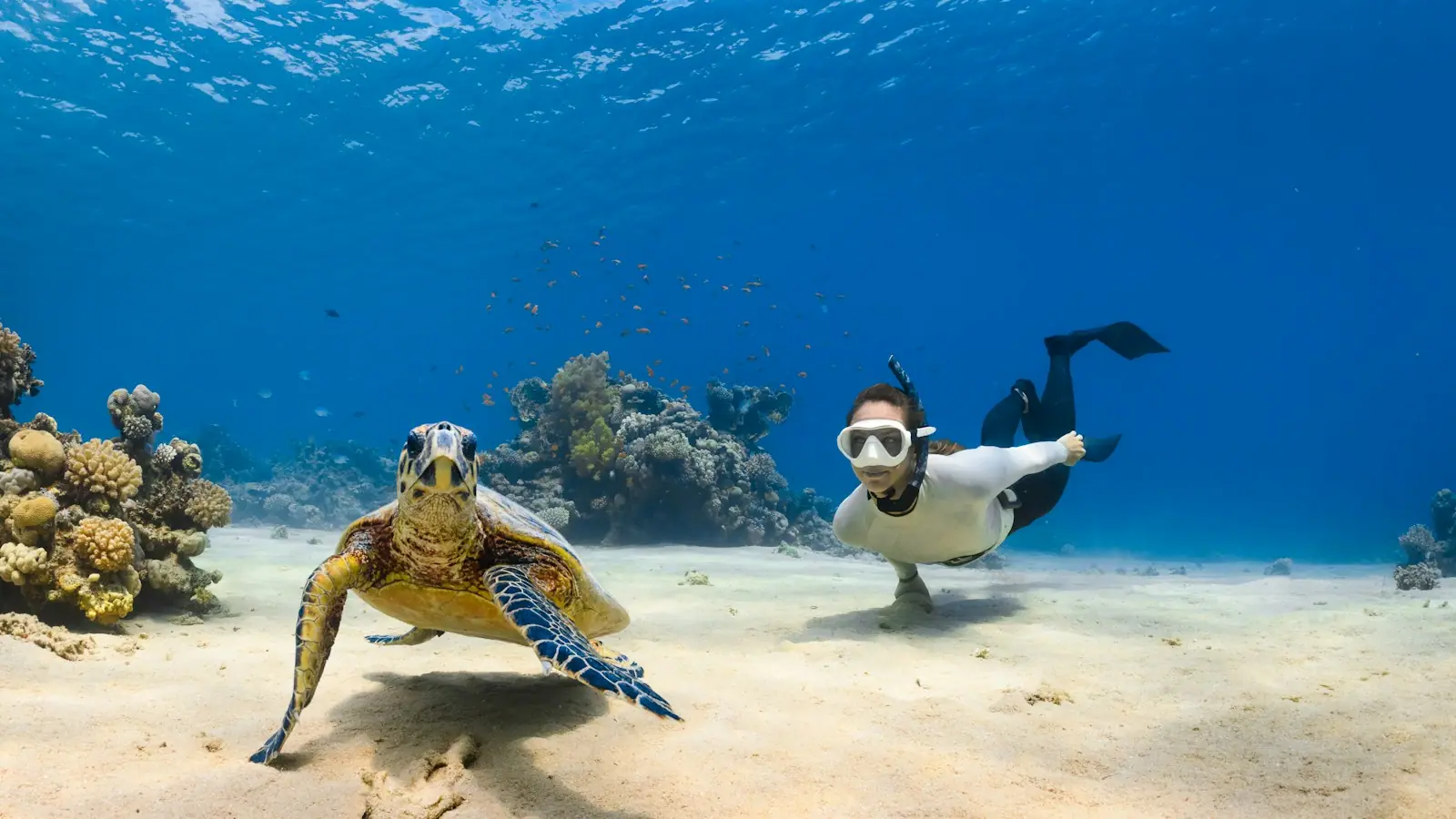
  • A green sea turtle swimming over shallow coral in clear water

    Historic site

    Olowalu

    Free

    A reef that reseeds coral across four islands, a cliff of petroglyphs, and the site of a massacre that changed Hawaiian history.

    1–3 hoursFree. No charge for the shoreline, the reef or the petroglyph trail.

  • A wide golden beach with calm water and palm trees under bright morning sun

    Neighbourhood

    Kīhei

    Free

    Six miles of beach, three lifeguarded parks and the best free whale watching on Maui, plus a wind that arrives every afternoon.

    2–8 hoursFree. All the beach parks are public with free parking.

  • Fish swimming past a large curved aquarium viewing window

    Museum

    Maui Ocean Center

    The only aquarium on Maui, showing Hawaiian species exclusively — and by county law, no whales or dolphins in tanks.

    2–3 hoursAround $50 for adults, roughly $40 for children 4–12, slightly less for over-65s. Under-fours free. Substantial kamaʻāina and military discount.

Straight answers

Questions people actually ask

What is the best boat tour on Maui?

For most visitors, an early morning Molokini snorkel out of Māʻalaea: a sheltered volcanic crater three miles offshore with visibility that regularly passes a hundred feet and protected-area status that keeps the fish numbers high. If you are travelling between December and April, add a two-hour whale watch, which is the best value ticket on the island. For something less crowded, a rigid inflatable raft to the Kanaio sea caves south of La Perouse Bay.

How much do Maui boat tours cost?

A morning Molokini snorkel on a large catamaran with breakfast and lunch generally runs $150 to $230 per adult; afternoon trips are cheaper at $90 to $150 because the wind is up. Raft trips are typically $120 to $200, full-day Lānaʻi crossings $220 to $320, and two-hour whale watches $50 to $95. Private charters start around $1,000 to $2,500 for a half day. Crew tips of 15 to 20 percent are customary and not included.

Why do Maui boat tours leave so early?

Because of the wind. Trade winds funnel through the low isthmus between Haleakalā and the West Maui Mountains, accelerate, and blow hard across Māʻalaea Bay and the Molokini channel from mid-morning onward. A crossing that is glassy at seven can be genuinely rough by one, and underwater visibility drops with the chop. That is why the first departure costs more, sells out first and is worth both.

Where do boat tours leave from on Maui?

Mainly Māʻalaea Harbour on the central south coast, which has the largest fleet and the shortest run to Molokini. Catamarans also load directly off the sand at Kāʻanapali Beach, with no harbour and no car park. Rafts and smaller charters use the Kīhei boat ramp and Mākena Landing. Lahaina Small Boat Harbour reopened in phases from December 2025 with limited operators and restricted hours, so confirm your check-in point with the operator.

Are boat tours still running from Lahaina Harbour?

Some, on a limited basis. Lahaina Small Boat Harbour began a phased reopening in December 2025 after the August 2023 wildfire destroyed the town behind it, with a small number of permitted commercial operators and restricted daylight operating hours while recovery work continues. There are no walk-up booking booths, so reserve in advance and confirm the exact check-in location and time with the operator. Several long-established Lahaina boats now depart from Māʻalaea or Kāʻanapali instead.

Can you swim with dolphins on Maui?

No, and you should decline any offer to. Federal rules prohibit approaching Hawaiian spinner dolphins within 50 yards, including swimming with them, in waters within two nautical miles of the main Hawaiian islands. Spinner dolphins feed at night and rest in shallow bays by day, and repeated disturbance costs them the rest they need. No legitimate Maui operator sells a swim-with-dolphins trip. You will still see them from boats, which is the right way to see them.

What is the best month for Maui boat tours?

February and March if whales are the priority: humpback density in the ʻAuʻau Channel peaks then, and every trip on the water becomes a whale trip. May, June, September and October if flat water and snorkelling are the priority, with warm temperatures, calmer channels and fewer boats at the Molokini moorings. Mid-December to March and mid-June to August are the busiest and most expensive weeks in both cases.

Do Maui boat tours get cancelled often?

Not often, but wind cancels trips here and rain does not. Operators run in showers without hesitation and cancel when the channel gets up, which is most common on strong-trade winter afternoons and at Māʻalaea in particular. Read the cancellation and rebooking terms before you pay, and book the trip that matters most to you early in your holiday, so a cancellation has somewhere to be rescheduled to.

Are Maui boat tours suitable for people who cannot swim?

Several are. Every legitimate operator carries flotation vests, noodles and buoyancy belts, and crews are used to putting nervous adults in the water on a vest at a shallow mooring. Tell them at check-in rather than at the swim step. If getting in is not on the agenda at all, the large catamarans have proper shaded deck space, and a submarine or glass-bottom boat gives you the reef with no water contact.