Skip to content
Menu

Booking through these earns us a commission from Viator. You pay the same, and payment did not decide what is listed.

Search

Things to Do

Maui for Couples

Last updated

Romantic things to do for couples on Maui: sunset at the Haleakalā summit, quiet west-shore bays, private charters, and a night in Hāna instead of a day trip.

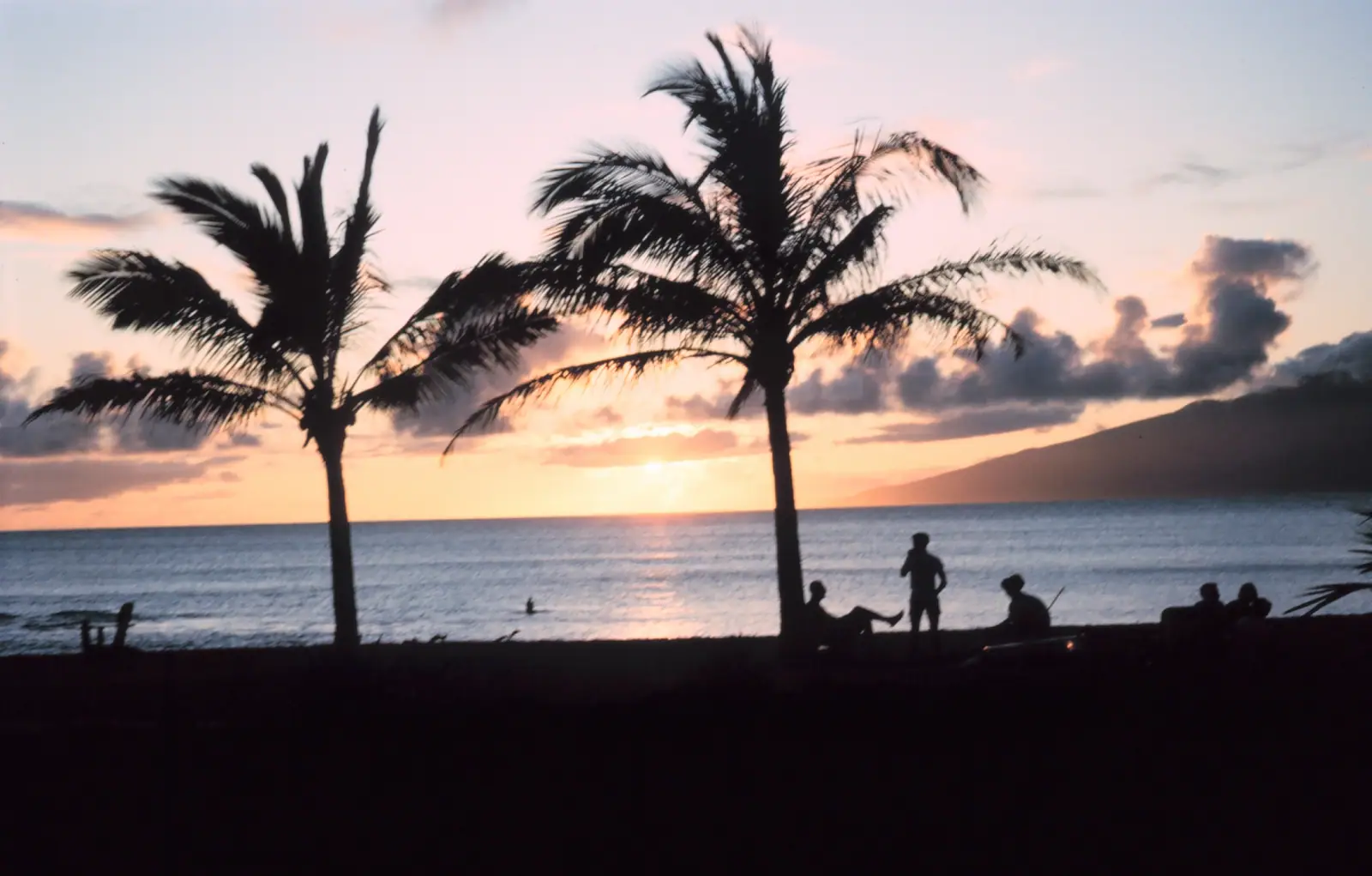
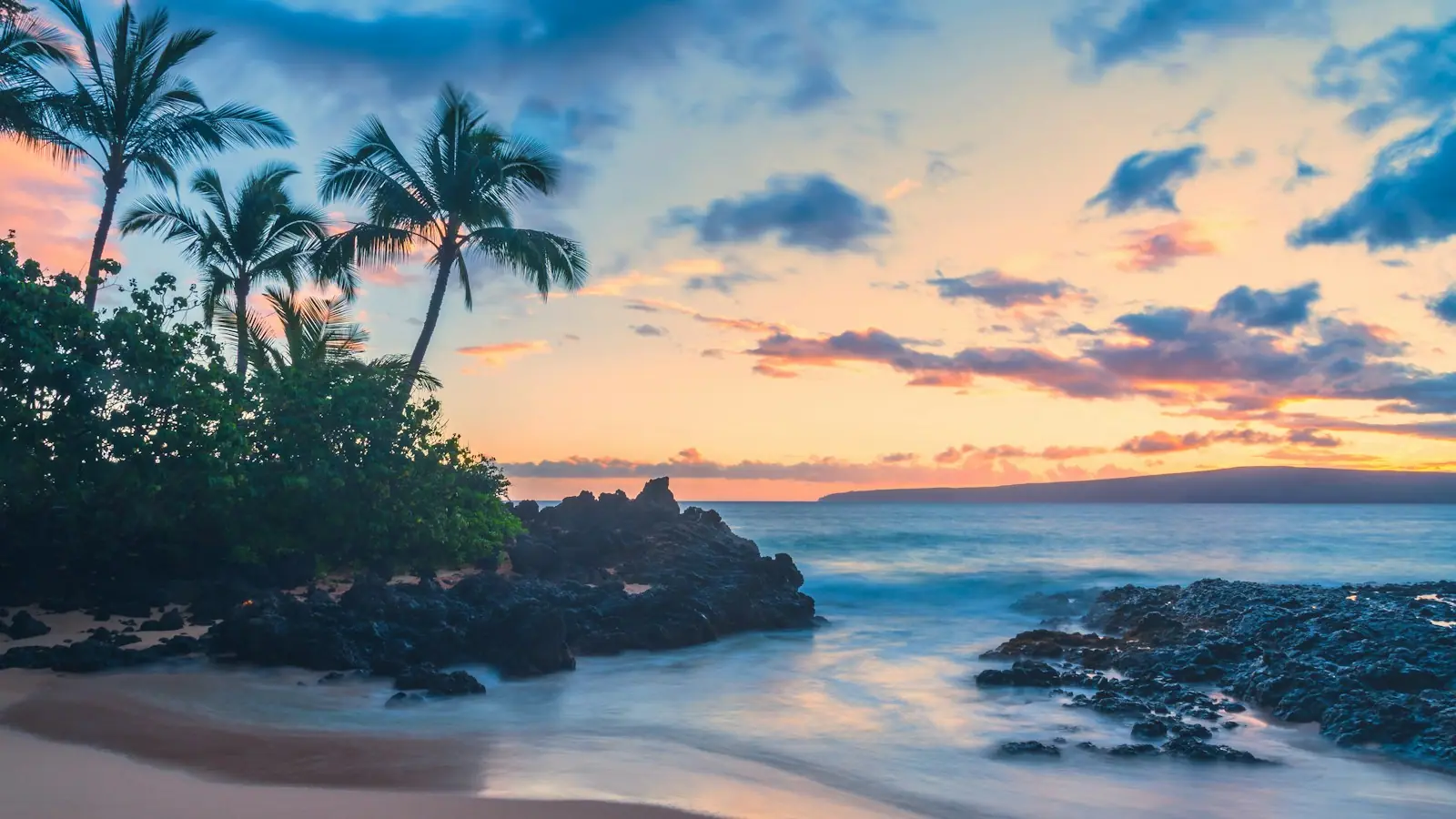
Two people watching the sun set over the channel from a west-facing Maui beach with the island of Lānaʻi on the horizon

Maui's romantic reputation is not manufactured, but it is badly distributed. The things that sell it, sunset sails, luaus, a walk on Kāʻanapali, are all things several hundred other people are doing at the same moment. The version couples actually remember comes from getting the hour right rather than the price, and on this island the hours are unusually generous: the trade winds ease before dark, the west-facing coasts get Lānaʻi and Kahoʻolawe in silhouette, and the whole leeward side is oriented at the sunset by geological accident.

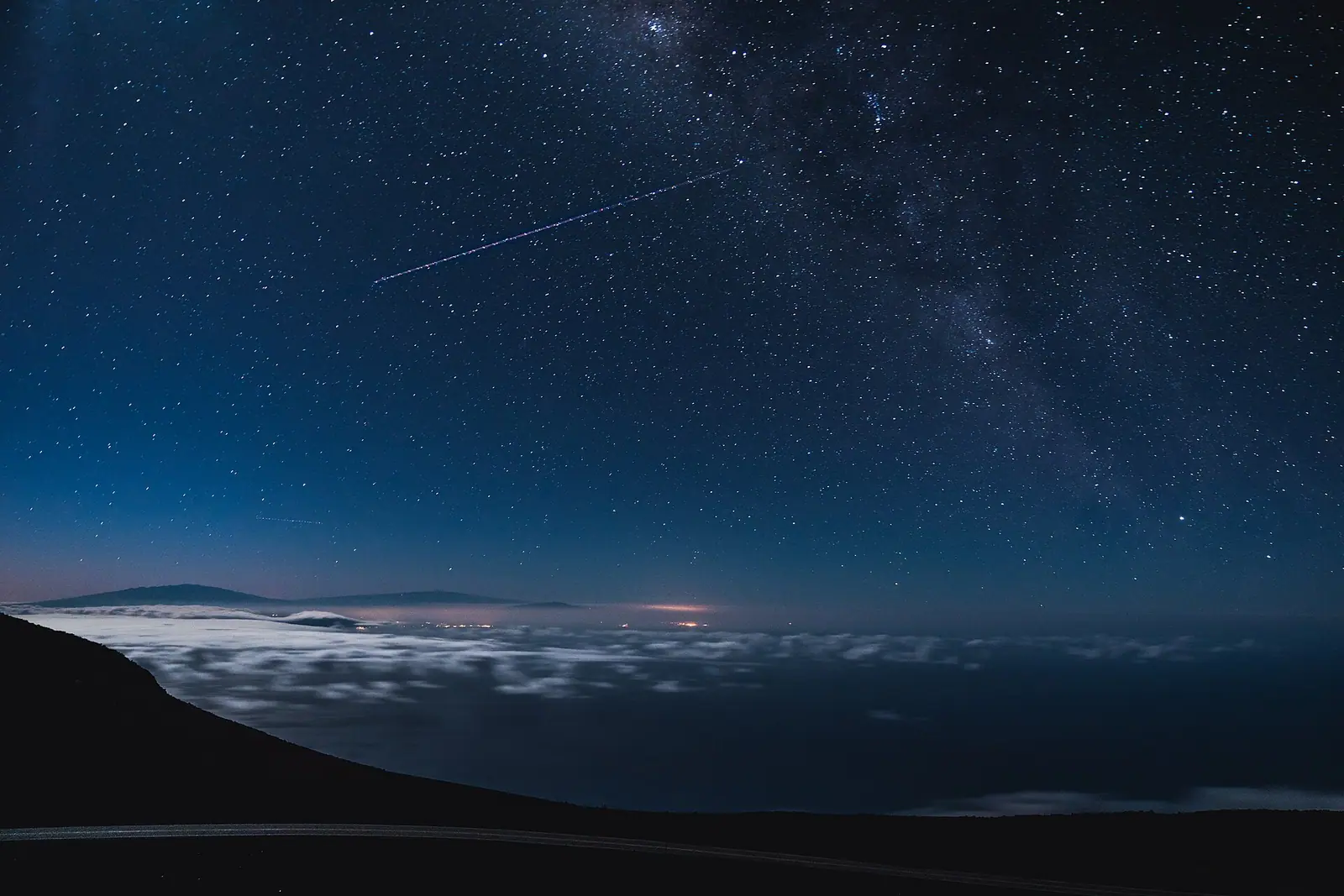
The single best swap is at Haleakalā. Sunrise from the 10,023 ft summit is famous, requires a permit booked 60 days ahead, means a 2am pickup if you are staying in West Maui, and puts you shoulder to shoulder with several hundred people in the cold. Sunset from the same rim needs no reservation at all, has a fraction of the crowd, and lights the cinder cones in the basin in a red that photographs badly and stays with you for years. Stay for the stars afterwards. At 10,000 feet above the marine layer, with the nearest significant light source 2,400 miles away, the Milky Way is a physical object.

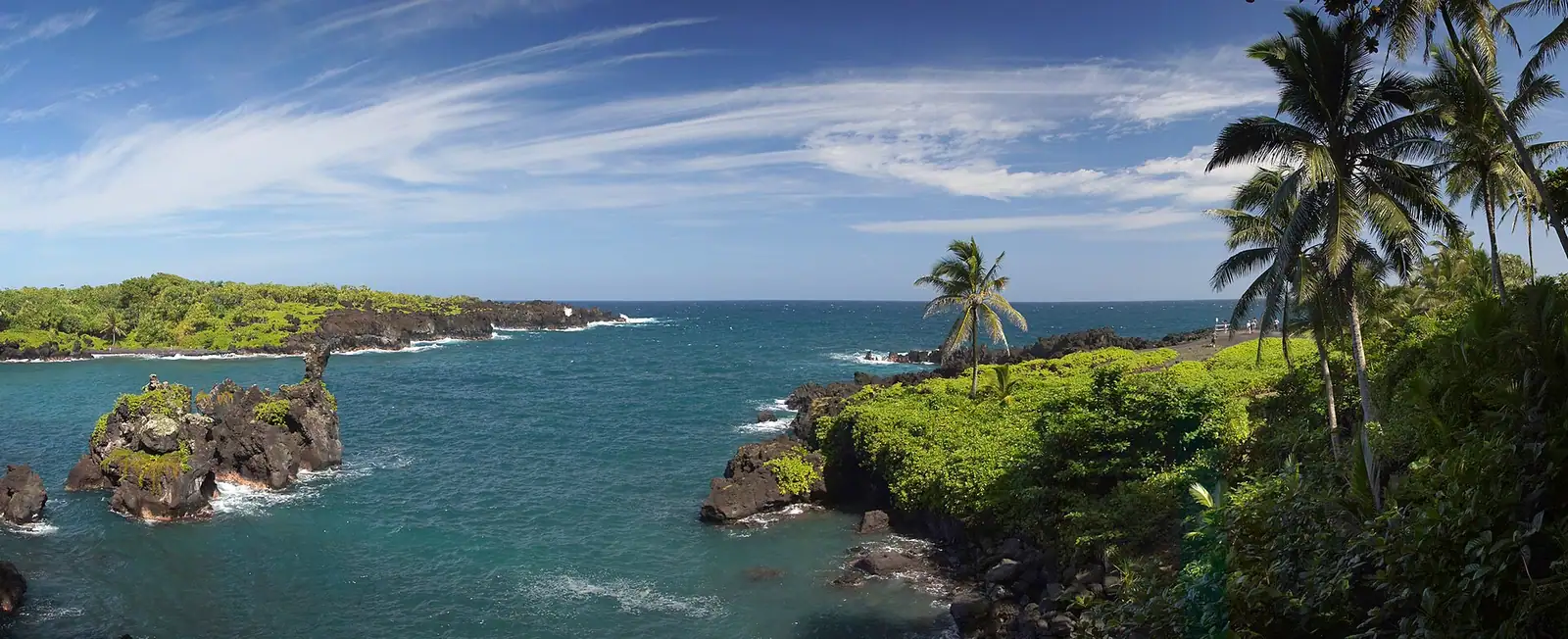
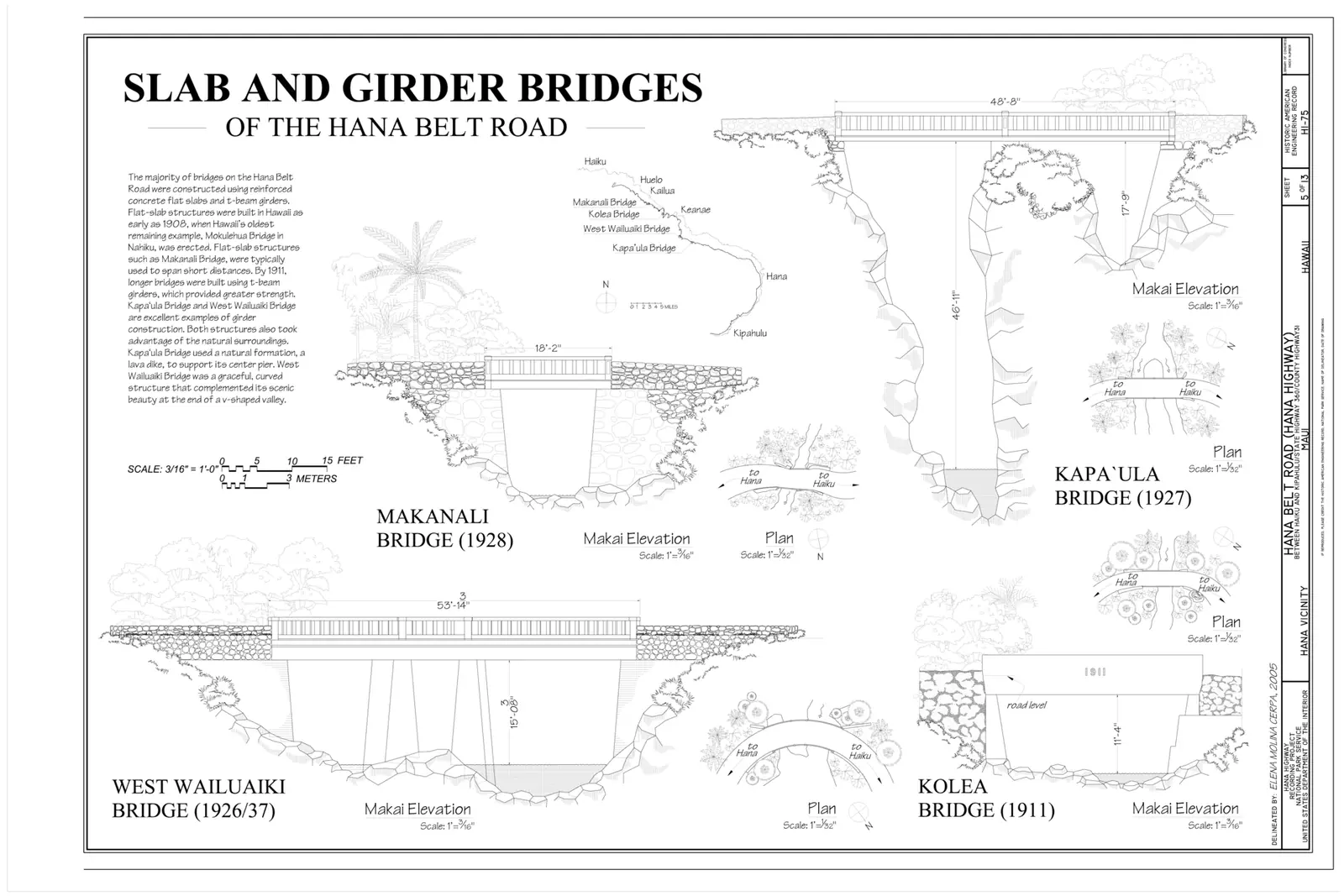
The second swap is Hāna. The day trip is a 10 to 12 hour round trip on roughly 600 curves and 59 one-lane bridges, and the last three hours of it are driving in the dark while somebody sleeps in the passenger seat. Two nights in Hāna turns the same road into a slow morning and a slow evening, gives you Waiʻānapanapa's black sand before the day-trip vans arrive, and puts you in the quietest corner of the island after they have all gone home. It costs more. It is the version people describe unprompted a decade later.

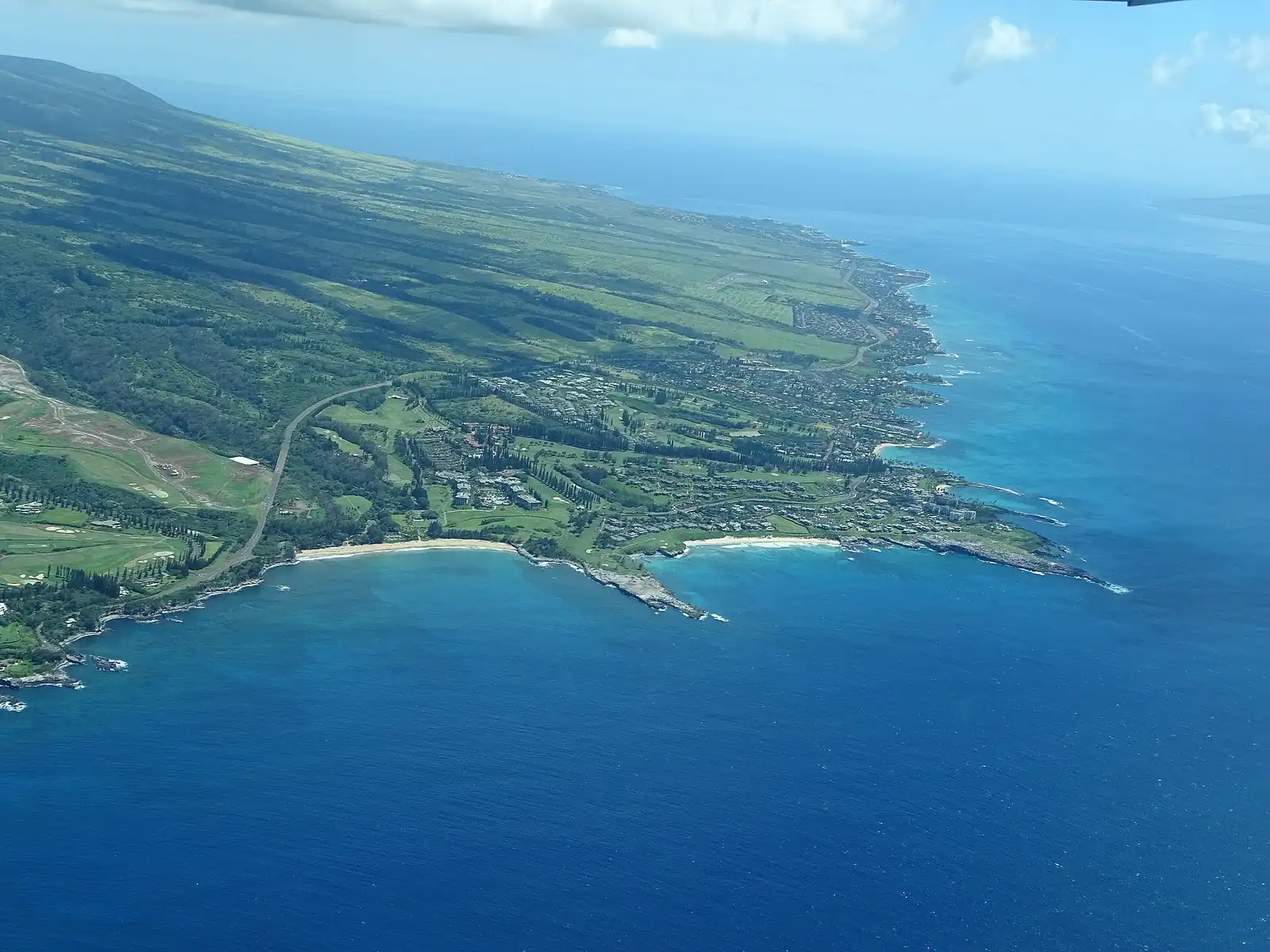
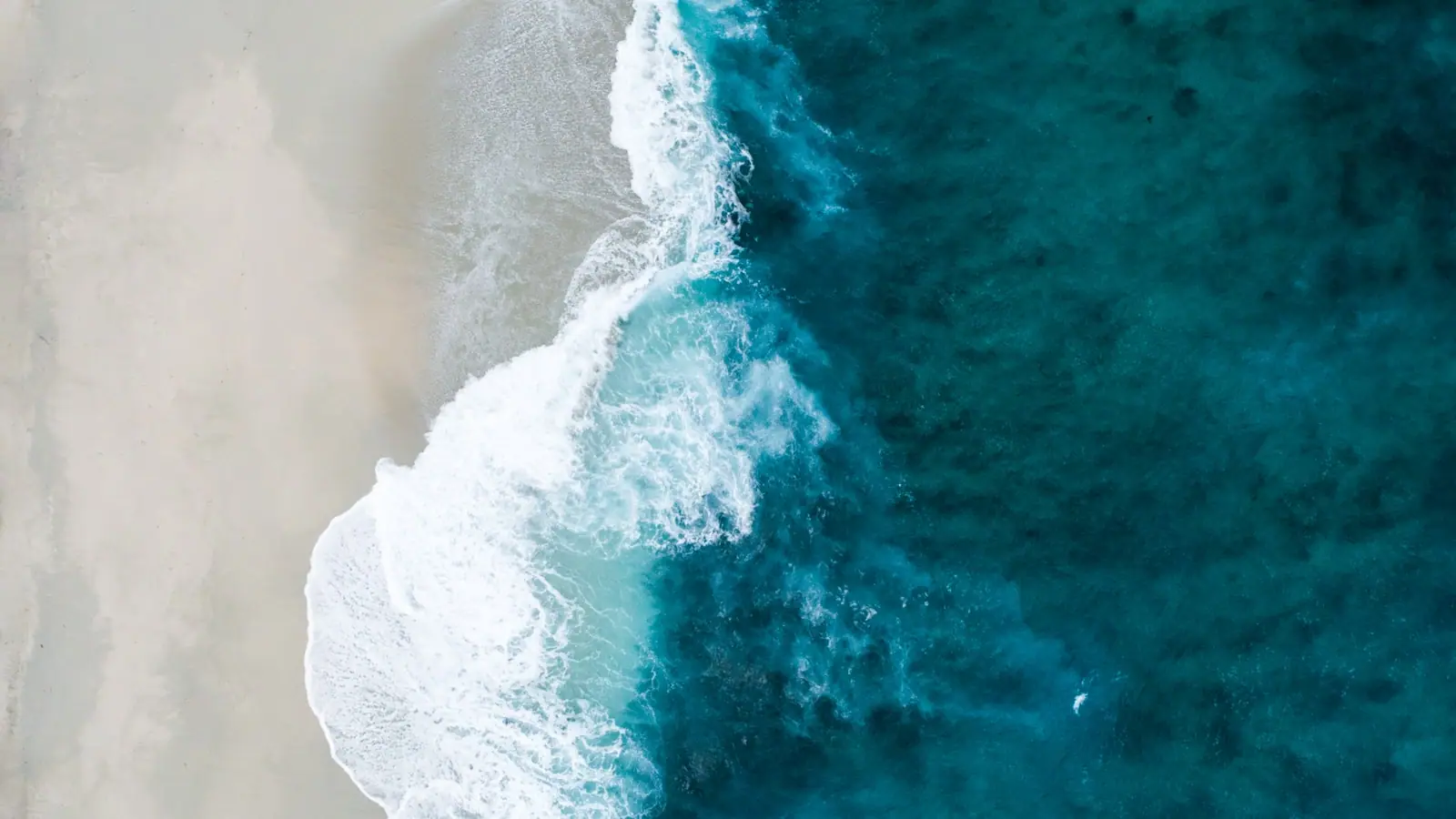
The third is simply timing the water. Honolua Bay in summer is one of the best snorkels in Hawaiʻi and it is a different bay at 8am than at 11. Kapalua and Nāpili are calm, small and west-facing, which means afternoon swimming and evening light in the same place. Keawakapu is a mile of soft sand on the south shore that empties out in the evening while everyone drives to a restaurant.

Two practical notes that run through everything below. Maui is expensive, with a median bookable tour around $203 a person, so the private options that would be an extravagance elsewhere are a smaller step up here than you might expect. And nothing that follows involves Lahaina's burn zone, which residents have asked visitors repeatedly not to sightsee, photograph or film. West Maui businesses want your custom. The town wants its privacy. Both are easy to honour.
Where the sunset actually is, hour by hour

When to go

Maui's leeward coasts all face west or southwest, which means the sunset is not a scarce resource here. What varies is what is in front of it.

From Kāʻanapali and Kapalua, the sun drops behind Lānaʻi for much of the year and behind Molokaʻi's east end in midsummer. Puʻu Kekaʻa, the lava headland at the north end of Kāʻanapali Beach that everyone calls Black Rock, hosts a nightly cliff-dive and torch-lighting ceremony at dusk that recalls Kahekili, the last ruling chief of Maui. It is free to watch from the sand and considerably better than the phrase "resort ceremony" suggests.

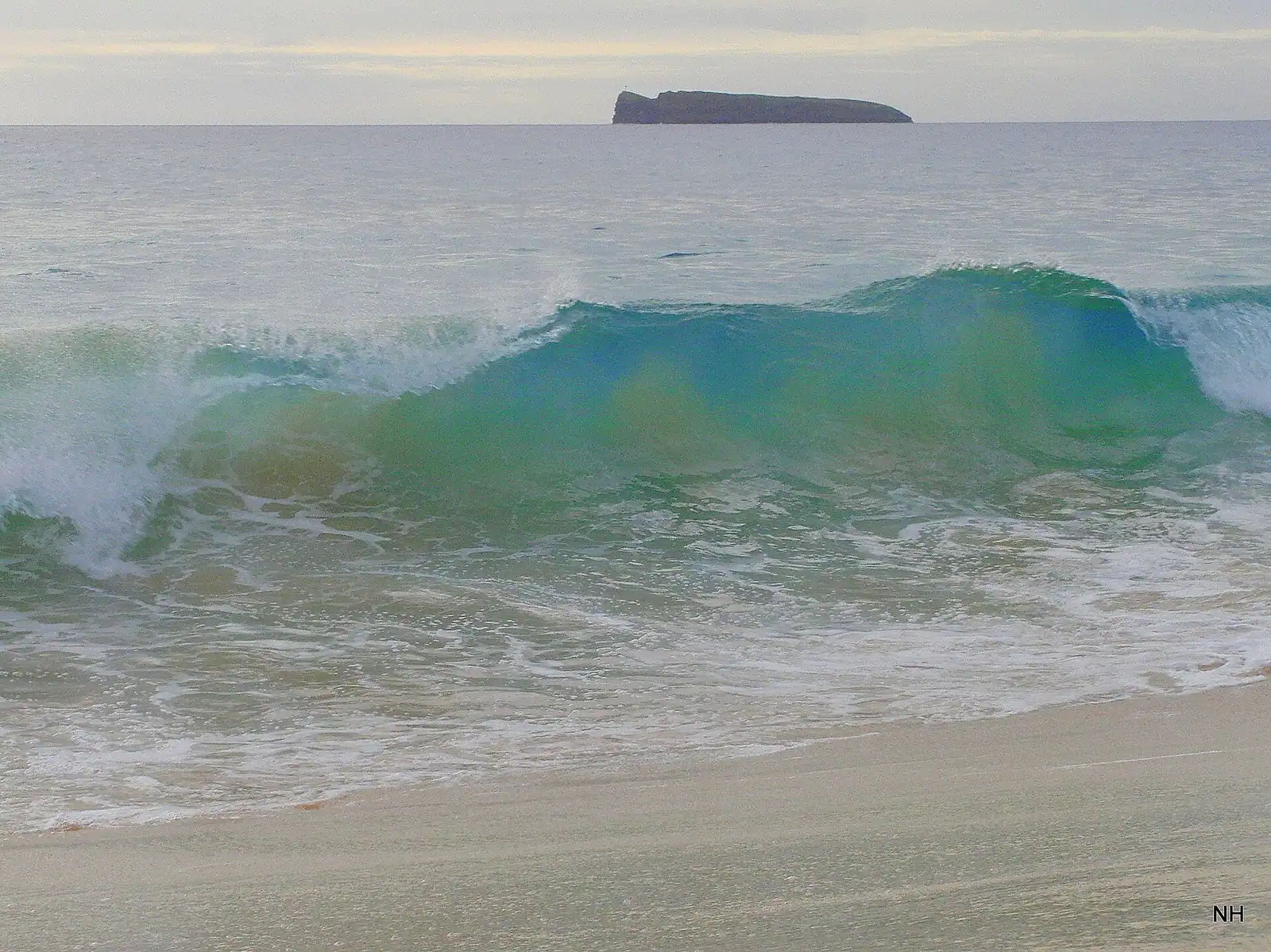
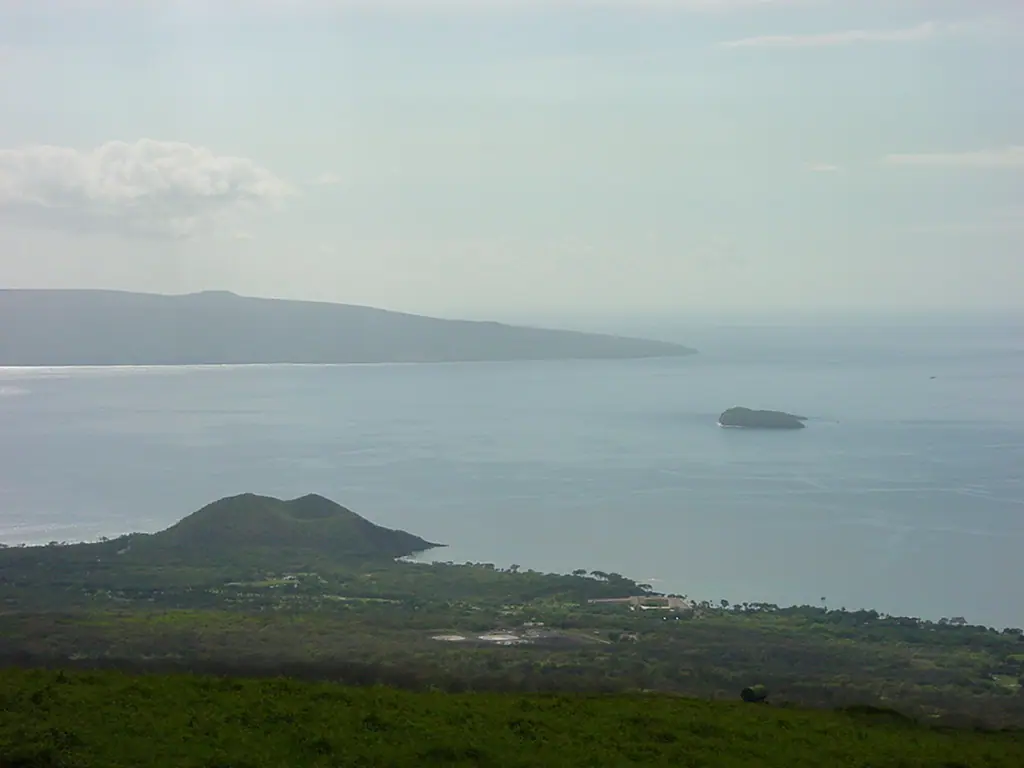
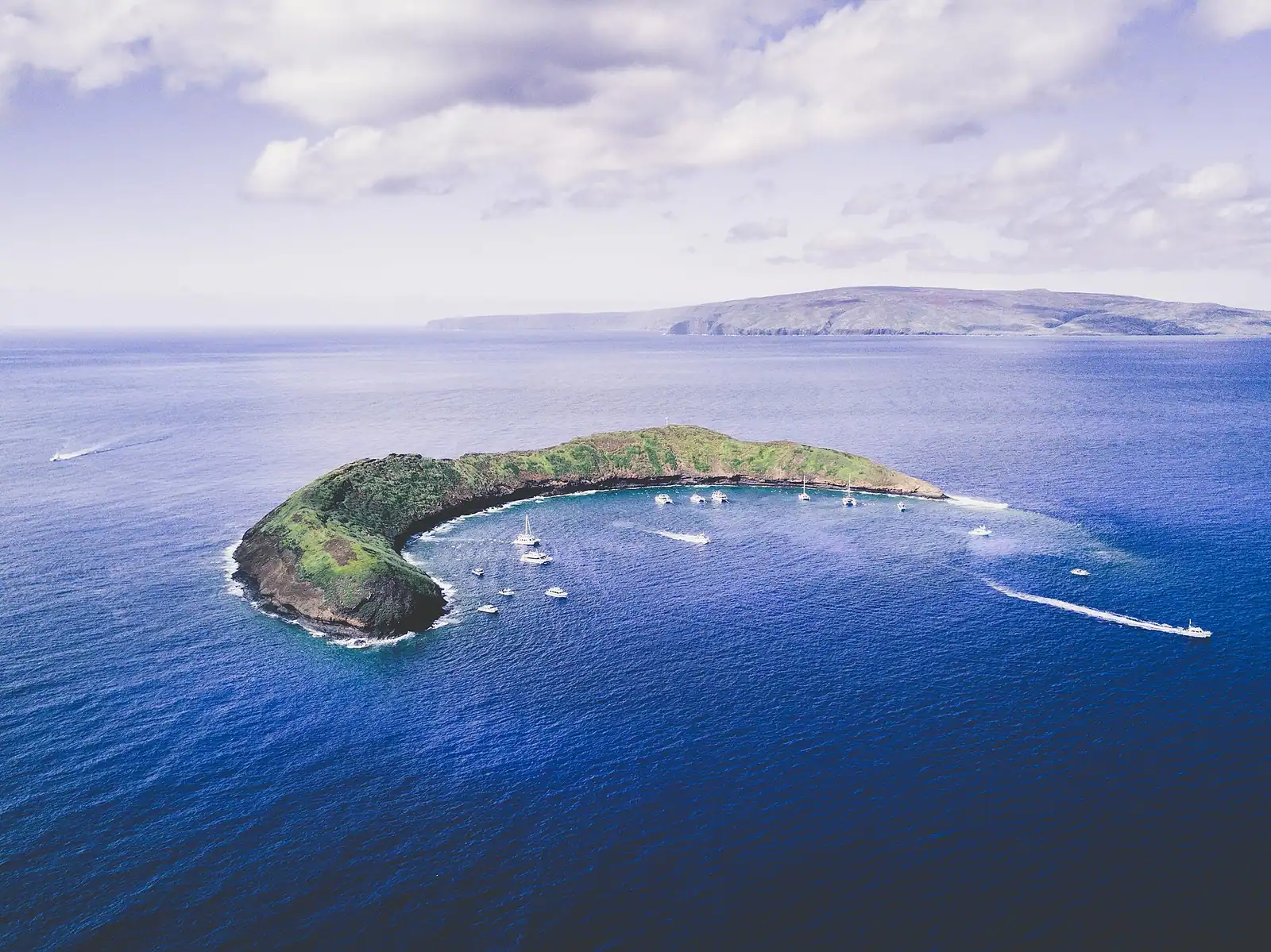
From Wailea and Keawakapu, you get Kahoʻolawe and the small cone of Molokini on the horizon, with Lānaʻi further right. The Wailea coastal path runs about a mile and a half past five beaches and is the best evening walk on the south shore, paved, flat and lit at the resort ends.

From the Haleakalā summit, the sun sets into the cloud deck below you rather than into the sea, which is a genuinely different phenomenon. No reservation is required for sunset, unlike sunrise. Bring the same winter clothing: it is regularly in the 30s Fahrenheit up there after dark, and the descent takes ninety minutes.

On a boat, the wind usually eases an hour or two before sunset, which is why the evening sail is Maui's most consistently pleasant booking. Between December and April the humpbacks are still in the channel after the day boats have gone in, so the same trip is often two experiences.

One detail worth knowing. Sunset on Maui moves by well over an hour across the year, from around 7:00pm in June to close to 5:50pm in December. A dinner reservation booked for "after sunset" in October is an entirely different evening than the same booking in July.

The bays that are quiet if you go early

Maui's best swimming is on the west and south shores, and the crowd is almost entirely a function of the hour and the size of the car park.

Honolua Bay at the top of West Maui is a Marine Life Conservation District reached by a short, muddy trail through a canopy of trees. There are no facilities of any kind, which keeps the numbers down, and in summer the water inside the bay is clear and calm with reef on both walls. In winter a north swell turns it into one of the best surf breaks in the state and completely unsnorkellable. Arrive before nine and you will share it with a handful of people.

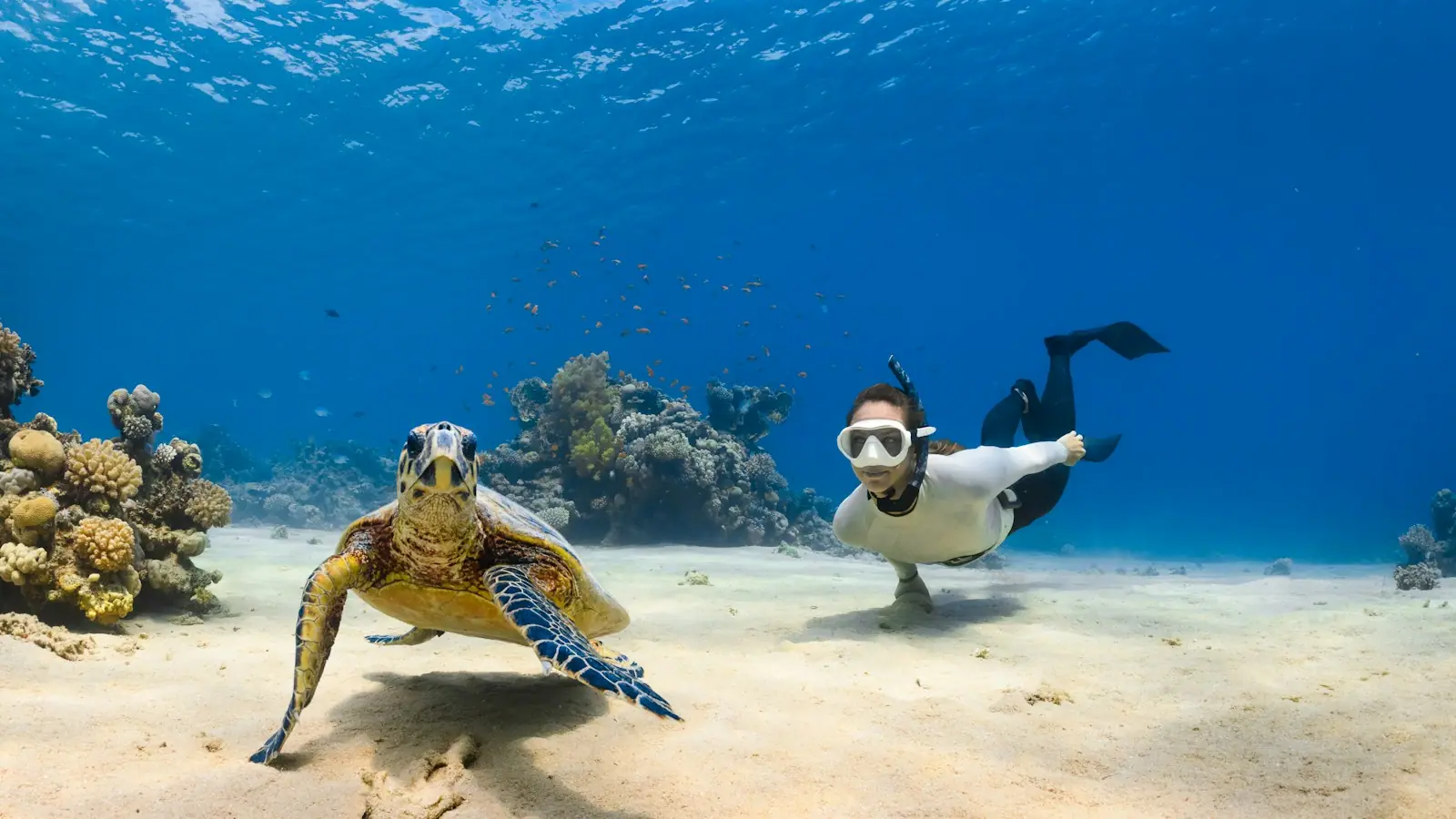
Kapalua Bay is the protected crescent everyone recommends, and deserves it: reef arms on both sides, gentle water, and shade at the back. The car park holds very few cars. Nāpili Bay next door has no facilities and only street parking, which is exactly why it stays calm, and green sea turtles come into the shallows most days.

Ulua and Mokapu in Wailea are the easy south-shore snorkels, sheltered by Haleakalā's flank from the trades. The lots are tiny and full by 8:30am, and the beaches are considerably emptier again after four.

Keawakapu is the long one: close to a mile of soft sand between south Kīhei and Wailea, with showers at each end and an artificial reef offshore. It is the best evening swim on the island, partly because the whole south shore is at dinner.

Olowalu, around mile marker 14 on the Honoapiʻilani Highway, is a shallow reef where turtles come in to be cleaned by reef fish. It is a roadside pullout rather than a beach park, so go at slack water, keep well off the coral, and remember the 10-foot rule.

When paying for the whole boat makes sense

What it costs

Maui is an expensive island to book anything on, which changes the arithmetic of going private. Bands, as always, and confirm the current rate.

  • Private sunset or snorkel charter: usually $800 to $2,000 for a half day depending on the vessel. At two people that is extravagant. It stops being extravagant at six, and for a couple it buys a departure time that is yours, which on a windy island is the actual luxury.
  • Small-group snorkel, 6 to 16 passengers: $220 to $300 a head against $140 to $200 for the big catamarans. The middle option, and the one most couples are actually happier with: the boat reaches the Molokini back wall and coastal sites the large vessels skip, and someone notices if you are struggling.
  • Private driver for the Road to Hāna: from around $800 for the day. Worth it if you want stops chosen for you rather than the schedule, and if neither of you wants to spend eleven hours steering.
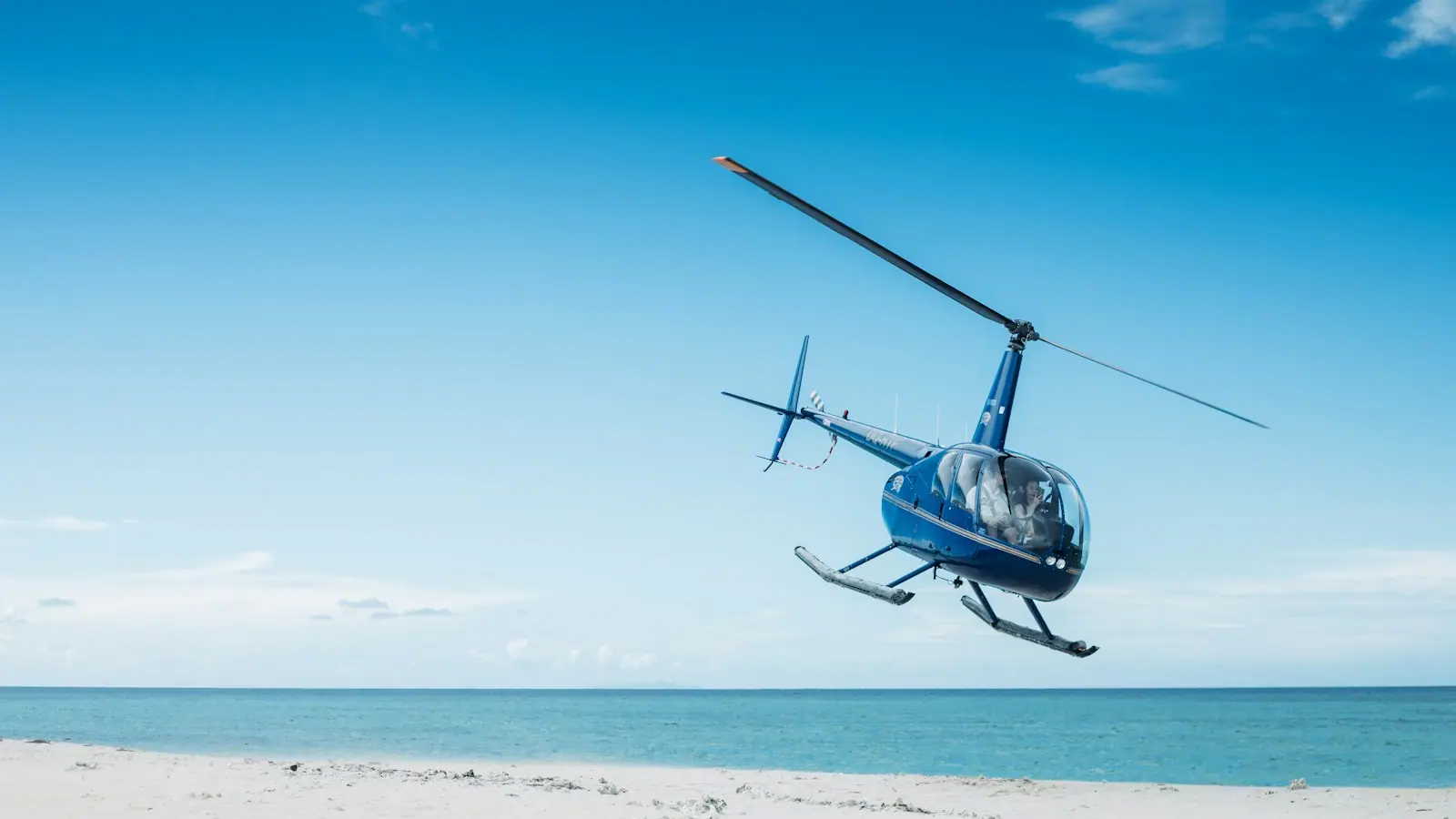
  • Helicopter, doors-off: $350 to $550 a seat. Some operators fly a two-passenger configuration; ask, because a private flight is a smaller premium here than most people assume.
  • Sunset sail, shared: $120 to $200 a head, drinks and light food usually included. The best value in this list by some distance.

Two costs that are not on the ticket. Crew gratuities of 15 to 20 percent are customary on Maui boats and are rarely built in. And resort parking in Wailea and Kāʻanapali is often charged nightly on top of the room, which is worth checking before a week's stay.

Where couples most often waste money: two Molokini trips. One dawn crossing to the crater and one afternoon coastal snorkel from Kīhei is a better week and about eighty dollars cheaper.

Upcountry, which is where the island goes quiet

Everybody drives up Haleakalā and nobody stops on the way down, which is the mistake. The western slope between about 1,500 and 4,000 feet is cool, green, agricultural and almost entirely free of resort traffic.

Makawao is a paniolo town with wooden storefronts and a rodeo arena, built by Hawaiian cowboys who were working cattle on these slopes in the 1830s, decades before the American West had an industry. It has galleries, a couple of good restaurants and a bakery whose cream puffs are a genuine local institution rather than a guidebook invention.

Higher up, Kula runs around 3,000 feet and is roughly fifteen degrees cooler than Kīhei, which makes a late afternoon there feel like a different holiday. Aliʻi Kula Lavender has a hillside of it with a view across the isthmus to the West Maui Mountains, and it is at its best in the last two hours of the day when the tour buses have gone.

The road continues out to Maui Wine at ʻUlupalakua, on ranch land King Kalākaua used to visit, where the tasting room occupies the old ranch manager's cottage under enormous old trees. The pineapple wine is a real thing and better than the name suggests. It is about an hour from Wailea and it feels like three.

The best couples' evening on Maui, if you want a single itinerary: leave the coast at four, taste at ʻUlupalakua, eat Upcountry as the light goes, and drive down through Kula with the whole isthmus lit up below you. No booking required except the dinner table.

Book it

What you can book

We could not find tours matching this right now

Nothing came back for Maui sunset sail. Operators add and retire experiences constantly, so this list changes week to week. Try a broader category, or come back in a day or two.

Two nights in Hāna instead of one long day

How they compare

This is the recommendation couples act on least often and thank us for most.

Day tripTwo nights
Time on the road10–12 hours, both directions in one dayTwo unhurried half-days
WaiʻānapanapaWhatever slot you could get, alongside the vansEarly morning, before the day traffic arrives
The Pipiwai TrailRushed, or skipped entirelyA full morning, with the bamboo forest to yourselves
Driving after darkLikely, on 600 curvesNever
CostFuel and a park reservationTwo nights of Hāna accommodation, which is limited and not cheap
What you rememberThe roadThe place

Hāna itself is a small town on a wet windward coast with one general store, a bay under a cinder cone associated with the birthplace of Queen Kaʻahumanu, and very little to do, which is the point. Accommodation is genuinely limited, so it books out well ahead.

Whichever version you choose: the reservation for Waiʻānapanapa State Park is required for non-residents, releases 30 days ahead at midnight Hawaiʻi time, and has been reduced by roadwork since July 2026. Leave Pāʻia with a full tank. And remember that people live along this road. Pull over for local traffic, take turns at the one-lane bridges, park only in real pullouts, and never walk onto private land for a waterfall photograph.

What to skip, and one thing not to do at all

Before you book

Sunrise at the summit, if what you want is a quiet morning. It is spectacular and it is not intimate: several hundred people, a permit booked two months out, a 2am start from West Maui and a car park full by 4:30am. Sunset delivers most of the same landscape with a tenth of the company and no reservation.

A sunset sail on your first evening. Jet lag from the mainland runs five or six hours. You will be asleep by the time the light gets good. Put it on night three.

Mākena's Big Beach for a swim. The shorebreak dumps onto a steep sand face and injures strong adults every year. Go for the scale and the cinder cone behind it, sit on the sand, and swim at Keawakapu.

A helicopter flight on your last morning. Flights cancel for cloud rather than rain, and a cancellation on departure day is a refund instead of a memory. Book it early in the week so it can move.

Dinner without a reservation in Wailea or Kāʻanapali. The good rooms book weeks ahead in season, and the alternative is a forty-minute drive to Kīhei at nine at night.

And the one that is not a preference. Do not drive through, photograph or film Lahaina's burn zone, including with a drone, and do not open a conversation with a resident by asking about that day. About a hundred people died there in August 2023. Front Street reopened to traffic between Pāpalaua and Shaw Streets in August 2026 and the businesses that have come back want visitors; Banyan Court Park is still closed and is expected to stay that way for some time. Eat, shop and book with West Maui operators. Stay behind every barrier.

On the ground

Where to go

Every place below has its own page — hours, parking, what it costs and what to expect when you get there.

  • A mountain ridge standing above an unbroken layer of cloud at first light

    Viewpoint

    Puʻu ʻUlaʻula (Haleakalā Summit)

    The highest point on Maui, 10,023 feet up, where the horizon curves and the clouds are a thousand feet below your feet.

    1.5–4 hoursCovered by the Haleakalā National Park entrance fee, around $30 per vehicle for three days. Sunrise entry needs a separate $1 reservation.

  • A small crescent beach enclosed by two low rocky points with calm clear water

    Beach

    Kapalua Bay

    Free

    A crescent held between two lava headlands, calm on days the rest of West Maui is blown out — with about forty parking stalls.

    1.5–4 hoursFree, including the public beach access car park.

  • A wide, empty stretch of coarse gold sand curving away beneath a bare reddish volcanic hill

    Beach

    Mākena Beach (Big Beach / Oneloa)

    Free

    Two-thirds of a mile of undeveloped gold sand backed by a cinder cone, with a shorebreak that puts people in hospital every year.

    1.5–5 hoursBeach access is free; non-residents pay to park at the state park kiosks.

  • Dark volcanic sand and black rock at the edge of a small ocean cove

    Park

    Waiʻānapanapa State Park

    Black basalt sand, freshwater caves and an ancient coastal trail, three miles before Hāna — and you cannot get in without booking ahead.

    1–2.5 hoursNon-residents pay per-vehicle parking plus a per-person entry fee, both by advance reservation. Hawaiʻi residents with state ID are free.

  • Snorkeller looking down over a shallow coral reef in very clear blue water

    Nature preserve

    Honolua Bay

    Free

    A protected bay with no sand, no restrooms and no lifeguard — and the best shore snorkelling in West Maui for half the year.

    1–3 hoursFree. No entry fee, no permit and no parking charge — and no facilities of any kind.

  • Rows of grapevines running across an upland slope with hills beyond

    Entertainment

    MauiWine at ʻUlupalakua Ranch

    Free

    Maui's only winery, pouring estate syrah and sparkling pineapple wine in a cottage built for King Kalākaua on a working cattle ranch.

    1–2.5 hoursNo admission charge to visit the grounds and tasting room. Flights, glasses and bottles are paid for individually.

  • Pale sand and calm turquoise shallows below a landscaped resort lawn with palms

    Beach

    Wailea Beach

    Free

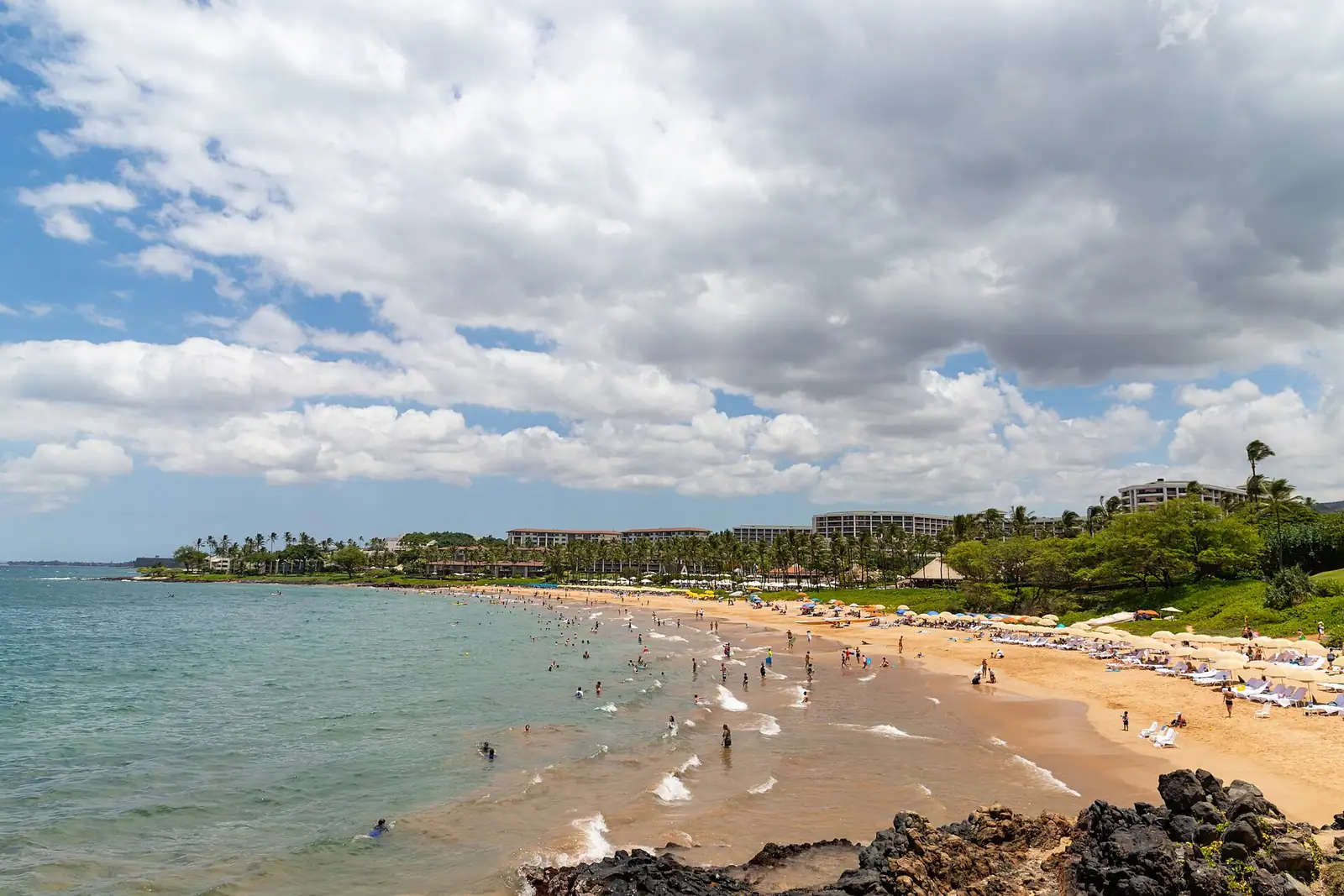
    A calm crescent between the Grand Wailea and the Four Seasons, with a free public lot and a paved path linking four beaches.

    1.5–5 hoursFree, including the public beach access car park. Hawaiʻi shorelines are public to the high-water mark.

  • A short crescent of pale sand backed by palms, with low rocky points at either end

    Beach

    Nāpili Bay

    Free

    A quiet condo-fronted crescent with turtles on both rocky sides, no facilities, and street parking that is gone before seven.

    1.5–4 hoursFree. Shoreline access is public; there is simply very little parking and no county facilities.

  • A sheltered bay with dark sand, a small pier and a steep green headland behind

    Beach

    Hāna Bay

    Free

    The one reliably calm swim on the Hāna coast, under the cinder cone where Queen Kaʻahumanu was born in 1768.

    1–2.5 hoursFree. Parking is free.

  • A long, softly curving beach with calm shallow water and a dry hillside beyond

    Beach

    Keawakapu Beach

    Free

    Three quarters of a mile of soft sand between Kīhei and Wailea, three free car parks, and the island's best morning swim.

    1.5–4 hoursFree, with three free car parks along its length.

  • Low wooden false-front storefronts along a quiet small-town street under a cloudy sky

    Neighbourhood

    Makawao Town

    Free

    Hawaiian cowboy country at 1,600 feet, where two streets of false-front storefronts meet and the Fourth of July means a rodeo.

    1–3 hoursFree to visit. Parking is free on the street.

  • Rows of flowering lavender running across a sloping field

    Park

    Aliʻi Kula Lavender

    Thirteen acres of lavender at 4,000 feet, with a view that takes in both of Maui's coastlines on a clear morning.

    1–2 hoursA small admission charge, historically a few dollars per adult; children 12 and under free.

Straight answers

Questions people actually ask

What are the most romantic things to do on Maui?

Sunset from the Haleakalā summit, which needs no reservation unlike sunrise and has a fraction of the crowd. An evening sail off the west or south shore once the trades have eased. Honolua Bay before nine in summer. Two nights in Hāna instead of the day trip. And the Upcountry evening: a tasting at Maui Wine in ʻUlupalakua, dinner around Makawao or Kula, and the drive down with the isthmus lit below you.

Is sunrise or sunset better at Haleakalā for couples?

Sunset, for most couples. Sunrise requires a $1 permit booked 60 days ahead through recreation.gov for any vehicle entering between 3am and 7am, means a 2am start if you are staying in West Maui, and fills the summit car park by 4:30am. Sunset needs no reservation, has far fewer people, and lights the crater's cinder cones beautifully. Stay afterwards for the stars, and dress for 30s Fahrenheit either way.

Where is the best sunset on Maui?

All the leeward coasts face it, so it is a question of foreground. Kāʻanapali and Kapalua put the sun behind Lānaʻi for much of the year, with the nightly cliff-dive ceremony at Puʻu Kekaʻa at dusk. Wailea and Keawakapu give you Kahoʻolawe and Molokini on the horizon plus a mile-and-a-half coastal path. And the Haleakalā summit sets the sun into the cloud deck below you, which is an entirely different thing.

Is a private boat charter on Maui worth it for two people?

Rarely on price alone. Private half-day charters run roughly $800 to $2,000, against $220 to $300 a head for a small-group boat and $140 to $200 for a large catamaran. What you are buying is the departure hour, which matters more here than most places because Maui's trade winds fill in through the morning and a 6:30am start at Molokini is a different sea state than an 8:30am one.

Should we stay a night in Hāna?

If the budget allows, yes, and two nights is better than one. The day trip is 10 to 12 hours on roughly 600 curves and 59 mostly one-lane bridges, with the return leg often driven in the dark. Staying puts you at Waiʻānapanapa before the vans arrive and on the Pipiwai Trail with the bamboo forest to yourselves. Hāna accommodation is genuinely limited and books well ahead.

When should we book a helicopter flight on Maui?

Early in your trip and early in the day. Helicopters cancel for cloud rather than rain, and cloud builds on the windward walls of the West Maui Mountains through the morning, so a dawn or mid-morning slot has much better odds. Booking it on the last day means a cancellation becomes a refund instead of a rescheduled flight. Expect $300 to $500 a seat, more for doors-off.

Which Maui beach is quietest for couples?

Nāpili Bay on the west side, which has no facilities and only street parking and stays calm because of it. Honolua Bay before nine in summer, reached by a short muddy trail with nothing at the other end but a conservation district. Keawakapu on the south shore in the evening, when the whole coast is at dinner. Mākena's Big Beach is beautiful and has a shorebreak that injures people, so admire rather than swim.

Is it appropriate to visit Lahaina as a couple in 2026?

Visiting West Maui is welcome and the businesses want the custom. Sightseeing the burn zone is not. Front Street reopened to traffic between Pāpalaua and Shaw Streets in August 2026 with more than a dozen businesses trading again; Banyan Court Park is closed and is not expected to reopen before 2028. Do not photograph or film empty lots, construction or rebuilt homes, no drones, and stay behind every barrier.