Skip to content
Menu

Booking through these earns us a commission from Viator. You pay the same, and payment did not decide what is listed.

Search

All Tours

Molokini Crater

Last updated

Molokini is a sunken volcanic crater off south Maui with 100ft-plus visibility. Morning versus afternoon, boat types, harbours and honest price bands.

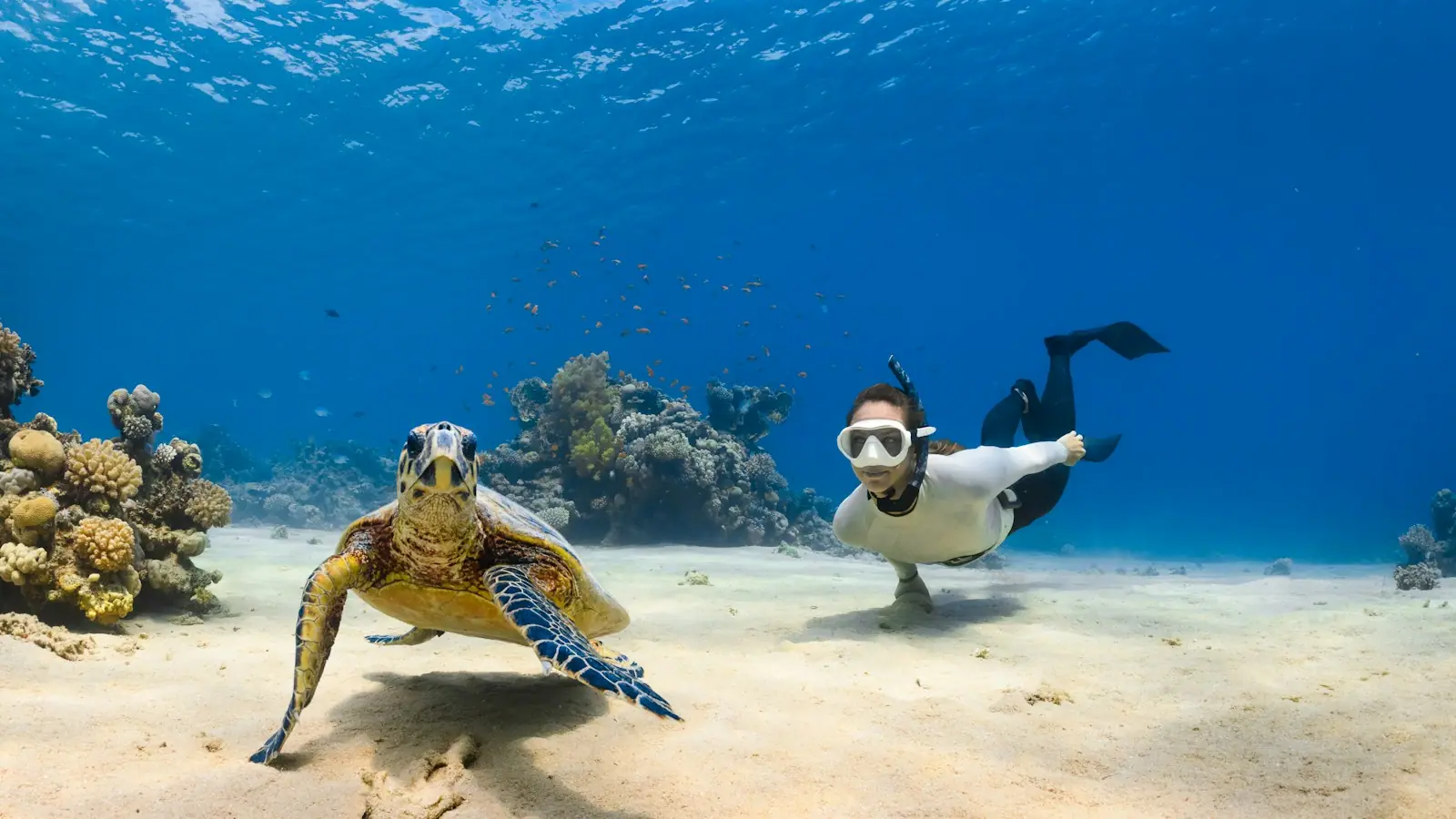
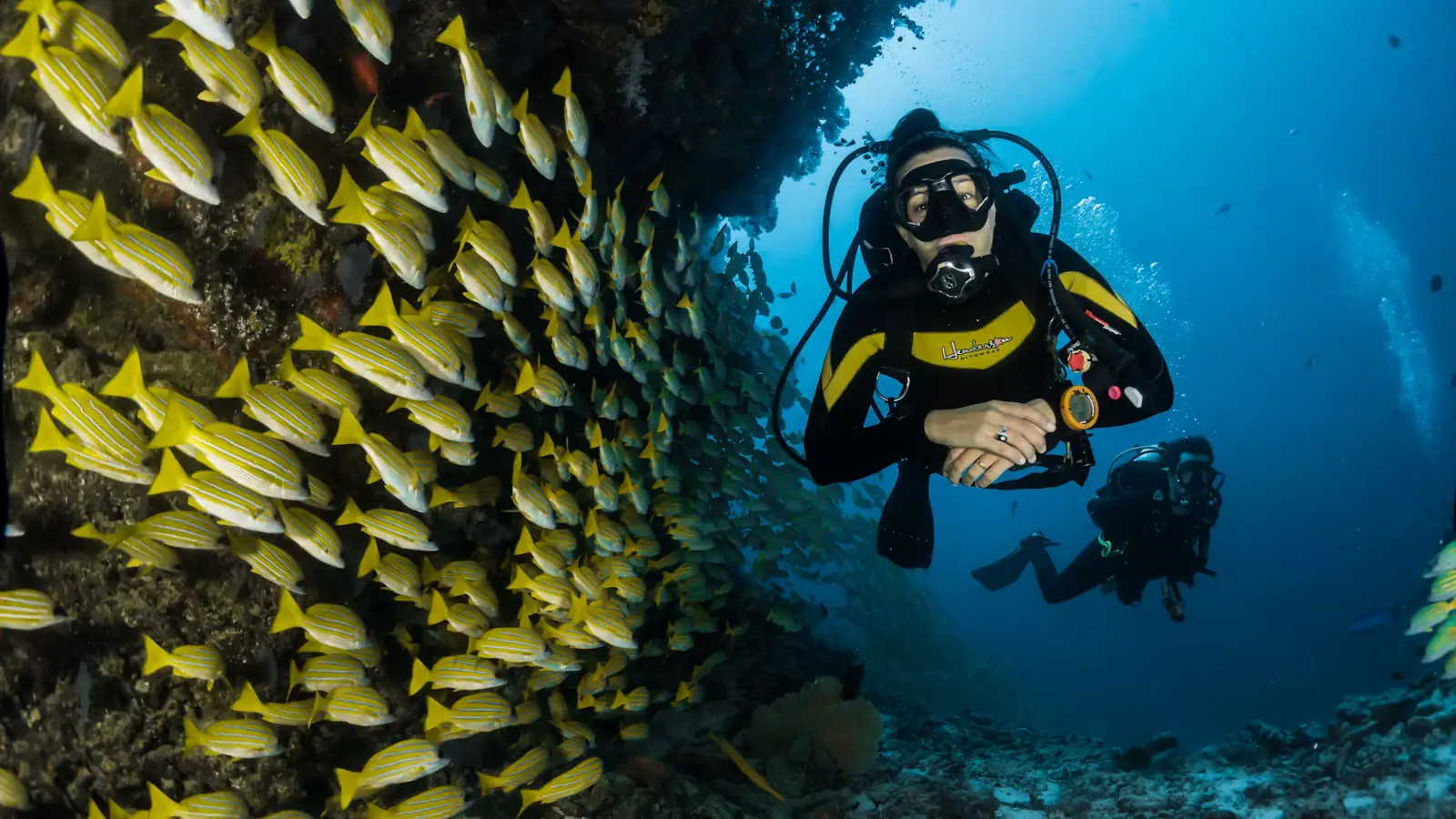
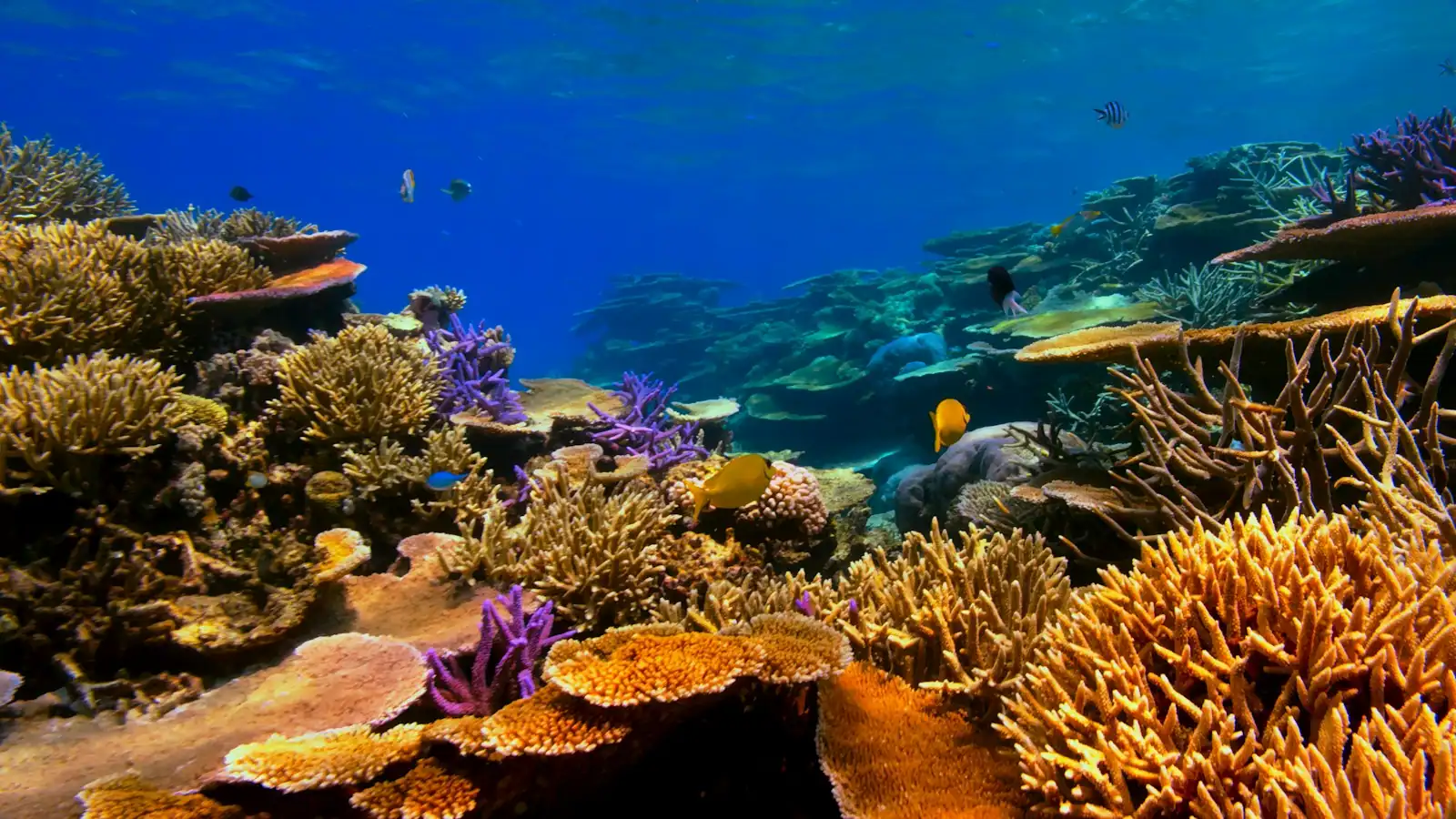
Clear blue water over a coral reef with schooling tropical fish, seen from just below the surface

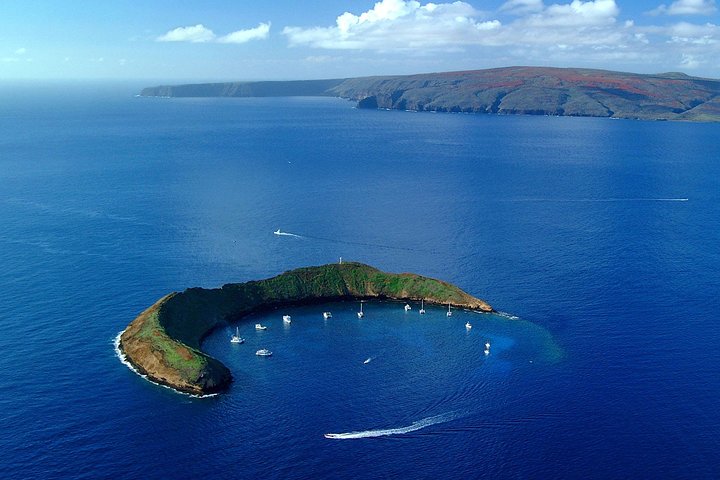
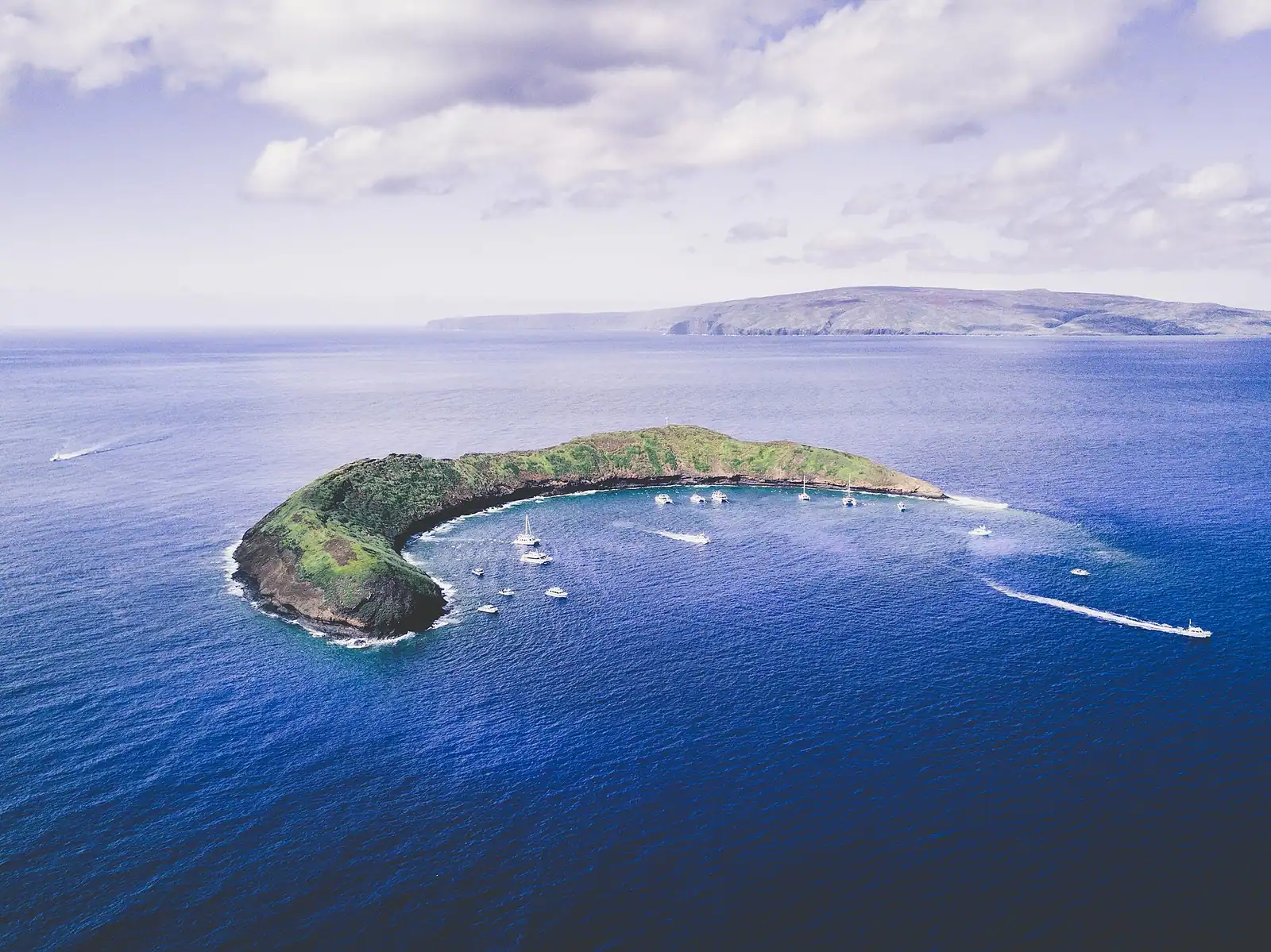
Molokini is a crescent of rock sitting in open water in the ʻAlalākeiki Channel, about three miles off the Mākena coast and about eight miles from Māʻalaea Harbor, where most of the boats leave. What you see above the surface is the rim of a tuff cone that erupted through the sea floor, rising to about 160 feet at its highest point, with the seaward half long since eroded away. What you swim in is the flooded inside of that crater.

The geometry is the entire point. The crescent faces northwest, which puts its own bulk between you and the prevailing trade winds and swell. Inside the arms the water is calm, shallow enough to see the bottom and, because there is no river, no runoff and no sand stirring in from a beach, extraordinarily clear. Visibility of 100 to 150 feet is normal here and close to unheard of at a shore site on Maui. On the outside, the back wall drops away into hundreds of feet of blue, which is why divers care about Molokini more than snorkellers do.

It has been a State Marine Life Conservation District since 1977 and it is also a state seabird sanctuary, so nothing is taken and nobody lands on the islet. Fishing is prohibited, boats tie to fixed moorings rather than anchoring, and the fish behave accordingly. Somewhere north of 250 species have been recorded here, including Hawaiian endemics you will not see anywhere but this archipelago, and they are not shy. Before the protection, the US military used the crescent for bombing practice for decades, and ordnance clearance work went on long after the shooting stopped.

Where trips differ is not the destination. Every boat goes to the same three mooring areas. They differ in harbour, hull, headcount and hour. A 140-passenger power catamaran out of Māʻalaea with a slide, a galley and a hot lunch is a different morning from a 24-person rigid inflatable out of the Kīhei boat ramp that gets there in twenty minutes and puts you in the water first. Morning trips have the calm water and the visibility; afternoon trips are cheaper because the trade winds have filled in and the crater is choppier and murkier by then.

Most itineraries pair Molokini with a second stop. The usual one is the lava shoreline off Mākena, marketed as Turtle Town, where green sea turtles feed on the algae growing on the rock. It is a genuinely good second site, and it is also where your best turtle odds of the day are.
Our picks

The ones we would book

  • Editor's Pick

    Best all-round Molokini morning

    Why we chose it

    A first-wave departure from Māʻalaea, on the mooring before the fleet arrives, with a second stop at the Mākena turtle shoreline. Look for a boat with shade, a toilet and crew in the water rather than on the rail, and check the advertised water time rather than the trip length. The difference between the 7am and the 10am boat is visibility you can measure.

    Spacious beautiful yacht with plenty of space for everyone to relax

    Involves Animals

    Maui: Molokini and Turtles Luxury Yacht Snorkel (opens in a new tab)

    Editor's PickFree cancellationLikely to sell out
    629 reviews

    We are a family-owned Maui company with over 40 years of experience on Hawaiian waters. Our expert Captains and crew bring decades of…

    5 hours

    Prices checked

    from $318
  • Best for Families

    Best Molokini boat with children

    Why we chose it

    The large power catamarans solve the parts of this day that go wrong with kids: a toilet, real shade, a galley, flotation vests and a stable hull for the channel crossing. Many carry a slide and a floating platform, which buys you the twenty minutes when a seven-year-old is done with snorkelling but the boat is not done with the mooring.

    Molokini Island

    Short term availability

    Maui Snorkeling Adventure to Molokini and Turtle Town (opens in a new tab)

    Best for FamiliesFree cancellationInstant confirmation
    2.5K reviews

    Visit Maui’s famous snorkeling and diving destinations Molokini Crater and Turtle Town (or Coral Gardens) on a snorkeling catamaran…

    5–6 hours

    Prices checked

    from $159.95
  • Small Group

    Best raft trip for water time

    Why we chose it

    A rigid-hull inflatable out of Kīhei or Māʻalaea reaches the crater in around twenty minutes and puts a couple of dozen people in the water instead of a hundred. You get more snorkelling per hour, and many raft itineraries add the Kanaio sea caves along the south coast. You give up shade, a toilet and a dry seat, and rough days are genuinely rough.

  • Best Value

    Best value afternoon crossing

    Why we chose it

    The honest bargain. Afternoon departures run half to two thirds the morning price because the trades have filled in and the water is choppier and less clear. If you are a confident swimmer who wants to see the crescent without paying the sunrise premium, this is a legitimate trade. If the photographs are the point, pay for the morning.

  • Best Private Tour

    Best private Molokini charter

    Why we chose it

    Worth it for a group of six or more, for underwater photographers who want the mooring without a hundred fins in frame, or when a family needs to leave when the youngest has had enough. You set the departure hour, which in practice means being first on the moorings, and you can add the Mākena coast or the Kanaio caves without negotiating it with a schedule.

What a Molokini morning looks like

Check-in at Māʻalaea is usually 6:15 to 7:00am, which is earlier than most people book anything on holiday. The crossing takes 30 to 45 minutes on a big catamaran and half that on a raft, and it is the bumpiest part of the day because you are crossing open channel.

Inside the crescent the boat picks up a mooring and you are in the water within minutes. Depth under the boat is typically 10 to 40 feet over the reef shelf, sloping deeper toward the middle. The floor is coral and rubble rather than sand, so the light comes back up at you and the colour is remarkable in a way that photographs undersell.

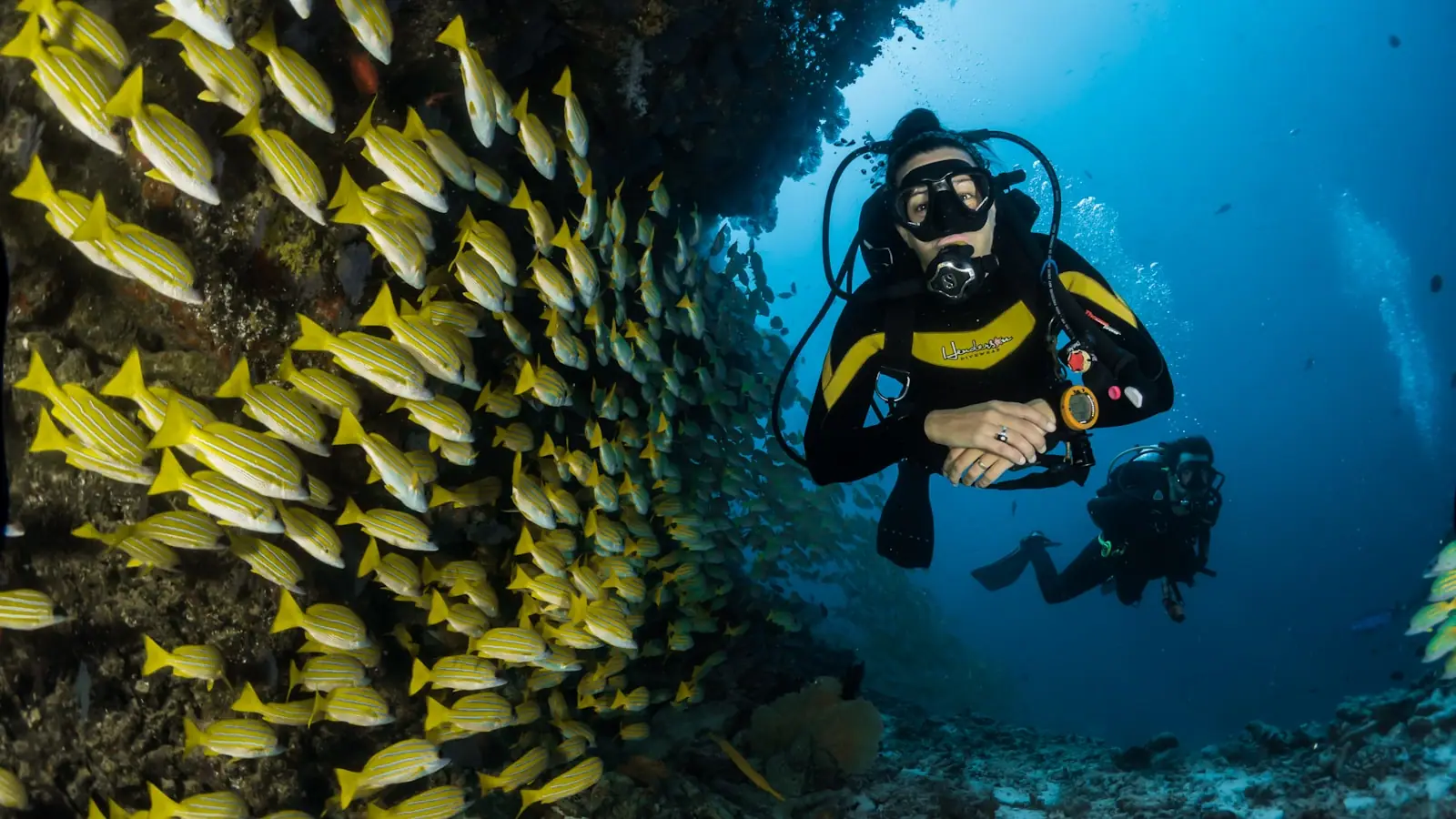
The fish are the show. Expect dense schools of yellow tang, raccoon and ornate butterflyfish, parrotfish audibly crunching coral, moray eels in the rubble, and with luck a whitetip reef shark asleep under a ledge. Hawaiʻi's state fish, the humuhumunukunukuāpuaʻa, is common here. Most boats spend 45 minutes to an hour on the mooring.

Then the second stop, usually the Mākena lava shoreline for green sea turtles, another 30 to 45 minutes in the water, and lunch on the way home. Total time is typically four and a half to five and a half hours door to door for a full trip, or two and a half to three for a raft.

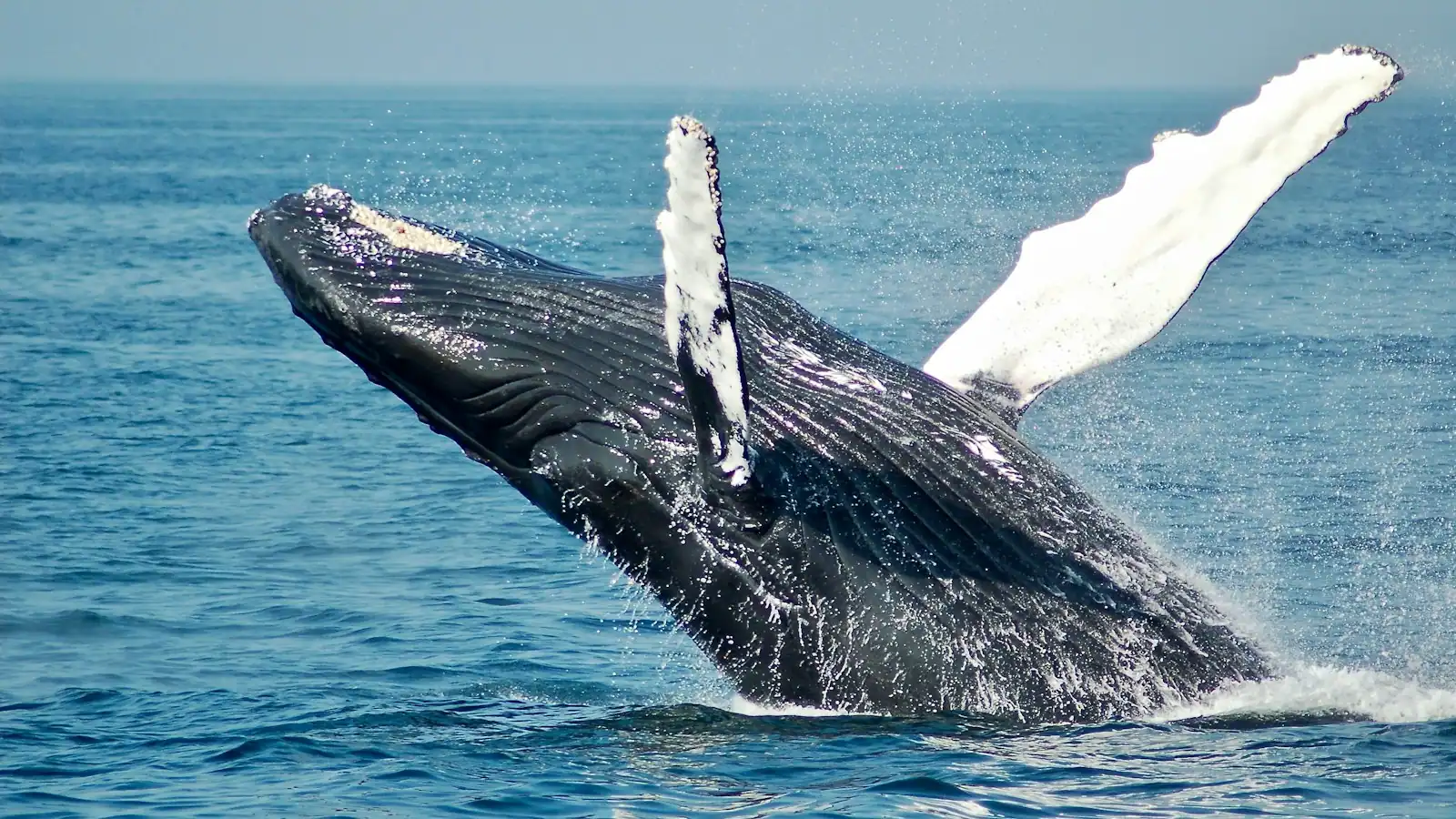
Between roughly December and April the crossing doubles as whale watching. Humpbacks are in this channel in numbers, and crews are legally required to keep 100 yards off, so what you get is opportunistic and often excellent.

Morning or afternoon, and which months

When to go

Go in the morning. This is the least ambiguous recommendation on the page.

Maui's trade winds typically build through the late morning and blow hardest in the afternoon. At Molokini that means the early boats find flat water, minimal current and the day's best visibility, while the afternoon boats arrive to wind chop, more current across the moorings and water that has been stirred by every fin that went in before them. Afternoon trips are priced lower for exactly this reason, and they are honest value if you know what you are buying.

The first departures, typically 6:30 to 7:30am from Māʻalaea, also get the crescent before the fleet does. By 9:30am there can be a dozen boats on the moorings. The difference between being the second boat there and the tenth is real.

Conditions by season are less variable than people expect, because Molokini is sheltered from the dominant northeast trades. What changes is the swell direction: a strong south swell in summer or a big north swell in winter can make the crossing rougher, and operators will occasionally divert to Coral Gardens off Olowalu or another sheltered site rather than cancel. That is a good captain making a good call, not a bait and switch.

Two scheduling rules. Do not book a Molokini dive within 24 hours of driving up Haleakalā, in either order. And if you are prone to seasickness, take medication the night before and again on waking, not at the dock.

What Molokini trips cost

What it costs

Molokini sits at the centre of Maui's activity economy, where the typical bookable tour runs around $200 a head. Bands below, to be confirmed at booking.

  • Morning catamaran, 4.5 to 5.5 hours, two stops: commonly $150 to $230 per adult, generally including gear, breakfast items, a hot or cold lunch and sometimes an open bar on the return leg. Children are usually discounted.
  • Afternoon or midday trip, shorter: often $70 to $130 per adult. Less time, windier water, lower visibility, real saving.
  • Rigid-hull raft, 24 or fewer passengers: roughly $130 to $190 per person. Faster crossing, more water time, no shade and no toilet on some boats.
  • Small-group or premium sailing catamaran: $200 to $300 per person, with fewer bodies on the same mooring.
  • Introductory or certified scuba at Molokini: typically $180 to $300 including gear, and the back wall dives are at the upper end.
  • Private charter: generally $1,500 and up for the boat.

Extras that surprise people: wetsuit-top hire on cooler mornings, underwater camera hire, and crew gratuity, which is customary and usually 15 to 20 percent. Parking at Māʻalaea Harbor is limited and the lot fills early on a 7am departure, so arrive with a margin.

Who should book Molokini, and who should not

If you snorkel once on Maui, this is the trip. Clear water, no shore entry over slippery rock, a boat to hold on to, crew in the water, and fish density that shore sites cannot match. Nervous swimmers do fine on the big catamarans, which carry flotation vests, noodles and often a floating platform.

Families with children from about six upwards are well served by the large boats: shade, a toilet, a galley and a slide cover the gaps between snorkel stops. Under-sixes are a harder call. The crossing is open water, the day starts before dawn and the snorkel sites are deep. A calm shore site like Kapalua Bay or the Kāʻanapali reef is often the better first experience.

Divers should think about the back wall rather than the inside. The outer face drops into open blue and holds pelagic life and black coral, and it is not a beginner site. Introductory dives happen inside the crescent, where the bottom is close and the current is mild.

Skip it if the forecast is ugly and you have one flexible morning left, since the crossing is exposed. Skip it if you badly want turtles specifically, because the Mākena shoreline delivers those more reliably than the crater does. And skip it if the only seats left are on a mid-afternoon departure and you were expecting the photographs from the brochure, which were all taken before 9am.

Book it

Everything else we track

Booking through these earns us a commission from Viator. You pay the same, and payment did not decide what is listed.

Which boat, and which harbour

How they compare

BoatTypical sizeCrossingBest forTrade-off
Power catamaran60 to 15035 to 45 min from MāʻalaeaFamilies, nervous swimmers, shade, toilets, hot food, a slideMost people in the water at once; you are on a schedule
Sailing catamaran30 to 6045 to 60 minAtmosphere, a quieter boat, often a Kāʻanapali or Lahaina departureSlower, so less bottom time for the same hours
Rigid-hull raft12 to 2420 to 30 min from Kīhei or MāʻalaeaMaximum water time, first on the mooring, sea caves on the wayWet, no shade, bench seating, rough on backs
Six-pack or private6 to 12VariesPhotographers, families with a toddler, dive groupsHighest price per head

Harbour matters almost as much as hull. Māʻalaea is the closest harbour and where most of the fleet is based, so the crossings are shortest and the choice widest. The Kīhei boat ramp is used by the rafts and is closer still. Lahaina Harbor has limited permitted commercial operations during the town's recovery, with daylight loading only; boats do run Molokini from the west side, but the crossing is materially longer, so read the itinerary for actual water time rather than total trip length.

Three questions sort the field. How long are you actually in the water, as opposed to on the boat? Is there a toilet and shade, which matters with children and on a five-hour trip? And does the second stop go to the Mākena turtle shoreline or somewhere closer to the harbour, because that is the difference between two good sites and one.

What to bring on a Molokini boat

What to bring

Most of it is provided. The gaps are predictable.

  • Mineral sunscreen only. Maui County requires zinc oxide or titanium dioxide as the active ingredient, and non-mineral sunscreen cannot legally be sold or used here without a prescription. Apply it 20 minutes before you get on the boat so it binds, not at the mooring where it washes straight onto the reef.
  • A rash guard or swim shirt. Better than reapplying sunscreen, and it solves the back-of-the-legs burn that catches every first-timer floating face down for an hour.
  • Seasickness medication, taken the night before. The crossing is open channel. Ginger chews at the dock are not a plan.
  • Your own mask if you have one. Rental masks fit badly and a leaking mask ruins the best hour of your holiday. Operators supply fins, snorkel and usually a flotation vest.
  • A towel and a dry layer. Wind on the return leg at 20 knots, wet, is colder than it sounds.
  • Cash for the crew tip.
  • Reading glasses users: prescription masks are worth hiring if the operator offers them.

Leave behind: single-use plastic, which good crews will refuse; anything you would be upset to lose overboard; and the idea of feeding fish, which is prohibited inside the conservation district and changes their behaviour permanently.

The rules at a Marine Life Conservation District

Before you book

Molokini is protected water and a seabird sanctuary, and the protection is why it looks the way it does.

  • Nothing is taken. No fishing, no collecting, no shells, no coral, no rock. This applies to snorkellers as much as to boats.
  • Do not stand on, touch or kick the coral. A fin kick that breaks a coral head undoes decades. If you need to rest, go back to the boat or the flotation line.
  • Do not feed the fish, including bread from the galley. It is prohibited here and it wrecks the behaviour that makes the site good.
  • Nobody lands on the islet. It is a nesting site for wedge-tailed shearwaters and other seabirds.
  • Green sea turtles: stay 10 feet back. Honu are protected under federal and state law. They will sometimes come to you; that is allowed, following them is not. Hawaiian monk seals require 50 feet.
  • Humpback whales, roughly December to April: 100 yards. Boats cannot chase them and neither can you.

Two safety notes that are not about wildlife. Currents inside the crescent are usually mild but can run hard near the tips of the arms, at Reef's End, and every year swimmers get pushed out past the moorings there. Stay inside the arc unless the crew directs otherwise. And if you dive Molokini, do not drive to the Haleakalā summit within 24 hours; the altitude gain can trigger decompression sickness.

On the ground

Where to go

Every place below has its own page — hours, parking, what it costs and what to expect when you get there.

  • Reef fish over coral in very clear blue water

    Nature preserve

    Molokini Crater

    A sunken crescent of volcanic rock three miles offshore, with water clear enough to see the bottom from the deck.

    4–6 hoursNo entry fee to the conservation district itself; access is entirely through paid boat charters, which on Maui sit at the premium end of the market.

  • A wide, empty stretch of coarse gold sand curving away beneath a bare reddish volcanic hill

    Beach

    Mākena Beach (Big Beach / Oneloa)

    Free

    Two-thirds of a mile of undeveloped gold sand backed by a cinder cone, with a shorebreak that puts people in hospital every year.

    1.5–5 hoursBeach access is free; non-residents pay to park at the state park kiosks.

  • A wide golden beach with calm water and palm trees under bright morning sun

    Neighbourhood

    Kīhei

    Free

    Six miles of beach, three lifeguarded parks and the best free whale watching on Maui, plus a wind that arrives every afternoon.

    2–8 hoursFree. All the beach parks are public with free parking.

  • Pale sand and calm turquoise shallows below a landscaped resort lawn with palms

    Beach

    Wailea Beach

    Free

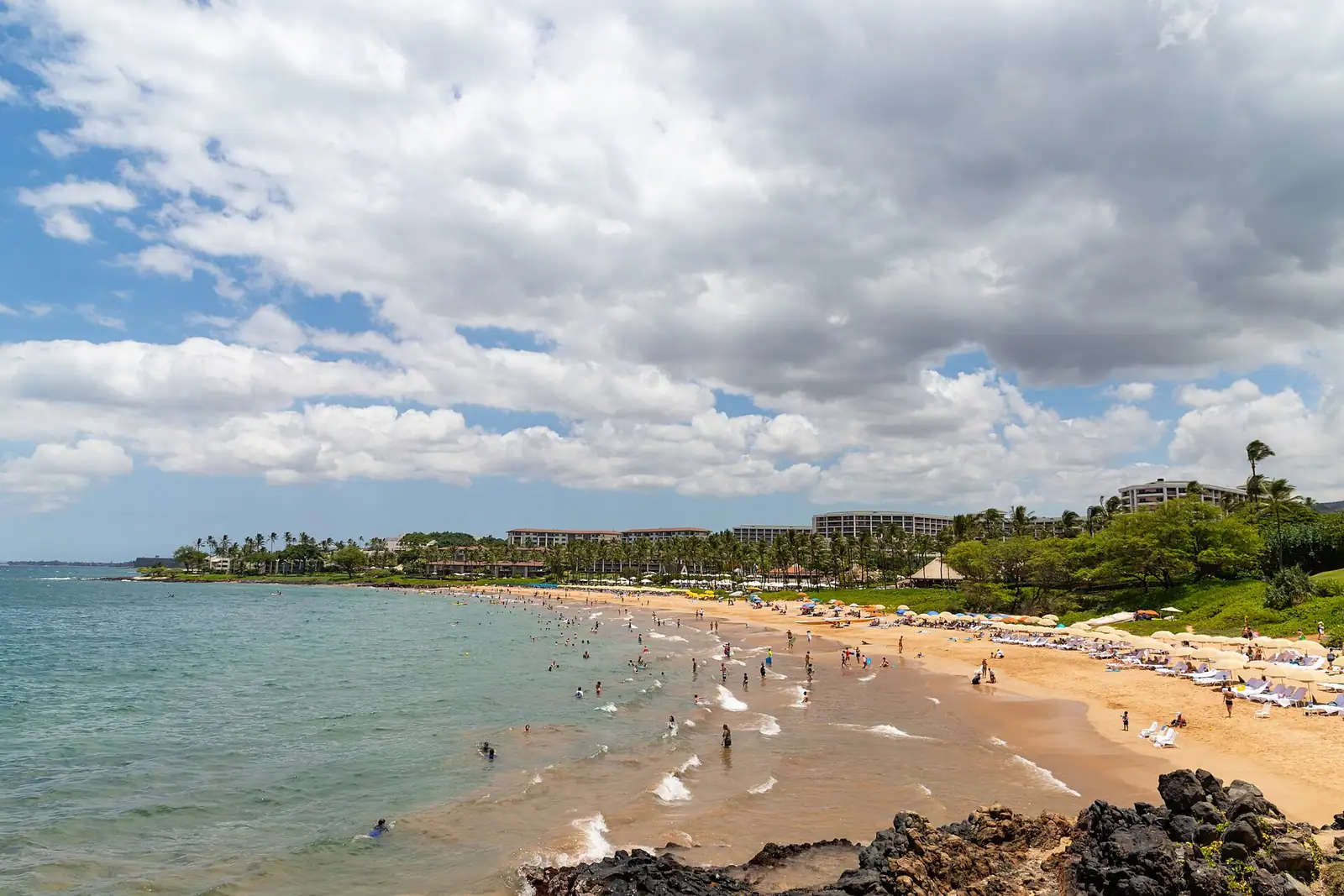
    A calm crescent between the Grand Wailea and the Four Seasons, with a free public lot and a paved path linking four beaches.

    1.5–5 hoursFree, including the public beach access car park. Hawaiʻi shorelines are public to the high-water mark.

  • A long, softly curving beach with calm shallow water and a dry hillside beyond

    Beach

    Keawakapu Beach

    Free

    Three quarters of a mile of soft sand between Kīhei and Wailea, three free car parks, and the island's best morning swim.

    1.5–4 hoursFree, with three free car parks along its length.

  • Fish swimming past a large curved aquarium viewing window

    Museum

    Maui Ocean Center

    The only aquarium on Maui, showing Hawaiian species exclusively — and by county law, no whales or dolphins in tanks.

    2–3 hoursAround $50 for adults, roughly $40 for children 4–12, slightly less for over-65s. Under-fours free. Substantial kamaʻāina and military discount.

  • A snorkeller floating above shallow reef and coral heads in clear water

    Beach

    Ulua Beach

    Free

    A small Wailea cove with reef on the point, used by every South Maui dive school, sharing one modest car park with Mokapu.

    1–3 hoursFree, including the shared Ulua and Mokapu public car park.

Straight answers

Questions people actually ask

How much does a Molokini snorkel trip cost?

A morning catamaran trip of four and a half to five and a half hours with two snorkel stops generally runs $150 to $230 per adult, usually including gear and a meal. Rafts sit around $130 to $190, and shorter afternoon departures drop to roughly $70 to $130 because conditions are windier and less clear. Introductory scuba at Molokini typically runs $180 to $300. Crew tips are extra and customary. Confirm current pricing when booking.

Is Molokini worth it?

For most visitors, yes, and specifically in the morning. Visibility inside the crescent routinely runs 100 to 150 feet, which no shore site on Maui approaches, and the marine life conservation district status means the fish are dense and unbothered. It is less worth it on a windy afternoon departure, or if you badly want turtles, which are more reliable on the Mākena lava shoreline that most trips visit as their second stop.

What time is best for Molokini?

The first departures, typically 6:30 to 7:30am from Māʻalaea. Maui's trade winds build through the late morning, so early boats get flat water, the clearest visibility of the day and the moorings before the rest of the fleet arrives. By mid-morning there can be a dozen boats inside the crescent. Afternoon trips are cheaper precisely because the water is choppier and the visibility has dropped.

Where do Molokini tours leave from?

Most leave from Māʻalaea Harbor, which is the closest harbour and about eight miles from the crater, a 30 to 45 minute crossing. Rafts also run from the Kīhei boat ramp, which is closer again. Some sailing catamarans depart the west side, where Lahaina Harbor is operating limited permitted commercial trips during the town's recovery; those crossings are noticeably longer, so check the advertised in-water time rather than the total trip length.

Can you see turtles at Molokini?

Occasionally, but Molokini is not a turtle site. The crater is deep, exposed rock and coral with no algae-covered shallows for green sea turtles to graze. That is why nearly every itinerary adds a second stop along the Mākena lava shoreline, often marketed as Turtle Town, where honu feed and rest. If you do meet one, stay at least 10 feet back; they are protected under state and federal law.

Is Molokini good for beginner snorkellers?

Yes, on the right boat. The water inside the crescent is calm and clear, crews get in with you, and the large catamarans carry flotation vests, noodles and floating platforms. The two things to be honest about are the open-channel crossing, which can be bumpy, and the depth, which is deeper than a beach. Children under about six often do better on a calm shore reef like Kapalua Bay first.

Can you dive at Molokini?

Yes, and the back wall is the reason experienced divers come. The outer face of the crescent drops into hundreds of feet of open blue and holds black coral and pelagic life, but it is an advanced site with current and no bottom reference. Introductory and certified dives inside the crater are much gentler. One hard rule: do not drive to the Haleakalā summit within 24 hours of diving, in either order.

Why is the water at Molokini so clear?

Because nothing muddies it. There is no island above it, so no stream runoff, no beach sand washing in and no soil. The crescent sits in open ocean three miles offshore, the seabed inside is coral and rubble rather than sand, and the shape shelters the interior from the trade winds and swell. That combination routinely produces 100 to 150 feet of visibility, best in the early morning before wind and fins stir the water.