Skip to content
Menu

Booking through these earns us a commission from Viator. You pay the same, and payment did not decide what is listed.

Search

All Tours

The Road to Hāna

Last updated

Maui's Hāna Highway is 64 miles, roughly 600 curves and 59 mostly one-lane bridges. When to start, what to stop for, and whether to drive or book a guide.

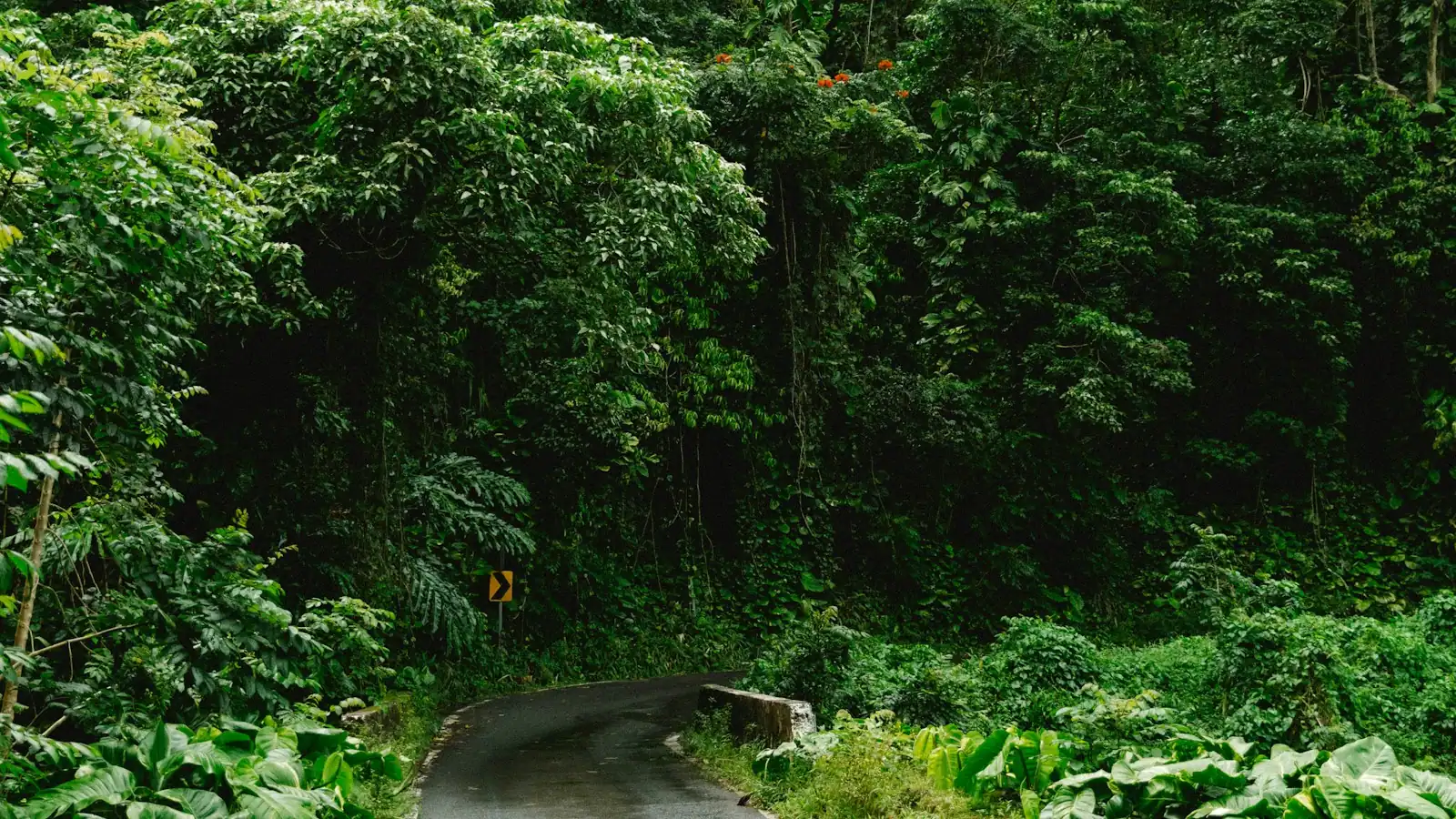
A narrow asphalt road curving between dense green rainforest

The Hāna Highway is not the road to a place. It is the place. Highway 36 becomes Highway 360 a few miles past Pāʻia, and from there it runs roughly 64 miles out along the windward flank of Haleakalā to Hāna town, bending about 600 times and crossing 59 bridges on the way. Most of those bridges are one lane. Many were poured in the 1910s, when the route was cut by hand and by dynamite to reach a town that until then had no land connection to the rest of Maui. Average speed on the twisting section is somewhere near 20 miles an hour, and that is not a flaw in the road. It is the road.

First-timers usually get the framing backwards. They set Hāna as the target, drive hard to reach it, arrive to find a small quiet town with a bay, a general store and no attraction that repays three hours of hairpins, and drive back disappointed in the dark. Hāna is lovely and it is worth a night if you can get one. But the thing you came for happened between mile markers: the smell of guava and rotting fruit through an open window, a one-lane bridge with a waterfall falling directly into the streambed under it, the taro loʻi laid out on the black lava shelf at Keʻanae, the point near Honomanū Bay where the trees break and a thousand feet of green coastline appears at once.

Three things shape the day more than any list of stops. The first is water. This is the wettest quadrant of Maui, and the rain that makes it green also makes streams rise fast, closes waterfall pools without warning and turns red-dirt pullouts to grease. The second is who else is on the road. Several thousand people live in Keʻanae, Wailua, Nāhiku, Hāna and Kīpahulu, and the highway is their only way to a hospital, a job or a school run. A visitor stopped in a blind curve for a photograph is a real problem, not a minor discourtesy. The third is that the good things past Hāna are further than people budget for. ʻOheʻo Gulch and the Pipiwai Trail sit in the Kīpahulu district of Haleakalā National Park, about ten miles and thirty-five slow minutes beyond Hāna town, and reaching them turns a long day into a very long one.

Then there is the question this page exists to answer: drive or be driven. Doing it yourself is cheaper, you set your own stops, and you can leave at 6:45am when the road is nearly empty. Booking a small van means somebody else takes the curves while you look out of the window, the guide knows which pullouts are legal and which streams are running, and nobody in the car has to do six hours of steering wheel work on the way home. The honest answer depends on who is driving, whether anyone gets carsick, and how much the day is worth to you. Both are covered below, with prices.
Our picks

The ones we would book

  • Editor's Pick

    Best all-round guided Hāna day

    Why we chose it

    The version we point most first-timers at: a small vehicle rather than a coach, a 6 to 7am pickup that gets you to the waterfall stops ahead of the convoy, and an itinerary that continues past Hāna to Kīpahulu instead of turning at the bay. Park and state-park fees folded into the ticket, and a guide who can read which streams are running that morning.

    Maui: VIP Private Road to Hana Tour with Pick Up

    Excellent Quality

    Maui: VIP Private Road to Hana Tour with Pick Up (opens in a new tab)

    Editor's PickFree cancellationPrivate tour
    1.2K reviews

    Discover the magic of Maui with our exclusive, personalized private tours. Say goodbye to crowded buses and rigid schedules—your adventure…

    Full day

    Prices checked

    from $699
  • Small Group

    Best small-group van

    Why we chose it

    Eight to twelve seats changes the road. A smaller vehicle can use pullouts a full-size coach cannot, so the stops are less rushed and less crowded, and everyone gets a window. It also means the guide is talking to a group rather than over a microphone at rows of strangers. Worth the premium over the big-bus price.

  • Best Private Tour

    Best private driver for the day

    Why we chose it

    The right call at four or more people, with grandparents, or when somebody needs to be able to stop without negotiating it. You set the departure hour, choose whether to push on to Pipiwai, and turn around when the group is done rather than when the schedule says. Expect a full-day vehicle rate rather than a per-seat price.

  • Best Value

    Best value seat on the road

    Why we chose it

    The lower-priced group departures still cover the fees, the lunch and the driving, and the road is identical from every vehicle on it. You trade elbow room and a rear row for a saving that on Maui is worth having. Ask one question before booking: does it go past Hāna, or turn around at the bay.

  • Most Booked

    Best tour with resort pickup

    Why we chose it

    If you are staying in Kāʻanapali or Wailea, pickup matters more than it looks. The drive from the west or south shore to Pāʻia adds an hour each end, and doing it yourself means starting at 5am and finishing after dark. A tour that collects you at the hotel takes that hour off both ends of a 12-hour day.

What the drive is actually like

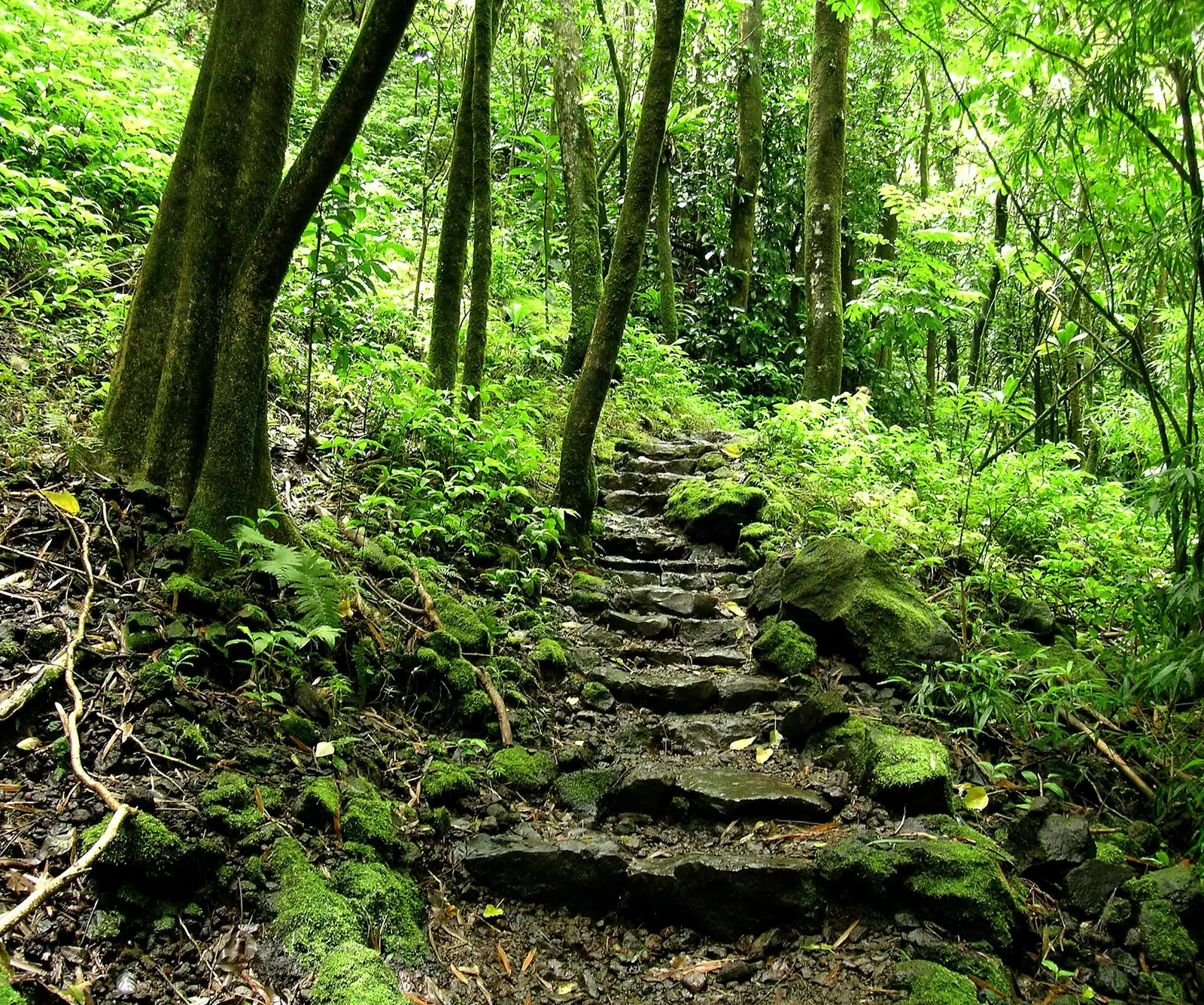
The road changes character three times. From Kahului through Pāʻia it is an ordinary two-lane highway with sugarcane-era towns and surf shops. From Twin Falls out to about Keʻanae it is rainforest: tunnels of bamboo and hala, mossy cut banks, waterfalls in the road cuttings, one-lane bridge after one-lane bridge. From Keʻanae to Hāna it opens up, drops closer to sea level and gives you the big coastal views.

Mile markers are your only reliable address system, because almost nothing is signposted the way you would expect. They count up from Pāʻia to Hāna, then reset and count down past Hāna toward Kīpahulu. Guides and residents give directions in mile markers, and so does every honest write-up of the route.

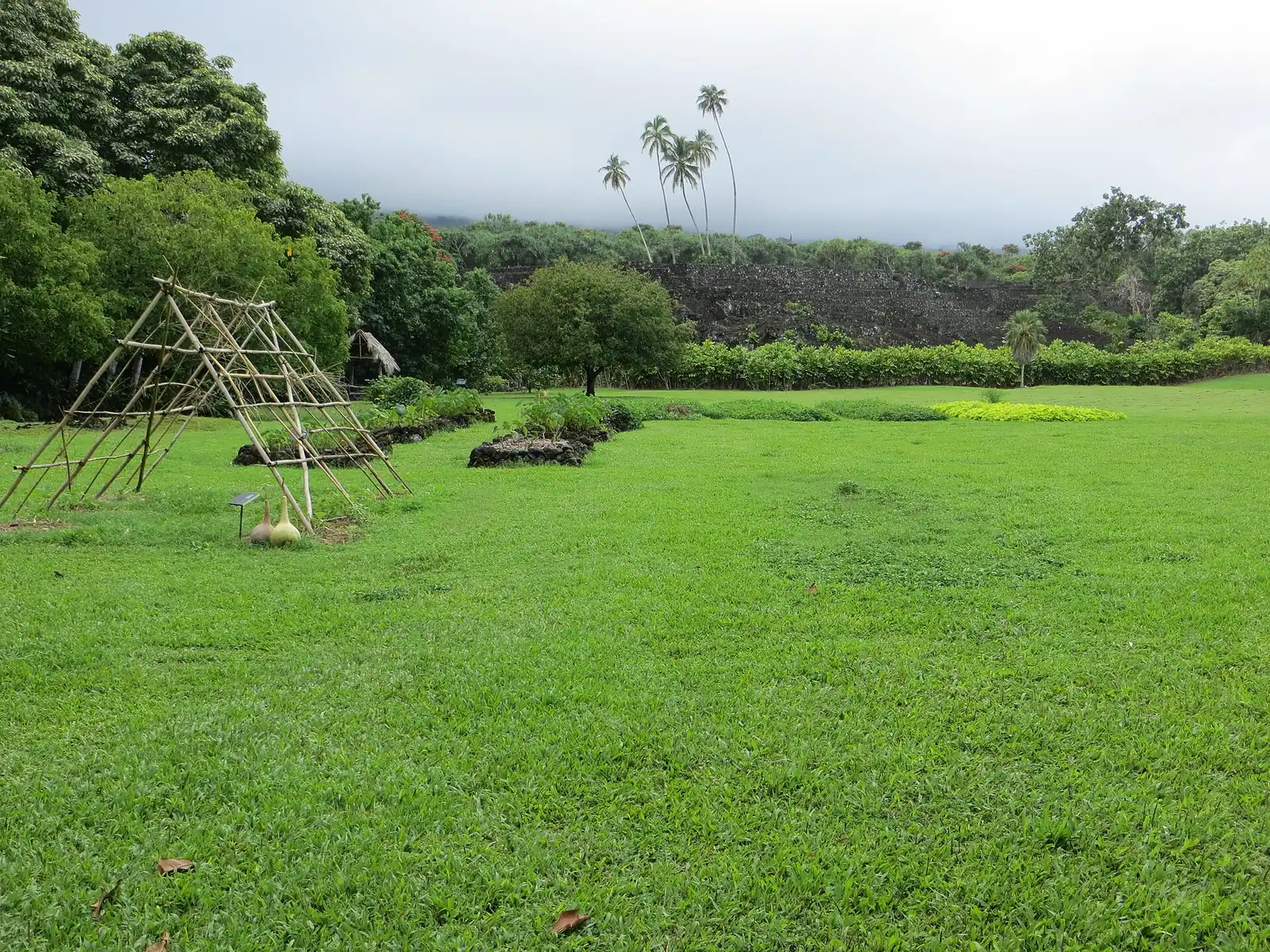
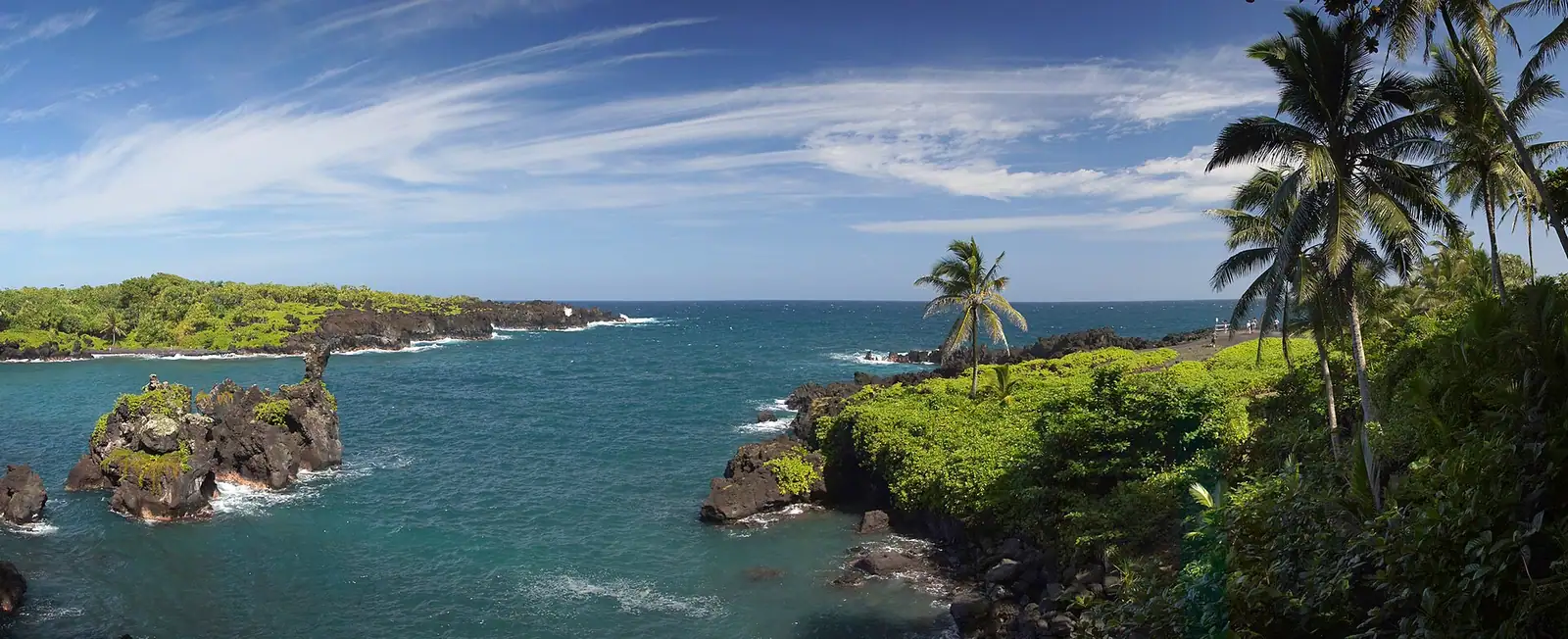
The stops most people build a day around are Twin Falls near the start, the Keʻanae Peninsula with its lava shoreline and 1860 church, Waiʻānapanapa State Park with its black sand beach and sea cave, and then Hāna Bay itself. Kahanu Garden near Hāna holds Piʻilanihale Heiau, a stone platform generally described as the largest heiau in Hawaiʻi, and it is a serious cultural site rather than a scenic stop.

What nobody tells you is how physically tiring the driving is. Six to eight hours of continuous 15mph turning, with oncoming traffic on blind one-lane bridges, is more work than a mainland eight-hour highway day. Passengers prone to motion sickness have a rough time in the back seat, and the twisty section lasts far too long for a tablet to fix it.

When to start, and how long the day takes

When to go

Leave early. The single highest-leverage decision on this drive is a start time before 7am from Pāʻia, and ideally closer to 6:30am. You get the one-lane bridges before the convoy forms, you reach the waterfall stops before the vans do, and you buy yourself the slack to be slow later.

Realistic budgets, door to door from Kahului or Kīhei:

  • Hāna and back the same way: 10 to 12 hours with proper stops. This is the standard day.
  • Hāna plus Kīpahulu, ʻOheʻo and the Pipiwai Trail: 12 to 14 hours. The Pipiwai Trail alone is 4 miles round trip and takes most people 2 to 3 hours.
  • Overnight in Hāna: the version that actually works. Drive out slowly, sleep there, do Kīpahulu the next morning with fresh legs.

The last two hours matter. Driving the twisting section after dark, tired, with oncoming headlights on one-lane bridges, is the part of this day that goes wrong. Turn around when your watch says to, not when you run out of stops.

Season changes the road less than the weather on the day. The windward side gets rain in every month; winter brings more of it and more stream closures, summer brings more traffic. Check the forecast for Hāna rather than for your resort, because the two are frequently different weather systems.

What a Hāna day costs

What it costs

Treat every figure here as a band, not a quote, and confirm current pricing when you book.

  • Driving yourself: fuel, plus the Waiʻānapanapa State Park non-resident fees, plus the Haleakalā National Park entrance pass if you continue to Kīpahulu. State park entry is around $5 per person with roughly $10 per vehicle for parking. The national park vehicle pass is about $30 and is good for three days across both the Kīpahulu and summit districts, so it doubles up with a Haleakalā trip.
  • Shared van or small-group tour: commonly $180 to $260 per person for a full day, usually including hotel or meeting-point pickup, breakfast items, lunch and the park fees. Given Maui's overall tour pricing, this sits close to the island's typical activity spend rather than above it.
  • Private tour with your own driver-guide: typically $800 to $1,500 for the vehicle for a full day, which starts to make sense at four or more people, or with grandparents, or when someone needs to be able to stop.
  • Fly-drive combinations: helicopter one way and a van the other run considerably higher, often $500 and up per person.

Two costs people forget. Hāna has very limited fuel, sold at a small station with short hours, at a price that reflects hauling it 50 miles up a one-lane road, so fill up in Pāʻia or Kahului. And roadside fruit stands, banana bread stands and the Keʻanae bakery are frequently cash only.

Past Hāna: Kīpahulu, and the back road question

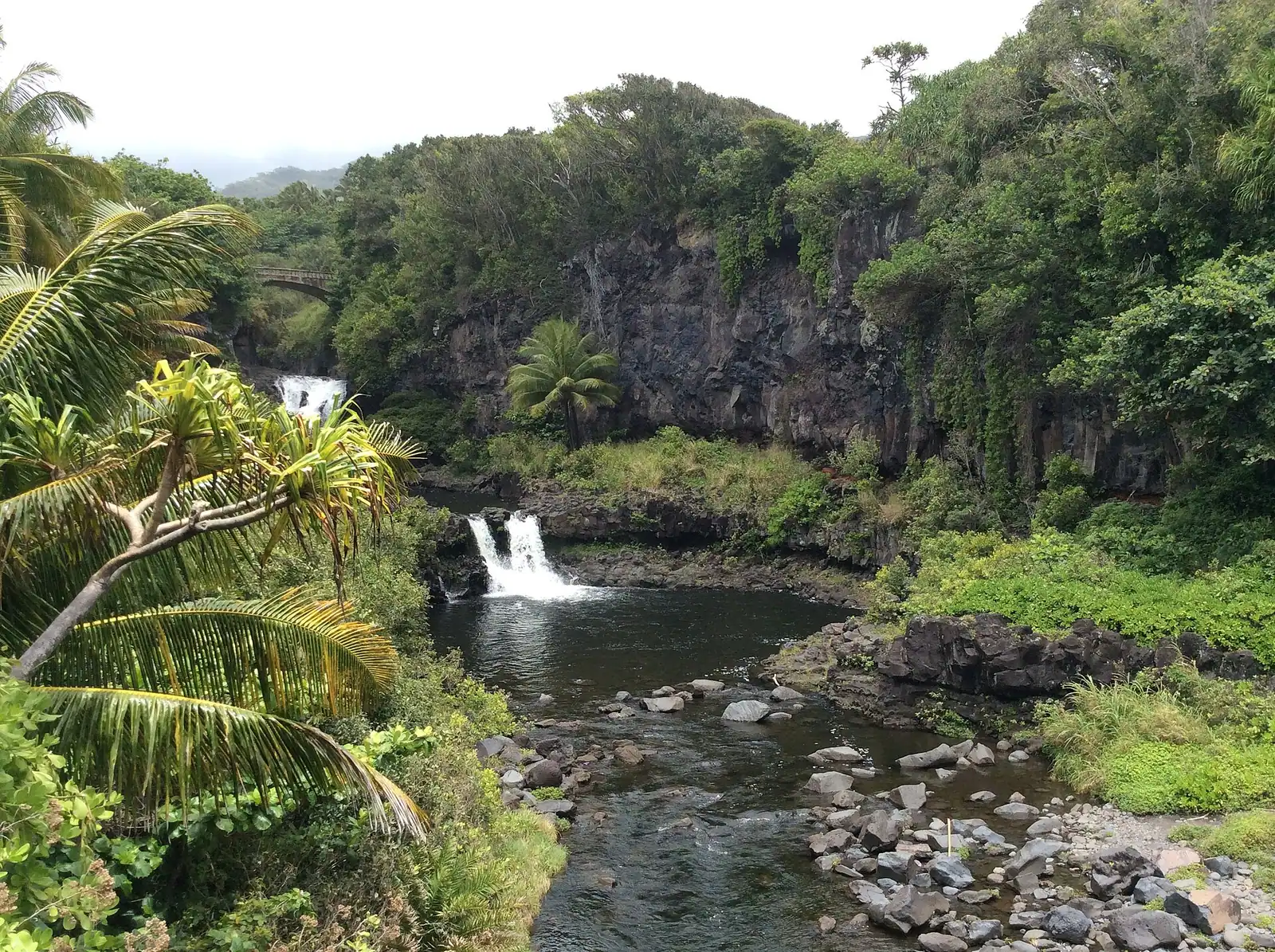
Ten miles beyond Hāna the highway reaches the Kīpahulu district of Haleakalā National Park, which is a completely separate drive from the volcano's summit and shares only the entrance pass. This is where ʻOheʻo Gulch is, the chain of stream pools often marketed as the Seven Sacred Pools, a name with no basis in Hawaiian tradition. Swimming and wading in the pools is currently prohibited on safety grounds after flash flooding incidents, and the closure has held for years; you can walk the short Kūloa Point loop and look at them.

The reason to come this far is the Pipiwai Trail: 4 miles round trip, about 800 feet of climb, past a banyan the size of a building and through a bamboo forest that clatters in the wind, ending at 400-foot Waimoku Falls. It is the best hike on this side of the island and it needs half a day.

Then the back road. Piʻilani Highway continues from Kīpahulu around the dry south flank of Haleakalā through Kaupō to Kula, closing the loop instead of retracing the curves. It is spectacular, largely one lane, part unpaved, exposed above long drops and subject to washouts. Many rental agreements explicitly prohibit it, which means a breakdown or a scrape is entirely on you and recovery out there is slow and expensive. Read your contract before you commit, check conditions locally on the day, and if either answer is uncertain, turn around and drive the curves back.

Book it

Everything else we track

Booking through these earns us a commission from Viator. You pay the same, and payment did not decide what is listed.

Sharing, or having it to yourselves

Most of what is bookable here sells two ways, and the cheaper one is not always the cheaper one. A shared departure is priced per person; a private booking is priced for the party, so the arithmetic flips somewhere around four to six people — and it is the only version where you pick the time. Check the party size each listing actually covers before you decide.

  • Book a seat

    A shared departure, priced per person. The cheapest way to do this for one or two people.

  • Book the whole thing

    Priced for the party rather than the seat, and you choose the departure time.

Drive it yourself, or book a seat

How they compare

Self-driveShared van (8 to 14 seats)Private guide
CostLowest: fuel and park feesRoughly $180 to $260 per personRoughly $800 to $1,500 per vehicle
Start timeYours; 6:30am is possibleFixed pickup, often 6 to 7amYours
StopsWhatever you can find and legally park atFixed route, driver picksNegotiated on the day
Driver's daySix to eight hours of hard steeringNoneNone
Local knowledgeWhat you researchedGood, and it is their roadUsually the deepest
CarsicknessFront seat helpsRear rows are the worst place on MauiChoose your seat
Goes past Hāna?Your callVaries; many turn at HānaUsually yes if asked

Choose self-drive if you want to be at Waiʻānapanapa at 7am, if there are two confident drivers who can swap, and if you have booked the state park slot. Choose a van if the alternative is one person driving 12 hours and resenting it, or if you want narration on the geology, the taro and the history rather than a playlist. Choose private if you are four or more, if anyone has mobility limits, or if you want to go to Kīpahulu and back at your own pace.

One tour detail worth asking before booking: does the itinerary continue past Hāna to ʻOheʻo and Pipiwai, or does it turn around at Hāna Bay? Both are legitimate day plans, and they are very different days.

What to bring on the Hāna road

What to bring

Pack for a day where you cannot buy anything for hours at a stretch.

  • Cash in small notes. Fruit stands, banana bread, shave ice and the honour-box stands along the route do not all take cards.
  • More water and food than you think. There is no supermarket between Pāʻia and Hāna, and Hāna's options are limited and close early.
  • Reef-safe mineral sunscreen. Maui County requires sunscreen with zinc oxide or titanium dioxide as the active ingredient; chemical sunscreens cannot legally be sold or used here without a prescription.
  • Mosquito repellent. The windward gulches are wet year round and the mosquitoes there are not subtle.
  • Shoes with grip. Every stream, every mossy step and every trail on this coast is slippery. Flip-flops are how people get hurt at waterfalls.
  • A towel and a dry bag, because you will get wet somewhere whether you planned to or not.
  • Motion sickness medication, taken before you leave rather than when someone starts to look grey.
  • Downloaded maps and a downloaded playlist. Mobile coverage disappears in the gulches and does not come back reliably until Hāna.
  • A rubbish bag. Bins on this route are scarce and overflowing bins are a genuine local grievance.

Leave the drone at home unless you have checked the rules for the specific site: much of this coast is private land, national park or a cultural site where flying is prohibited.

This is somebody's street

Before you book

The Hāna Highway carries roughly the same visitor traffic as a theme park through a series of villages where a few thousand people live. The friction this creates is real, it is well documented, and it is easy to avoid.

  • Pull over and let locals pass. If a car is close behind you, use the next legal pullout. Not the next curve. The next pullout.
  • One-lane bridges: the car closest to the bridge goes first. Three or four cars cross, then you yield. Nobody parks on a bridge, ever, for any photograph.
  • Park only in designated areas. Red dirt shoulders, driveway mouths and the grass in front of somebody's house are not parking. Cars are ticketed and towed on this road.
  • Private property is private. Many of the waterfalls and pools visible from the highway are on private or family land, and some of the trails that appear in old blog posts cross it. A fence or a sign means what it says.
  • Keʻanae and Wailua are villages, not exhibits. People are farming taro and doing their laundry. Photograph the landscape, not into anyone's yard.
  • Take your rubbish with you.

If you only remember one thing: the road belongs to the people who use it every day, and you are borrowing it for an afternoon.

On the ground

Where to go

Every place below has its own page — hours, parking, what it costs and what to expect when you get there.

  • A narrow road curving through dense green rainforest

    Landmark

    The Road to Hāna

    Free

    Sixty-four miles, 620 curves and 59 bridges — and a road that several hundred people use to get to work.

    8–12 hoursThe road itself is free. Several stops along it charge for parking or entry.

  • A long dry-stacked wall of fitted dark volcanic stone rising in stepped terraces

    Historic site

    Kahanu Garden & Piʻilanihale Heiau

    A dry-stacked stone platform the size of a city block, the largest heiau in Polynesia, standing in a hala forest above the Hāna coast.

    1–2.5 hoursAround $18 per adult for a self-guided visit; roughly $30 for the guided tour. Children 12 and under free.

  • A narrow path running through a dense stand of tall green bamboo

    Trail

    Pīpīwai Trail

    Four miles through a banyan, a boardwalk bamboo forest and two stream bridges, ending under a 400-foot waterfall.

    2.5–5 hoursCovered by the Haleakalā National Park entrance fee, around $30 per vehicle and valid three days across both districts.

  • A windsurfer carving off the top of a breaking wave with spray behind the sail

    Beach

    Hoʻokipa Beach Park

    Free

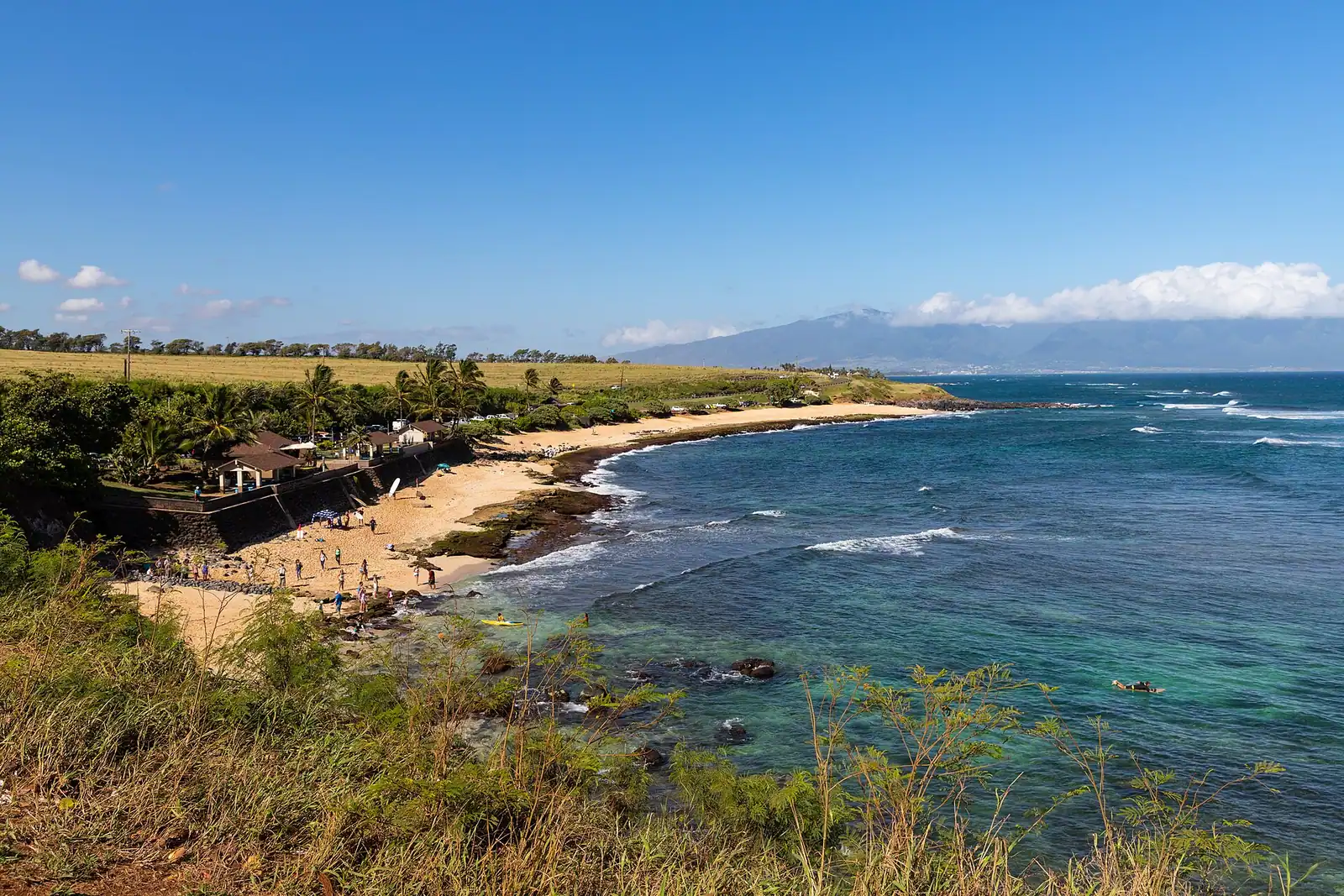
    Maui's wave-sailing arena, watched from a clifftop lookout, where green sea turtles drag themselves onto the sand most afternoons.

    0.5–2 hoursFree. Both the beach park and the clifftop lookout are free to enter and free to park at.

  • Dark volcanic sand and black rock at the edge of a small ocean cove

    Park

    Waiʻānapanapa State Park

    Black basalt sand, freshwater caves and an ancient coastal trail, three miles before Hāna — and you cannot get in without booking ahead.

    1–2.5 hoursNon-residents pay per-vehicle parking plus a per-person entry fee, both by advance reservation. Hawaiʻi residents with state ID are free.

  • Low wooden storefronts with painted signs along a small-town main street

    Neighbourhood

    Pāʻia Town

    Free

    A two-street sugar town that surfers took over, and the last place to buy petrol, coffee and a picnic before the Road to Hāna.

    1–3 hoursFree to visit. You pay for what you buy, and parking is free but scarce.

  • A sheltered bay with dark sand, a small pier and a steep green headland behind

    Beach

    Hāna Bay

    Free

    The one reliably calm swim on the Hāna coast, under the cinder cone where Queen Kaʻahumanu was born in 1768.

    1–2.5 hoursFree. Parking is free.

  • A tall narrow waterfall dropping down a dark cliff face into forest

    Water feature

    Waimoku Falls

    Four hundred feet of water down a sheer lava wall, two miles up a rainforest valley and reachable no other way.

    0.5–1 hoursCovered by the Haleakalā National Park entrance fee, around $30 per vehicle for three days.

  • A stream stepping down rock terraces towards the ocean under cloud

    Water feature

    ʻOheʻo Gulch

    A staircase of stream pools falling to the sea at Kīpahulu, where swimming has been closed and the famous name was never real.

    0.5–1.5 hoursCovered by the Haleakalā National Park entrance fee, around $30 per vehicle for three days across both districts.

  • A small waterfall dropping into a green pool in dense tropical forest

    Water feature

    Twin Falls at Wailele Farm

    The first waterfall on the Hāna road, on a working farm with 55 parking spaces and a queue that starts at 7am.

    1–2.5 hoursAround $10 per vehicle for parking, first come first served, with no booking system.

  • A single waterfall falling into a rock pool in a narrow fern-covered gully

    Water feature

    Wailua Falls

    Free

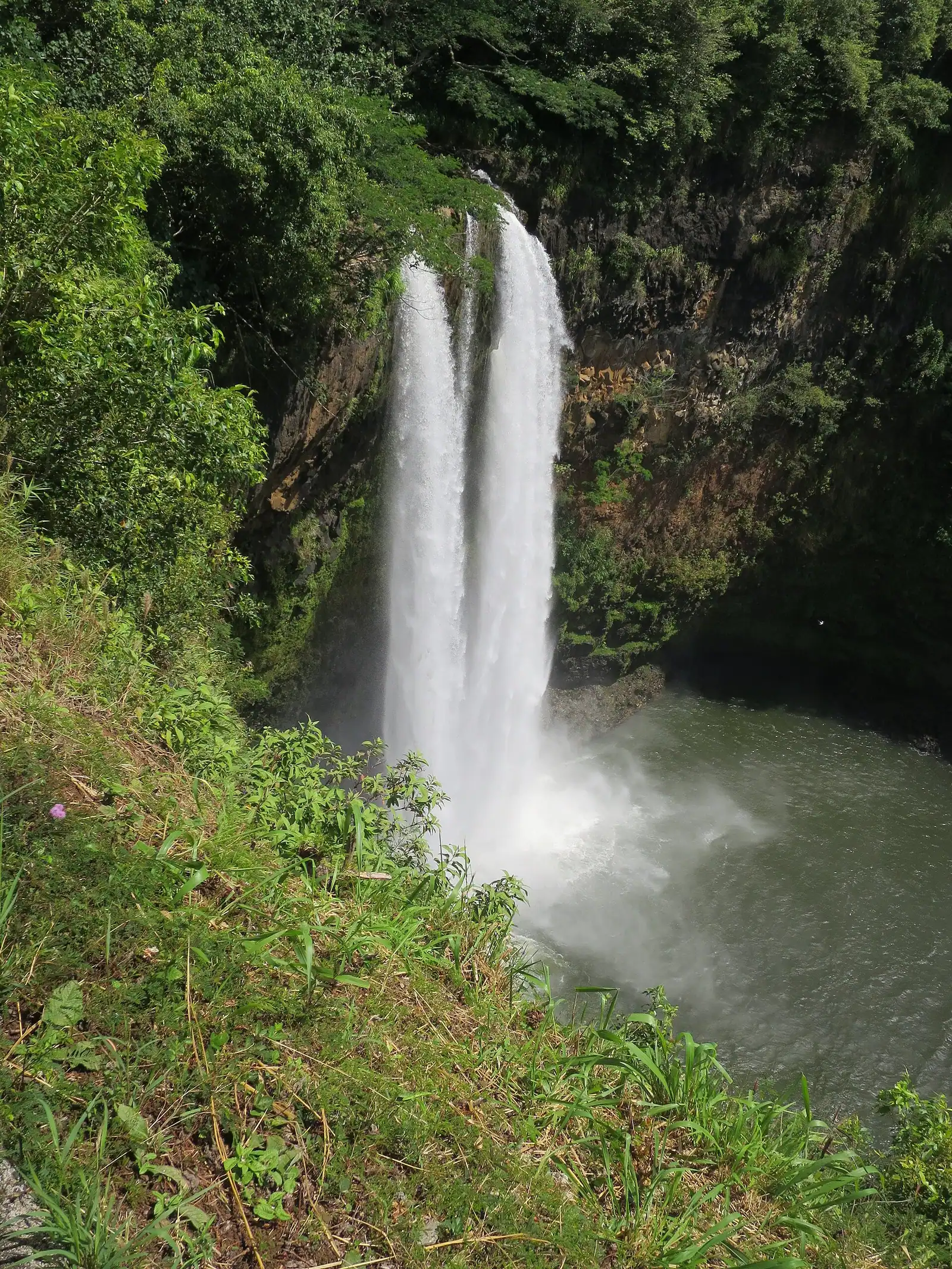
    Eighty feet of water beside the road south of Hāna, and the only serious Maui waterfall you can see without leaving the car.

    10–40 minutesFree. No entry fee, no reservation and no parking charge.

Straight answers

Questions people actually ask

How long does the Road to Hāna take?

Plan 10 to 12 hours door to door for Hāna and back with proper stops, and 12 to 14 if you continue to Kīpahulu for ʻOheʻo Gulch and the Pipiwai Trail. The driving alone is about two and a half hours each way without stopping, because the twisting 64-mile section averages close to 20mph. Starting before 7am is the difference between a relaxed day and a rushed one, and it keeps you off the one-lane bridges after dark.

Is the Road to Hāna worth it?

Yes, if you understand that the drive is the attraction and Hāna town is not a payoff waiting at the end. The rainforest gulches, the one-lane bridges, the Keʻanae taro peninsula and the black sand at Waiʻānapanapa are the experience. It is not worth it if anyone in the car gets badly carsick, if you only have half a day, or if you are going to spend it trying to reach the end rather than looking out of the window.

Should I drive the Road to Hāna myself or take a tour?

Drive it yourself if you have two drivers who can swap, want a 6:30am start, and have booked the Waiʻānapanapa reservation. Take a van if one person would otherwise do eight hours of hard steering, if you want narration on the taro, the geology and the history, or if rear-seat carsickness is a known problem. Private guides make sense at four or more people and for anyone with mobility limits. Group seats commonly run $180 to $260 a head.

Do you need a reservation for the Road to Hāna?

Not for the highway itself, but yes for Waiʻānapanapa State Park, where non-residents must book an entry and parking slot in advance through the Hawaiʻi state parks site. Slots are released on a rolling window and go quickly. If you continue to the Kīpahulu district for ʻOheʻo Gulch and the Pipiwai Trail you need a Haleakalā National Park entrance pass, currently around $30 per vehicle for three days, which also covers the summit.

Can you swim at ʻOheʻo Gulch, the Seven Sacred Pools?

No. Swimming and wading in the pools at ʻOheʻo Gulch has been prohibited by the National Park Service on safety grounds, following flash flooding and rockfall concerns, and the closure has been in place for a long stretch now. You can view the pools from the Kūloa Point loop trail. The Pipiwai Trail above the road is open and is the real reason to drive this far: 4 miles round trip through a bamboo forest to 400-foot Waimoku Falls.

What time should you leave for the Road to Hāna?

Be past Pāʻia by 7am, and 6:30am is better. Early departure buys you empty one-lane bridges, waterfall stops before the tour vans arrive, morning light in the gulches, and enough slack to be unhurried later. It also means you finish the twisting section before dark, which is the single most important safety decision of the day. If you are staying in Kāʻanapali or Wailea, add an hour of driving before that.

Can you drive the back road past Hāna?

Piʻilani Highway does continue from Kīpahulu around the dry south side of Haleakalā through Kaupō to Kula, and it is a remarkable drive. It is also largely one lane, partly unpaved, exposed, and prone to washouts. Many rental car agreements specifically prohibit it, which leaves you uninsured and a long way from help. Read your contract, check conditions locally on the day, and if either is unclear, drive the curves back instead.

How many waterfalls are on the Road to Hāna?

Dozens are visible from the highway after rain, and a handful have legal parking and safe access. The ones most people stop at are Twin Falls near the start, the roadside falls around Wailua and Nāhiku, Wailua Falls past Hāna, and Waimoku Falls at the end of the Pipiwai Trail. Many others sit on private or family land, so a waterfall being visible does not make it accessible. Stream conditions change fast after rain.