Skip to content
Menu

Booking through these earns us a commission from Viator. You pay the same, and payment did not decide what is listed.

Search

All Tours

Maui Lūʻau

Last updated

Maui lūʻau compared: Hawaiian programmes versus Polynesian revues, Kāʻanapali and Wailea venues, honest price bands, and what is open in Lahaina now.

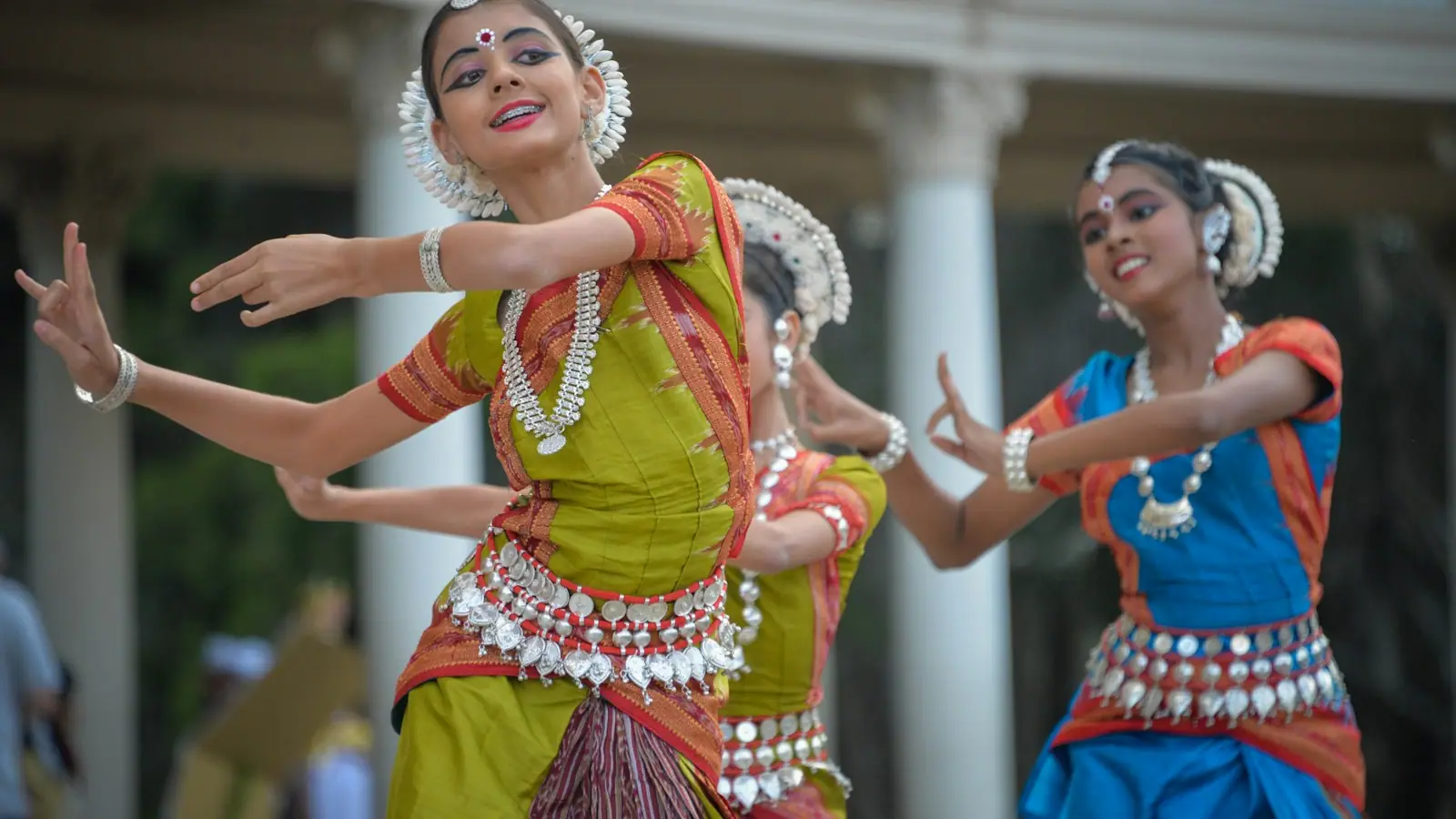
Three dancers performing a traditional Polynesian dance

A lūʻau is a feast, and the word itself is the young taro leaf that goes into the dish. What visitors book under that name today descends from the ʻahaʻaina, the formal Hawaiian feast held to mark a birth, a victory or a completed house. The version you can buy a ticket to traces to 1819, when Liholiho, Kamehameha II, broke the ʻaikapu by sitting down to eat with women, dismantling the system of eating restrictions that had governed Hawaiian life. Feasts where everyone ate together followed. That is the lineage, and it is a more interesting story than the tiki torches suggest.

What you are buying on Maui in practice is one of two things, and the listings rarely make the difference clear. Some shows are Hawaiian programmes: hula kahiko, the older form danced to chant and gourd percussion, and hula ʻauana, the modern form with ʻukulele and steel guitar, presented as a narrative of Hawaiian history from voyaging to the present. Others are pan-Polynesian revues: Hawaiian hula plus Tahitian ʻōteʻa, Māori haka and the Samoan fire knife dance, staged as a tour of the Pacific. Both can be excellent. Only one of them is Hawaiian, and the fire knife, spectacular as it is, is Samoan and has nothing to do with Hawaiʻi. At least one long-running Maui lūʻau leaves it out of the programme on exactly those grounds.

Geographically, the island's lūʻau cluster in three places: the resort strip at Kāʻanapali, the Wailea resorts on the south shore, and the north end of Lahaina. That last one needs stating plainly rather than skipped over. The August 2023 wildfire destroyed historic Lahaina and killed about a hundred people. The lūʻau at 505 Front Street was destroyed and has not reopened. The long-established lūʻau at the north end of Front Street survived with relatively minor damage, reopened in 2024 and runs nightly; a large share of its staff lost their homes, and it has directed ticket revenue toward relief work. Booking it is a straightforwardly useful thing to do. Booking a venue that burned is not possible, and you will still find it listed on aggregator sites.

Budget for around $160 to $290 per adult before tax and service, which places a lūʻau firmly at the top end of a Maui evening. That price usually includes a buffet or plated dinner, an open bar, the show and a couple of hours of your evening. What it buys beyond dinner depends entirely on which of the two kinds of show you have chosen.

Our picks

The ones we would book

  • Editor's Pick

    Best lūʻau on Maui

    Why we chose it

    The programme that treats the evening as Hawaiian history rather than a Pacific tour: hula kahiko danced to chant and gourd, hula ʻauana with steel guitar, and a narrative that runs from voyaging through the overthrow to the Hawaiian Renaissance. No fire knife, on the grounds that it is Samoan. The oceanfront setting at the north end of Lahaina makes the sunset work.

    Maui Luau: Gilligans' Island Luau in Kihei Maui

    Low Supplier Cancellation Rate

    Maui Luau: Gilligans' Island Luau in Kihei Maui (opens in a new tab)

    Editor's PickFree cancellationInstant confirmation
    1.4K reviews

    Gilligans' Island Luau is an intimate luau experience and is the only luau in Kihei on Maui. Our luau is less than one quarter the size of…

    2 hours

    Prices checked

    from $166.49
What actually happens at a Maui lūʻau

Doors open in the late afternoon, timed so that dinner lands around sunset. You are greeted with a lei and a drink, and the first hour is usually a grounds experience: craft demonstrations, lauhala weaving, kapa making, ʻukulele, tattoo explanation, sometimes a chance to try poi and decide how you feel about it.

The imu ceremony is the set piece before dinner. A pig is wrapped and buried in a rock-lined pit with hot stones and banana stump early in the day, and around sunset it is dug out in front of the audience. The steam coming off it is real, the pork is genuinely cooked that way, and it is the oldest thing on the programme.

Dinner is typically a buffet, occasionally plated at the premium venues. Expect kālua pig, laulau, lomi lomi salmon, poke, rice, a green salad that is there for the tourists, poi, and haupia, a coconut pudding, for dessert. The drinks are usually an open bar built around mai tais and lilikoʻi.

Then the show, roughly an hour. A Hawaiian programme opens with an oli, a chant, and it is not a warm-up act; the room should be quiet for it. What follows is generally chronological: voyaging from Kahiki, the arrival of Western ships, the monarchy, the suppression and revival of hula, and the Hawaiian Renaissance of the 1970s. A Polynesian revue moves island to island instead and ends with the fire knife, which is the loudest and most photographed three minutes of the night.

Total running time is two and a half to three hours. Most end by about 8:30pm.

What a Maui lūʻau costs

What it costs

Bands, not quotes. Confirm at booking, and note that published prices frequently exclude tax and a service charge.

  • Adult ticket, standard seating: commonly $160 to $290. The long-established Lahaina programme and the Wailea oceanfront venues sit at the upper end; smaller central and Upcountry venues can run $130 to $190.
  • Premium or VIP seating: typically $30 to $80 more per person, for closer seating, earlier entry and sometimes table service instead of the buffet.
  • Children: usually discounted, often around half price for roughly ages 6 to 12, with under-fives frequently free. Policies vary widely.
  • What is included: lei greeting, the grounds activities, dinner, an open bar in most cases, and the show. That open bar is a meaningful part of the value at Maui drink prices.
  • What is not: transport, gratuity above the included service charge, and photographs taken by the venue photographer.

For context, a lūʻau at $220 a head is roughly the price of a Molokini morning and sits just above Maui's typical activity price of around $200. For a family of four it is one of the largest single line items of a week here, so it is worth choosing deliberately rather than booking whichever one still has seats.

Book two to four weeks ahead in peak season, and further for the best-regarded programmes, which sell out well in advance around the winter holidays and spring break.

When to book, and what time it runs

When to go

Lūʻau are anchored to sunset, so start times move across the year. Expect check-in somewhere between 4:15pm and 5:45pm, earlier in winter and later in midsummer, with the show finishing around 8:00 to 8:45pm. Confirm the actual time on your date rather than assuming, because a December booking and a June booking at the same venue can differ by more than an hour.

Which night of your trip. Not the first one. Jet lag from the mainland runs in your favour on a Maui morning and against you at an 8pm show, and a three-hour evening event on arrival day after a five-hour flight is how people end up leaving at the interval. Mid-trip is better. Not the last night either, if you have an early flight.

Which night of the week. Most venues run five to seven nights; the largest run nightly. Midweek is marginally easier to book at short notice. Sunday and holiday nights go first.

Weather. These are outdoor events and they run in light rain, with venues handing out ponchos rather than cancelling. Genuine cancellations for weather are rare and usually rebooked rather than refunded. The Kāʻanapali and Wailea lawns can get windy after dark, which is the single most common complaint about an otherwise good evening.

How far ahead. Two to four weeks in shoulder season, four to eight weeks over the winter holidays, spring break and midsummer. The most sought-after programme on the island frequently sells out a month or more out.

Who should book one, and who should skip it

Book one if it is your first time in Hawaiʻi. A good programme is the most efficient introduction to Hawaiian history, music and dance you will get in an evening, and the narrative structure of the better shows genuinely teaches you something about the monarchy, the overthrow and the Hawaiian Renaissance that you will carry into the rest of the trip.

Book one with children. Lūʻau are one of the few Maui evenings built for families: an early start, food they will eat, space to move around in the first hour, and a finale with fire. Under-fives are often free.

Book one for an occasion. The Wailea oceanfront venues with plated dinners and table service do anniversary and honeymoon evenings well, and the setting is genuinely lovely.

Think twice if you dislike buffets, crowds and fixed seating with strangers. Most lūʻau seat 300 to 600 people at long tables. That is the format.

Think twice if you are hoping for fine dining. The food at a good lūʻau is decent and abundant, and it is catering. If dinner is the point of the evening, Maui has better restaurants for the same money.

And if what you actually want is Hawaiian music rather than a production, look instead at the free hula and slack key performances at the shopping centres, the church services with Hawaiian-language hymns, and the small venues Upcountry and in Wailuku. They cost nothing or very little and they are often where the best musicians on the island are playing on a Tuesday.

Book it

Everything else we track

We could not find tours matching this right now

Nothing came back for Maui luau. Operators add and retire experiences constantly, so this list changes week to week. Try a broader category, or come back in a day or two.

Lahaina: what is open and what is not

Before you book

This needs saying directly, because visitors are still being sold things that no longer exist.

  • The lūʻau at the north end of Front Street survived the fire, sustaining relatively minor wind and smoke damage, and reopened in 2024. It runs nightly. A large proportion of its staff lost their homes in August 2023 and it has directed ticket income into local relief. It is generally regarded as the most culturally faithful programme on the island, and it does not include the Samoan fire knife dance because that is not a Hawaiian tradition.
  • The lūʻau at 505 Front Street was destroyed in the fire and has not reopened. There is no announced timeline. If a booking site is selling it, that listing is stale.
  • Front Street reopened to traffic between Pāpalaua and Shaw Streets on 1 August 2026, with a number of restaurants and businesses trading again along the north end, and an interim marketplace opening on the former outlet site.
  • Banyan Court Park remains closed to general access while the tree recovers, with viewing from the edge of the park.
  • Several blocks and side streets remain closed for construction and harbour work.

How to be useful here. Come for the businesses that are open and spend money in them. Follow posted access rules and treat fenced areas as closed rather than as a photo opportunity. Do not photograph empty lots, damaged buildings or anyone's rebuilt home. The fire killed about a hundred people and displaced thousands, and for many families this ground is where someone died. Residents have asked visitors to let them set the tone, repeatedly and clearly, and that request is the authority here rather than anything a guidebook says.

Which lūʻau, and where

How they compare

North LahainaKāʻanapali resortsWailea resortsCentral and Upcountry venues
Typical styleHawaiian programme, narrativePolynesian revue, big productionPremium revue, oceanfront, plated optionsSmaller, varied, often better value
SettingOceanfront lawnResort lawns, large stagesOceanfront terraces at the south shore resortsGardens, plantation grounds
Adult priceUpper end of the $160 to $290 bandRoughly $180 to $250Roughly $200 to $290Often $130 to $190
Fire knifeNot performedYes, usually the finaleUsuallyVaries
SuitsAnyone who wants Hawaiian culture specificallyFamilies, first-timers, big spectacleCouples, anniversary dinners, table serviceValue, smaller crowds

Three questions decide it faster than any review.

Do you want Hawaiian, or Polynesian? If the answer is Hawaiian specifically, book a programme that says so and skip the fire knife. If you want the spectacle and the children want fire, the revues are excellent at what they do and nobody should feel bad about that.

Where are you staying? These start at sunset and finish after dark, drinks are included, and driving the Honoapiʻilani Highway or the Pali afterwards is not something to do casually. Book within taxi distance of your bed, or arrange a ride before you go.

Which seating tier? Almost every venue sells standard, premium and VIP tiers. The premium tiers buy proximity to the stage and sometimes table service rather than a buffet queue. At the back of a large venue on a windy night, that difference is real.

What to wear and bring

What to bring

Resort casual is the standard and nobody is turned away for it, but a few practical things make the evening better.

  • A light layer. You will sit outdoors for three hours, and the trade wind off a Kāʻanapali or Wailea lawn after dark is cooler than the afternoon suggested.
  • Shoes you can walk on grass in. Most venues seat on lawns. Stiletto heels sink.
  • Mosquito repellent, particularly at the garden and plantation venues away from the coast.
  • Cash for gratuity beyond any included service charge, if the service warrants it.
  • An appetite and an open mind about poi. Try it with kālua pig rather than alone, which is how it is actually eaten.
  • Your camera, used with judgement. Photographing the performers is expected and fine. Standing up in front of the people behind you is not, and neither is filming the entire oli on a phone held above your head.
  • A plan for getting home. Open bar plus a dark mountain road is a bad combination. Book a taxi, arrange a ride or nominate a driver before you arrive.

If anyone in the group has dietary restrictions, tell the venue when you book rather than at the buffet. Vegetarian and gluten-free options are usually available with notice and improvised badly without it.

On the ground

Where to go

Every place below has its own page — hours, parking, what it costs and what to expect when you get there.

  • A long curve of pale sand meeting clear turquoise water under a bright sky, with low green headland beyond

    Beach

    Kāʻanapali Beach

    Free

    Three miles of public sand, a lava headland called Puʻu Kekaʻa, and free beach parking the resorts are legally required to keep.

    2–7 hoursFree. Public beach access and the mandated resort stalls cost nothing; Whalers Village charges for parking with validation.

  • Low wooden storefronts with painted signs along a small-town main street

    Neighbourhood

    Pāʻia Town

    Free

    A two-street sugar town that surfers took over, and the last place to buy petrol, coffee and a picnic before the Road to Hāna.

    1–3 hoursFree to visit. You pay for what you buy, and parking is free but scarce.

  • A wide golden beach with calm water and palm trees under bright morning sun

    Neighbourhood

    Kīhei

    Free

    Six miles of beach, three lifeguarded parks and the best free whale watching on Maui, plus a wind that arrives every afternoon.

    2–8 hoursFree. All the beach parks are public with free parking.

  • Pale sand and calm turquoise shallows below a landscaped resort lawn with palms

    Beach

    Wailea Beach

    Free

    A calm crescent between the Grand Wailea and the Four Seasons, with a free public lot and a paved path linking four beaches.

    1.5–5 hoursFree, including the public beach access car park. Hawaiʻi shorelines are public to the high-water mark.

  • A short crescent of pale sand backed by palms, with low rocky points at either end

    Beach

    Nāpili Bay

    Free

    A quiet condo-fronted crescent with turtles on both rocky sides, no facilities, and street parking that is gone before seven.

    1.5–4 hoursFree. Shoreline access is public; there is simply very little parking and no county facilities.

  • Low two-storey storefronts along a quiet main street with shopfront awnings

    Neighbourhood

    Wailuku Town

    Free

    Maui's county seat — antique shops, an 1833 mission house and a 1928 theatre, three miles below the mouth of ʻĪao Valley.

    1.5–4 hoursFree to visit the town. Museum admission and theatre tickets are charged separately.

  • A still lagoon reflecting steep green mountain ridges under scattered cloud

    Park

    Maui Tropical Plantation

    Free

    A working farm at the mouth of Waikapū Valley where the grounds are free and the mountain behind it does most of the work.

    1–2.5 hoursFree to enter the grounds and park. The tram tour, ziplines and food are charged separately.

Straight answers

Questions people actually ask

How much does a lūʻau cost on Maui?

Expect roughly $160 to $290 per adult before tax and service charge, with the best-regarded Lahaina programme and the Wailea oceanfront venues at the top of that range and smaller central or Upcountry venues nearer $130 to $190. Premium or VIP seating usually adds $30 to $80. Children are typically about half price for ages six to twelve and under-fives are often free. Dinner and an open bar are normally included.

Which lūʻau on Maui is the most authentic?

The distinction worth drawing is between a Hawaiian programme and a pan-Polynesian revue. A Hawaiian programme presents hula kahiko danced to chant and percussion, hula ʻauana with ʻukulele and steel guitar, and a narrative of Hawaiian history. A revue adds Tahitian, Māori and Samoan items, including the fire knife, which is Samoan and not a Hawaiian tradition. The long-running lūʻau at the north end of Lahaina's Front Street is the best-known Hawaiian programme on the island and leaves the fire knife out for that reason.

Is the Old Lahaina Lūʻau still open after the fire?

Yes. The venue at the north end of Front Street survived the August 2023 wildfire with relatively minor wind and smoke damage, reopened in 2024 and runs nightly. A large share of its staff lost their homes, and it has directed ticket income toward local relief. The separate lūʻau that operated at 505 Front Street was destroyed and has not reopened, with no announced timeline, although stale listings for it still appear on booking sites.

What food is served at a Maui lūʻau?

Typically kālua pig cooked in an underground imu and unearthed in front of the audience, laulau, lomi lomi salmon, poke, rice, a salad, poi and haupia for dessert, usually as a buffet and occasionally plated at premium venues. Most include an open bar built around mai tais. Vegetarian and gluten-free options are generally available if you request them when booking rather than at the serving line.

What time does a Maui lūʻau start and finish?

Check-in usually falls between about 4:15pm and 5:45pm depending on the season, because the evening is built around sunset, and the show typically finishes between 8:00 and 8:45pm. Running time is two and a half to three hours. Confirm the time for your specific date, since a December start and a June start at the same venue can differ by more than an hour.

How far in advance should you book a lūʻau on Maui?

Two to four weeks in shoulder season, and four to eight weeks over the winter holidays, spring break and midsummer. The most sought-after programme on the island frequently sells out a month or more ahead. Book it for the middle of your trip rather than arrival night, when jet lag from the mainland will have you fading before the show starts, and not the night before an early flight.

What should you wear to a lūʻau on Maui?

Resort casual: an aloha shirt, a sundress, a collared shirt, anything you would wear to a relaxed dinner. Two practical notes. Most venues seat on grass, so heels sink and flat shoes are easier. And you will be outdoors for three hours after dark, when the trade wind off a Kāʻanapali or Wailea lawn is cooler than the afternoon suggested, so bring a light layer.

Is a lūʻau worth it on Maui?

For a first visit to Hawaiʻi, usually yes, because a good programme teaches you more about Hawaiian history, music and dance in one evening than a week of beaches will. With children it is one of the best-value family evenings on the island. It is less worth it if you dislike buffets and long tables, or if dinner itself is the point, since Maui has better restaurants for $220 a head. For live Hawaiian music alone, the free performances at the shopping centres and the small Upcountry venues are the better answer.