Skip to content
Menu

Booking through these earns us a commission from Viator. You pay the same, and payment did not decide what is listed.

Search

Guide hub

Things to Do on Maui

Last updated

Things to do on Maui, organised by region, by drive time and by what needs booking ahead. Haleakalā, Hāna, Molokini, and what is open in Lahaina now.

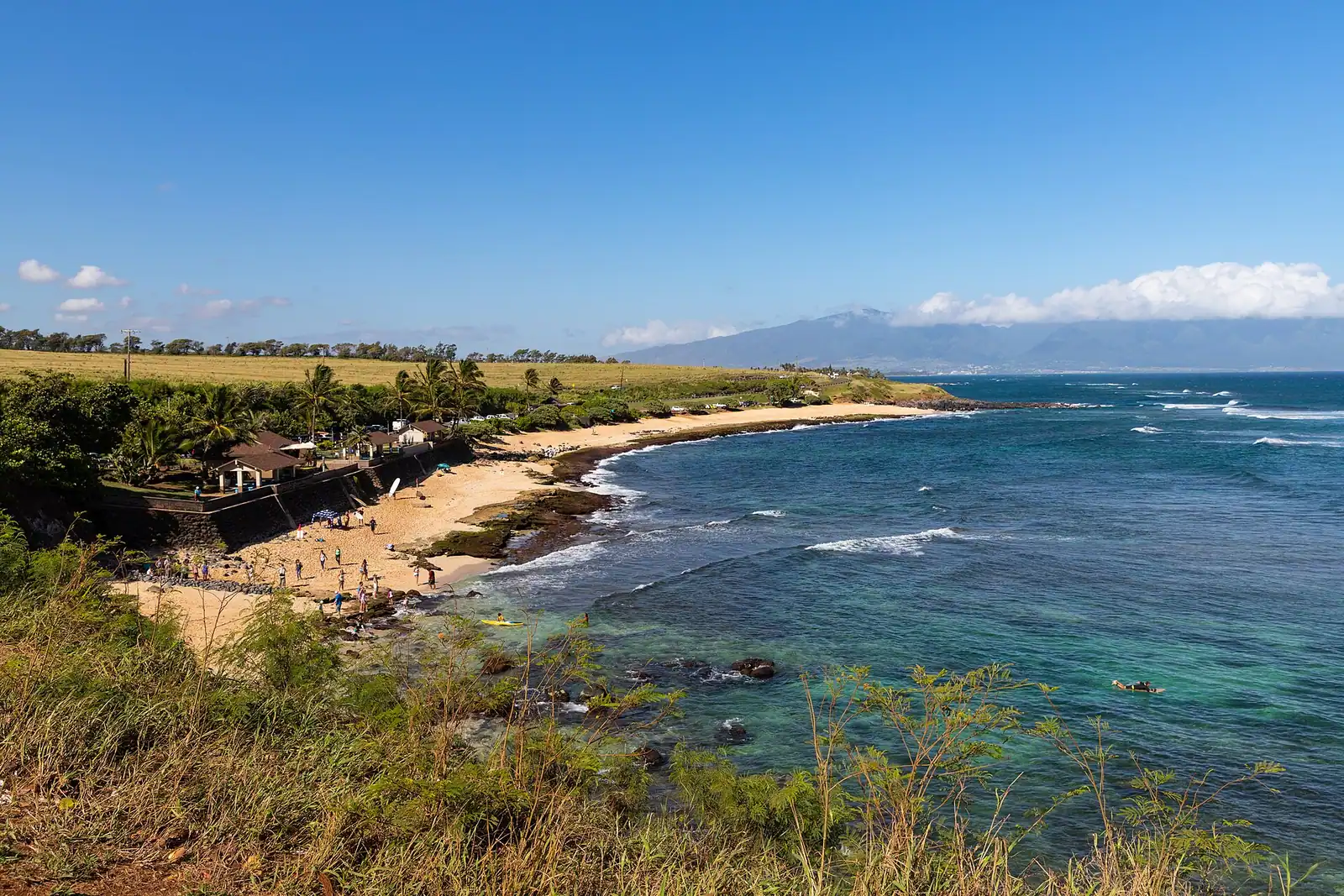
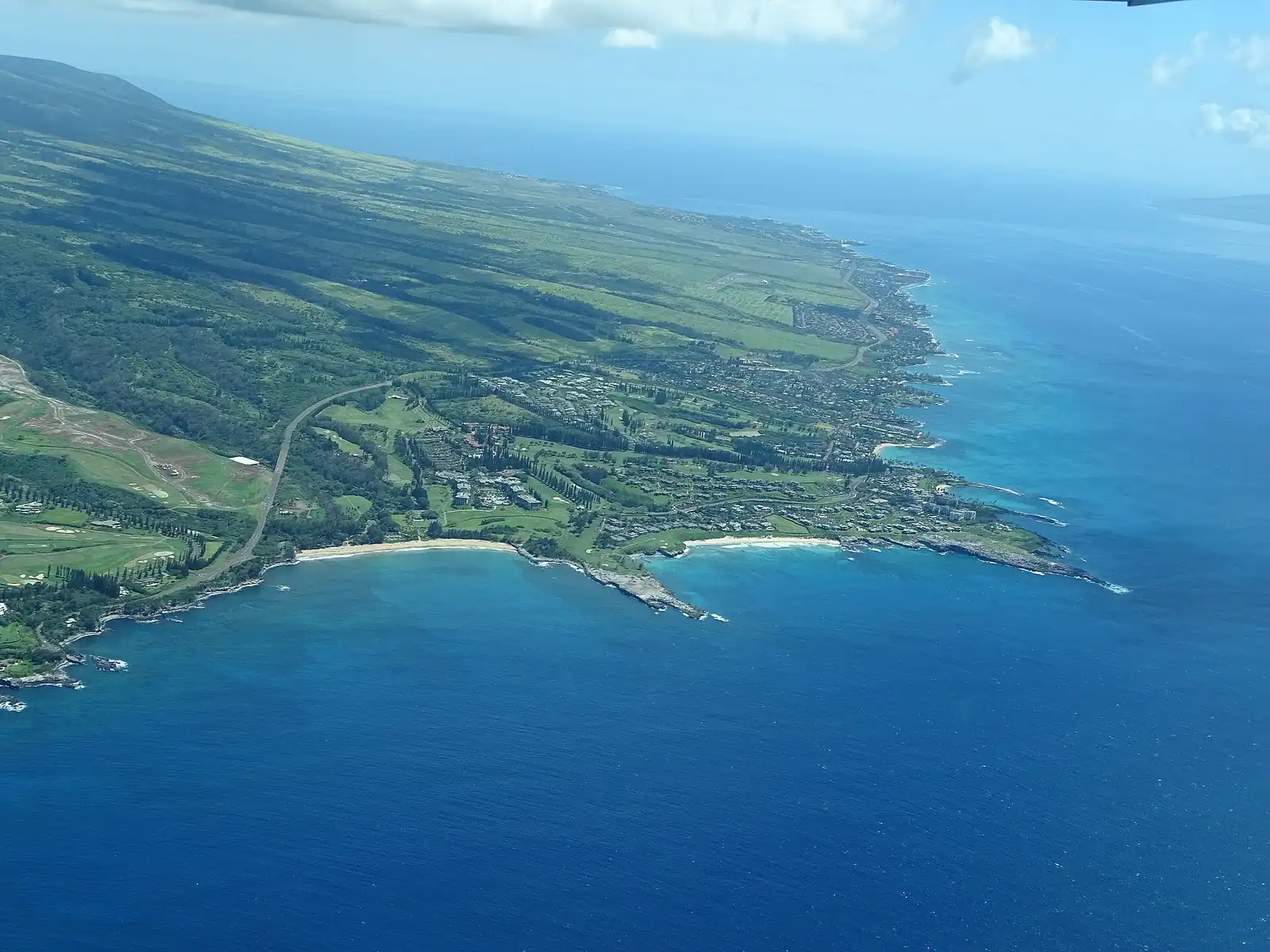
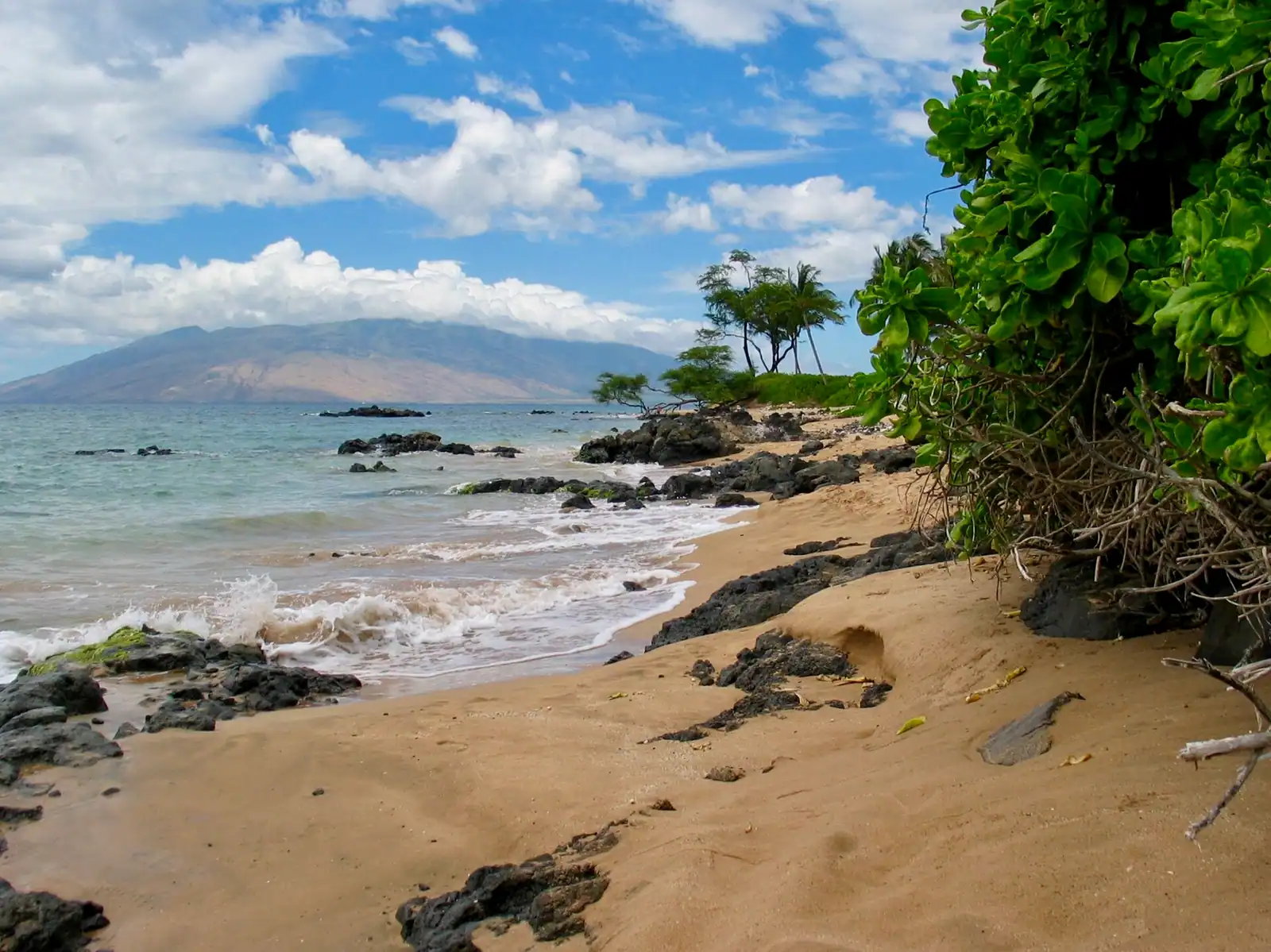
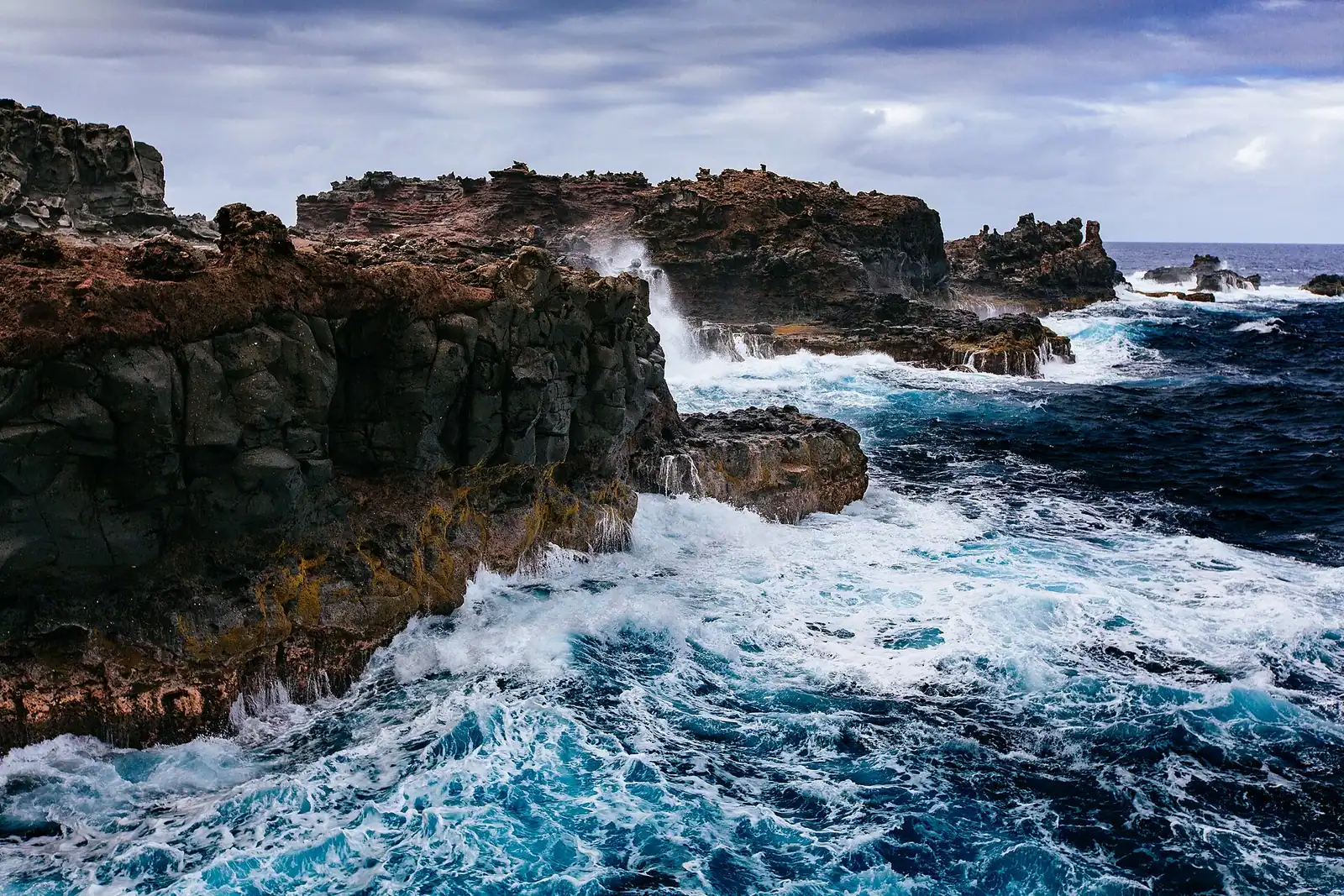
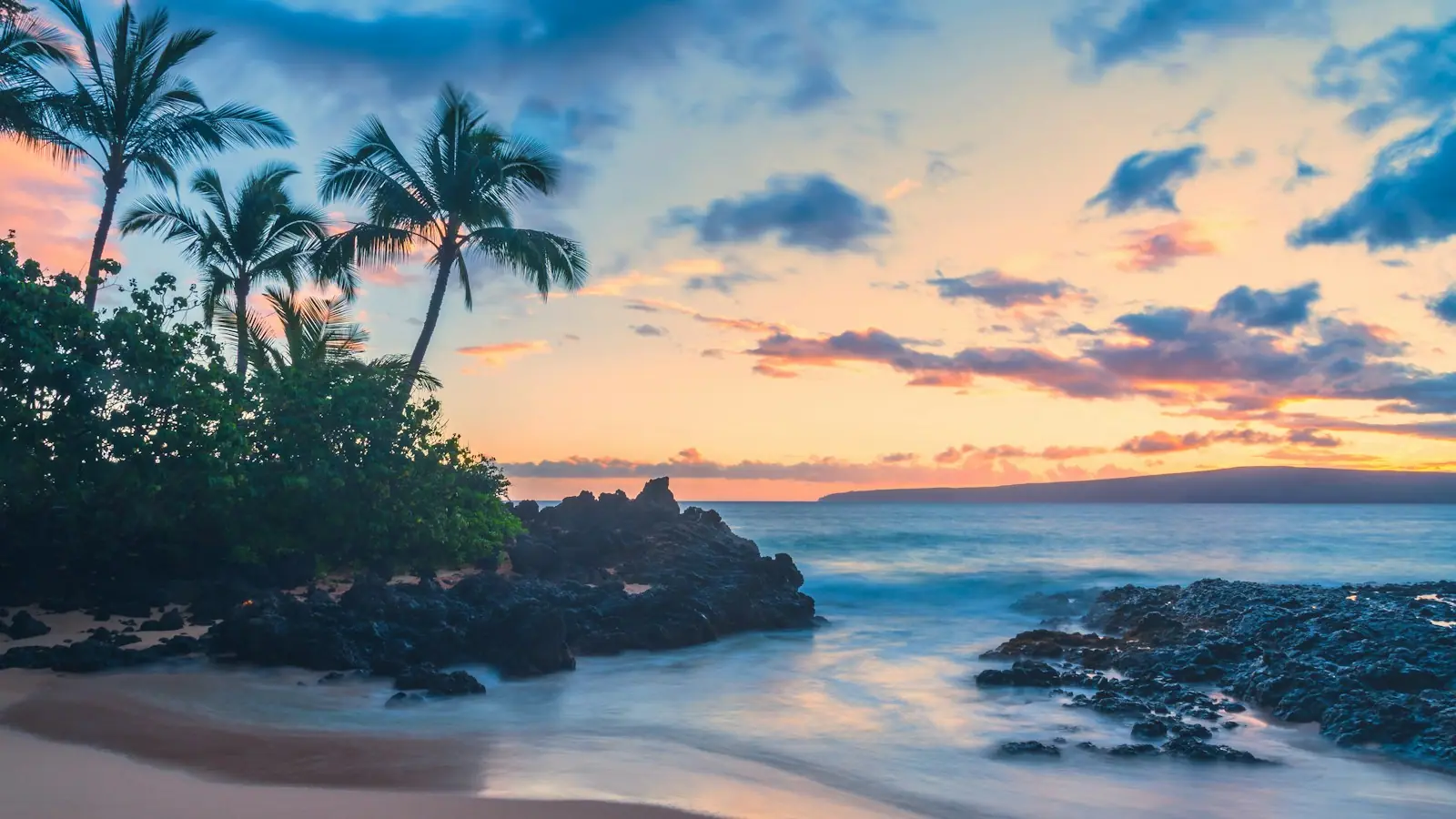
Late afternoon light on the coastline of Maui with volcanic rock shelves in the foreground and the West Maui Mountains behind

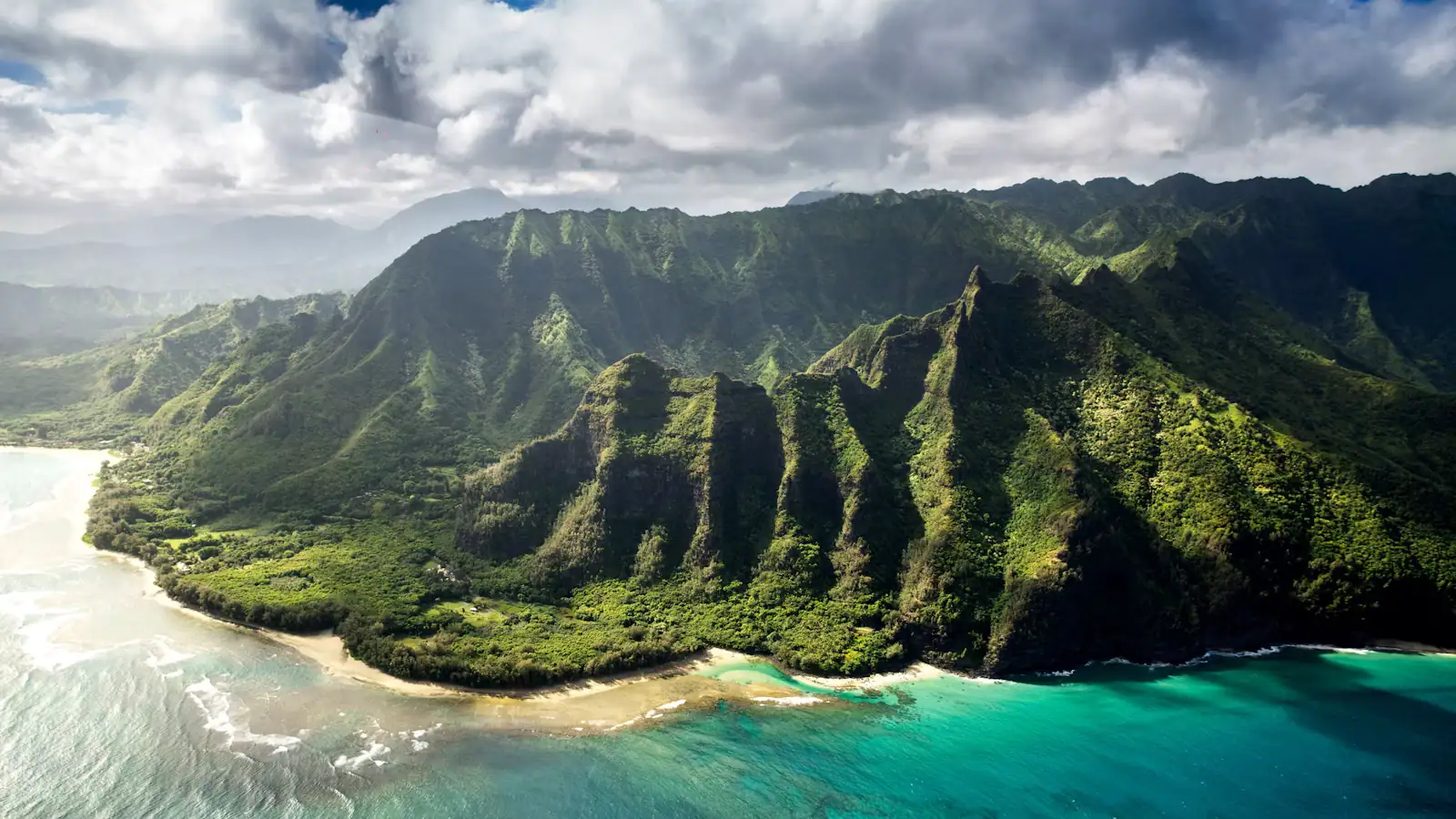
Maui is two volcanoes joined by a low, windy isthmus, and almost every planning mistake visitors make comes from forgetting that. The western half is Mauna Kahālāwai, the eroded West Maui Mountains, with Puʻu Kukui at about 5,788 feet and rainfall on its summit measured in hundreds of inches a year. The eastern half is Haleakalā, a single shield volcano that rises to 10,023 feet and takes up three quarters of the island. Between them sits the flat central plain where Kahului and Wailuku are, where the airport is, and where the last of the sugar cane was cut in 2016. That geography means you are always driving around something rather than across it.

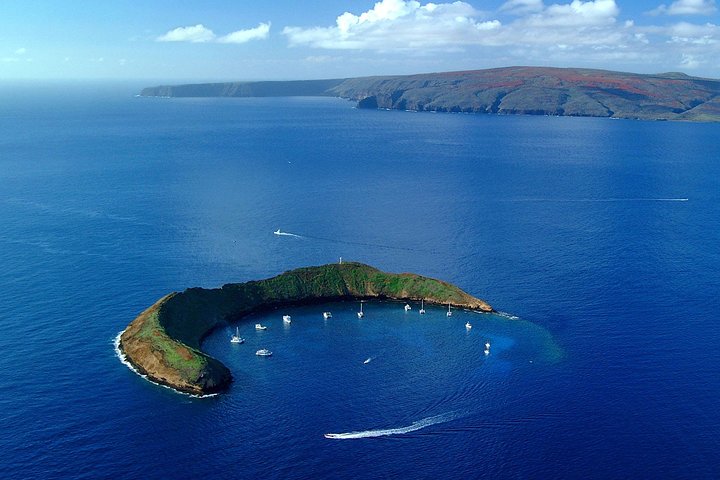
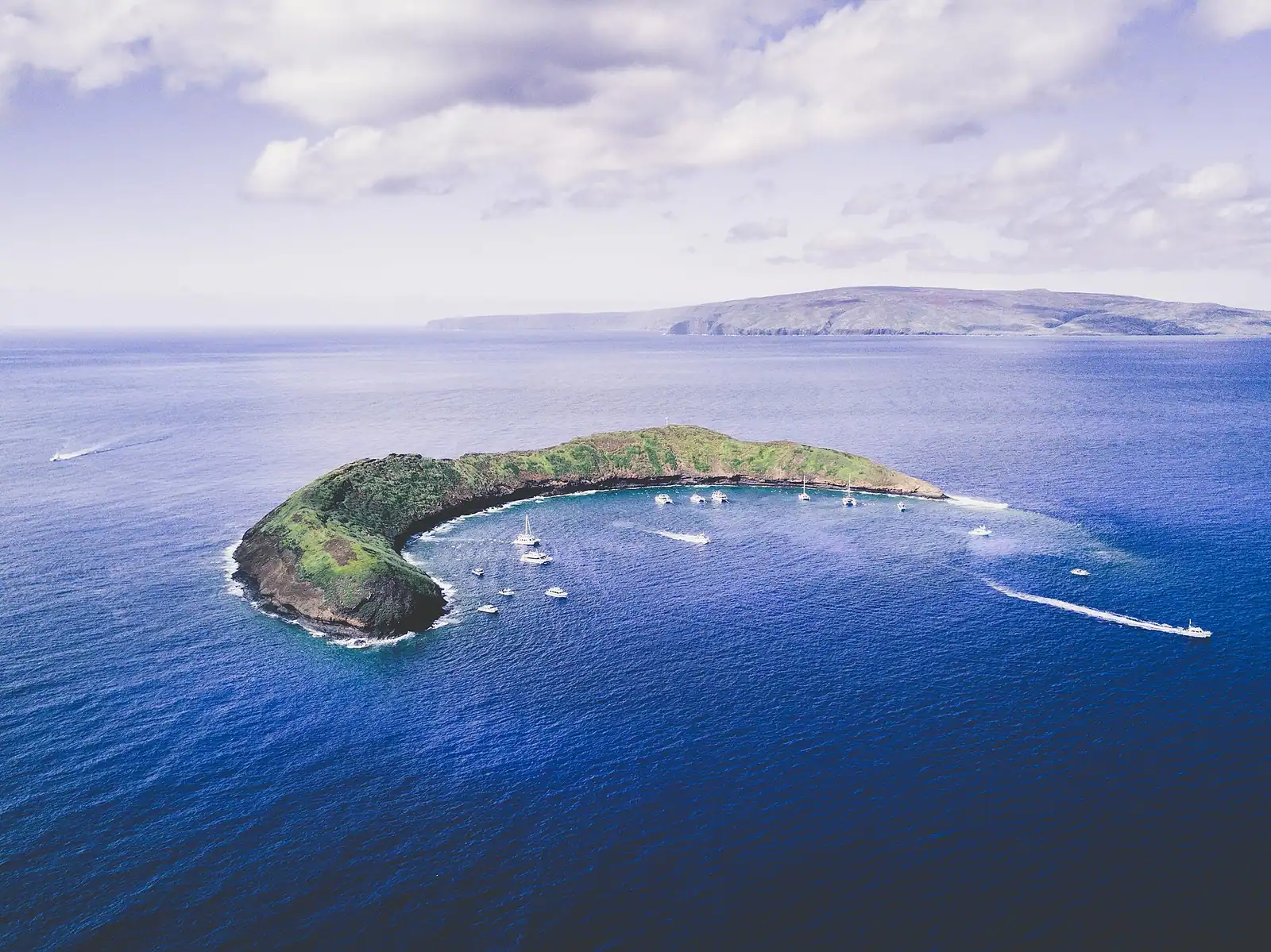
The practical consequence is that Maui rewards choosing a base and then accepting the drive. Kahului Airport, OGG, is roughly thirty minutes from Kīhei, closer to an hour from Kāʻanapali on a good run, and about two and a half hours from Hāna if you do not stop. Nobody stays near Haleakalā's summit, because there is nothing up there but the park. Nobody stays near Molokini, because it is a crescent of drowned crater rim about three miles off the Mākena coast. The island's two signature experiences are both early-morning, long-haul commitments, and they are on opposite sides of the mountain.

The second thing to understand is that Maui has quietly become a reservation destination. Sunrise at Haleakalā requires a timed permit booked through recreation.gov, separate from the park entrance fee, for any vehicle entering the summit district between 3am and 7am. ʻĪao Valley State Monument requires an advance booking for non-residents. So does Waiʻānapanapa State Park, the black-sand beach near Hāna, where the slot fills within minutes of release and roadworks have reduced the number available. None of these are expensive. All of them will quietly ruin a day if you turn up without one.

The third is money. Maui is the most expensive island in this network to book activities on by a wide margin. A typical bookable tour here sits around $200 a person, roughly three to four times what the same kind of half-day trip costs on a mainland barrier island, and close to a fifth of the inventory runs past $250. Helicopter flights, private Hāna drivers, luau tickets, Molokini charters and sunrise summit trips carry that average. There is a real free Maui underneath it, and our free things to do list is longer than you would expect, but the headline experiences are priced like the destination they are.

Then there is Lahaina, and it needs saying directly rather than in a footnote. The August 2023 wildfire destroyed the historic town and killed about a hundred people, the deadliest wildfire in the United States in over a century. Lahaina is a community rebuilding on the site of that, not a sightseeing stop. Front Street reopened to traffic between Pāpalaua and Shaw Streets on 1 August 2026 and a number of businesses have returned to it. Banyan Court Park is still closed, with viewing areas at the edge, and arborists do not expect general access to the tree before 2028. Several side streets remain shut for harbour dredging and construction. The way to be useful here is to spend money with Lahaina businesses that have reopened, and to not photograph the burn zone, empty lots or anybody's rebuilt home. Residents have been clear about that repeatedly.

Plan around distance, book the three reservations early, and Maui works. Treat it as an island you can improvise across in a week and you will spend the week in a rental car.
Our picks

The ones we would book

  • Editor's Pick

    The morning that defines the trip

    Why we chose it

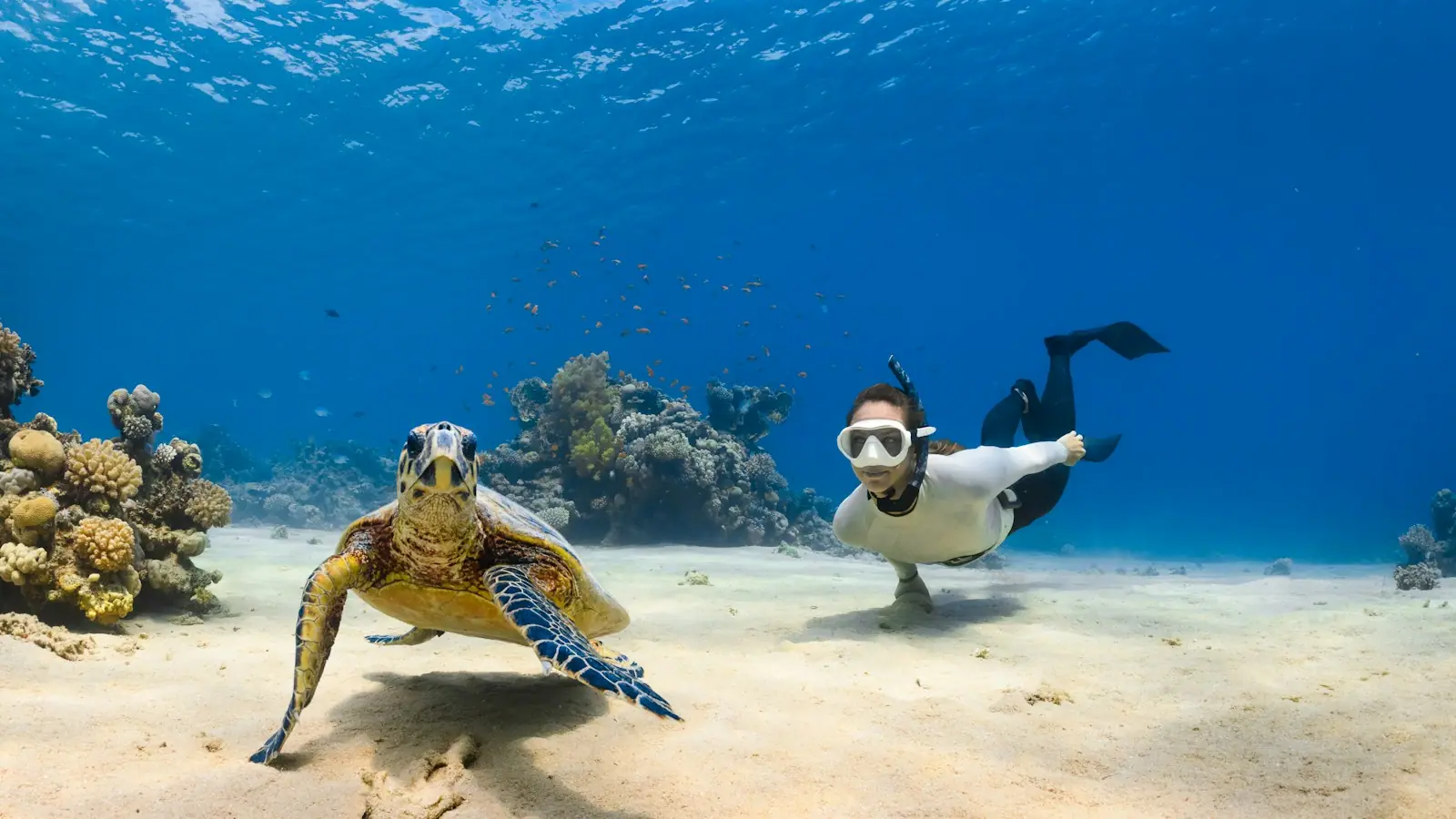
    A dawn departure to Molokini from Māʻalaea or the Kīhei ramp, before the trades fill in. The crater's inner arc is a Marine Life Conservation District with visibility that routinely exceeds 100 feet, and the boats that leave first get the flat water and the empty mooring. Look for a trip that also stops at Turtle Town on the run home.

  • Best for Families

    Works for a seven-year-old and a grandparent

    Why we chose it

    A larger catamaran on a half-day snorkel run solves the three things that sink family boat trips: shade, a real restroom and a stable deck. Crews carry flotation vests and boogie boards for children who will not put their face in the water, and the mid-morning departures are calmer than the afternoon ones.

    Maui Pineapple Farm Tour in Haliimaile

    Low Supplier Cancellation Rate

    Maui Pineapple Farm Tour in Haliimaile (opens in a new tab)

    Best for FamiliesFree cancellation
    3.1K reviews

    We welcome you to the one and only Maui Pineapple Tour! Situated in the historic town of Hali'imaile, this unique tour offers an insiders…

    1–2 hours

    Prices checked

    from $99.48
  • Best Value

    The cheapest ticket that still earns its place

    Why we chose it

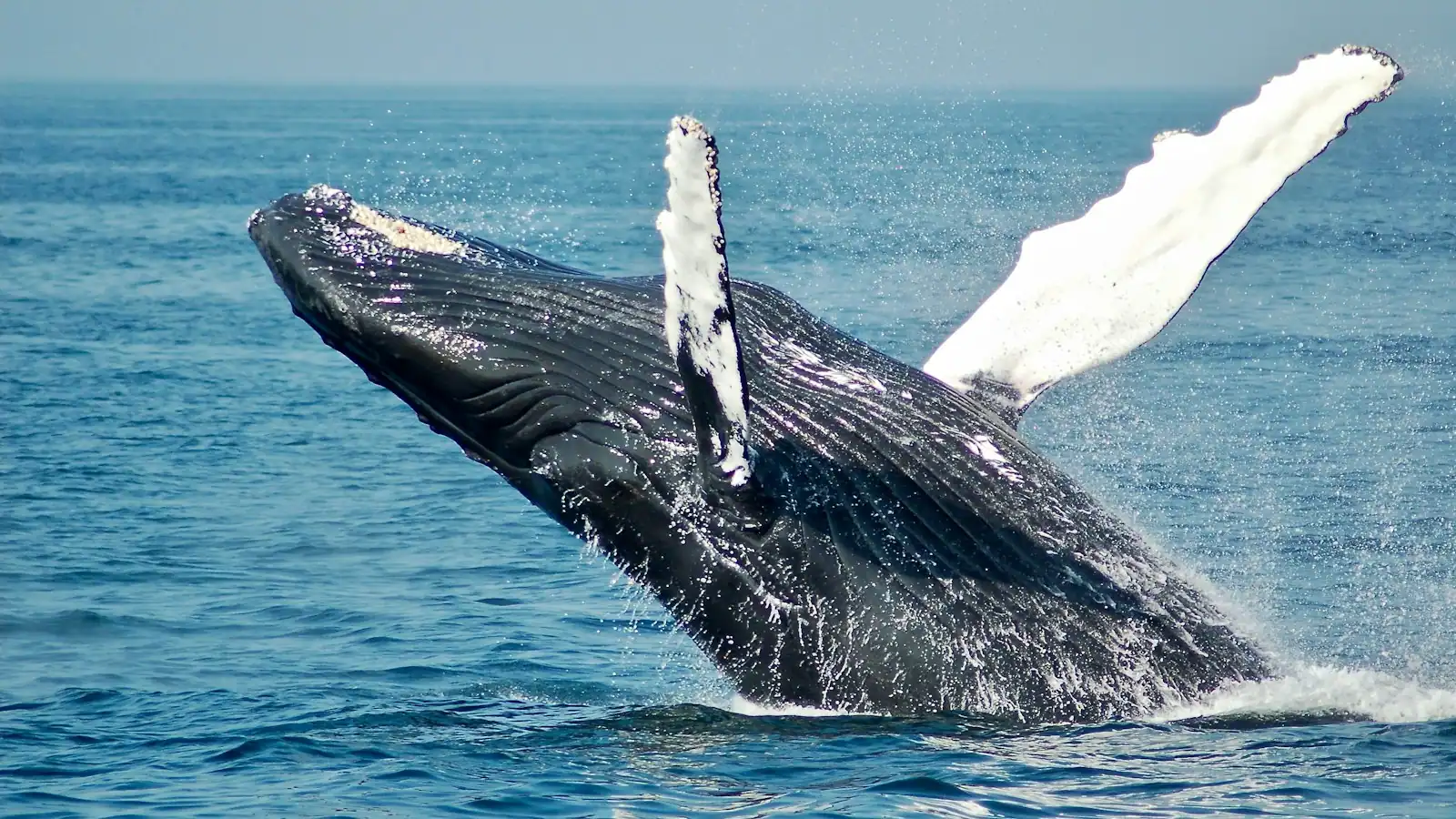
    Between December and April a two-hour whale watch is the best value on the island by a distance, sitting well below the roughly $203 median tour price here. The ʻAuʻau Channel holds the densest humpback breeding population in the country, so the sightings do not depend on the operator, only on the season.

    Maui Parasailing Experience from Ka'anapali

    Small Group

    Maui Parasailing Experience from Ka'anapali (opens in a new tab)

    Best ValueFree cancellationSmall group
    411 reviews

    Take in the sights as you soar up to 1,200 feet or 800 feet above the beautiful waters of Maui on this deluxe parasailing experience…

    1 hour

    Prices checked

    from $89.44
  • Luxury

    The one splurge that shows you something else

    Why we chose it

    A helicopter flight over the West Maui valleys reaches terrain with no road and no trail: the amphitheatre headwalls behind ʻĪao, waterfalls that only run after rain, and the sea cliffs of Molokaʻi across the channel. Expect $300 to $500 a seat, more doors-off, and book a morning slot before the clouds build on the windward wall.

  • Small Group

    For the Hāna day you do not want to drive

    Why we chose it

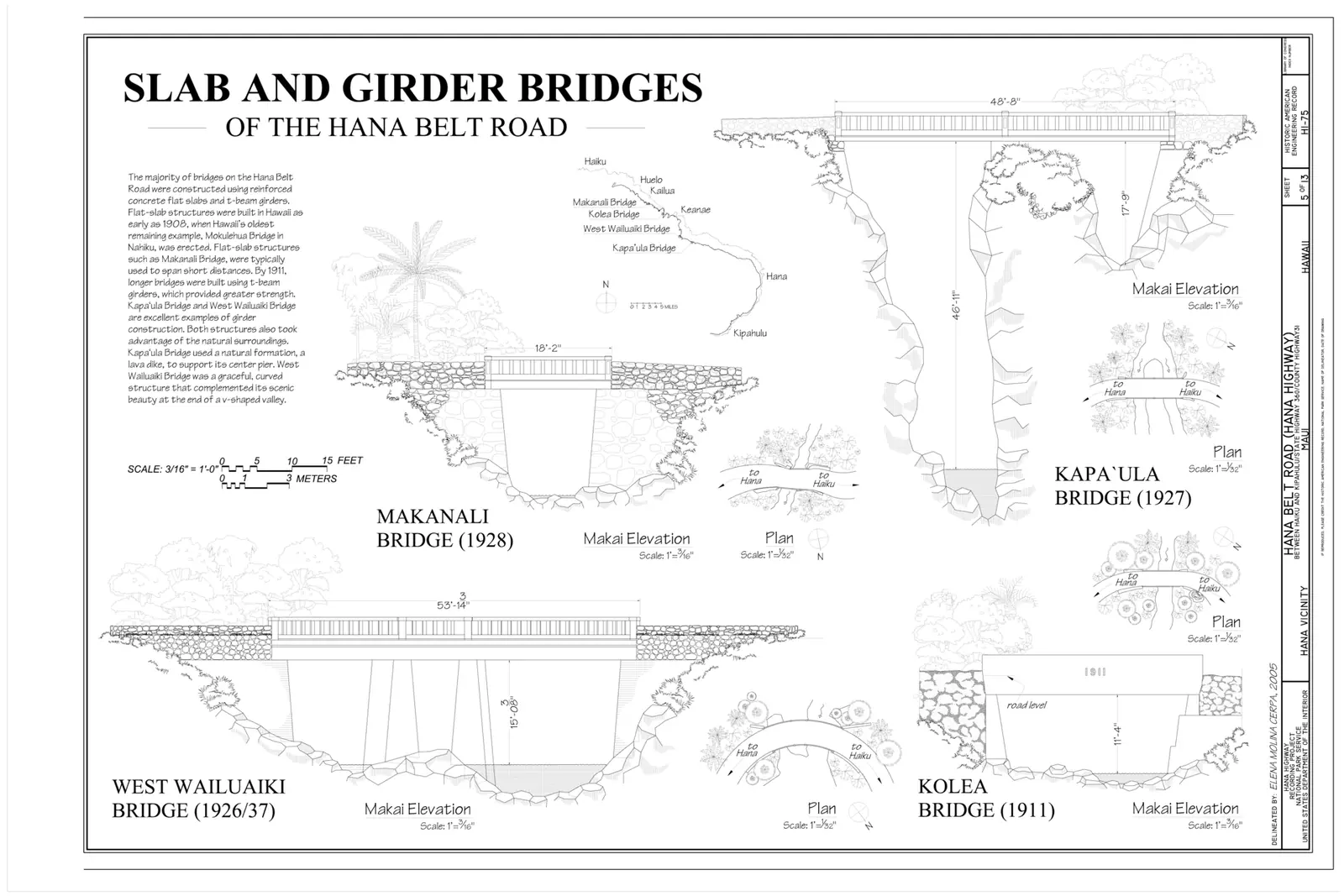
    A small-group van on the Hāna Highway hands the 600 curves and 59 one-lane bridges to somebody who drives them weekly, which changes the day for anyone prone to motion sickness. The good operators also carry the Waiʻānapanapa reservation, know which pullouts are legal, and stay out of residents' driveways.

  • Sunset

    For the last hour of the day

    Why we chose it

    The west and south shores both face the sunset, with Lānaʻi and Kahoʻolawe on the horizon, which is why the evening sail is Maui's other reliable booking. In whale season the same trip doubles as a whale watch, since the animals stay in the channel after the day boats have gone in.

The four things to book before you get on the plane

Local tips

Very little else on Maui needs advance planning. These four do, and three of them are free or nearly free.

Haleakalā sunrise permit. Required for every vehicle entering the summit district between 3am and 7am, booked through recreation.gov for a $1 reservation fee. The main release is 60 days ahead at 7:00am Hawaiʻi time, with a second batch of returned slots two days out at the same hour. The $30 three-day park entrance fee is separate, and fee-free days do not cover the sunrise window. Set an alarm for the 60-day mark.

Waiʻānapanapa State Park. The black-sand beach and sea cave near Hāna runs a timed-entry system for non-residents, currently around $5 a person plus $10 for the vehicle. Slots open 30 days out at midnight Hawaiʻi time and go quickly, and state roadwork that began in July 2026 has cut the number available. Book it the moment your Hāna day is fixed.

ʻĪao Valley State Monument. Non-residents need an advance booking, with parking charged per vehicle and a small per-person entry fee on top. It is ten minutes from Wailuku, which makes it the easiest thing to fit into an arrival or departure day.

Your luau, and the boat. Maui's best-known luau routinely sells out four to six weeks ahead, and morning Molokini departures thin out in the same window. If a luau is on the list at all, book it before the flights feel real.

Everything else, including most beaches, most trails, the Maui Ocean Center and the drive itself, works on the day.

A week on Maui, day by day

When to go

This is the shape that works. Move days for weather, not for convenience.

  • Day 1, arrival. Land at OGG, buy groceries in Kahului before you drive anywhere, and get to your base before dark. The Honoapiʻilani Highway to West Maui and the upper Pīʻilani Highway south towards Wailea are both unlit in places.
  • Day 2, your own beach. Stay local. South shore people swim at Keawakapu or Ulua, west shore people at Nāpili Bay or Kapalua Bay. Adjust to the time zone, which is a real five or six hours from the East Coast.
  • Day 3, on the water. A morning Molokini trip or a whale watch in season. Morning departures have the visibility and the calm; by early afternoon the trade winds have filled in and the crater chops up.
  • Day 4, Haleakalā. Either sunrise, with the permit and a 3am alarm, or the far more comfortable late-afternoon summit run. Bring actual winter clothing. It is regularly near freezing at 10,000 feet at dawn and the air holds about a third less oxygen than sea level.
  • Day 5, slow day. Upcountry for Makawao, the lavender farm at Kula and the wine estate at ʻUlupalakua, or a flat day on the sand. This is the day most people later say they should have had two of.
  • Day 6, the Road to Hāna. Leave at 7am, accept that it is a 10 to 12 hour day, and take the rental car contract seriously about which roads you are allowed on.
  • Day 7, the second water day, or the helicopter. A second snorkel, a surf lesson at Lahaina Breakwall or Kalama Park, or the flight over the West Maui valleys that nothing on the ground can show you.
  • Day 8, departure. ʻĪao Valley in the morning if your flight is late. It is fifteen minutes from the terminal.

Two structural notes. Do not put Haleakalā sunrise and the Road to Hāna on consecutive days, because the first ends with a 3am start and the second needs a driver who slept. And do not attempt the summit and Kīpahulu on the same day. They are both in the same national park and about three and a half hours apart by road.

The water is the reason, and the rules are not optional

Maui sits inside the ʻAuʻau Channel, the shallow shelf between Maui, Lānaʻi, Molokaʻi and Kahoʻolawe, and that shelf is the densest humpback breeding ground in the United States. Between roughly December and April, with the peak in January through March, several thousand whales are in these waters. You see them from the Pali lookouts on the way to Lahaina without paying anybody. Federal law keeps vessels 100 yards off, and boats are not permitted to chase or intercept, which is why a good captain shuts down and lets the animals choose.

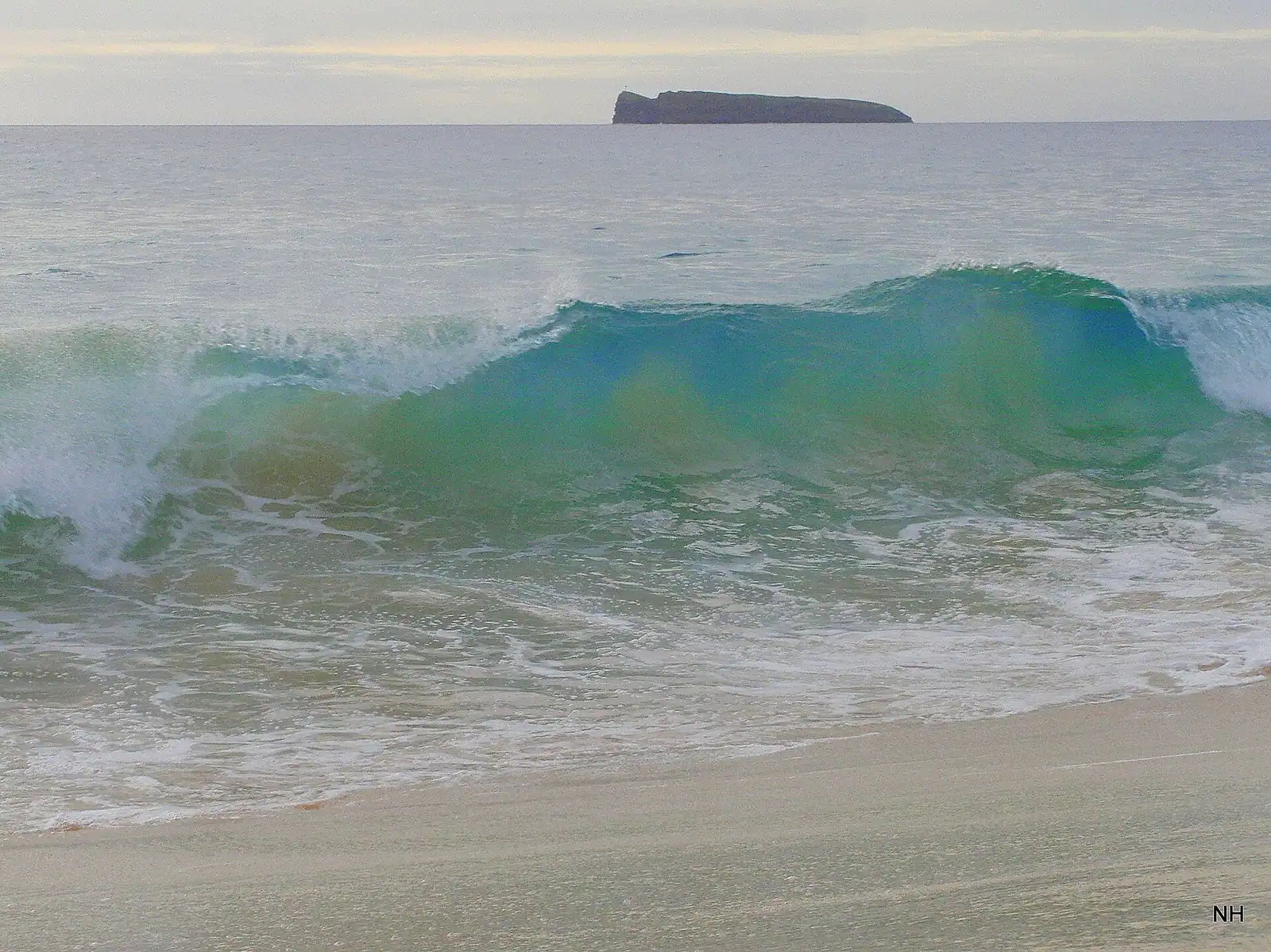
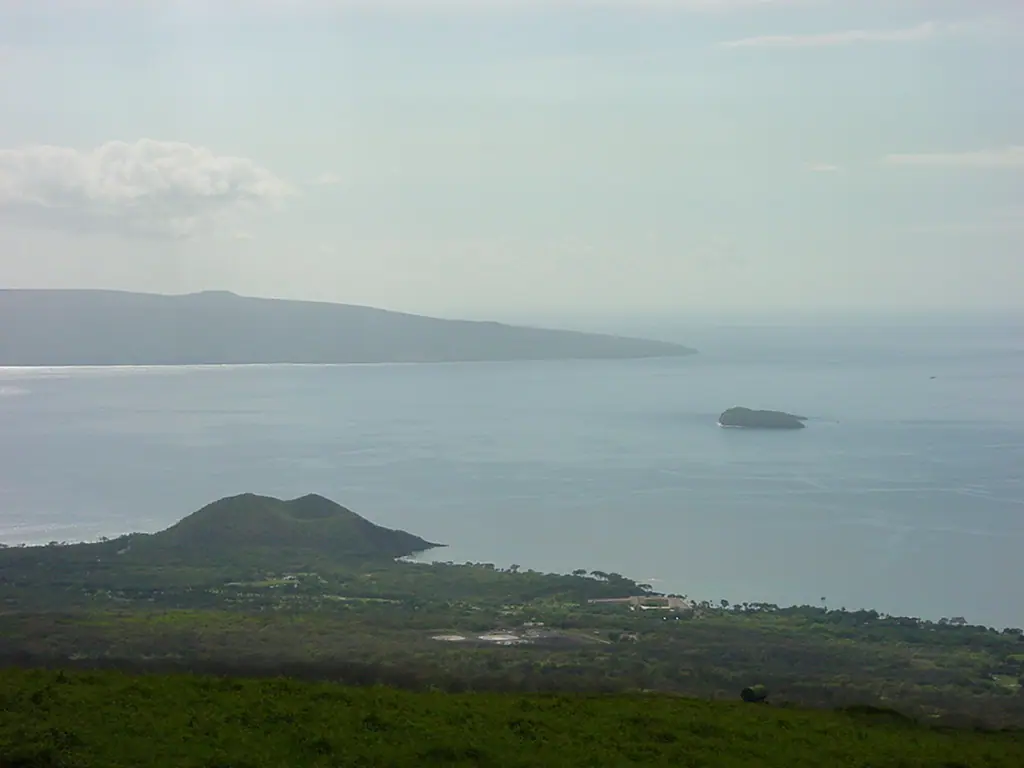
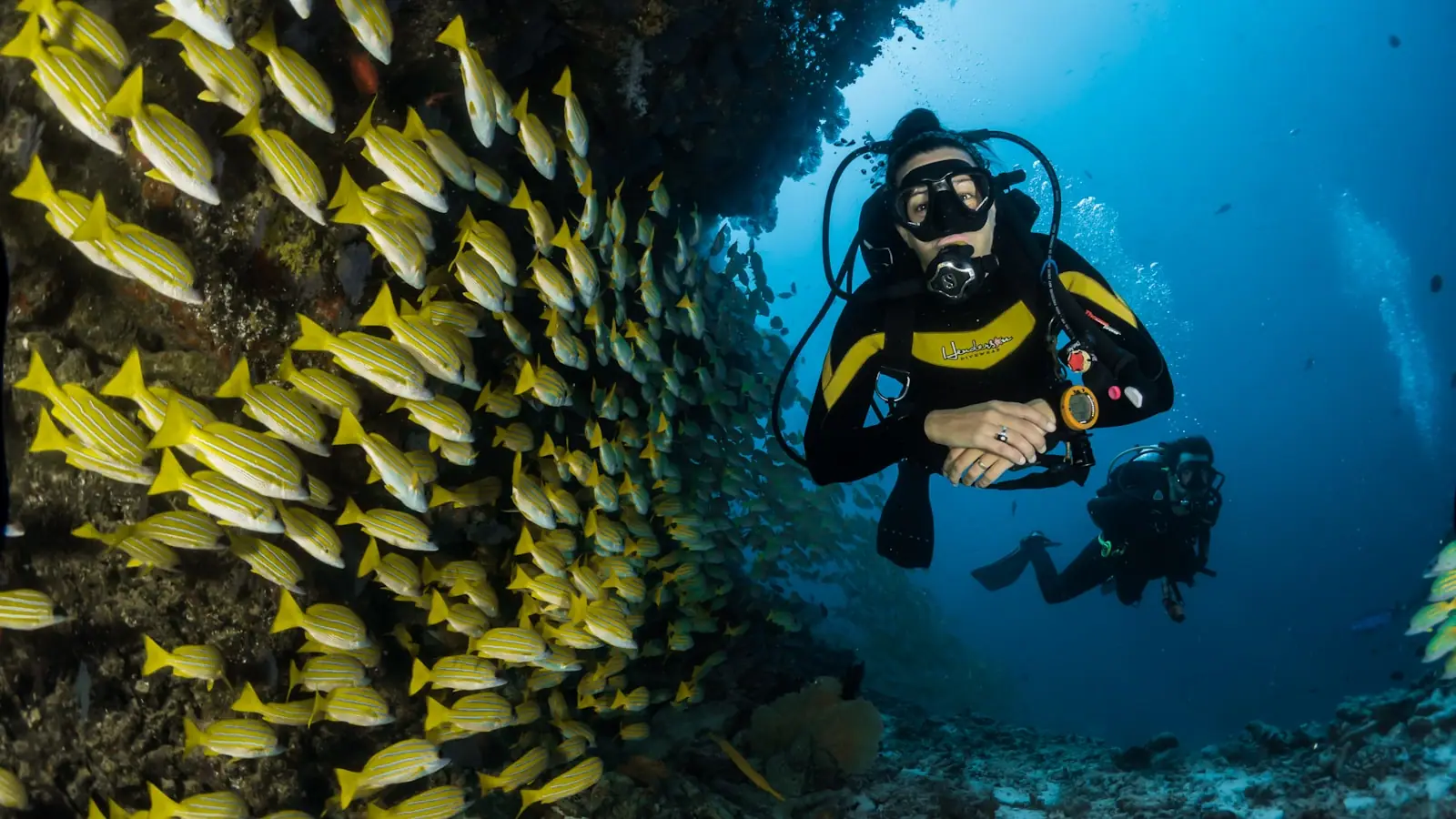
Molokini is the other headline. It is a partly submerged volcanic crater about three miles off the Mākena coast, a Marine Life Conservation District, with visibility that regularly runs past 100 feet inside the arc. Go in the morning. Trade winds build through the day and the difference between a 7am and a 1pm trip is not subtle.

For snorkelling you can do from the sand, Honolua Bay in summer, Olowalu around mile marker 14, Ulua and Mokapu in Wailea, and Kapalua and Nāpili bays on the west side all work. Honolua flips entirely in winter, when north swell turns it into a surf break. Hoʻokipa is for watching rather than swimming, with windsurfers on the water most trade-wind afternoons and green sea turtles hauling out on the east end of the beach later in the day.

Three rules that carry real fines and real consequences. Keep 10 feet from a honu, the green sea turtle, and 50 feet from a Hawaiian monk seal, more if there is a pup. Maui County requires mineral-only sunscreen, zinc oxide or titanium dioxide, and the ordinance covers use rather than just sale. And Mākena's Big Beach breaks directly onto the sand with enough force to put people in hospital with neck and shoulder injuries every year. It is a beautiful place to sit and a genuinely dangerous place to body-surf.

Upcountry, which almost nobody plans for

Drive from Pāʻia up Baldwin Avenue for twenty minutes and the island changes entirely. Makawao is a paniolo town, built by Hawaiian cowboys who were working cattle here decades before the American West had a cattle industry, and it still has the wooden storefronts, a rodeo arena and the best cream puffs on the island at the old bakery on the corner. Above it, Kula sits around 3,000 feet where the air is cool enough for jumpers at night and the farms grow protea, lavender, onions and coffee.

The things worth the drive: Aliʻi Kula Lavender, with a hillside of it and a view across the isthmus to the West Maui Mountains; Maui Wine at ʻUlupalakua, which makes a pineapple wine that sounds like a novelty and is not, in the old ranch manager's cottage; the Kula Botanical Garden; and Surfing Goat Dairy, which is a working farm that will let children feed goats.

Two practical arguments for Upcountry. It is the sensible staging area for a sunrise summit run, because it removes forty minutes from a 3am drive. And it is the reliable escape when the coast is hot and crowded, because at 3,000 feet the afternoon is fifteen degrees cooler and there is no one there.

Below it, on the coast, Pāʻia is the other half of the same day. It was a sugar town, it became a windsurfing town, and it is now the last place with a supermarket, a petrol station and a decent breakfast before the Hāna Highway starts. Fuel up here, both kinds.

What Maui actually costs

What it costs

Treat every figure as a band and confirm current pricing before you book. Maui is priced at the top of the US domestic market and nothing here is a bargain by mainland standards.

Free. Every beach in Hawaiʻi is public to the high-water mark, and access easements are required at resorts, so Wailea's and Kāʻanapali's beaches are open to you whatever the hotel frontage suggests. Whale watching from the Pali lookouts and from Papawai Point in season. The Kāʻanapali beach walk. Hoʻokipa's turtles. Baldwin Beach. Sunset anywhere on the west or south shore. A full list runs longer than most visitors expect.

Under $40. State park entry and parking, which is where ʻĪao and Waiʻānapanapa land per person. The $30 national park vehicle pass for three days at Haleakalā, plus the $1 sunrise permit. Maui Ocean Center sits above this band but is the one reliable wet-weather ticket.

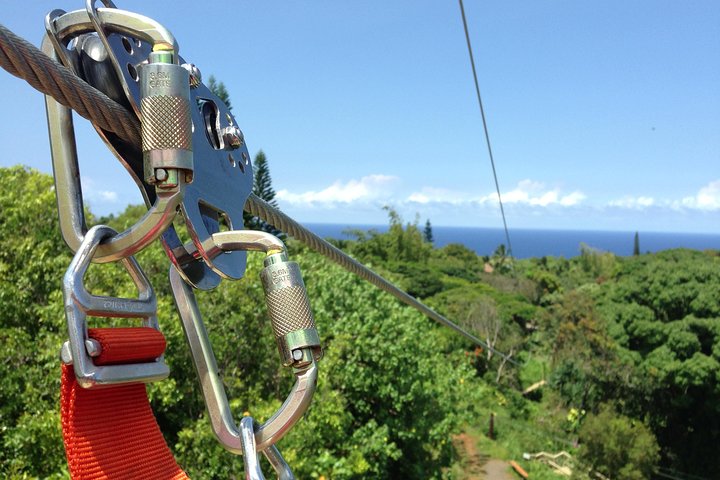
$100 to $200. The middle of Maui's market and where the median tour sits at roughly $203. A shared Molokini snorkel trip, a whale watch at the cheaper end, a zipline course, a group surf lesson, a downhill bike ride from the summit, a sunset sail.

$200 to $400. Luau tickets for the well-known shows, premium small-group Molokini boats, guided Road to Hāna van tours, and most helicopter flights, which start around $300 and climb past $400 for doors-off or a landing.

$500 and up. Private Hāna drivers, private charters, and anything that puts a boat or an aircraft under your party alone. Around 18% of the bookable inventory on the island sits above $250 a head, which is the highest proportion of any destination we cover.

The unavoidable costs people forget: a rental car for the entire stay, resort parking that is often charged nightly on top of the room, and the fact that groceries on an island 2,400 miles from the mainland cost what they cost.

Book it

Everything else we track

Booking through these earns us a commission from Viator. You pay the same, and payment did not decide what is listed.

Sharing, or having it to yourselves

Most of what is bookable here sells two ways, and the cheaper one is not always the cheaper one. A shared departure is priced per person; a private booking is priced for the party, so the arithmetic flips somewhere around four to six people — and it is the only version where you pick the time. Check the party size each listing actually covers before you decide.

  • Book a seat

    A shared departure, priced per person. The cheapest way to do this for one or two people.

    'Alihilani Lahaina Sunset Sail

    Short term availability

    'Alihilani Lahaina Sunset Sail (opens in a new tab)

    Free cancellationInstant confirmation
    199 reviews

    We pride ourselves on sailing, so enjoy the natural sounds as we turn of our motors and raise our sails. Our spacious catamarans make for…

    2–3 hours

    Prices checked

    from $117.30
  • Book the whole thing

    Priced for the party rather than the seat, and you choose the departure time.

    Epic Waterfall Adventure, the Best of Maui

    Short term availability

    Epic Waterfall Adventure, the Best of Maui (opens in a new tab)

    Free cancellationPrivate tour
    352 reviews

    Only tour company on Maui that offers optional cliff jumping into Waterfalls, go pro photography, and videography! This personalized…

    3–4 hours

    Prices checked

    from $179.40Usually $299

The five Mauis, and how far apart they are

How they compare

Locals talk about sides of the island rather than towns, and the drive times are the real currency.

RegionWhat it isFrom OGGSuits
Central (Kahului, Wailuku)The airport, the supermarkets, the hospital, ʻĪao Valley, the arts centre. Working town, not a resort0–15 minArrival night, ʻĪao Valley, anything practical
South (Kīhei, Wailea, Mākena)Driest, sunniest, flattest. Kīhei is the affordable end, Wailea the luxury end, Mākena the wild end25–40 minMolokini and snorkel trips, reliable sun, families on a budget
West (Lahaina, Kāʻanapali, Kapalua)The resort coast north of Lahaina. Kāʻanapali and Kapalua hotels, Honolua Bay at the top45–70 minWhale season, sunset, luaus, calm swimming bays
Upcountry (Pāʻia, Makawao, Kula, ʻUlupalakua)The slopes of Haleakalā from about 1,000 to 4,000 feet. Cool, green, agricultural20–50 minFarms, wine, a jumper in the evening, sunrise staging
East (Hāna, Kīpahulu)The wet windward side down the Hāna Highway. Another world and another climate150+ minOne long day, or two nights if you can afford them

Two distances people underestimate. Kīhei to Kāʻanapali is about 45 minutes and involves the Honoapiʻilani Highway along the Pali, which is the only road in and out of West Maui and closes occasionally for rockfall and brush fires. And the Kīpahulu district of Haleakalā National Park, where ʻOheʻo Gulch and the Pipiwai Trail are, is roughly ten miles past Hāna town. It is not a detour from the summit. It is a separate day on a separate road, about three and a half hours from the crater rim.

Lahaina: what is open, and how to be a decent visitor

Before you book

The 2023 wildfire destroyed historic Lahaina town and killed around a hundred people. What follows is where things stood as this page was updated, and it is worth re-checking, because the picture changes.

Open. Front Street reopened to vehicles between Pāpalaua Street and Shaw Street on 1 August 2026, with a repaired seawall, new plantings on the ocean side and fencing around the areas that are still off limits. More than a dozen businesses, including a marketplace and long-standing restaurants, have reopened along it. Lahaina Harbor has been running a phased, limited reopening since December 2025, with daylight-hours operations while maintenance dredging continues; some snorkel, whale and sailing boats depart from there again, and many operators are still working out of Māʻalaea.

Not open. Banyan Court Park remains closed. The banyan survived and has pushed new canopy, but arborists are still assessing internal damage and the county has pushed likely public access back to 2028 at the earliest. There are designated viewing points at the edge of the park. Market Street, Papelekane Street and Mokuhinia Place are closed for ongoing work.

What residents ask. Do not drive through residential streets to look. Do not photograph the burn zone, empty lots, construction sites or rebuilt homes. No drones. Stay on the other side of every barrier, including the ones that look pointless. Do not open a conversation with someone who lives here by asking where they were that day.

What actually helps. Spend money in Lahaina businesses that have reopened, book West Maui operators, and stay on the west side rather than avoiding it. The community asked visitors to come back to West Maui deliberately, because the jobs are here. Being welcome and being careful are not in tension.

Haleakalā or Hāna: how to choose if you only get one

How they compare

Most one-week visitors do both. Most four-day visitors should do one, and the honest answer depends on who is in the car.

Haleakalā summitRoad to Hāna
The day3am start for sunrise, home by 10am; or a 3pm start for sunset with no permit needed7am start, back around 6 or 7pm
The driveAbout 90 minutes from Kahului, 10,023 feet of climb, 30-odd switchbacksAbout 64 miles, roughly 600 curves, 59 bridges, most of them one lane
Booked aheadSunrise permit required, released 60 days outWaiʻānapanapa slot required if you want the black-sand beach
ConditionsNear freezing at dawn, thin air, altitude headaches are commonRain is likely, the road is wet, and the curves make passengers sick
Best forAnyone who wants the single most unearthly view in HawaiʻiAnyone who prefers the journey to the destination
Skip ifYou have heart or breathing conditions, or a toddler who will not sleep in the carYou get carsick, or you cannot let go of an itinerary

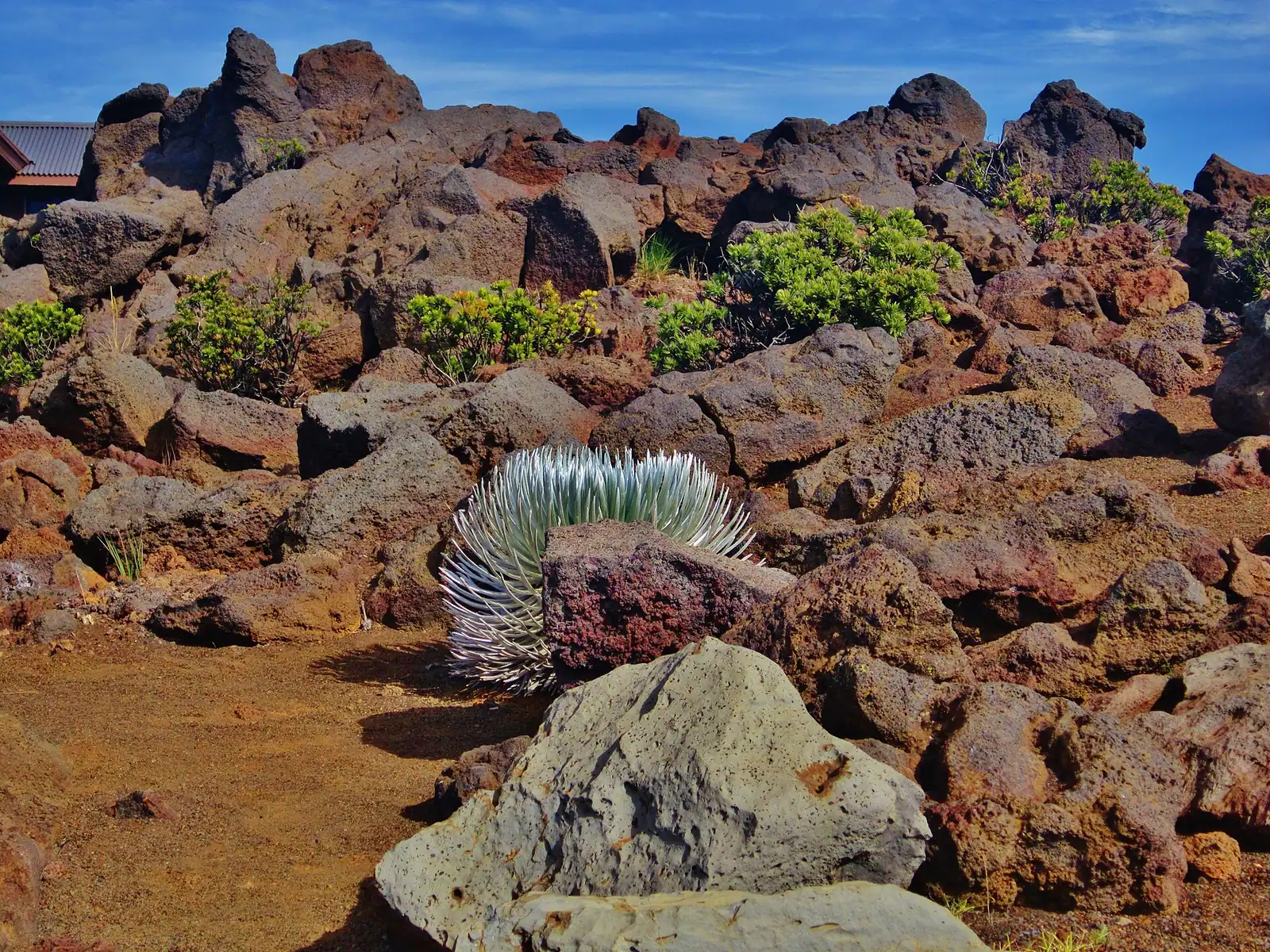
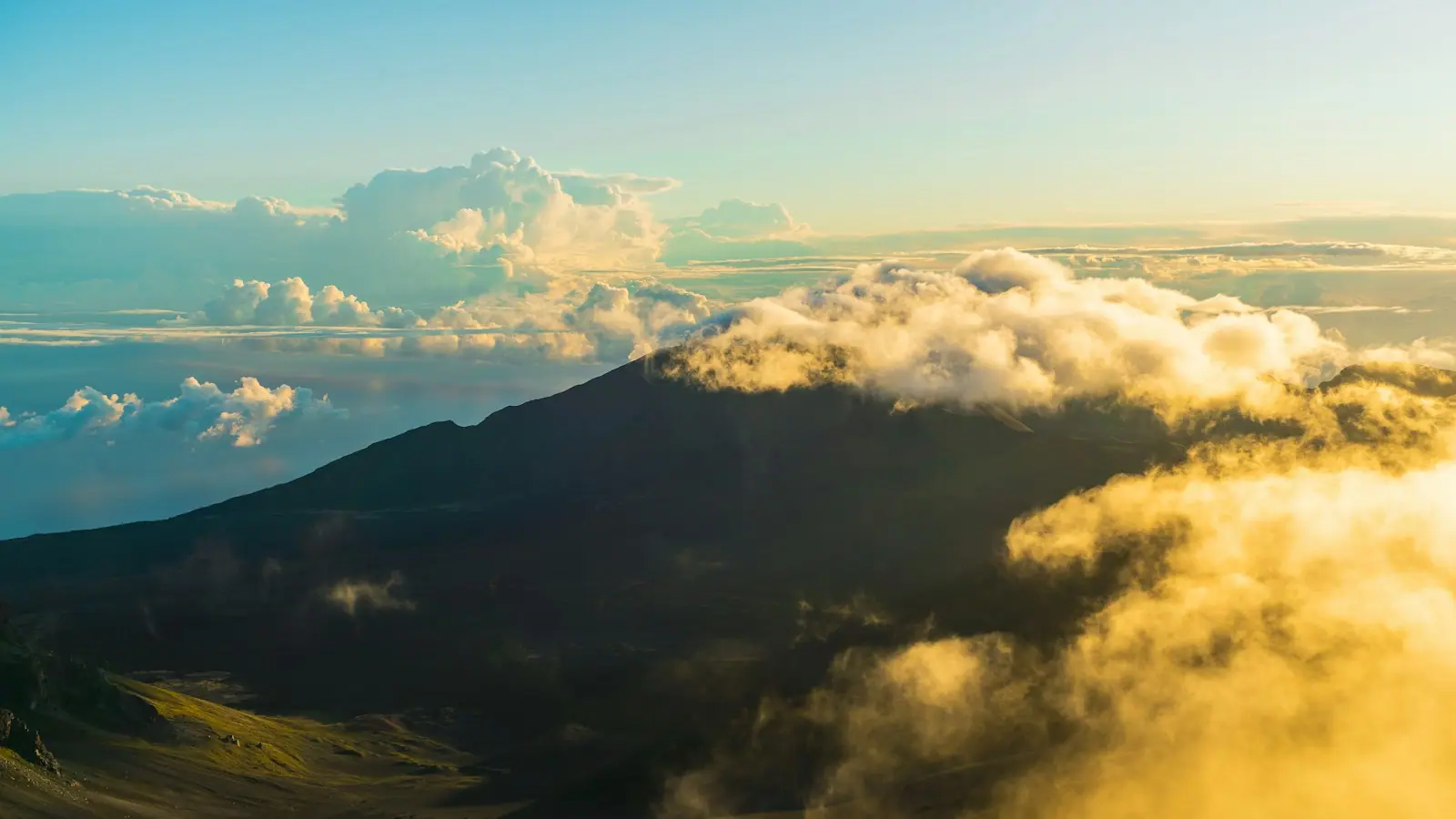
The summit is a landscape without an equivalent: a seven-mile-wide erosional basin of red and black cinder cones, silverswords that grow nowhere else on earth, and on a clear morning Mauna Kea and Mauna Loa floating above the cloud deck on Hawaiʻi Island. Sunset up there is almost as good, involves no permit and no 3am alarm, and almost nobody does it.

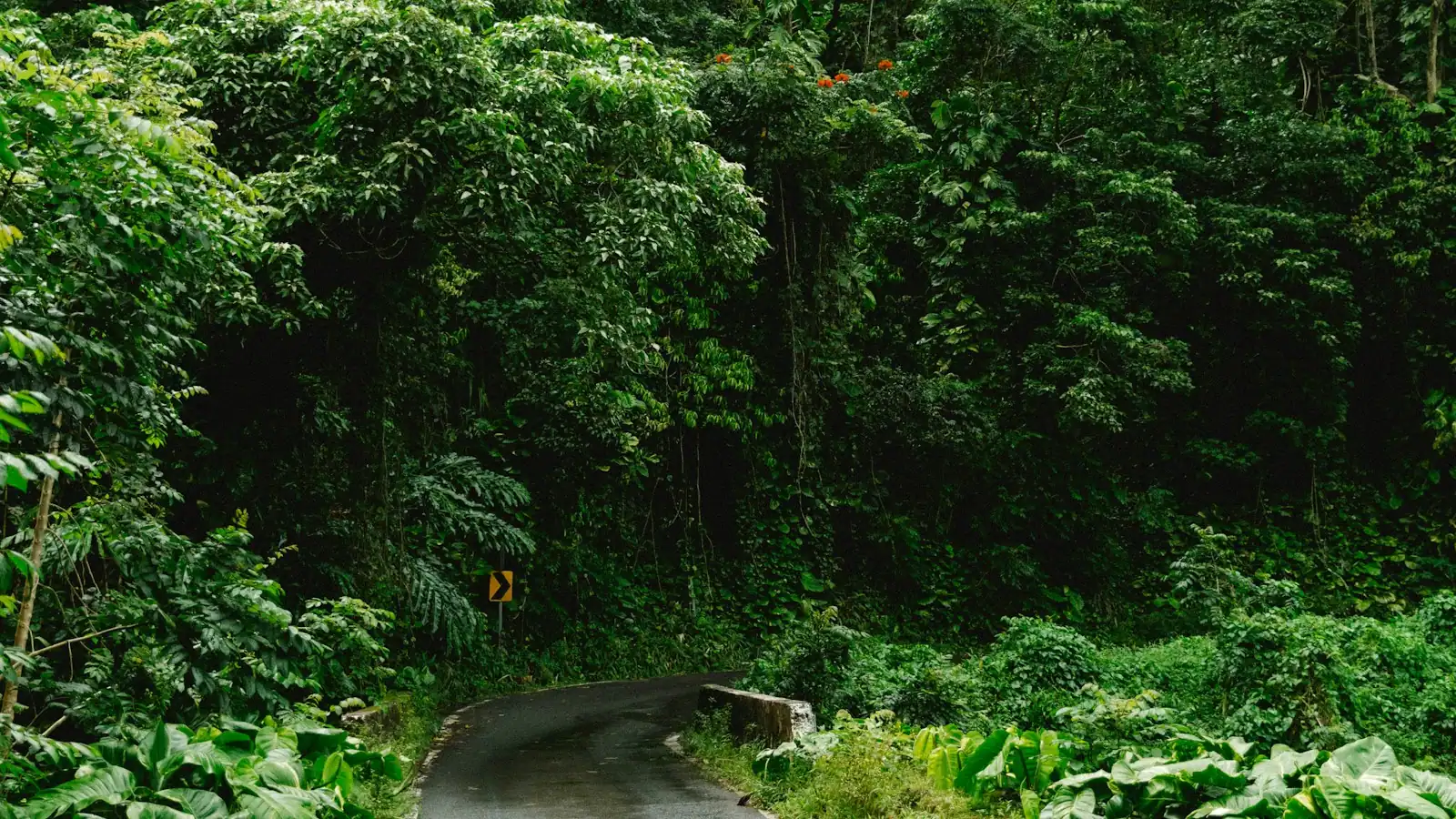
Hāna is not a destination you arrive at so much as a road you spend a day on. People live along it. The etiquette is simple and it is noticed: pull over and let local traffic pass, take turns at the one-lane bridges, park only in actual pullouts, and do not walk onto private land for a waterfall photograph. Our driving guide covers the stops in order.

What to skip

Before you book

A guide that likes everything is no use to anybody.

Driving to Hāna and back in a half day. People try. The road does not care. If you leave at noon you will be driving the curves in the dark on the return, which is how rental cars end up in ditches.

Body-surfing Big Beach at Mākena. The shorebreak dumps straight onto a steep sand face and injures people every year, including strong swimmers. Swim at Keawakapu or Ulua and admire Mākena from the sand.

The summit and Kīpahulu in the same day. They are in the same national park and the same drive apart as Boston and New Hampshire's White Mountains. Pick one.

Photographing the Lahaina burn zone. This is the clearest single thing residents have asked visitors not to do. It includes drone footage, roadside phone shots and anything of a rebuilt home.

Booking Molokini for the afternoon. The trade winds fill in by late morning and the same boat, the same crater and the same price buy you a rougher ride and worse visibility.

The Kahekili Highway around the north of West Maui, unless you mean it. The scenery is extraordinary and it is genuinely one lane with no guardrail in places, and most rental agreements exclude it. Two hours of concentration, not a scenic loop.

Assuming you can do it without a car. Maui Bus exists and is cheap, but it does not go to Haleakalā, Hāna, Molokini's harbours or most trailheads. See getting around for the honest version.

Touching a turtle. The 10-foot rule is federal and state law, and volunteers do enforce it at Hoʻokipa, where the turtles haul out most afternoons.

On the ground

Where to go

Every place below has its own page — hours, parking, what it costs and what to expect when you get there.

  • Bare volcanic cinder cones on a high crater floor under early morning light

    Park

    Haleakalā National Park

    A 10,023-foot volcano with a reservation system at the gate and a second district four hours away on the far side of the island.

    3–8 hoursAround $30 per private vehicle, valid three days and covering both districts. Sunrise entry needs a separate $1 reservation.

  • A narrow road curving through dense green rainforest

    Landmark

    The Road to Hāna

    Free

    Sixty-four miles, 620 curves and 59 bridges — and a road that several hundred people use to get to work.

    8–12 hoursThe road itself is free. Several stops along it charge for parking or entry.

  • Reef fish over coral in very clear blue water

    Nature preserve

    Molokini Crater

    A sunken crescent of volcanic rock three miles offshore, with water clear enough to see the bottom from the deck.

    4–6 hoursNo entry fee to the conservation district itself; access is entirely through paid boat charters, which on Maui sit at the premium end of the market.

  • A long dry-stacked wall of fitted dark volcanic stone rising in stepped terraces

    Historic site

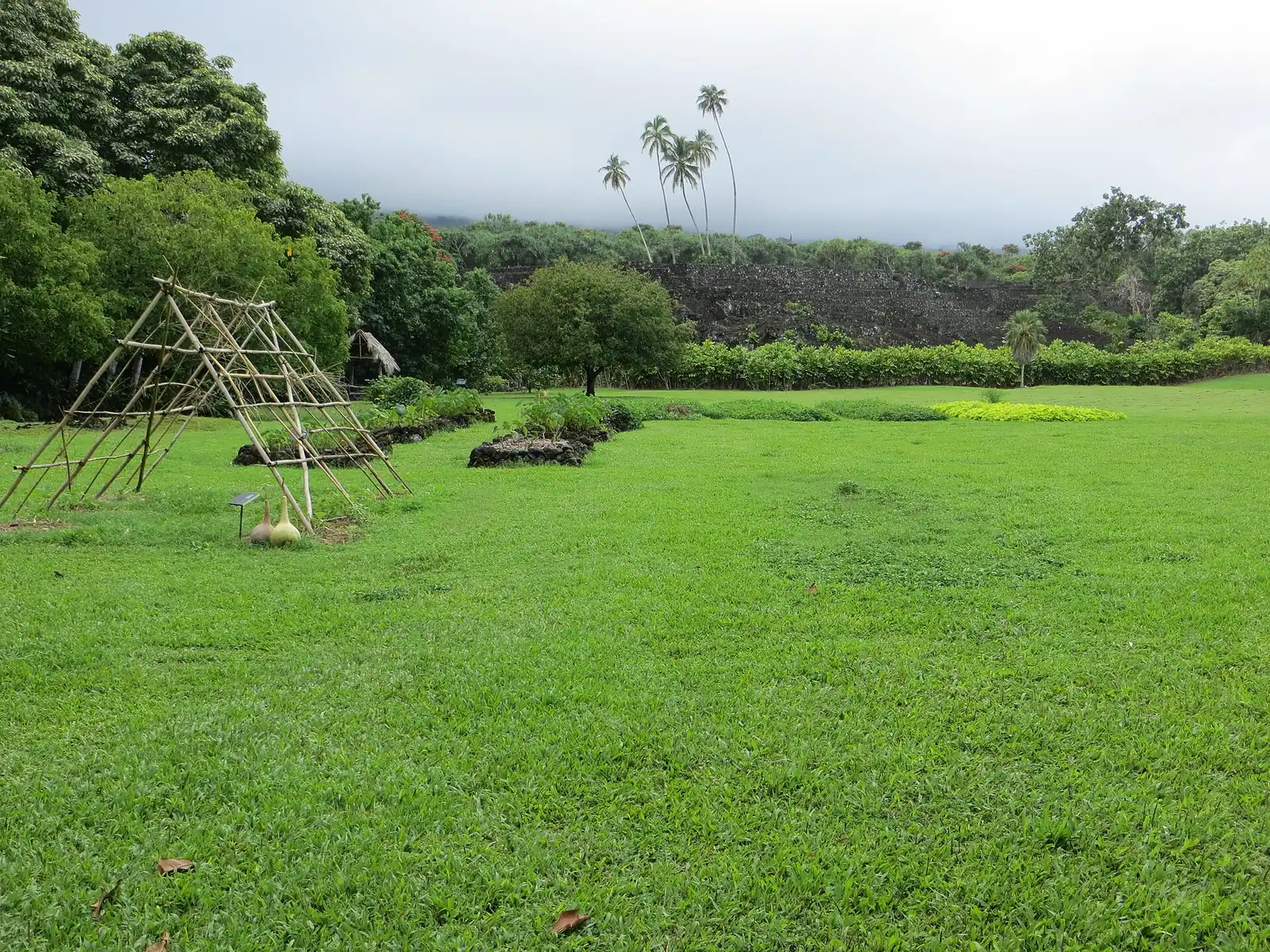
    Kahanu Garden & Piʻilanihale Heiau

    A dry-stacked stone platform the size of a city block, the largest heiau in Polynesia, standing in a hala forest above the Hāna coast.

    1–2.5 hoursAround $18 per adult for a self-guided visit; roughly $30 for the guided tour. Children 12 and under free.

  • A long curve of pale sand meeting clear turquoise water under a bright sky, with low green headland beyond

    Beach

    Kāʻanapali Beach

    Free

    Three miles of public sand, a lava headland called Puʻu Kekaʻa, and free beach parking the resorts are legally required to keep.

    2–7 hoursFree. Public beach access and the mandated resort stalls cost nothing; Whalers Village charges for parking with validation.

  • A mountain ridge standing above an unbroken layer of cloud at first light

    Viewpoint

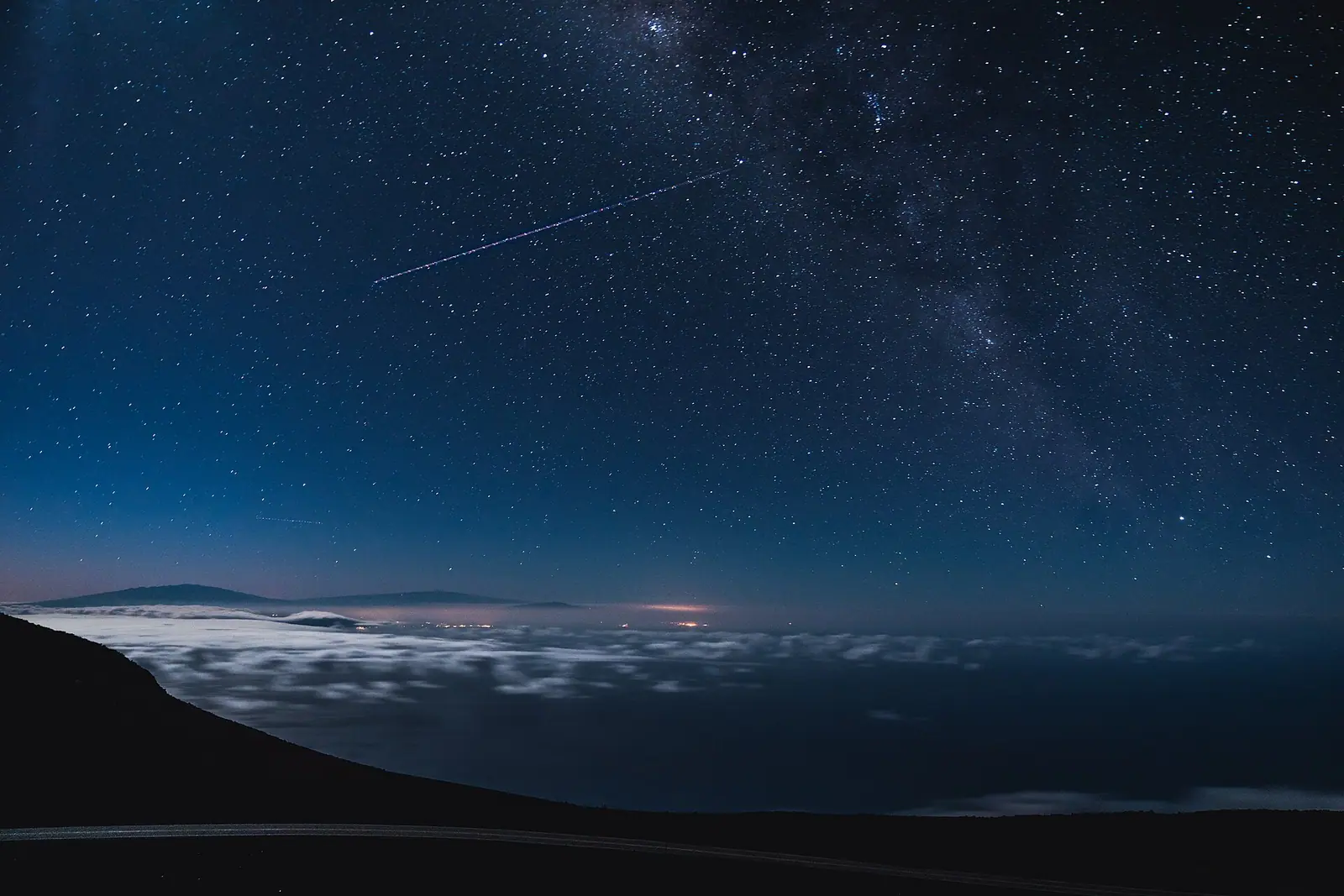
    Puʻu ʻUlaʻula (Haleakalā Summit)

    The highest point on Maui, 10,023 feet up, where the horizon curves and the clouds are a thousand feet below your feet.

    1.5–4 hoursCovered by the Haleakalā National Park entrance fee, around $30 per vehicle for three days. Sunrise entry needs a separate $1 reservation.

  • A narrow path running through a dense stand of tall green bamboo

    Trail

    Pīpīwai Trail

    Four miles through a banyan, a boardwalk bamboo forest and two stream bridges, ending under a 400-foot waterfall.

    2.5–5 hoursCovered by the Haleakalā National Park entrance fee, around $30 per vehicle and valid three days across both districts.

  • A windsurfer carving off the top of a breaking wave with spray behind the sail

    Beach

    Hoʻokipa Beach Park

    Free

    Maui's wave-sailing arena, watched from a clifftop lookout, where green sea turtles drag themselves onto the sand most afternoons.

    0.5–2 hoursFree. Both the beach park and the clifftop lookout are free to enter and free to park at.

  • A small crescent beach enclosed by two low rocky points with calm clear water

    Beach

    Kapalua Bay

    Free

    A crescent held between two lava headlands, calm on days the rest of West Maui is blown out — with about forty parking stalls.

    1.5–4 hoursFree, including the public beach access car park.

  • A wide, empty stretch of coarse gold sand curving away beneath a bare reddish volcanic hill

    Beach

    Mākena Beach (Big Beach / Oneloa)

    Free

    Two-thirds of a mile of undeveloped gold sand backed by a cinder cone, with a shorebreak that puts people in hospital every year.

    1.5–5 hoursBeach access is free; non-residents pay to park at the state park kiosks.

  • Dark volcanic sand and black rock at the edge of a small ocean cove

    Park

    Waiʻānapanapa State Park

    Black basalt sand, freshwater caves and an ancient coastal trail, three miles before Hāna — and you cannot get in without booking ahead.

    1–2.5 hoursNon-residents pay per-vehicle parking plus a per-person entry fee, both by advance reservation. Hawaiʻi residents with state ID are free.

  • Rows of grapevines running across an upland slope with hills beyond

    Entertainment

    MauiWine at ʻUlupalakua Ranch

    Free

    Maui's only winery, pouring estate syrah and sparkling pineapple wine in a cottage built for King Kalākaua on a working cattle ranch.

    1–2.5 hoursNo admission charge to visit the grounds and tasting room. Flights, glasses and bottles are paid for individually.

  • Low wooden storefronts with painted signs along a small-town main street

    Neighbourhood

    Pāʻia Town

    Free

    A two-street sugar town that surfers took over, and the last place to buy petrol, coffee and a picnic before the Road to Hāna.

    1–3 hoursFree to visit. You pay for what you buy, and parking is free but scarce.

  • A wide golden beach with calm water and palm trees under bright morning sun

    Neighbourhood

    Kīhei

    Free

    Six miles of beach, three lifeguarded parks and the best free whale watching on Maui, plus a wind that arrives every afternoon.

    2–8 hoursFree. All the beach parks are public with free parking.

  • Pale sand and calm turquoise shallows below a landscaped resort lawn with palms

    Beach

    Wailea Beach

    Free

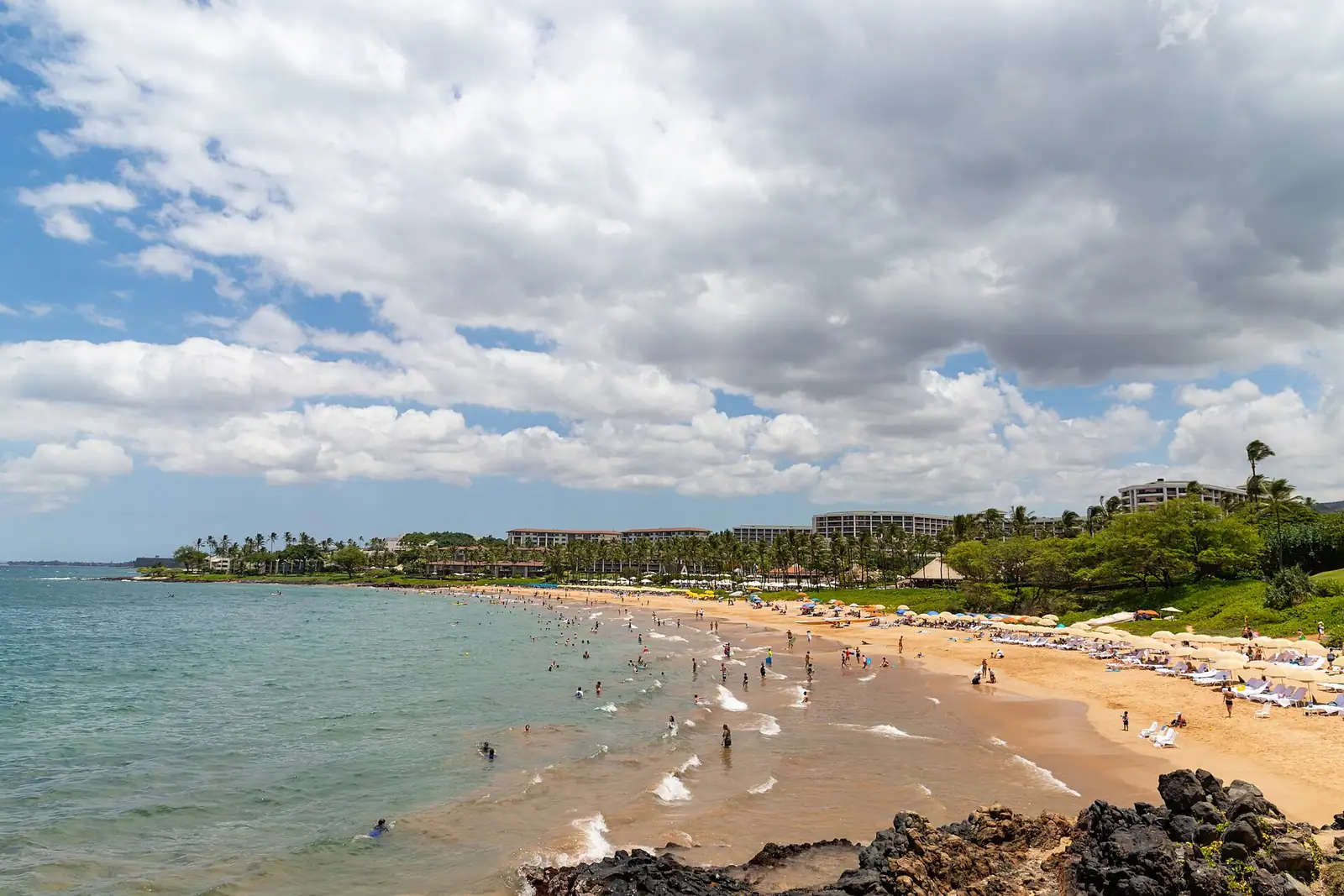
    A calm crescent between the Grand Wailea and the Four Seasons, with a free public lot and a paved path linking four beaches.

    1.5–5 hoursFree, including the public beach access car park. Hawaiʻi shorelines are public to the high-water mark.

  • A short crescent of pale sand backed by palms, with low rocky points at either end

    Beach

    Nāpili Bay

    Free

    A quiet condo-fronted crescent with turtles on both rocky sides, no facilities, and street parking that is gone before seven.

    1.5–4 hoursFree. Shoreline access is public; there is simply very little parking and no county facilities.

  • A sheltered bay with dark sand, a small pier and a steep green headland behind

    Beach

    Hāna Bay

    Free

    The one reliably calm swim on the Hāna coast, under the cinder cone where Queen Kaʻahumanu was born in 1768.

    1–2.5 hoursFree. Parking is free.

  • A long, softly curving beach with calm shallow water and a dry hillside beyond

    Beach

    Keawakapu Beach

    Free

    Three quarters of a mile of soft sand between Kīhei and Wailea, three free car parks, and the island's best morning swim.

    1.5–4 hoursFree, with three free car parks along its length.

  • A long sweep of pale sand at Baldwin Beach Park with ironwood shade along the left and surf breaking down the shoreline

    Beach

    H.A. Baldwin Beach Park

    Free

    A mile of north shore sand with lifeguards, a shaded pavilion and a sheltered pool at the western end that toddlers can actually use.

    1.5–5 hoursFree, including parking. County beach park with lifeguards, restrooms, showers and a pavilion.

  • Low wooden false-front storefronts along a quiet small-town street under a cloudy sky

    Neighbourhood

    Makawao Town

    Free

    Hawaiian cowboy country at 1,600 feet, where two streets of false-front storefronts meet and the Fourth of July means a rodeo.

    1–3 hoursFree to visit. Parking is free on the street.

  • A sharp green ridge rising steeply out of a densely vegetated valley

    Historic site

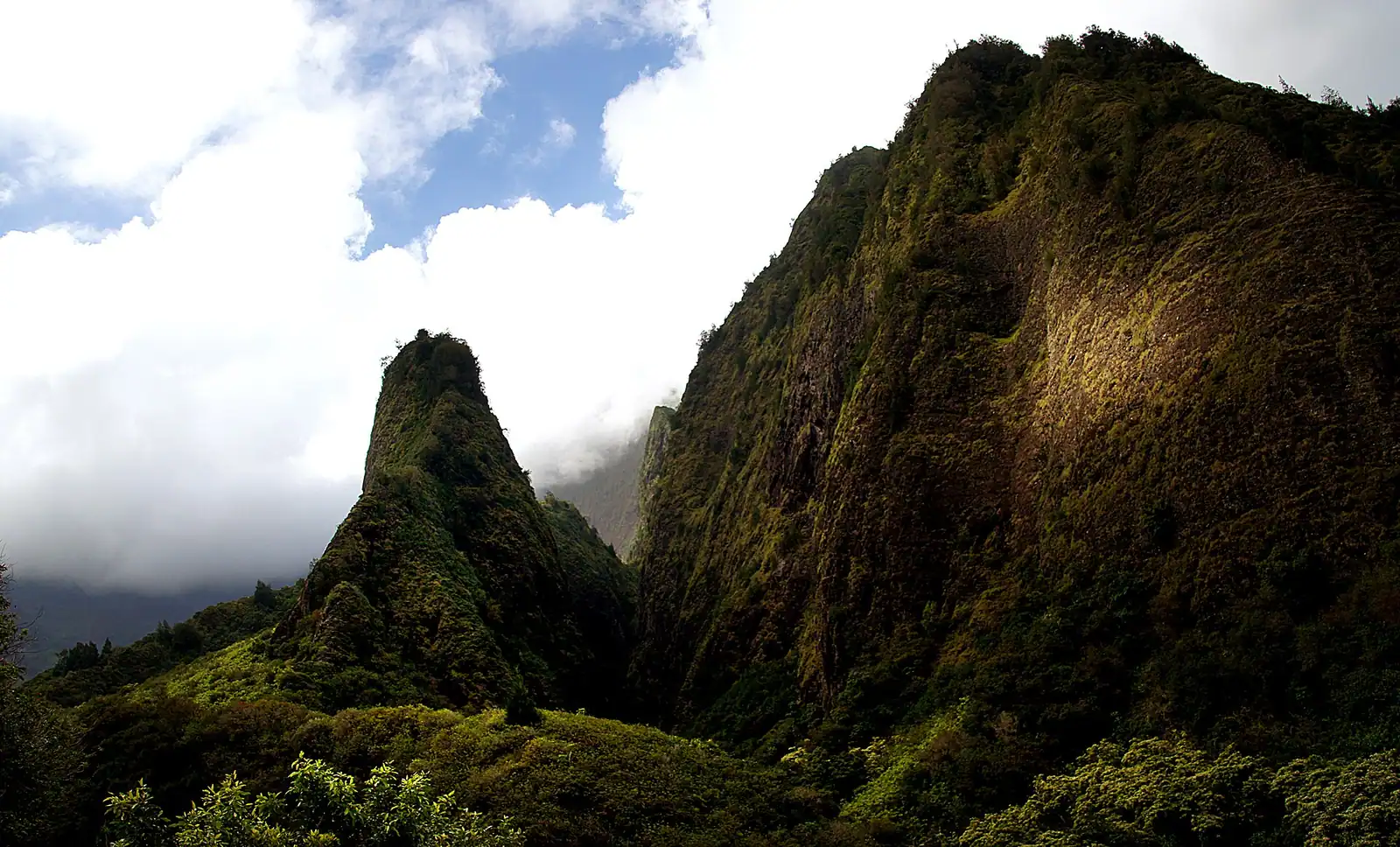
    ʻĪao Valley State Monument

    A green spire 1,200 feet above the valley floor, in a place Hawaiians remember as a battlefield rather than a viewpoint.

    0.5–1.5 hoursNon-residents pay a per-vehicle parking fee plus a per-person entry fee, both booked in advance. Hawaiʻi residents with state ID are free.

  • Rows of flowering lavender running across a sloping field

    Park

    Aliʻi Kula Lavender

    Thirteen acres of lavender at 4,000 feet, with a view that takes in both of Maui's coastlines on a clear morning.

    1–2 hoursA small admission charge, historically a few dollars per adult; children 12 and under free.

  • Fish swimming past a large curved aquarium viewing window

    Museum

    Maui Ocean Center

    The only aquarium on Maui, showing Hawaiian species exclusively — and by county law, no whales or dolphins in tanks.

    2–3 hoursAround $50 for adults, roughly $40 for children 4–12, slightly less for over-65s. Under-fours free. Substantial kamaʻāina and military discount.

  • A snorkeller floating above shallow reef and coral heads in clear water

    Beach

    Ulua Beach

    Free

    A small Wailea cove with reef on the point, used by every South Maui dive school, sharing one modest car park with Mokapu.

    1–3 hoursFree, including the shared Ulua and Mokapu public car park.

  • Low two-storey storefronts along a quiet main street with shopfront awnings

    Neighbourhood

    Wailuku Town

    Free

    Maui's county seat — antique shops, an 1833 mission house and a 1928 theatre, three miles below the mouth of ʻĪao Valley.

    1.5–4 hoursFree to visit the town. Museum admission and theatre tickets are charged separately.

  • A spiky pink protea flower head with stiff bracts, photographed close up

    Park

    Kula Botanical Garden

    Eight acres of protea, koa and orchids at 3,300 feet, where the air is cool enough to grow things the rest of Maui cannot.

    1–2 hoursAround $15 per adult and about $5 for children roughly 6–12; under-sixes free.

  • A plume of seawater bursting upward from a hole in dark coastal rock

    Water feature

    Nākālele Blowhole

    Free

    A lava vent on Maui's northernmost point that fires seawater skyward — and a place where standing in the wrong spot has killed people.

    0.5–1.5 hoursFree. No entrance fee and no parking charge.

  • A stream stepping down rock terraces towards the ocean under cloud

    Water feature

    ʻOheʻo Gulch

    A staircase of stream pools falling to the sea at Kīpahulu, where swimming has been closed and the famous name was never real.

    0.5–1.5 hoursCovered by the Haleakalā National Park entrance fee, around $30 per vehicle for three days across both districts.

  • A small waterfall dropping into a green pool in dense tropical forest

    Water feature

    Twin Falls at Wailele Farm

    The first waterfall on the Hāna road, on a working farm with 55 parking spaces and a queue that starts at 7am.

    1–2.5 hoursAround $10 per vehicle for parking, first come first served, with no booking system.

  • A single waterfall falling into a rock pool in a narrow fern-covered gully

    Water feature

    Wailua Falls

    Free

    Eighty feet of water beside the road south of Hāna, and the only serious Maui waterfall you can see without leaving the car.

    10–40 minutesFree. No entry fee, no reservation and no parking charge.

Straight answers

Questions people actually ask

What is Maui best known for?

Three things above the rest. Sunrise from the 10,023 ft summit of Haleakalā, which requires a timed permit booked through recreation.gov. The Road to Hāna, about 64 miles of coastal highway with roughly 600 curves and 59 mostly one-lane bridges. And the water: Molokini crater for snorkelling, and the ʻAuʻau Channel, which holds the densest humpback whale breeding population in the United States between December and April.

How many days do you need on Maui?

Seven is the number that works. Maui's headline experiences are full-day commitments on opposite sides of a very large volcano, so a shorter trip forces real choices. Four days covers a beach day, one water trip, and either Haleakalā or Hāna. Five to six adds Upcountry and a second snorkel. Anything under four days means flying a long way to spend a large share of it in a rental car.
Do you need to book Haleakalā sunrise in advance?

Yes. Every vehicle entering the Haleakalā summit district between 3am and 7am needs a sunrise reservation booked through recreation.gov, currently a $1 reservation fee, and the park's $30 three-day entrance fee is charged separately. Most slots release 60 days ahead at 7:00am Hawaiʻi time, with returned slots appearing two days out at the same hour. Sunset at the summit needs no reservation at all and is almost as good.
Is it OK to visit Lahaina after the 2023 wildfire?

Yes, respectfully, and West Maui businesses have asked visitors to come back. Front Street reopened to traffic between Pāpalaua and Shaw Streets in August 2026 and a number of restaurants and shops are trading again. Banyan Court Park is still closed, with the tree viewable only from designated points at the edge. What residents ask is that you do not photograph the burn zone, empty lots or rebuilt homes, do not fly drones, and stay behind every barrier.

What is the best time of year to visit Maui?

April to May and September to early October are the strongest weeks: dry-season weather, hotel rates well below the winter peak and far fewer people at the popular beaches. Winter, roughly December to April, brings the humpbacks and the biggest north-shore surf, along with the highest prices and the Christmas and Presidents Day crowds. The south and west coasts stay dry most of the year; Hāna does not.

Can you do the Road to Hāna and Haleakalā on the same day?

No, and you should not try. Sunrise at the summit means a 3am start and a descent from 10,023 feet, and the Hāna Highway is a 10 to 12 hour round trip on curves that punish a tired driver. They are also geographically separate: the Kīpahulu district of the park, with ʻOheʻo Gulch and the Pipiwai Trail, is past Hāna town and roughly three and a half hours by road from the summit.

How much does a week on Maui cost in activities?

More than most US destinations. The median bookable tour here runs around $203 a person, and roughly 18% of inventory sits above $250. A shared Molokini snorkel or a zipline course lands in the $100 to $200 band, luau tickets and guided Hāna tours in the $200 to $400 band, and helicopter flights start near $300. Whale watching in season is the reliable exception at the lower end.

What can you do on Maui for free?

A great deal. Every beach is public to the high-water mark, including the ones fronting Wailea and Kāʻanapali resorts, which are required to provide access. Whale watching from Papawai Point and the Pali lookouts in season costs nothing. So does the Kāʻanapali beach walk, the turtles hauling out at Hoʻokipa in the afternoon, Baldwin Beach, the Kula farm views and every sunset on the west and south shores.

Do you need a rental car on Maui?

For almost every itinerary, yes. Maui Bus is inexpensive and useful within Kahului, Wailuku and along the Kīhei and Kāʻanapali corridors, but it does not serve Haleakalā, Hāna, most trailheads or the harbours that snorkel boats leave from, and the airport routes run roughly every 90 minutes. A car-free trip works only if you stay in one resort area and book tours with hotel pickup.

What sunscreen is allowed on Maui?

Mineral only. Hawaiʻi banned the sale of sunscreens containing oxybenzone and octinoxate statewide, and Maui County went further: under its ordinance, non-mineral sunscreen may not be sold, distributed or used in the county without a prescription. In practice that means the active ingredient must be zinc oxide, titanium dioxide, or both. Buy it before you get in the water, or buy it locally, because it is easy to find here.

Is Maui good for families with young children?

Very, if you pick the right coast. The south shore between Kīhei and Wailea has calm, gently shelving beaches with lifeguards, showers and shade at Kalama Park, Kamaʻole I to III and Ulua. Maui Ocean Center in Māʻalaea is a genuine indoor half-day. What does not work with under-eights is the Hāna Highway and a 3am summit run. Big Beach at Mākena has a shorebreak that injures adults, let alone children.

How far is Molokini and is it worth it?

Molokini sits about three miles off the Mākena coast, a crescent of drowned volcanic crater rim that is now a Marine Life Conservation District. Boats leave mainly from Māʻalaea Harbor and the Kīhei boat ramp, and the crossing takes 30 to 50 minutes. It is worth it in the morning, when visibility inside the arc routinely exceeds 100 feet and the water is flat. Afternoon trips are cheaper for a reason.