Skip to content
Menu

Booking through these earns us a commission from Viator. You pay the same, and payment did not decide what is listed.

Search

Things to Do

Maui Tours

Last updated

Maui tours explained: what Molokini, Hāna, Haleakalā, luau and helicopter trips really cost, which harbour they leave from, and the hour worth paying for.

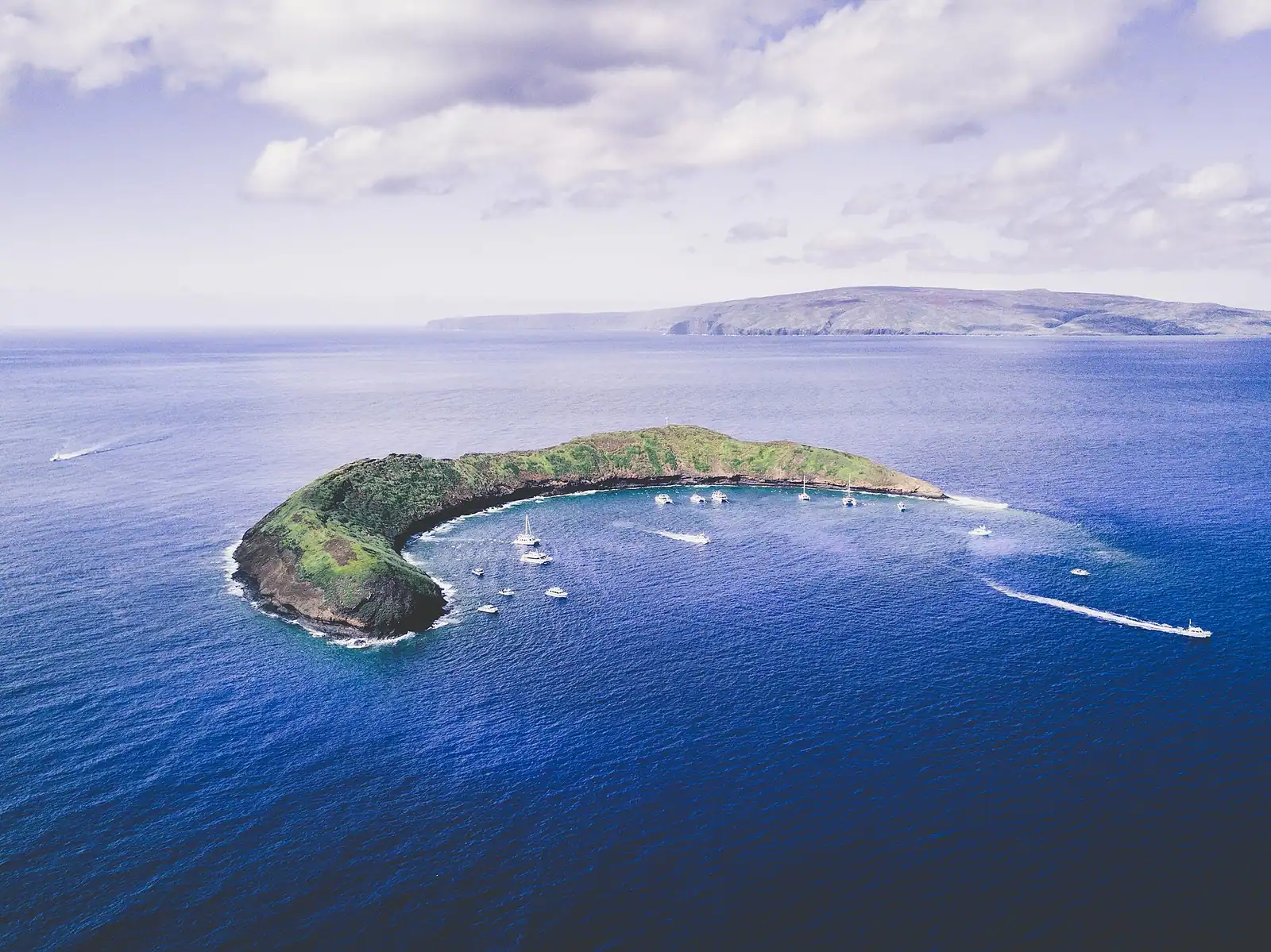
A catamaran at anchor inside the crescent rim of Molokini crater off the south coast of Maui in early morning light

Maui is the most expensive place to book an activity in this network, and it is not close. The typical bookable tour here runs a little over $200 a person, roughly three and a half times what a comparable half-day trip costs on a mainland barrier island, and close to a fifth of the inventory sits above $250. That is not a distortion caused by a handful of luxury products. It is the shape of the market: helicopter flights, private Hāna drivers, Molokini charters, luau tickets and guided summit sunrises all cluster at the top end, and there is very little cheap filler underneath them.

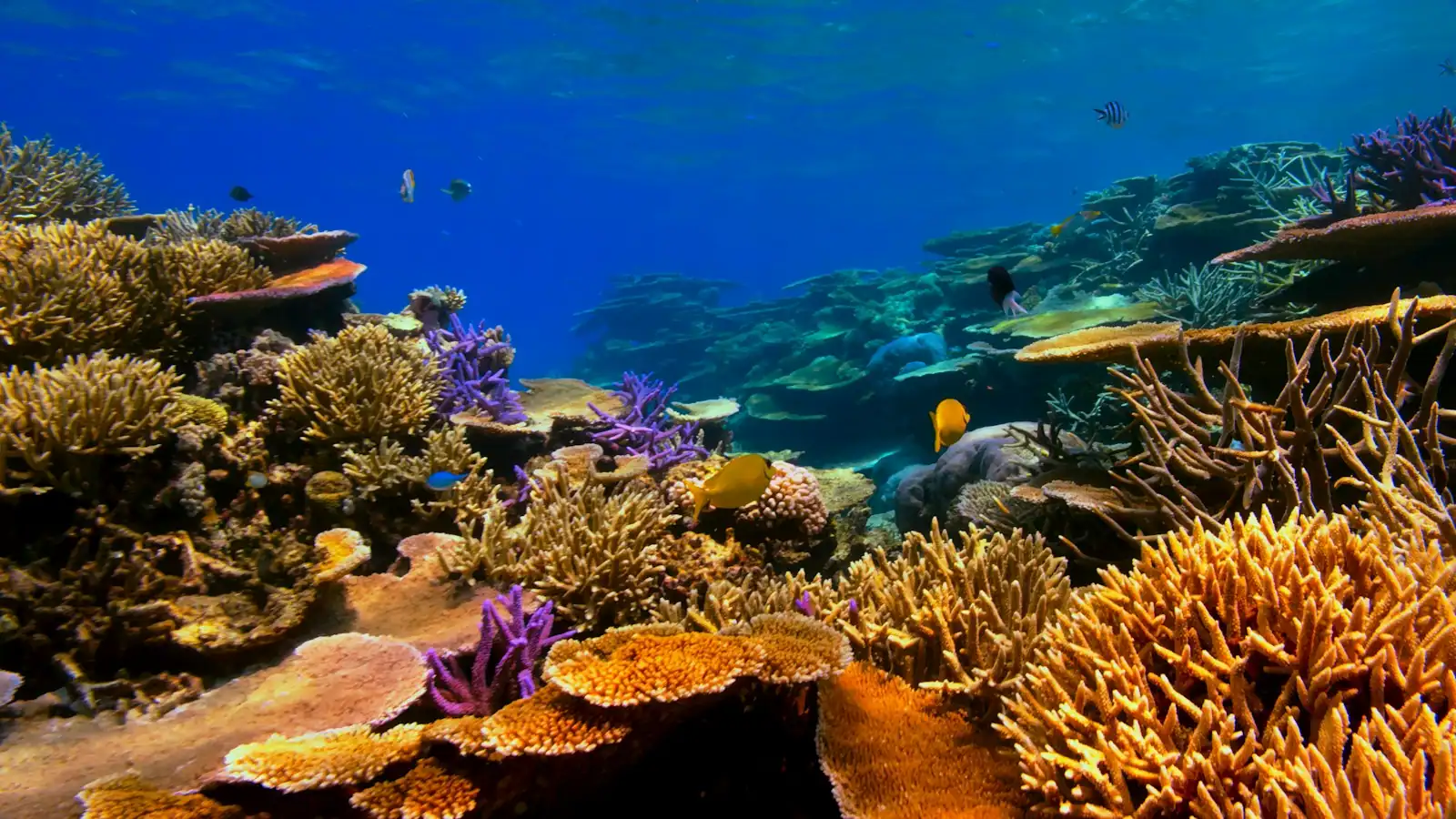
Two things are worth knowing before you spend that kind of money. The first is that on Maui a tour frequently buys logistics rather than access. Nothing stops you driving the Hāna Highway yourself; what a guided van buys is somebody else doing 600 curves and 59 one-lane bridges while you look out of the window, plus the Waiʻānapanapa reservation they already hold. Nothing stops you driving to Haleakalā for sunrise; what the tour buys is the permit, the parka you did not pack and a driver on a road you have never seen in the dark. Molokini is the exception. It is three miles offshore, it is a Marine Life Conservation District, and there is no way to reach it except on somebody's boat.

The second is that the hour matters more than the operator. Maui's trade winds fill in through the morning and the sea state on the south and west coasts changes noticeably between 8am and noon. A Molokini trip leaving at 7am and the same boat leaving at 1pm are two different products at two different prices, and the cheaper one is cheaper for a reason. The same logic runs through the helicopter flights, where cloud builds on the windward walls of the West Maui Mountains by late morning, and through whale watching, where the calm early departures give you a horizon you can actually scan.

Where boats leave from has changed since 2023 and is still changing. Māʻalaea Harbor, in the middle of the isthmus next to the aquarium, now carries most of the Molokini and snorkel fleet. The Kīhei boat ramp sits closer to the crater and loads off the sand rather than a dock, which saves crossing time and costs you dry feet. Lahaina Harbor has been running a limited, phased reopening since December 2025, with daylight-hours operations while maintenance dredging continues through the end of 2026, so some West Maui departures have returned there and others are still working out of Māʻalaea. Confirm your meeting point the day before. It has moved for a lot of people.

Helicopters fly from Kahului Heliport, beside the airport, which is convenient for a departure-day flight and a long way from Kāʻanapali on the morning of one. Luaus run at the resorts in Kāʻanapali and Wailea and at the rebuilt Lahaina venue, and the best-known ones sell out four to six weeks ahead.

Everything below is organised by what each category of tour actually gives you for the money.
Our picks

The ones we would book

  • Editor's Pick

    Best overall day on the water

    Why we chose it

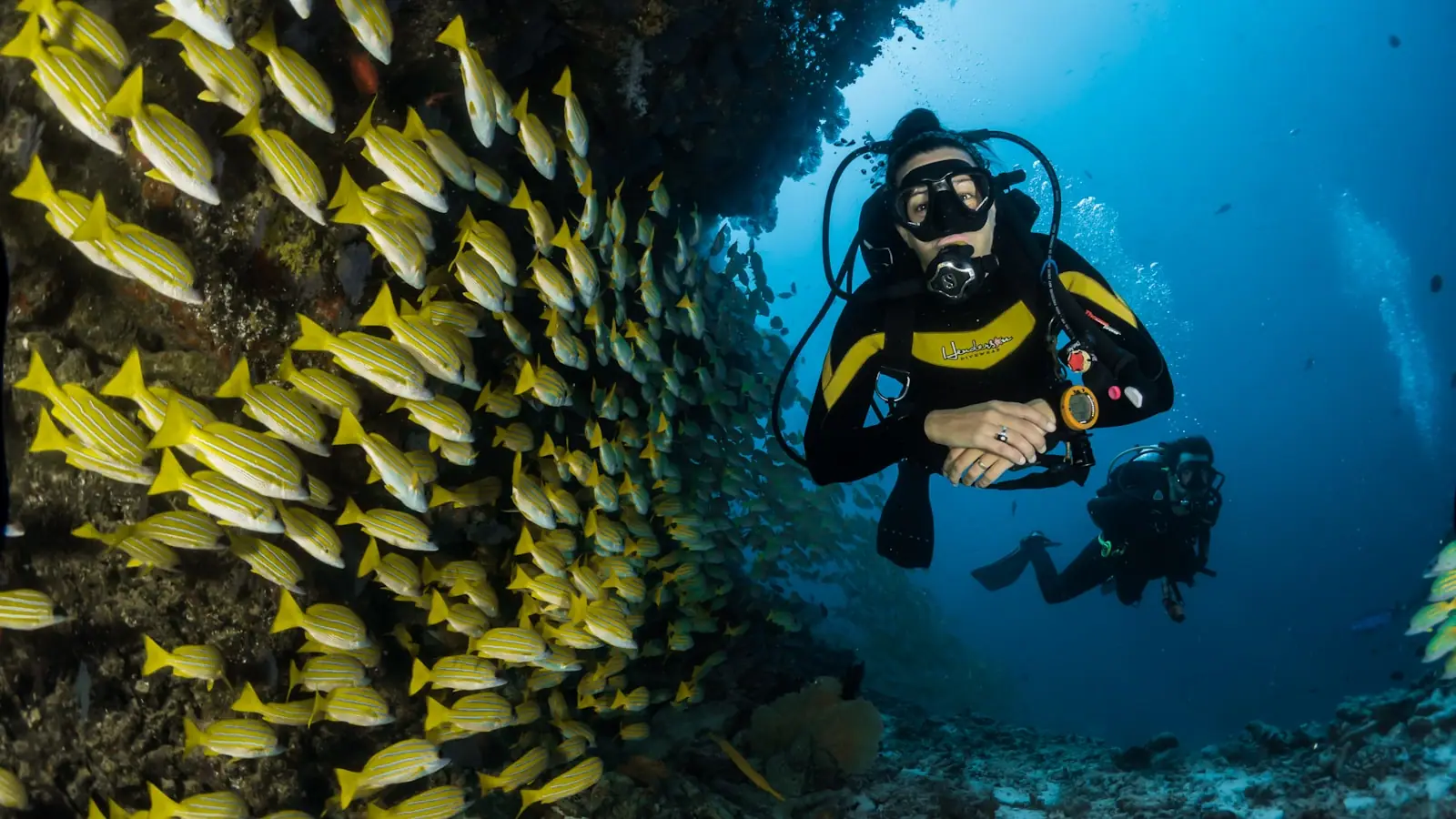
    A 7am Molokini departure from Māʻalaea or the Kīhei ramp with a second stop at a turtle site on the way back. The early slot buys flat water and visibility inside the crater arc that regularly runs past 100 feet, before the trades fill in. Four to five hours, gear and food included, and the single tour most Maui visitors say they would repeat.

    'Alihilani Lahaina Sunset Sail

    Short term availability

    'Alihilani Lahaina Sunset Sail (opens in a new tab)

    Editor's PickFree cancellationInstant confirmation
    199 reviews

    We pride ourselves on sailing, so enjoy the natural sounds as we turn of our motors and raise our sails. Our spacious catamarans make for…

    2–3 hours

    Prices checked

    from $117.30
  • Best Value

    The cheapest ticket that is genuinely great

    Why we chose it

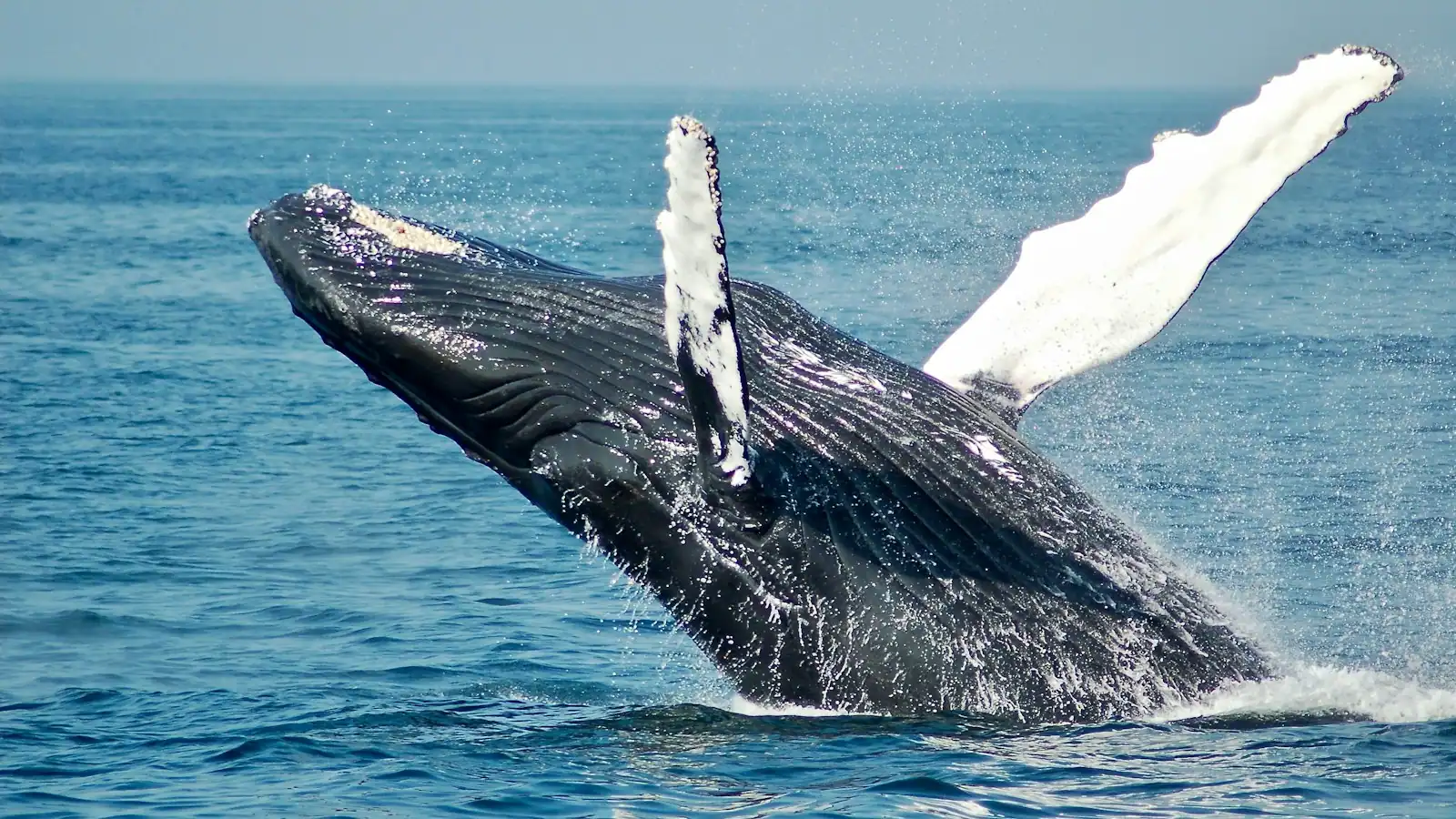
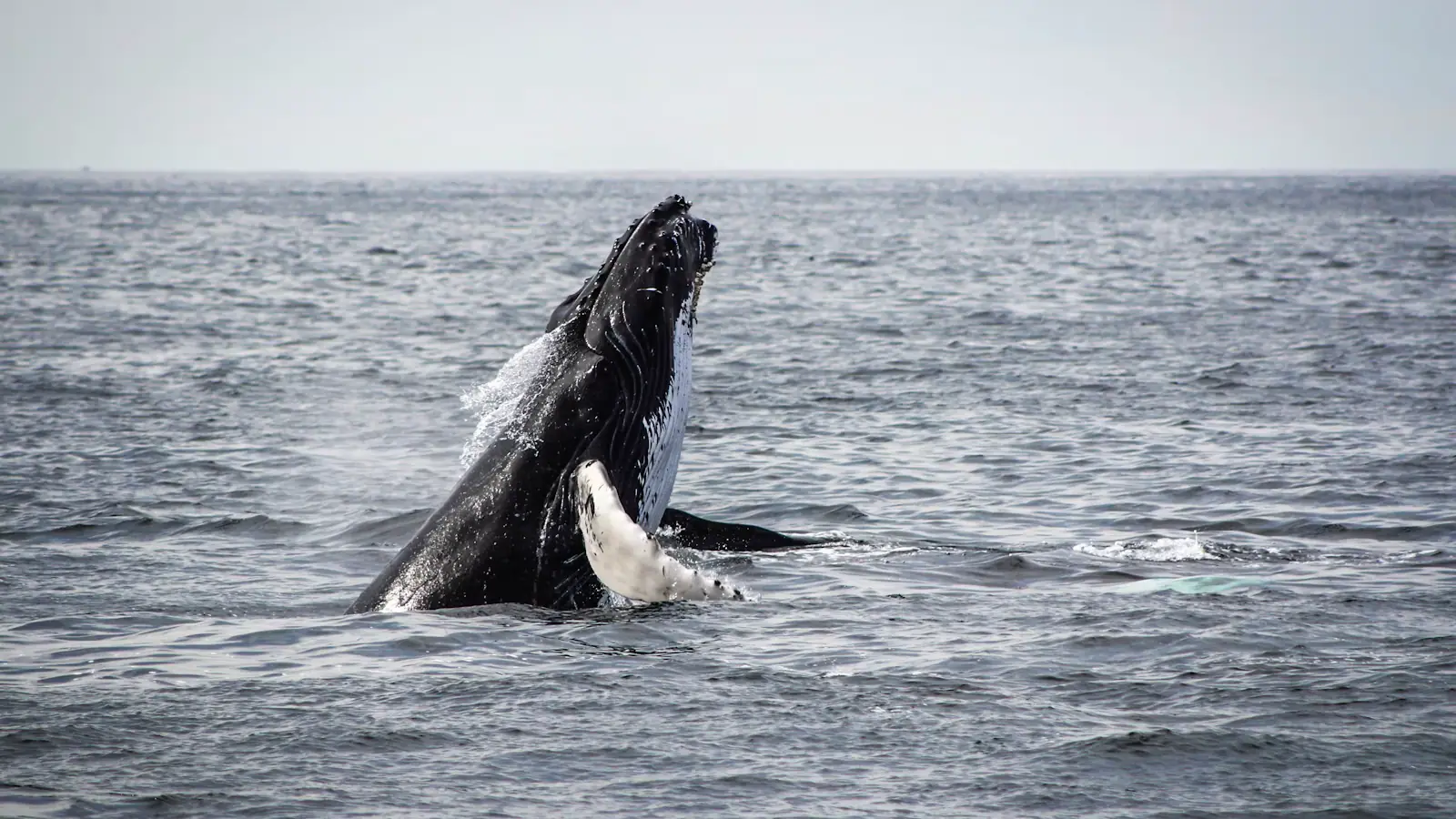
    A two-hour whale watch between December and April, usually $50 to $120 against an island median closer to $203. The ʻAuʻau Channel holds the densest humpback breeding population in the United States, so the sighting does not depend on the boat. Federal rules keep vessels 100 yards off, which is close enough.

    Akialoa Mā’alaea Sunset Sail

    Low Last Minute Supplier Cancellation Rate

    Akialoa Mā’alaea Sunset Sail (opens in a new tab)

    Best ValueFree cancellationInstant confirmation
    37 reviews

    Witness the stunning sunsets of Maui from the comfort of a luxury sailing catamaran. The Akialoa Sunset Sail offers a two-hour journey…

    2 hours

    Prices checked

    from $108.11
  • Best for Families

    Best boat for mixed ages

    Why we chose it

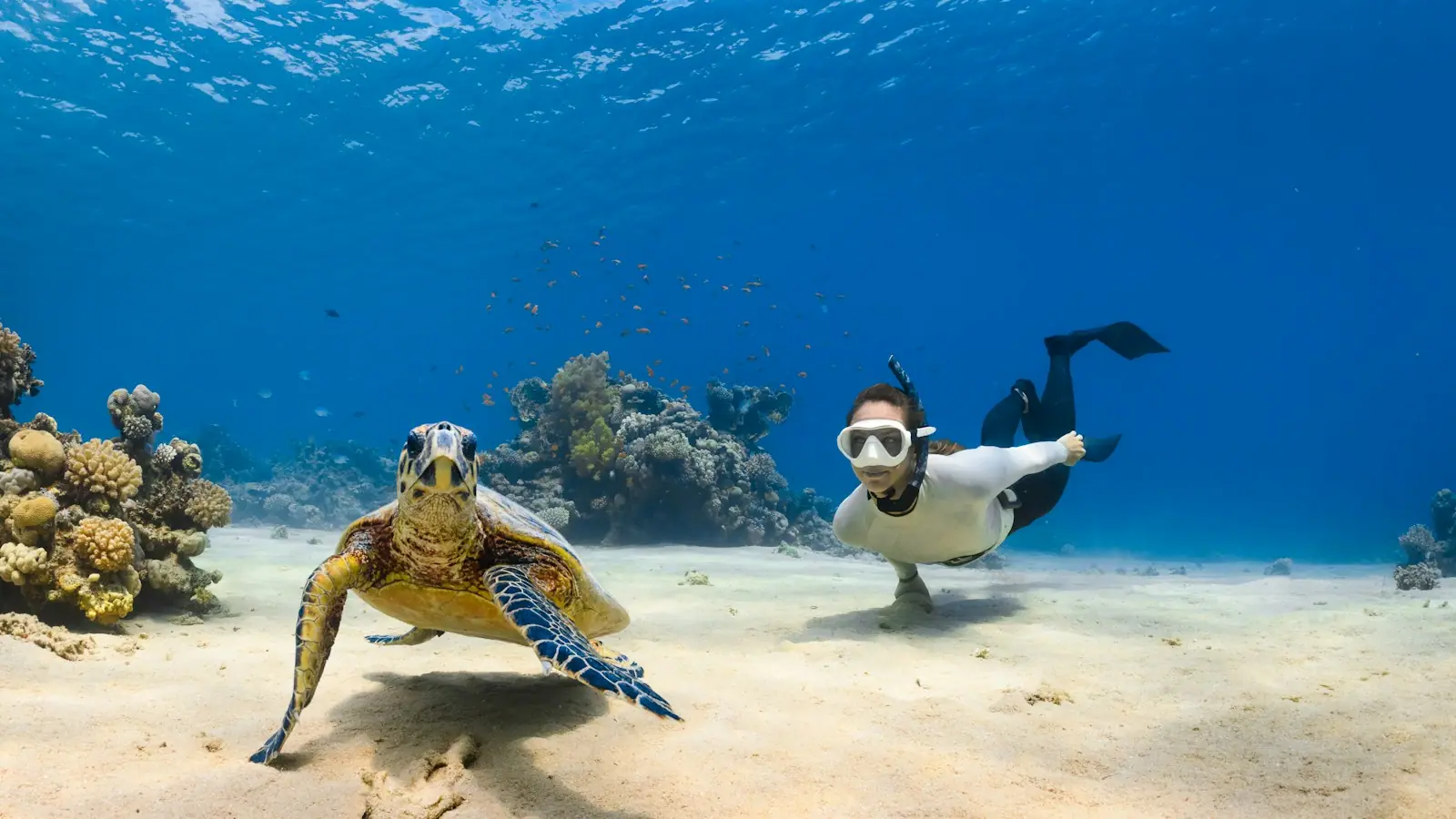
    A large catamaran on a mid-morning snorkel run: shade over most of the deck, a real restroom, a swim step rather than a ladder, and crew carrying flotation vests and boogie boards for children who will not put their face in. Dock boarding at Māʻalaea rather than a wade off the sand at Kīhei.

    Maui Nui Luau at the Sheraton Maui Resort & Spa

    Low Supplier Cancellation Rate

    Maui Nui Luau at the Sheraton Maui Resort & Spa (opens in a new tab)

    Best for FamiliesFree cancellationInstant confirmation
    1.8K reviews

    You'll be captivated by exotic dances from across Polynesia including the spectacular Samoan Fire-knife dance. Your evening begins with a…

    3 hours

    Prices checked

    from $218
  • Luxury

    Best money-no-object hour

    Why we chose it

    A morning helicopter circuit over the West Maui interior and across the channel to Molokaʻi's sea cliffs. There is no road and no trail into those amphitheatre valleys, so this is the only way to see them. Expect $300 to $500 a seat, more doors-off, and book early in the trip so a cloudy morning can be rescheduled.

    Maui: Majestic Haleakala Sunrise Tour with Pick-up

    Low Supplier Cancellation Rate

    Maui: Majestic Haleakala Sunrise Tour with Pick-up (opens in a new tab)

    LuxuryFree cancellationInstant confirmation
    698 reviews

    Once-in-a-lifetime may be the only way to describe watching the sun slowly rise over Haleakala National Park and spill over onto the…

    Full day

    Prices checked

    from $263.99
  • Small Group

    Best small-boat snorkel

    Why we chose it

    Six to sixteen passengers changes where a boat can go and how long it lingers. Small operators reach the Molokini back wall and coastal sites the big catamarans skip, and the guide-to-guest ratio means someone actually watches the nervous swimmer. Expect $220 to $300, roughly a third above the shared-catamaran band.

    Maui: Small Group Road to Hāna Tour 6 to 8 passengers

    Low Last Minute Supplier Cancellation Rate

    Maui: Small Group Road to Hāna Tour 6 to 8 passengers (opens in a new tab)

    Small GroupFree cancellationSmall group
    1.1K reviews

    Voted Best Small Group Road to Hana Tour by US News & World Report 2024! A Hawaiian owned & operated company that specializes in a small…

    Full day

    Prices checked

    from $281.68
  • Best Private Tour

    Best private booking on the island

    Why we chose it

    A private driver for the Road to Hāna, at $800 and up for the day. It stops making sense below four people and starts making sense fast above that: your own departure time, stops chosen for your group rather than the schedule, and a driver who knows which pullouts are legal and which are a resident's driveway.

    Maui Luau: Gilligans' Island Luau in Kihei Maui

    Low Supplier Cancellation Rate

    Maui Luau: Gilligans' Island Luau in Kihei Maui (opens in a new tab)

    Best Private TourFree cancellationInstant confirmation
    1.4K reviews

    Gilligans' Island Luau is an intimate luau experience and is the only luau in Kihei on Maui. Our luau is less than one quarter the size of…

    2 hours

    Prices checked

    from $166.49

Where the boats actually leave from

Māʻalaea Harbor is the workhorse. It sits on the isthmus between the two mountain ranges, next to Maui Ocean Center, and most of the Molokini and snorkel fleet operates from it. It is also one of the windiest places on the island by mid-afternoon, which is the aerodynamic price of a harbour in a saddle between two volcanoes. Parking is a paid lot and it fills for the 7am departures.

The Kīhei boat ramp at Kalepolepo is closer to Molokini and shortens the crossing by twenty minutes or so. The trade-off is that several operators load from the beach rather than a dock, meaning you wade to a swim step with your bag held over your head. For a family with a toddler this is either the best detail of the day or the worst.

Lahaina Harbor is in a limited, phased reopening that began in December 2025. Operations are restricted to daylight hours while the state completes maintenance dredging of the basin, expected to run through December 2026, and only some of the pre-2023 fleet has returned. Several West Maui operators are still sailing out of Māʻalaea in the meantime. If you booked a West Maui boat, check the meeting point again 24 hours out.

Kāʻanapali Beach is not a harbour at all. A handful of catamarans load directly off the sand in front of the resorts near Puʻu Kekaʻa, which is the most civilised boarding on the island in calm conditions and impossible in a north swell.

Kahului Heliport, beside the airport, is where almost all helicopter tours depart. That makes a flight easy on arrival or departure day and a 6am start from Kāʻanapali if you are staying west.

For Haleakalā and Hāna tours, pickup is usually from your hotel or a central meeting point, and the West Maui pickups run an hour earlier than the south-shore ones for the same sunrise.

The hour you book matters more than the company

When to go

Maui's day has a rhythm that the pricing quietly reflects.

Morning, 6am to 10am. The trades are light, the sea is flattest, and visibility at Molokini is at its best. Helicopter flights get clear air before cloud builds on the windward walls. This is the window worth paying a premium for, and it is why the early Molokini departures sell out first.

Late morning to early afternoon. The trades fill in. On the south and west coasts this means chop, on the isthmus it means Māʻalaea living up to its reputation, and at Molokini it means a rolling mooring and stirred-up water. Afternoon snorkel trips are genuinely cheaper and genuinely worse. If money is the constraint they are still fine, especially for a second snorkel at a coastal site rather than the crater.

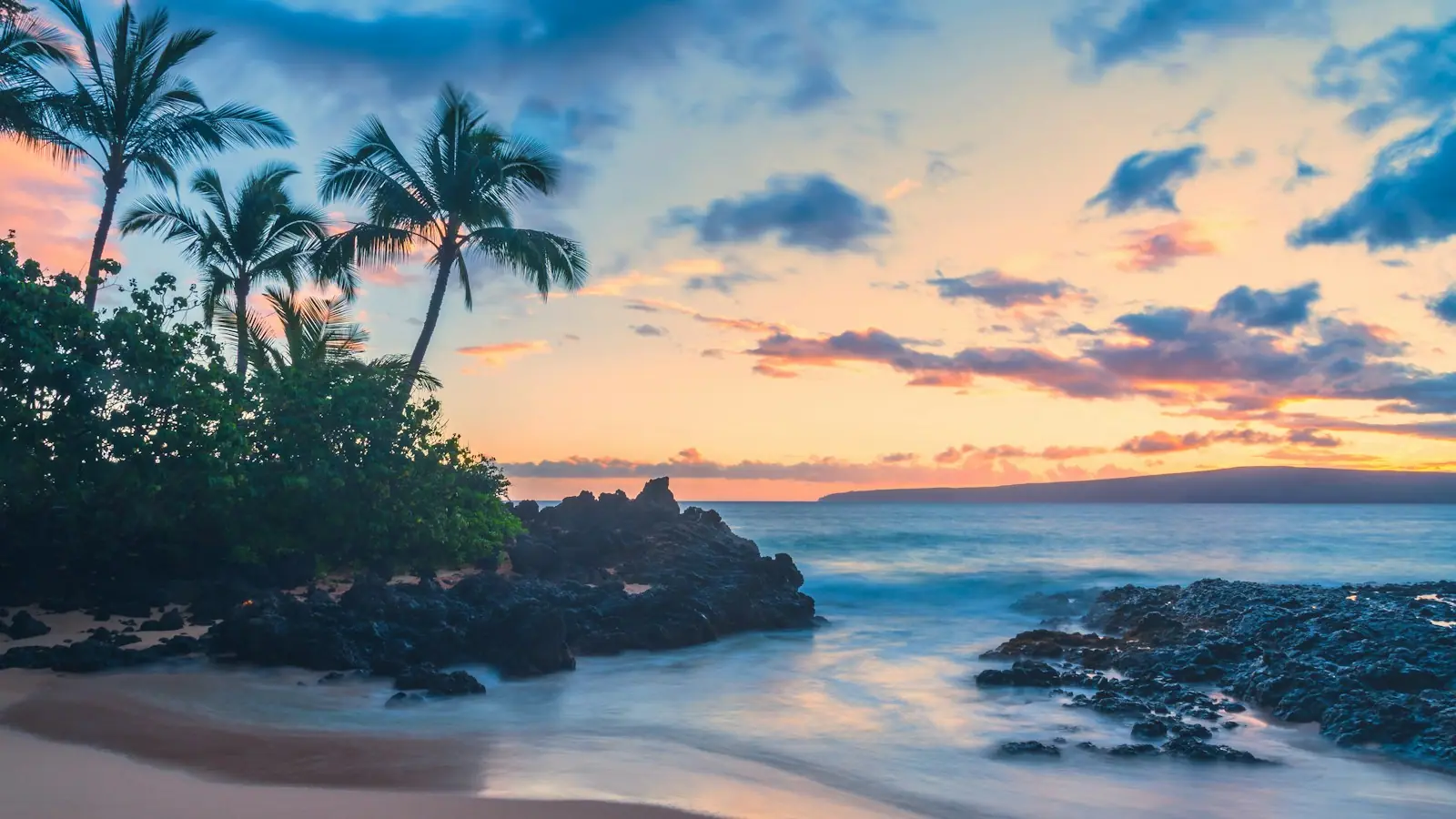
Late afternoon and sunset. The wind usually eases an hour or two before dark and the west-facing coasts get Lānaʻi and Kahoʻolawe in silhouette. Sunset sails work almost every evening. In whale season the animals are still in the channel after the day boats have gone in, which makes a sunset trip two products for one price.

Before dawn. Only one category runs here, and it runs at 3am. A Haleakalā sunrise pickup from Kāʻanapali can be as early as 2am, from Kīhei around 2:45am, and from Upcountry closer to 3:30am. Sunrise at the summit shifts across the year by more than an hour, so check the actual time rather than assuming.

Seasonal timing. Humpbacks are in Maui waters roughly December to April with the peak in January to March. Honolua Bay snorkels in summer and becomes a surf break in winter north swell. The Kīpahulu pools close after upstream rain, which is most common from November to March.

What a fair price looks like on Maui

What it costs

Treat every figure as a band and confirm the current rate before you book. Maui prices move with fuel, season and demand, and the island runs well above mainland norms across the board.

  • Shared Molokini snorkel, 4 to 5 hours: roughly $140 to $200 a head on a larger catamaran, including gear, breakfast and lunch. Premium small-boat versions, with fewer people and a second stop, commonly run $220 to $300.
  • Whale watch, 2 hours in season: about $50 to $120. The cheapest genuinely good ticket on the island.
  • Sunset sail: $120 to $200, usually with drinks and light food included.
  • Luau: $150 to $260 depending on show and seating tier. Premium seating and table service sit at the top of that range.
  • Helicopter: $300 to $500 for a 45-minute West Maui and Molokaʻi circuit, with a $50 to $100 premium for doors-off and more again for the 75 to 90 minute routes or a landing.
  • Guided Road to Hāna: $180 to $280 a person in a small group van. Private drivers start around $800 and run past $1,500 for the day.
  • Haleakalā sunrise van: $130 to $220 including the park entry and the permit. Downhill bike packages land $150 to $250.
  • Two-tank certified dive: $150 to $250. Introductory dives sit a little below that.

Costs that catch people out. Crew gratuities are customary on boats and usually not included, generally 15 to 20 percent. Harbour and parking fees at Māʻalaea are on top of the ticket. Several operators price children only slightly below adults on boats, because the fuel does not care. And resort pickup, where offered, sometimes carries a supplement.

Where the value actually sits: whale watching in season, the $30 three-day national park pass, and a second-day coastal snorkel trip instead of a second Molokini run.

Who each tour actually suits

Families with under-eights. A larger catamaran on a morning snorkel run, shaded, with a restroom and crew who carry flotation vests and boogie boards. A luau, which children generally love. A zipline course with a minimum age they actually meet. What does not work: a 2am sunrise pickup, a 10-hour Hāna van, or a six-passenger boat with no shade.

Teenagers. Ziplines, a surf lesson at Lahaina Breakwall or Kalama Park, doors-off helicopter flights, and scuba discovery dives. The category that lands worst is the narrated drive.

Couples. A sunset sail, a small-boat Molokini trip, a private Hāna driver if the budget stretches, and the helicopter flight, which is the thing people remember years later.

Three generations. Book the biggest, most stable boat on the calmest hour, and check the boarding method. Māʻalaea has proper docks; the Kīhei ramp does not. Ask specifically about shade and seating rather than accepting a general reassurance.

Certified divers. Molokini's back wall drops hundreds of feet into blue water and is one of the better wall dives in the state, with conditions that demand a briefing you should listen to. Two-tank morning charters are the norm.

Motion-sensitive travellers. Take the earliest departure, sit low and midships, and stay outside where you can see the horizon. If you know you are badly affected, a coastal snorkel from Kīhei is a gentler day than the crossing to Molokini, and the Hāna road is worse than any boat.

Anyone with heart or breathing conditions. Talk to a doctor before the summit. Ten thousand feet is not a formality, and the park's own guidance is explicit about it.

How booking, weather and cancellation work here

Local tips

Book the boat first, then the rest of the week. Morning Molokini departures and the well-known luaus sell out four to six weeks ahead in peak season, and everything else on Maui is flexible by comparison.

Free cancellation is standard, but read the window. Most operators allow cancellation up to 24 hours out for a full refund. Helicopter operators and private charters often want more notice, and weather cancellations are entirely at the captain's or pilot's discretion.

Weather cancels boats more often than you would expect. A north or northwest swell in winter can shut the Kāʻanapali beach loadings and make the Molokini mooring untenable. Operators generally offer a rebooking or a refund. Build the boat into the first half of your trip so a cancellation has somewhere to move to.

Helicopters cancel for cloud, not rain. The West Maui interior and the Hāna route need ceilings, so a grey morning on the coast can ground a flight that would have been fine an hour later. Morning slots have the better odds, and a late-in-the-trip booking has nowhere to move.

Confirm the meeting point 24 hours ahead. Lahaina Harbor is in a phased reopening and some departures have moved to Māʻalaea and back again since 2024. Do not rely on a confirmation email written months ago.

Check whether the park fee and permit are included. Most Haleakalā sunrise tours include both the $30 vehicle entry and the $1 sunrise reservation. Some do not, and some Hāna tours leave the Waiʻānapanapa entry to you, which is a problem if slots have gone.

Tip in cash. Crew gratuities are customary at 15 to 20 percent on boats and are usually not built into the ticket price.

Book it

Everything else we track

Booking through these earns us a commission from Viator. You pay the same, and payment did not decide what is listed.

The categories of tour, and who each one is for

How they compare

CategoryTypical price bandTime it takesWorth it when
Molokini snorkel$140–$250 shared, more for premium small boats4–6 hours, morningAlmost always, if you go early
Whale watch$50–$1202–2.5 hoursDecember to April, peaking January to March
Sunset sail$120–$2002 hoursAny clear evening; doubles as a whale watch in season
Luau$150–$2603 hoursOnce per trip, booked 4–6 weeks out
Helicopter$300–$500+45–90 minutes airborneFor terrain with no road: the West Maui interior, Molokaʻi's cliffs
Road to Hāna van$180–$28010–12 hoursIf anyone gets carsick, or nobody wants to drive
Haleakalā sunrise$130–$2208–10 hours from pickupIf you would rather not drive switchbacks at 3am
Zipline$150–$2503–4 hoursWith teenagers, or on a day the water is rough
Surf or SUP lesson$90–$180 group, $200+ private2 hoursBeginners, on the south shore in summer
Scuba$150–$250 two-tankHalf dayCertified divers; Molokini's back wall drops hundreds of feet
Private charter or driver$800–$2,000+Half to full daySix or more people, or a family with a rigid nap schedule

The category most visitors under-book is whale watching, because it is the one genuine bargain on the island in season. The category most visitors over-book is the full-day guided Hāna trip when they would have been happier with two nights in Hāna and no schedule at all.

What to bring, by tour type

What to bring

Every boat trip. Mineral-only sunscreen, because Maui County requires zinc oxide or titanium dioxide and the ordinance covers use rather than just sale. A rash guard or long-sleeved swim shirt, which protects better than any lotion and keeps you warm on the run home. A towel, a dry bag for your phone, and motion sickness tablets taken 45 to 60 minutes before boarding rather than when you start to feel it. Reef shoes if you are boarding off the sand at Kīhei.

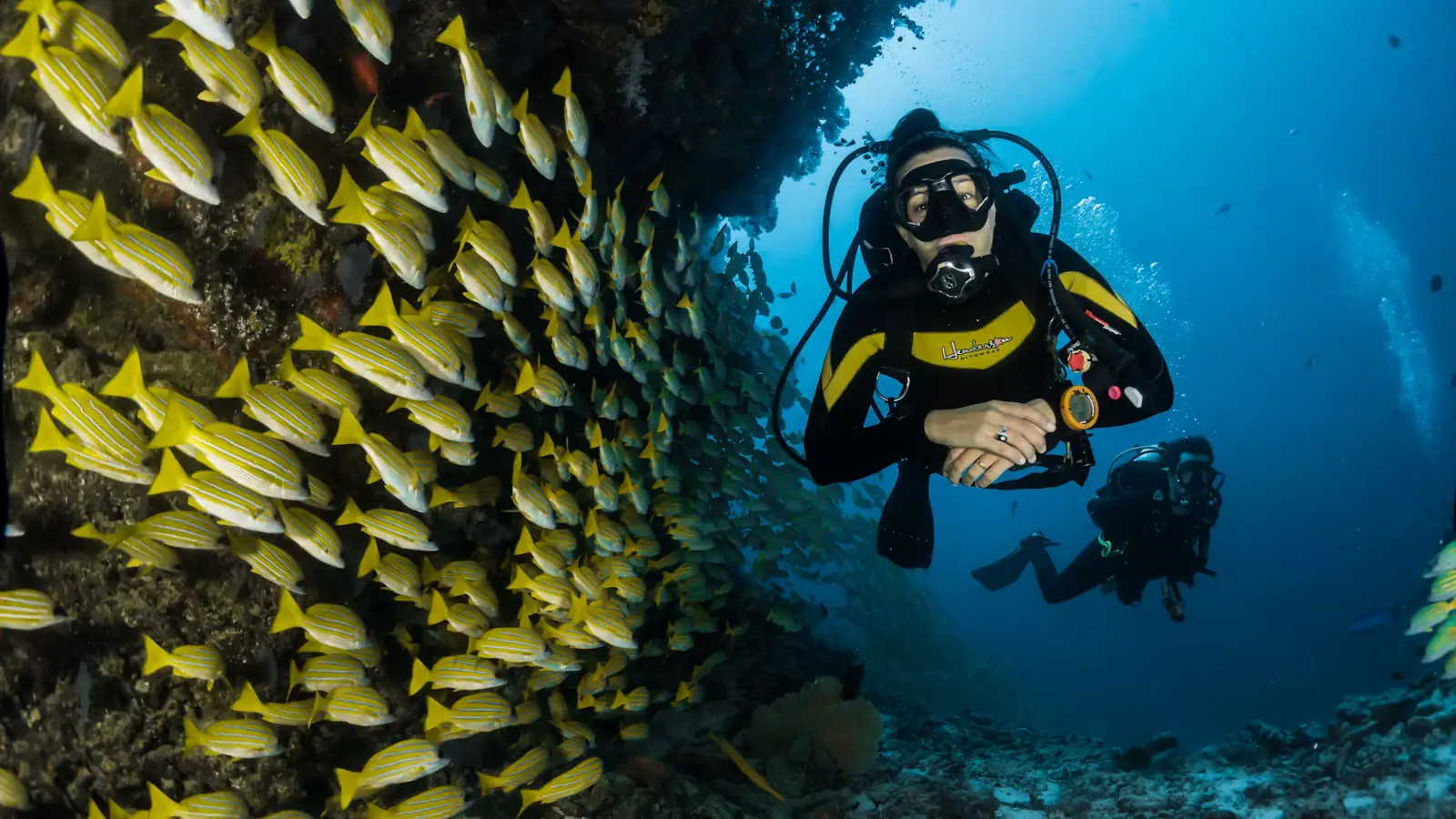
Molokini specifically. Nothing you need to keep dry. There is no shade on the crater and the reflected glare off the water is brutal, so a hat for the deck and a shirt for the water. Most operators supply masks, fins and flotation, but if you wear glasses, a prescription mask hired for the week is the single best twenty dollars of the trip.

Haleakalā sunrise. Genuine winter clothing. Dawn at 10,023 feet is regularly in the 30s Fahrenheit with wind, and the summit has no shelter beyond the visitor centre. A hat, gloves, a proper jacket, long trousers and closed shoes. A thermos. Do not go up within 24 hours of scuba diving, and expect a headache if you are sensitive to altitude.

Road to Hāna. More water than you think, snacks, a rain layer, and a full tank before you leave Pāʻia because there is effectively no fuel until Hāna. Shoes that can get muddy. Cash for the roadside fruit and banana bread stands, which are the best food on the road and rarely take cards.

Helicopter. Dark clothing to reduce window reflection, and nothing loose if you are flying doors-off. Operators weigh passengers, which is a safety requirement rather than a judgement, and some restrict bags entirely.

Luau. A light layer for after sunset and shoes you can walk on grass in. Resort lawns are not heels.

What not to book

Before you book

Anything that offers to swim with dolphins. Hawaiian spinner dolphins rest in shallow bays during the day after feeding offshore at night, and federal rules now prohibit approaching them within 50 yards in Hawaiian waters. Any operator promising a swim with wild dolphins is either breaking the rules or misleading you.

An afternoon Molokini trip as your only snorkel. The wind has filled in, the crater is rolling and the visibility is a fraction of the morning's. Take the afternoon price for a second coastal snorkel instead, and pay the premium for the early crater run.

A tour that includes a drive-through of Lahaina's burn zone. Nothing legitimate does. Residents have repeatedly asked visitors not to sightsee, photograph or film the area where about a hundred people died. If an operator markets it, that tells you what you need to know.

A downhill bike ride you have not checked the start point of. Commercial bicycle descents no longer begin at the summit itself; rides start outside the national park boundary, a change made after fatal crashes. That is a reasonable restriction and it changes the product, so confirm where yours actually starts.

Both big drives in 48 hours. A 2am sunrise pickup followed by a 10-hour Hāna day is how people end their Maui trip exhausted and mildly resentful of a beautiful island.

A helicopter on your last morning. Weather cancels flights, and a cancelled flight on departure day is a refund rather than a trip.

The cheapest luau on price alone. The gap between the good shows and the filler is larger here than in most destinations, and the difference is the food and whether the performance has any connection to Hawaiian practice rather than generic Polynesian revue.

On the ground

Where to go

Every place below has its own page — hours, parking, what it costs and what to expect when you get there.

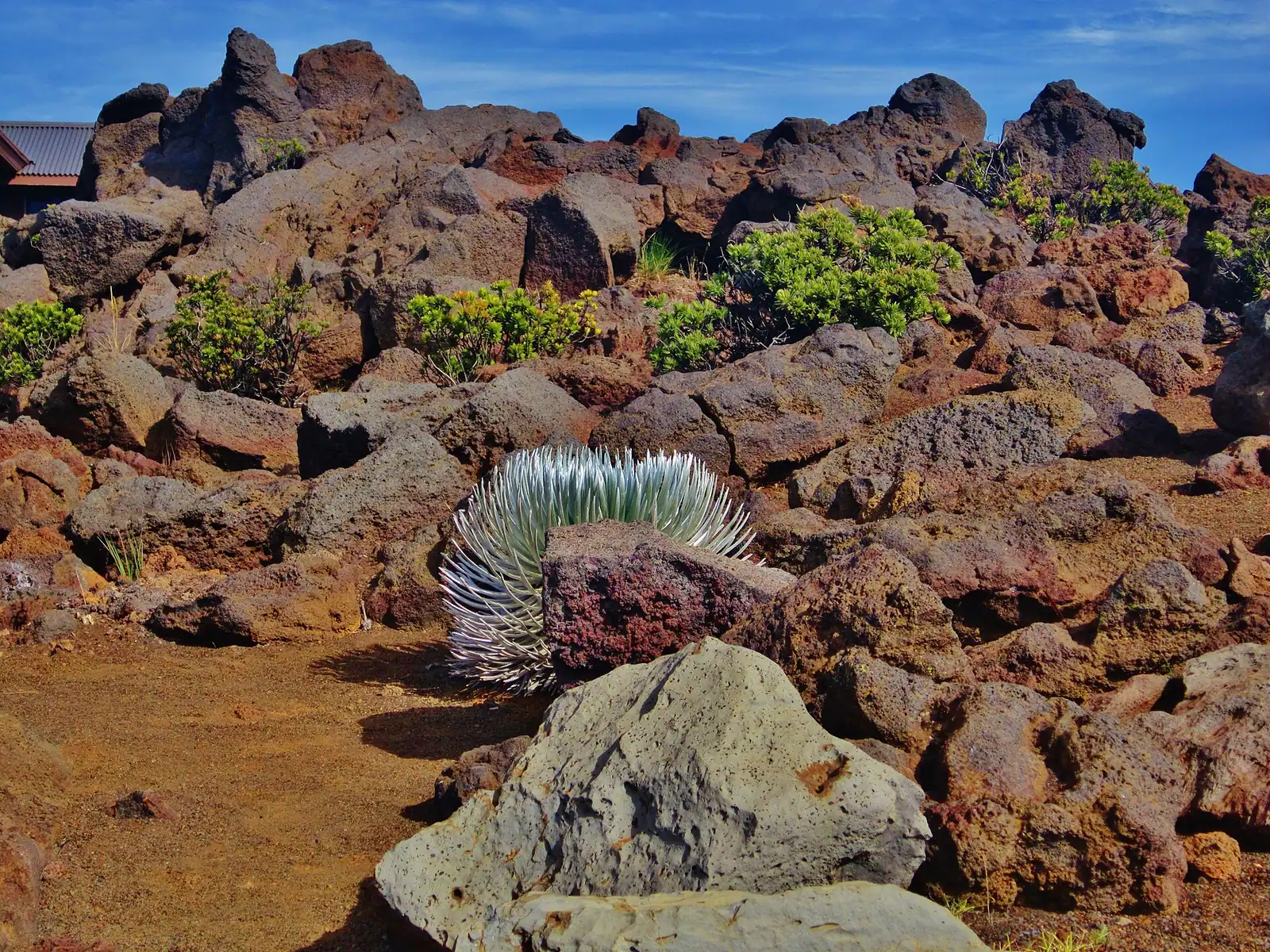
  • Bare volcanic cinder cones on a high crater floor under early morning light

    Park

    Haleakalā National Park

    A 10,023-foot volcano with a reservation system at the gate and a second district four hours away on the far side of the island.

    3–8 hoursAround $30 per private vehicle, valid three days and covering both districts. Sunrise entry needs a separate $1 reservation.

  • A narrow road curving through dense green rainforest

    Landmark

    The Road to Hāna

    Free

    Sixty-four miles, 620 curves and 59 bridges — and a road that several hundred people use to get to work.

    8–12 hoursThe road itself is free. Several stops along it charge for parking or entry.

  • Reef fish over coral in very clear blue water

    Nature preserve

    Molokini Crater

    A sunken crescent of volcanic rock three miles offshore, with water clear enough to see the bottom from the deck.

    4–6 hoursNo entry fee to the conservation district itself; access is entirely through paid boat charters, which on Maui sit at the premium end of the market.

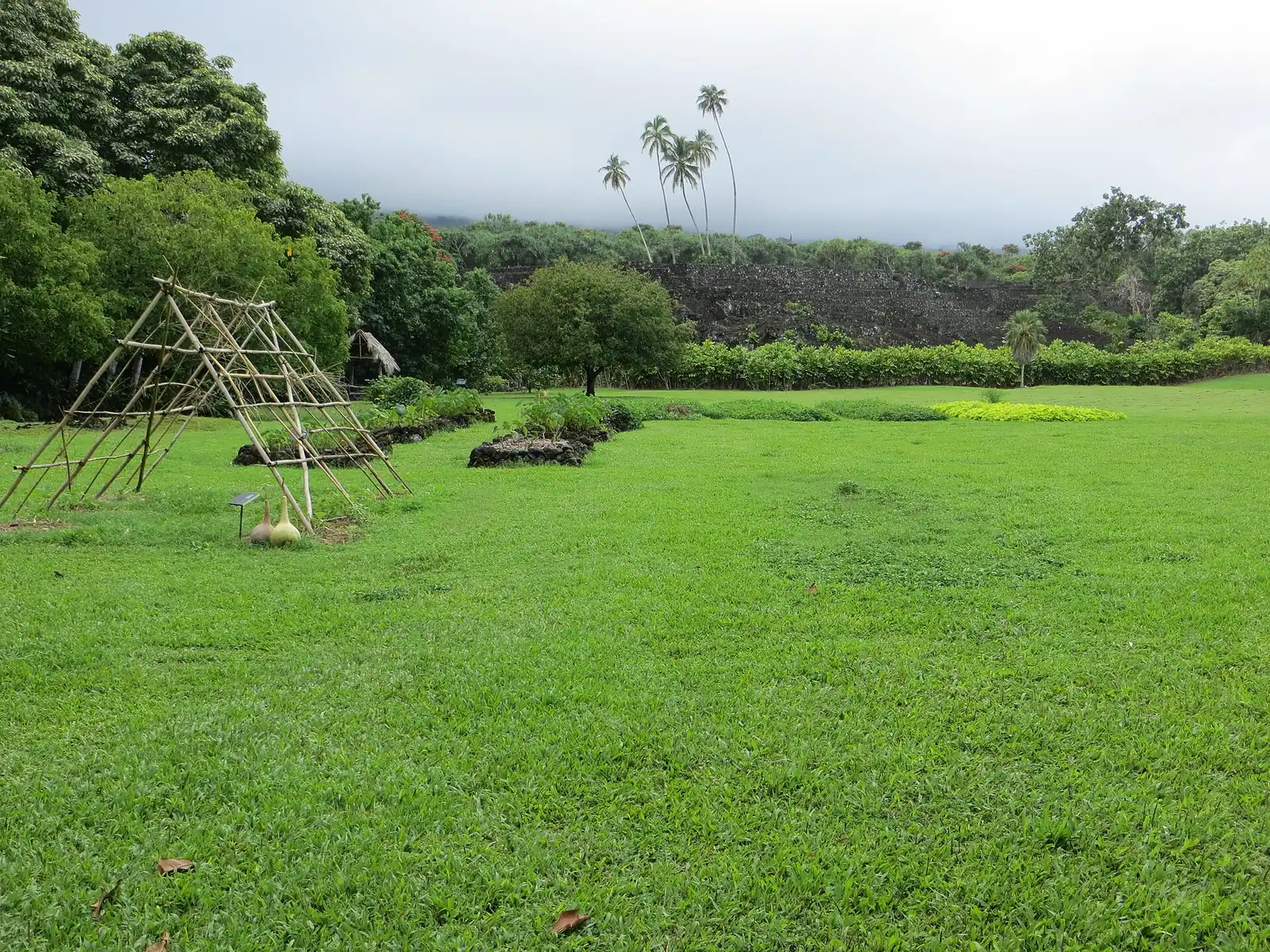
  • A long dry-stacked wall of fitted dark volcanic stone rising in stepped terraces

    Historic site

    Kahanu Garden & Piʻilanihale Heiau

    A dry-stacked stone platform the size of a city block, the largest heiau in Polynesia, standing in a hala forest above the Hāna coast.

    1–2.5 hoursAround $18 per adult for a self-guided visit; roughly $30 for the guided tour. Children 12 and under free.

  • A long curve of pale sand meeting clear turquoise water under a bright sky, with low green headland beyond

    Beach

    Kāʻanapali Beach

    Free

    Three miles of public sand, a lava headland called Puʻu Kekaʻa, and free beach parking the resorts are legally required to keep.

    2–7 hoursFree. Public beach access and the mandated resort stalls cost nothing; Whalers Village charges for parking with validation.

  • A mountain ridge standing above an unbroken layer of cloud at first light

    Viewpoint

    Puʻu ʻUlaʻula (Haleakalā Summit)

    The highest point on Maui, 10,023 feet up, where the horizon curves and the clouds are a thousand feet below your feet.

    1.5–4 hoursCovered by the Haleakalā National Park entrance fee, around $30 per vehicle for three days. Sunrise entry needs a separate $1 reservation.

  • Dark volcanic sand and black rock at the edge of a small ocean cove

    Park

    Waiʻānapanapa State Park

    Black basalt sand, freshwater caves and an ancient coastal trail, three miles before Hāna — and you cannot get in without booking ahead.

    1–2.5 hoursNon-residents pay per-vehicle parking plus a per-person entry fee, both by advance reservation. Hawaiʻi residents with state ID are free.

  • Snorkeller looking down over a shallow coral reef in very clear blue water

    Nature preserve

    Honolua Bay

    Free

    A protected bay with no sand, no restrooms and no lifeguard — and the best shore snorkelling in West Maui for half the year.

    1–3 hoursFree. No entry fee, no permit and no parking charge — and no facilities of any kind.

  • Rows of grapevines running across an upland slope with hills beyond

    Entertainment

    MauiWine at ʻUlupalakua Ranch

    Free

    Maui's only winery, pouring estate syrah and sparkling pineapple wine in a cottage built for King Kalākaua on a working cattle ranch.

    1–2.5 hoursNo admission charge to visit the grounds and tasting room. Flights, glasses and bottles are paid for individually.

  • A green sea turtle swimming over shallow coral in clear water

    Historic site

    Olowalu

    Free

    A reef that reseeds coral across four islands, a cliff of petroglyphs, and the site of a massacre that changed Hawaiian history.

    1–3 hoursFree. No charge for the shoreline, the reef or the petroglyph trail.

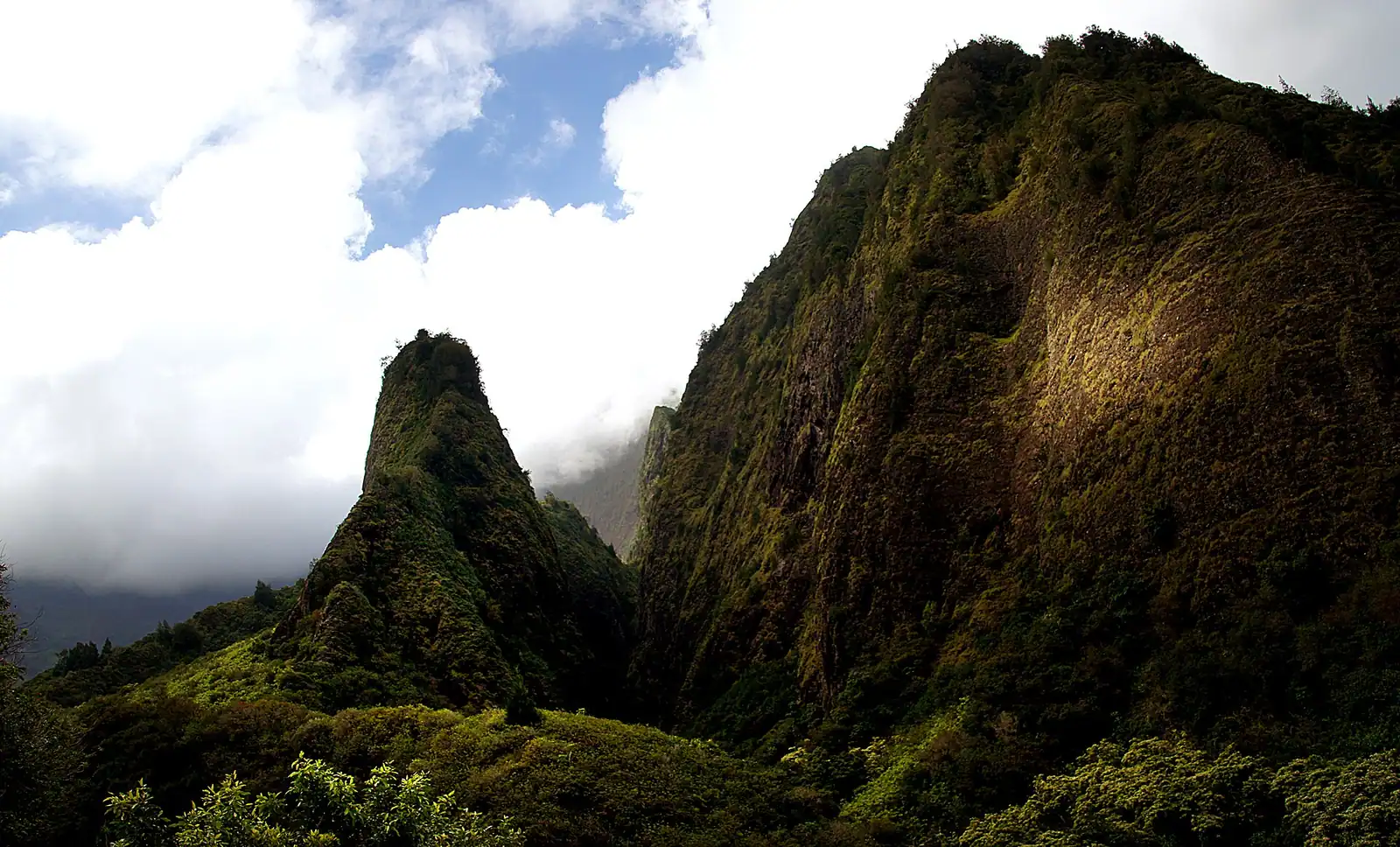
  • A sharp green ridge rising steeply out of a densely vegetated valley

    Historic site

    ʻĪao Valley State Monument

    A green spire 1,200 feet above the valley floor, in a place Hawaiians remember as a battlefield rather than a viewpoint.

    0.5–1.5 hoursNon-residents pay a per-vehicle parking fee plus a per-person entry fee, both booked in advance. Hawaiʻi residents with state ID are free.

  • Rows of flowering lavender running across a sloping field

    Park

    Aliʻi Kula Lavender

    Thirteen acres of lavender at 4,000 feet, with a view that takes in both of Maui's coastlines on a clear morning.

    1–2 hoursA small admission charge, historically a few dollars per adult; children 12 and under free.

  • Fish swimming past a large curved aquarium viewing window

    Museum

    Maui Ocean Center

    The only aquarium on Maui, showing Hawaiian species exclusively — and by county law, no whales or dolphins in tanks.

    2–3 hoursAround $50 for adults, roughly $40 for children 4–12, slightly less for over-65s. Under-fours free. Substantial kamaʻāina and military discount.

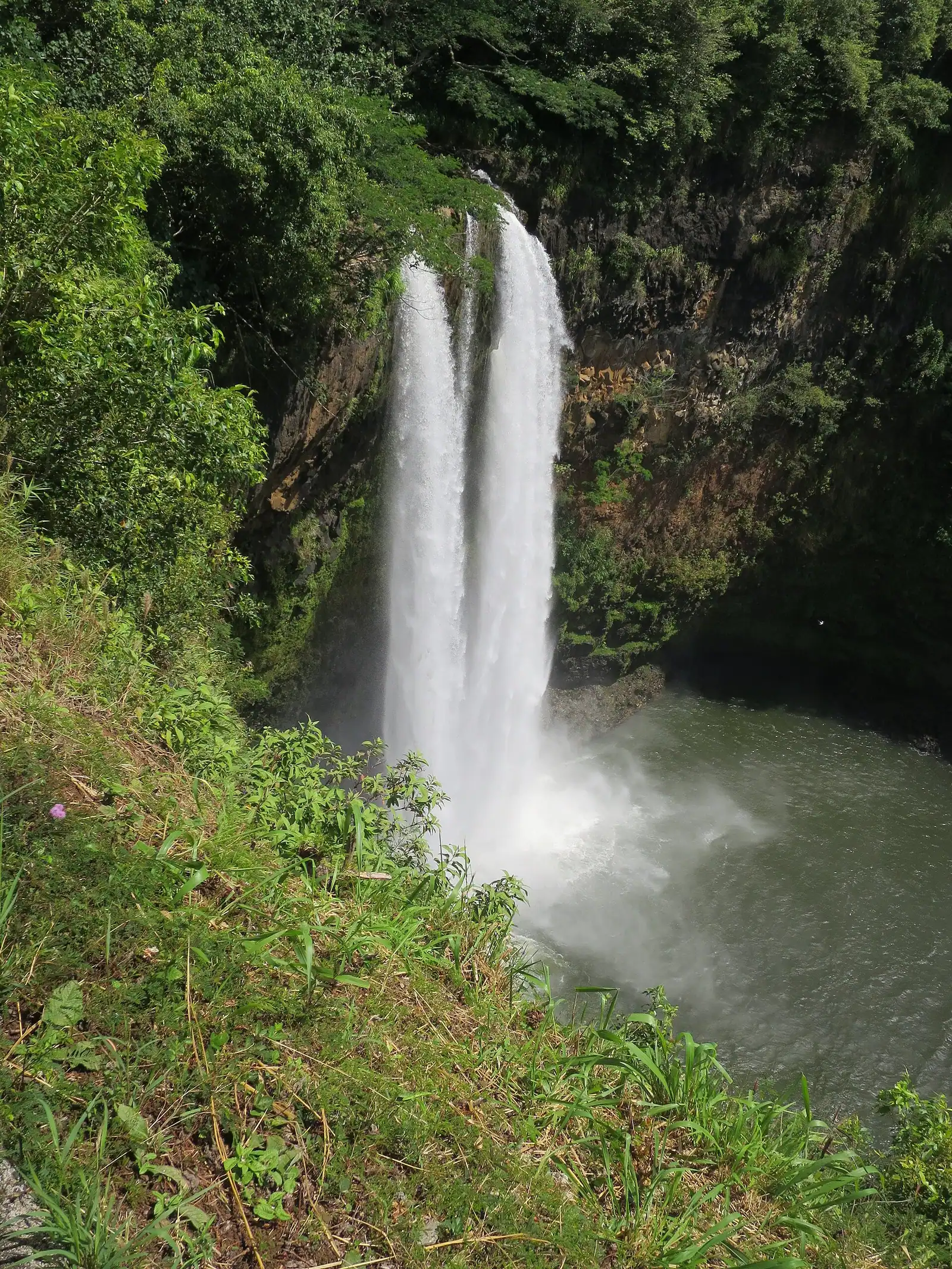
  • A single waterfall falling into a rock pool in a narrow fern-covered gully

    Water feature

    Wailua Falls

    Free

    Eighty feet of water beside the road south of Hāna, and the only serious Maui waterfall you can see without leaving the car.

    10–40 minutesFree. No entry fee, no reservation and no parking charge.

Straight answers

Questions people actually ask

How much do tours cost on Maui?

More than almost anywhere else in the US. The median bookable tour runs around $203 a person and roughly 18% of inventory sits above $250. A shared Molokini snorkel is typically $140 to $200, a whale watch $50 to $120, a luau $150 to $260, a guided Road to Hāna $180 to $280, and a helicopter flight $300 to $500 or more. Crew gratuities of 15 to 20 percent are customary and usually not included.

Where do Maui snorkel boats leave from?

Mostly Māʻalaea Harbor, on the isthmus next to Maui Ocean Center, which carries the bulk of the Molokini fleet. The Kīhei boat ramp at Kalepolepo is closer to the crater and several operators load off the sand there rather than a dock. Lahaina Harbor is in a limited phased reopening with daylight-hours operations while dredging continues, and some catamarans load directly off Kāʻanapali Beach. Confirm your meeting point 24 hours ahead.

Is a Molokini tour worth it in the afternoon?

Not as your only snorkel. Maui's trade winds fill in through the morning, so an afternoon crossing is rougher and the visibility inside the crater is a fraction of the dawn figure. Afternoon trips are cheaper because of it. A better use of the money is a morning Molokini run plus an afternoon coastal snorkel from Kīhei or Olowalu, where conditions matter less.

Do I need a tour for the Road to Hāna?

No, but plenty of people are happier with one. The road is about 64 miles with roughly 600 curves and 59 mostly one-lane bridges, and it is a 10 to 12 hour day either way. A guided van hands the driving to someone who does it weekly, usually carries the Waiʻānapanapa reservation, and knows which pullouts are legal. If anyone in the car gets motion sick, the tour is the better call.

Do Haleakalā sunrise tours include the reservation?

Most do, but check. Every vehicle entering the summit district between 3am and 7am needs a $1 sunrise reservation from recreation.gov, and the park's $30 three-day entrance fee is separate. Commercial operators hold their own permits, so a tour usually removes the booking problem entirely. If you are driving yourself, the main release is 60 days ahead at 7:00am Hawaiʻi time with returns two days out.

When is whale watching season on Maui?

Humpbacks are in Maui waters roughly December through April, with the peak in January to March. They come to the shallow ʻAuʻau Channel between Maui, Lānaʻi, Molokaʻi and Kahoʻolawe to breed and calve, and it is the densest concentration in the United States. Federal law keeps vessels 100 yards away and forbids chasing, so a good captain shuts the engines down and lets the animals decide.

How far ahead should I book Maui tours?

Four to six weeks for the well-known luaus and the early-morning Molokini departures in peak season, which is roughly mid-December to March and again in July. Helicopters and private charters are worth booking a few weeks out. Everything else is usually available within a week. Book the boats first and build the rest of the week around them, and schedule weather-dependent trips early in the trip so a cancellation can move.

Can you swim with dolphins on Maui?

No, and you should decline anything that offers it. Hawaiian spinner dolphins rest in shallow bays during daylight after feeding offshore all night, and federal rules prohibit approaching them within 50 yards in Hawaiian waters. Disturbing that rest cycle has real consequences for the animals. Legitimate Maui operators do not sell it, and one that does is a reason to book elsewhere.

Are Maui boat tours cancelled often?

More often in winter than summer. A north or northwest swell can close the Kāʻanapali beach loadings and make the Molokini mooring untenable, and afternoon trade winds occasionally shut down later departures. Operators almost always offer a rebooking or refund. Helicopters cancel for cloud rather than rain, so a grey coastal morning can ground a flight. Book weather-dependent trips early in your stay, not on the last day.

Which Maui tour should you book if you only book one?

In whale season, a morning whale watch, because it is the cheapest ticket on the island and the sightings are effectively guaranteed. Outside it, a dawn Molokini snorkel, because the crater is a Marine Life Conservation District three miles offshore with visibility over 100 feet and there is no way to reach it except by boat. If the budget is genuinely open, the helicopter flight over the West Maui interior.