Skip to content
Menu

Booking through these earns us a commission from Viator. You pay the same, and payment did not decide what is listed.

Search

Things to Do

Maui in the Rain

Last updated

Rainy day activities on Maui: why driving to the leeward side usually beats going indoors, plus the aquarium, the distilleries and the museums that work.

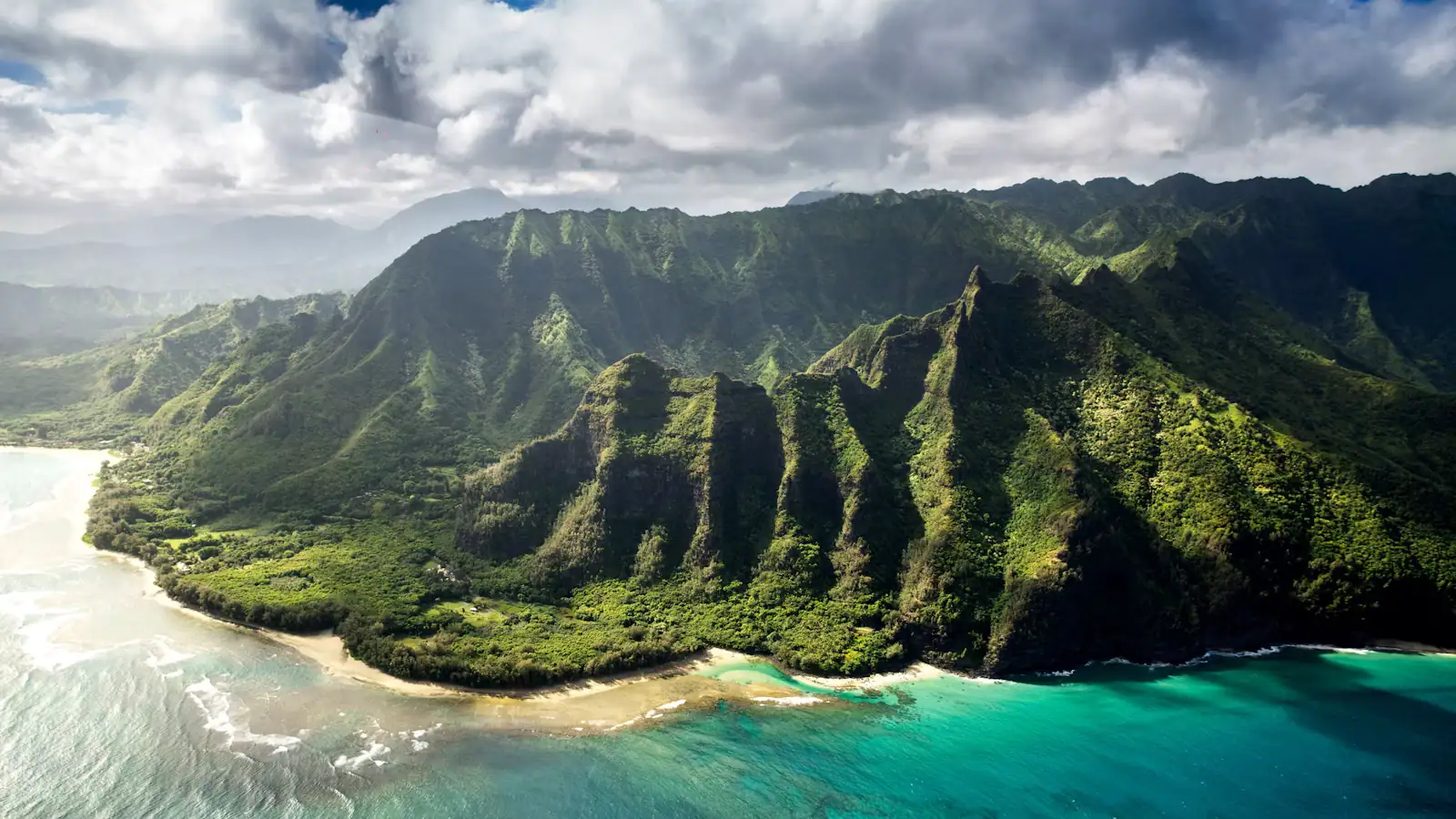
Rain clouds banked against the green windward ridges of East Maui while the coastline in the distance stays in sunlight

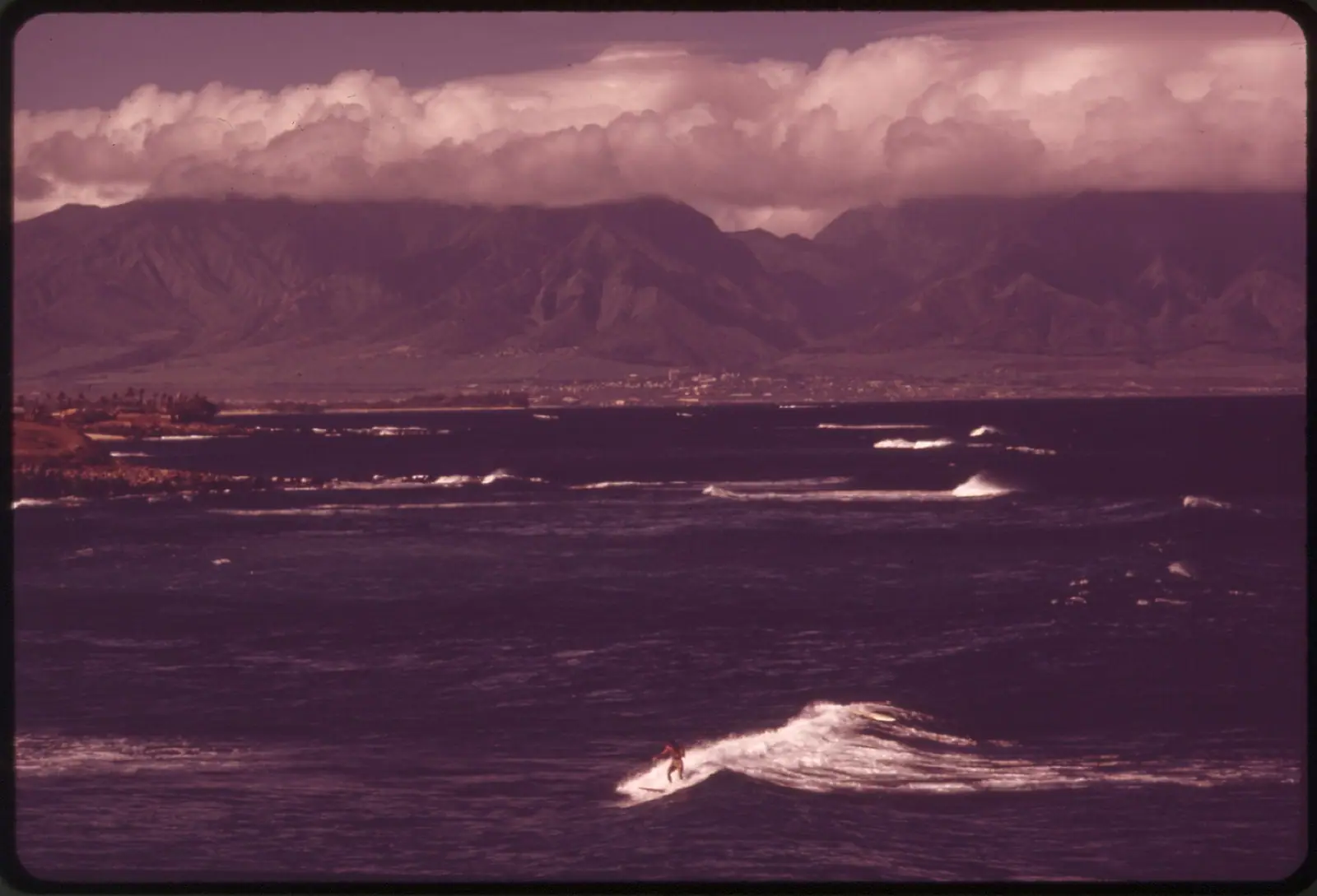
The most useful thing to know about rain on Maui is that it is a map problem rather than a calendar problem. The trade winds come out of the northeast, hit the windward slopes of Haleakalā and the West Maui Mountains, and drop their moisture there. Hāna and the upper reaches of ʻĪao receive rainfall measured in dozens of inches a year, and the summit of Puʻu Kukui in the West Maui Mountains is one of the wettest places on earth. Kīhei, fifteen miles from ʻĪao as the crow flies, gets roughly a tenth of what falls on the windward side.

The practical consequence is that the first answer to a wet morning on Maui is almost never "go indoors". It is "drive thirty-five minutes". A grey, drizzly start in Pāʻia is very frequently a bright afternoon in Kīhei, and a squall over Kāʻanapali often means clear water in Wailea. Check a radar loop rather than a town forecast, because a forecast for "Maui" is describing an island with several genuinely different climates on it at the same hour.

The second thing worth knowing is that rain barely affects the water. Sea temperature sits between about 74 and 80 degrees all year, and a snorkel trip in light rain is perfectly pleasant once you are wet anyway. What rain does affect is visibility near river mouths and stream outlets, because runoff carries sediment out through the reef. After heavy rain, skip anything close to a stream and go offshore instead.

Where it matters most is the Hāna side. Heavy rain turns the Hāna Highway's one-lane bridges and blind curves into a genuinely hazardous drive, closes the pools at ʻOheʻo Gulch, and makes the stream crossings on the Pipiwai Trail dangerous. Flash floods on East Maui respond to rain falling miles upstream in weather you cannot see from where you are standing. If a wet-weather system is sitting on the windward side, that is a day to be on the leeward coast, not in a gulch.

The genuinely indoor list on Maui is short, and it is honest to say so. There is one substantial aquarium, a handful of good small museums, several working distilleries and tasting rooms, two arts centres and a scattering of shopping. That is enough for a day. It is not enough for a week, and if you have booked a February trip you should plan around the leeward coast rather than counting on the indoor options.

Our picks

The ones we would book

  • Best for Families

    The wet-morning booking that actually works

    Why we chose it

    Māʻalaea's aquarium is the only genuinely indoor, genuinely absorbing two hours on Maui for children. The walk-through open-ocean tunnel and the Hawaiian reef galleries also improve the rest of the trip, because a seven-year-old who has learned what a humuhumunukunukuāpuaʻa looks like will find one on the next snorkel.

    Maui: Majestic Haleakala Sunrise Tour with Pick-up

    Low Supplier Cancellation Rate

    Maui: Majestic Haleakala Sunrise Tour with Pick-up (opens in a new tab)

    Best for FamiliesFree cancellationInstant confirmation
    698 reviews

    Once-in-a-lifetime may be the only way to describe watching the sun slowly rise over Haleakala National Park and spill over onto the…

    Full day

    Prices checked

    from $263.99

Drive to the other side before you do anything else

When to go

Maui's weather is local to a degree that surprises people from single-climate places.

The pattern. Trade winds from the northeast pile cloud against the windward slopes. That means rain on the Hāna coast, over Haʻikū and Pāʻia, in the upper Kula and Makawao area, and on the windward face of the West Maui Mountains. It usually means dry weather in Kīhei, Wailea, Mākena, Lahaina, Kāʻanapali and Kapalua at the same moment.

The drive times that fix a wet morning. Pāʻia to Kīhei is about 35 minutes. Kahului to Wailea is 30. Kahului to Kāʻanapali is 50 to 60. Wailuku to Māʻalaea is 15. Any of those can turn a washed-out morning into a good afternoon.

The exceptions. A Kona low, which is a winter system arriving from the southwest rather than the northeast, reverses the pattern and can rain on the leeward coast for a day or two. So can a passing front. In those conditions the whole island is wet and the indoor list below is genuinely the plan rather than the backup. Kona lows are most likely between October and April.

What to look at. A radar loop rather than a percentage. A 60% chance of rain on Maui usually means near certainty on the windward side and near zero in Wailea, and the number hides that completely.

The upside. Rain upstream makes the waterfalls run. Twin Falls, Wailua Falls and Waimoku are all better a day after heavy rain than during a dry spell. The rule is to admire them the next day, from a safe distance, rather than standing in a gulch while it is happening.

The one substantial indoor half-day

Maui Ocean Center at Māʻalaea is the island's reliable wet-weather anchor and one of the better aquariums in the country for its size. It focuses entirely on Hawaiian marine life rather than collecting species from everywhere, which makes it far more useful than a generic aquarium if you are going to snorkel later in the week.

The centrepieces are a walk-through tunnel under a large open-ocean tank with sharks and rays overhead, a living coral collection that the centre propagates itself, and a humpback exhibit that does a genuinely good job of explaining why several thousand whales spend their winters in the shallow channel just outside the window. Children who have been through the reef galleries start naming fish on the boat the next day, which is the point.

Practical notes. Budget two to three hours. Booking online ahead usually saves a little and avoids the queue on the one wet morning when everyone else on the island has the same idea. It sits directly beside Māʻalaea Harbor, which is where most of the Molokini fleet departs from, so it pairs naturally with a boat trip earlier in the day. Parking is straightforward. It is at the upper end of US aquarium pricing, which is consistent with everything else on Maui.

The other thing Māʻalaea is good for in bad weather: the harbour itself is worth twenty minutes in a blow, because the wind funnels through the saddle between the two mountain ranges and the sea state in the bay is a spectacle in its own right. Watch it from the car park, not the breakwater.

With children, when the beach is off

Local tips

Maui's wet-weather options for small children are thinner than a mainland resort town's, so it is worth knowing them before you need them.

Maui Ocean Center is the obvious one and holds a five-year-old for a couple of hours.

The whale sanctuary visitor centre at Kalepolepo in Kīhei is free, small, indoors, and has scopes on the covered deck pointed at the channel. In whale season a rainy hour there is not a compromise. The Koʻieʻie fishpond walls are right outside if the rain eases.

Maui Tropical Plantation at Waikapū runs a tram through working orchards with a roof over it, has a covered market building and cafes, and the zipline course above the fields runs in light rain. It is fifteen minutes from Kahului.

The Maui Arts and Cultural Center in Kahului programmes family events and has indoor galleries, and it is worth checking what is on rather than assuming.

The sugar museum at Puʻunēnē, in the old plantation superintendent's house on the isthmus, tells the story of the industry that shaped central Maui until the last cane was cut in 2016. Check current opening days before driving out, because they are limited.

Shopping centres, honestly. Queen Kaʻahumanu Center in Kahului is the island's main mall and has a cinema nearby. Whalers Village in Kāʻanapali and The Shops at Wailea are open-air but largely covered, and both often run free hula and Hawaiian music sessions. Check the current schedule rather than turning up on spec.

And the thing that works better than any of the above: swim anyway. The water is 74 to 80 degrees all year and a warm Pacific rain on a sheltered south-shore beach is a fine way to spend an hour, provided there is no thunder and you stay away from stream outlets.

Tasting rooms, distilleries and the Upcountry wet day

Cloud and drizzle Upcountry is normal weather rather than a spoiled day, and the things worth doing up there are largely under a roof.

Maui Wine at ʻUlupalakua occupies the old ranch manager's cottage on ranch land that King Kalākaua used to visit, under enormous old trees at about 1,800 feet. The pineapple wine is a real product rather than a novelty, and the tasting room is exactly the right place to be when the cloud comes down on the mountain. It is roughly an hour from Wailea.

Ocean Vodka's organic farm and distillery on the Kula slopes has a view down the whole isthmus when the cloud lifts, and runs tours of the still house and the sugarcane fields. Haliʻimaile Distilling in the old pineapple cannery country between Pāʻia and Makawao is the other one, and Maui Brewing runs a large brewery and taproom in Kīhei on the dry side, which is useful when the rain is Upcountry rather than coastal.

Aliʻi Kula Lavender is mostly outdoors but the shop and cafe are not, and a lavender farm in mist is arguably better than a lavender farm in glare.

Kula Botanical Garden is eight acres of well-kept planting that is perfectly pleasant in light rain with a jacket.

One practical warning for Upcountry in wet weather. The roads above Makawao and Kula are narrow, unlit, frequently in cloud, and share space with agricultural traffic. Drive them slowly in the dark, and do not attempt the Kahekili Highway around the north of West Maui in heavy rain at all: it is one lane in places, has no guardrail and most rental agreements exclude it.

Museums, galleries and a wet-weather history day

Maui's indoor cultural offer is small but good, and it is concentrated in the central and Upcountry towns rather than the resorts.

Bailey House Museum in Wailuku occupies an 1830s missionary-era building with thick plastered stone walls, and holds a collection of Hawaiian artefacts, kapa cloth and 19th-century paintings of the island before the plantations. It is five minutes from ʻĪao Valley and a far better rainy-day stop than the valley itself.

Hui Noʻeau Visual Arts Center in Makawao is set in a 1917 estate house on nine acres, runs exhibitions and studio classes, and will often let visitors watch a ceramics or printmaking session. It is the most civilised way to spend two wet hours on the island.

The Maui Arts and Cultural Center in Kahului has galleries, a theatre and a concert calendar. On a genuinely wet evening it is the best thing on the island.

Market Street in Wailuku has antique and vintage shops in a run of plantation-era storefronts, plus a handful of good restaurants, and it is entirely walkable under an umbrella.

What not to do on a wet day: ʻĪao Valley State Monument. It is beautiful in cloud and it also clouds in completely, which means you will have used your non-resident reservation on a view of grey. The stream also rises fast. Save it for a clear morning and book the slot accordingly.

And a note on Lahaina. The museums that once sat along Front Street were lost in the 2023 fire, and the town is rebuilding rather than receiving sightseers. Spend a wet afternoon in Wailuku or Makawao instead, and give West Maui your custom at the businesses that have reopened on Front Street since August 2026.

What a wet day costs

What it costs

Bands rather than quotes, and worth confirming before you drive out. The useful thing about a Maui rain day is that it is usually the cheapest day of the trip.

  • Free, and indoors. The Hawaiian Islands Humpback Whale National Marine Sanctuary visitor centre at Kalepolepo in Kīhei. Gallery browsing in Makawao and on Market Street in Wailuku. The covered market building at Maui Tropical Plantation. Hula and Hawaiian music sessions that Whalers Village and The Shops at Wailea often run; check the current schedule rather than turning up on spec.
  • Under $25 a head. Most of the small museums, including the Bailey House in Wailuku and the sugar museum at Puʻunēnē. Gallery and exhibition admission at Hui Noʻeau in Makawao. A cinema ticket in Kahului.
  • $25 to $50. Maui Ocean Center at Māʻalaea, which is at the upper end of US aquarium pricing and is the only substantial indoor half-day on the island. Booking online ahead usually saves a little and skips the queue on the one morning everybody has the same idea.
  • $25 to $60. Tasting flights and distillery tours: Maui Wine at ʻUlupalakua, the organic distillery at Kula, the cannery-country distillery between Pāʻia and Makawao, and the Kīhei brewery. Most charge for the tasting and credit it against a purchase.
  • Unchanged by weather. Boat trips. A snorkel charter costs the same in drizzle as in sun, and the sea is 74 to 80 degrees either way. What cancels a trip is swell and wind, not rain.

The one wet-day expense worth avoiding: spending a non-resident ʻĪao Valley reservation, at roughly $10 per vehicle plus about $5 a head, on a valley that has clouded in completely. Move it to a clear morning.

Book it

Everything else we track

We could not find tours matching this right now

Nothing came back for Maui Ocean Center. Operators add and retire experiences constantly, so this list changes week to week. Try a broader category, or come back in a day or two.

When it is more than rain

Before you book

Most Maui rain is a passing trade-wind shower. Occasionally it is not, and the difference matters.

Flash flooding. East Maui's streams respond within minutes to rain falling miles upstream in weather you cannot see. The pools at ʻOheʻo Gulch in the Kīpahulu district are closed to swimming more often than they are open for exactly this reason, and the stream crossings on the Pipiwai Trail can become impassable. If water darkens, rises or starts carrying debris, get out and get high. Do not wait to see what happens.

The Hāna Highway in heavy rain. Sixty-four miles, roughly 600 curves and 59 mostly one-lane bridges, with rockfall and mudslide potential on the cut slopes. It is not a road to learn in a storm. Postpone the day.

Thunder and lightning. Get out of the water. Hawaiʻi gets far less lightning than the mainland, which means people take it less seriously than they should.

Kona lows and winter fronts. Between roughly October and April a system arriving from the southwest can rain on the leeward coast for a day or more, which is the one scenario where the whole island is wet. These are also the systems that bring heavy north and northwest swell, which closes Honolua to snorkelling, shuts the beach-loading catamarans at Kāʻanapali, and produces dangerous surf on the north shore.

High surf advisories. Take them literally. Maui's north-shore breaks in winter are genuinely large, and the shorebreak at Mākena and Baldwin is dangerous even on an ordinary day.

Hurricane season. The central Pacific season runs June through November. Direct hits on Maui are rare, but passing systems generate swell and rain, and if one is forecast, follow county emergency guidance rather than a weather app.
On the ground

Where to go

Every place below has its own page — hours, parking, what it costs and what to expect when you get there.

  • Rows of grapevines running across an upland slope with hills beyond

    Entertainment

    MauiWine at ʻUlupalakua Ranch

    Free

    Maui's only winery, pouring estate syrah and sparkling pineapple wine in a cottage built for King Kalākaua on a working cattle ranch.

    1–2.5 hoursNo admission charge to visit the grounds and tasting room. Flights, glasses and bottles are paid for individually.

  • Low wooden storefronts with painted signs along a small-town main street

    Neighbourhood

    Pāʻia Town

    Free

    A two-street sugar town that surfers took over, and the last place to buy petrol, coffee and a picnic before the Road to Hāna.

    1–3 hoursFree to visit. You pay for what you buy, and parking is free but scarce.

  • A wide golden beach with calm water and palm trees under bright morning sun

    Neighbourhood

    Kīhei

    Free

    Six miles of beach, three lifeguarded parks and the best free whale watching on Maui, plus a wind that arrives every afternoon.

    2–8 hoursFree. All the beach parks are public with free parking.

  • Low wooden false-front storefronts along a quiet small-town street under a cloudy sky

    Neighbourhood

    Makawao Town

    Free

    Hawaiian cowboy country at 1,600 feet, where two streets of false-front storefronts meet and the Fourth of July means a rodeo.

    1–3 hoursFree to visit. Parking is free on the street.

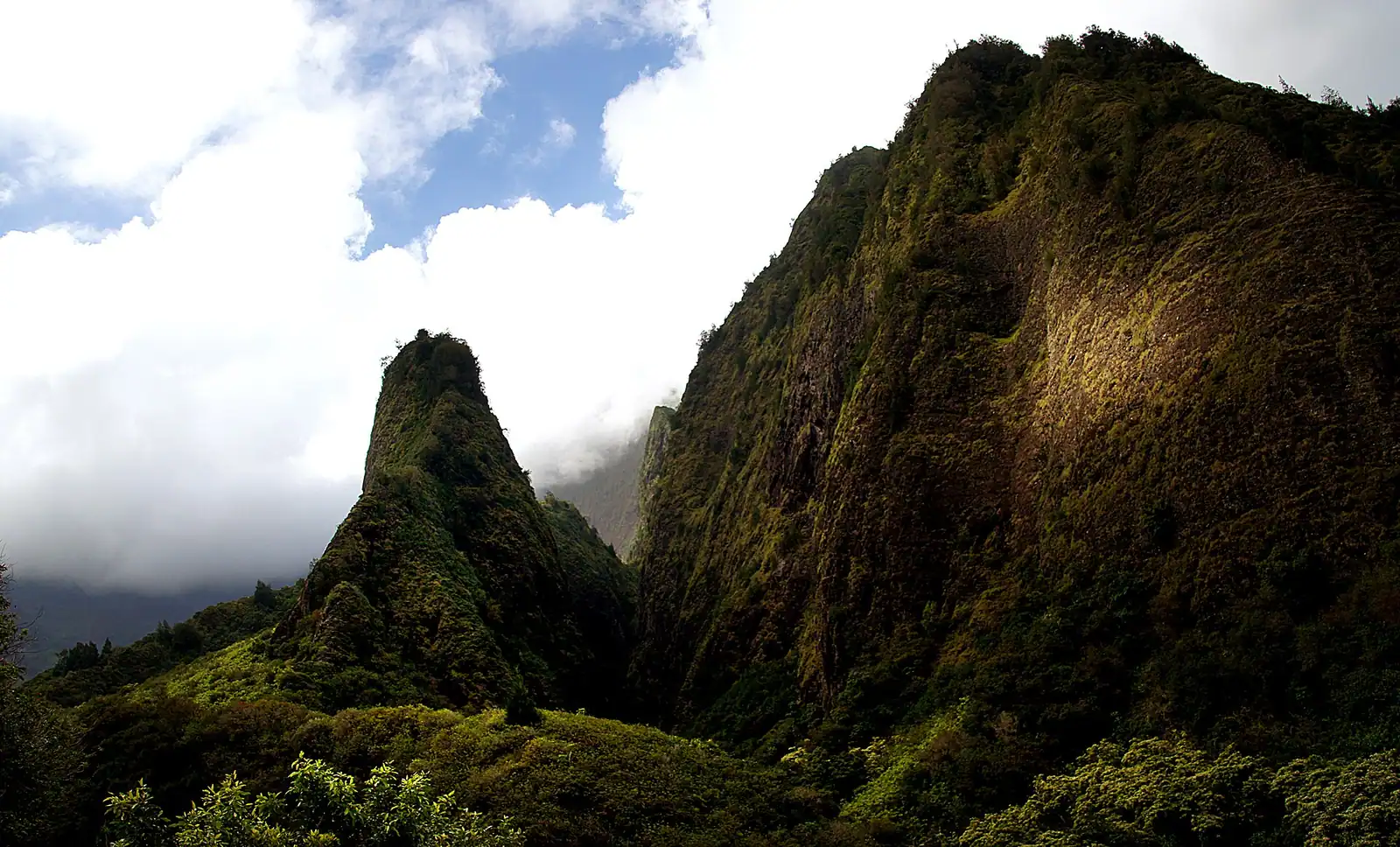
  • A sharp green ridge rising steeply out of a densely vegetated valley

    Historic site

    ʻĪao Valley State Monument

    A green spire 1,200 feet above the valley floor, in a place Hawaiians remember as a battlefield rather than a viewpoint.

    0.5–1.5 hoursNon-residents pay a per-vehicle parking fee plus a per-person entry fee, both booked in advance. Hawaiʻi residents with state ID are free.

  • Rows of flowering lavender running across a sloping field

    Park

    Aliʻi Kula Lavender

    Thirteen acres of lavender at 4,000 feet, with a view that takes in both of Maui's coastlines on a clear morning.

    1–2 hoursA small admission charge, historically a few dollars per adult; children 12 and under free.

  • Fish swimming past a large curved aquarium viewing window

    Museum

    Maui Ocean Center

    The only aquarium on Maui, showing Hawaiian species exclusively — and by county law, no whales or dolphins in tanks.

    2–3 hoursAround $50 for adults, roughly $40 for children 4–12, slightly less for over-65s. Under-fours free. Substantial kamaʻāina and military discount.

  • Low two-storey storefronts along a quiet main street with shopfront awnings

    Neighbourhood

    Wailuku Town

    Free

    Maui's county seat — antique shops, an 1833 mission house and a 1928 theatre, three miles below the mouth of ʻĪao Valley.

    1.5–4 hoursFree to visit the town. Museum admission and theatre tickets are charged separately.

  • A spiky pink protea flower head with stiff bracts, photographed close up

    Park

    Kula Botanical Garden

    Eight acres of protea, koa and orchids at 3,300 feet, where the air is cool enough to grow things the rest of Maui cannot.

    1–2 hoursAround $15 per adult and about $5 for children roughly 6–12; under-sixes free.

  • A still lagoon reflecting steep green mountain ridges under scattered cloud

    Park

    Maui Tropical Plantation

    Free

    A working farm at the mouth of Waikapū Valley where the grounds are free and the mountain behind it does most of the work.

    1–2.5 hoursFree to enter the grounds and park. The tram tour, ziplines and food are charged separately.

Straight answers

Questions people actually ask

What is there to do on Maui when it rains?

The first move is to drive, not to go indoors. Rain on Maui is concentrated on the windward north and east sides, so a wet morning in Pāʻia is often a bright afternoon in Kīhei 35 minutes away. When the whole island is wet, the substantial indoor options are Maui Ocean Center at Māʻalaea, the Bailey House Museum and Market Street in Wailuku, Hui Noʻeau in Makawao, the Maui Arts and Cultural Center, and the Upcountry tasting rooms.

Does it rain a lot on Maui?

It depends entirely where you stand. The windward slopes of Haleakalā and the West Maui Mountains are extremely wet, and Puʻu Kukui behind ʻĪao is one of the wettest places on earth. Kīhei, Wailea, Lahaina, Kāʻanapali and Kapalua are dry most of the year, sheltered by the mountains from the trade winds. The wetter season runs roughly November to March, and even then the leeward coasts usually stay sunny.

Do snorkel and whale watching tours run in the rain?

Usually yes. The sea sits between about 74 and 80 degrees all year and light rain makes little difference once you are in the water. What cancels trips is swell and wind rather than rain. The one real effect is runoff: after heavy rain, visibility near stream mouths and river outlets drops sharply, so an offshore trip to Molokini beats a coastal snorkel for a day or two afterwards.

Should you drive the Road to Hāna in the rain?

Postpone it if the rain is heavy. The highway runs about 64 miles with roughly 600 curves and 59 mostly one-lane bridges, and heavy rain brings rockfall, mudslides and poor visibility on blind corners. It also closes the pools at ʻOheʻo Gulch and can make the Pipiwai Trail stream crossings dangerous. East Maui flash floods respond to rain falling miles upstream, in weather you cannot see from where you are standing.

Is Maui Ocean Center worth it?

Yes, particularly before a snorkel trip. It concentrates on Hawaiian marine life rather than collecting species from everywhere, with a walk-through tunnel under an open-ocean tank, a coral collection it propagates itself, and a humpback exhibit that explains why several thousand whales winter in the channel outside. Budget two to three hours. It is priced at the upper end of US aquariums, which is consistent with the rest of Maui.

Can you visit ʻĪao Valley in the rain?

You can, but it is a poor use of a reservation. The valley clouds in completely in wet weather, so Kūkaʻemoku, the pinnacle you came for, disappears, and the stream rises quickly. Non-residents must book ahead and pay a per-vehicle and per-person fee, so spending that slot on grey cloud is a waste. Go on a clear morning instead, and use a wet day for the Bailey House Museum five minutes away in Wailuku.

What is a Kona low on Maui?

A winter storm system arriving from the southwest rather than on the usual northeast trade winds. Because it comes from the wrong direction, it can rain on the normally dry leeward coasts of Kīhei, Wailea and Kāʻanapali for a day or more, which is the one scenario where the whole island is wet at once. They occur mostly between October and April and often bring heavy north and northwest swell with them.