Skip to content
Menu

Booking through these earns us a commission from Viator. You pay the same, and payment did not decide what is listed.

Search

Things to Do

Waterfalls on Maui

Last updated

A practical guide to Maui waterfalls, from Twin Falls to Waimoku on the Pipiwai Trail: where to park, which pools are closed and when they actually run.

Maui's waterfalls are concentrated on one side of the island for a simple reason. Trade winds push moist air against the eastern slope of Haleakalā and the West Maui Mountains, the air rises, and it rains: in some upper catchments, several hundred inches a year. The water runs off young, steep, porous volcanic rock and falls over basalt lips that have not had long enough to erode into gentle grades. That is why the windward coast has dozens of waterfalls within sixty miles of road and the leeward resorts have essentially none.

The practical consequence is that a Maui waterfall day is a Hāna Highway day. The road runs roughly 64 miles from Kahului to Hāna with around 600 curves and 59 bridges, most of them one lane, and it is not a scenic loop with pull-ins every mile. It is a working road that people live on. The waterfalls you can visit are the ones with somewhere lawful to leave a car, and that list is much shorter than the list of waterfalls you will see from the driver's seat.

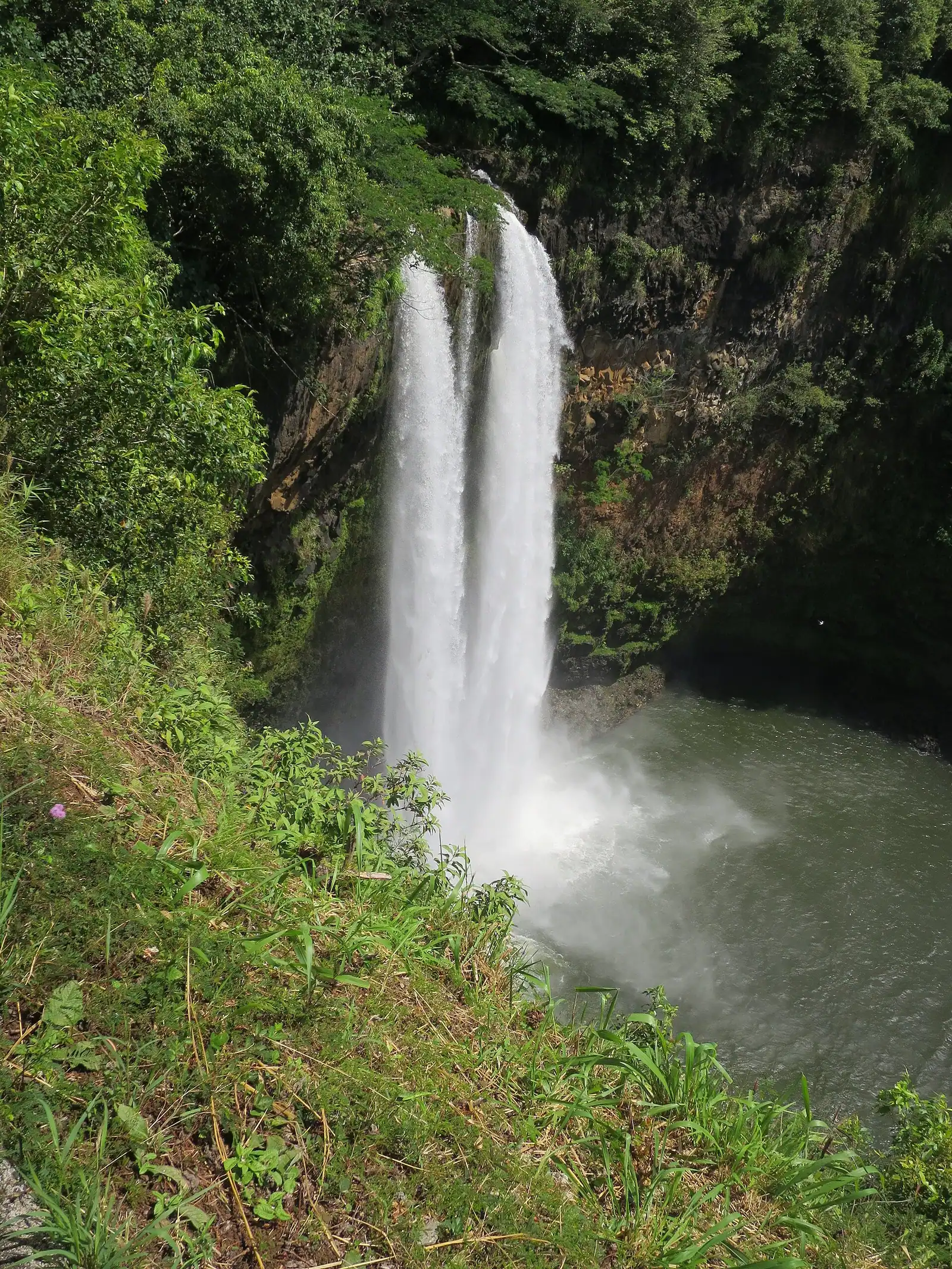
Four stops carry most of the day. Twin Falls near mile marker 2 is the first and easiest, and it sits on Wailele Farm, a working family farm that chooses to open its land to visitors and charges for parking. Puaʻa Kaʻa State Wayside around mile 22 has roadside falls, pools and restrooms. Wailua Falls, past Hāna on the Piʻilani side, is an 80-foot drop visible from the road and one of the most photographed waterfalls in Hawaiʻi, with a car park that is little more than a widening on a blind bend. And Waimoku Falls, a 400-foot ribbon at the head of the Pipiwai Trail in the Kīpahulu district of Haleakalā National Park, is the one that repays the whole drive.

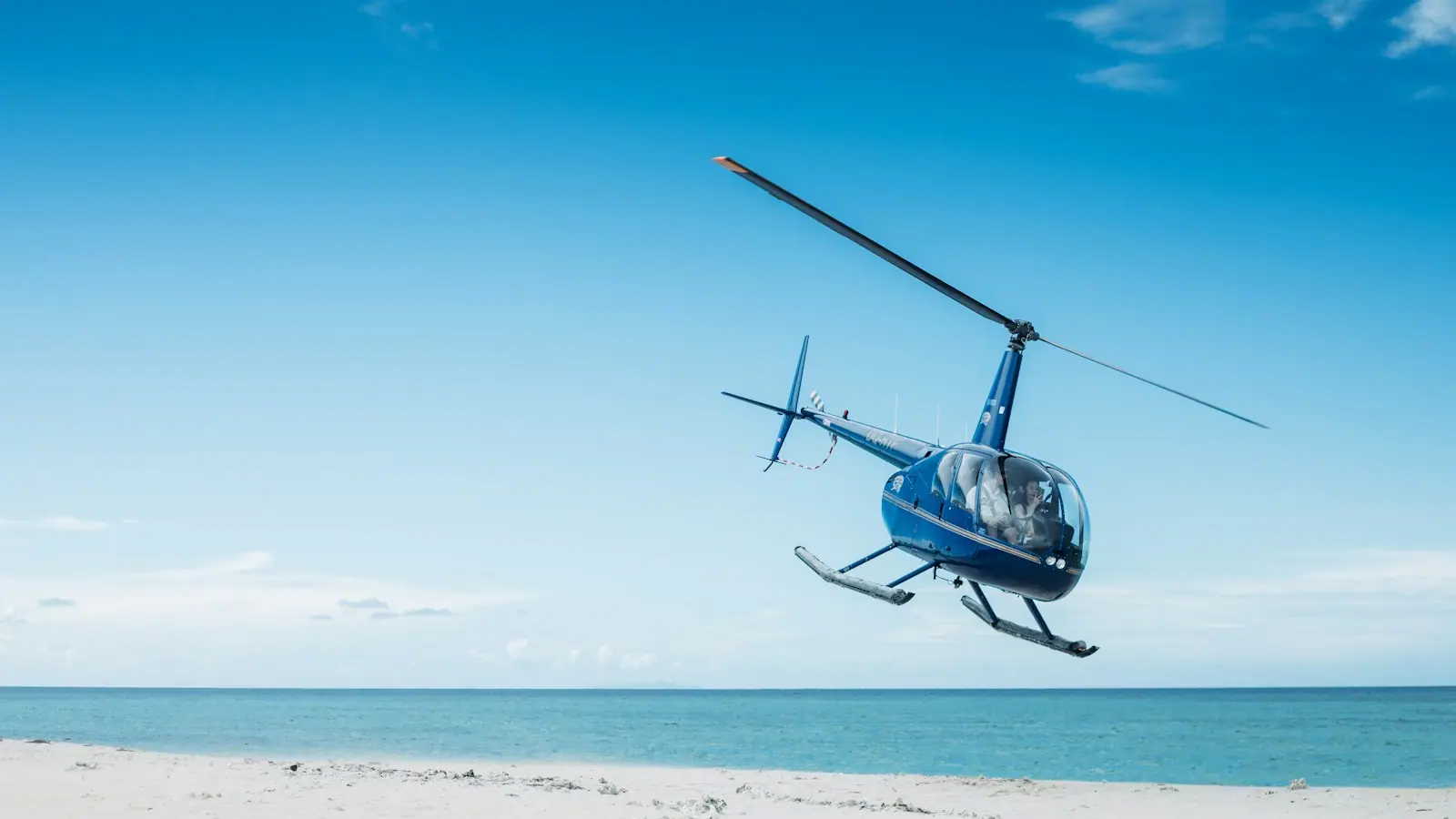
Two things to set expectations. First, the tallest waterfall on Maui is one you will not drive to. Honokōhau Falls in the West Maui Mountains drops well over a thousand feet into a valley with no public road access, which is why helicopter tours of the West Maui interior exist and why they command the prices they do. Second, waterfalls here are seasonal in a way photographs never show. From November through March the windward side is wet and the falls are heavy. By August a fall that filled a frame in February can be a thread down a black wall.

And one thing that is not negotiable. The ʻOheʻo pools, which older guides still call the Seven Sacred Pools, have been closed to swimming indefinitely because of rockfall and flash flood risk. People have been killed there. The viewing trail at Kuloa Point remains open and the Pipiwai Trail above is one of the best walks on the island, but the swimming is over, and the closure is enforced.

Our picks

The ones we would book

  • Editor's Pick

    Best small-group Road to Hāna tour

    Why we chose it

    The single best purchase for a waterfall day, because it removes the two hard parts: 600 curves of driving and the question of where you may lawfully park. Look for a small van that starts before seven, includes the national park fee for Kīpahulu and gives you real time on the Pipiwai Trail rather than a photo stop at the trailhead.

  • Small Group

    Best guided waterfall hike

    Why we chose it

    Several of East Maui's best waterfall trails cross private or leased land and a permitted operator is the only lawful way onto them. Small groups matter on narrow stream trails, and a guide who explains why a pool is closed and what the plants are is worth more than an extra stop on the itinerary.

What a Maui waterfall stop is actually like

It is muddier, narrower and more crowded than the photographs, and the driving between the stops is most of the day.

The road sets the pace. One-lane bridges mean yielding, and the local convention is that the first car to arrive goes and traffic crosses in groups of about five or six rather than one at a time. Getting this wrong is the fastest way to be unpopular on a road where people are trying to get to work. Allow ten to twelve hours from a west-side or south-shore base for a Hāna and Kīpahulu day, and do not try to add the Haleakalā summit to it.

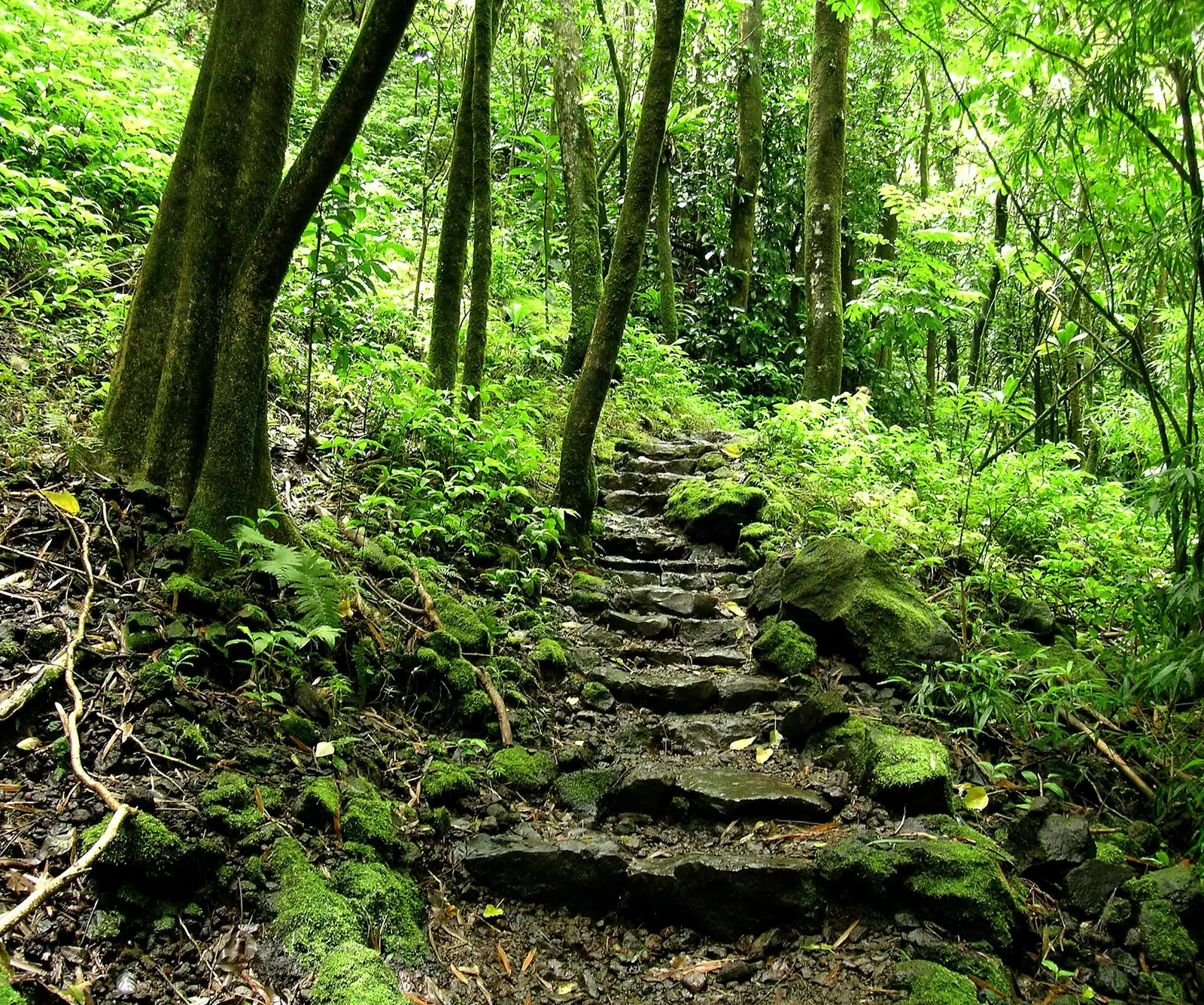
The walks are short but slick. Twin Falls is a flat ten-minute walk on farm track. Puaʻa Kaʻa is a two-minute scramble. The exception is Pipiwai, which is a genuine four-mile hike through a banyan, past an overlook, over a boardwalk and into a bamboo grove so thick the light goes green, before the trail opens onto Waimoku.

The pools are cold and often brown. Windward stream water carries sediment and it is rarely the turquoise of a stock photograph. That is normal. Brown and rising is not normal, and it means get out.

Crowds cluster. Twin Falls at eleven in the morning is a queue. The same stop at eight is nearly empty, which is one of several arguments for leaving Pāʻia at first light.

Mosquitoes are constant anywhere near standing water on the windward side, and they are the one thing nobody warns visitors about until it is too late.

When Maui's waterfalls actually run

When to go

Season matters more than any other factor. The windward slope is wettest from roughly November through March, and that is when the falls are at their most impressive. Late summer, particularly August and September, can reduce well-known falls to threads. If waterfalls are the reason you are coming, come in winter or early spring and accept more rain on the road.

Rain in the last 24 hours is the swing factor. A wet night turns modest falls into serious ones, and it also turns trails to mud and raises the flash flood risk. The two move together. Check the forecast for the Hāna and Kīpahulu area specifically, not for Kahului, because the two have nothing to do with each other.

Leave at dawn. A Hāna day that starts at 6.30 from Pāʻia is a different and much better day than one that starts at nine. You reach Twin Falls before the queue, you pass the tour vans instead of following them, and you are back over the worst of the road before dark. Driving the Hāna Highway after nightfall is unpleasant and not recommended for a first time.

Allow for the Kīpahulu timing. The Kīpahulu visitor centre keeps daytime hours and the Pipiwai Trail takes most people two and a half to three hours round trip, so you need to arrive by early afternoon at the latest to walk it without rushing the drive home.

Flash flood closures are real and sudden. The National Park Service closes Kīpahulu trails when stream gauges rise. Have a second plan.

One seasonal bonus. From December to April, the coastal stretches of the Hāna Highway and the Piʻilani side look out over water where humpbacks are, so a winter waterfall day often becomes a whale day as well.

What a waterfall day costs

What it costs

Waterfalls are the cheapest category of Maui sightseeing and the drive is where the money goes. Bands below; verify current rates before you travel.

Free. Puaʻa Kaʻa State Wayside. Roadside viewing at the Three Bears, Hanawī and Makapipi. Wailua Falls from the road.

Small fixed charges. Twin Falls charges for parking on the farm, typically in the region of $10 to $20 per vehicle, which goes to a working family farm that is under no obligation to let anyone in. Waiʻānapanapa charges a per-vehicle parking fee plus a per-person non-resident entry fee and requires a prepaid reservation.

Haleakalā National Park entrance, charged per vehicle and valid for three days across both the Summit and Kīpahulu districts, covers the Pipiwai Trail and the Kuloa Point loop. An America the Beautiful pass covers it. If you are also doing the summit that week, one fee does both.

Fuel. The Hāna round trip from Kāʻanapali or Wailea is a long day of low-gear driving. Budget for it and fill up in Pāʻia, because fuel on the Hāna side is limited and priced accordingly.

Guided alternatives, $180 to $300 a head. A small-group Hāna van tour removes the driving and the parking problem entirely, and on an island with a median tour price just over $200 it is one of the better-value uses of that money. Helicopter tours of the West Maui and Molokaʻi valleys, the only way to see Honokōhau Falls, generally start around $300 to $400 per person for a 45 to 60 minute flight and climb from there.

What it should not cost. Nothing on this road requires a ticket from a third-party website. Be sceptical of anyone selling "waterfall access" that is not a state park, a national park or a named private farm.

Whose land you are on

This is the part of a Maui waterfall day that visitors most often get wrong, and it is the part that determines whether these places stay open.

The Hāna Highway is a residential road. People commute on it, take children to school on it and wait behind hire cars stopped in the lane to photograph a bridge. Pull fully off the road or do not stop. Do not park on a bridge, on a blind bend, or across a driveway that looks like a trailhead. Let local traffic pass; a hand out of the window is the whole etiquette.

Many of the waterfalls visible from the road sit on private property or on land leased for agriculture, and some of it is Hawaiian Home Lands. A gap in a fence is not an invitation, a worn path is not a right of way, and "no trespassing" signs on this road are there because of experience rather than unfriendliness. Access that gets abused gets closed, and several once-popular falls on East Maui are now shut to everyone for exactly that reason.

Twin Falls is the model of how this works. Wailele Farm is a working farm that chooses to open its land, charges for parking and asks visitors to stay on marked trails and take everything out with them. Treating it as a public park rather than someone's business and someone's home is how the arrangement ends.

Where a guided tour holds a land-access agreement, that is the lawful way onto trails you cannot reach alone. It is also worth remembering that the Hāna district is a small Hawaiian community that receives a very large number of day visitors, and that the standard courtesies of a small town apply: greet people, do not photograph houses, do not use drones over private land, and buy something at the stands you stop at.

Book it

Everything else we track

We could not find tours matching this right now

Nothing came back for Road to Hana. Operators add and retire experiences constantly, so this list changes week to week. Try a broader category, or come back in a day or two.

The waterfalls worth stopping for

How they compare

Ordered roughly as you meet them driving east from Pāʻia.

WaterfallRoughly whereAccessSwimmingNotes
Twin FallsNear mile marker 2, Hāna HighwayShort walk from a paid car park on Wailele FarmYes, at the lower pool when conditions allowPrivate working farm opened to the public. Stay on marked paths. Farm stand at the entrance
Upper Waikani, the Three BearsAround mile 19Visible from the bridge; roadside parking is poorNot sensiblyThe classic three-strand fall. Do not stop on the bridge, and do not block the lane
Puaʻa Kaʻa State WaysideAround mile 22Small state wayside with a car park and restroomsSmall pools, conditions permittingThe most civilised waterfall stop on the road
Hanawī and MakapipiAround miles 24 and 25Viewed from the bridges, one looking down the fallsNoPhotograph from the pullout, not the bridge deck
Waiʻānapanapa sea cave and coastMile 32 areaPrepaid non-resident reservation requiredNoNot a waterfall, but the black sand stop most people pair with them
Wailua FallsPast Hāna, Piʻilani HighwayVisible from the road; a narrow pullout on a bendSometimes, at the baseAround 80 feet and heavily photographed. The parking is the hazard
Makahiku FallsHalf a mile up the Pipiwai TrailOverlook on the trailNoAbout 200 feet, straight off a cliff edge into a gorge
Waimoku FallsEnd of the Pipiwai Trail, about 2 miles inFour-mile round trip through bamboo forestNo, and the base is a rockfall zone400 feet. The best waterfall on Maui and the one that justifies the drive
ʻOheʻo pools, Kuloa PointKīpahulu, below the Pipiwai trailheadShort loop trail from the visitor centreClosed indefinitelyView only. Closed for rockfall and flash flood risk
Honokōhau FallsWest Maui interiorHelicopter onlyNoMaui's tallest, over a thousand feet, with no public land access

Note what is not on this list: the many unnamed falls you will glimpse through trees between Pāʻia and Hāna. Almost all of them are on private land or have no safe stopping place, and the pullouts that look like access are often someone's driveway.

What to take on a waterfall day

What to bring

  • Shoes with grip that you do not mind soaking. Wet basalt is genuinely slippery and the Pipiwai Trail has stream crossings. Flip-flops cause most of the minor injuries on this road.
  • A towel and a change of clothes in a dry bag. Getting wet is the point at Twin Falls and Puaʻa Kaʻa; sitting in wet clothes for four hours of driving is not.
  • Insect repellent. Windward Maui has mosquitoes wherever water stands.
  • A full tank of fuel and more food and water than you need. Services between Pāʻia and Hāna are limited, the Hāna side is small and expensive, and beyond Kīpahulu there is almost nothing.
  • Cash in small notes for the farm stands, banana bread stalls and parking honesty boxes along the road, several of which do not take cards.
  • Your Waiʻānapanapa reservation and your national park pass or receipt, downloaded rather than streamed. Mobile signal disappears for long stretches.
  • Motion sickness medication for passengers. Six hundred curves is not an exaggeration and the back seat suffers.
  • Mineral sunscreen under Maui County Ordinance 5306, and a rain shell, because it will do both on the same day.

Leave behind: any expectation of swimming at ʻOheʻo, drone ambitions inside the national park where they are prohibited, and anything visible in the car at a trailhead.

Flash floods, leptospirosis and rockfall

Before you book

Maui's waterfalls injure and occasionally kill visitors every year, and the causes are consistent.

Flash flooding. Windward streams rise within minutes from rain falling thousands of feet upslope that you cannot see or hear from the pool. If the water is rising, turning brown, or carrying leaves and branches, leave immediately and get to high ground. Never sit in a streambed. Never cross a stream that has risen. This is the hazard that kills people on this island.

Leptospirosis. Hawaiian fresh water carries a bacterium spread through animal urine that causes a severe flu-like illness and can damage the liver and kidneys. Do not swallow the water, do not submerge your head, and stay out of the pools entirely if you have an open cut or graze. Symptoms can take days to appear, so tell a doctor you swam in Hawaiian fresh water.

Rockfall. The reason the ʻOheʻo pools are closed indefinitely. Waterfall basins collect loose rock from cliffs hundreds of feet above, and falling rock at Waimoku's base is why the trail ends at a viewing area rather than at the water. Do not walk past a closure sign to stand under a waterfall.

Slippery basalt. Wet volcanic rock beside a pool is close to frictionless. Most Hāna Highway injuries are falls, not floods.

The driving. Fatigue on the return leg after a full day is a real risk on a road with 59 bridges and no lighting. Share the driving, or take a van tour.

Drones are prohibited in Haleakalā National Park and unwelcome over private land and homes along the road.

If a trail, pool or park is closed, it is closed because something happened there. Take the closure at face value.

On the ground

Where to go

Every place below has its own page — hours, parking, what it costs and what to expect when you get there.

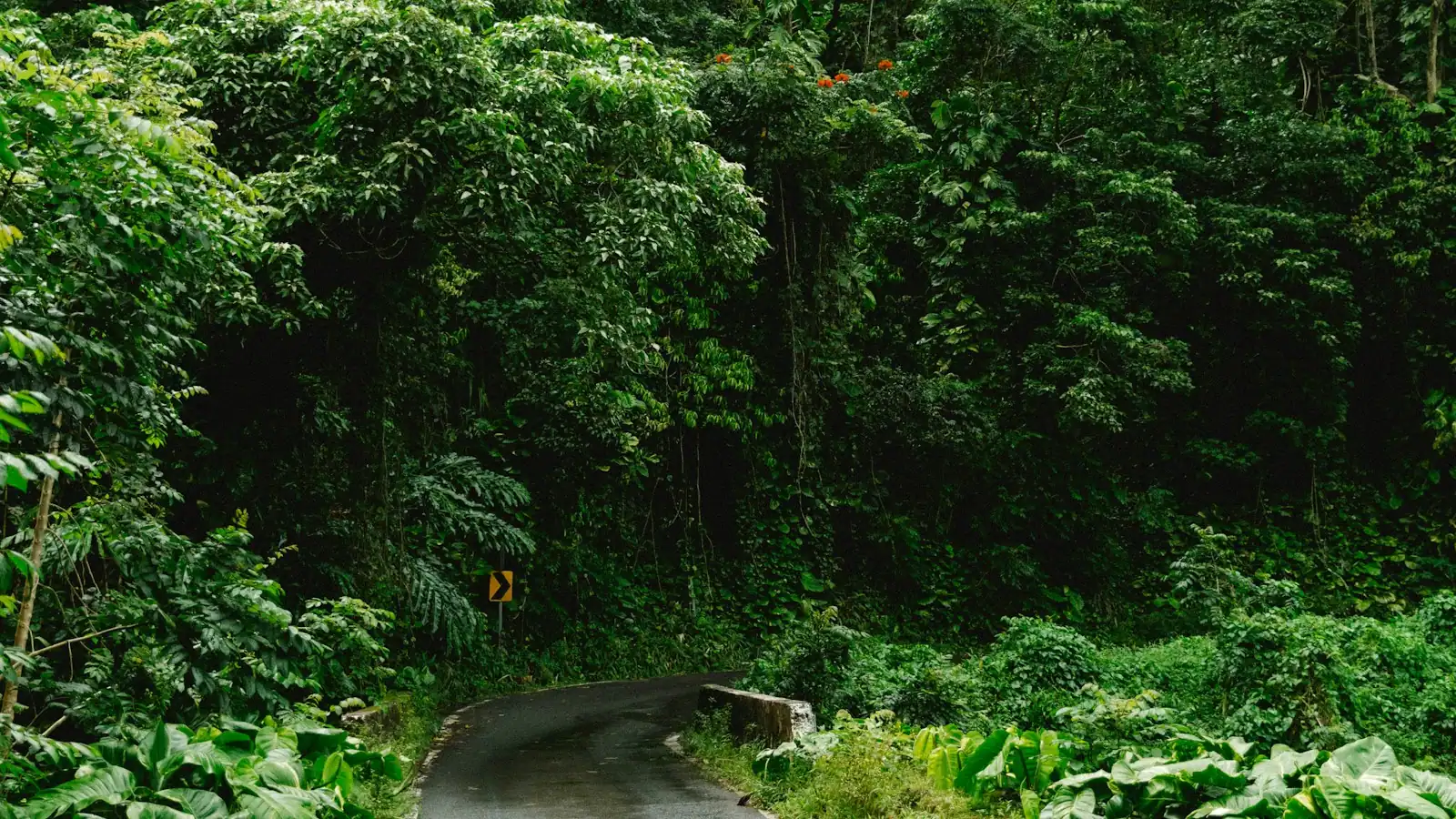
  • A narrow road curving through dense green rainforest

    Landmark

    The Road to Hāna

    Free

    Sixty-four miles, 620 curves and 59 bridges — and a road that several hundred people use to get to work.

    8–12 hoursThe road itself is free. Several stops along it charge for parking or entry.

  • A narrow path running through a dense stand of tall green bamboo

    Trail

    Pīpīwai Trail

    Four miles through a banyan, a boardwalk bamboo forest and two stream bridges, ending under a 400-foot waterfall.

    2.5–5 hoursCovered by the Haleakalā National Park entrance fee, around $30 per vehicle and valid three days across both districts.

  • Dark volcanic sand and black rock at the edge of a small ocean cove

    Park

    Waiʻānapanapa State Park

    Black basalt sand, freshwater caves and an ancient coastal trail, three miles before Hāna — and you cannot get in without booking ahead.

    1–2.5 hoursNon-residents pay per-vehicle parking plus a per-person entry fee, both by advance reservation. Hawaiʻi residents with state ID are free.

  • A tall narrow waterfall dropping down a dark cliff face into forest

    Water feature

    Waimoku Falls

    Four hundred feet of water down a sheer lava wall, two miles up a rainforest valley and reachable no other way.

    0.5–1 hoursCovered by the Haleakalā National Park entrance fee, around $30 per vehicle for three days.

  • A sharp green ridge rising steeply out of a densely vegetated valley

    Historic site

    ʻĪao Valley State Monument

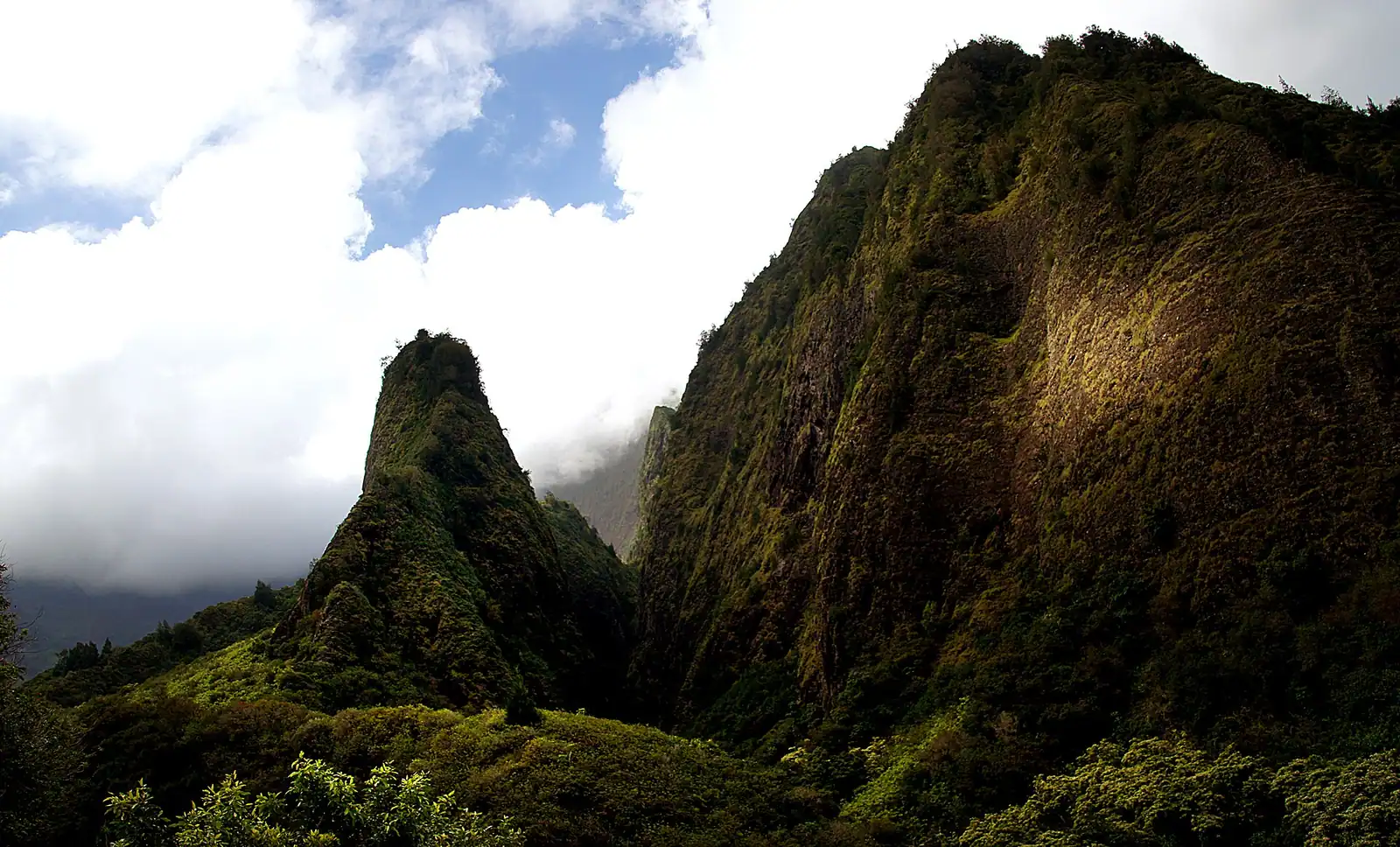
    A green spire 1,200 feet above the valley floor, in a place Hawaiians remember as a battlefield rather than a viewpoint.

    0.5–1.5 hoursNon-residents pay a per-vehicle parking fee plus a per-person entry fee, both booked in advance. Hawaiʻi residents with state ID are free.

  • A stream stepping down rock terraces towards the ocean under cloud

    Water feature

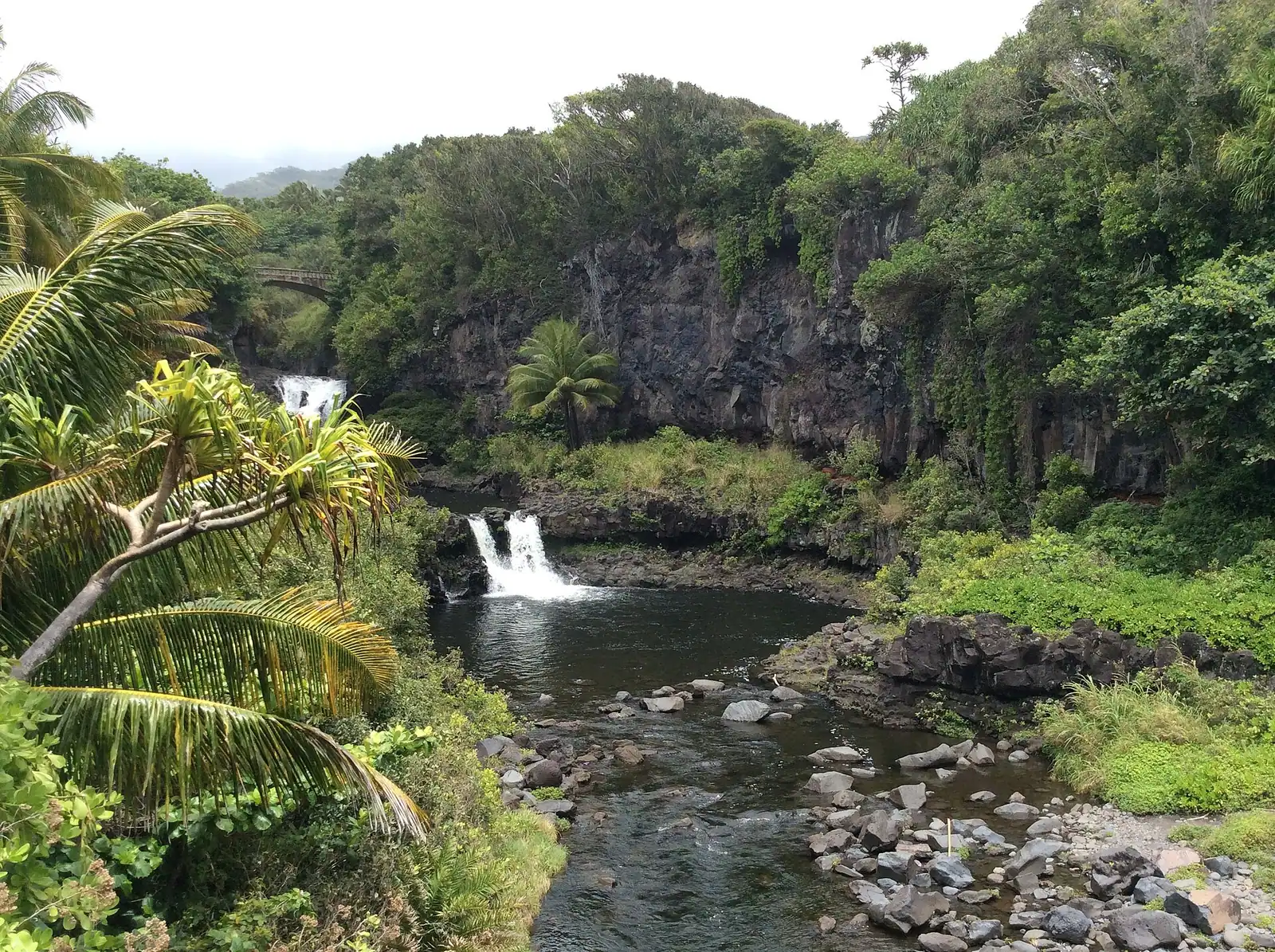
    ʻOheʻo Gulch

    A staircase of stream pools falling to the sea at Kīpahulu, where swimming has been closed and the famous name was never real.

    0.5–1.5 hoursCovered by the Haleakalā National Park entrance fee, around $30 per vehicle for three days across both districts.

  • A small waterfall dropping into a green pool in dense tropical forest

    Water feature

    Twin Falls at Wailele Farm

    The first waterfall on the Hāna road, on a working farm with 55 parking spaces and a queue that starts at 7am.

    1–2.5 hoursAround $10 per vehicle for parking, first come first served, with no booking system.

  • A single waterfall falling into a rock pool in a narrow fern-covered gully

    Water feature

    Wailua Falls

    Free

    Eighty feet of water beside the road south of Hāna, and the only serious Maui waterfall you can see without leaving the car.

    10–40 minutesFree. No entry fee, no reservation and no parking charge.

Straight answers

Questions people actually ask

What is the best waterfall on Maui?

Waimoku Falls, a 400-foot ribbon at the end of the Pipiwai Trail in the Kīpahulu district of Haleakalā National Park. The four-mile round trip to reach it passes a banyan, the 200-foot Makahiku Falls overlook and a bamboo forest, which makes the walk as good as the destination. For the shortest good stop, Twin Falls near mile marker 2. For the most photographed, Wailua Falls past Hāna, visible straight from the road.

Can you swim in the Seven Sacred Pools on Maui?

No. The ʻOheʻo pools, popularly called the Seven Sacred Pools, have been closed to swimming indefinitely because of rockfall and flash flood risk, and people have died there. The Kuloa Point trail from the Kīpahulu visitor centre still lets you view them, and the Pipiwai Trail above remains open and is the better use of your time. Do not climb past closure signs; the closure is enforced.
When is the best time of year to see Maui's waterfalls?

November through March. The windward slope of Haleakalā is wettest in those months and the falls run heaviest, though the same rain makes the trails muddy and raises flash flood risk. Late summer, especially August and September, is the weakest period, when well-known falls can drop to threads. Rain in the previous 24 hours makes more difference than the calendar, so check the forecast for Hāna and Kīpahulu specifically.

Do you have to pay to see Twin Falls on Maui?

There is a parking charge, usually in the region of $10 to $20 per vehicle. Twin Falls sits on Wailele Farm, a working family farm that chooses to open its land to visitors and is under no obligation to do so. Stay on the marked paths, take your rubbish with you and buy something at the farm stand. Access to places like this on East Maui gets withdrawn when it is abused, and several once-popular falls are already closed for that reason.

Is it safe to swim in Maui's waterfall pools?

With caution and only where swimming is permitted. Two hazards matter. Flash flooding: streams rise within minutes from rain falling far upslope that you cannot see, so leave immediately if the water rises, browns or carries debris. And leptospirosis, a bacterial illness in Hawaiian fresh water spread through animal urine, so do not swallow the water, do not submerge your head and stay out with any open cut. Wet basalt beside the pools is extremely slippery.

How many waterfalls are on the Road to Hāna?

You will see dozens from the car over the 64 miles between Pāʻia and Hāna, and you can legally stop at far fewer. The realistic list is Twin Falls near mile 2, the Three Bears at Upper Waikani around mile 19, Puaʻa Kaʻa State Wayside around mile 22, the bridge views at Hanawī and Makapipi, Wailua Falls past Hāna and the Pipiwai Trail falls in Kīpahulu. Most of the rest are on private land or have nowhere safe to park.

Can you see Maui's tallest waterfall by car?

No. Honokōhau Falls in the West Maui Mountains drops well over a thousand feet into a valley with no public road access, so helicopter tours of the West Maui interior are the only way to see it. Those flights typically start around $300 to $400 per person for 45 to 60 minutes and rise from there, and they often combine the West Maui valleys with the sea cliffs of Molokaʻi. Confirm current pricing and flight paths when booking.

Where can I park to see waterfalls on the Hāna Highway?

Only where there is a proper pullout or a designated car park: Twin Falls' farm car park, the Puaʻa Kaʻa State Wayside, the Waiʻānapanapa lot with a prepaid reservation, the Wailua Falls pullout and the Kīpahulu visitor centre. Never stop on a one-lane bridge, on a blind bend, or in a driveway. The Hāna Highway is a residential road where people commute, and blocking it is both dangerous and the reason access gets restricted.