Skip to content
Menu

Booking through these earns us a commission from Viator. You pay the same, and payment did not decide what is listed.

Search

Things to Do

Snorkelling on Maui

Last updated

Where to snorkel on Maui and when. Kapalua, Honolua, Black Rock, Olowalu and Molokini compared, plus mineral sunscreen rules and honu etiquette.

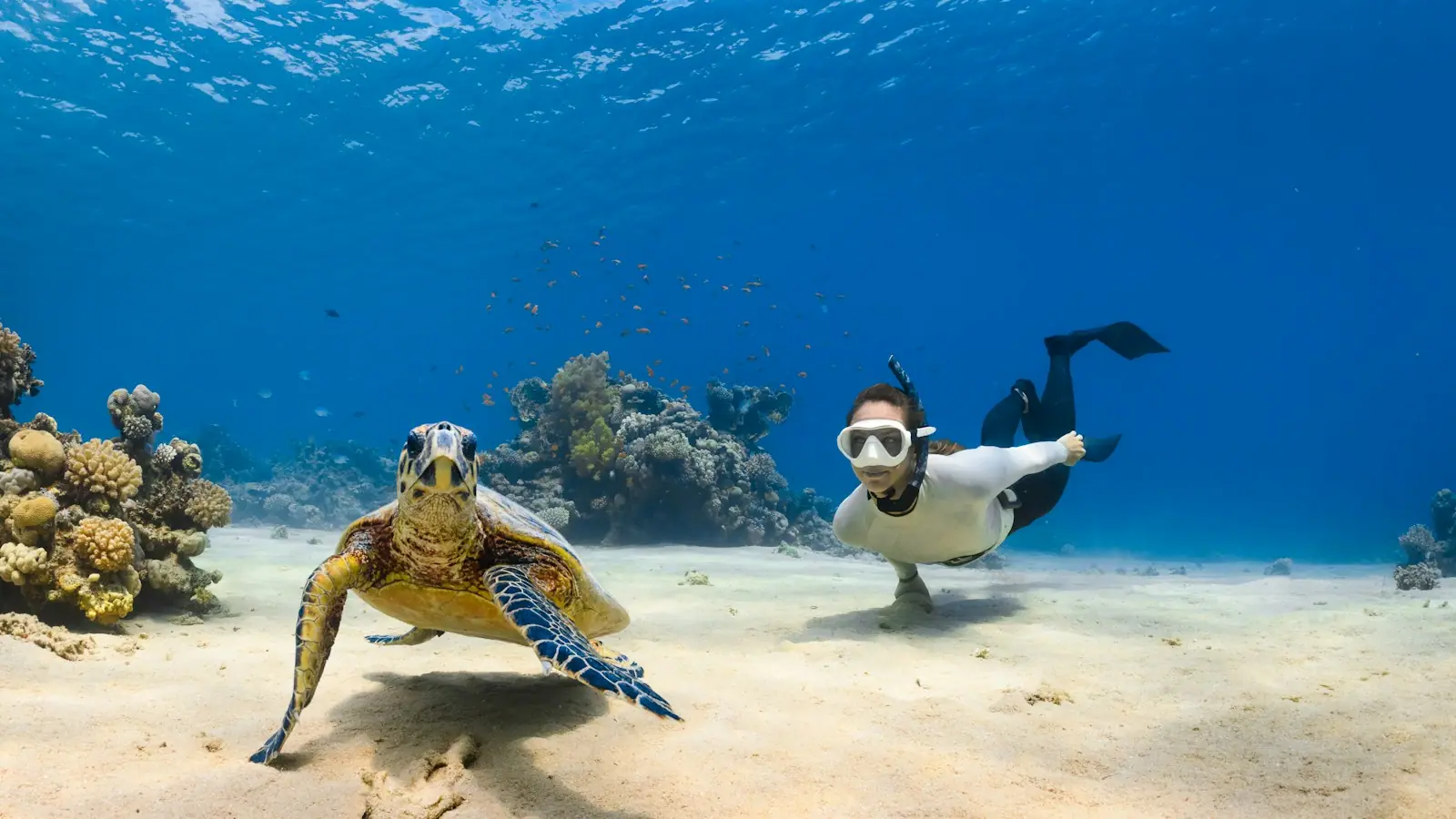
A sea turtle swimming in clear water a short distance from a snorkeller

Maui has reef on three sides and each side has a different season. That single sentence explains most of the disappointment visitors report about snorkelling here, because a bay that is glass in July can be a closed-out surf break in January, and the guidebook photograph was taken in the other half of the year.

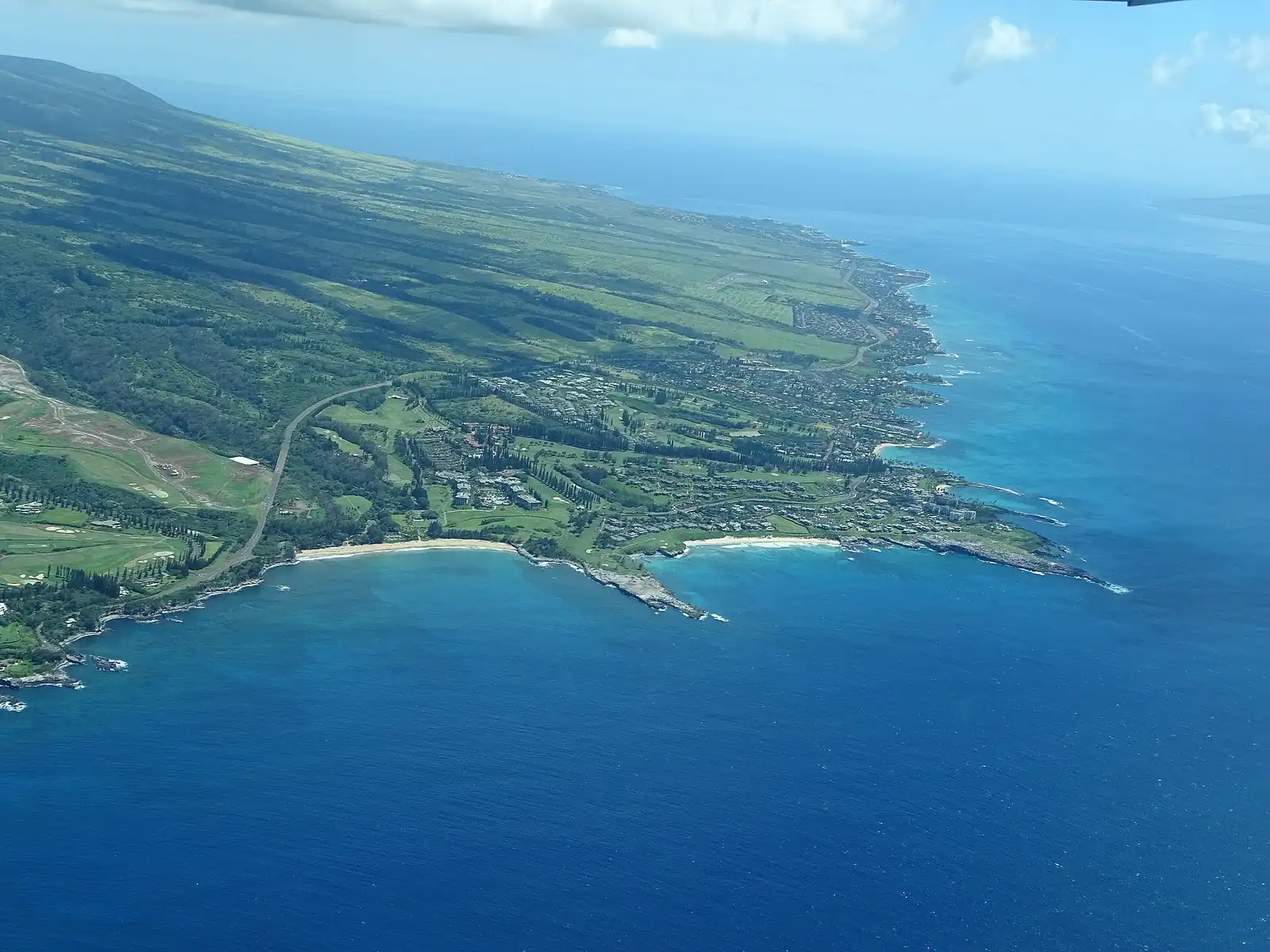
The west-facing coast from Olowalu up through Kāʻanapali, Honokōwai, Nāpili and Kapalua is the island's snorkelling heartland. It sits in the lee of Mauna Kahālāwai, the West Maui Mountains, which block the trade winds for most of the morning, and the reef comes close enough to shore that you can wade in. The south shore, from Keawakapu through Wailea to Mākena, has the same lee-side advantage and the clearest water on any developed coast, with reef fingers running out from between the sandy bays. The north-facing bays, Honolua above all, are superb from roughly April to October and off the table in winter when north swell turns them into one of Hawaiʻi's serious point breaks.

The other variable is wind, and on Maui wind is a clock rather than a season. Trades typically fill in mid-morning and blow through the afternoon, which chops the surface, drops visibility and pushes anything floating along the shore. Snorkellers here plan around that clock, not around the tide. Get in the water by 8am and you are looking at a different ocean from the one at 2pm.

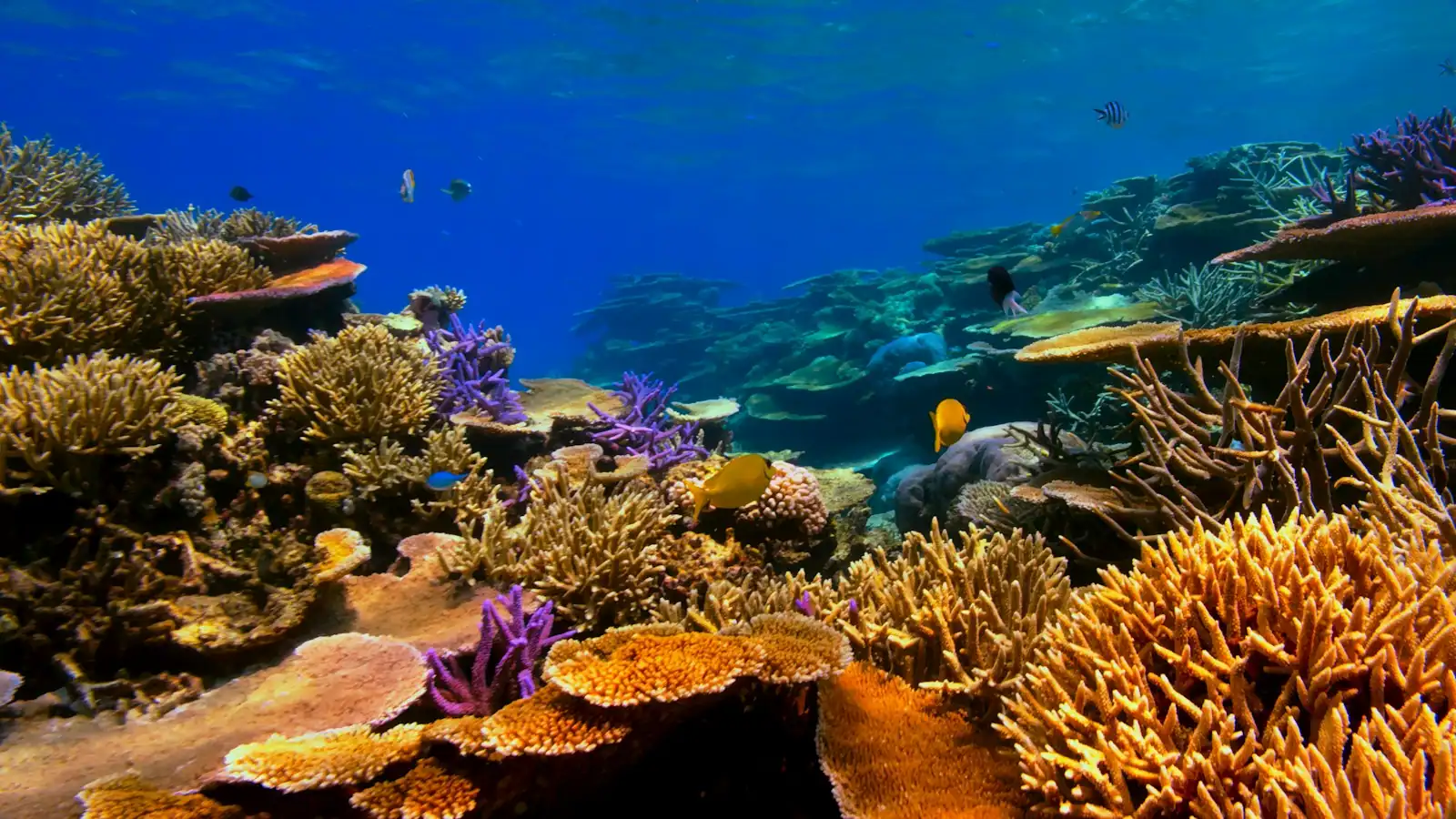
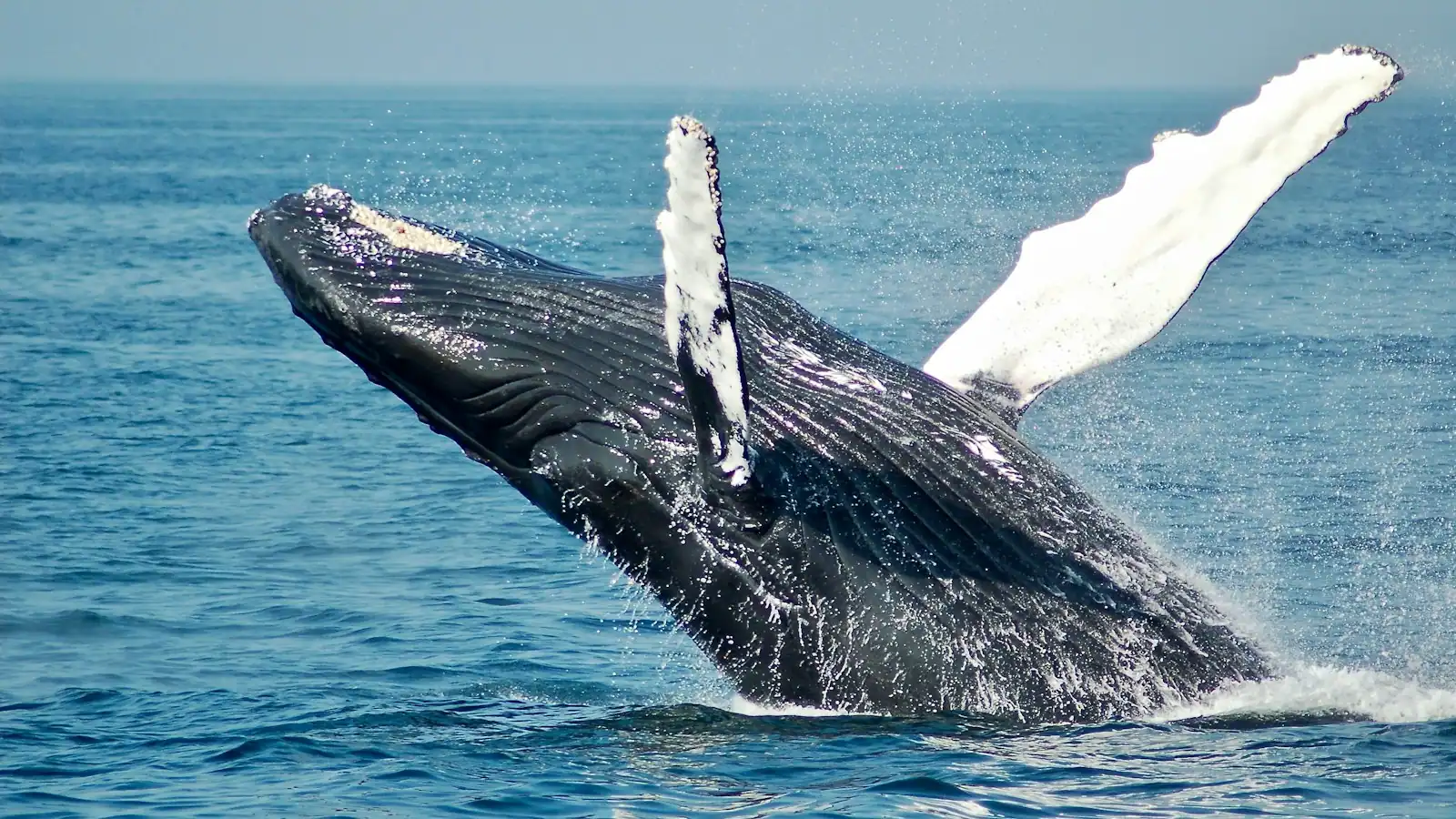
What you actually see is worth setting expectations for. Hawaiʻi is a young, isolated archipelago, so the reef is less elaborate than the Caribbean or the Coral Triangle, with fewer soft corals and more hard lobe and rice coral over lava. What it has instead is endemism: roughly a quarter of Hawaiʻi's reef fish exist nowhere else on the planet. Yellow tang in schools of hundreds, ornate butterflyfish, Moorish idols, saddle wrasse, parrotfish, moray eels, the occasional whitetip reef shark asleep under a ledge, and the humuhumunukunukuāpuaʻa that the state named as its fish. Green sea turtles, honu, are common and protected. In winter you will hear humpback whales singing through the water from almost any site on the leeward coast, which catches most people off guard the first time it happens.

Two rules govern everything below. Maui County requires mineral sunscreen, meaning zinc oxide or titanium dioxide, and nothing else can legally be sold or used here without a prescription. And you do not touch, chase, ride or feed anything, least of all the turtles.
Our picks

The ones we would book

  • Editor's Pick

    Best snorkelling trip on the island

    Why we chose it

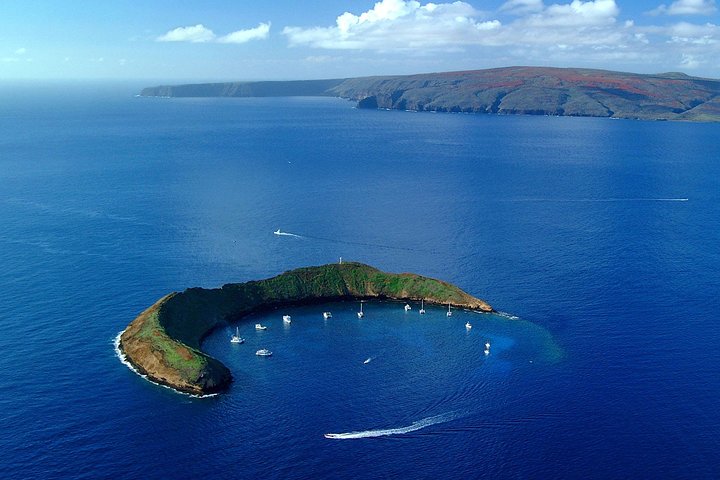
    A first-wave Molokini morning with a second stop on the Mākena turtle shoreline covers Maui's two best snorkelling propositions in one trip: the clearest water in the state and the most reliable honu encounter. Check the advertised in-water time rather than the trip length, and choose a boat that leaves before 7:30am, when the crescent is calm and the fleet has not arrived.

  • Best for Beginners

    Best guided snorkel for first-timers

    Why we chose it

    A guided shore or small-boat snorkel with instruction, a flotation vest and somebody in the water beside you. Worth paying for if anyone in the group is a nervous swimmer, because the alternative is discovering that in open water two miles offshore. The good ones run a proper briefing on mask fit and breathing before anyone gets wet.

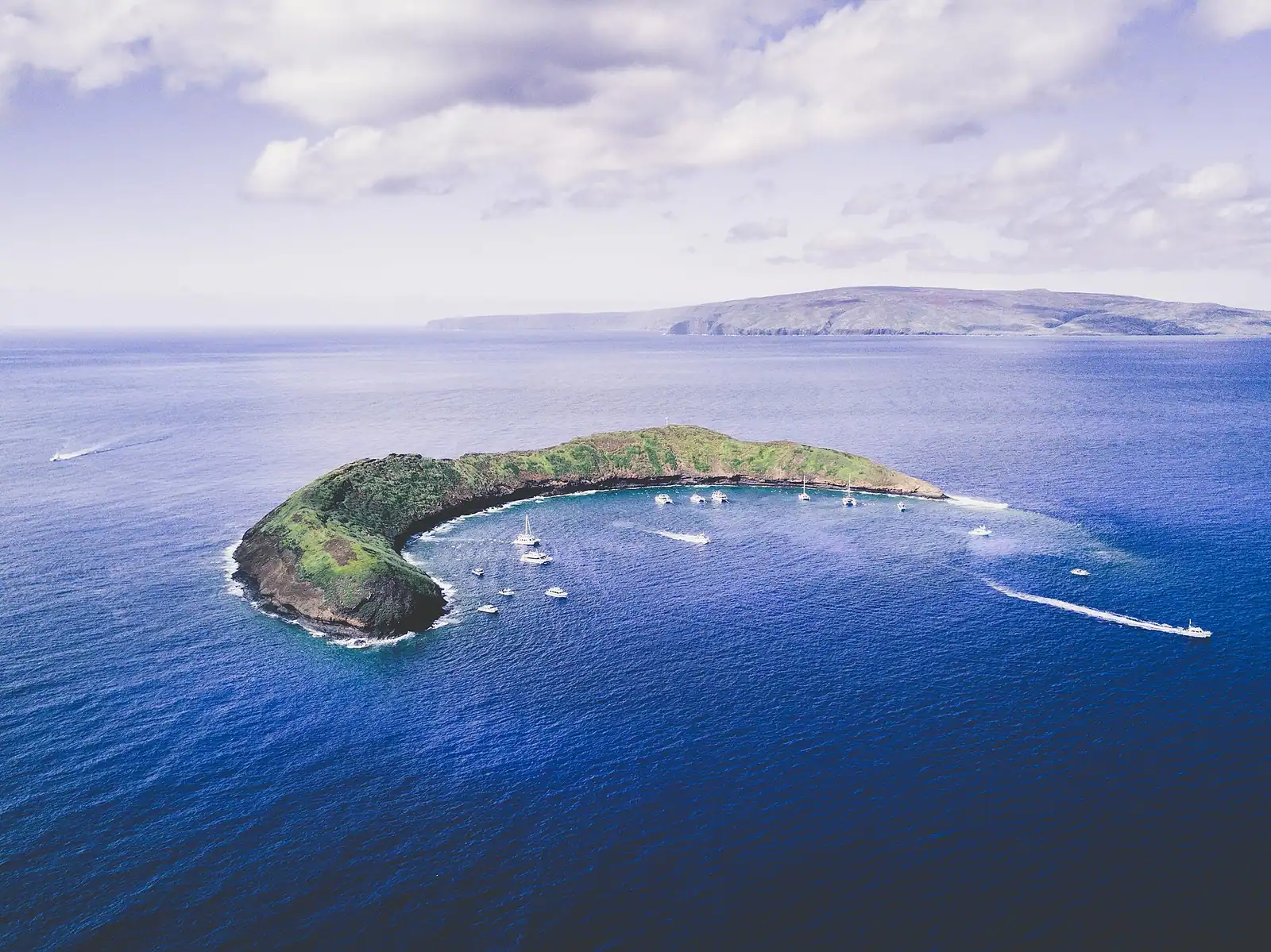
    Molokini Island

    Short term availability

    Maui Snorkeling Adventure to Molokini and Turtle Town (opens in a new tab)

    Best for BeginnersFree cancellationInstant confirmation
    2.5K reviews

    Visit Maui’s famous snorkeling and diving destinations Molokini Crater and Turtle Town (or Coral Gardens) on a snorkeling catamaran…

    5–6 hours

    Prices checked

    from $159.95
  • Best for Families

    Best family snorkel boat

    Why we chose it

    Shade, a toilet, a ladder, flotation gear and crew who count heads. The large catamarans out of Māʻalaea and Lahaina take the anxiety out of a first boat snorkel with children, and most carry a slide or a floating platform for the stretch when a seven-year-old has finished looking at fish but the boat has not finished its mooring time.

  • Small Group

    Best small-boat reef trip

    Why we chose it

    A raft or six-pack reaches the Olowalu coral flats, the Coral Gardens shelf or the Lānaʻi side with a dozen people rather than a hundred, and it can move to whichever site the wind is favouring that morning. Better for photographers and for anyone who wants a crew that knows your name. No shade and a wet ride are the trade.

  • Best Value

    Best value time in the water

    Why we chose it

    The shorter half-day trips to the near-shore reefs off Olowalu and the Lahaina coast cost a fraction of a Molokini morning and put you over living coral in calm, shallow water. Combined with a week of gear hire for around $30 to $60, this is how you snorkel Maui repeatedly rather than once. Book the earliest departure available.

    West Maui Half Day Snorkel from Ka’anapali Beach

    Short term availability

    West Maui Half Day Snorkel from Ka’anapali Beach (opens in a new tab)

    Best ValueFree cancellationInstant confirmation
    1.4K reviews

    Your West Maui Snorkel adventure departs from Kaanapali Beach. Along the way keep your eyes open for Hawaiian spinner dolphins, bottle…

    4 hours

    Prices checked

    from $204.39

Where the reefs actually are

West side. Kapalua Bay is the beginner's site: a sheltered crescent with reef along both headlands, sand to walk in from, showers and a small car park that is full by 8am. Nāpili Bay just south is similar, gentler and sandier, with turtles at the rocky ends. Puʻu Kekaʻa, the lava headland at the north end of Kāʻanapali Beach that everyone calls Black Rock, has easy entry straight off the sand and a resident turtle population, and it gets crowded and windy after ten. Kahekili Beach Park at Honokōwai fronts a long healthy reef inside a herbivore fisheries management area, where taking reef-grazing fish and urchins is restricted, and the fish numbers show it.

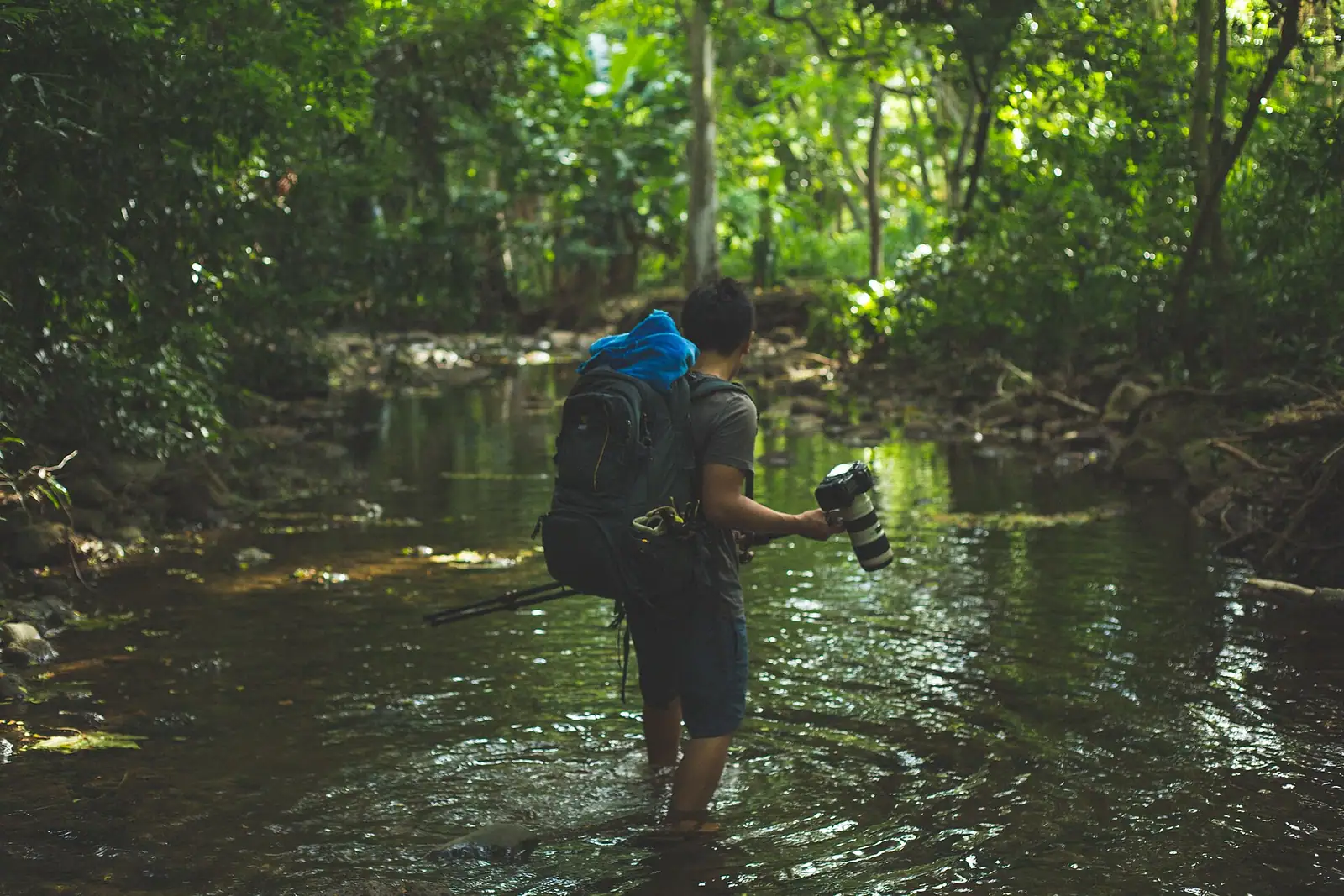
Honolua Bay, above Kapalua, is the best shore snorkelling on Maui in the right conditions: an MLCD with dense fish and good structure. It is also a ten-minute walk through a muddy streambed jungle, has no facilities and no lifeguard, and from roughly November to March it is a premier surf break rather than a snorkel site. Do not go in when there is north swell.

South shore. Ulua and Mokapu beaches in Wailea share a reef finger between them and are excellent before the wind. Keawakapu has reef at both ends and sand in the middle. The lava shoreline off Maluaka and Mākena, sold on every boat itinerary as Turtle Town, is the most reliable honu encounter on the island.

Olowalu, at roughly mile marker 14 on the Honoapiʻilani Highway, is a broad shallow coral flat close to the road. It is easy and calm, and it is also a site with known manta ray cleaning stations offshore.

ʻĀhihi-Kīnaʻu Natural Area Reserve past Mākena has been partly closed to public access since 2008 to let it recover. Check the state DLNR listing for what is currently open before driving out there.

The best hours and the best months

When to go

Morning, every time. The trade winds usually build between 10 and 11am and blow through the afternoon, and that wind does three things: it chops the surface so you cannot see through it from above, it stirs sand and sediment into the water column, and it pushes a longshore drift that tires people out. A site that is 40 feet of visibility at 7:30am can be 10 feet by 2pm.

Seasonally, think in swell directions rather than temperature. Water sits around 74 to 80°F all year, which is warm enough that most people snorkel without a wetsuit, though the winter end of that range has visitors hiring a shorty. North and northwest swell arrives roughly November through March and shuts down Honolua, Nāpili and the exposed north-facing bays. South swell arrives roughly May through September and can add shorebreak to the south shore beaches, including Mākena, where the shorebreak causes real injuries every year. The leeward middle of the west coast, Olowalu through Kāʻanapali, is the most consistently snorkelable water on the island.

Two seasonal bonuses. From December to April you hear humpbacks singing underwater at almost every leeward site, sometimes loudly enough to feel. And winter's clearer, cooler water often gives better visibility on the west side on a calm day than midsummer does.

Whatever the forecast says, look at the water for two minutes before you get in. If you cannot see the bottom from the shoreline, it is not a good day at that site, and there is almost certainly a better one twenty minutes down the coast.

What snorkelling on Maui costs

What it costs

Shore snorkelling is one of the few genuinely cheap things on an island where the typical bookable activity runs around $200 a head.

  • Shore snorkelling: free. Parking at most beach parks is free; a few resort-adjacent lots charge.
  • Gear hire: roughly $10 to $20 per day for a mask, snorkel and fins, and commonly $30 to $60 for a week from the dive shops in Kīhei, Lahaina and Kahului. Weekly hire is the sensible move and prescription masks are usually available.
  • Guided shore snorkel: typically $80 to $150 per person, which buys gear, a guide who reads the conditions and, on the better ones, a marine biologist explaining what you are looking at.
  • Half-day boat trip to a near site such as Coral Gardens or the Olowalu reef: commonly $90 to $160.
  • Molokini morning catamaran with a second stop: generally $150 to $230 per adult. See the Molokini page for the full breakdown.
  • Private snorkel charter: $1,500 and up for the boat.

Buying rather than hiring is worth considering if there are four of you for a week. A basic mask, snorkel and fin set runs $40 to $80 each at the big-box stores in Kahului, and a mask that actually fits your face is the single biggest upgrade to the experience. Crew gratuities on boat trips are customary at 15 to 20 percent.

Boat or shore, and who each suits

A boat buys you water that no shore site can offer. Molokini is three miles offshore with no runoff and no sand, and it regularly delivers 100 feet of visibility; the Lānaʻi day trips reach reefs with almost no other swimmers on them. You also get crew, flotation gear, a ladder, shade and somebody watching the water.

A shore snorkel buys you time. Boats keep to a schedule, and a mooring stop is 45 minutes whether or not the light is good. On the beach you can get in at 7:30, out at 8:15, get coffee, and get back in. Over a week that is far more hours in the water for far less money.

Families with children under about six almost always do better on a calm shore reef first. Kapalua, Nāpili and Kahekili have sand entries, chest-deep water and something to look at four feet from the beach. Move up to a boat once everyone is comfortable breathing through a tube.

Nervous swimmers should start with a guided shore snorkel rather than a boat. You get instruction, a vest, and somebody whose job is to be within arm's reach, and you are never more than a short swim from standing up.

Confident snorkellers and photographers should plan around Honolua in summer and Molokini's first departure in any season, and should accept that the best hour of the day on Maui is between 7 and 9am. Everything after that is a compromise with the wind.

Book it

Everything else we track

Booking through these earns us a commission from Viator. You pay the same, and payment did not decide what is listed.

Which site suits you

How they compare

SiteEntryFacilitiesBest seasonSuits
Kapalua BaySand, shelteredShowers, toilets, tiny car parkYear round, calmest in summerFirst-timers, children
Nāpili BaySandLimited, street parkingYear roundFamilies, easy floating
Puʻu Kekaʻa / Black RockSand, then lava headlandFull resort amenities nearbyYear round, morningsTurtles, convenience
Kahekili Beach ParkSandShowers, toilets, pavilion, parkingYear roundReef fish density, shore entry
Honolua BayRocky, via jungle pathNone at allApril to October onlyConfident snorkellers
Ulua / Mokapu, WaileaSandShowers, small lotsYear round, earlyReef structure, mornings
OlowaluSand and rubble, shallowRoadside onlyYear round, calm daysVery easy water, wide flat
MolokiniBoat onlyOn the boatYear round, morningsVisibility, big fish counts

Read that table against one more variable: parking. Kapalua, Honolua and the Wailea beach lots are small and fill early, and Maui car parks near beaches are a known target for break-ins, so take nothing you mind losing and leave the car unlocked-and-empty rather than locked-and-obviously-full if that is the local advice at the site.

If you have one snorkel in you, make it a morning boat trip to Molokini with a second stop on the Mākena turtle shoreline. If you have a week, do Kapalua or Kahekili at 7:30am on a calm day and you will see more than most boat passengers.

What to bring for a shore snorkel

What to bring

Shore sites have fewer facilities than people expect, and Honolua has none at all.

  • Mineral sunscreen only, applied 20 minutes before you get in the water. Maui County requires zinc oxide or titanium dioxide as the active ingredient.
  • A rash guard. It solves the sunburned back and shoulders that is the single most common holiday-ruining injury on this island, and it beats reapplying sunscreen into the ocean.
  • Your own mask. A leaking rental mask is why people give up on snorkelling.
  • Reef-safe water shoes or sandals for the lava entries at Black Rock, Honolua and Olowalu. The rock is sharp and urchins live in it.
  • Fresh water to rinse and to drink. Several sites have no shower and no tap.
  • A dry bag or a beach box, because you will be leaving your things unattended on a beach.
  • A float, noodle or snorkel vest if anyone in the group is a weak swimmer. There are no lifeguards at Honolua, Olowalu or most Wailea reef ends.
  • A rubbish bag. Take out more than you brought in.

Do not bring: gloves, which encourage touching; anything to feed fish with; and a selfie stick you plan to extend toward a turtle.

Wildlife law and ocean safety

Before you book

The wildlife rules are law, not etiquette, and they are enforced.

  • Green sea turtles: keep 10 feet away. Honu are protected under state and federal law. Do not touch, ride, chase or block one, and do not corner a turtle against a reef. If one swims to you, hold still.
  • Hawaiian monk seals: keep 50 feet away, and much further from a mother and pup hauled out on sand. They are critically endangered.
  • Humpback whales: 100 yards, including from a paddleboard or kayak, roughly December through April.
  • Spinner dolphins rest during the day in shallow bays and federal rules restrict approaching them. Swimming with them is not the harmless encounter it is sold as.
  • Do not stand on, touch or collect coral, alive or dead. Hawaiʻi prohibits taking live rock and coral.

Ocean safety is the part that actually hurts people. Maui has drownings every year and snorkellers are heavily represented, usually visitors in their first 48 hours, often alone, frequently face-down and unnoticed. Snorkel with somebody. Use a flotation vest if you are not a strong swimmer. Check for posted warnings on high surf, sharp coral, jellyfish or dangerous shorebreak, and take them seriously; Mākena's shorebreak breaks bones and necks in a foot of water.

Learn to recognise a rip current: a channel of choppy, discoloured water moving seaward. Swim parallel to the shore to get out of it rather than against it. And do not turn your back on the ocean while you are getting in over rock.

On the ground

Where to go

Every place below has its own page — hours, parking, what it costs and what to expect when you get there.

  • Reef fish over coral in very clear blue water

    Nature preserve

    Molokini Crater

    A sunken crescent of volcanic rock three miles offshore, with water clear enough to see the bottom from the deck.

    4–6 hoursNo entry fee to the conservation district itself; access is entirely through paid boat charters, which on Maui sit at the premium end of the market.

  • A long curve of pale sand meeting clear turquoise water under a bright sky, with low green headland beyond

    Beach

    Kāʻanapali Beach

    Free

    Three miles of public sand, a lava headland called Puʻu Kekaʻa, and free beach parking the resorts are legally required to keep.

    2–7 hoursFree. Public beach access and the mandated resort stalls cost nothing; Whalers Village charges for parking with validation.

  • A small crescent beach enclosed by two low rocky points with calm clear water

    Beach

    Kapalua Bay

    Free

    A crescent held between two lava headlands, calm on days the rest of West Maui is blown out — with about forty parking stalls.

    1.5–4 hoursFree, including the public beach access car park.

  • Snorkeller looking down over a shallow coral reef in very clear blue water

    Nature preserve

    Honolua Bay

    Free

    A protected bay with no sand, no restrooms and no lifeguard — and the best shore snorkelling in West Maui for half the year.

    1–3 hoursFree. No entry fee, no permit and no parking charge — and no facilities of any kind.

  • A green sea turtle swimming over shallow coral in clear water

    Historic site

    Olowalu

    Free

    A reef that reseeds coral across four islands, a cliff of petroglyphs, and the site of a massacre that changed Hawaiian history.

    1–3 hoursFree. No charge for the shoreline, the reef or the petroglyph trail.

  • A wide golden beach with calm water and palm trees under bright morning sun

    Neighbourhood

    Kīhei

    Free

    Six miles of beach, three lifeguarded parks and the best free whale watching on Maui, plus a wind that arrives every afternoon.

    2–8 hoursFree. All the beach parks are public with free parking.

  • Pale sand and calm turquoise shallows below a landscaped resort lawn with palms

    Beach

    Wailea Beach

    Free

    A calm crescent between the Grand Wailea and the Four Seasons, with a free public lot and a paved path linking four beaches.

    1.5–5 hoursFree, including the public beach access car park. Hawaiʻi shorelines are public to the high-water mark.

  • A short crescent of pale sand backed by palms, with low rocky points at either end

    Beach

    Nāpili Bay

    Free

    A quiet condo-fronted crescent with turtles on both rocky sides, no facilities, and street parking that is gone before seven.

    1.5–4 hoursFree. Shoreline access is public; there is simply very little parking and no county facilities.

  • A long, softly curving beach with calm shallow water and a dry hillside beyond

    Beach

    Keawakapu Beach

    Free

    Three quarters of a mile of soft sand between Kīhei and Wailea, three free car parks, and the island's best morning swim.

    1.5–4 hoursFree, with three free car parks along its length.

  • Fish swimming past a large curved aquarium viewing window

    Museum

    Maui Ocean Center

    The only aquarium on Maui, showing Hawaiian species exclusively — and by county law, no whales or dolphins in tanks.

    2–3 hoursAround $50 for adults, roughly $40 for children 4–12, slightly less for over-65s. Under-fours free. Substantial kamaʻāina and military discount.

  • A snorkeller floating above shallow reef and coral heads in clear water

    Beach

    Ulua Beach

    Free

    A small Wailea cove with reef on the point, used by every South Maui dive school, sharing one modest car park with Mokapu.

    1–3 hoursFree, including the shared Ulua and Mokapu public car park.

Straight answers

Questions people actually ask

Where is the best snorkelling on Maui?

Molokini has the clearest water, reachable only by boat and best on the first departure of the morning. From shore, Kapalua Bay is the best all-round site and the easiest with children, Kahekili Beach Park at Honokōwai has the healthiest reef fish numbers, and Honolua Bay is the finest of all from about April to October before north swell turns it into a surf break. The Mākena lava shoreline is the most reliable place to see turtles.

What time of day is best for snorkelling on Maui?

Early morning, ideally in the water by 8am. Maui's trade winds usually build between 10 and 11am and blow through the afternoon, chopping the surface, stirring up sediment and creating longshore drift. The same site can drop from 40 feet of visibility to 10 across a single day. Morning also means parking, which at Kapalua, Honolua and the Wailea beach lots is genuinely scarce after about 8:30am.

Do you need reef-safe sunscreen on Maui?

You need mineral sunscreen specifically. Hawaiʻi banned the sale of sunscreens containing oxybenzone and octinoxate, and Maui County went further: only sunscreens whose active ingredient is zinc oxide or titanium dioxide may be sold, distributed or used in the county without a prescription. Apply it about 20 minutes before entering the water so it binds to your skin rather than washing straight onto the reef, or wear a rash guard instead.

How close can you get to sea turtles on Maui?

Stay at least 10 feet away. Green sea turtles, honu, are protected under state and federal law, and touching, riding, chasing or blocking one is an offence. If a turtle swims toward you, hold still and let it pass; do not follow it. Hawaiian monk seals require 50 feet, considerably more from a mother and pup on the beach, and humpback whales require 100 yards from any vessel, board or swimmer.

Can you snorkel Honolua Bay in winter?

Usually not. Honolua faces north, and from roughly November through March it receives the north swell that makes it one of the best surf breaks in Hawaiʻi. On those days the bay is unsafe for snorkelling and the water is churned to nothing. It is superb from about April to October, when the swell drops and the bay goes glassy. There are no facilities, no lifeguard and a muddy ten-minute walk in.

Is snorkelling on Maui safe?

It is, with two precautions that people skip. Snorkel with somebody rather than alone, because a face-down snorkeller in difficulty does not look like one, and visitors in their first two days are heavily over-represented in Maui's drowning statistics. And use a flotation vest if you are not a confident swimmer. Beyond that, read posted warnings for surf, shorebreak and currents, and never turn your back on the ocean at a rocky entry.

Do you need a boat to snorkel on Maui?

No. Kapalua, Nāpili, Kahekili, Black Rock, Ulua and Keawakapu all have reef within a short swim of a sandy entry, and gear hires for about $30 to $60 a week. A boat buys you Molokini's 100-foot visibility, the Lānaʻi reefs and crew supervision, which no shore site can match. The best plan for a week is usually one morning boat trip plus repeated early shore snorkels.

Can you hear whales while snorkelling on Maui?

Yes, and it is one of the odder pleasures of a winter trip. From about December to April, humpback song carries through the water at almost every leeward site on the island, sometimes clearly enough that you feel it in your chest before you identify the sound. You will not usually see the whale; the ʻAuʻau Channel between Maui, Lānaʻi and Molokaʻi carries sound a long way. Boats must stay 100 yards off.