Skip to content
Menu

Booking through these earns us a commission from Viator. You pay the same, and payment did not decide what is listed.

Search

Things to Do

The Beaches of Maui

Last updated

A guide to Maui beaches by coast and by hour: Kāʻanapali, Wailea, Mākena, Nāpili, Hoʻokipa and Honolua, plus parking, shorebreak risk and the sunscreen rule.

Every beach on Maui is public. Hawaiʻi law puts the shoreline below the upper reach of the waves in public trust, and coastal landowners, including the resorts, are required to provide and sign public access to it. So the sand in front of the most expensive hotel in Wailea is open to anyone who walks down the marked path. What is not guaranteed is a parking space, and on Maui that single fact decides more beach days than surf report or sunshine. The public lots at Kapalua Bay and Nāpili are small enough to fill before nine in winter, while Kamaʻole Beach Park in Kīhei has three long lots that rarely run out.

The bigger thing to understand is that Maui is not one coast, it is four, and they behave differently on the same morning. The west side, from Kāʻanapali up through Honokōwai, Nāpili and Kapalua, sits in the lee of the West Maui Mountains and gets the calmest water of any developed shoreline on the island. The south shore, Kīhei through Wailea to Mākena, is the driest and sunniest, with reliably warm water and afternoon wind that funnels between Haleakalā and the West Maui Mountains and accelerates across the isthmus. The north shore around Pāʻia, Baldwin and Hoʻokipa is trade-wind country, which is why the windsurfers are there and why the swimming is variable. And the east side past Hāna gives you Waiʻānapanapa's black sand, which is a different substance entirely and requires a reservation booked in advance if you are not a Hawaiʻi resident.

Then there is the seasonal flip, which catches almost everyone. From roughly November through March, north and northwest swell hits the top of the island. Honolua Bay, which is a superb snorkel in summer, becomes one of the best surf breaks in the state and is no place to put a mask on. Kapalua, Nāpili and D.T. Fleming get real shorebreak. In the same months the south shore is usually flat. Come back in June and the pattern inverts: south swell wraps into Mākena and Kīhei while the north side glasses off. There is no single best Maui beach. There is a best beach for this week.

The daily clock is simpler and more useful. Trade winds on Maui typically build through the late morning, so water clarity and surface calm are at their best between roughly seven and eleven. Local snorkellers are in at first light and out by the time the rental cars arrive. By two in the afternoon the south shore is often whitecapping and the sand is blowing at Big Beach. Plan swimming and snorkelling for the morning and save the afternoon for shade, the drive upcountry or the pool.

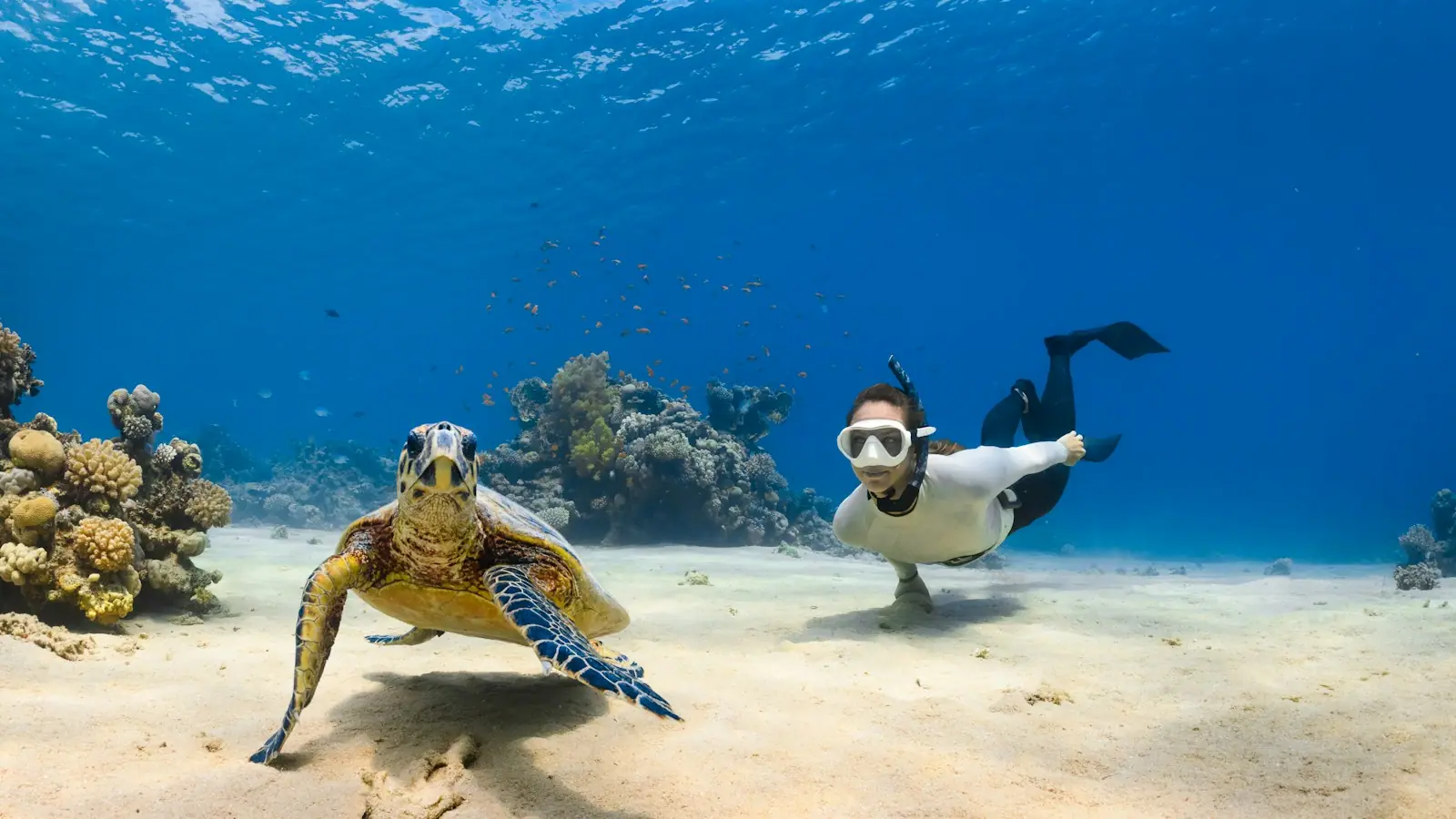
Two rules apply everywhere and both are enforced. Maui County Ordinance 5306 makes it illegal to sell, distribute or use non-mineral sunscreen here without a prescription: your sunscreen needs zinc oxide or titanium dioxide as the active ingredient, and the words "reef safe" on the bottle mean nothing on their own. And Hawaiian green sea turtles, honu, are protected. Give them at least ten feet in the water and on the sand, and give a Hawaiian monk seal fifty. At Hoʻokipa in the late afternoon the turtles haul out onto the sand in numbers, behind a volunteer rope line, and the correct response is to stand behind it.

Finally, the honest part. Lifeguard coverage on Maui is limited to a handful of county beaches, and several of the most photographed stretches have none. Mākena's Big Beach, Oneloa, has a shorebreak that lands on hard sand and it appears near the top of the state's ocean injury statistics for spinal injuries year after year. That is not a reason to skip it. It is a reason to know which beach you are standing on.
Our picks

The ones we would book

  • Editor's Pick

    Best snorkel trip when the beach reef is not enough

    Why we chose it

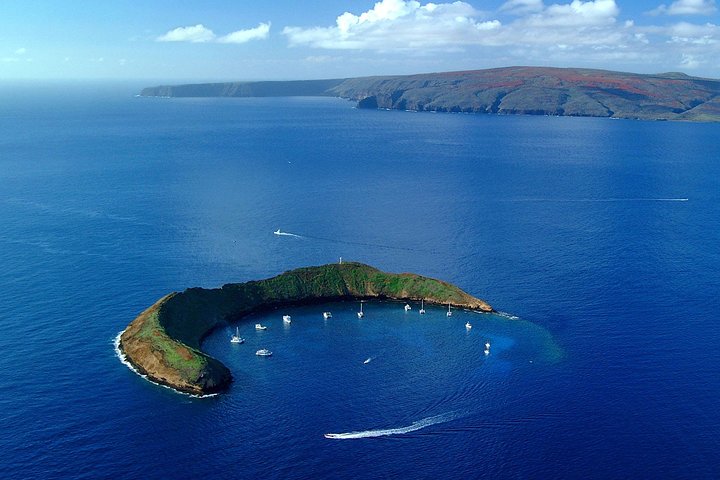
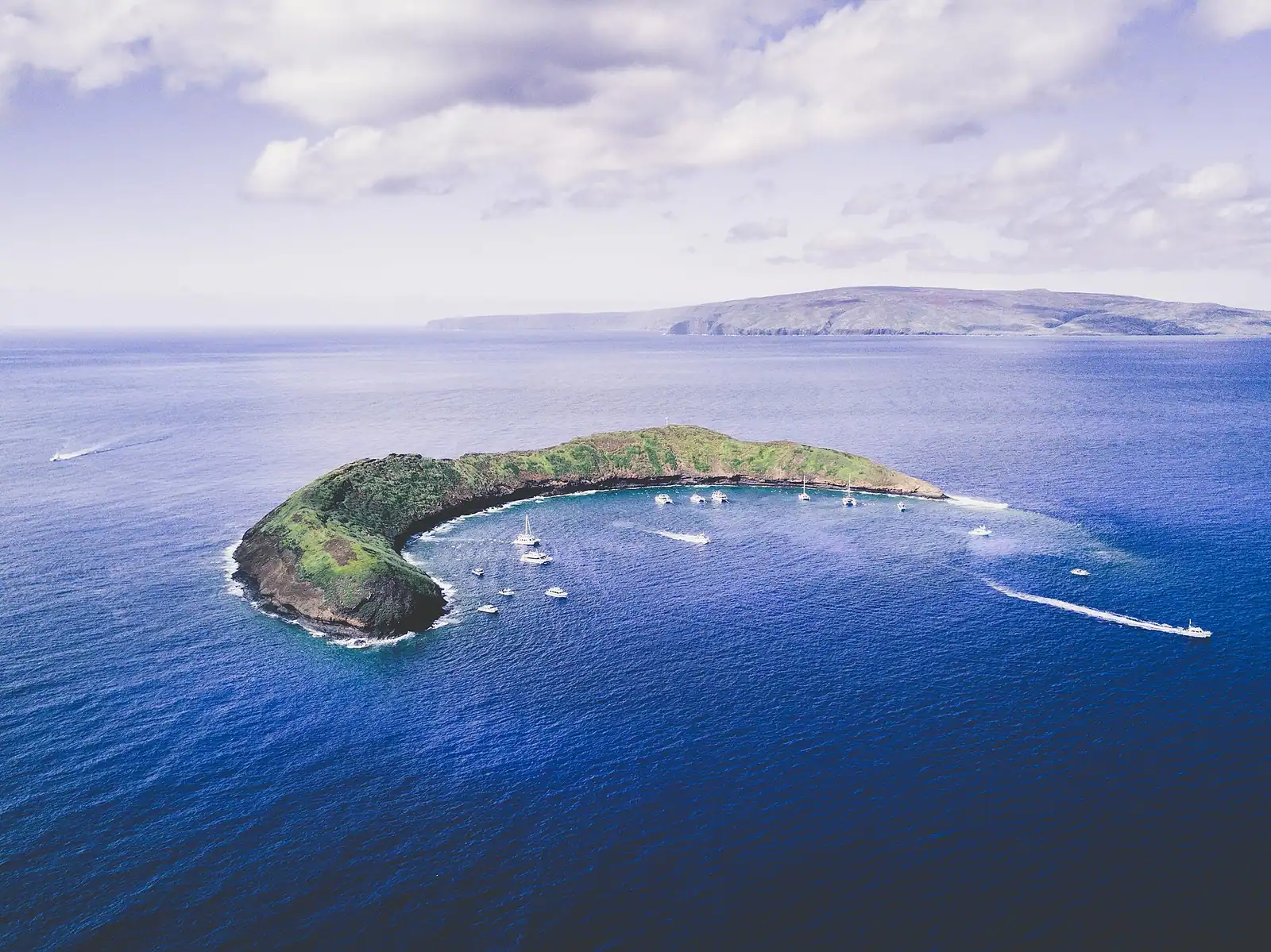
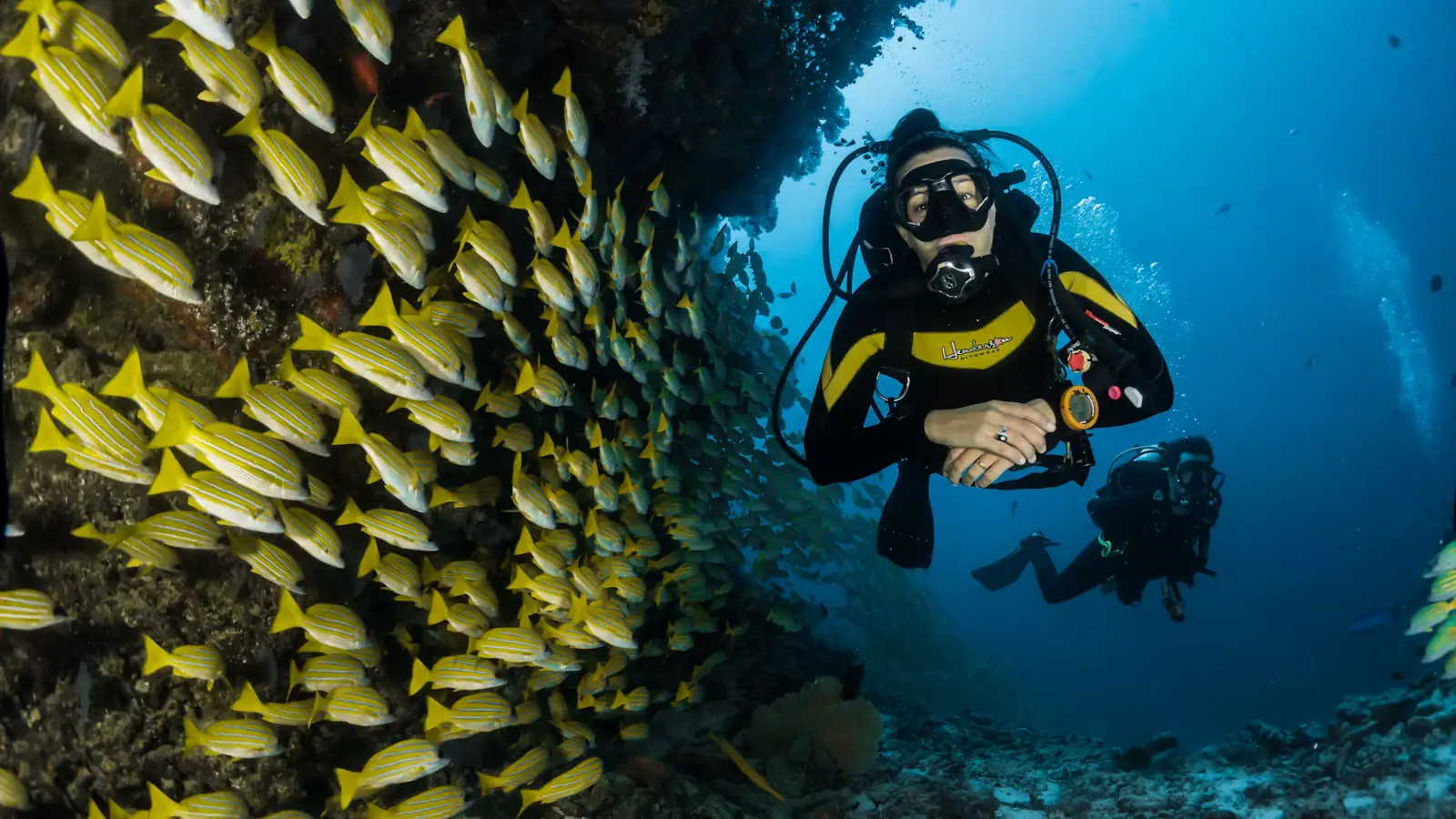
    Shore snorkelling on Maui is good and boat snorkelling is better, because the boats reach Molokini and the Lānaʻi coast before the wind arrives. Look for an early departure out of Māʻalaea or a beach loading off Kāʻanapali, gear and instruction included, and a crew that briefs you on the sunscreen rule before you get wet.

    Spacious beautiful yacht with plenty of space for everyone to relax

    Involves Animals

    Maui: Molokini and Turtles Luxury Yacht Snorkel (opens in a new tab)

    Editor's PickFree cancellationLikely to sell out
    629 reviews

    We are a family-owned Maui company with over 40 years of experience on Hawaiian waters. Our expert Captains and crew bring decades of…

    5 hours

    Prices checked

    from $318
  • Best for Families

    Best on-the-water day with children

    Why we chose it

    A morning catamaran with a shallow-water stop, a proper flotation vest for every child and a shaded deck to retreat to beats a hard day in the sun on Mākena. The boats that load directly off the sand at Kāʻanapali save a harbour drive and a car park hunt, which with under-tens is worth real money.

    Molokini Island

    Short term availability

    Maui Snorkeling Adventure to Molokini and Turtle Town (opens in a new tab)

    Best for FamiliesFree cancellationInstant confirmation
    2.5K reviews

    Visit Maui’s famous snorkeling and diving destinations Molokini Crater and Turtle Town (or Coral Gardens) on a snorkeling catamaran…

    5–6 hours

    Prices checked

    from $159.95
  • Best Value

    Cheapest way to get beyond the shoreline

    Why we chose it

    The lowest-priced boat tickets on Maui are the short morning snorkel runs and the two-hour whale trips in season. You give up the lunch, the open bar and the second stop. You keep the reef, the crew briefing and the part of the coast you cannot reach from the sand, usually for well under half the island's median tour price.

  • Best for Beginners

    Best first surf lesson off a Maui beach

    Why we chose it

    The south shore learner breaks at the Cove in Kīhei and the mellow reef at Launiupoko are where the schools teach, and a two-hour group lesson with a soft-top board and a beach briefing is the standard shape. Ask where the lesson actually runs, because a west-side address does not always mean a west-side break.

  • Sunset

    Best way to watch the sun go down off the sand

    Why we chose it

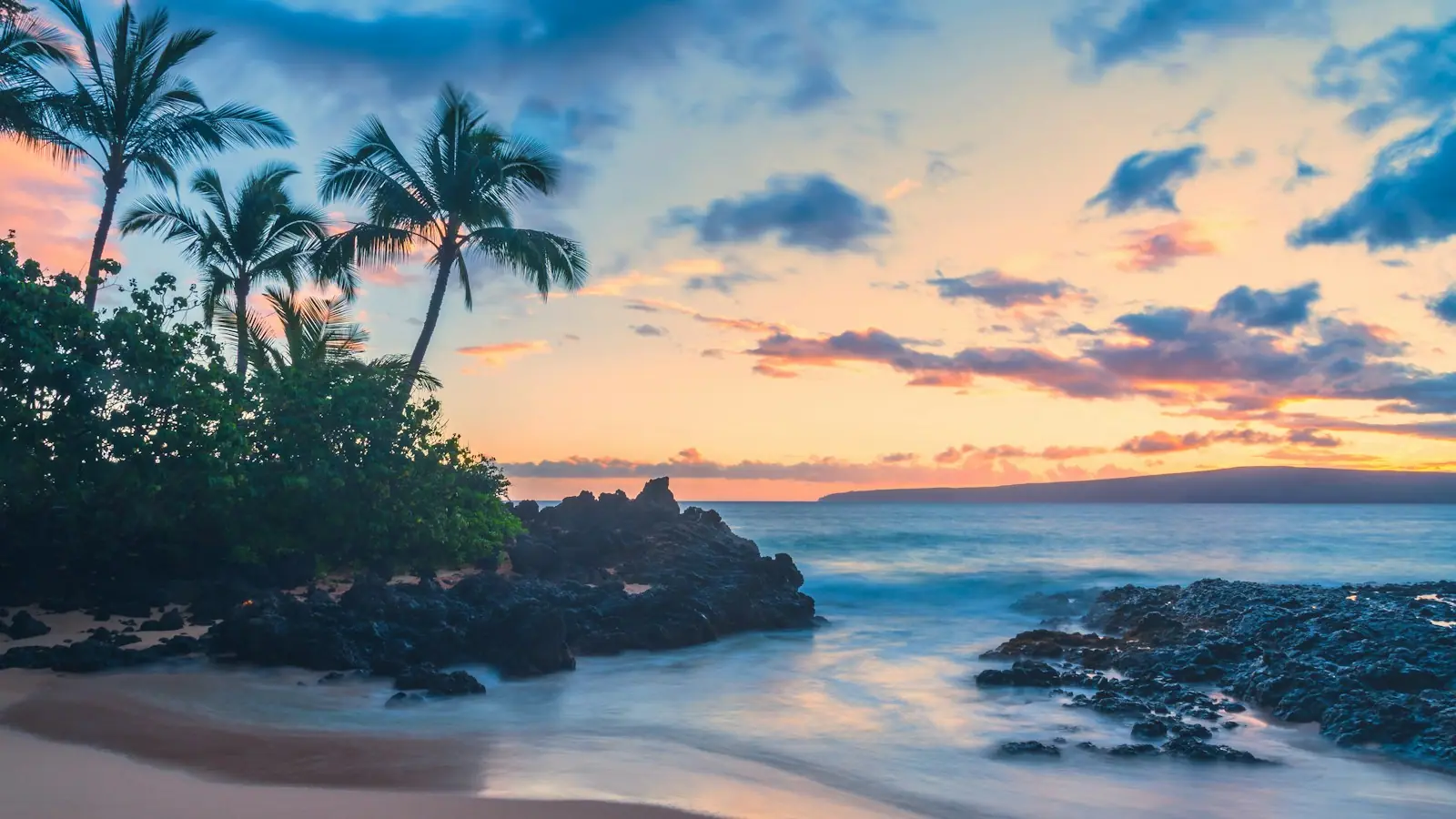
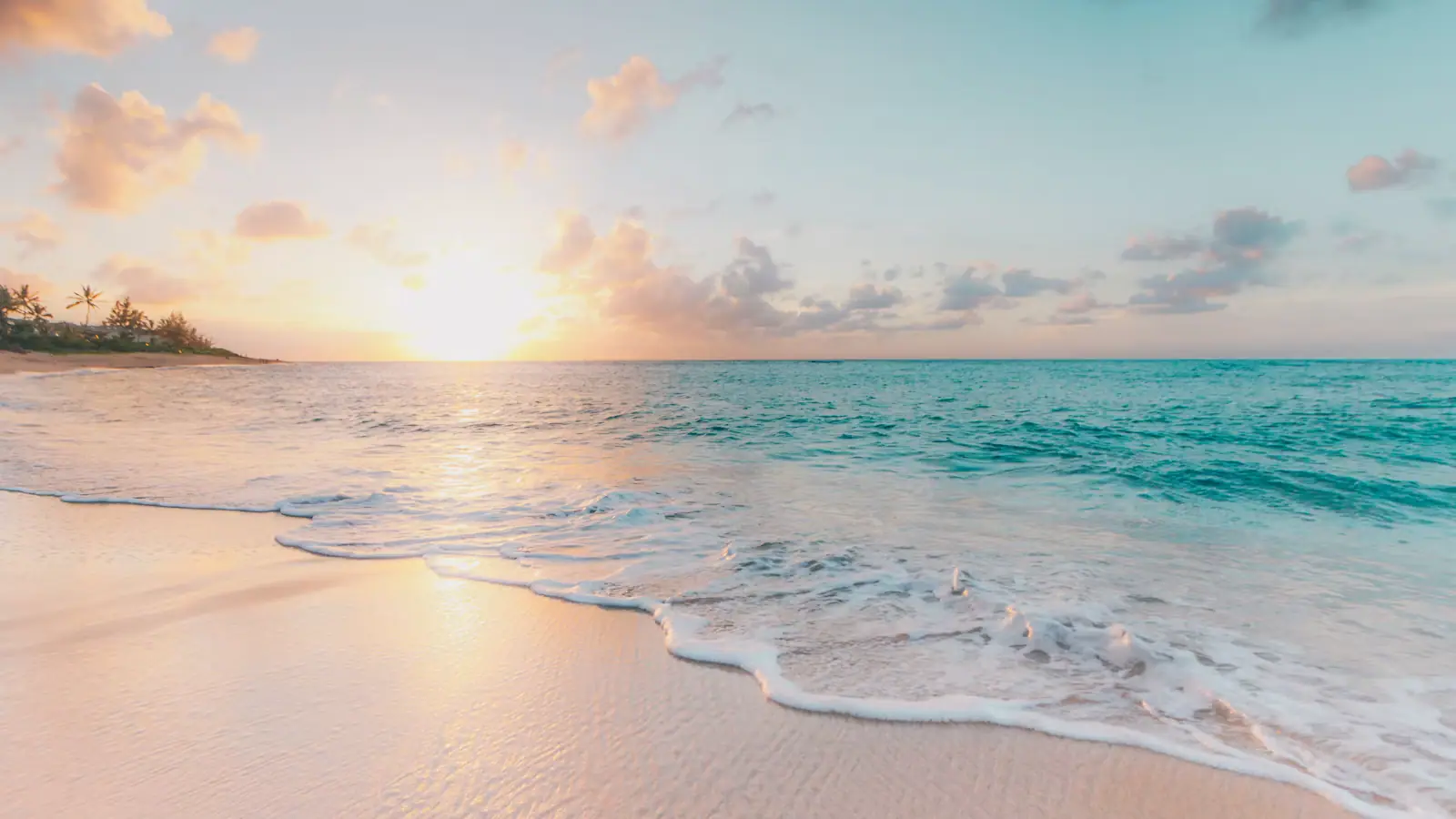
    Maui's leeward coast faces west across the ʻAuʻau Channel, so sunset happens over Lānaʻi and Molokaʻi. A two-hour cocktail sail out of Kāʻanapali or Māʻalaea puts you on the water for the last of the light, and in winter the humpbacks are often still working the channel while you drink.

Why the hour matters more than the beach

When to go

Maui runs on trade winds, and trade winds have a schedule.

Sunrise to about 9am. Water is glassy, visibility is at its best, the sand is empty and parking is free of competition. Every experienced snorkeller on this island is in the water at this hour. If you do one thing differently after reading this page, make it this.

9am to 11am. Still good. The wind begins to fill in on the south shore first, funnelled through the gap between Haleakalā and the West Maui Mountains and squeezed across the isthmus. Kīhei starts to ripple.

11am to 3pm. The hardest hours. UV is brutal at 20 degrees north with no meaningful ozone shade, the wind is up on the south and north shores, and the west-side bays have gone from mirror to texture. This is the window for lunch in Pāʻia or Kīhei, the drive upcountry, or the shade of an ironwood tree.

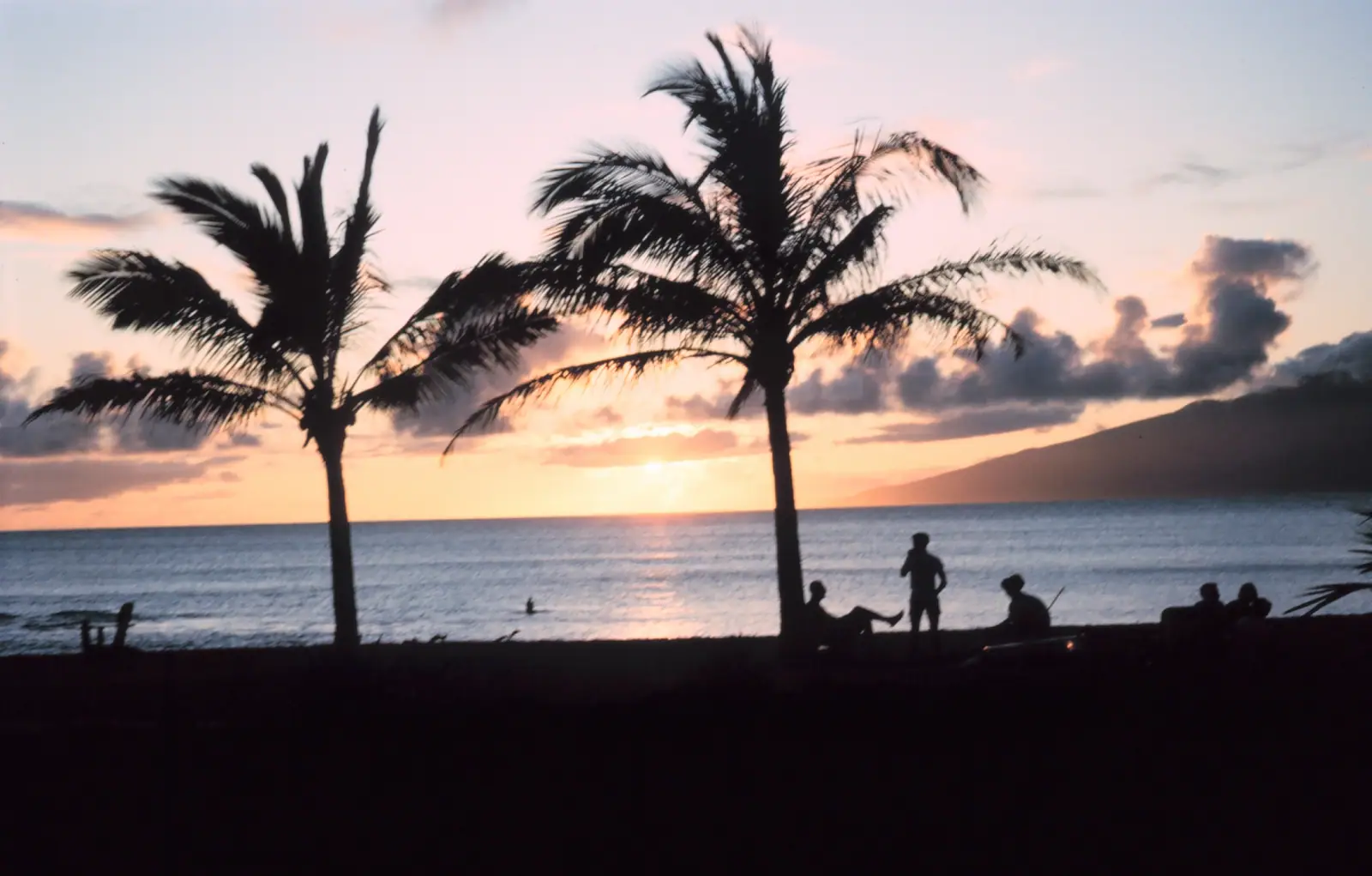
3pm to sunset. The wind usually eases late. Hoʻokipa's turtles begin hauling out onto the sand in the afternoon and the windsurfers are at their best in the same window, which makes the overlook above the car park the single most reliable free hour of entertainment on the island. On the west side the light goes gold around Puʻu Kekaʻa. Sunset on Maui shifts by only a little over an hour across the whole year, from roughly 5.50pm near the December solstice to just after 7pm in June, which is a much narrower swing than mainland visitors expect.

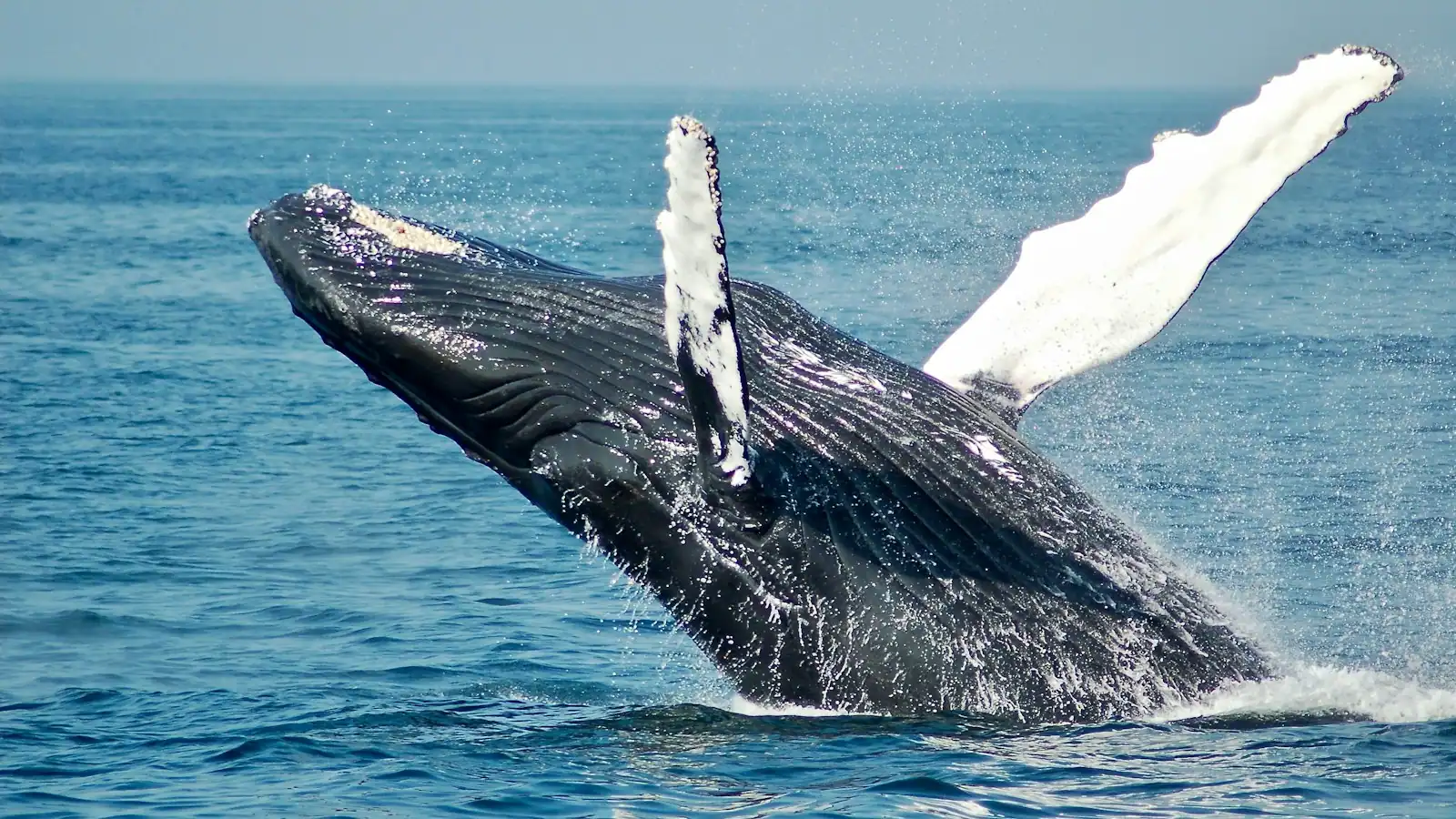
One seasonal overlay: from December into April humpback whales are in the ʻAuʻau Channel between Maui, Lānaʻi and Molokaʻi, and you can see them breaching from the sand at Kāʻanapali, Olowalu, Keawakapu and Poʻolenalena without paying anyone. Bring binoculars and sit down.

Where you can actually park

Local tips

Parking is the whole game on Maui, and it varies more than the sand does.

  • Kamaʻole Beach Parks I, II and III, Kīhei. Three separate lots along South Kīhei Road, free, and the most forgiving parking on the island. Restrooms, showers and lifeguard towers. This is the default answer when you have a family, a late start and no patience.
  • Kāʻanapali. Limited free public lots at the north and south ends, plus paid resort structures. The public spaces are gone by mid-morning in winter. The beach walk means one park serves the whole strip.
  • Kapalua Bay and Nāpili Bay. Small lots, early fill, and Nāpili's access is through narrow residential lanes where blocking a driveway will get you towed. Walk in from further away rather than improvising.
  • Wailea. Signed public shoreline access with dedicated parking at Ulua, Wailea and Polo beaches. Modest capacity, well marked, and the Wailea Beach Path connects them.
  • Mākena Big Beach. Two state park lots. The north lot is closer to the main stretch and fills first. Do not leave anything visible in the car anywhere on Maui, and particularly not here.
  • Baldwin Beach Park and Hoʻokipa. Generous free county lots on the north shore. Hoʻokipa has a separate upper overlook that is the better place to watch from.
  • Honolua Bay. Roadside parking on the Honoapiʻilani Highway with no facilities at all. Locals live here. Park considerately and take everything out with you.
  • Waiʻānapanapa State Park. Parking is tied to a prepaid non-resident entry reservation. There is no turning up.

Break-ins from parked cars are a real and persistent problem at Maui trailheads and beach lots. Travel with the boot empty and the windows clear.

The beaches you can snorkel straight off the sand

You do not need a boat to see reef on Maui, though the boat trips to Molokini are worth their price. Several beaches put decent coral within a few minutes of the towel.

Puʻu Kekaʻa, Black Rock, at the north end of Kāʻanapali. The most convenient reef snorkel on the island: enter on the sand, swim along the rock face, see parrotfish, tang and usually a honu. It is also a place of real cultural significance, a leina a ka ʻuhane, where Hawaiian tradition holds that souls depart. Watch the sunset cliff-diving ceremony from the sand rather than climbing it.

Kapalua Bay. A protected crescent with reef along both arms and the calmest water on the west side in summer. It is also the beach whose car park fills first.

Nāpili Bay. Turtles graze the shallow reef at the south end most mornings. Winter swell can make the shore entry bumpy.

Honolua Bay, summer only. Marine Life Conservation District status means no fishing and no taking anything, and the fish know it. Visibility can reach fifty feet on a calm May morning. From November to March this is a world-class surf break and closed to sensible snorkellers.

Ulua and Mokapu, Wailea. Reef on the point between the two, easy entry, and a lifeguard tower nearby. Best before the wind.

Olowalu, around mile marker 14. A wide shallow coral flat and a well-known turtle cleaning station further out. Shallow, so time it away from the lowest tides and be careful of your fins over live coral.

Never stand on coral, never chase a honu, and if a turtle surfaces next to you, hold still and let it pass. Ten feet is the guidance and it is not decorative.

Beaches that work with small children

The calm-water shortlist on Maui is shorter than the brochure suggests, but it is reliable.

Baby Beach at the Pāʻia end of Baldwin Beach Park is the best toddler water on the island: a long shallow pool behind a reef shelf, waist deep, with the surf breaking well outside it. Free county parking, restrooms and shade.

Kamaʻole Beach Park I and III in Kīhei give you lifeguards, grass, showers, playground equipment at III and a gentle slope. The wind arrives after lunch, so go early.

Nāpili Bay is a small crescent with a sandy entry in summer and turtles in the shallows, and the surrounding low-rise condos mean the beach never feels like a resort strip.

Ulua Beach in Wailea has a short walk from the car park, easy entry, reef for snorkelling on the point and a lifeguard.

Kāʻanapali works for confident swimmers and older children, with the beach walk, shave ice and the Black Rock snorkel all in one place. The middle of the beach can have a shore drop-off after winter swell.

Skip Mākena, Hoʻokipa, Honolua and the main stretch of Baldwin with under-tens. The distances on Maui are the other family constraint worth planning around: Kāʻanapali to Wailea is about an hour and a quarter, and the Hāna coast is a full day in the car each way. Base yourselves on one coast rather than crossing the island for a beach.

What a Maui beach day costs

What it costs

The sand is free everywhere. The costs around it are not, and Maui prices are higher than most US beach destinations. Treat all of these as bands and check current rates before you commit.

Free. All county beach parks, including Kamaʻole, Baldwin, Hoʻokipa, Launiupoko and the Wailea shoreline accesses. Kāʻanapali's public lots when you can get one. Honolua roadside. Whale watching from the sand between December and April.

A few dollars to about $20. Parking in a Kāʻanapali resort structure for a day. Mineral sunscreen bought on the island, which costs meaningfully more in a Kīhei or Kahului shop than it does at home. A shave ice and a plate lunch.

$25 to $50. Waiʻānapanapa State Park for a family, once you add the per-vehicle parking to the per-person non-resident entry fee. Beach gear hire for a week, chairs, umbrella, cooler and boogie boards delivered to the accommodation, which works out cheaper than daily hire.

$60 to $150 a head. Where Maui's real spend sits: a group surf lesson, a snorkel charter, a downwind paddle. This island's activity inventory is the most expensive of any US beach destination we cover, with a median tour price north of $200, so the beach is where the budget recovers.

The genuinely free day, and a good one: Baldwin in the morning, Pāʻia for lunch, Hoʻokipa overlook in the afternoon for the windsurfers and the turtles, and a Kīhei sunset. Nothing on that list charges admission.

Book it

Everything else we track

Booking through these earns us a commission from Viator. You pay the same, and payment did not decide what is listed.

An open departure, or a small group

The same experience sells two ways here. An open departure fills every seat and is priced accordingly; a small-group departure caps the numbers, which costs more per person and buys you room, quiet and a guide who can answer you. Both are priced per person, so compare the cap, not just the price.

  • Book a seat

    A shared departure, priced per person. The cheapest way to do this for one or two people.

  • Book a small group

    Numbers are capped rather than filled: you still share, with far fewer people, and still pay per person.

The four coasts, and how to pick one

How they compare

Choose the coast before you choose the beach. The rest follows.

CoastBeachesWaterBest forThe catch
West (Kāʻanapali to Kapalua)Kāʻanapali, Honokōwai, Nāpili Bay, Kapalua BaySheltered by the West Maui Mountains; calmest developed shoreline most daysFamilies, first-timers, snorkelling off the rocks at Puʻu KekaʻaWinter north swell reaches Kapalua and Nāpili; the small bays fill their car parks early
South (Kīhei to Mākena)Kamaʻole I–III, Keawakapu, Ulua, Wailea, Poʻolenalena, MākenaWarm, clear at dawn, wind-chopped by afternoonLong sand walks, sunset, reliable sun, easy parking in KīheiThe isthmus wind; Mākena's shorebreak; summer south swell
North shore (Pāʻia to Hoʻokipa)Baldwin Beach Park, Hoʻokipa Beach ParkTrade-wind driven, often choppy, strong current at Baldwin's main beachWindsurfing and kitesurfing spectating, turtles hauling out, the Baby Beach cove at the Pāʻia end of BaldwinRip currents; Hoʻokipa is for watching, not swimming
East (Hāna and Waiʻānapanapa)Waiʻānapanapa (Pāʻiloa black sand), Hāna Bay, KokiBlack sand and lava; surf breaks straight onto the shoreThe most distinctive coastline on the islandWaiʻānapanapa requires a prepaid non-resident reservation; it is a three-hour drive each way

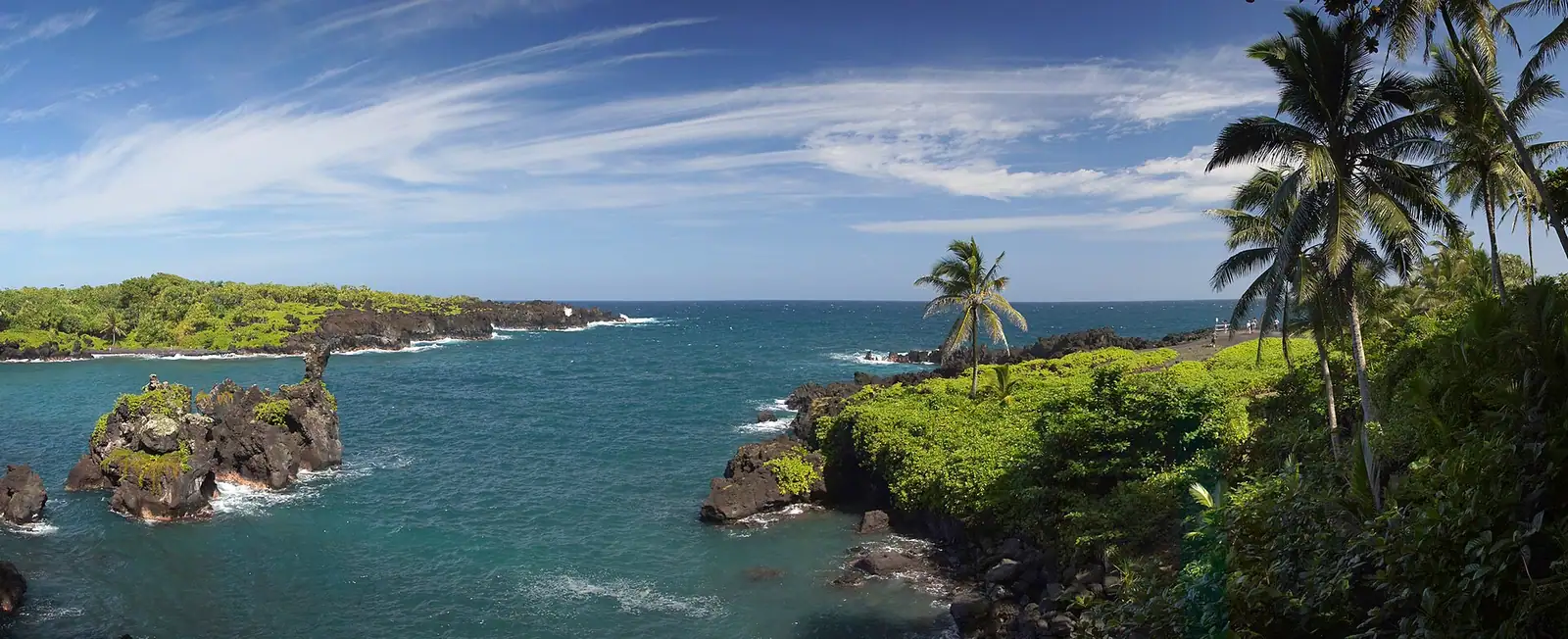
Northwest of Kapalua the shoreline turns wild: Honolua Bay is a Marine Life Conservation District with excellent summer snorkelling, no facilities, no lifeguard and a walk in through a muddy jungle track. Slaughterhouse next door is the same story. Both are for competent swimmers in summer only.

Two practical notes on the west side. Kāʻanapali's beach walk links the resorts end to end and makes it possible to have a beach day without moving the car once. And the paid resort structures at Kāʻanapali will validate for beach access in some cases; the free public lots exist but are small, so arrive before nine or plan to walk.

What to bring to a Maui beach

What to bring

  • Mineral sunscreen, zinc oxide or titanium dioxide, bought before you need it. Under Maui County Ordinance 5306 the shops here cannot legally sell you anything else without a prescription, so if you brought a chemical sunscreen from the mainland, leave it in the bag.
  • A rash guard or sun shirt. Faster than reapplying and it does not wash onto the reef. The UV index here regularly tops 11 in summer.
  • Water, more than you think. Only the county parks have drinking fountains, and several of the best beaches have no facilities at all.
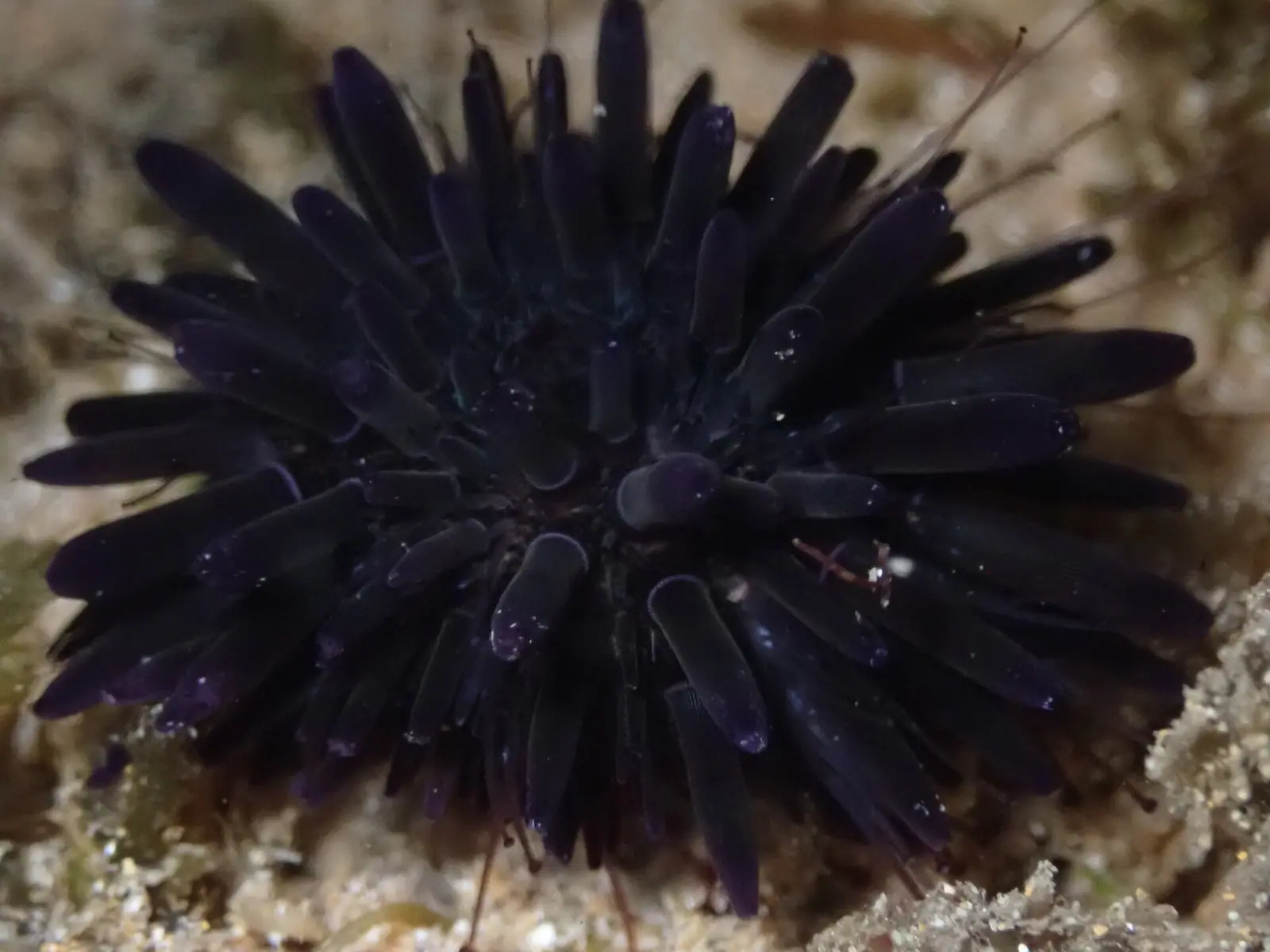
  • Reef shoes or booties for anywhere with lava entry: Honolua, Olowalu, the rocky ends of Kapalua and Nāpili. Wana, black spiny sea urchins, sit in the crevices and a spine in the foot ends a holiday.
  • A mask that fits, if you plan to snorkel more than once. Rental masks leak and the reef is worth seeing properly.
  • Shade. Ironwood and kiawe trees do the job on the north shore and at Poʻolenalena. Kīhei's parks have some. Mākena has essentially none, which is why the far end fills first.
  • Binoculars from December to April. Humpbacks are visible from shore and nobody regrets carrying them.
  • A dry bag and a car key you can swim with. Leave phones, wallets and passports at the accommodation.

What not to bring: glass, which is prohibited in county parks, and any expectation of a beach vendor. Maui's beaches are not commercialised. There is no umbrella hire on most of them and no one selling drinks.

Shorebreak, current, and the beaches that hurt people

Before you book

Maui's ocean injures visitors every week, and the pattern is boringly consistent: strong swimmers underestimating a shorebreak, and weak swimmers snorkelling alone.

Mākena Big Beach, Oneloa. The reason this beach is famous is the reason it is dangerous. A steep sand face and deep water close in mean the waves land directly on hard sand with the full weight of the swell behind them. Hawaiʻi's ocean injury records put Mākena among the leading Maui beaches for spinal injuries. Do not body surf it, do not turn your back on it, and keep small children out of the impact zone entirely. The smaller cove around the rocks at the north end, Little Beach, has its own current and is clothing-optional.

Baldwin Beach Park. A strong longshore current along the main beach and a shore break that surprises people. The enclosed cove at the Pāʻia end, locally Baby Beach, is a genuinely safe wading pool behind a reef shelf, which is why families go there instead.

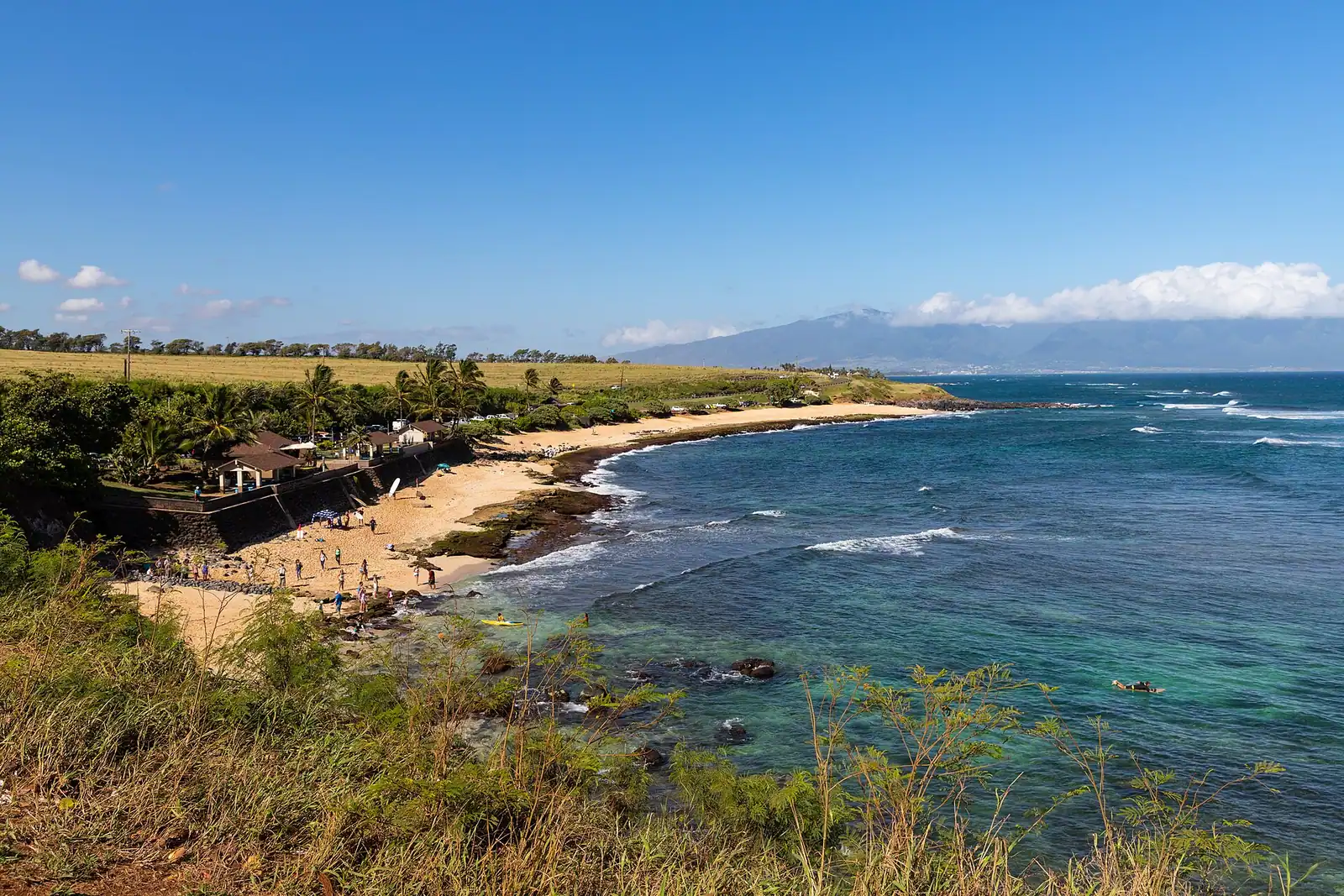
Hoʻokipa. Watch, do not swim. Reef, current and a lot of fast-moving boards.

Honolua and Slaughterhouse in winter. Large surf, no lifeguard, no facilities, and an access track that is slick mud after rain.

Anywhere after heavy rain. Maui's streams carry run-off and bacteria to the sea. Brown water means stay out, particularly on the north shore and near stream mouths at Kāʻanapali and Olowalu.

Two more: box jellyfish arrive on some south-facing shores roughly eight to ten days after a full moon, and Portuguese man o' war get blown onto windward beaches when the trades are strong. Warning signs go up when they do. And if a beach has a lifeguard tower, use that beach. Only a handful of Maui shorelines have one.

On the ground

Where to go

Every place below has its own page — hours, parking, what it costs and what to expect when you get there.

  • A long curve of pale sand meeting clear turquoise water under a bright sky, with low green headland beyond

    Beach

    Kāʻanapali Beach

    Free

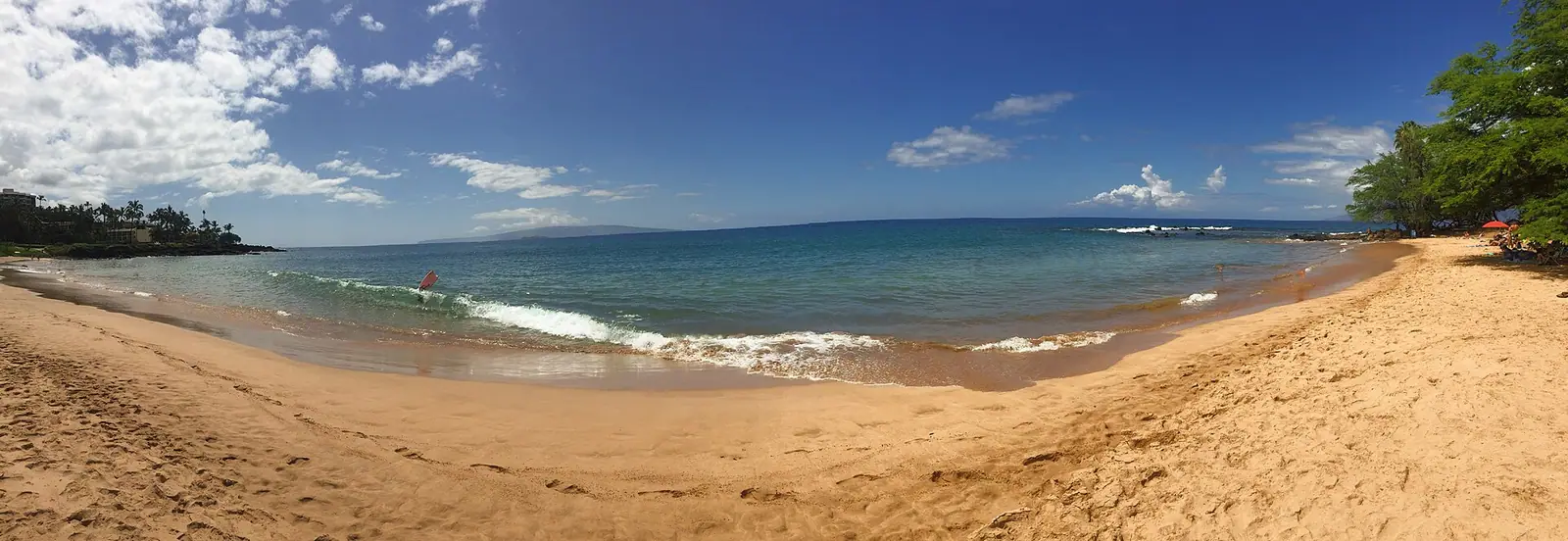
    Three miles of public sand, a lava headland called Puʻu Kekaʻa, and free beach parking the resorts are legally required to keep.

    2–7 hoursFree. Public beach access and the mandated resort stalls cost nothing; Whalers Village charges for parking with validation.

  • A windsurfer carving off the top of a breaking wave with spray behind the sail

    Beach

    Hoʻokipa Beach Park

    Free

    Maui's wave-sailing arena, watched from a clifftop lookout, where green sea turtles drag themselves onto the sand most afternoons.

    0.5–2 hoursFree. Both the beach park and the clifftop lookout are free to enter and free to park at.

  • A small crescent beach enclosed by two low rocky points with calm clear water

    Beach

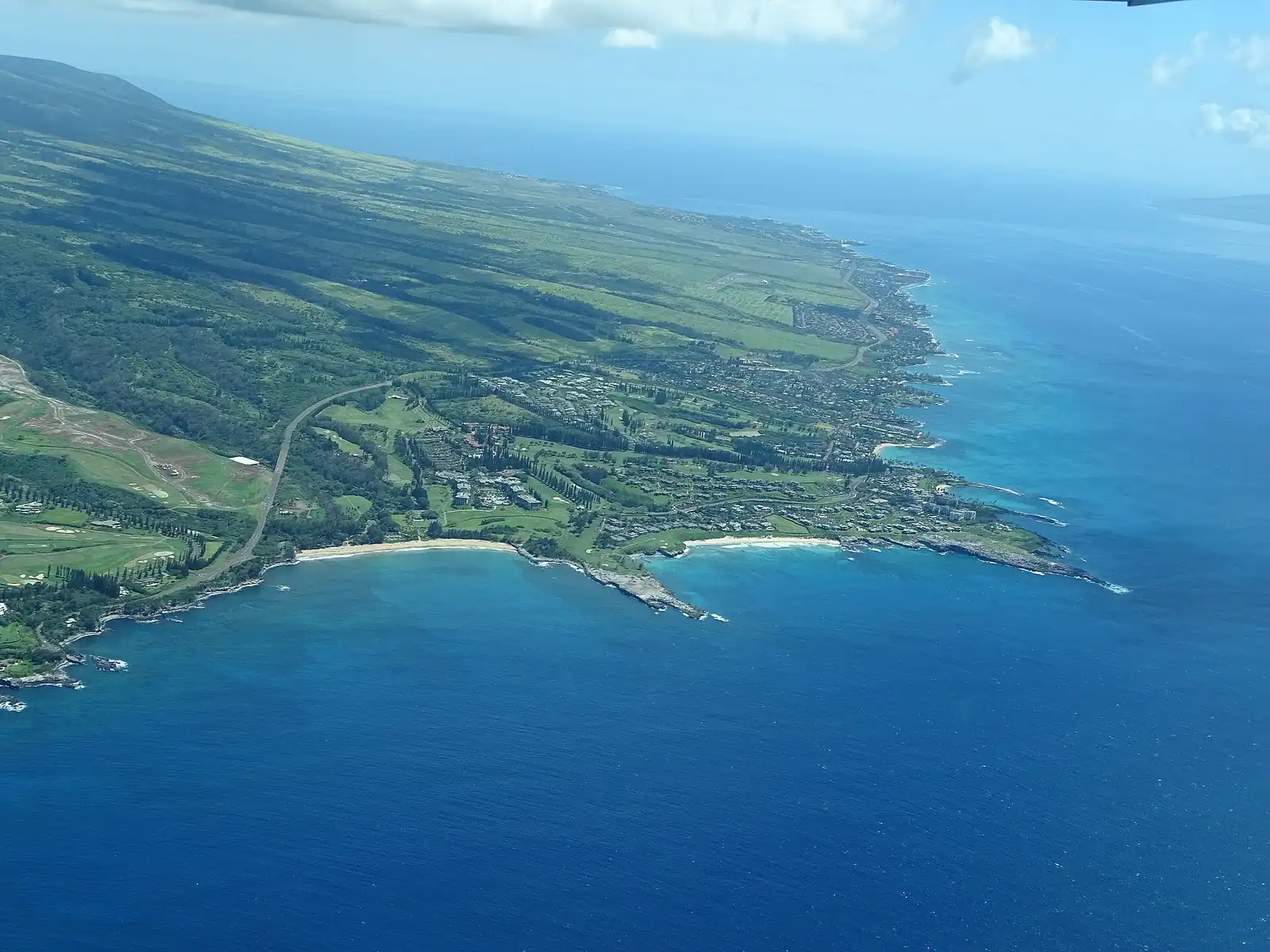
    Kapalua Bay

    Free

    A crescent held between two lava headlands, calm on days the rest of West Maui is blown out — with about forty parking stalls.

    1.5–4 hoursFree, including the public beach access car park.

  • A wide, empty stretch of coarse gold sand curving away beneath a bare reddish volcanic hill

    Beach

    Mākena Beach (Big Beach / Oneloa)

    Free

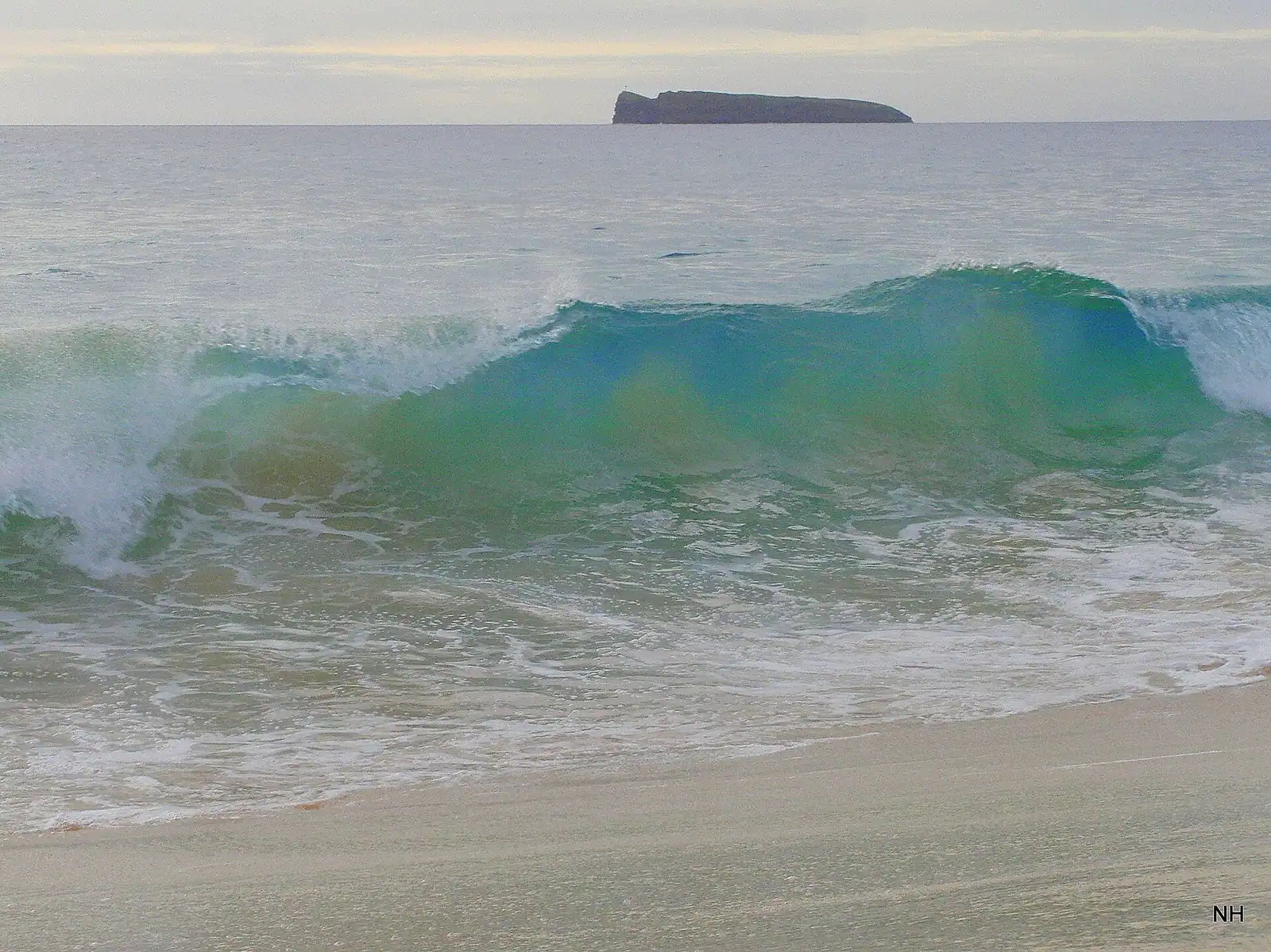
    Two-thirds of a mile of undeveloped gold sand backed by a cinder cone, with a shorebreak that puts people in hospital every year.

    1.5–5 hoursBeach access is free; non-residents pay to park at the state park kiosks.

  • Dark volcanic sand and black rock at the edge of a small ocean cove

    Park

    Waiʻānapanapa State Park

    Black basalt sand, freshwater caves and an ancient coastal trail, three miles before Hāna — and you cannot get in without booking ahead.

    1–2.5 hoursNon-residents pay per-vehicle parking plus a per-person entry fee, both by advance reservation. Hawaiʻi residents with state ID are free.

  • Snorkeller looking down over a shallow coral reef in very clear blue water

    Nature preserve

    Honolua Bay

    Free

    A protected bay with no sand, no restrooms and no lifeguard — and the best shore snorkelling in West Maui for half the year.

    1–3 hoursFree. No entry fee, no permit and no parking charge — and no facilities of any kind.

  • A wide golden beach with calm water and palm trees under bright morning sun

    Neighbourhood

    Kīhei

    Free

    Six miles of beach, three lifeguarded parks and the best free whale watching on Maui, plus a wind that arrives every afternoon.

    2–8 hoursFree. All the beach parks are public with free parking.

  • Pale sand and calm turquoise shallows below a landscaped resort lawn with palms

    Beach

    Wailea Beach

    Free

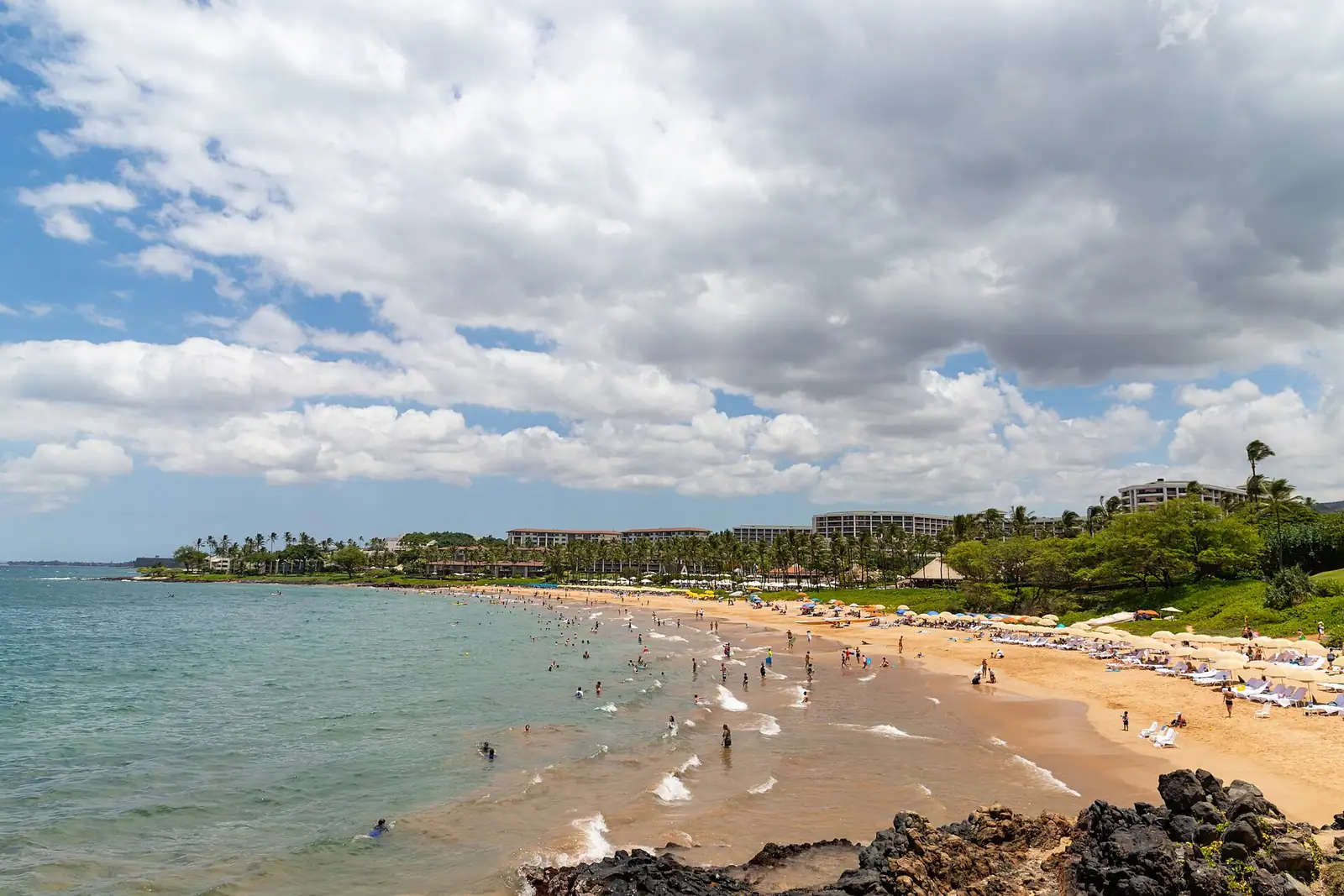
    A calm crescent between the Grand Wailea and the Four Seasons, with a free public lot and a paved path linking four beaches.

    1.5–5 hoursFree, including the public beach access car park. Hawaiʻi shorelines are public to the high-water mark.

  • A short crescent of pale sand backed by palms, with low rocky points at either end

    Beach

    Nāpili Bay

    Free

    A quiet condo-fronted crescent with turtles on both rocky sides, no facilities, and street parking that is gone before seven.

    1.5–4 hoursFree. Shoreline access is public; there is simply very little parking and no county facilities.

  • A sheltered bay with dark sand, a small pier and a steep green headland behind

    Beach

    Hāna Bay

    Free

    The one reliably calm swim on the Hāna coast, under the cinder cone where Queen Kaʻahumanu was born in 1768.

    1–2.5 hoursFree. Parking is free.

  • A long, softly curving beach with calm shallow water and a dry hillside beyond

    Beach

    Keawakapu Beach

    Free

    Three quarters of a mile of soft sand between Kīhei and Wailea, three free car parks, and the island's best morning swim.

    1.5–4 hoursFree, with three free car parks along its length.

  • A long sweep of pale sand at Baldwin Beach Park with ironwood shade along the left and surf breaking down the shoreline

    Beach

    H.A. Baldwin Beach Park

    Free

    A mile of north shore sand with lifeguards, a shaded pavilion and a sheltered pool at the western end that toddlers can actually use.

    1.5–5 hoursFree, including parking. County beach park with lifeguards, restrooms, showers and a pavilion.

  • A snorkeller floating above shallow reef and coral heads in clear water

    Beach

    Ulua Beach

    Free

    A small Wailea cove with reef on the point, used by every South Maui dive school, sharing one modest car park with Mokapu.

    1–3 hoursFree, including the shared Ulua and Mokapu public car park.

Straight answers

Questions people actually ask

What is the best beach on Maui?

It depends entirely on the coast you are staying on and the month. For calm family water, Kapalua Bay and Nāpili Bay on the west side in summer, or Kamaʻole I and III in Kīhei year-round. For sheer scale and drama, Mākena's Big Beach, with the caveat that its shorebreak is genuinely dangerous. For snorkelling, Honolua Bay in summer and Puʻu Kekaʻa at Kāʻanapali most mornings. For something you will not see anywhere else, the black sand at Waiʻānapanapa, which needs a prepaid reservation.

Are Maui's beaches public, even at the resorts?

Yes. Hawaiʻi holds the shoreline below the upper reach of the waves in public trust, and coastal landowners including the Wailea and Kāʻanapali resorts are required to provide signed public access and public parking to it. You can walk down the marked path, put a towel on the sand in front of any hotel and stay all day. What the resorts control is the sun loungers, the towels and the bar service, not the beach.

Which Maui beaches have lifeguards?

A minority of them. Maui County staffs towers at a handful of beaches including the Kamaʻole parks in Kīhei, Baldwin and Hoʻokipa on the north shore, Hanakaʻōʻō near Kāʻanapali, Ulua in Wailea and Mākena. Many of the best-known stretches, including Honolua Bay, Nāpili and much of the Kāʻanapali strip, have none. If anyone in your group is a weak swimmer, choose a guarded beach and ask the lifeguard about the day's conditions before you go in.

When is the water calmest on Maui?

Early morning, almost everywhere. Trade winds build through the late morning, so surface conditions and underwater visibility peak between roughly sunrise and eleven. Seasonally, the west and north coasts are calmest from about May to September, while winter north and northwest swell shuts down snorkelling at Honolua and roughens Kapalua and Nāpili. The south shore is generally calm in winter and picks up south swell in summer.

Can you swim at Big Beach in Mākena?

You can, but treat it with more caution than any other beach on Maui. Oneloa has a steep sand face and deep water close inshore, so waves break directly onto hard sand. Hawaiʻi's ocean injury records consistently list Mākena among the island's leading beaches for spinal injuries. Wade rather than body surf, never turn your back on the water, keep young children well up the sand, and go elsewhere when the surf is up.

Where can you see sea turtles on Maui?

Hoʻokipa Beach Park is the most reliable place on the island: green sea turtles, honu, haul out onto the sand in numbers through the afternoon, behind a volunteer rope line. In the water, the reef at Nāpili Bay, the shallows at Kapalua, Puʻu Kekaʻa at Kāʻanapali and the flat off Olowalu all hold turtles most mornings. They are protected. Keep at least ten feet away, never touch or feed them, and give Hawaiian monk seals fifty feet if you see one on the sand.

Do you have to pay to visit Waiʻānapanapa black sand beach?

If you are not a Hawaiʻi resident, yes, and you have to book ahead. Waiʻānapanapa State Park requires a prepaid online reservation for non-residents with a timed entry window, bookable up to about 30 days in advance and released daily. There is a per-person entry fee plus a per-vehicle parking fee. Hawaiʻi residents with valid ID enter free without a reservation, but out-of-state passengers travelling with them still need one. Book before you set out for Hāna, not on the road.

Which Maui beach is best for young children?

Baby Beach at the Pāʻia end of Baldwin Beach Park. A reef shelf encloses a long shallow pool where the water is waist deep and the surf breaks well outside it, with free parking, restrooms and shade. After that, Kamaʻole I and III in Kīhei for lifeguards and gentle entry, Ulua in Wailea for a short walk from the car, and Nāpili Bay in summer. Avoid Mākena, Hoʻokipa, Honolua and the main stretch of Baldwin with small children.

Is Honolua Bay good for snorkelling?

In summer it is one of the best snorkels on Maui, and in winter it is not a snorkel at all. The bay is a Marine Life Conservation District, so nothing may be taken and the fish are correspondingly unbothered, and on a calm May or June morning visibility can reach around fifty feet. From November through March it becomes a serious surf break with large waves and no lifeguard. There are no facilities, the access is a muddy jungle track, and the entry is over rocks, so bring reef shoes.

Can you see whales from the beach on Maui?

Yes, and it is the best free thing on the island between December and April. Humpbacks winter in the shallow ʻAuʻau Channel between Maui, Lānaʻi and Molokaʻi, and from the sand at Kāʻanapali, Olowalu, Keawakapu, Poʻolenalena or the roadside pullouts on the Honoapiʻilani Highway you can watch breaching and tail slapping with the naked eye. Peak density is January through March. Bring binoculars and be patient; sit for twenty minutes before deciding nothing is happening.