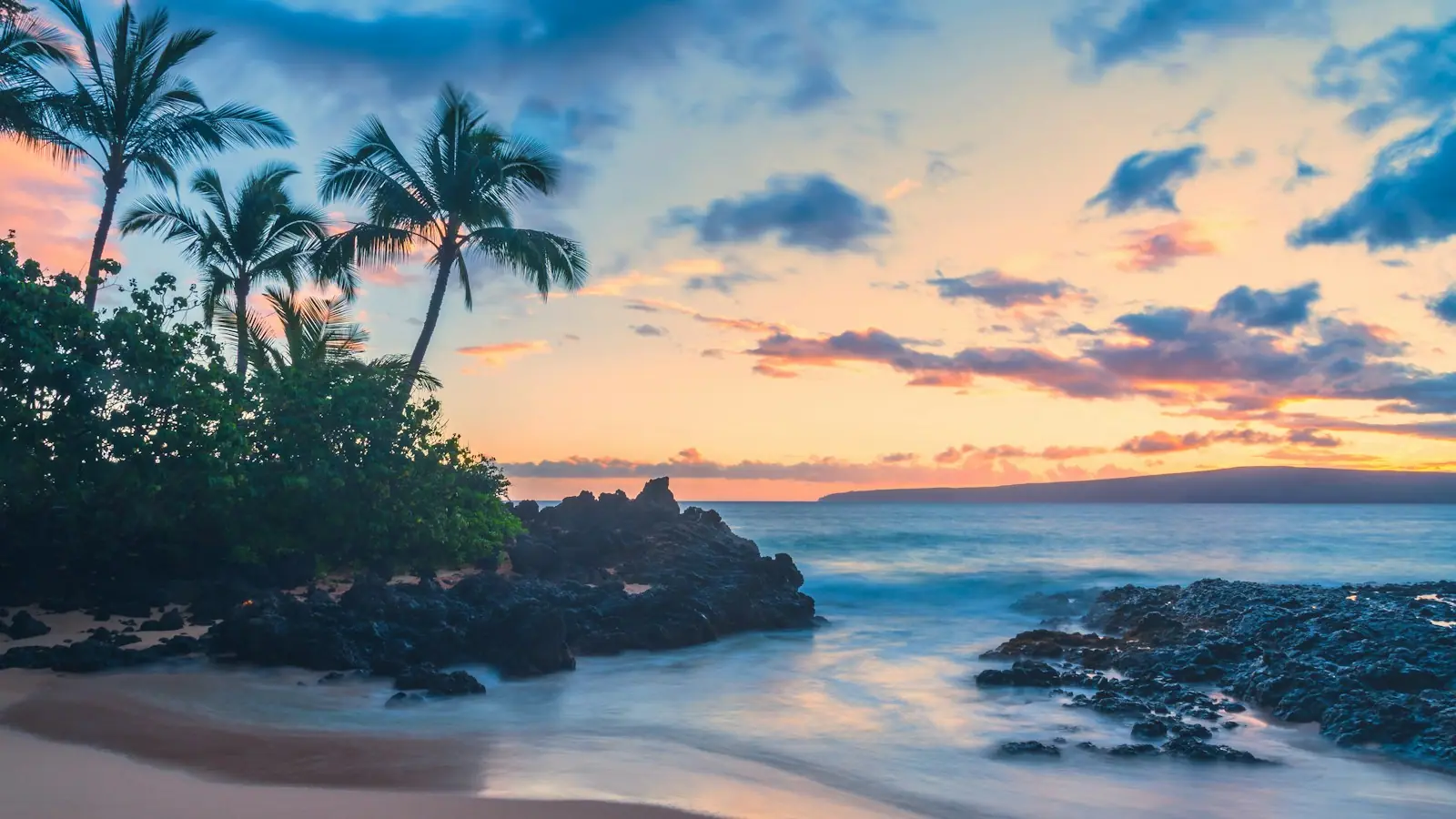
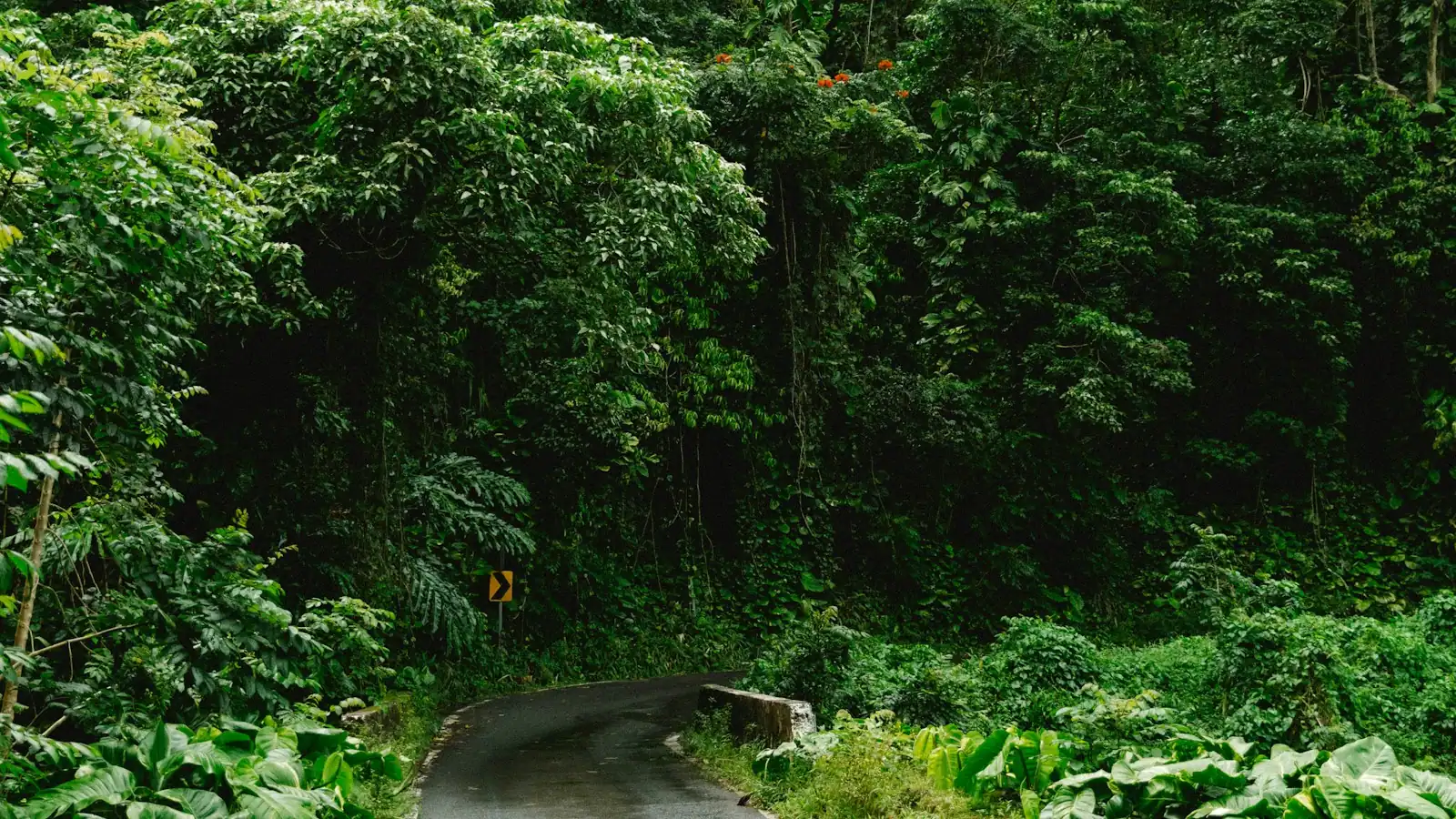
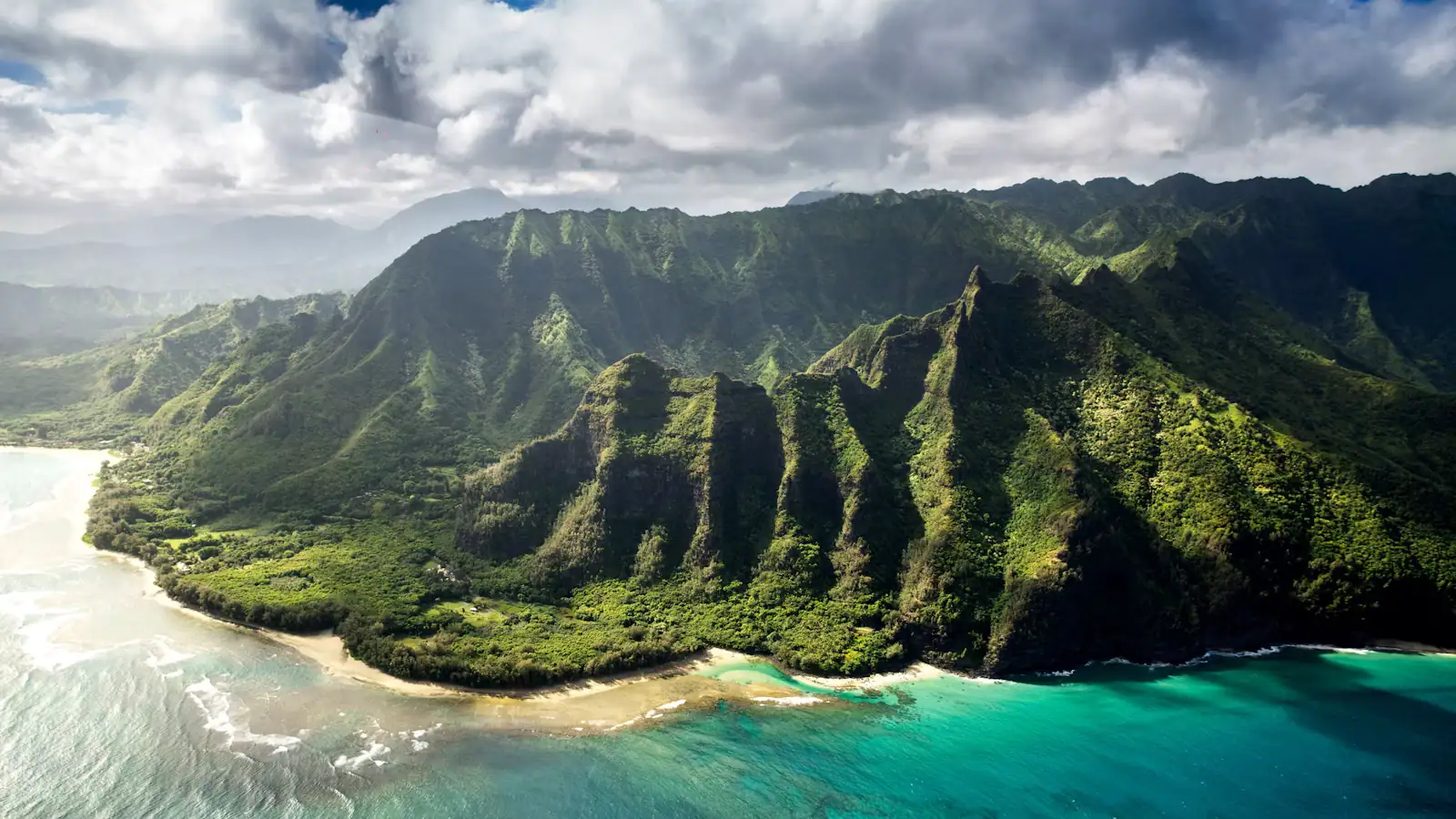
Maui does not really have seasons in the way most destinations do. Kahului's average high runs about 80°F in January and about 88°F in August, an eight-degree swing across an entire year, and the sea sits between roughly 74 and 80 degrees whatever the calendar says. If you are choosing a month by temperature, every month works.
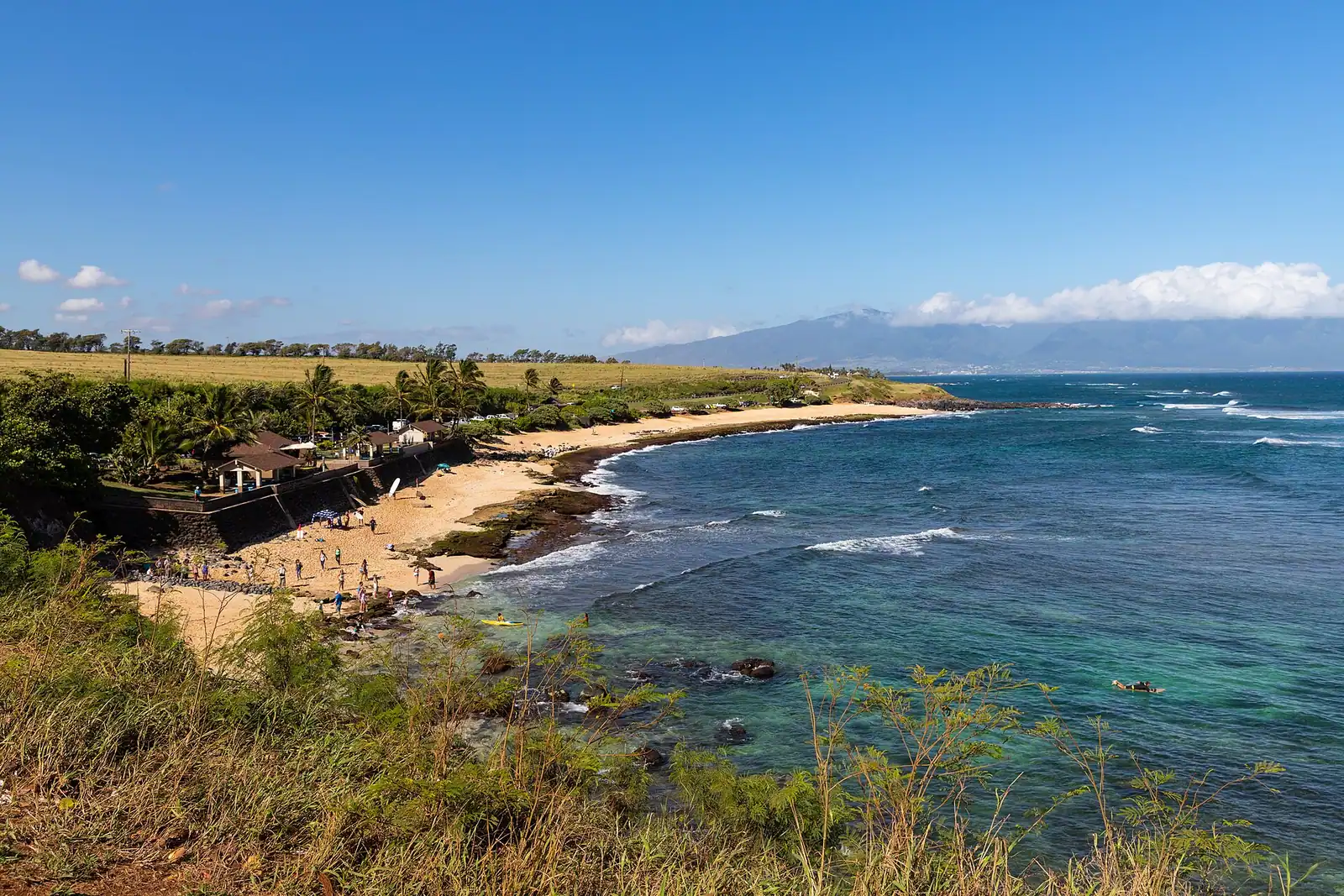
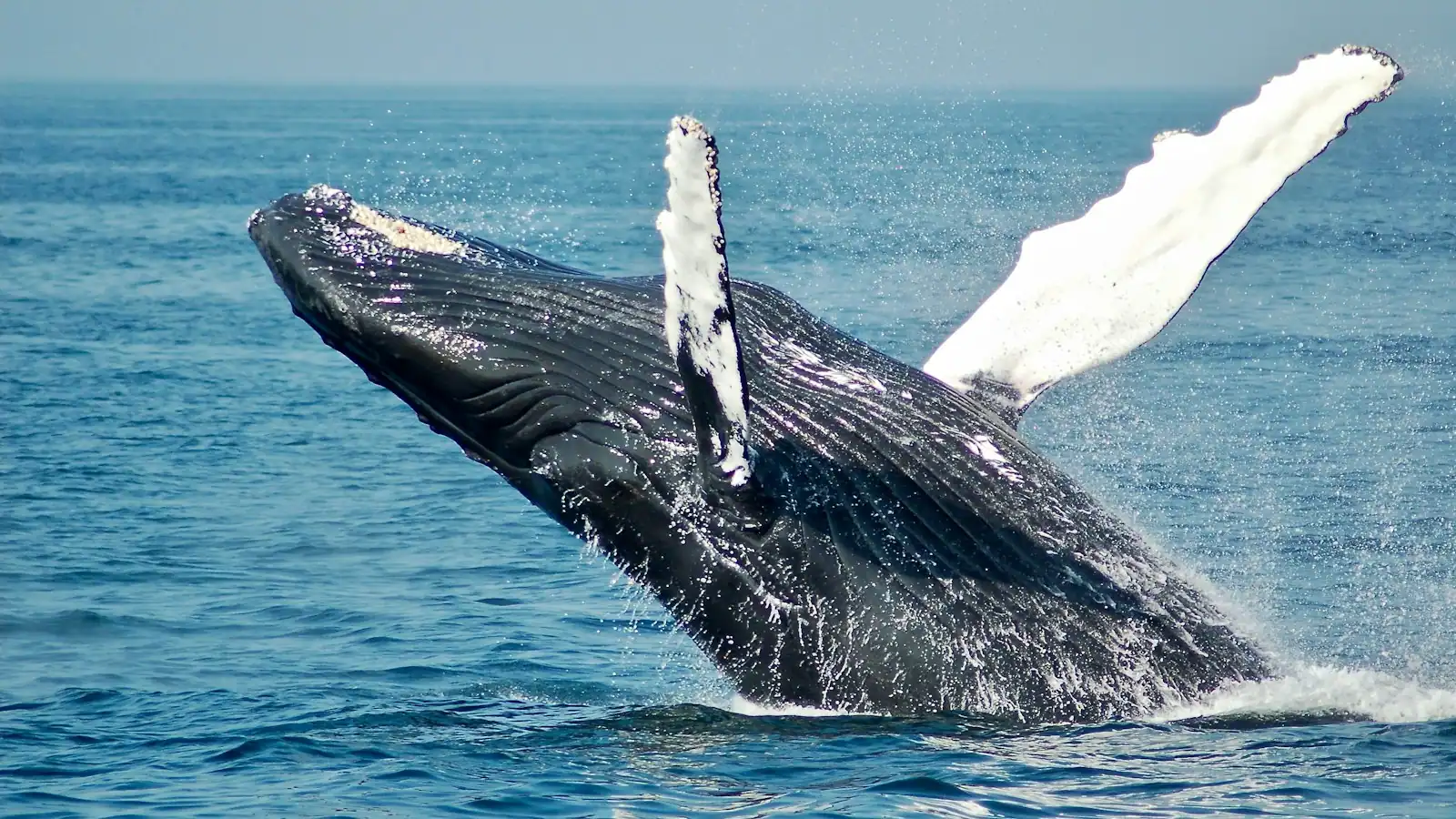
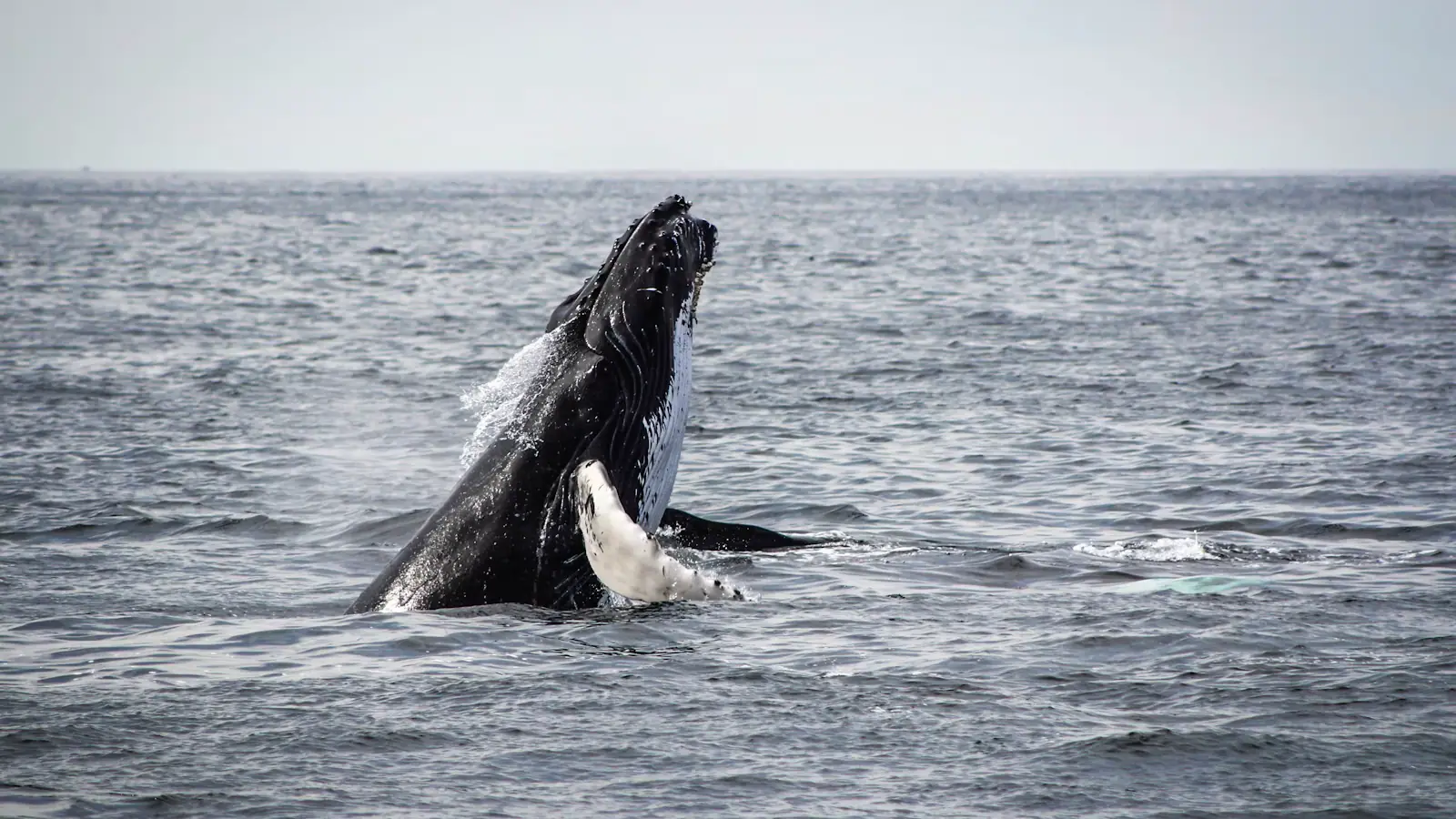
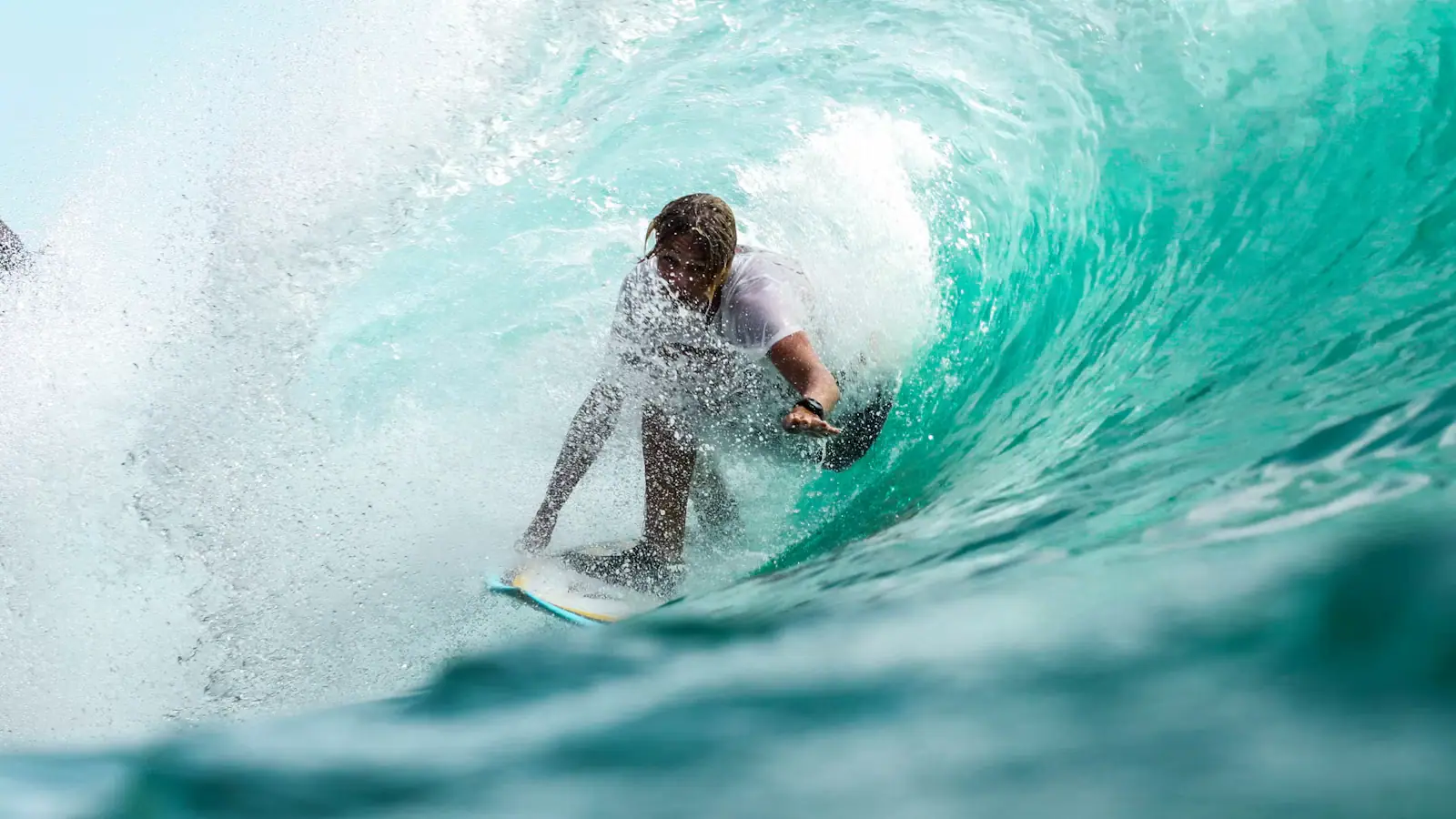
What does change, dramatically, is everything else. Humpback whales fill the shallow ʻAuʻau Channel between Maui, Lānaʻi, Molokaʻi and Kahoʻolawe from roughly December to April, peaking January through March, and they are simply not here in July. Swell direction reverses with the season: north and northwest swell hits the north shore from November to March, closing Honolua Bay to snorkelling and producing the enormous waves at Peʻahi, while summer's south swell puts surf on the Kīhei and Mākena coast. Rainfall concentrates from November to March on the windward side and barely touches Kīhei in any month. And room rates can double between a week in early May and the week between Christmas and New Year.
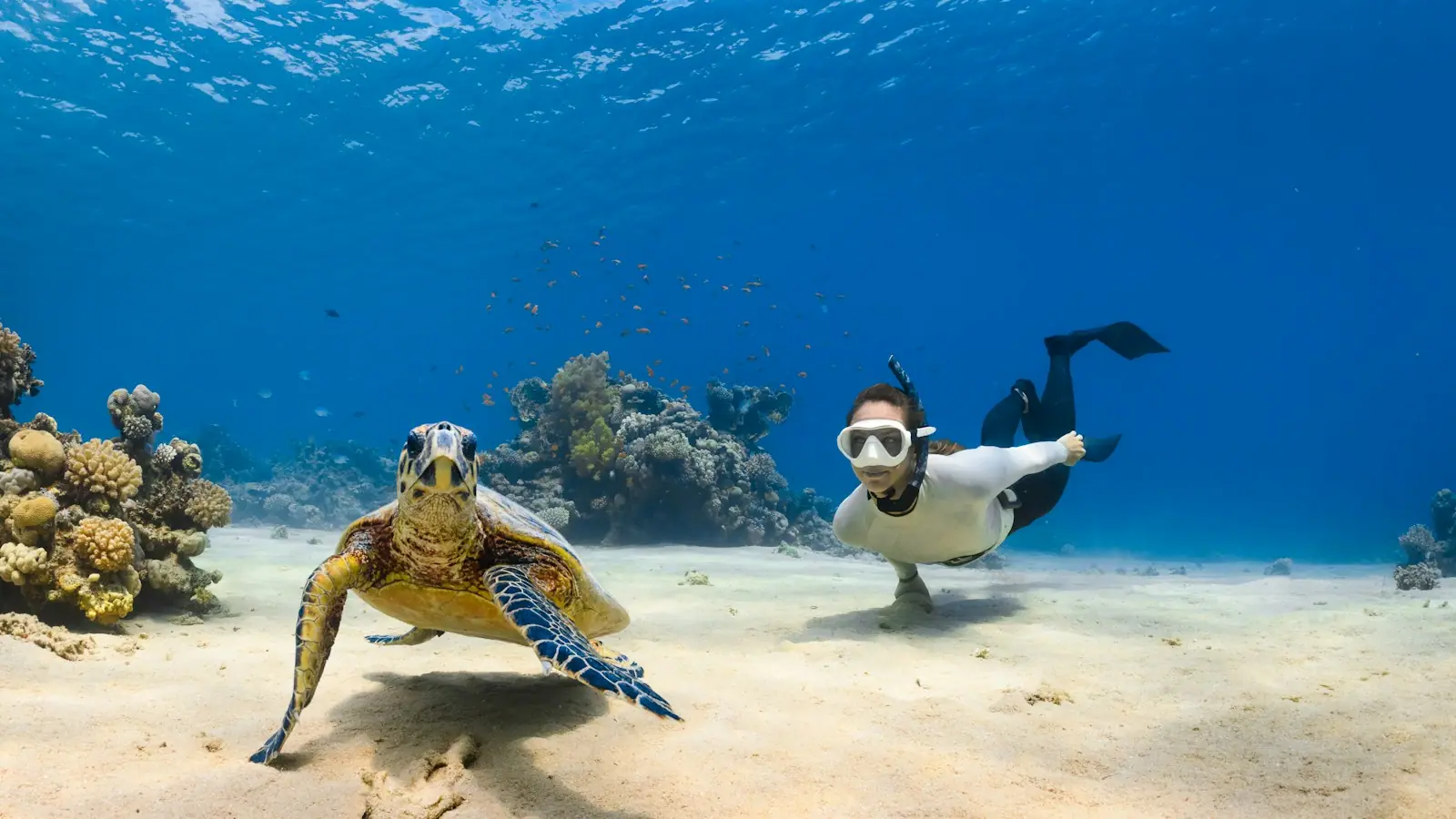
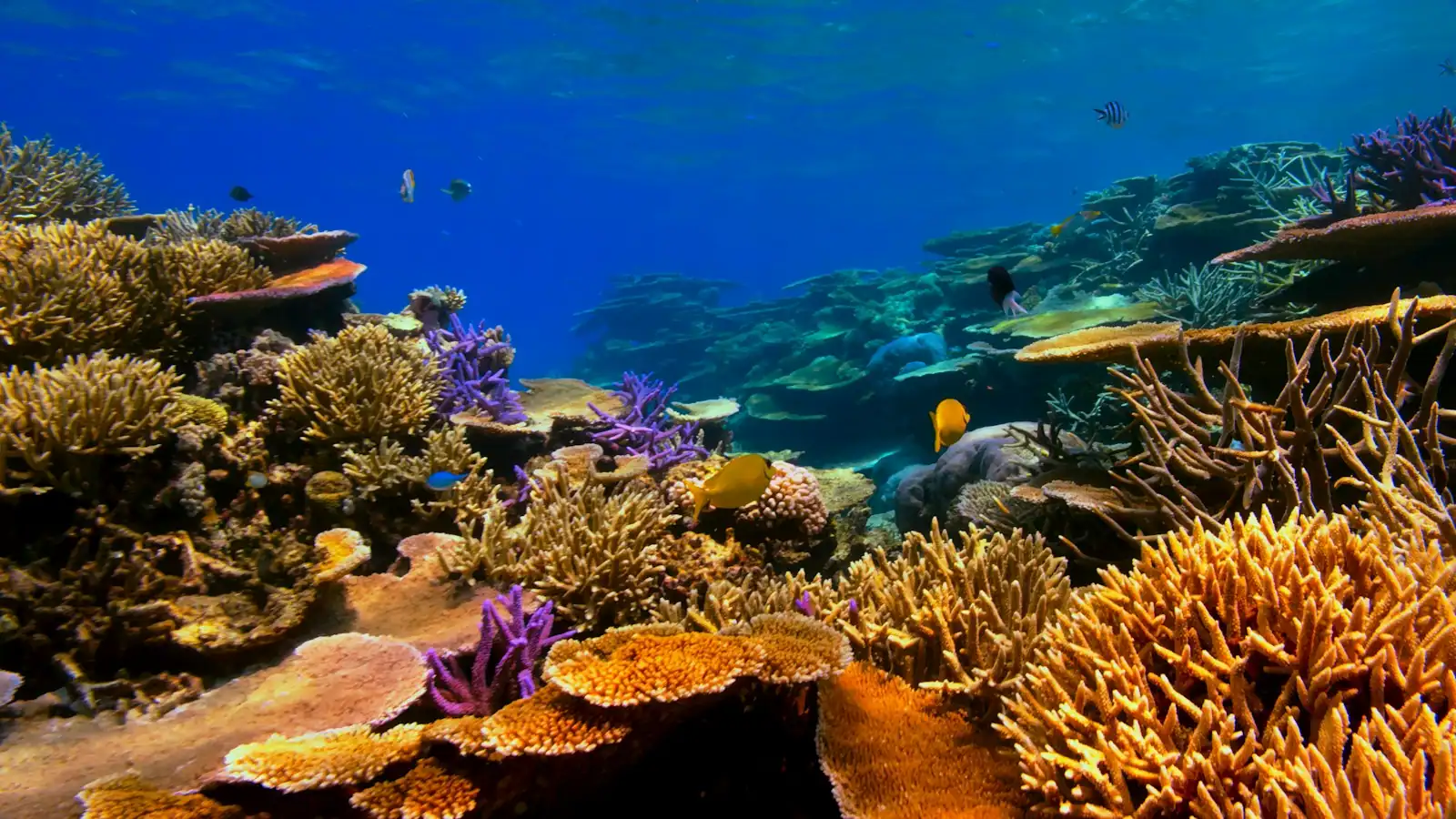
The short answer, and it is genuinely the answer for most people: late April and May, or September into early October. Those are the shoulder weeks. The trade winds are reliable, rainfall is at its lowest, the north shore has calmed enough that Honolua and the west-side bays snorkel beautifully, the water is warm, and hotel rates sit well below the winter peak. September in particular is the quietest month on Maui, because American schools have gone back and the Christmas market has not started thinking about it yet.
The counter-argument is whales, and it is a strong one. If you have never seen a humpback breach, February on Maui is one of the great wildlife experiences available anywhere and it is free from a roadside pullout. January through March buys you that, along with the biggest surf on the north shore, at the cost of the highest prices, the fullest hotels and a meaningfully wetter island. That trade is worth making once.
The months to think hardest about are the peaks. Christmas through New Year is the most expensive and crowded week of the Maui year by a distance. Presidents Day week in February, spring break through March, and July are the other three. None of them are bad weeks to be here. All of them cost substantially more and require booking boats, luaus and restaurants much further ahead.
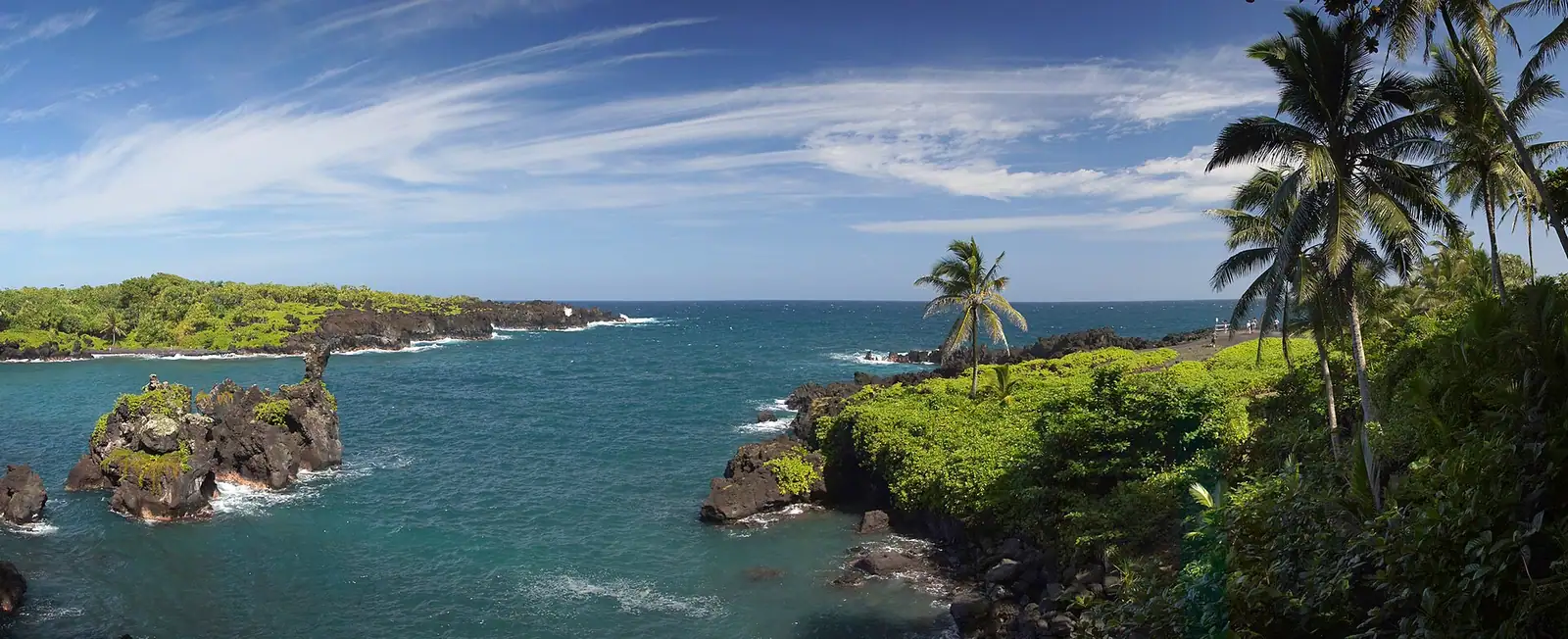
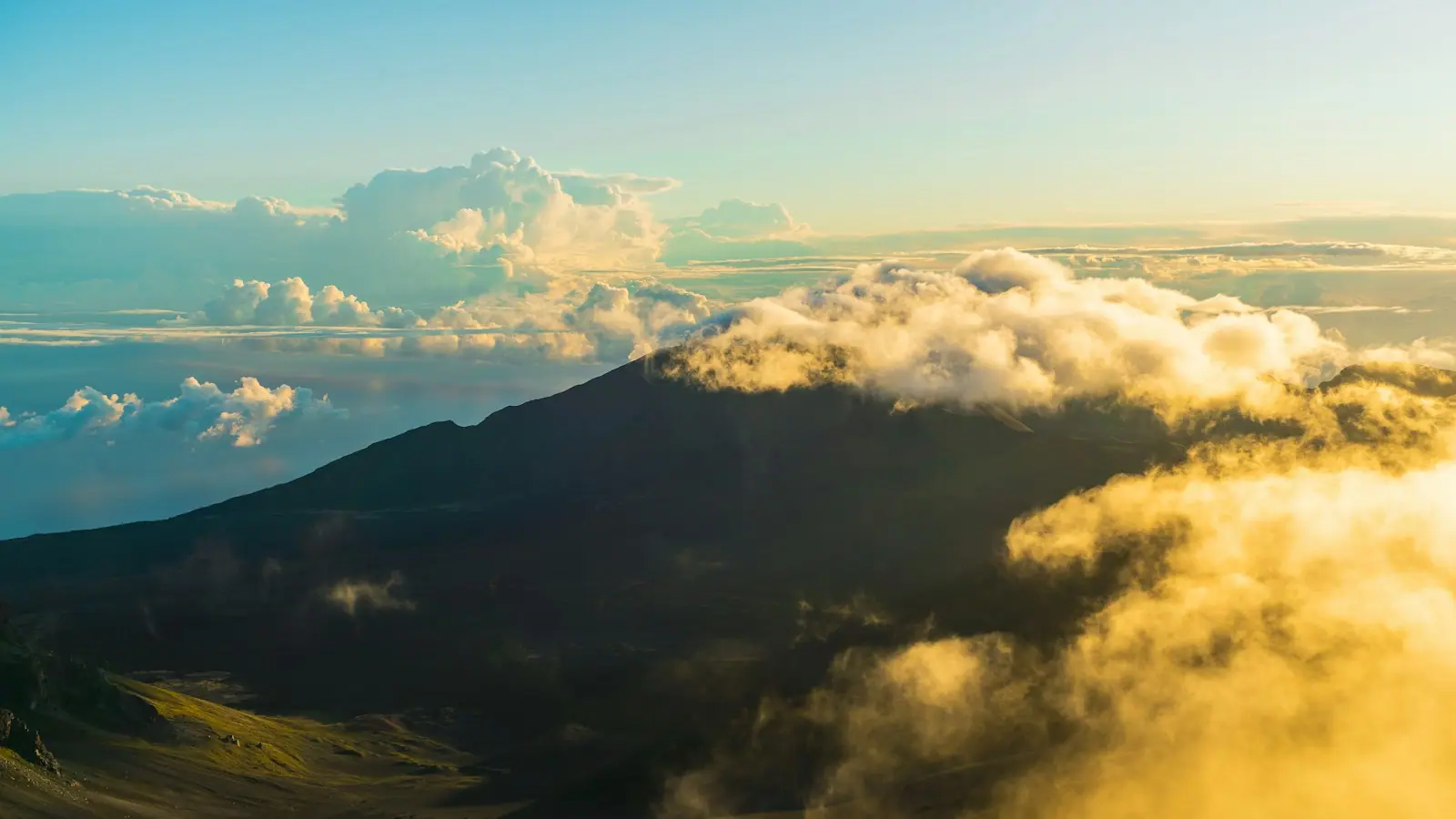
One planning note that applies in every month. Maui's three reservation systems, Haleakalā's sunrise permit, ʻĪao Valley and Waiʻānapanapa State Park, do not get easier off-season in the way you might hope. The sunrise permits still release 60 days ahead at 7:00am Hawaiʻi time and still go quickly, because supply is capped by the size of the summit car park rather than by demand curves. Set the alarm whatever month you come.