Travel alert
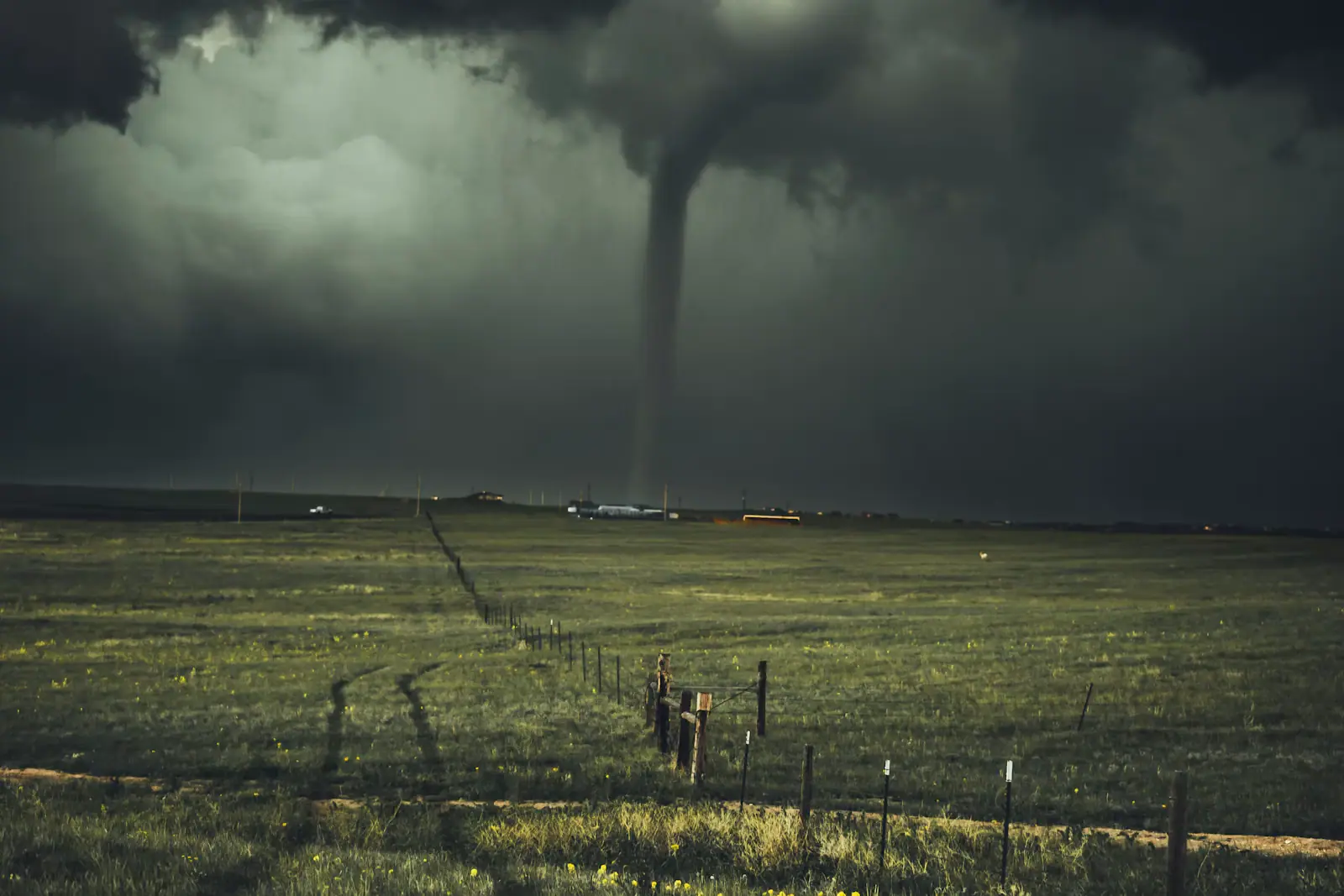
Hurricane Season Runs June 1 to November 30. What It Means for a Maui Booking
Direct hits are rare. Near misses that bring surf, rain and flight disruption are not, and they cluster in the back half of the season.
Travel alert
A timed reservation is required for every vehicle entering the summit district before 7 a.m. It is sold only through recreation.gov, and summer weekends clear fast.
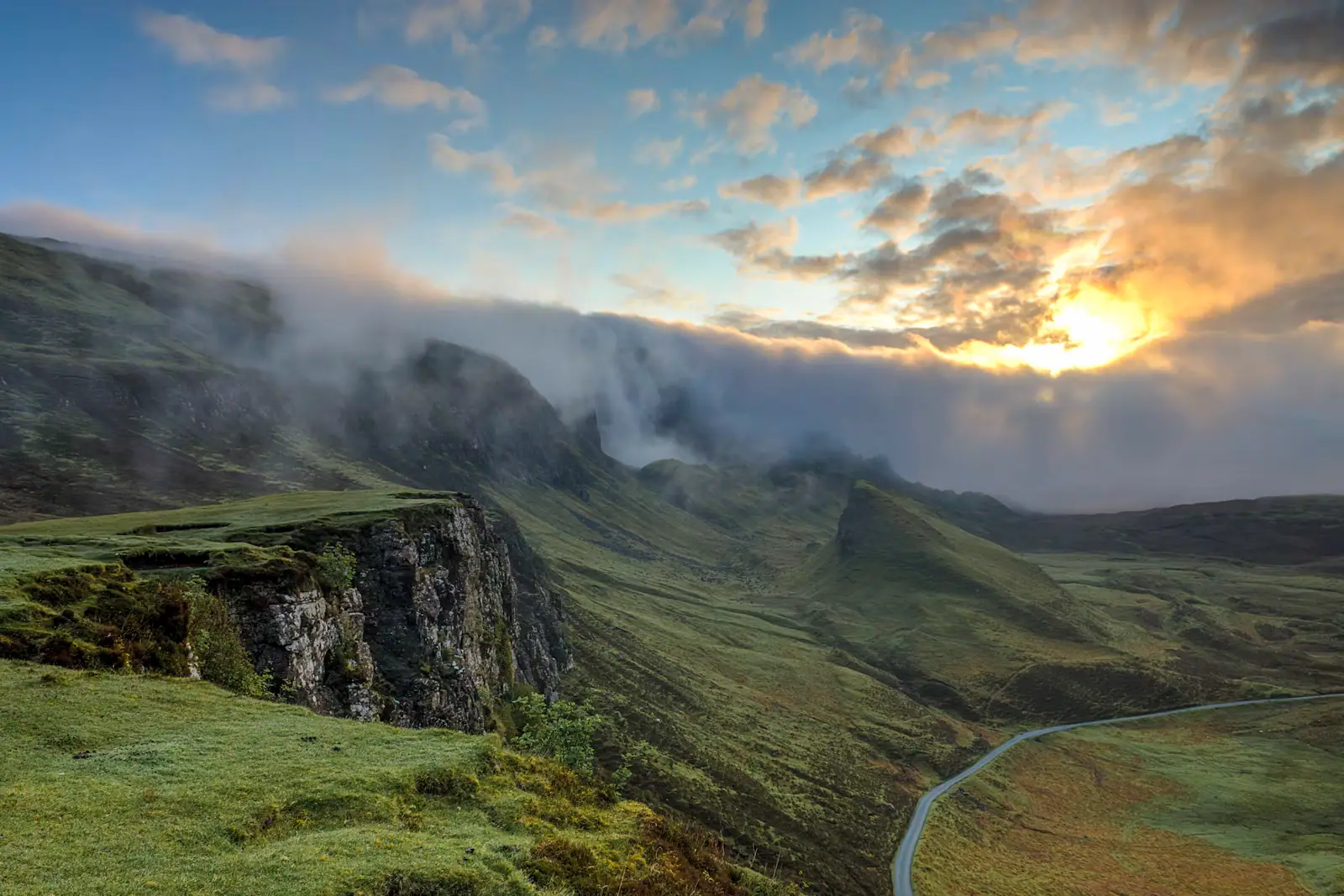
Since 2017 the National Park Service has required a timed reservation for every non-commercial vehicle entering the summit district of Haleakalā National Park between 3:00 a.m. and 7:00 a.m. The requirement has not gone away and it catches visitors every week.
Reservations are sold only through recreation.gov. Calling the park achieves nothing.
The park entrance fee is separate — currently $30 per vehicle for three days, covering both the summit and the Kīpahulu district on the far side of the island. An America the Beautiful pass covers the entrance fee but not the sunrise reservation, and people are turned away for assuming otherwise.
The 48-hour release is a genuine second chance and fewer visitors know about it. Cancellations also return to the system in the days before a date, so it is worth checking.
Failing that, book an authorised commercial sunrise tour. Operators hold their own access arrangement, so passengers do not need an individual reservation, and somebody else drives the switchbacks at 3 a.m.
Sunset at the summit requires no reservation at all. It is warmer, far less crowded, and the light across the cinder cones is at least as good. Stay afterwards: the sky above Haleakalā is among the darkest accessible in the United States.
Whichever you pick, dress for it. The summit stands at 10,023 feet and conditions before dawn and after dusk are regularly wet, windy and below freezing. Rangers see visitors arrive in shorts every morning of the year.
SourcingSummarised from National Park Service guidance for Haleakalā National Park and the park's Recreation.gov sunrise reservation listing. Fees, release times and access rules are set by the park and change; confirm on recreation.gov and nps.gov before travelling.
Plan around it
The pages that carry the practical detail behind this story — hours, costs, access and where it sits on Maui.
Things to do
Sunrise at Haleakalā on Maui needs a timed reservation booked ahead, and the 10,023 ft summit is near freezing at dawn. Costs, timing and…
Things to do
How Haleakalā sunrise on Maui works: the recreation.gov reservation, why a tour skips it, the 10,023 ft cold, and the sunset alternative…
Things to do
Maui's best hikes, from the Pipiwai Trail and Haleakalā's crater to Waiheʻe Ridge and the Lahaina Pali: distances, altitude, flash flood…
Things to do
The best time to visit Maui, month by month: whale season, swell direction, crowd peaks and room rates. Why April, May, September and…
Newsroom
Travel alert
Direct hits are rare. Near misses that bring surf, rain and flight disruption are not, and they cluster in the back half of the season.
Travel alert
Around 1,500 people live along the Hāna Highway and drive it to work. The convention at the bridges is simple, it works, and visitors routinely break it.
Travel alert
Hawaiʻi restricts the sale of oxybenzone and octinoxate. Maui County goes further and reaches the bottle in your beach bag.
Who reported this
Outdoors & Ocean Editor
Dana crewed Molokini charters out of Māʻalaea for six seasons and still dives the crater's back wall when a boat has a spare tank. She writes the water and summit pages here: snorkelling, whale season, surf, and the hikes that start before dawn. If a departure time looks strange, the wind or the swell made it that way.
Our newsroom is machine-assisted and human-edited: stories are drafted from verified public sources and checked before they publish. How that works is set out in our editorial standards.