Skip to content
Menu

Booking through these earns us a commission from Viator. You pay the same, and payment did not decide what is listed.

Search

Park

Aliʻi Kula Lavender

Last updated

Thirteen acres of lavender at 4,000 feet, with a view that takes in both of Maui's coastlines on a clear morning.

Waipoli Road leaves Highway 377 above Kula and starts climbing immediately — tight switchbacks, no shoulder, the occasional cow. About a mile and a half up, at roughly 4,000 feet, the land opens out and there is a farm covered in grey-green hedging that does not belong in anyone's mental picture of Hawaiʻi.

Aliʻi Chang planted the first lavender here in 2001, from a gift, and kept going until thirteen and a half acres held something in the order of fifty-five thousand plants across around twenty varieties. He died in 2010, but the farm he built has stayed open, and the thing he understood is still the thing that makes it work: Kula's climate is dry, cool and bright, closer to the Mediterranean than to the tropics, and lavender in that climate does not have a season. It flowers, in some part of the field, all year. There is no six-week window you have to hit, which is a relief to anyone who has tried to time a trip to Provence.

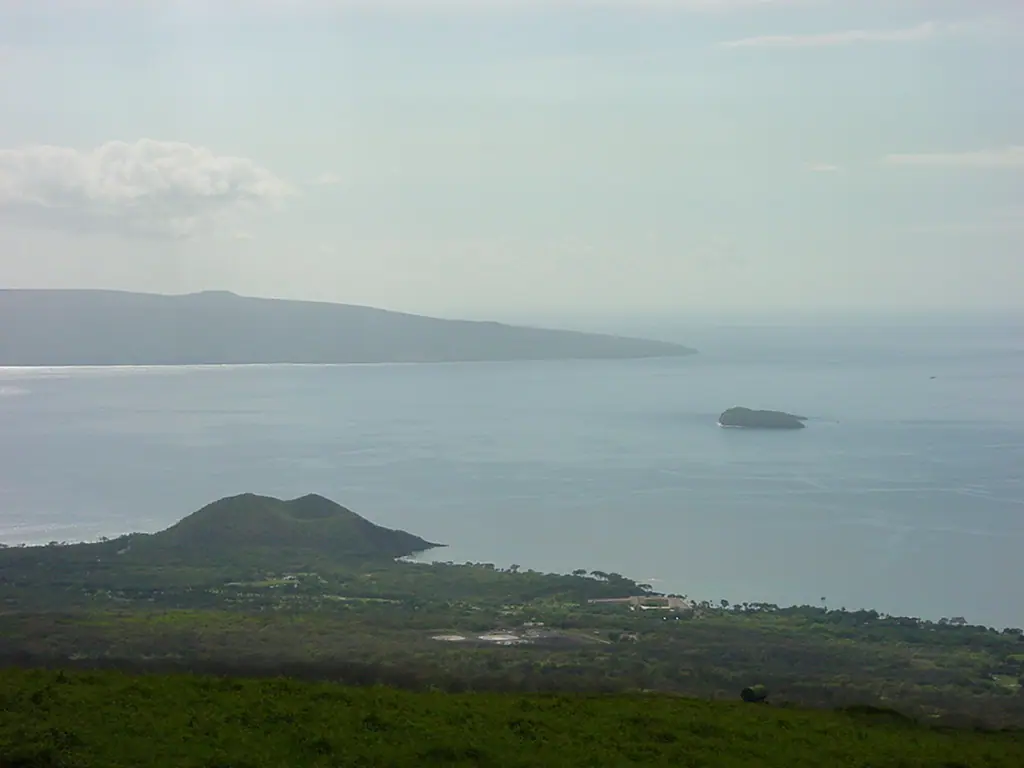
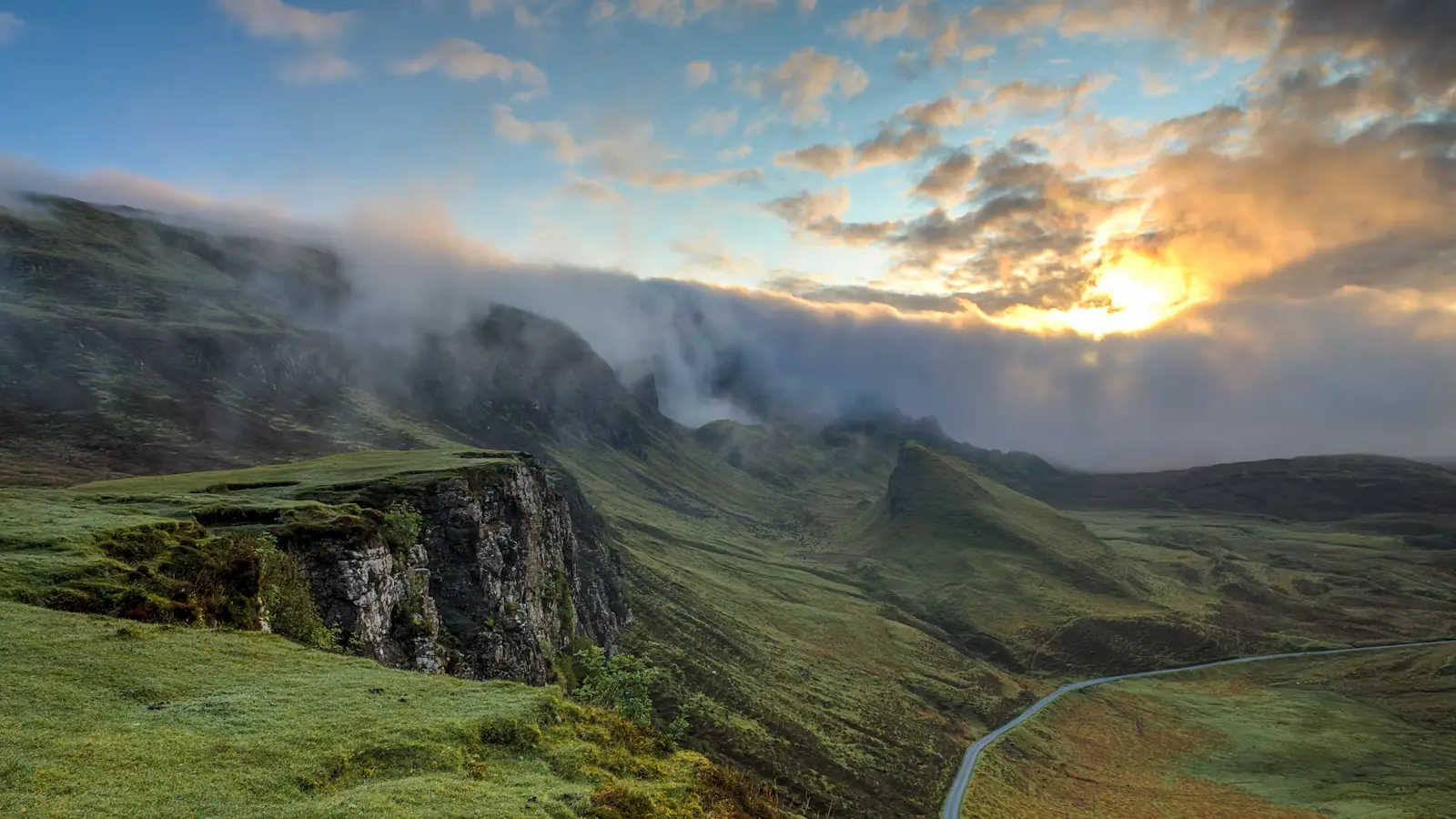
The farm is laid out as a set of terraced paths through the planting, with benches placed where the view is, and the view is the honest reason to come. Look west and the whole central isthmus is below you with the West Maui Mountains behind it; on a clear morning you can pick out Kahoʻolawe, Molokini, Lānaʻi and the edge of Molokaʻi, and see the north and south shores of the island simultaneously. It is the best free-standing panorama Upcountry that does not require driving to the summit.

Mixed in among the lavender are olive trees, hydrangea, protea and succulents, which is a reminder that this is a working Upcountry farm rather than a single-crop monoculture arranged for photographs. The shop sells the obvious — oils, soaps, culinary lavender, seasonings — plus lavender scones and tea that you can take out to a bench.

Admission has been a token few dollars with children free. The road up is the part to take seriously.
Getting there and parking

From Kahului, take Haleakalā Highway (Route 37) up to Pukalani and continue to Kula, then turn onto Kekaulike Avenue (Route 377). Waipoli Road branches off Route 377 and is signed; the farm is about a mile and a half up, on the left.

Allow roughly 45 minutes from Kahului, an hour and a quarter from Kīhei or Wailea, and around two hours from Kāʻanapali. Add time for Waipoli Road itself, which is steep, narrow, unguarded in places and shared with ranch traffic and loose cattle.

Parking is on site and free, on gravel. Coming back down, use a low gear rather than riding the brakes — it is a continuous descent.

Waipoli Road: what you are driving

Waipoli Road climbs about seven hundred feet in a mile and a half of tight, banked switchbacks. It is paved, it is public, and an ordinary rental car handles it in dry conditions. It also has no guardrail in places, no centre line in others, and blind corners where two vehicles genuinely will not both fit.

Practical rules. Go slowly and sound the horn at the tightest blind bends. Yield to anyone coming down — they have less control than you do. Expect cattle: the upper slope is grazed and gates are not always closed. In cloud, which is common after midday, visibility can fall to a few car lengths.

If you continue past the farm, Waipoli Road becomes rougher and eventually reaches the Kula Forest Reserve and Polipoli, a genuinely strange cloud forest of redwoods, cypress and eucalyptus planted in the 1920s. The last stretch to Polipoli is unpaved, frequently rutted, and realistically needs high clearance; many rental agreements exclude it. The lavender farm is the sensible turnaround point for a normal car.

Allow more time than the distance suggests, in both directions.

What there is to do once you are up there

This is a small farm, not an attraction park. Set expectations at an hour and you will enjoy it; set them at half a day and you will not.

  • Walk the terraced paths. They are self-guided, gently graded and laid out so the view opens progressively as you climb. There is no set route and no queue.
  • Sit down. Benches are positioned deliberately at the best sightlines, and sitting for twenty minutes at 4,000 feet in cool air with the whole island below you is the actual experience on offer.
  • Lavender scones and tea are served from the shop. The scone is the thing people talk about afterwards.
  • The gift shop carries culinary lavender, oils, balms, soaps and seasonings made from the crop. This is the most portable, least breakable souvenir on Maui and it will survive a suitcase.
  • Guided walks and occasional classes have been offered; availability varies, so ask when you arrive or check ahead.

Photographers should come in the first hour after opening. By early afternoon the light flattens and cloud frequently swallows the view entirely.

When to come, and the cloud

Morning, without much argument. Kula's daily pattern is clear and bright early, with cloud building on the slope from late morning and often sitting over the farm by mid-afternoon. When that happens you are standing in a grey field with a hedge, which is a very different proposition to the same field at ten in the morning.

The farm has been open four days a week — Friday through Monday — with last entry shortly before closing. That is a narrower window than most visitors expect and it strands people who drive up on a Wednesday. Check the current opening days before you commit an hour of driving.

Because the lavender flowers year-round rather than in a single flush, there is no peak season to chase. What does change is the weather: winter brings more cloud and genuinely cold mornings by Hawaiian standards, while spring and early summer give the clearest long views.

Wear a layer and closed shoes. At 4,000 feet the temperature is often fifteen to twenty degrees below Kīhei, and the ground is frequently damp.

Fitting it into the day

The farm pairs neatly with the other Upcountry stops on the same slope. Kula Botanical Garden is a couple of miles away and seven hundred feet lower, with a much deeper plant collection and far more shade; the lavender farm has the better view. Doing both is a comfortable half day.

MauiWine at ʻUlupalakua adds another twenty-five minutes of driving south and completes the classic Upcountry loop. Makawao sits north of the gardens and works as the food stop.

Where people go wrong is bolting the lavender farm onto a Haleakalā sunrise. You come off the summit at seven or eight in the morning, the farm does not open until mid-morning, and the wait in the cold is no fun. If you want both in one day, do sunrise, go down for breakfast in Makawao or Pukalani, and come back up Waipoli Road after the farm opens.

The other mismatch is treating it as a stop en route to Hāna. It is not on the way to anything; it is a spur off a spur.

Tours that visit Lavender Farm

Operators run these trips past Lavender Farm, or stop there as part of a longer route. We list what the booking data supports — not everything that mentions the name.

Booking through these earns us a commission from Viator. You pay the same, and payment did not decide what is listed.

Shared departurespriced per seat, best value for one or two

  • Maui: Lahaina ATV Adventure

    Low Supplier Cancellation Rate

    Maui: Lahaina ATV Adventure (opens in a new tab)

    Free cancellation
    1.8K reviews

    You’ll have the chance to drive, or simply be a passenger in one of today’s most advanced 4 seater off-road vehicles, the Canam sport max…

    2 hours

    Prices checked

    from $202.55
  • Maui Atlantis Submarine Adventure

    Excellent Quality

    Maui Atlantis Submarine Adventure (opens in a new tab)

    Free cancellation
    815 reviews

    All riders must be 36 inches or taller to participate/ride submarine. Dive 100 feet below the surface and experience Maui’s marine…

    2 hours

    Prices checked

    from $144.36Usually $160.41

Private and small-group optionsoften cheaper per head for a family or a group of six

Near Lavender Farm

Straight-line distances, so allow more on the road — the island is long and has one main parkway.

  • A spiky pink protea flower head with stiff bracts, photographed close up

    Park

    Kula Botanical Garden

    Eight acres of protea, koa and orchids at 3,300 feet, where the air is cool enough to grow things the rest of Maui cannot.

    1–2 hoursAround $15 per adult and about $5 for children roughly 6–12; under-sixes free.0.9 mi away

  • Rows of grapevines running across an upland slope with hills beyond

    Entertainment

    MauiWine at ʻUlupalakua Ranch

    Free

    Maui's only winery, pouring estate syrah and sparkling pineapple wine in a cottage built for King Kalākaua on a working cattle ranch.

    1–2.5 hoursNo admission charge to visit the grounds and tasting room. Flights, glasses and bottles are paid for individually.9 mi away

  • Low wooden false-front storefronts along a quiet small-town street under a cloudy sky

    Neighbourhood

    Makawao Town

    Free

    Hawaiian cowboy country at 1,600 feet, where two streets of false-front storefronts meet and the Fourth of July means a rodeo.

    1–3 hoursFree to visit. Parking is free on the street.7.2 mi away

  • Bare volcanic cinder cones on a high crater floor under early morning light

    Park

    Haleakalā National Park

    A 10,023-foot volcano with a reservation system at the gate and a second district four hours away on the far side of the island.

    3–8 hoursAround $30 per private vehicle, valid three days and covering both districts. Sunrise entry needs a separate $1 reservation.4.6 mi away

Lavender Farm: common questions

When does the lavender bloom on Maui?

All year. Kula's cool, dry, bright climate at around 4,000 feet does not give lavender the sharp seasonal cycle it has in Mediterranean Europe, so something is flowering in some part of the field in every month. There is no window you have to hit. What does vary is the weather — spring and early summer mornings tend to be clearest, and winter brings more cloud and genuinely cold air by Hawaiian standards.

How much does Aliʻi Kula Lavender cost?

Admission has been a token amount, in the region of a few dollars per adult, with children twelve and under free. Scones, tea and the gift shop are extra. The farm has also been closed several days a week, historically opening Friday through Monday, so the bigger planning issue is the day you go rather than the price. Confirm current admission and opening days before making the drive.

Is the road to the lavender farm difficult?

It demands attention rather than skill. Waipoli Road climbs about seven hundred feet in a mile and a half of tight switchbacks with no guardrail in places, blind corners and free-ranging cattle. A standard rental car is fine in dry conditions; a nervous driver will not enjoy it. Go slowly, yield to descending traffic, and avoid it in heavy afternoon cloud when visibility drops sharply.

Is Aliʻi Kula Lavender worth visiting?

If you frame it correctly. It is a small working farm with a shop and a walk, not a large attraction, and an hour covers it. What you are really paying for is the elevation: cool air, a long view that takes in both coasts and several neighbouring islands, and a break from the heat of the coast. Visitors who arrive expecting a Provence-scale lavender spectacle leave disappointed.

Can you continue up Waipoli Road past the lavender farm?

You can, but the character of the road changes. Past the farm it deteriorates and eventually becomes unpaved on the way to Polipoli in the Kula Forest Reserve — a cloud forest of redwood, cypress and eucalyptus planted in the 1920s, and unlike anywhere else in Hawaiʻi. That last section realistically needs high clearance and is often excluded by rental-car agreements. The farm is the sensible turnaround in a standard car.