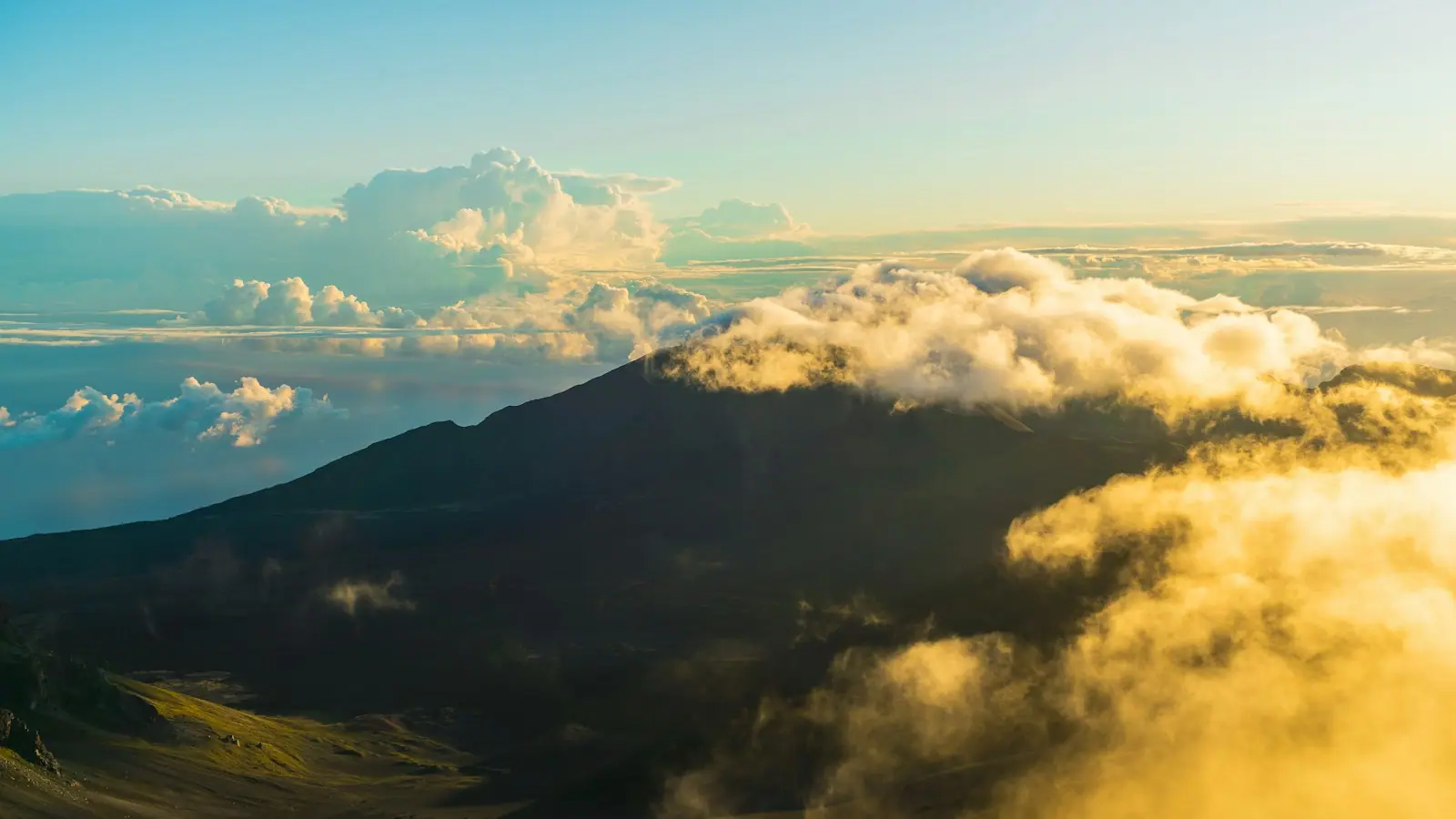
Haleakalā is not a mountain you visit casually. Crater Road climbs from sea level at Kahului to 10,023 feet in roughly 38 miles, one of the shortest paved sea-to-summit ascents anywhere, and your body notices the last stretch of it. Budget about two hours of driving from the north shore, a jacket you would otherwise never have packed for Hawaiʻi, and a full tank, because there is no fuel, no food and no drinking water above the entrance station.
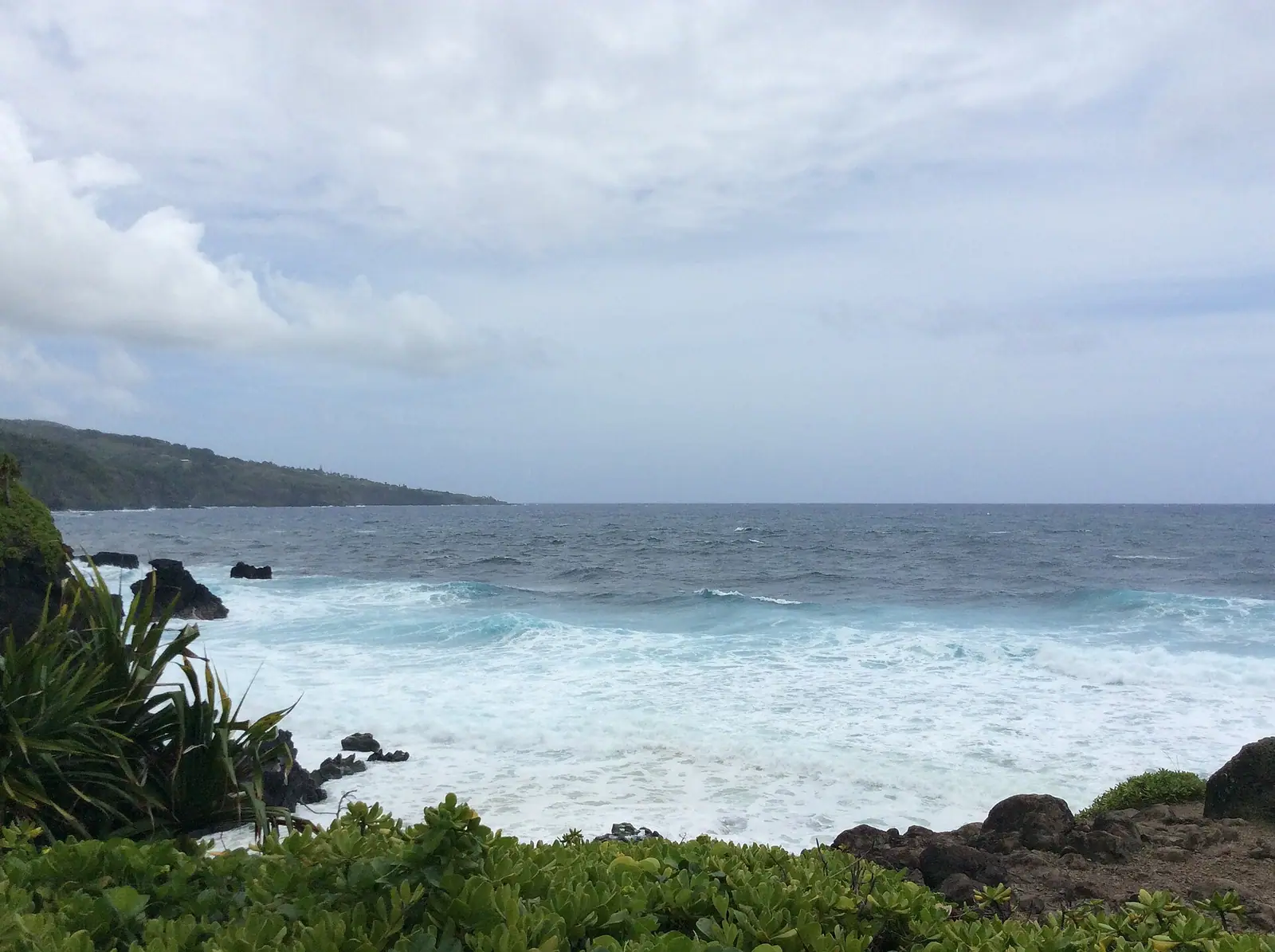
The part that wrecks itineraries is that the park is two separate places sharing one entrance fee. The Summit District sits above Kula, reached by Haleakalā Highway and then Crater Road. The Kīpahulu District — ʻOheʻo Gulch, the Pīpīwai Trail, Waimoku Falls — is on the wet windward side, ten miles past Hāna town, reached only by the Hāna Highway. No road inside the park connects them. Driving between the two takes something like three and a half to four hours each way around the coast. Plenty of people book a single day that tries to do both. It does not work.
The other fact to absorb before anything else: entering the Summit District between 3am and 7am requires an advance sunrise reservation, bought online through recreation.gov, issued per vehicle rather than per person, and charged as a token dollar on top of the park entrance fee. Rangers turn vehicles away at the gate, and nothing is sold there. This catches out several carloads of visitors every single morning.
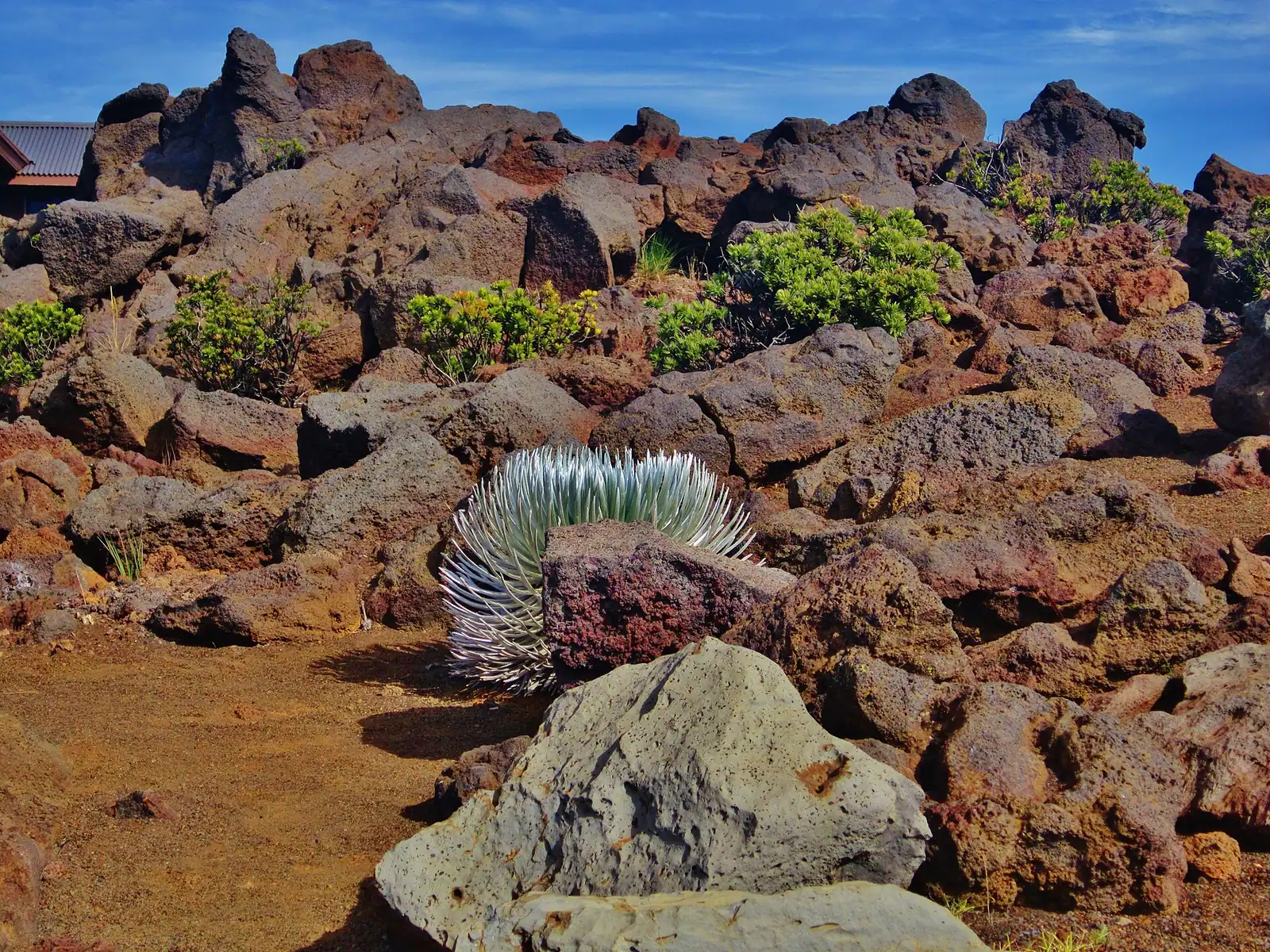
What you are looking into from the rim is not a caldera. It is an erosional basin about seven miles long, two miles wide and 2,600 feet deep, scooped out by two headwater valleys that met at the top of the shield and then partly refilled by later eruptions. The cinder cones on the floor run rust, ochre, black and grey, and there is no green in the view at all — which on an island where everything else is green is genuinely disorienting.
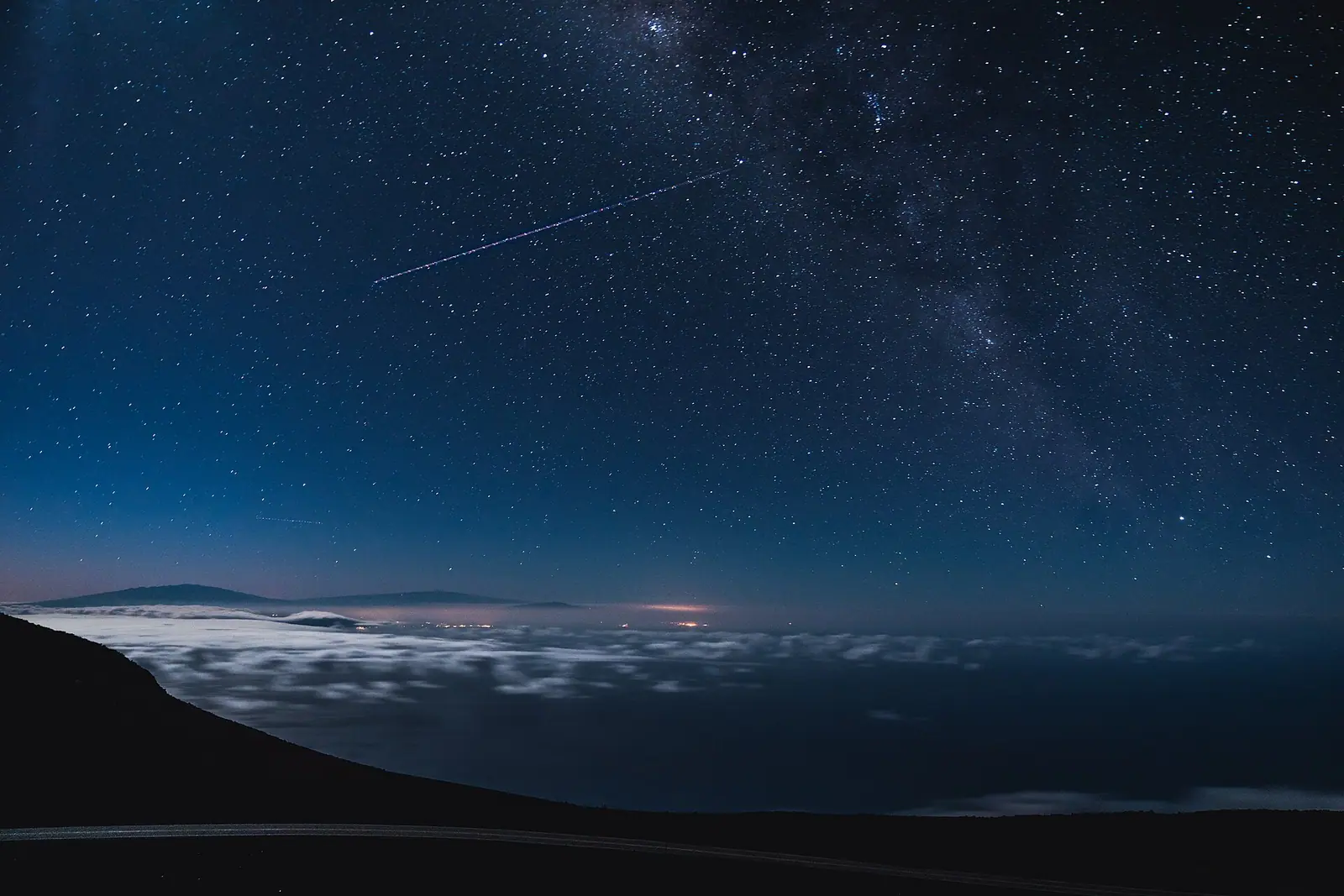
The name means house of the sun. In Hawaiian tradition the demigod Māui snared the sun from this summit and bargained with it to slow its passage so his mother could dry her kapa. People still come up here in the dark for that sunrise. It is worth treating the place as more than a photo stop.