Involves Animals
Maui: Molokini and Turtles Luxury Yacht Snorkel (opens in a new tab)
We are a family-owned Maui company with over 40 years of experience on Hawaiian waters. Our expert Captains and crew bring decades of…
5 hours
Prices checked
Park
Last updated
Eight acres of protea, koa and orchids at 3,300 feet, where the air is cool enough to grow things the rest of Maui cannot.
Most gardens on Maui are tropical. This one is not, and that is the point. At around 3,300 feet on the western slope of Haleakalā, Kula sits in a band of cool nights, bright days and volcanic cinder soil that behaves less like Hawaiʻi and more like a Mediterranean hillside. Warren and Helen McCord, he a landscape architect, opened eight acres of it to the public in 1971, and it became Maui's first public garden.
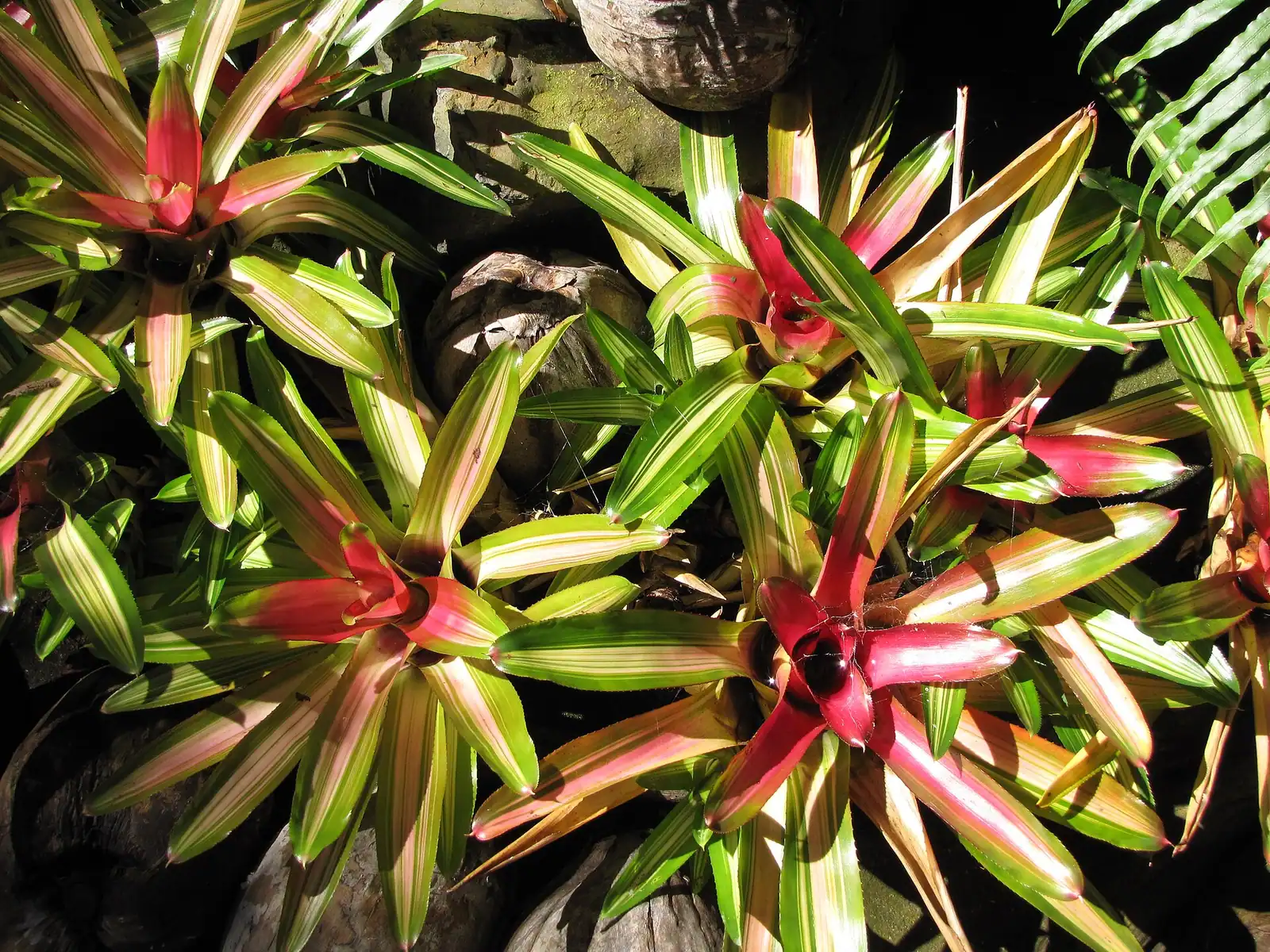
What grows here follows from the climate. The protea collection is the signature — the spiky, architectural South African and Australian flowers that took to Upcountry Maui so well in the 1960s and 70s that protea farming became a real Kula industry and still is. Alongside them are orchids, bromeliads, fuchsia, hydrangea and a tally of roughly two thousand plant varieties in total, which is a lot to fit into eight acres and is why paths double back on themselves.
The part that deserves more attention than it gets is the native Hawaiian plant reserve, where koa and kukui grow beside species that most visitors will otherwise only see as a name on a Haleakalā trail sign. Stand still under the koa long enough on a clear morning and you have a fair chance of hearing ʻapapane or ʻamakihi, the small red and yellow-green forest birds that are increasingly hard to find at lower elevations.
The garden is laid out as a loop with a covered bridge, small waterfalls, a koi pond and an aviary that has long housed nēnē, the Hawaiian goose and state bird. There is a carved tiki garden that children gravitate to. It takes an unhurried hour, longer with a camera, and the whole thing is labelled with common name, botanical name and country of origin, which makes it unusually easy to learn something rather than just look.
Bring a layer and expect the ground to be damp. This is a garden that is frequently in cloud by mid-afternoon.
From Kahului, take Haleakalā Highway (Route 37) up past Pukalani and stay on it through Kula. Past a grassy park and a produce market, turn onto Kekaulike Avenue (Route 377) and follow it roughly half a mile; the entrance is on the right and signed.
Allow about 40 minutes from Kahului, an hour from Kīhei or Wailea, and well over 90 minutes from Kāʻanapali. Coming down from the Haleakalā summit, Route 377 brings you straight past the door.
Parking is free in a small on-site lot. The last stretch is narrow two-lane road with farm traffic and blind bends, so leave overtaking alone.
Protea are not Hawaiian. They come from the winter-rainfall parts of South Africa and Australia, and they want poor, well-drained, slightly acidic soil, cool nights and no waterlogging. The slope of Haleakalā between roughly 2,000 and 4,000 feet delivers all four, because volcanic cinder drains fast and the elevation drops the overnight temperature by fifteen to twenty degrees against the coast.
Trials in the 1960s and 70s established that they thrive here, and within a generation protea had become a genuine Upcountry farm crop — grown, cut and shipped as a specialty flower alongside Kula's onions, cabbage and carnations. What you see in this garden is the ornamental version of an agricultural story that is still going on in the fields either side of the highway.
Look for the king protea with its dinner-plate head, the pincushions, and the leucadendrons whose colour is in the bracts rather than the flower. They dry extremely well, which is why every Upcountry gift shop sells them dried, and why a protea arrangement will survive being carried home in a way that a plumeria lei will not.
The garden is a single loop of paved and gravelled paths over eight acres, with plenty of benches and no need to backtrack.
Everything is labelled with common name, botanical name and origin, which turns an hour's walk into something you retain. Allow an hour minimum, ninety minutes if you photograph.
The garden has historically been open every day of the year, with admission around fifteen dollars for adults and five for children roughly six to twelve, and under-sixes free. Last entry to the garden is mid-afternoon even though the gift shop stays open a little longer. Treat those figures as a guide and confirm current pricing — this is a small family operation, not a corporate attraction, and rates move.
The real variable is weather. At 3,300 feet on the windward-leaning side of the slope, cloud regularly comes down over Kula from early afternoon, and rain here is measured in a different league to Kīhei. Paths get slick, the light goes flat, and the long views disappear. Morning is reliably better.
Storms have closed the garden before — significant damage in December 2021 and again in 2026 — so if you are making a special trip up from the coast, check that it is open on the day rather than assuming. In December the same family sells Christmas trees from the adjoining farm land, which is a genuinely odd and pleasant thing to encounter in Hawaiʻi.
Kula Botanical Garden is a thirty to forty-minute stop for most people, so it works best as one element of an Upcountry morning rather than a destination in itself.
The obvious pairing is the lavender farm a couple of miles away up Waipoli Road, which sits a further seven hundred feet higher and has the bigger view; this garden has the better plant collection and the deeper shade. Doing both takes a comfortable half day.
MauiWine at ʻUlupalakua is another twenty-five minutes south on Highway 37 and completes a natural Upcountry loop: garden, lavender, ranch, winery, back down through Kēōkea.
The pairing that does not work is bolting it onto a Haleakalā sunrise. You will be coming down the mountain at seven or eight in the morning, well before the garden opens, and waiting around in the cold for an hour is a poor use of the day. Do the summit one morning and Upcountry another, or do the garden on the way up the afternoon before.
Operators run these trips past Kula Botanical Garden, or stop there as part of a longer route. We list what the booking data supports — not everything that mentions the name.
Booking through these earns us a commission from Viator. You pay the same, and payment did not decide what is listed.

Involves Animals
We are a family-owned Maui company with over 40 years of experience on Hawaiian waters. Our expert Captains and crew bring decades of…
5 hours
Prices checked

Short term availability
Your West Maui Snorkel adventure departs from Kaanapali Beach. Along the way keep your eyes open for Hawaiian spinner dolphins, bottle…
4 hours
Prices checked

Nature and Wildlife Tours
Trip Highlights - 15 minute boat ride to Molokini - Snorkel the crystal clear waters of Molokini crater, Maui's 1st Snorkeling destination…
2 hours
Prices checked

Low Supplier Cancellation Rate
You’ll have the chance to drive, or simply be a passenger in one of today’s most advanced 4 seater off-road vehicles, the Canam sport max…
2 hours
Prices checked

Low Last Minute Supplier Cancellation Rate
Sea Maui’s Sunset Dinner Cruise is our premium dining & Sunset experience. Leave behind the hustle and bustle of the land when you're…
2–3 hours
Prices checked

Excellent Quality
All riders must be 36 inches or taller to participate/ride submarine. Dive 100 feet below the surface and experience Maui’s marine…
2 hours
Prices checked

Sustainable Tours
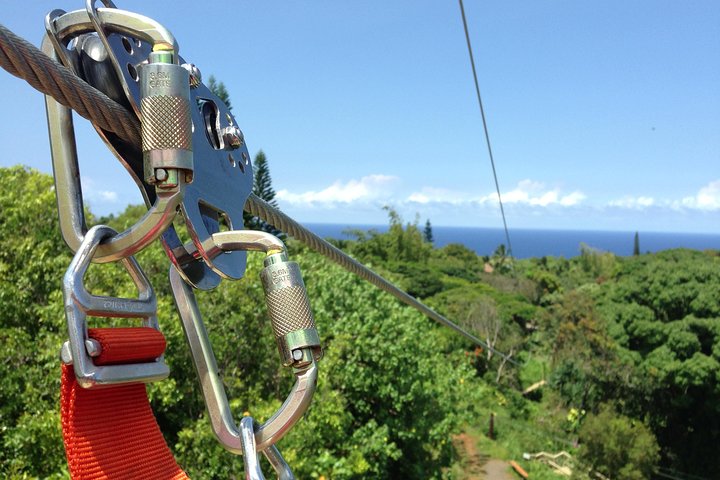
THIS IS A 8 LINES TOUR - JUNGLE ADVENTURE This adventure with Jungle Ziplines Maui includes eight amazing Ziplines, three tree platforms…
2 hours
Prices checked

Day Trips
Live the real Maui experience on the Road to Hana with our expert guides! Immerse yourself in the beauty of the spectacular Hana…
Full day
Prices checked
Straight-line distances, so allow more on the road — the island is long and has one main parkway.

Park
Thirteen acres of lavender at 4,000 feet, with a view that takes in both of Maui's coastlines on a clear morning.
1–2 hoursA small admission charge, historically a few dollars per adult; children 12 and under free.0.9 mi away

Entertainment
Maui's only winery, pouring estate syrah and sparkling pineapple wine in a cottage built for King Kalākaua on a working cattle ranch.
1–2.5 hoursNo admission charge to visit the grounds and tasting room. Flights, glasses and bottles are paid for individually.8.1 mi away

Neighbourhood
Hawaiian cowboy country at 1,600 feet, where two streets of false-front storefronts meet and the Fourth of July means a rodeo.
1–3 hoursFree to visit. Parking is free on the street.8 mi away

Park
A 10,023-foot volcano with a reservation system at the gate and a second district four hours away on the far side of the island.
3–8 hoursAround $30 per private vehicle, valid three days and covering both districts. Sunrise entry needs a separate $1 reservation.5.1 mi away
Where this place fits into a day, and the pages that plan one.

Guide hub
Maui is two volcanoes joined by a low, windy isthmus, and almost every planning mistake visitors make comes from forgetting that. The western half…

Guide hub
Maui's attractions do not cluster. They are strung along a figure-eight island where the two halves are separate volcanoes and the connecting road…

Who it suits
Maui is an excellent family island with two conspicuous exceptions, and it saves a lot of disappointment to name them first. Sunrise at Haleakalā…

Things to do
Drive twenty-five minutes uphill from Kahului and Maui stops being a beach. The Haleakalā Highway climbs through the old cane land into pasture, the…

Who it suits
The most useful thing to know about rain on Maui is that it is a map problem rather than a calendar problem. The trade winds come out of the…

Guide
A timed reservation is required for every vehicle entering the summit between 3 a.m. and 7 a.m., and the good dates go in minutes. Here is how the system works, and when to skip it.
9 min readDana Whitfield
Admission has run at around fifteen dollars for adults and about five dollars for children roughly six to twelve, with under-sixes free and parking included. It is a small family-run operation rather than a large attraction, so rates change from time to time — check the garden's current pricing before you drive up. Cards are generally accepted, but having some cash is never a bad idea Upcountry.
Around an hour at an unhurried pace, or ninety minutes if you stop to read labels and take photographs. It is eight acres arranged as a single loop, so you do not need to plan a route. Families with small children often take longer because of the koi pond, the covered bridge and the carved tiki garden, none of which anyone gets past quickly.
Protea are large, architectural flowers native to South Africa and Australia. They need cool nights, sharp drainage and poor soil, which is exactly what the slope of Haleakalā between about 2,000 and 4,000 feet provides. Trials in the 1960s and 70s proved they thrive here, and protea growing became a real Upcountry farm crop. They also dry beautifully, which is why they turn up in every Kula gift shop.
Better than most Maui attractions, but not ideal. The paths are open to the sky, the slope gets slick, and Kula genuinely rains — it is a different climate from the south shore. Light drizzle is atmospheric and keeps crowds away; sustained rain is miserable. Morning is drier than afternoon almost every day of the year, so go early and bring a layer regardless of what the forecast says for Kīhei.
Yes, and it is the most rewarding part of the visit. The garden keeps a native Hawaiian plant reserve with koa, kukui and other endemic and Polynesian-introduced species, all properly labelled with botanical names and origins. It is a useful primer before hiking on Haleakalā, where you will meet several of the same species in the wild. The aviary has also long housed nēnē, the endemic Hawaiian goose.