Skip to content
Menu

Booking through these earns us a commission from Viator. You pay the same, and payment did not decide what is listed.

Search

Neighbourhood

Pāʻia Town

Last updated

A two-street sugar town that surfers took over, and the last place to buy petrol, coffee and a picnic before the Road to Hāna.

Photo: Jet LowePublic domain

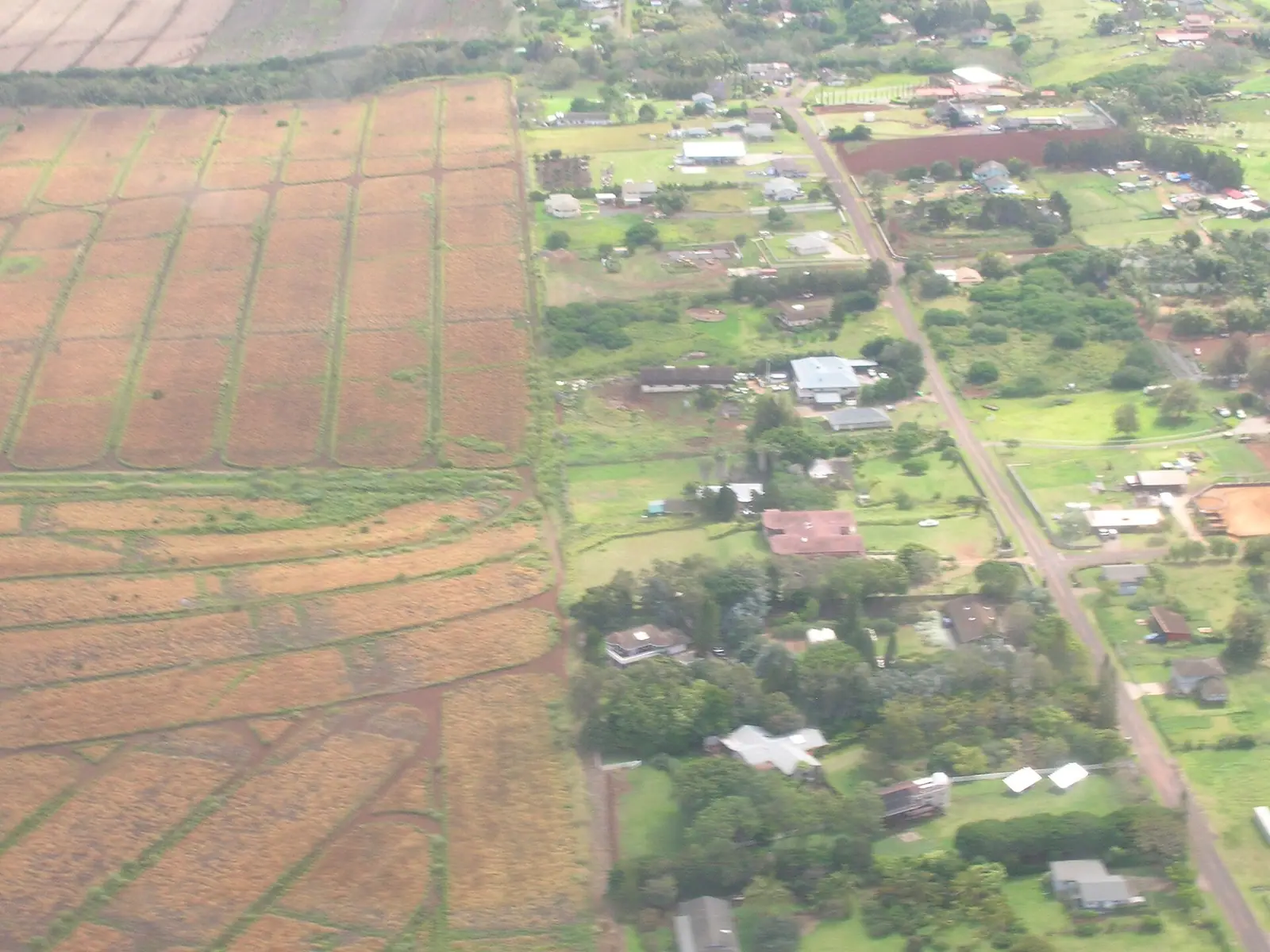
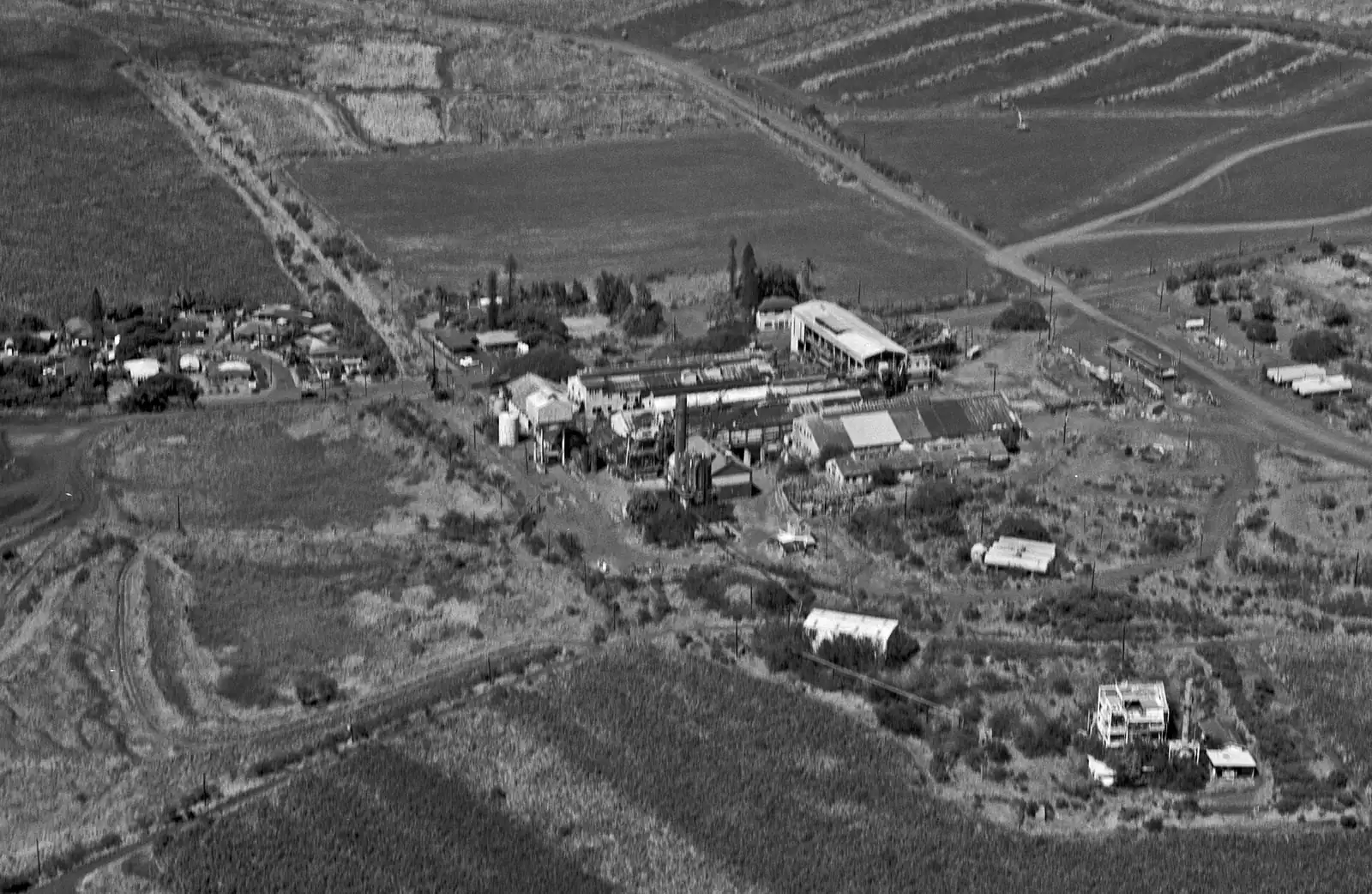
Pāʻia is two streets crossing at a set of lights on the Hāna Highway, seven miles east of Kahului, and it has had three distinct lives. It began as a plantation town: Alexander & Baldwin's sugar mill stood here, and the camps that housed workers from Japan, the Philippines, Portugal and China spread across the slope behind it. When the industry contracted the town emptied out, and the cheap storefronts were taken over from the 1970s onward by surfers, windsurfers and assorted people who had come for the north shore and stayed. Its third life is the one you will find: a compact, slightly scruffy, genuinely busy town of surf shops, galleries, a famous natural-foods grocery, food trucks and restaurants, with a beach at the end of the road.

For most visitors, the practical significance of Pāʻia has nothing to do with shopping. This is the last real supply stop before the Road to Hāna. After the town the highway narrows, starts turning, and for the next sixty-odd miles offers a series of fruit stands and very little else. Petrol, cash, ice, coffee, a full picnic and a proper restroom are all available here and are meaningfully harder to come by afterwards. Mana Foods, the natural-foods grocery in the middle of town, is the standard answer for Hāna provisioning and the deli counter is why the queue exists.

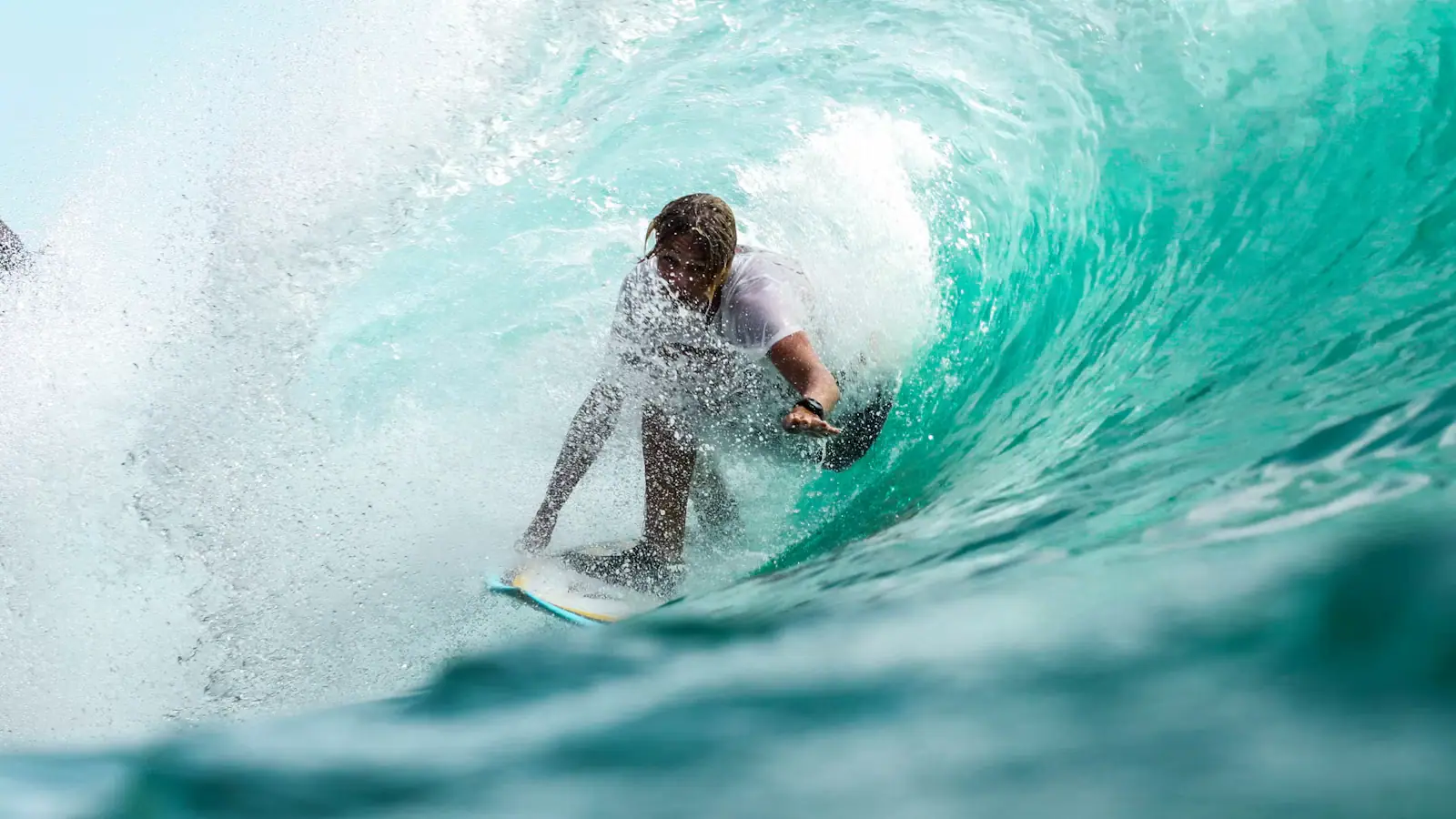
The town is also the anchor of the north shore's ocean scene. Hoʻokipa, two miles east, is one of the world's premier wave-sailing breaks and put Pāʻia on the map internationally in the 1980s. Baldwin Beach Park, a mile west, is where everyone actually swims. Pāʻia Bay, at the eastern edge of town, is a short, steep bodyboarding beach with an abrupt shorebreak and is not a family swim.

Parking is the town's one real irritation. There is no structure, only kerbside spaces along the Hāna Highway and the side streets, and they are gone by mid-morning.
Getting there and parking

Pāʻia sits on the Hāna Highway (Route 36) about seven miles east of Kahului, ten to fifteen minutes from the airport. From Kīhei allow around 40 minutes; from Kāʻanapali, an hour and a quarter.

The town is the junction of the Hāna Highway and Baldwin Avenue, which climbs from here to Makawao in about fifteen minutes. There is no car park — parking is kerbside on the highway and the side streets, and it fills by mid-morning.

If you are driving the Road to Hāna, Pāʻia is the last practical stop for petrol, cash, groceries and restrooms before the road narrows. Leave with a full tank.

The Maui Bus runs a Haʻikū Islander route linking Kahului, Pāʻia and Haʻikū on a limited schedule, which makes Pāʻia one of the few north-shore stops reachable without a car. Check the current timetable; frequencies are low.

Provisioning for the Road to Hāna

If Hāna is the plan, treat Pāʻia as the staging post and give it twenty minutes rather than five.

  • Fill the tank. Petrol stations east of here are scarce and Hāna's own supply is limited with restricted hours. Leaving Pāʻia with a full tank removes the single most common Road to Hāna anxiety.
  • Buy food for the whole day. Roadside stands exist and several are excellent, but they are cash-dependent, seasonal and sometimes closed. Mana Foods has a deli, bakery and produce; the queue moves.
  • Take cash in small notes. Fruit stands, banana bread and the honesty boxes at pullouts are cash economies.
  • Use the restroom. The next reliable public facilities are a long way along the road, and the ones that exist get heavy use.
  • Fill water bottles. It is humid on that coast and you will be in the car far longer than the mileage suggests.
  • Check the forecast for the windward side, not for where you are standing. Rain on the Hāna coast changes waterfalls, road conditions and whether a trail is sensible.

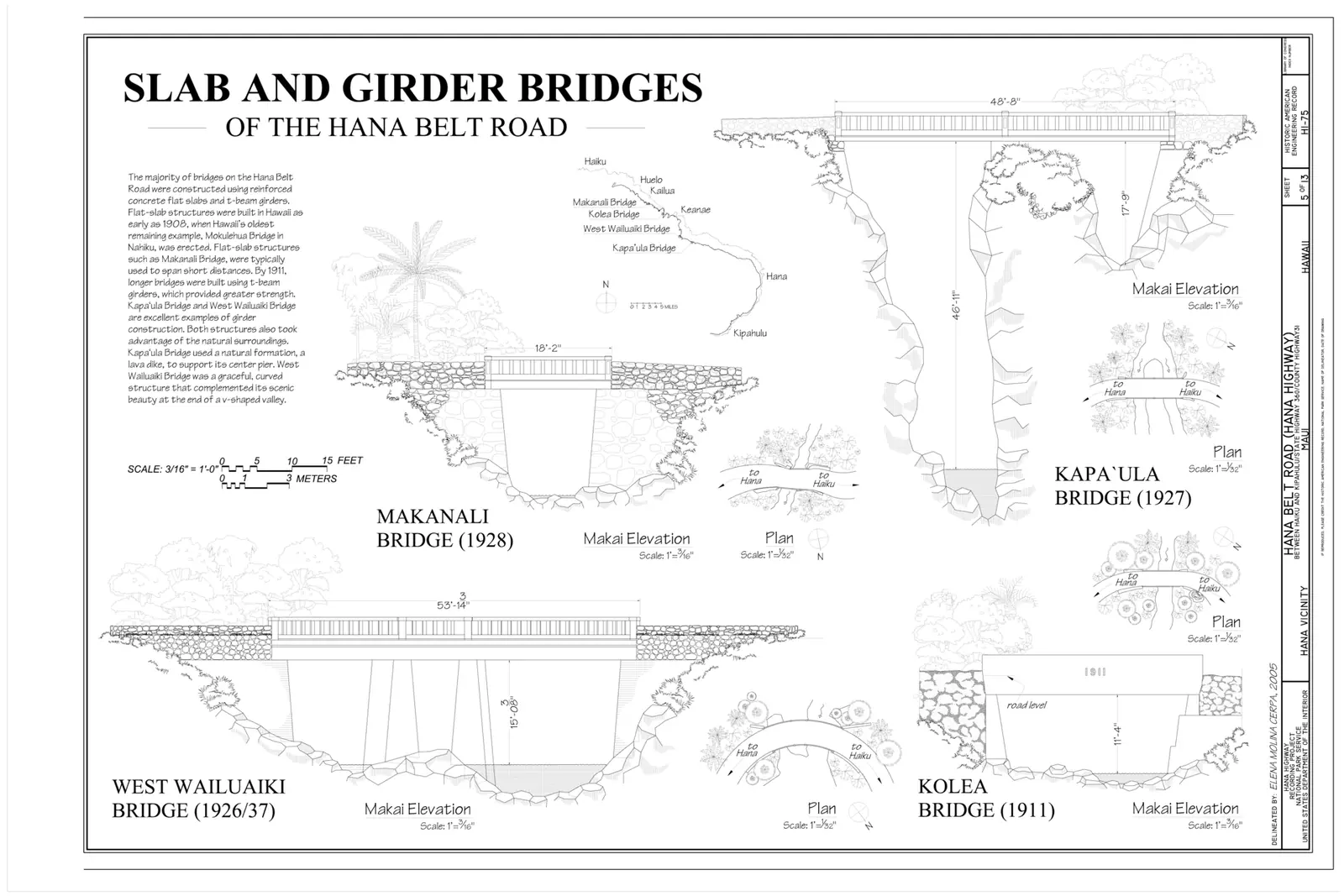
Leave early. The road is roughly 64 miles with around 600 curves and 59 bridges, most of them one lane, and every hour you delay puts you behind another wave of rental cars. Being through Pāʻia by seven is the single best decision you can make about that day.

Parking in Pāʻia

There is no car park of any size in Pāʻia. Parking is kerbside along the Hāna Highway through the town and on the side streets running mauka and makai from the junction, and the supply is small relative to the number of people who want to stop.

What works:

  • Arrive before nine, or after about four in the afternoon.
  • Walk a block or two. The spaces two or three streets back from the junction turn over far less.
  • Read the signs. Some stretches are time-limited, and residential streets are residential — this is a town where people live above and behind the shops.
  • Do not block driveways or park on the corners. The junction is tight, delivery trucks use it, and the town's tolerance for visitor parking is not infinite.

What does not work: circling the main junction hoping. On a Saturday at eleven you will do four laps and end up where you would have been if you had parked two streets back at the start.

If you only want groceries for Hāna and it is chaotic, the Kūʻau stretch a little east of town has a small store and is a usable fallback.

What is actually in town

Pāʻia is small enough to walk end to end in ten minutes, which is part of the appeal.

The retail is independent and idiosyncratic: surf and windsurf shops carrying serious equipment rather than souvenirs, a handful of galleries, vintage and aloha-shirt shops, jewellery, and clothing that ranges from genuinely good to entirely aimed at visitors. There is no chain retail of consequence, which on Maui is unusual enough to be worth noting.

Food is the other reason people stop. The town punches far above its size — fish, Mexican, Thai, breakfast places that fill at seven with people who have just come out of the water, coffee, shave ice, and food trucks. Specific recommendations date quickly in a town this small, so ask, or walk the two streets and look.

Mana Foods deserves its own line. It is a full natural-foods grocery with an excellent deli, bakery and bulk section, it is where a large part of the north shore does its weekly shop, and it is the best-value food in town by a distance.

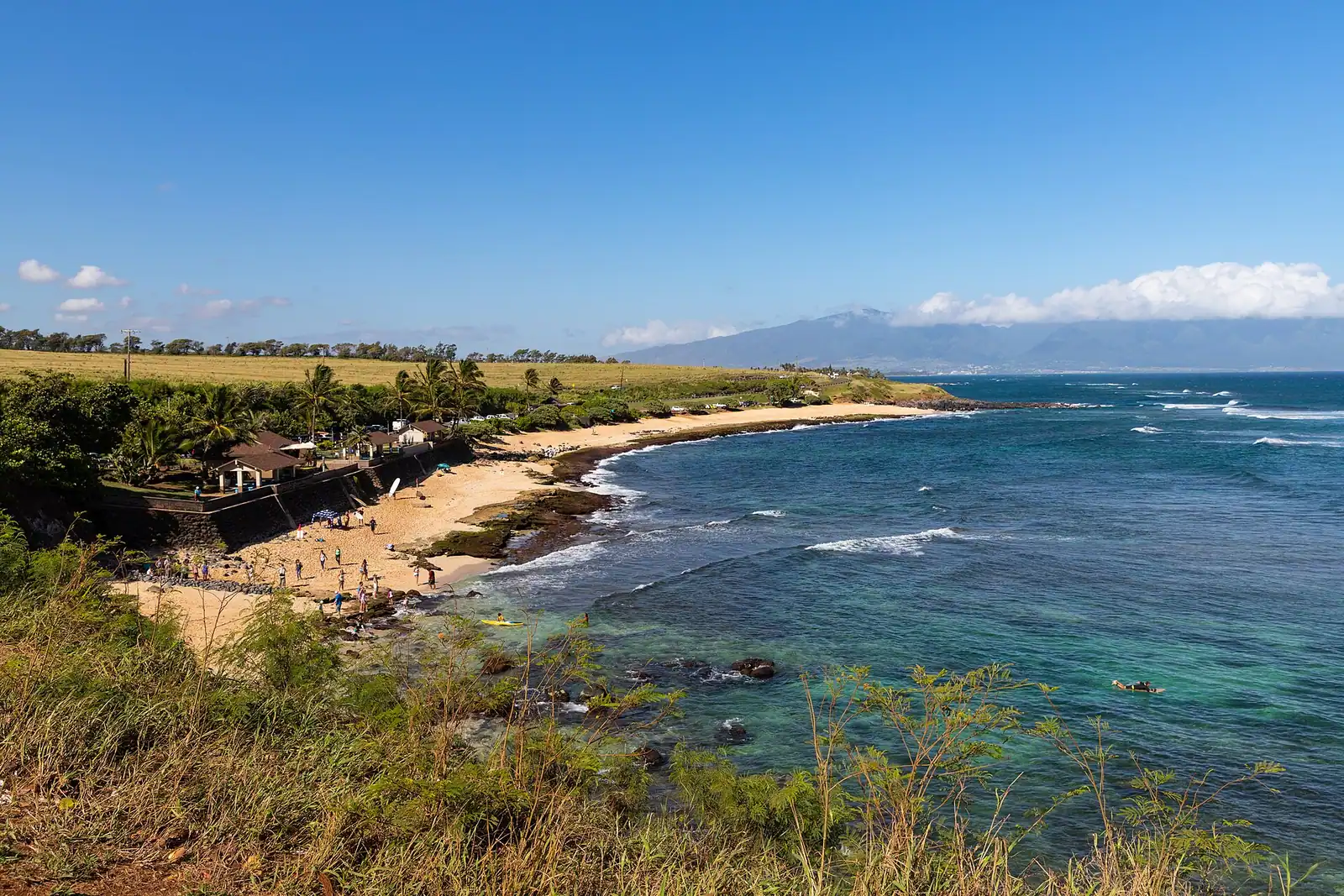
The Pāʻia Bay beach is at the eastern edge of town, a short walk from the junction. It is a bodyboarding beach with a steep, abrupt shorebreak and a strong local presence. Look, do not necessarily swim.

Evenings are quiet. This is not a nightlife town, and most of it closes early.

The sugar town underneath

It is worth knowing what you are looking at. Pāʻia grew around Alexander & Baldwin's sugar operation, which from the late nineteenth century turned this whole slope — from the shoreline up towards Makawao and Haʻikū — into cane. The workforce came from Japan, China, Portugal, the Philippines and elsewhere and lived in plantation camps organised by ethnicity, a pattern that shaped Maui's population and its food more than anything else in the island's modern history.

The mill and the camps are gone. Hawaiʻi's last commercial sugar harvest on Maui ended in 2016, and the fields that were still in cane until then are now a mix of fallow ground, diversified agriculture and scrub. When you drive the central isthmus between Kahului and Māʻalaea you are looking at the aftermath of that.

What survived in Pāʻia is the street layout, the low wooden storefronts with their false fronts, and the Pāʻia Mantokuji Mission, a Japanese Buddhist temple on the shoreline at the eastern edge of town with a cemetery facing the sea. It is a working temple and a quiet place; if you visit, visit quietly.

That history is also why Pāʻia does not feel like a resort town. It was not built for you, and it still is not.

When to come

Before 8am if Hāna is the plan: provision, fill up, go. The town is calm, parking exists, the bakeries are open.

Mid-morning to mid-afternoon is peak. Every Hāna day-tripper, every north-shore beach-goer and every cruise-ship excursion moves through the junction. Expect to walk.

Late afternoon is the best time to browse. The tour traffic has gone east or back to the resorts, the parking loosens, and people come up from Hoʻokipa and Baldwin with wet hair.

Evening is quiet and closes early. This is not where you go out.

Combine it with Baldwin Beach a mile west and the Hoʻokipa lookout two miles east — the turtles haul out at Hoʻokipa in the afternoon, so doing Pāʻia for lunch and Hoʻokipa at three works neatly. Add Makawao, fifteen minutes up the hill, if you want the paniolo end of the same north-shore world.

Rain: the north shore gets far more of it than Kīhei or Kāʻanapali. A cloudy morning here often means a perfect afternoon, and it almost never means a washout.

Tours that visit Pāʻia

Operators run these trips past Pāʻia, or stop there as part of a longer route. We list what the booking data supports — not everything that mentions the name.

Booking through these earns us a commission from Viator. You pay the same, and payment did not decide what is listed.

Shared departurespriced per seat, best value for one or two

  • Maui: Lahaina ATV Adventure

    Low Supplier Cancellation Rate

    Maui: Lahaina ATV Adventure (opens in a new tab)

    Free cancellation
    1.8K reviews

    You’ll have the chance to drive, or simply be a passenger in one of today’s most advanced 4 seater off-road vehicles, the Canam sport max…

    2 hours

    Prices checked

    from $202.55
  • Maui Atlantis Submarine Adventure

    Excellent Quality

    Maui Atlantis Submarine Adventure (opens in a new tab)

    Free cancellation
    815 reviews

    All riders must be 36 inches or taller to participate/ride submarine. Dive 100 feet below the surface and experience Maui’s marine…

    2 hours

    Prices checked

    from $144.36Usually $160.41

Private and small-group optionsoften cheaper per head for a family or a group of six

Near Pāʻia

Straight-line distances, so allow more on the road — the island is long and has one main parkway.

  • A windsurfer carving off the top of a breaking wave with spray behind the sail

    Beach

    Hoʻokipa Beach Park

    Free

    Maui's wave-sailing arena, watched from a clifftop lookout, where green sea turtles drag themselves onto the sand most afternoons.

    0.5–2 hoursFree. Both the beach park and the clifftop lookout are free to enter and free to park at.1.5 mi away

  • A long sweep of pale sand at Baldwin Beach Park with ironwood shade along the left and surf breaking down the shoreline

    Beach

    H.A. Baldwin Beach Park

    Free

    A mile of north shore sand with lifeguards, a shaded pavilion and a sheltered pool at the western end that toddlers can actually use.

    1.5–5 hoursFree, including parking. County beach park with lifeguards, restrooms, showers and a pavilion.0.9 mi away

  • A narrow road curving through dense green rainforest

    Landmark

    The Road to Hāna

    Free

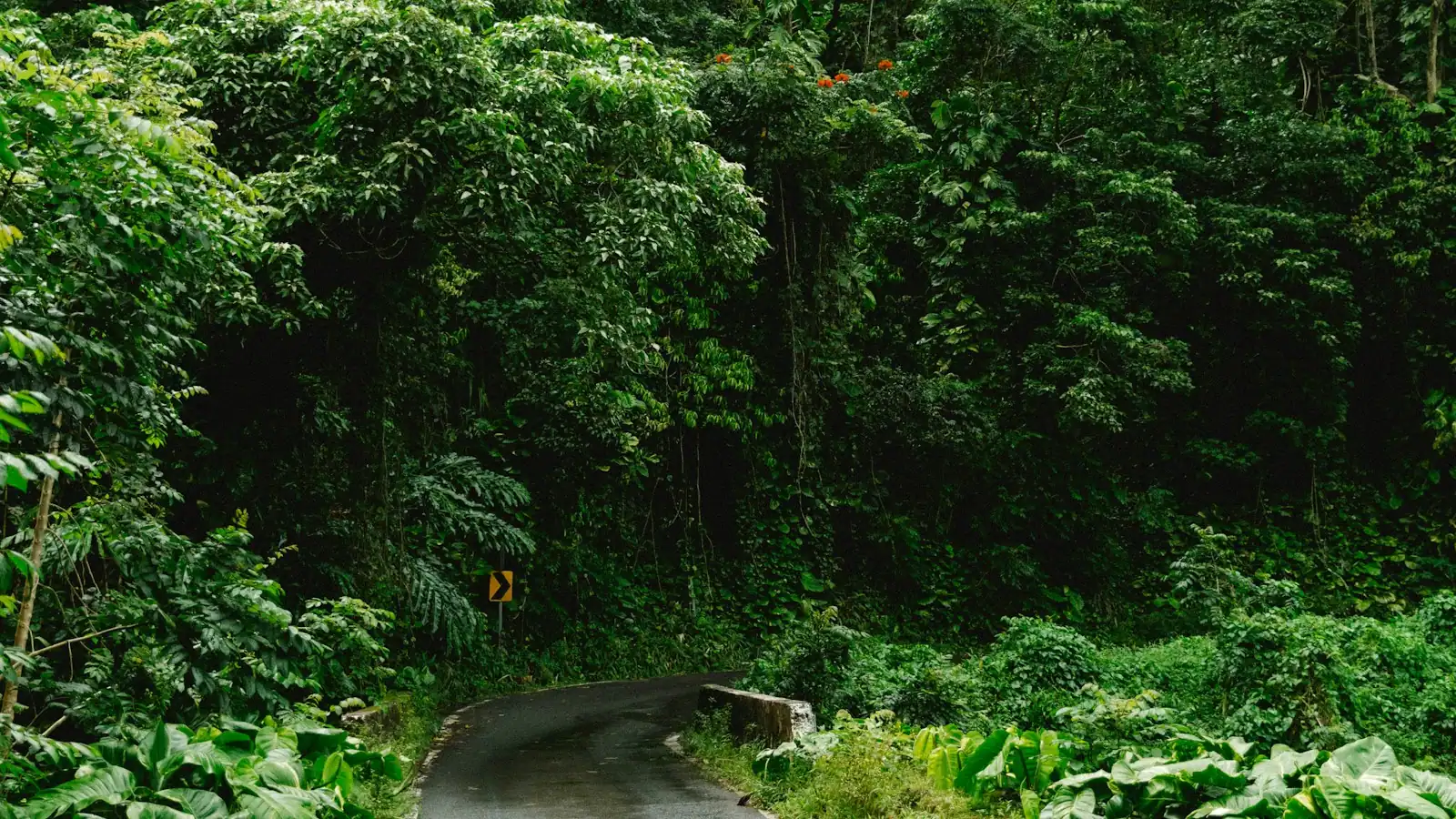
    Sixty-four miles, 620 curves and 59 bridges — and a road that several hundred people use to get to work.

    8–12 hoursThe road itself is free. Several stops along it charge for parking or entry.15 mi away

  • Low wooden false-front storefronts along a quiet small-town street under a cloudy sky

    Neighbourhood

    Makawao Town

    Free

    Hawaiian cowboy country at 1,600 feet, where two streets of false-front storefronts meet and the Fourth of July means a rodeo.

    1–3 hoursFree to visit. Parking is free on the street.5.5 mi away

Pāʻia: common questions

Is Pāʻia worth stopping at?

Yes, and if you are driving the Road to Hāna it is close to essential. Pāʻia is the last place with petrol, cash machines, a full grocery, coffee and reliable restrooms before the highway narrows for sixty-odd miles. Beyond that practical role it is a compact, independent two-street town of surf shops, galleries and good food, with Baldwin Beach a mile west and the Hoʻokipa windsurfing break two miles east. Give it twenty minutes at minimum.

Where do you park in Pāʻia?

Kerbside only — there is no car park in town. Spaces run along the Hāna Highway through the centre and on the side streets either side of the junction, and they are gone by mid-morning. The trick is to walk: spaces two or three streets back from the lights turn over far less than the ones on the main drag. Watch for time-limited stretches, keep off residential driveways, and do not park on the junction corners.

Is Pāʻia the last stop before the Road to Hāna?

It is the last practical one. After Pāʻia the Hāna Highway narrows and begins its roughly 64 miles, 600 curves and 59 bridges, most of them one lane, with only intermittent fruit stands along the way. Fill the tank here, buy food for the whole day, take small notes in cash for roadside stands, use the restroom and fill your water bottles. Petrol on the Hāna side is limited and operates on restricted hours.

Can you swim at Pāʻia Bay?

It is not a swimming beach in the ordinary sense. Pāʻia Bay, at the eastern edge of town, is short and steep with an abrupt shorebreak that bodyboarders use and that catches visitors out, and there is a strong local presence in the water. For a north-shore swim, Baldwin Beach Park is a mile west with lifeguards, a mile of sand and a sheltered shallow pool at its western end that works for small children.

What is Mana Foods in Pāʻia?

A long-established natural-foods grocery in the middle of town, with a deli counter, bakery, produce section and bulk foods. It is where a large share of the north shore does its weekly shop, and it is the standard place to assemble a picnic for the Road to Hāna — better value and better food than anything you will find on the road itself. The car park is small and the queue at the deli is a fair indication of how good it is.