Skip to content
Menu

Booking through these earns us a commission from Viator. You pay the same, and payment did not decide what is listed.

Search

Beach

Hoʻokipa Beach Park

Last updated

Maui's wave-sailing arena, watched from a clifftop lookout, where green sea turtles drag themselves onto the sand most afternoons.

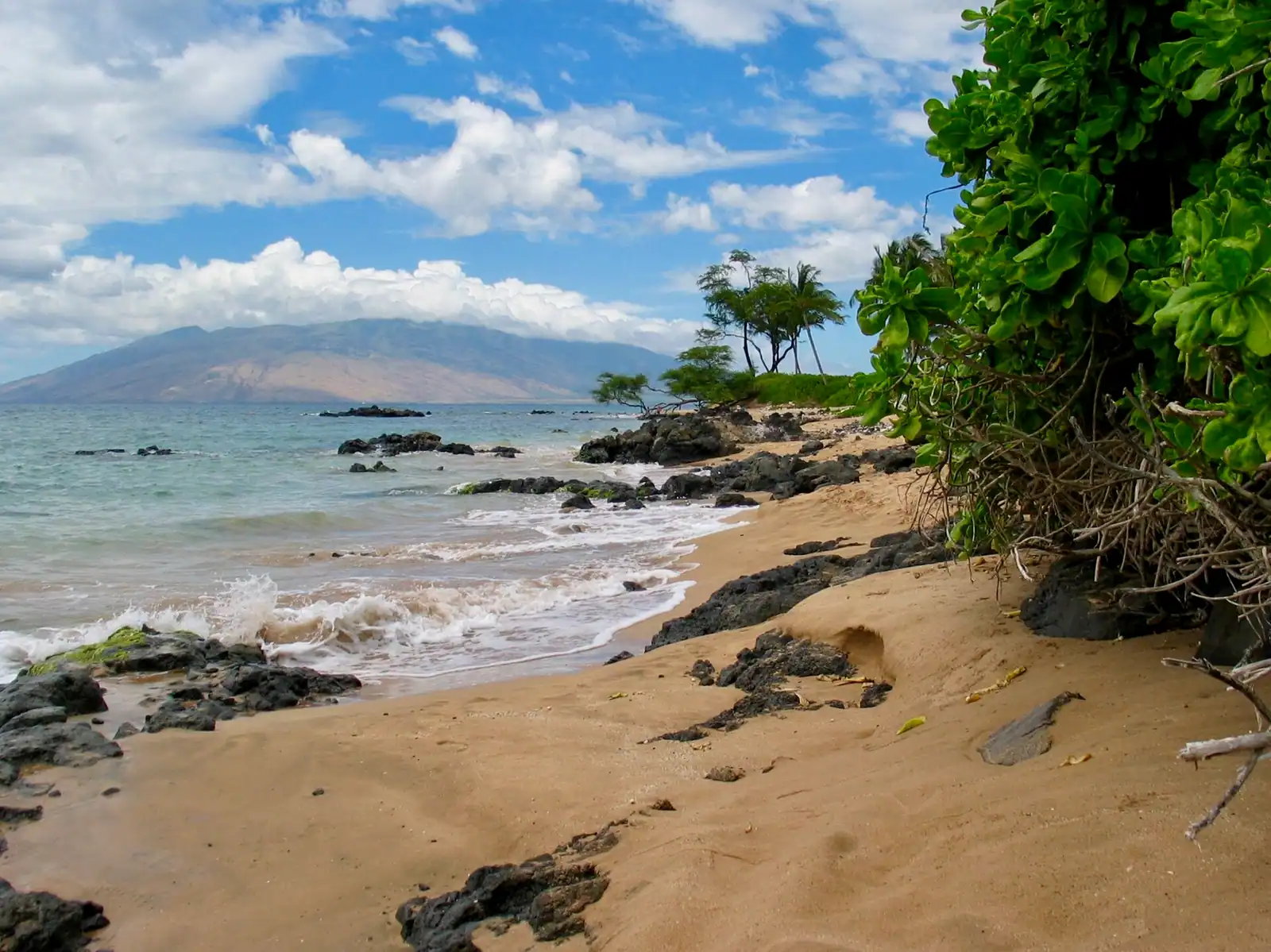
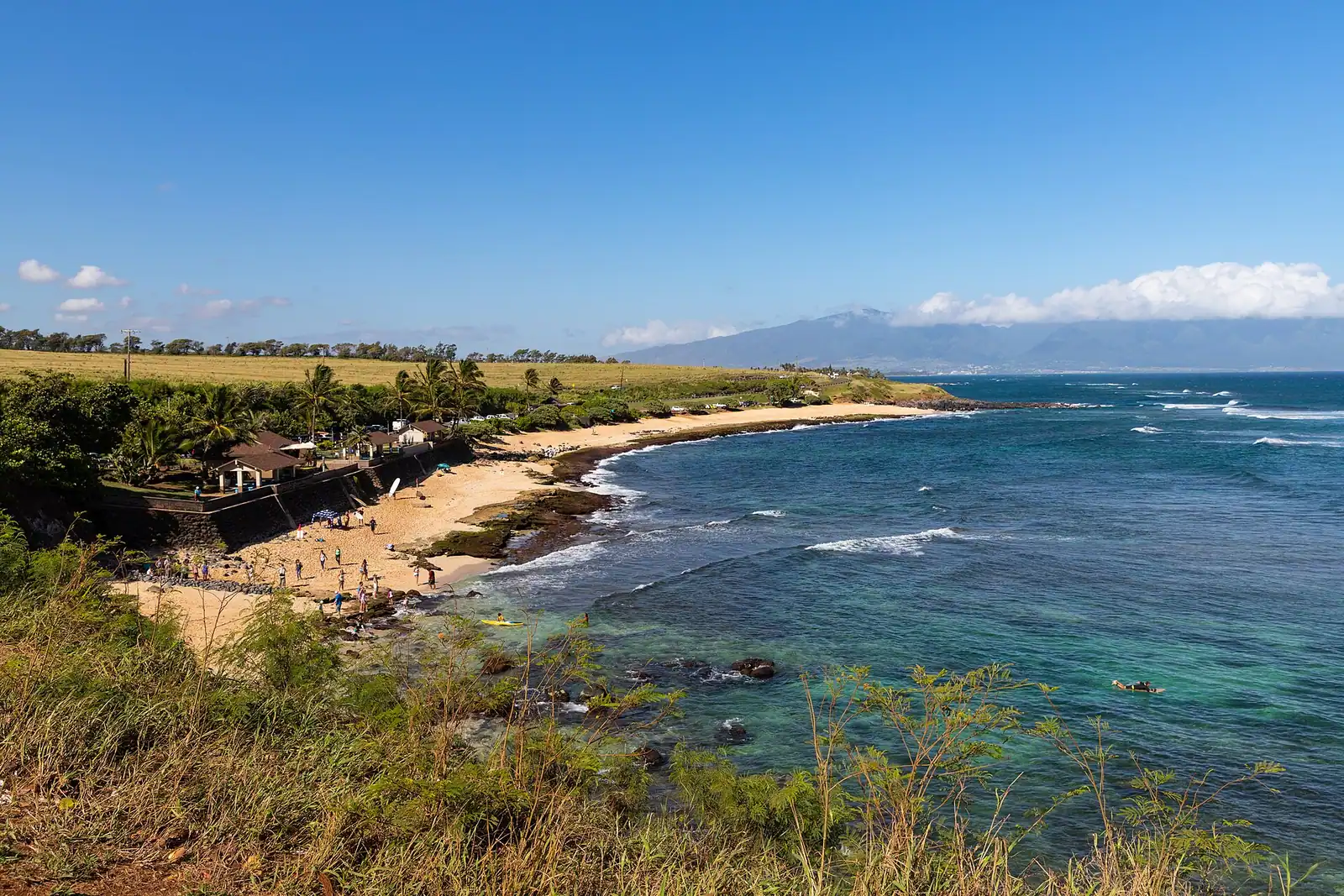
Hoʻokipa sits on the Hāna Highway about two miles east of Pāʻia, and it is the reason Maui's north shore is on the map for anyone who sails, surfs or kites. The bay faces straight into the north-east trades with a shallow reef under it, which produces the combination wave-sailors want and almost nobody else does: consistent side-onshore wind, and a wave that stands up hard and fast over rock. It has hosted international wave-sailing competition for decades, and on a good afternoon the water holds thirty or forty sails at once.

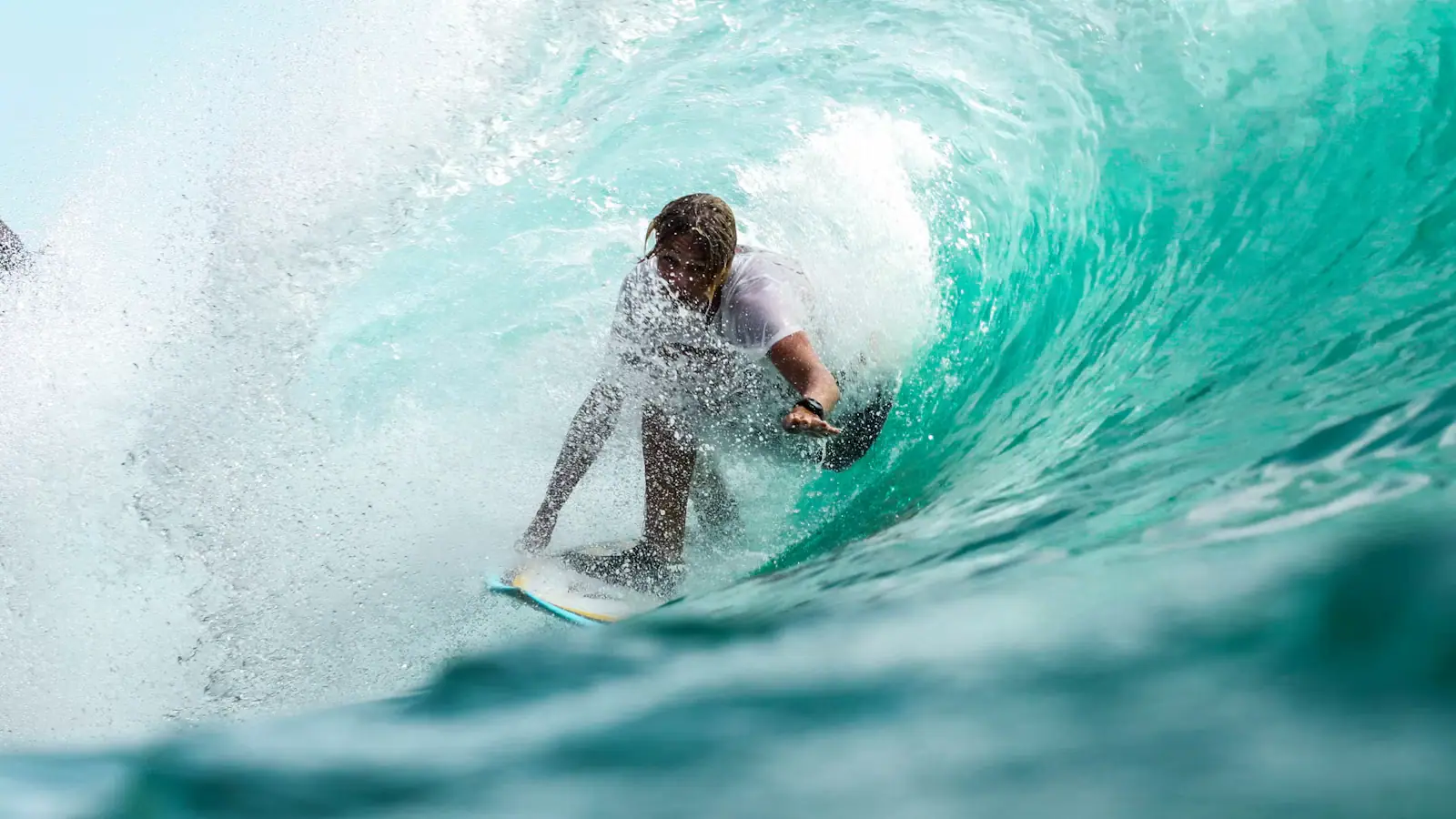
There is an unwritten timetable, and it is worth knowing before you park. Surfers generally have the bay in the morning, when the wind is light. Windsurfers and kitesurfers take over from early afternoon once the trades fill in. This is a long-standing local arrangement, not a posted rule, and it is how a break this crowded stays workable. If you are getting in the water, know which session you are joining.

What most visitors come for is the other tenant. Honu, Hawaiian green sea turtles, haul out onto the sand at the eastern end of the bay through the afternoon, often in numbers, and simply lie there until evening. Basking is normal behaviour, not distress, and a turtle on the sand is not stranded or in need of help. Volunteers frequently rope off the basking area with signs. Stay behind the rope, keep at least ten feet back on land and in the water, no flash, no touching, and keep dogs away entirely. The distance is what NOAA and Hawaiʻi DLNR ask for, and harassing a turtle is a federal and state offence.

What Hoʻokipa is not is a beach to swim at. The bottom is rock and urchin, the current runs hard along the shore, and the shorebreak on the small strip of sand is abrupt. There is a lifeguard tower, and the guards spend a good deal of their time explaining exactly this. If the plan is to get in the water with children, Baldwin Beach Park is three minutes back towards Pāʻia and is built for it.

The best seat is the clifftop lookout at the eastern end, which you drive to rather than climb to.
Getting there and parking

Hoʻokipa is on the Hāna Highway (Route 36) about two miles east of Pāʻia town, roughly ten to twelve minutes from Kahului Airport. It is signed, and it is the first thing most people stop at on the way to Hāna.

Coming from Kahului, the lower beach lot entrance appears first on the makai side of the highway. The upper lookout is a separate paved spur a few hundred yards further east that climbs to the cliff. Both are free. Missing the lower entrance is easy at speed; carry on to the lookout and come back rather than braking hard on a highway that carries commuter traffic.

Turning left across the highway into the lower lot on a busy morning takes patience. If you are heading east to Hāna, do the lookout on the way out and the beach on the way back, when the turtles will be ashore anyway.

There is no bus service that usefully serves the park.

Two car parks, and which one you want

There are two places to leave the car and they serve completely different visits.

The upper lookout, reached by a short paved spur climbing east off the highway, sits on the cliff above the break. This is where you want to be if you have come to watch. You are looking down the length of the bay at the takeoff zones, you can see the whole wind field, and on a big afternoon it is genuinely one of the better spectator positions in ocean sport. Bring binoculars if you have them. It is free.

The lower lot runs along the back of the beach and is for people getting in the water, using the picnic pavilions or walking out to see the turtles. It is also free, and it is the one that fills — on a strong-wind afternoon, at sunset, and whenever a contest is on.

Both lots empty out by mid-morning on a light-wind day, which is the easiest time to visit if you just want to look. On a classic north-shore afternoon you may be waiting for a space.

Facilities at the lower level are basic county-park standard: restrooms, outdoor showers, picnic tables and pavilions. There is no food and no shop. Pāʻia is two miles west for anything else.

The honu, and the ten-foot rule

Green sea turtles come ashore at the eastern end of Hoʻokipa most days, typically from early afternoon onwards, and by late afternoon there can be a dozen or more lined up on the sand.

The rules are simple and they are not suggestions.

  • Ten feet, minimum, on land and in the water. That is the distance NOAA Fisheries and Hawaiʻi DLNR ask for. Where volunteers have set a rope line, stay behind it — the rope is further back than ten feet for a reason.
  • A basking turtle is fine. They come out to rest and thermoregulate. Do not pour water on one, do not try to push one back into the sea, do not "rescue" it.
  • No flash photography, no drones over the animals, no touching, and no getting between a turtle and the water.
  • Dogs on leads and well back. This is where most of the genuine incidents come from.
  • In the water, never swim above a turtle or corner one against rocks. Let it surface.

Harassment of green sea turtles is an offence under the federal Endangered Species Act and state law, and people have been prosecuted for it in Hawaiʻi. Enforcement aside, a turtle that gets crowded off the beach loses the rest it came for.

Hawaiian monk seals occasionally haul out on this coast too. The ask there is fifty feet, more if a pup is present. Report a seal rather than approaching one.

Why this is not a swimming beach

Hoʻokipa is a reef break with a thin veneer of sand in front of it. The reasons to stay out of the water unless you know what you are doing are physical rather than regulatory.

The bottom is shallow lava rock with urchins in it. Entry and exit points are limited and change with the sand, which moves seasonally — some winters the beach almost disappears and the rock is exposed right up to the shoreline. A strong longshore current runs east to west across the bay. And the wind that makes the sailing good makes swimming unpleasant even on a small day.

Winter, roughly November to March, brings big north and north-west swells. On those days the shorebreak is violent, the outer reef is breaking hard, and the lookout is the only sensible place to be. Peʻahi — Jaws — is a few miles further east along the same coast, and when it is on, this whole shoreline is out of the question for casual swimmers.

If you want to get in the water on the north shore on the same day, Baldwin Beach Park is two minutes west and has lifeguards, a long sandy bottom and a protected shallow pool at its western end that families use. Kūʻau, between the two, is smaller and rockier. Check conditions at both — the north shore is not a summer-only ocean, but it is a seasonal one.

Timing a visit

Morning (7–11am): light wind, surfers in the water, easy parking, no turtles on the sand yet. Good if you are passing on the way to Hāna and want twenty minutes at the lookout.

Early afternoon (1–4pm): the trades fill in and the sails go out. This is the show. It is also when the turtles start coming ashore, so the afternoon gets you both. Parking is at its worst.

Late afternoon and sunset: the wind usually eases, the sailors come in, the turtles are settled on the sand and the light on the cliff is very good. Quiet by Hoʻokipa standards.

Season: the trade winds are most reliable in spring and summer, which is why the wave-sailing season and the competition calendar lean towards the middle and end of the year for swell and the spring and summer for wind. Big surf arrives with winter north-west swells.

Twenty minutes at the lookout is enough for most people. An hour gets you down to the turtles and back. Anyone actually sailing here will be all day.

Tours that visit Hoʻokipa

Operators run these trips past Hoʻokipa, or stop there as part of a longer route. We list what the booking data supports — not everything that mentions the name.

Booking through these earns us a commission from Viator. You pay the same, and payment did not decide what is listed.

Shared departurespriced per seat, best value for one or two

  • Maui: Lahaina ATV Adventure

    Low Supplier Cancellation Rate

    Maui: Lahaina ATV Adventure (opens in a new tab)

    Free cancellation
    1.8K reviews

    You’ll have the chance to drive, or simply be a passenger in one of today’s most advanced 4 seater off-road vehicles, the Canam sport max…

    2 hours

    Prices checked

    from $202.55
  • Maui Atlantis Submarine Adventure

    Excellent Quality

    Maui Atlantis Submarine Adventure (opens in a new tab)

    Free cancellation
    815 reviews

    All riders must be 36 inches or taller to participate/ride submarine. Dive 100 feet below the surface and experience Maui’s marine…

    2 hours

    Prices checked

    from $144.36Usually $160.41

Private and small-group optionsoften cheaper per head for a family or a group of six

Near Hoʻokipa

Straight-line distances, so allow more on the road — the island is long and has one main parkway.

  • Low wooden storefronts with painted signs along a small-town main street

    Neighbourhood

    Pāʻia Town

    Free

    A two-street sugar town that surfers took over, and the last place to buy petrol, coffee and a picnic before the Road to Hāna.

    1–3 hoursFree to visit. You pay for what you buy, and parking is free but scarce.1.5 mi away

  • A long sweep of pale sand at Baldwin Beach Park with ironwood shade along the left and surf breaking down the shoreline

    Beach

    H.A. Baldwin Beach Park

    Free

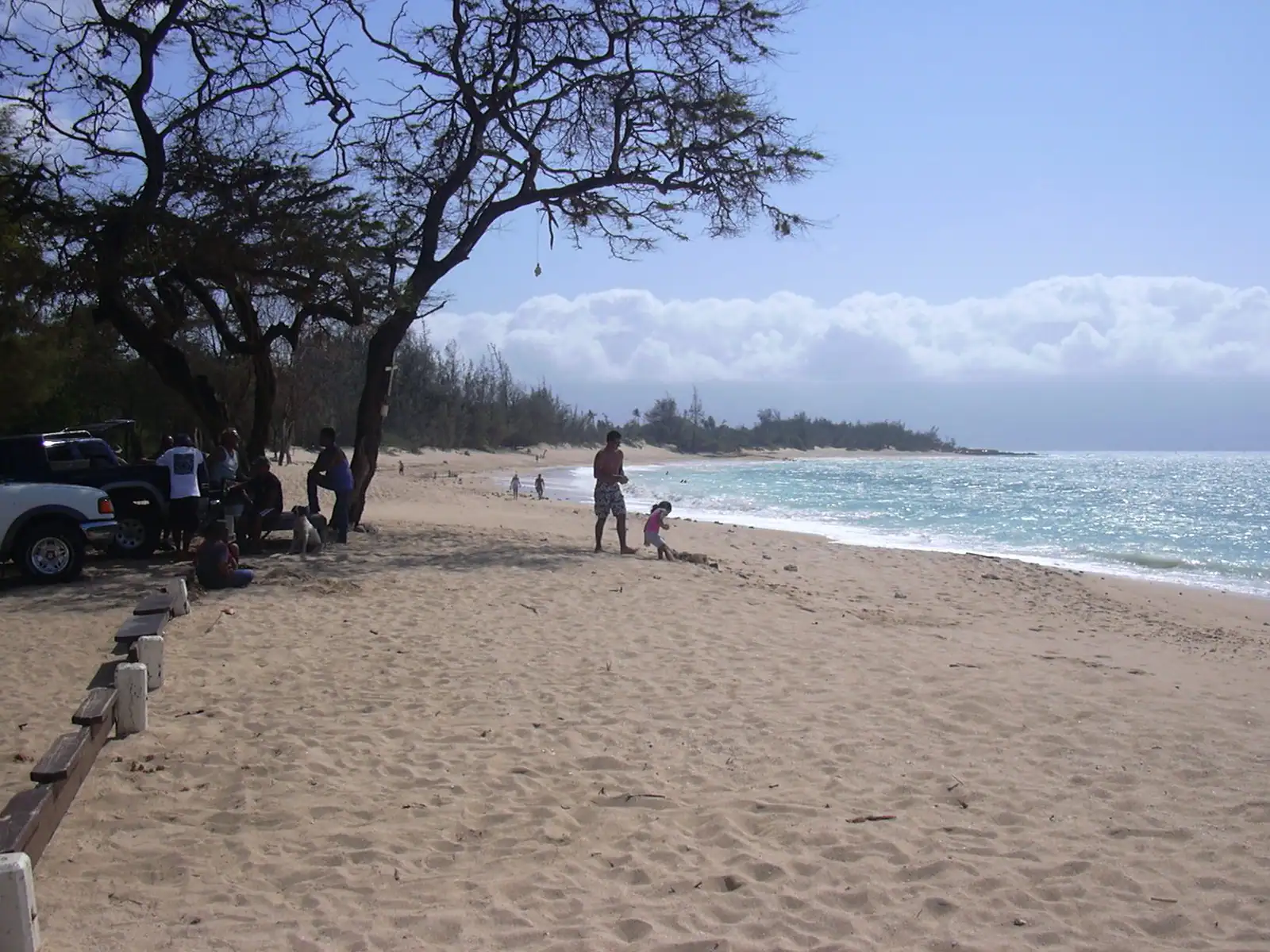
    A mile of north shore sand with lifeguards, a shaded pavilion and a sheltered pool at the western end that toddlers can actually use.

    1.5–5 hoursFree, including parking. County beach park with lifeguards, restrooms, showers and a pavilion.2.2 mi away

  • A small waterfall dropping into a green pool in dense tropical forest

    Water feature

    Twin Falls at Wailele Farm

    The first waterfall on the Hāna road, on a working farm with 55 parking spaces and a queue that starts at 7am.

    1–2.5 hoursAround $10 per vehicle for parking, first come first served, with no booking system.8.5 mi away

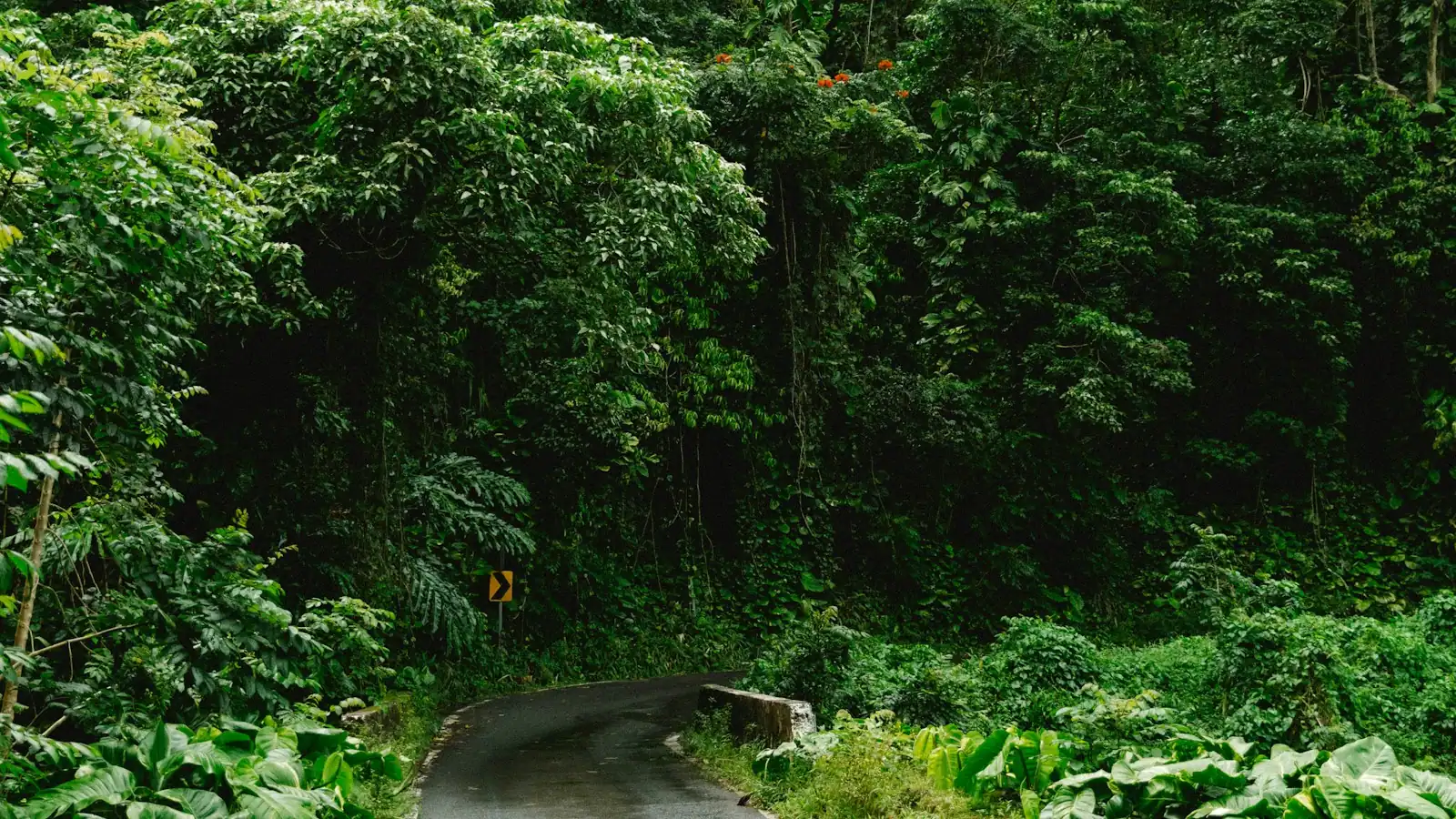
  • A narrow road curving through dense green rainforest

    Landmark

    The Road to Hāna

    Free

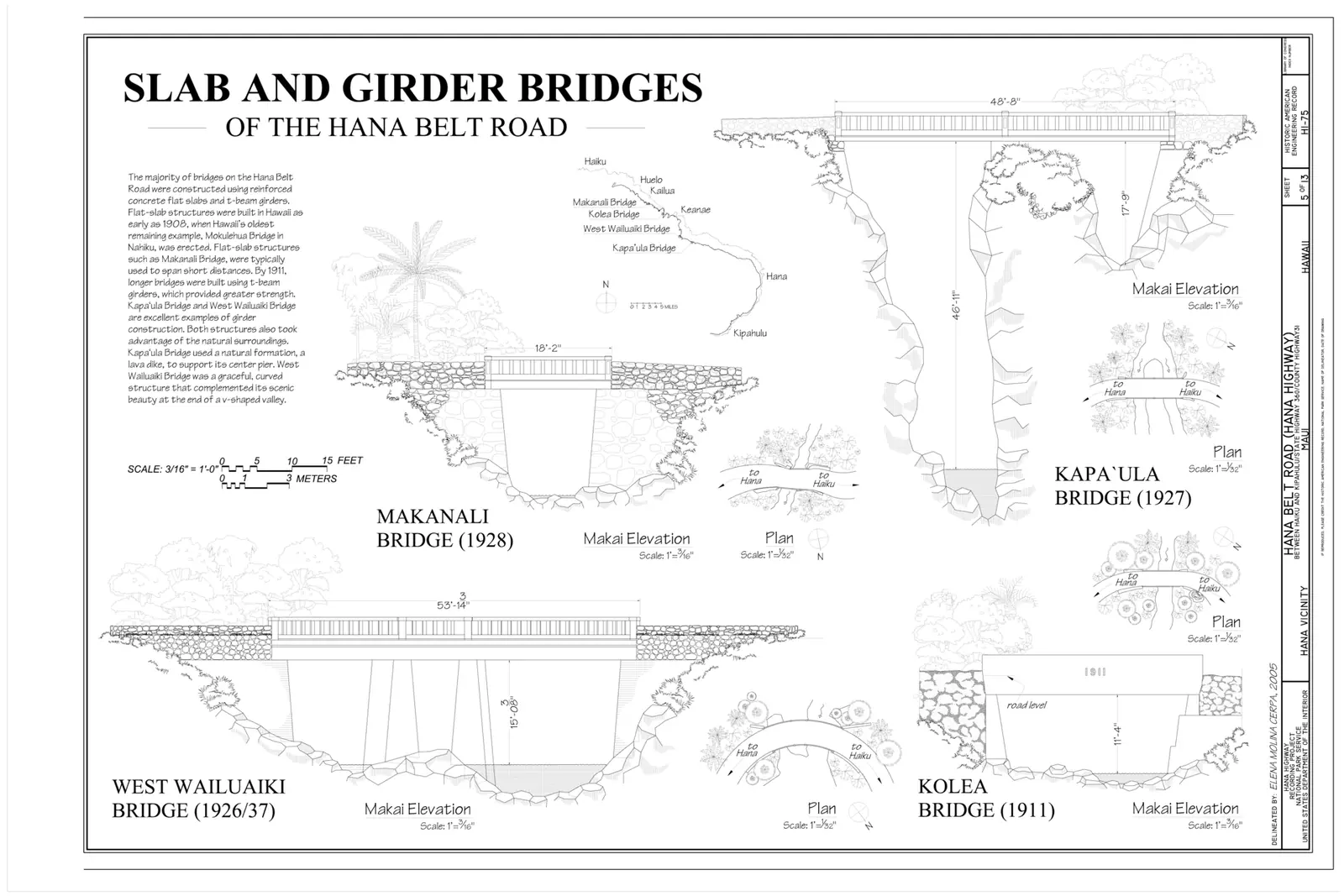
    Sixty-four miles, 620 curves and 59 bridges — and a road that several hundred people use to get to work.

    8–12 hoursThe road itself is free. Several stops along it charge for parking or entry.14.5 mi away

Hoʻokipa: common questions

Can you swim at Hoʻokipa Beach Park?

Not really, and you should not plan to. Hoʻokipa is a reef break with a shallow lava bottom, urchins, a strong longshore current and an abrupt shorebreak on a thin strip of sand that moves seasonally. Lifeguards are stationed here largely to keep people out of trouble. For swimming on the north shore, Baldwin Beach Park is two miles west towards Pāʻia, with lifeguards, sand underfoot and a sheltered shallow pool at its western end that works for young children.

What time do the turtles come to Hoʻokipa?

Green sea turtles generally start hauling out onto the sand at the eastern end of the bay in the early afternoon, and the numbers build through to late afternoon. There is no schedule and no guarantee, but between roughly 2pm and 5pm is when most people see them. Stay at least ten feet back on land and in the water, keep behind any rope line volunteers have set, skip the flash and keep dogs away. Harassing a honu is a federal and state offence.

Where is the Hoʻokipa lookout?

It is a separate paved spur off the Hāna Highway a few hundred yards east of the lower beach park entrance, climbing to the cliff at the eastern end of the bay. Parking is free. From up there you look down the length of the break and can see the whole wind field, which makes it the best spot on the island to watch wave sailing without getting wet. If you are driving from Kahului towards Hāna, the lookout comes after the beach entrance.

Is Hoʻokipa worth stopping at on the way to Hāna?

Yes, and it is the natural first stop. It is only about two miles past Pāʻia, before the road starts turning, and twenty minutes at the lookout costs you almost nothing on a long day. The trade-off is timing: the sailing is an afternoon event and the turtles are an afternoon event, while most people drive to Hāna in the morning. Stop briefly on the way out, and stop properly on the way back.

Do you need reef-safe sunscreen at Hoʻokipa?

You need mineral sunscreen everywhere in Maui County. Ordinance 5306 has banned the sale, distribution and use of non-mineral sunscreen without a prescription since October 2022, meaning zinc oxide and titanium dioxide are the only permitted active ingredients. That is tighter than the statewide ban on oxybenzone and octinoxate. Check the active-ingredient panel before you pack, or buy a mineral product once you arrive.