Skip to content
Menu

Booking through these earns us a commission from Viator. You pay the same, and payment did not decide what is listed.

Search

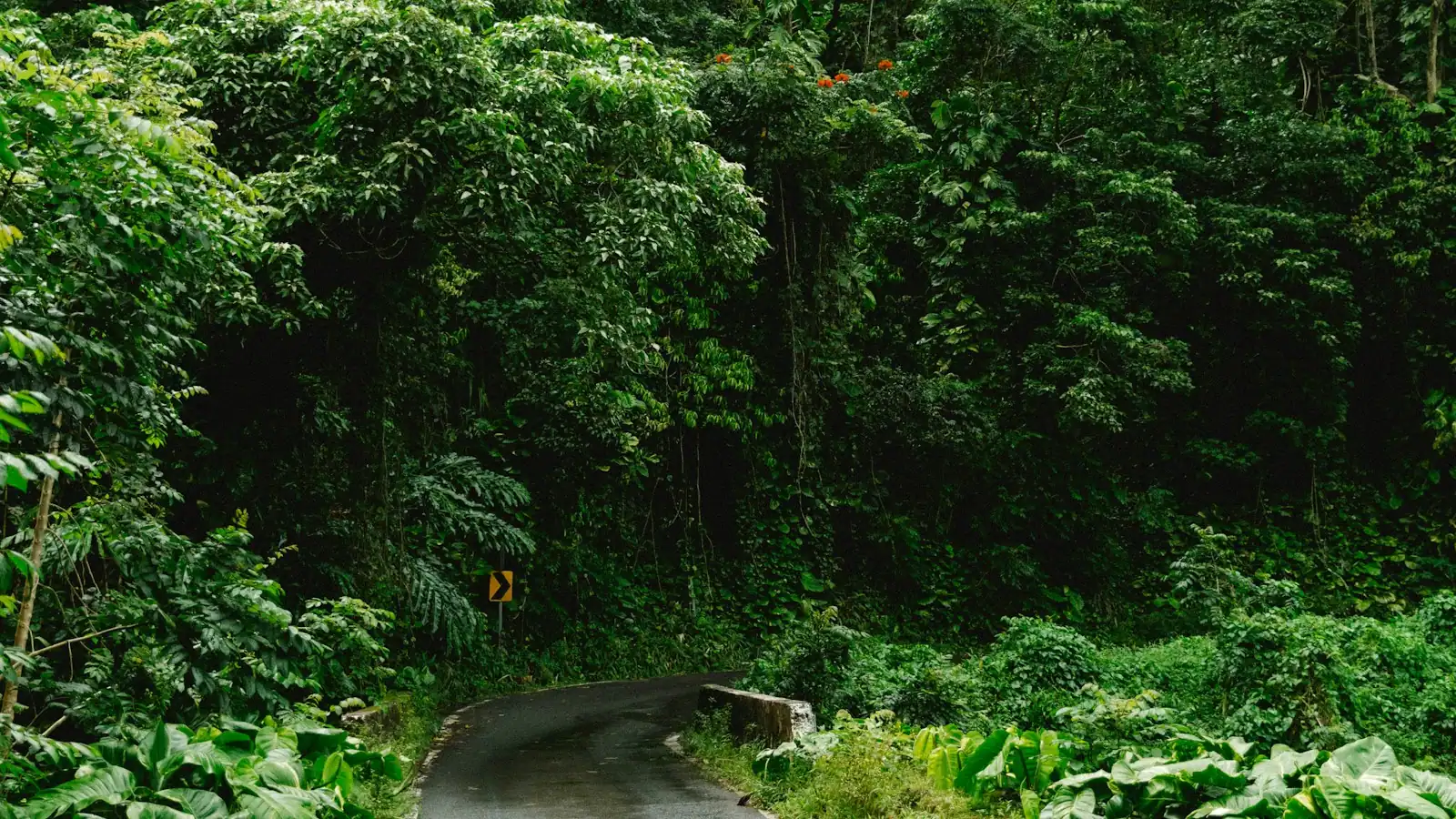
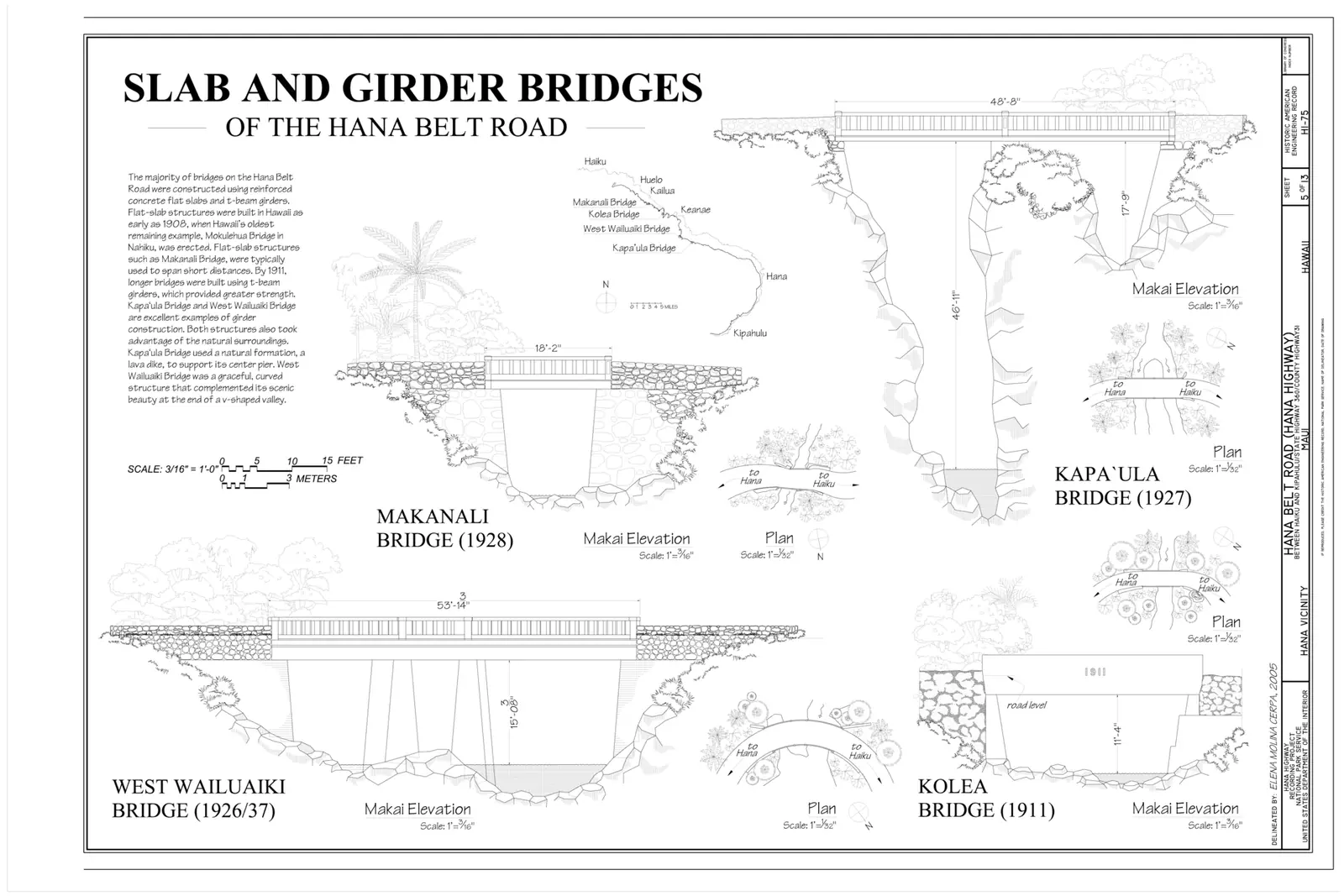
The Hāna Highway runs 64 miles from Kahului to Hāna along the windward coast of East Maui, and the numbers everyone quotes are accurate: about 620 curves, 59 bridges, and 46 of those bridges are one lane. What the numbers do not convey is the rhythm. You will spend the day in second and third gear, stopping constantly, waiting at bridges, and covering ground at an average that rarely tops 25 miles an hour. A round trip with stops is a ten to twelve hour day. Attempting it in six is the most common way people ruin it.

The road is the attraction. Hāna town at the end is small, quiet and deliberately unshowy — a general store, a bay, a school, a couple of places to eat. Visitors who drive hard for three hours expecting a destination arrive confused. The waterfalls, the bamboo, the sea cliffs, the black sand, the smell of guava and wet ginger through an open window: that is the thing, and it happens between mile markers.

Mile markers are how everything here is navigated. They restart at zero in Pāʻia where Route 36 becomes Route 360, count up to Hāna, then restart again on Route 31 beyond it. A stop described as "just past mile marker 17" is a real instruction, and the markers are small green posts you will start watching for within the first half hour.

Three things shape a good day out here. Start early, ideally on the road out of Pāʻia by 7am, both for the light and because the tour vans and the bulk of rental traffic leave later. Fill the tank in Pāʻia, because the next reliable fuel is in Hāna at Hāna-town prices and limited hours. And pull over to let locals pass — this is a commuter road for the communities at Keʻanae, Wailua, Nāhiku and Hāna, and the driver stacked behind you is not sightseeing.

Cell service disappears for long stretches after Twin Falls. Download offline maps or a GPS audio guide before you leave the north shore, and carry cash for the roadside stands.

Getting there and parking

The drive begins properly in Pāʻia, where Route 36 becomes Route 360 and the mile markers restart at zero. From Kahului airport it is about 20 minutes to Pāʻia; from Kīhei roughly 45 minutes; from Kāʻanapali or Kapalua allow an hour and a half before you have even started the winding part.

Any standard rental car handles the paved Hāna Highway itself. A Jeep is unnecessary. What matters far more is fuel, an early start and offline maps, because coverage vanishes after the first few miles.

Guided options: full-day van tours from the resort areas, small-group tours, GPS-triggered audio guide apps for self-drivers, and one-way arrangements where you fly or shuttle in one direction. Helicopter tours cover the same coastline from above in about 45 minutes, which is a different experience rather than a substitute.

People live here. Drive like it.

The single thing that separates a welcome visitor from an unwelcome one on this road is how you behave around the communities along it.

  • Let faster traffic past. Use the pull-outs. A local commuting to Hāna knows every curve and does not want to spend forty minutes behind a rental car braking for each one. This is the number one complaint residents raise.
  • Do not park in front of driveways, on private access roads, or on the highway shoulder where there is no proper pull-out. Vehicles get towed, and in some places the residents have simply stopped tolerating it.
  • Keʻanae and Wailua are villages, not exhibits. The taro loʻi you are photographing are working farmland, often family land worked continuously for generations. Stay off them, stay out of yards, and do not fly a drone over houses.
  • Do not trespass for a waterfall. Several of the falls signposted in older guidebooks are on private land and were closed after years of people scrambling over fences. If it is fenced, gated or posted, that is the answer.
  • Take your rubbish with you. There are almost no bins.

The east side of Maui has a long and complicated history of outsiders deciding what the place is for. Driving the road with that in mind costs you nothing and changes how the day goes.

Planning the day: timings, fuel and what to pack

Leave Pāʻia by 7am. The drive out to Hāna without stopping is around two and a half hours. With stops, most people reach Hāna between 11am and 1pm, which leaves the afternoon for Waiʻānapanapa or Kīpahulu and a return in daylight.

Do not drive it back in the dark if you can avoid it. Unlit one-lane bridges, no shoulders, and a windscreen full of moths is a different road entirely.

Fuel: last dependable stations are in Pāʻia and Haʻikū. Hāna has fuel but at a premium and with shorter hours. Start with a full tank.

Food: stock up before you leave. Along the route there are roadside stands selling banana bread, fresh fruit, huli-huli chicken and shave ice, mostly cash only and mostly open when they feel like it. Keʻanae is the best known stop for banana bread. Nothing along the road counts as a reliable lunch plan.

Pack: swim things, a towel, mosquito repellent, water, cash in small notes, a rubbish bag, motion-sickness tablets for passengers, and shoes you can get muddy. Rain gear is not optional; this coast catches the trades and it can be sunny in Pāʻia and pouring at Nāhiku on the same morning.

Reservations to book before you leave: Waiʻānapanapa State Park requires an advance timed reservation for non-residents, released 30 days out, with no same-day sales. If Waiʻānapanapa is on your list, that booking decides your whole schedule.

What is actually worth stopping for

Roughly in order, with mile markers on Route 360 unless noted.

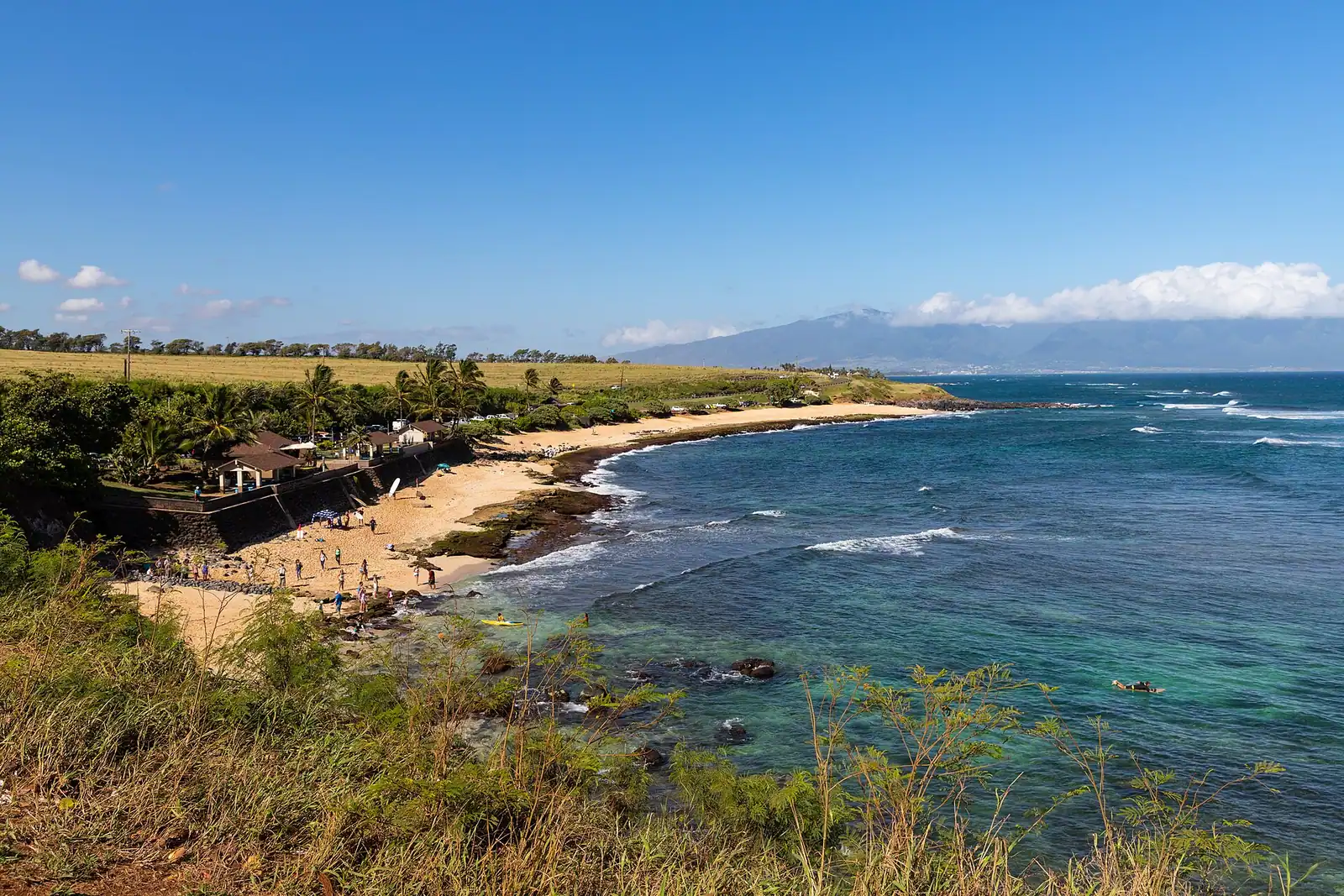
Hoʻokipa Beach Park (before the mile markers begin) — windsurfers in the morning, green sea turtles hauling out on the sand in the afternoon. Better on the way home.

Twin Falls, MM 2 — the first waterfall and therefore the busiest. Paid parking on a private working farm, and a farm stand at the gate.

Waikamoi Ridge Trail, MM 9–10 — a short loop through bamboo and eucalyptus that most people drive straight past.

Garden of Eden Arboretum, MM 10 — privately run, ticketed, and the one place on the road with a reliable restroom and a manicured view.

Keʻanae Peninsula, MM 16–17 — a lava shelf pushed out into the ocean by a late Haleakalā flow, with taro fields, a stone church that survived the 1946 tsunami, and surf hitting black rock. The most dramatic ten minutes on the road.

Wailua Valley State Wayside, MM 18–19 — a short set of steps to a valley overlook people miss entirely.

Upper Waikani / Three Bears Falls, MM 19 — visible from the bridge. Parking is tight and dangerous; do not stop mid-bridge.

Nāhiku Marketplace, MM 29 — coffee, food trucks, a restroom.

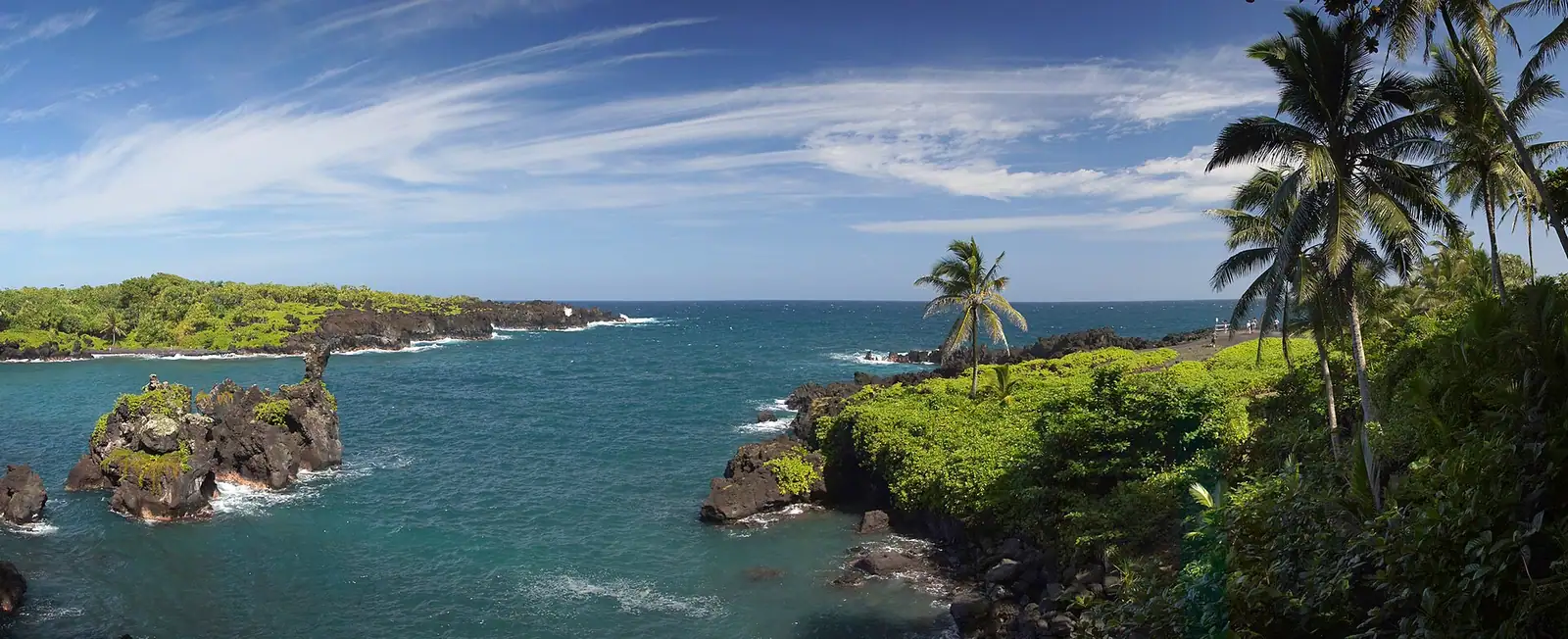
Waiʻānapanapa State Park, MM 32 — black sand, lava tubes, sea arch. Reservation required.

Past Hāna on Route 31: Wailua Falls near MM 45, then the Kīpahulu District of Haleakalā National Park near MM 42 (the markers count down) for the Pīpīwai Trail and ʻOheʻo Gulch.
The back road past Kīpahulu, and whether to do it

Beyond Kīpahulu, Piʻilani Highway continues around the dry southern flank of Haleakalā through ʻUlupalakua and back down to Kīhei, turning the day into a loop rather than an out-and-back.

The case for it: the landscape changes completely. Rainforest gives way to open grassland, black lava, ranch country and long views down the south coast, and you pass Maui Wine at ʻUlupalakua on the way. It also avoids driving the 620 curves twice.

The case against it: sections are narrow, unfenced, single-track with blind corners and steep drops, and parts have historically been unsealed. Conditions change after storms and the county closes it without much notice. Most importantly, most Maui rental car agreements specifically exclude this road, which means a breakdown or a scrape is on you, and mobile coverage out there is minimal.

The honest recommendation: if you are a confident driver, the road is open and dry, you have daylight in hand and you have read your rental agreement, it is a fine and genuinely different drive. If any of those is not true, turn around at Kīpahulu. The Hāna Highway in the other direction at four in the afternoon is quiet, empty, and a better drive than it was going out.

The other option worth weighing is not driving at all. A guided van tour or a small-group tour puts the day in the hands of someone who has driven it a thousand times, and on this island those tours are priced accordingly.

Tours that visit Road to Hāna

Operators run these trips past Road to Hāna, or stop there as part of a longer route. We list what the booking data supports — not everything that mentions the name.

Booking through these earns us a commission from Viator. You pay the same, and payment did not decide what is listed.

Shared departurespriced per seat, best value for one or two

Private and small-group optionsoften cheaper per head for a family or a group of six

Near Road to Hāna

Straight-line distances, so allow more on the road — the island is long and has one main parkway.

  • A small waterfall dropping into a green pool in dense tropical forest

    Water feature

    Twin Falls at Wailele Farm

    The first waterfall on the Hāna road, on a working farm with 55 parking spaces and a queue that starts at 7am.

    1–2.5 hoursAround $10 per vehicle for parking, first come first served, with no booking system.6.2 mi away

  • A windsurfer carving off the top of a breaking wave with spray behind the sail

    Beach

    Hoʻokipa Beach Park

    Free

    Maui's wave-sailing arena, watched from a clifftop lookout, where green sea turtles drag themselves onto the sand most afternoons.

    0.5–2 hoursFree. Both the beach park and the clifftop lookout are free to enter and free to park at.14.5 mi away

  • Low wooden storefronts with painted signs along a small-town main street

    Neighbourhood

    Pāʻia Town

    Free

    A two-street sugar town that surfers took over, and the last place to buy petrol, coffee and a picnic before the Road to Hāna.

    1–3 hoursFree to visit. You pay for what you buy, and parking is free but scarce.15 mi away

  • Dark volcanic sand and black rock at the edge of a small ocean cove

    Park

    Waiʻānapanapa State Park

    Black basalt sand, freshwater caves and an ancient coastal trail, three miles before Hāna — and you cannot get in without booking ahead.

    1–2.5 hoursNon-residents pay per-vehicle parking plus a per-person entry fee, both by advance reservation. Hawaiʻi residents with state ID are free.10.5 mi away

Road to Hāna: common questions

How long does the Road to Hāna take?

Two and a half hours each way without stopping, and ten to twelve hours as a round-trip day with stops. The 64 miles contain about 620 curves and 59 bridges, 46 of them single lane, so your average speed sits well under 30mph. People who try to compress it into six hours spend the day in the car and remember none of it. Leave Pāʻia by 7am and plan to be back on the north shore before dark.

Do you need a 4x4 for the Road to Hāna?

No. The Hāna Highway is paved from Pāʻia all the way to Hāna and on to the Kīpahulu District, and any standard rental handles it. The exception is the southern Piʻilani Highway loop beyond Kīpahulu, which is narrow, partly unsealed and explicitly excluded from most Maui rental car agreements. Read your contract before considering that section, and turn around at Kīpahulu if in any doubt.

Should you drive the Road to Hāna yourself or take a tour?

Drive it yourself if you want to control the stops and linger. Take a tour if the driver would otherwise miss the entire view, if anyone in the car gets carsick, or if the idea of reversing off a one-lane bridge fills you with dread. A middle option is a GPS audio guide app, which narrates the route by location and costs a fraction of a tour. Whatever you choose, download offline maps first — coverage disappears early.

What should you not do on the Road to Hāna?

Do not block traffic — use the pull-outs and let locals past, because this is a commuter road for Keʻanae, Wailua, Nāhiku and Hāna. Do not park in driveways or on private access roads. Do not walk into taro fields or yards for a photograph. Do not climb fences for waterfalls on private land. Do not fly a drone over houses. And do not rush it; the road is the point.

Do you need reservations for anything on the Road to Hāna?

Yes, for Waiʻānapanapa State Park, which requires a timed entry and parking reservation for non-residents, released 30 days ahead and not available same-day. That booking effectively sets your schedule for the whole drive, so make it first. Twin Falls is first-come, first-served with a small parking fee. Haleakalā's Kīpahulu District needs no reservation, just the park entrance fee.