Involves Animals
Maui: Molokini and Turtles Luxury Yacht Snorkel (opens in a new tab)
We are a family-owned Maui company with over 40 years of experience on Hawaiian waters. Our expert Captains and crew bring decades of…
5 hours
Prices checked
Water feature
Last updated
The first waterfall on the Hāna road, on a working farm with 55 parking spaces and a queue that starts at 7am.
Photo: UnsplashUnsplash License
Twin Falls is the first waterfall stop on the Road to Hāna, two miles in from Pāʻia where the mile markers have barely started counting, and that single fact explains everything about it. Cars that left the north shore twenty minutes ago all arrive here at once. The 55 parking spaces are gone by mid-morning in season. The overflow ends up on the highway shoulder, which is exactly what the farm and the county have been trying to stop.
The important thing to understand is whose land this is. Twin Falls sits on Wailele Farm, privately owned working agricultural land that the family opens to visitors. It is not a state park and it is not a public right of way. Parking is charged at around $10 per vehicle, gates open a little after 7am, last entry is in the late afternoon, and the farm is closed to visitors on the first Saturday of every month, which is reserved for Hawaiʻi residents. Groups of more than a dozen need to arrange it in advance. There is no roadside parking and no rideshare drop-off.
What you get for that is a set of short walks up a stream valley to several cascades of modest height, with pools beneath them. The nearest falls are a ten to fifteen minute walk from the gate on a wide track. Getting to the upper falls — the pair that give the place its name — takes longer, involves stream crossings, and turns into a proper muddy walk after rain. None of these are 400-foot spectacles; this is a green, humid, pleasant stream valley rather than a landmark.
The farm stand at the entrance is genuinely part of the appeal: cold-pressed juices, young coconuts opened in front of you, baked goods, and fruit grown on the property. It is the best thing you will eat in the first hour of the Hāna road.
The advice almost nobody follows: skip it on the way out and stop on the way back. Everyone is here at nine in the morning. Almost nobody is here at four in the afternoon.
About two miles east of Pāʻia on the Hāna Highway (Route 360), just past mile marker 2, with a large dirt parking area on the ocean side near a bridge. Twenty-five minutes from Kahului airport, about an hour and a half from Kāʻanapali.
Turn in at the marked entrance and pay at the booth. Do not slow to a stop on the highway to ask questions first — the approach is a blind bend and the attendants cannot help you from a moving car.
No parking is permitted on the highway shoulder or on nearby side roads, and rideshare drop-offs are not allowed at the gate. If the 55 spaces are taken, carry on and try again on the way back.
Any standard rental car is fine. There is no public transport on this road.
Cash is the safe assumption for the stand even if the gate takes cards, because this is the last place with reliable connectivity for a while.
None of this is bureaucracy for its own sake. The farm has a highway junction with poor sightlines, neighbours, and an agricultural operation to run around several hundred visitors a day.
From the parking area a wide farm track heads inland along the stream. The lower falls are ten to fifteen minutes in, a short drop into a pool with a rock shelf, and they take most of the traffic because they are the first thing people reach.
Beyond that the track narrows and climbs gently through hala, ginger, bamboo and fruit trees, with side paths dropping to the water at intervals. Reaching the upper falls takes considerably longer — budget the better part of an hour each way if you are stopping — and involves crossing the stream, which is ankle to knee deep in normal conditions and impassable after rain.
Footwear decides how much of this you enjoy. The track is red mud when wet and the stream crossings are on slick rounded stones. Water shoes or trainers you are happy to soak; not flip-flops.
Two honest caveats. First, the falls are modest — pretty rather than dramatic — and visitors who have already seen photographs of Waimoku arrive with the wrong scale in mind. Second, this is the single most crowded stretch of trail on the Hāna road, and the experience at 9am on a Tuesday in July is a queue for a pool.
Signage asks you to stay on the marked paths. Beyond the obvious courtesy, the banks here are undercut and loose, and there is farm infrastructure and private housing off the route.
People swim in the pools here and it is generally tolerated, but two hazards apply to every freshwater pool on Maui and they are worth stating plainly.
Flash flooding. This stream drains the wet windward slopes above Haʻikū. Heavy rain several miles inland, invisible from the parking lot, can raise the water fast. If the stream turns brown, rises, or starts carrying leaves and branches, get out and get to high ground. Do not attempt a crossing you already made if it has changed.
Leptospirosis. Hawaiian fresh water carries a bacterial infection spread through animal urine, entering the body through cuts, eyes, nose and mouth. It is not rare here and it makes people genuinely ill. Do not swim with open cuts, do not put your head under, do not drink the water, and rinse off afterwards. This applies equally at every stream on the Hāna road.
Add the ordinary ones: the rocks around the pools are slick, the depth is uneven, and jumping from height into a stream pool whose bottom you have not checked is how people break ankles a long way from a hospital. The nearest emergency care is back in Kahului.
There are no lifeguards, and mobile coverage at the upper falls is poor to nonexistent.
Twin Falls is busy because of where it is, not because of what it is. Everyone doing the Hāna road leaves Pāʻia between 7 and 9am, and this is the first thing they reach. The lot fills, the trail queues, and people spend an hour here who would rather have spent it at Keʻanae.
Two better plans:
Stop on the way home. You come back past mile marker 2 in the late afternoon with the lot half empty. The light through the valley is better, the pools are quiet, and the farm stand is still open. The only cost is that you are tired.
Or go early and specifically. Be at the gate at opening, walk to the upper falls before anyone else is past the lower ones, and be back on the road by 8:30. This works, and it is the one scenario in which stopping on the way out makes sense.
Or skip it entirely. If your day is built around Waiʻānapanapa and Kīpahulu, Twin Falls is an hour you do not have, and the falls further along the road are better. The Waikamoi Ridge Trail around mile marker 9 is free, quiet, and a more interesting walk.
One seasonal note: after a wet winter week the stream crossings to the upper falls may simply not be passable, and the farm sometimes restricts access to the lower section. That is not worth $10 and an hour of your Hāna day.

Operators run these trips past Twin Falls, or stop there as part of a longer route. We list what the booking data supports — not everything that mentions the name.
Booking through these earns us a commission from Viator. You pay the same, and payment did not decide what is listed.

Involves Animals
We are a family-owned Maui company with over 40 years of experience on Hawaiian waters. Our expert Captains and crew bring decades of…
5 hours
Prices checked

Short term availability
Your West Maui Snorkel adventure departs from Kaanapali Beach. Along the way keep your eyes open for Hawaiian spinner dolphins, bottle…
4 hours
Prices checked

Nature and Wildlife Tours
Trip Highlights - 15 minute boat ride to Molokini - Snorkel the crystal clear waters of Molokini crater, Maui's 1st Snorkeling destination…
2 hours
Prices checked

Low Supplier Cancellation Rate
You’ll have the chance to drive, or simply be a passenger in one of today’s most advanced 4 seater off-road vehicles, the Canam sport max…
2 hours
Prices checked

Low Last Minute Supplier Cancellation Rate
Sea Maui’s Sunset Dinner Cruise is our premium dining & Sunset experience. Leave behind the hustle and bustle of the land when you're…
2–3 hours
Prices checked

Excellent Quality
All riders must be 36 inches or taller to participate/ride submarine. Dive 100 feet below the surface and experience Maui’s marine…
2 hours
Prices checked

Sustainable Tours
THIS IS A 8 LINES TOUR - JUNGLE ADVENTURE This adventure with Jungle Ziplines Maui includes eight amazing Ziplines, three tree platforms…
2 hours
Prices checked

Day Trips
Live the real Maui experience on the Road to Hana with our expert guides! Immerse yourself in the beauty of the spectacular Hana…
Full day
Prices checked
Straight-line distances, so allow more on the road — the island is long and has one main parkway.

Neighbourhood
A two-street sugar town that surfers took over, and the last place to buy petrol, coffee and a picnic before the Road to Hāna.
1–3 hoursFree to visit. You pay for what you buy, and parking is free but scarce.9.3 mi away

Beach
Maui's wave-sailing arena, watched from a clifftop lookout, where green sea turtles drag themselves onto the sand most afternoons.
0.5–2 hoursFree. Both the beach park and the clifftop lookout are free to enter and free to park at.8.5 mi away

Landmark
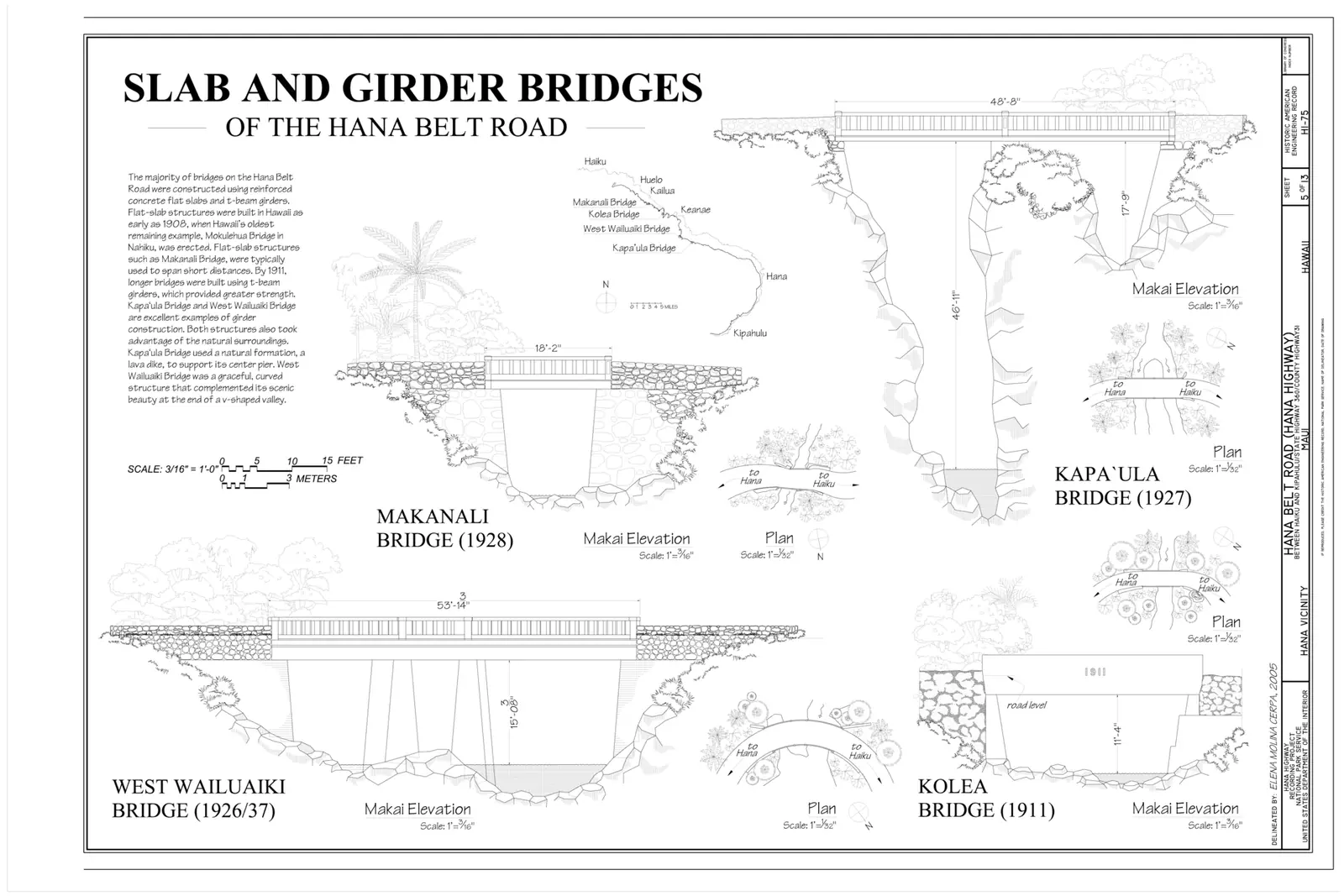
Sixty-four miles, 620 curves and 59 bridges — and a road that several hundred people use to get to work.
8–12 hoursThe road itself is free. Several stops along it charge for parking or entry.6.2 mi away

Beach
A mile of north shore sand with lifeguards, a shaded pavilion and a sheltered pool at the western end that toddlers can actually use.
1.5–5 hoursFree, including parking. County beach park with lifeguards, restrooms, showers and a pavilion.10.2 mi away
Where this place fits into a day, and the pages that plan one.

Guide hub
Maui is two volcanoes joined by a low, windy isthmus, and almost every planning mistake visitors make comes from forgetting that. The western half…

Guide hub
Maui's attractions do not cluster. They are strung along a figure-eight island where the two halves are separate volcanoes and the connecting road…

Things to do
The Hāna Highway is not the road to a place. It is the place. Highway 36 becomes Highway 360 a few miles past Pāʻia, and from there it runs roughly…

Who it suits
Maui is an excellent family island with two conspicuous exceptions, and it saves a lot of disappointment to name them first. Sunrise at Haleakalā…

Things to do
Maui's waterfalls are concentrated on one side of the island for a simple reason. Trade winds push moist air against the eastern slope of Haleakalā…

Things to do
Maui gives you three separate hiking countries inside an hour and a half of driving, and they have almost nothing in common. Up at the top of…

Guide
Sixty-four miles, around 600 curves and 59 bridges, most of them one lane. The road is the destination, and the people who live along it are the reason to drive it well.
10 min readKealoha Nakamura
Around $10 per vehicle, paid at the booth on arrival. There are only 55 spaces, they are first come first served, and there is no reservation system — when the lot is full you have to move on. Parking on the highway shoulder or nearby side roads is not permitted and vehicles are moved. Rideshare drop-offs at the gate are not allowed either. Hawaiʻi residents have the farm to themselves on the first Saturday of each month.
People do, and it is generally tolerated, but two real risks apply. Flash flooding: the stream drains wet uplands and can rise fast on rain you cannot see, so get out if the water browns or starts carrying debris. And leptospirosis, a bacterial infection present in Hawaiian fresh water — avoid it with open cuts, keep your head above water, do not drink it, and rinse afterwards. There are no lifeguards and no signal at the upper falls.
It depends on your day. The falls are modest rather than dramatic and it is the single busiest stop on the road because it is the first one. If you are doing the full drive to Kīpahulu, the hour Twin Falls costs is better spent further along. If you want one easy waterfall walk with a good farm stand at the gate, it does the job — just do it on the way back, when the lot is half empty.
Ten to fifteen minutes on a wide farm track to the lower falls, which is where most of the crowd stops. The upper falls take considerably longer, close to an hour each way with stops, and involve crossing the stream on slick stones — which becomes impassable after rain. The track is red mud when wet. Wear water shoes or trainers you do not mind soaking rather than sandals.