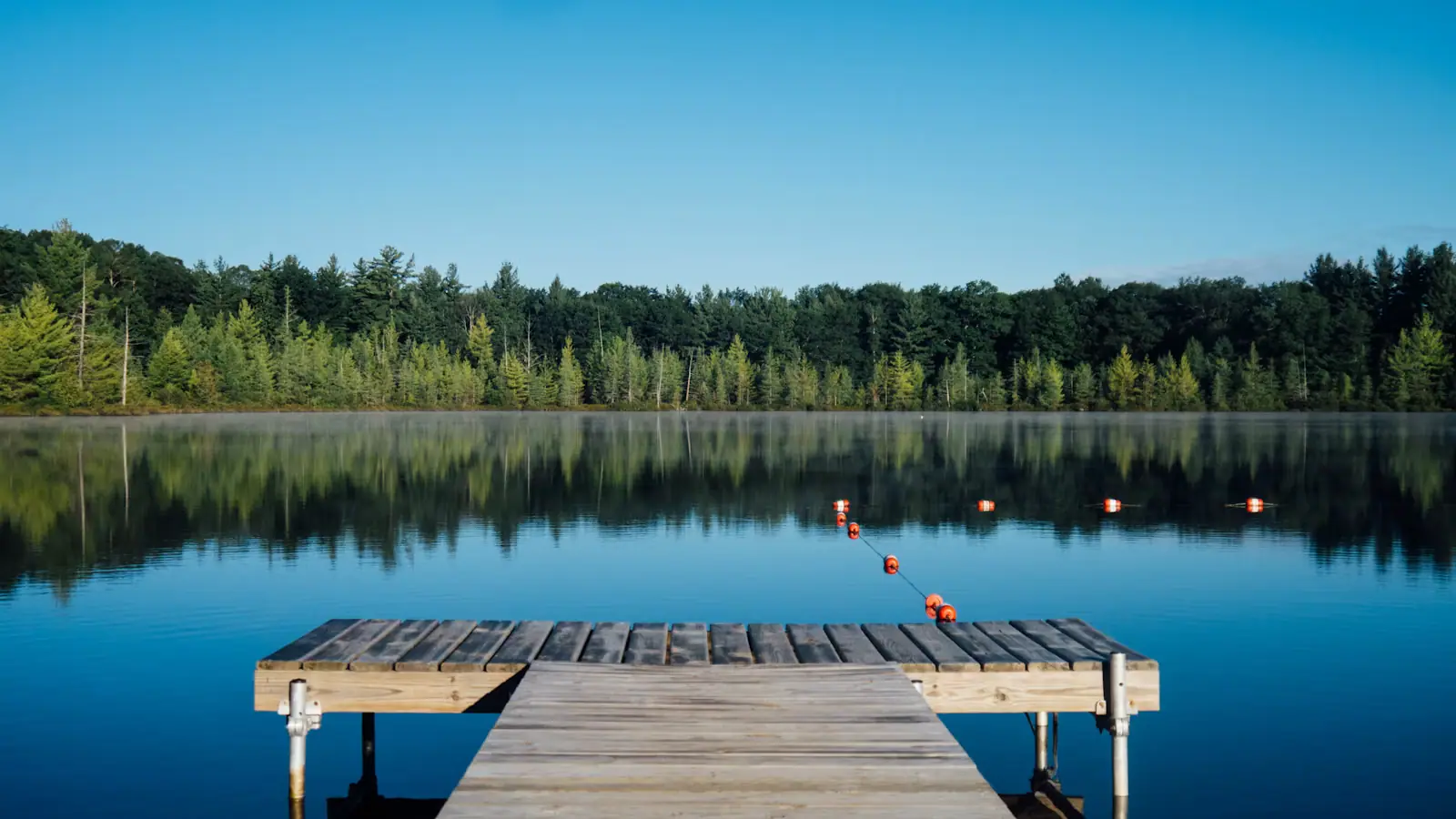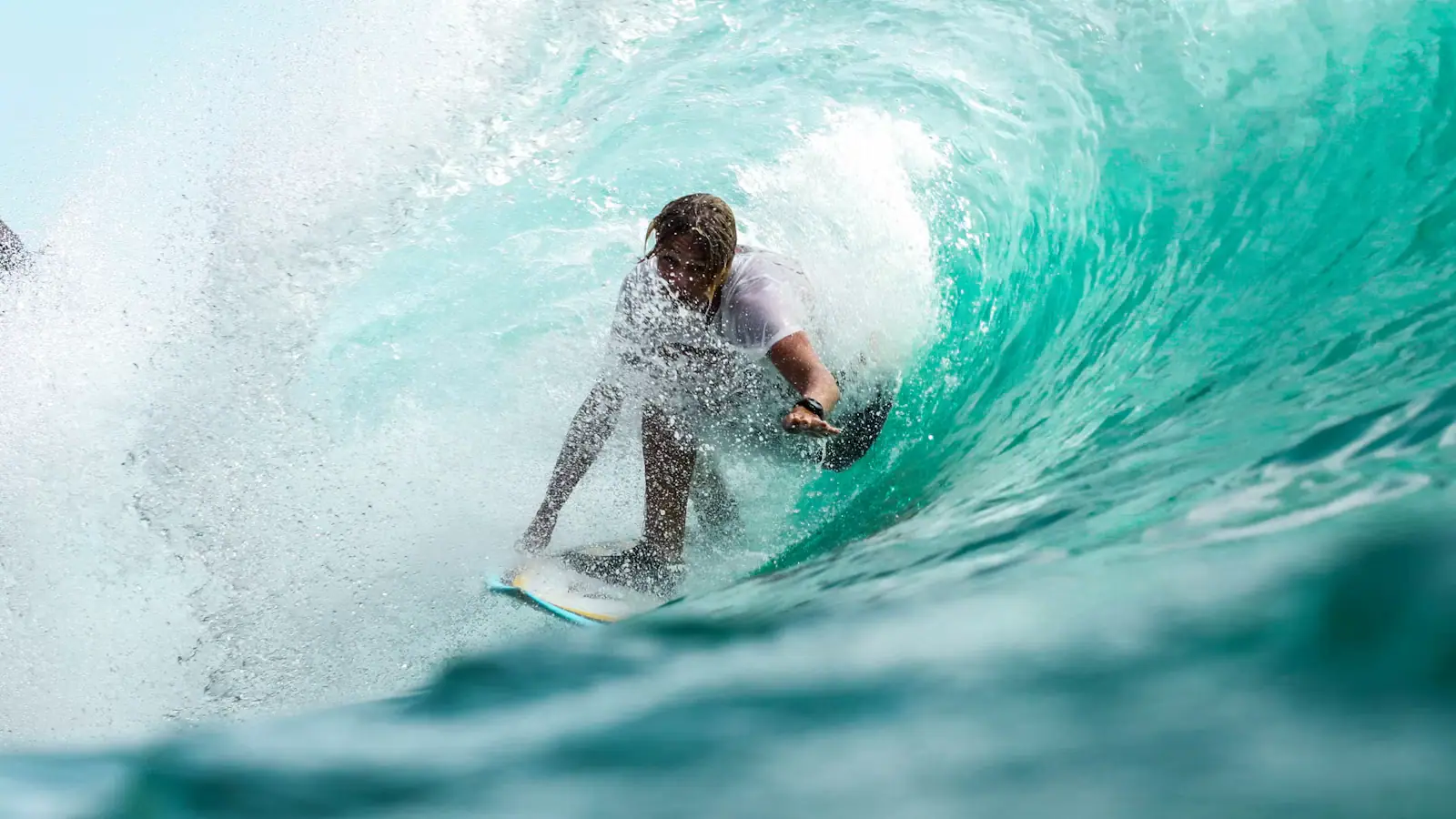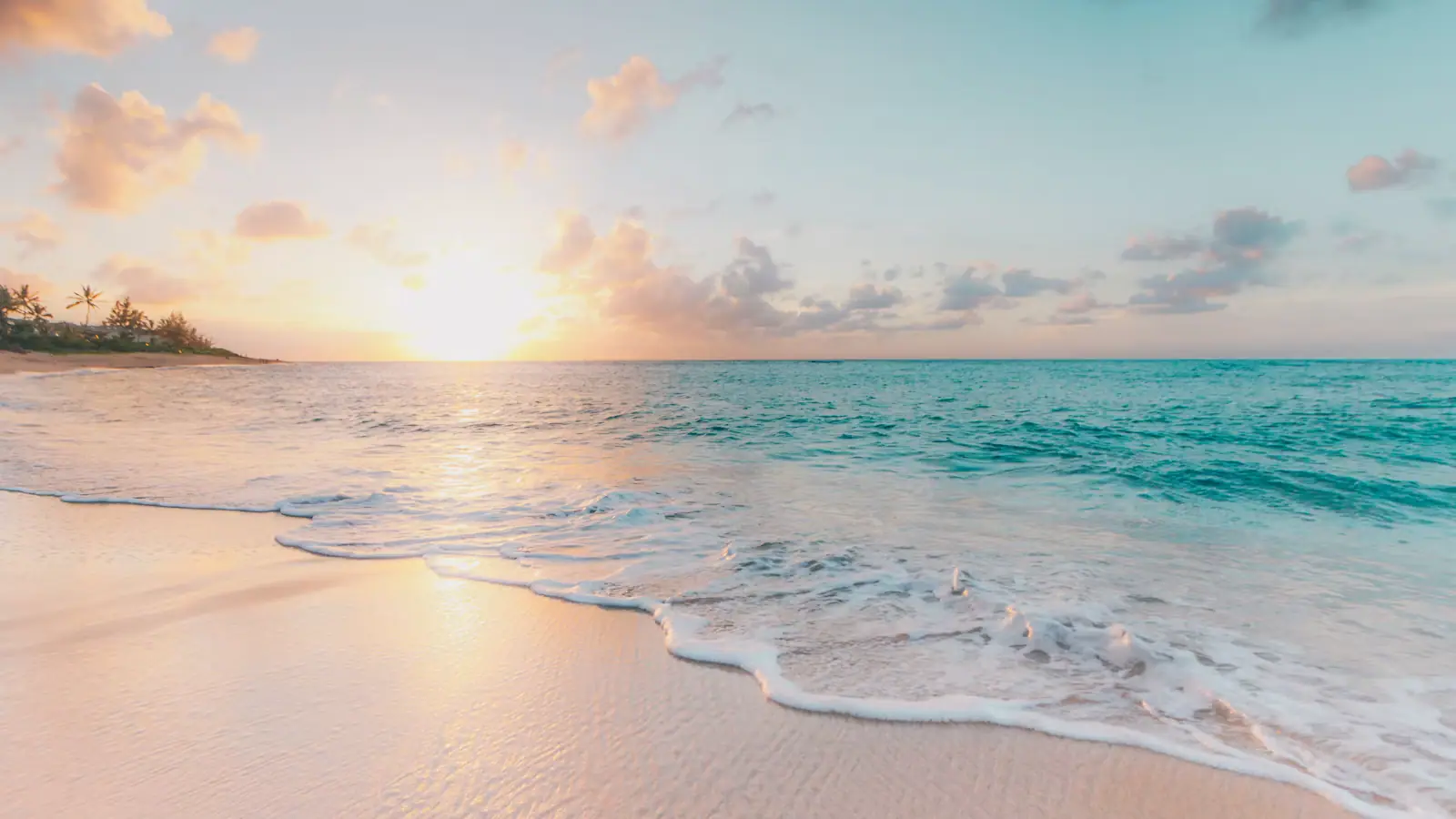
Maui is an easy island with children and a dangerous one, often within a few miles of each other. Kapalua Bay on the west coast is a near-enclosed cove where a four-year-old can stand comfortably. Mākena, twenty-five miles south, has a shorebreak that has produced more spinal injuries than any beach in Hawaiʻi. Both are beautiful, both are public, and only one belongs on a family list.
That, plus driving distance, is what actually changes with a child's age here. The attractions do not.
The beaches, ranked by how calm the water is
| Beach | Why it works with children | Watch for |
|---|---|---|
| Kapalua Bay | The most sheltered swimming on the island; rocky points on both sides kill the swell | Small car park, fills before 9 a.m. |
| Nāpili Bay | Sandy crescent, gentle most of the year, turtles graze the north end | No public car park; limited street access |
| Baby Beach, at the Pāʻia end of Baldwin Beach Park | A shallow reef-protected lagoon, ankle to knee deep, effectively a paddling pool | The main Baldwin shorebreak nearby is not for children |
| Ulua and Mokapu, Wailea | Calm mornings, easy entry, good beginner snorkelling on the rocks | Afternoon wind |
| Keawakapu | Long, sandy, uncrowded at the south end | Steeper drop than it looks at high tide |
| Kāʻanapali, north end near Black Rock | Sandy and busy, with lifeguards and everything within a walk | Shorebreak firms up when a north swell runs |
| Poʻolenalena | Wide, quiet, local families at weekends | No lifeguard |
And the one to be clear about: Mākena, Big Beach, is not a swimming beach for children. It is magnificent, 1,500 feet of golden sand under a cinder cone, and its shorebreak dumps straight onto a steep sand shelf. Hawaiʻi's trauma registry has consistently put it at the top of the state for spinal injuries. Take the children to look at it, walk it, and get in the water somewhere else.
By age band
Under three
Base yourself where the water is flat and the drive to it is short: Nāpili or Kapalua on the west side, Wailea or south Kīhei on the south. Rent a condo with a kitchen and a washing machine. The Kahului supermarkets are cheaper by a wide margin than anything near a resort, so do one big shop on the way in from the airport.
Beach mornings, indoors from about 11 to 3. Maui's UV index is at the top of the scale by mid-morning most of the year, and Maui County requires mineral sunscreen, which is thick, white and needs to go on a wriggling child twenty minutes before the beach rather than at it.
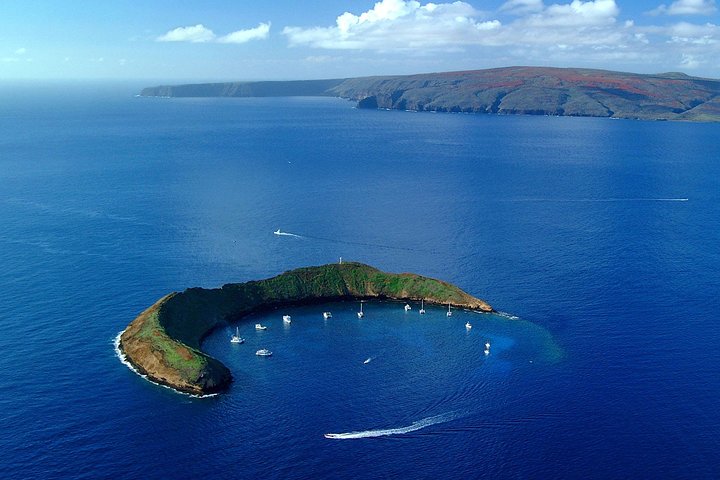
Boats: nothing longer than two hours. A short afternoon whale watch in season out of Māʻalaea or Lahaina Harbor is about right. Molokini is not.
Three to six
The Maui Ocean Center at Māʻalaea is the reliable indoor half-day: native Hawaiian reef species, a walk-through ocean tunnel, turtles and rays, and no captive dolphins or whales. It is the one place on the island where a five-year-old can name the fish before they meet them in the water.
Add the Maui Tropical Plantation near Waikapū for the tram ride through the fields, Surfing Goat Dairy up in Kula for the afternoon milking, and the ʻĀlīʻi Kula Lavender farm if you want an hour of cool air and a view down over the isthmus. Upcountry runs ten to fifteen degrees cooler than the coast, which matters more with small children than anyone admits.
Snorkelling starts here if the child will keep their face in the water. Ulua Beach at 8 a.m. on a calm day, with a float vest, is the gentlest introduction on the island.
Seven to eleven
This is the age Maui pays off. Molokini becomes viable on a morning boat: the crossing is short, the crater is a marine life conservation district with visibility that regularly runs past 80 feet before 10 a.m., and most operators carry flotation gear and will put a guide in the water. Pick a boat that leaves Māʻalaea early rather than an afternoon trip, when the wind is up and the visibility drops.
Hoʻokipa Beach Park in the late afternoon is free and better than most paid attractions. Green sea turtles haul out onto the sand at the east end most afternoons to rest, in numbers, and there is an overlook above the beach to watch from. Federal guidance is 10 feet of distance, and volunteers rope the area when the turtles are up. Children who have seen a honu on a screen are quiet for a long time when they see forty of them.
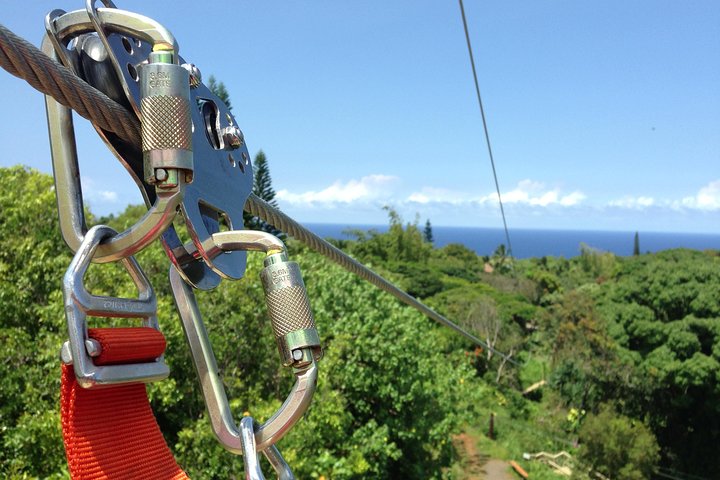
Zipline courses, the surf schools at Lāhainā and Kīhei, and the Pipiwai Trail all open up at this age. Pipiwai is four miles round trip with about 800 feet of climb through a bamboo forest — a real hike, and a good one for a confident nine-year-old.
Twelve and up
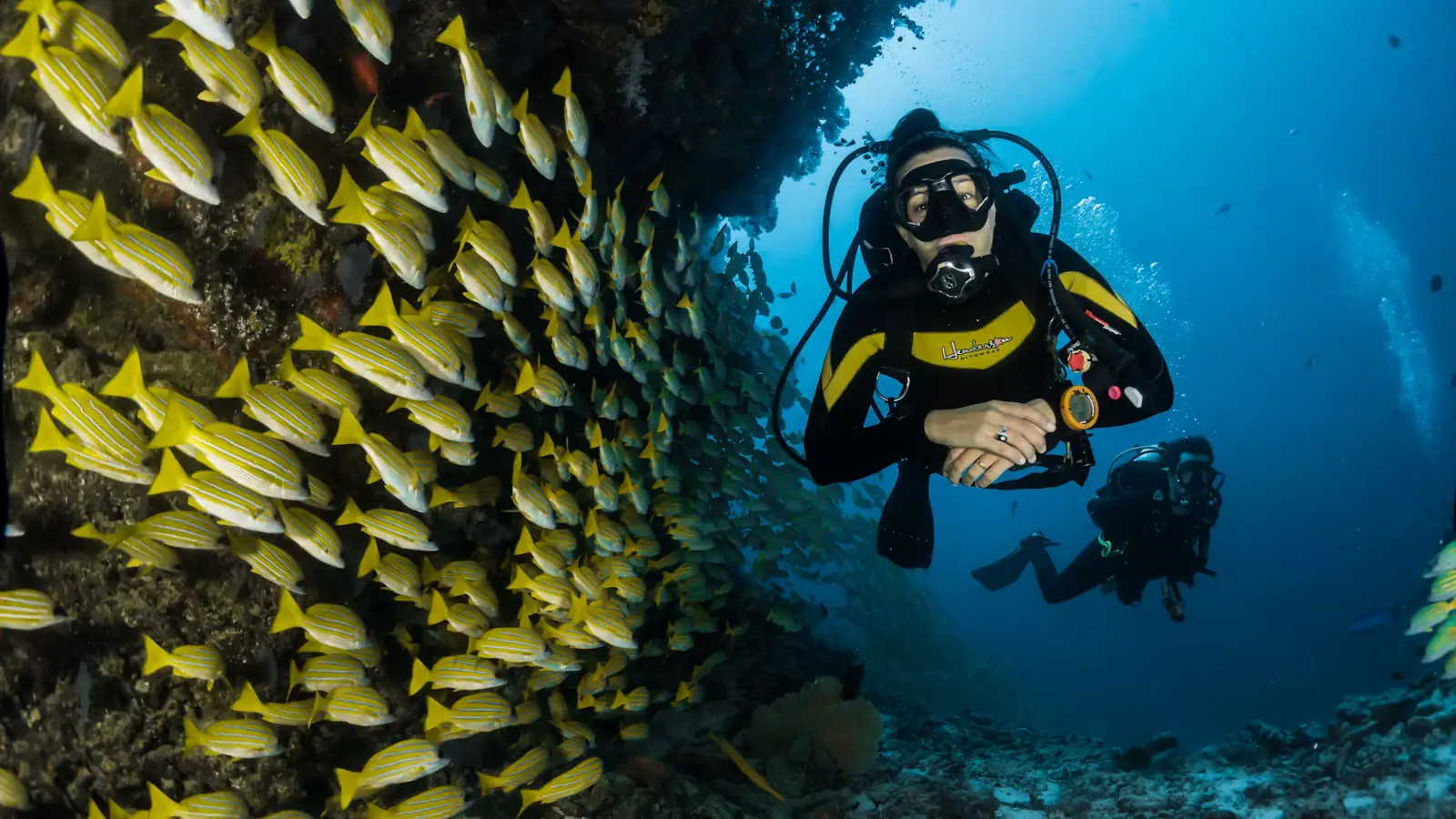
Sunrise at Haleakalā finally makes sense, if you have the reservation and they will tolerate a 2 a.m. alarm. Introductory scuba, outrigger canoe trips, the Kīhei and Lāhainā surf schools, and a full day on the Hāna road with a camera.
Teenagers who snorkel well can handle Honolua Bay in summer, when the marine life conservation district on the northwest coast turns glassy. In winter it is a different place entirely: an expert surf break with big water, and no facilities on the beach at any time of year.
Distance is the real constraint
Nothing on Maui is close to anything else. Some honest round-trip driving figures from a Kīhei base, before stops:
- Māʻalaea harbour: 20 minutes
- Kahului and the airport: 35 minutes
- Kāʻanapali: an hour
- Haleakalā summit: two and a quarter hours
- Hāna town: three hours each way
A day trip to Hāna with children under about eight is a long, winding, carsick proposition. If the east side matters to you, stay a night in Hāna and split the drive.
Two rules children need told once
Never turn your back on the ocean, and never stand in the break zone at a steep beach. This is the specific thing that hurts people on Maui.
Ten feet from a turtle, fifty from a monk seal, and do not touch coral — it is alive, it cuts, and standing on it kills it. Children remember the distances if you make it a game about how many big steps.
Wet days and windy afternoons
Maui's rain is geographic rather than seasonal. If Kīhei is grey, Wailea is often not; if the west side is raining, Upcountry usually is too and Mākena usually is not. Before you abandon the day, look at where the cloud actually sits, because the leeward south coast stays dry through a great deal of windward weather.
When it is properly wet: the Maui Ocean Center at Māʻalaea, the Bailey House museum in Wailuku, the Alexander and Baldwin Sugar Museum at Puʻunēnē for the story of how the isthmus came to look like that, and the cinemas and shopping at Kahului.
The reliable afternoon problem is wind rather than rain. The trades funnel through the isthmus and pick up hard after about one o'clock, which is why boats sail in the morning and why the north shore is a windsurfing capital. Plan water for mornings and land for afternoons and the week stops fighting you.
Pack one warm layer per child regardless of the forecast. A Kula evening and a boat deck at 7 a.m. both feel a long way from the brochure.
What to bring for children here
Mineral sunscreen in bulk, bought at home. Maui County's ordinance means the only sunscreen legally sold here without a prescription is zinc oxide or titanium dioxide based, and resort shop prices are punishing.
Rash vests with sleeves. They beat reapplying cream on a child every ninety minutes, and they help on the reef.
Reef shoes. Entries at Ulua, Honolua and most of the west side rock points are over lava, which is sharp enough to cut through thin soles.
A float vest or snorkel vest per child rather than armbands. Boats carry them but sizing for small children runs out first.
Motion sickness tablets, given the night before a boat and again in the morning. The ʻAlalākeiki Channel to Molokini is short and often choppy.
A warm layer and long trousers each if Haleakalā or Upcountry is on the list. Below freezing at the summit before dawn is not an exaggeration.
Cash in small notes for the fruit stands and food trucks on the Hāna road, several of which are honour boxes.
Last updated
Opening hours, ordinances and prices move with the season. We re-check this guide rather than rewrite it, and the date above is the last time someone did. How we research and correct.