Two things catch first-time visitors to Maui, and neither of them is the price of a mai tai.
The first is scale. The island is about 727 square miles with a 10,023-foot volcano in the middle of it, which means you cannot cut across. Getting from Kāʻanapali on the west coast to the Kīpahulu district past Hāna is a four-hour drive each way on a good day, and the road between them is not a road you hurry on. Kahului to the Haleakalā summit is only 38 miles and it still takes something close to two hours, because the last stretch climbs 10,000 feet in switchbacks.
The second is that Maui has quietly moved to a booking-in-advance model for its best-known places. Three of them now require a reservation made before you fly, and turning up without one means turning around.
Book these before anything else
| Site | What you need | Booking window |
|---|---|---|
| Haleakalā summit for sunrise | A timed sunrise reservation for your vehicle, on top of the park entrance fee | Released on recreation.gov 60 days ahead at 7:00 a.m. Hawaiʻi time, with a smaller batch 48 hours before |
| Waiʻānapanapa State Park (the black sand beach near Hāna) | Entry and parking reservation for non-residents, in a timed slot | Up to 30 days ahead through the state parks system; no same-day sales at the gate |
| ʻĪao Valley State Monument | Entry and parking reservation for non-residents | Up to 30 days ahead, same system |
The Haleakalā sunrise reservation is the one that catches people. It applies to vehicles entering the summit district between 3 a.m. and 7 a.m., it is per vehicle rather than per person, one per customer every three days, and the name on the booking has to match a photo ID at the gate. Popular dates go in minutes. If you miss the 60-day drop, set an alarm for the 48-hour release, or book a commercial sunrise tour, which carries its own authorisation.
Sunset at the summit needs no reservation at all, is warmer by ten degrees, and is emptier. That is worth knowing before you build a week around a 3 a.m. alarm.
Which coast to sleep on
Where you book decides how much of the week you spend driving. These are the honest trade-offs.
- West Maui — Kāʻanapali, Kapalua, Nāpili, Honokōwai. Long swimmable beaches, the best winter whale watching from shore, resort density. Furthest from Haleakalā and Hāna: budget an extra hour each way for both.
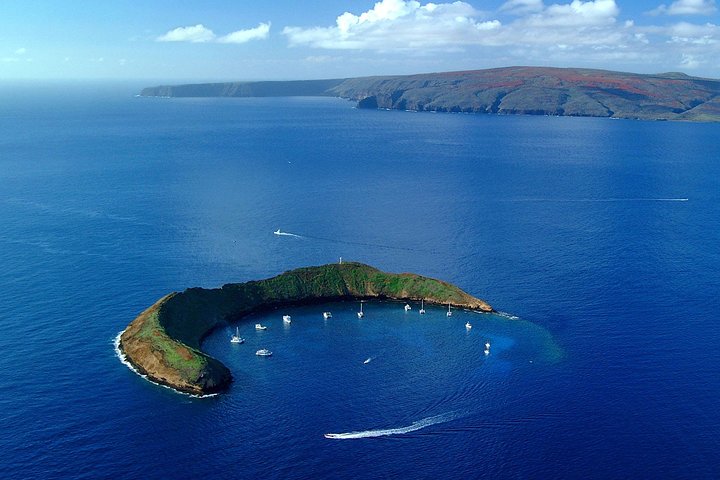
- South Maui — Kīhei, Wailea, Mākena. The driest, sunniest corner of the island and the closest base to Māʻalaea harbour, where most Molokini boats leave. Kīhei is the affordable end and Wailea the expensive one, five minutes apart.
- Central — Kahului and Wailuku. Where people actually live. Cheapest beds, closest to the airport, nearest thing to a real supermarket run, and no beach worth the name. Good for a first or last night.
- Upcountry — Kula and Makawao. Cool, green, 2,000 to 3,000 feet up, with jacaranda in spring and genuinely cold mornings. Half an hour from the summit road and an hour from any beach.
- Pāʻia. A small surf town on the north shore, the last proper coffee before Hāna, and the most walkable place on the island.
- Hāna. Very few rooms, very little to do after dark, and the only way to see the east side without driving it twice in a day.
West Maui and Lāhainā: what is actually the case
The August 2023 wildfire destroyed historic Lāhainā town and killed around 100 people. It remains the deadliest wildfire in the United States in more than a century, and it is the defining fact of the island's recent history.
Three years on, the town is a construction site and a community rebuilding, not a sight. The County of Maui reopened Front Street to vehicle traffic on 1 August 2026 after seawall, sidewalk and utility work, with fencing installed around areas that remain off limits. Businesses are returning in stages. Banyan Court, where the historic banyan tree stands, has been closed to the public through its recovery, and arborists have been cautious about it in public statements.
What residents have asked for, consistently and publicly, is straightforward. Do not drive into the burn zone to look. Do not photograph damaged property. Do not walk past barricades. Do come to West Maui, stay in the hotels, eat in the restaurants that have reopened, take the boats that run out of the harbour and tip well, because the visitor economy is most of what people there earn.
Access arrangements have changed repeatedly since the fire and will keep changing. Check the county's recovery updates close to your travel dates rather than relying on anything written months earlier, including this.
Weather, by elevation rather than by month
Maui's weather is a function of where you stand. Kīhei and Wailea are semi-arid and sunny most days. Hāna, on the windward side, gets several times the rain. Upcountry Kula is fifteen degrees cooler than the coast. At the Haleakalā summit, pre-dawn and post-dusk conditions are regularly wet, windy and below freezing, with the thin air at 10,023 feet leaving plenty of people light-headed.
Seasonally: humpbacks are in Maui waters roughly December to April and peak January to March. Central Pacific hurricane season runs 1 June to 30 November, and a direct hit is rare but tropical systems passing to the south bring surf and rain. When the trade winds drop and kona winds come up from the southwest, they carry vog — volcanic haze from Kīlauea on Hawaiʻi Island — across the channel, which dulls the light and bothers asthmatics.
What a week costs, honestly
Maui is the most expensive of the Hawaiian islands to tour. Boat trips, helicopter flights, private Hāna drivers and luaus all sit well above what the same activity costs almost anywhere else; a typical Maui excursion prices around the $200 mark and roughly a fifth of the catalogue sits above $250. Helicopter tours and private charters go considerably higher.
Two ways to bring that down without a worse holiday: book the boats early in the trip so a weather cancellation still leaves room to rebook, and accept that the best things on this island — Hoʻokipa at four in the afternoon when the turtles haul out, the Pipiwai Trail through the bamboo, the drive itself — cost nothing but a park fee and a tank of petrol.
Four rules to know before you land
Maui County requires mineral sunscreen: the sale and use of non-mineral sunscreen without a prescription has been prohibited across Maui, Lānaʻi and Molokaʻi since October 2022, and the state separately restricts oxybenzone and octinoxate. Buy zinc oxide or titanium dioxide, and buy it at home where it is cheaper.
Stay 10 feet from a green sea turtle, 50 feet from a Hawaiian monk seal, and 100 yards from a humpback whale in the water. The whale rule is federal law and it applies to swimmers, paddlers, kayakers and drones, not just boats.
Your first 48 hours
Most mainland arrivals land at Kahului in the afternoon, having gained hours, and are wide awake at 4 a.m. for the first two days. Use it rather than fight it.
Day one: do not drive anywhere far. Get groceries in Kahului before heading to your side of the island, because the shops near the resorts are small and priced accordingly. Eat early, sleep early.
Day two: this is your Haleakalā sunrise day if you have the reservation, because a 3 a.m. alarm is easy when your body thinks it is 6 a.m. Come down, have breakfast in Kula or Makawao, and sleep in the afternoon.
If you do not have the sunrise booking, spend the early hours on the water instead. Molokini boats leave Māʻalaea between roughly 6 and 7 a.m. and the crater is calmest and clearest before 10, when visibility is routinely far better than an afternoon trip will give you.
Leave the Road to Hāna until at least day three. It is the longest and most concentration-heavy day of the week and it is a poor thing to attempt jet-lagged.
What to pack that you will not think of
A fleece and long trousers, even in July. The summit is genuinely below freezing before dawn, and Upcountry evenings are cool enough to need a jacket.
Mineral sunscreen in the quantity you will actually use. Maui County's ordinance means the shops here stock zinc and titanium dioxide products at resort prices. Bring your own.
Water shoes or reef-walkers. Several of the better snorkelling entries are over lava rock rather than sand, and Hawaiian lava is sharp.
A paper map or offline maps. Mobile coverage along the Hāna road and on the back side of Haleakalā ranges from patchy to absent, and the turnoffs are not signposted the way you expect.
Motion sickness tablets taken the night before, not at the dock. The Molokini crossing is short but the ʻAlalākeiki Channel is often lumpy, and half the people being ill on a morning boat took their tablet an hour too late.
Cash in small notes for roadside fruit stands on the east side. Several are honour-box operations run by people who live on that road.
Last updated
Opening hours, ordinances and prices move with the season. We re-check this guide rather than rewrite it, and the date above is the last time someone did. How we research and correct.