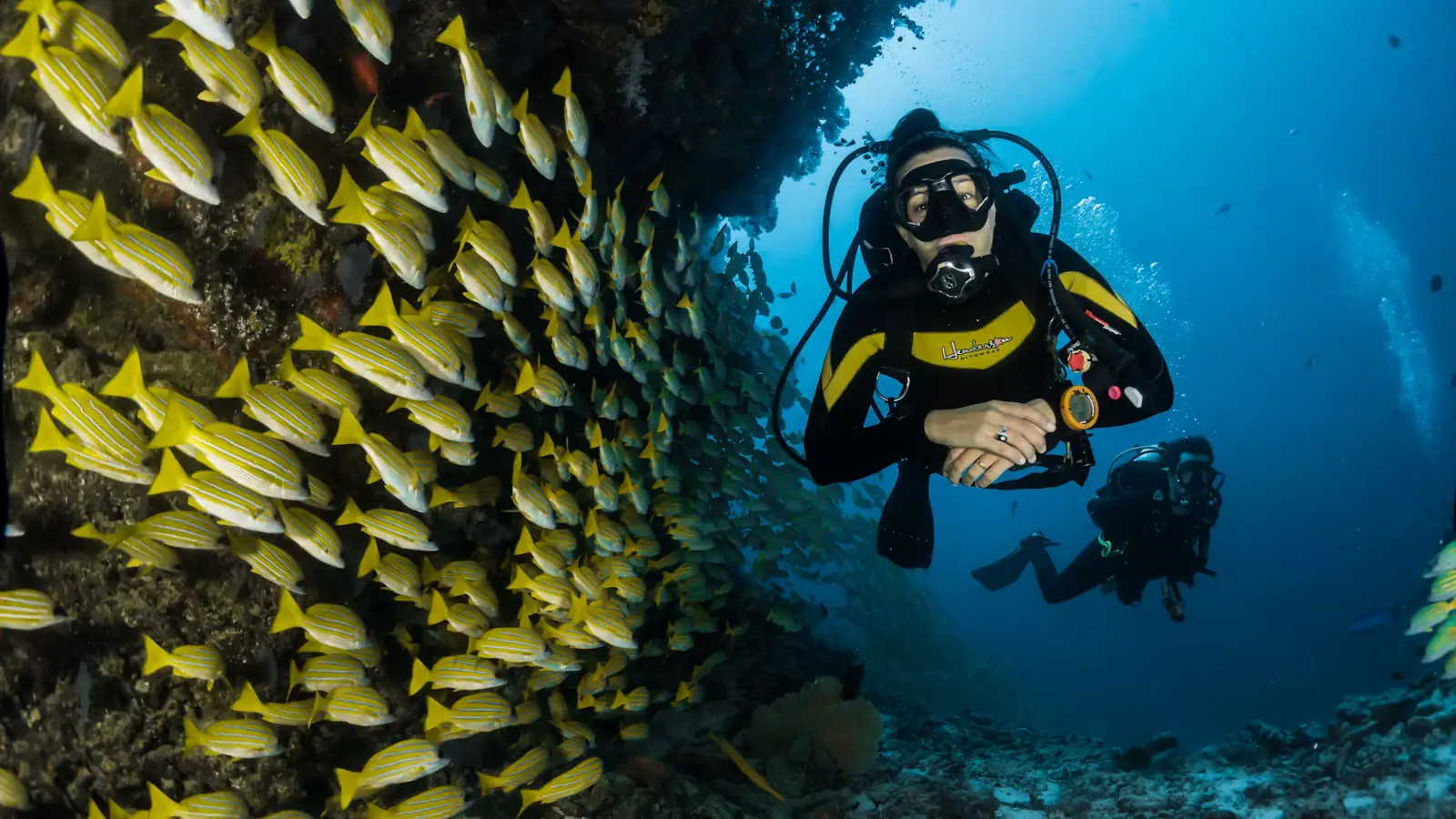
Maui's snorkelling has one governing rule and it is not about which beach. The north-east trade winds funnel across the isthmus between the two volcanoes and pick up hard through the late morning. Water that is glass at seven is textured by eleven and chopped up by two, and visibility falls with it. Molokini before 10 a.m. routinely offers more than 80 feet of visibility; the same crater at two in the afternoon can be down around 40.
Get up early. That is most of the skill.
The second rule is seasonal. From roughly October to April, north and west swells shut down the northwest coast, which is exactly where the best shore snorkelling is. Honolua Bay in July is the finest snorkel on the island. Honolua Bay in January is an expert surf break with heavy water and no business having a snorkeller in it.
The sites
| Site | Access | Best window | Suits |
|---|---|---|---|
| Molokini Crater | Boat only, from Māʻalaea or Kīhei | Morning trips, year-round | Confident swimmers, open water |
| Honolua Bay | Shore, rough entry | Roughly May to September only | Intermediate; no facilities at all |
| Puʻu Kekaʻa, Black Rock | Shore, Kāʻanapali | Early morning, calm days | All levels; busiest site on the island |
| Kapalua Bay | Shore, sandy entry | Most mornings year-round | Beginners and children |
| Nāpili Bay | Shore, sandy entry | Calm mornings | Beginners; turtles at the north end |
| Ulua and Mokapu, Wailea | Shore, sandy entry | Before 9 a.m. | Beginners; easy rock reef |
| Maluaka, often called Turtle Town | Shore, Mākena | Morning | Turtle sightings; moderate |
| Olowalu, around mile marker 14 | Shore, shallow reef flat | Calm, glassy mornings | Patient snorkellers; boat traffic offshore |
Molokini
A crescent of a partly submerged volcanic crater sitting about three miles off Mākena in the ʻAlalākeiki Channel. It is a Marine Life Conservation District, which is why the fish life inside the crescent is what it is, and the reason the water is so clear is that there is no runoff — no land, no stream, no sediment.
Boats leave Māʻalaea mostly between 6 and 7:30 a.m. The early departures get the clear water and the calm crossing; the later ones often divert to a coastal site when the wind makes the crater untenable, which is a legitimate call by the captain rather than a bait and switch. Ask before booking what the operator does when Molokini is blown out.
Inside the crescent you are in 10 to 50 feet of water over a sloping reef. The back wall, on the outside, drops into several hundred feet and is a dive site rather than a snorkel site. Currents outside the crescent are real. Stay inside the arms unless a guide has put you somewhere else.
Honolua Bay
Northwest coast, past Kapalua. The entry is through a shaded tunnel of trees, over a rocky stream bed, onto cobbles — not a sandy beach, and not comfortable barefoot. There are no toilets, no showers, no lifeguard and no shade on the water. Bring reef shoes.
What you get in return, on a calm summer morning, is the best shore snorkelling on Maui: a marine life conservation district where the reef runs out along both arms of the bay in clear water with very little swell. Stay to the right side going out, and keep clear of the middle of the bay where the runoff plume sits after rain.
From October onwards, check the surf forecast before you drive out there. Large north swell wraps in and the bay becomes unsafe and unsnorkellable for days at a time.
Puʻu Kekaʻa, Black Rock
The lava promontory at the north end of Kāʻanapali Beach. The most convenient good snorkelling on the island: walk in off a sandy beach, swim out along the rock, and find turtles, tangs and often an eagle ray on the seaward face.
It is also the busiest, and the current that runs around the point stiffens in the afternoon. Go at seven, before the cliff jumpers and the catamarans. Puʻu Kekaʻa is a significant place in Hawaiian tradition — a leaping point for souls — and the sunset ceremony held there is a cultural practice rather than a show put on for guests.
The south shore reefs
Ulua and Mokapu in Wailea share a car park and a rock reef between them. Easy, sheltered, good for a first attempt, and empty at eight in the morning.
Maluaka at Mākena has an established resident turtle population and a reef that runs south from the beach. The name Turtle Town covers several boat sites along this coast rather than one place; the shore version is Maluaka.
Olowalu, roughly at mile marker 14 on the highway between Māʻalaea and Lāhainā, has a very large, very shallow reef flat that extends a long way offshore. It is fragile, it is important — this reef is understood to seed coral across much of Maui Nui — and it is easy to damage by standing on. Go at high tide on a flat day, swim rather than walk, and be aware that boats use the outer edge.
A note on Ahihi-Kīnaʻu
The Ahihi-Kīnaʻu Natural Area Reserve south of Mākena appears on a lot of lists. Sections of it have been closed to public entry for years to let the reef recover, and the boundaries have changed more than once. Check the state's current signage and closure map before going, and take the closures seriously; they exist because the site was being loved to death.
Conditions, briefly
Wind: trades from the northeast most days, building from mid-morning. South and west shores stay calmer for longer.
Swell: north and northwest swell October to April closes the northwest coast. South swell in summer affects Mākena and Kīhei more than it affects anywhere else.
Water temperature: roughly the high 70s Fahrenheit in winter to the low 80s in late summer. Most people are comfortable without a wetsuit, though a thin top helps on a long morning and keeps the sun off.
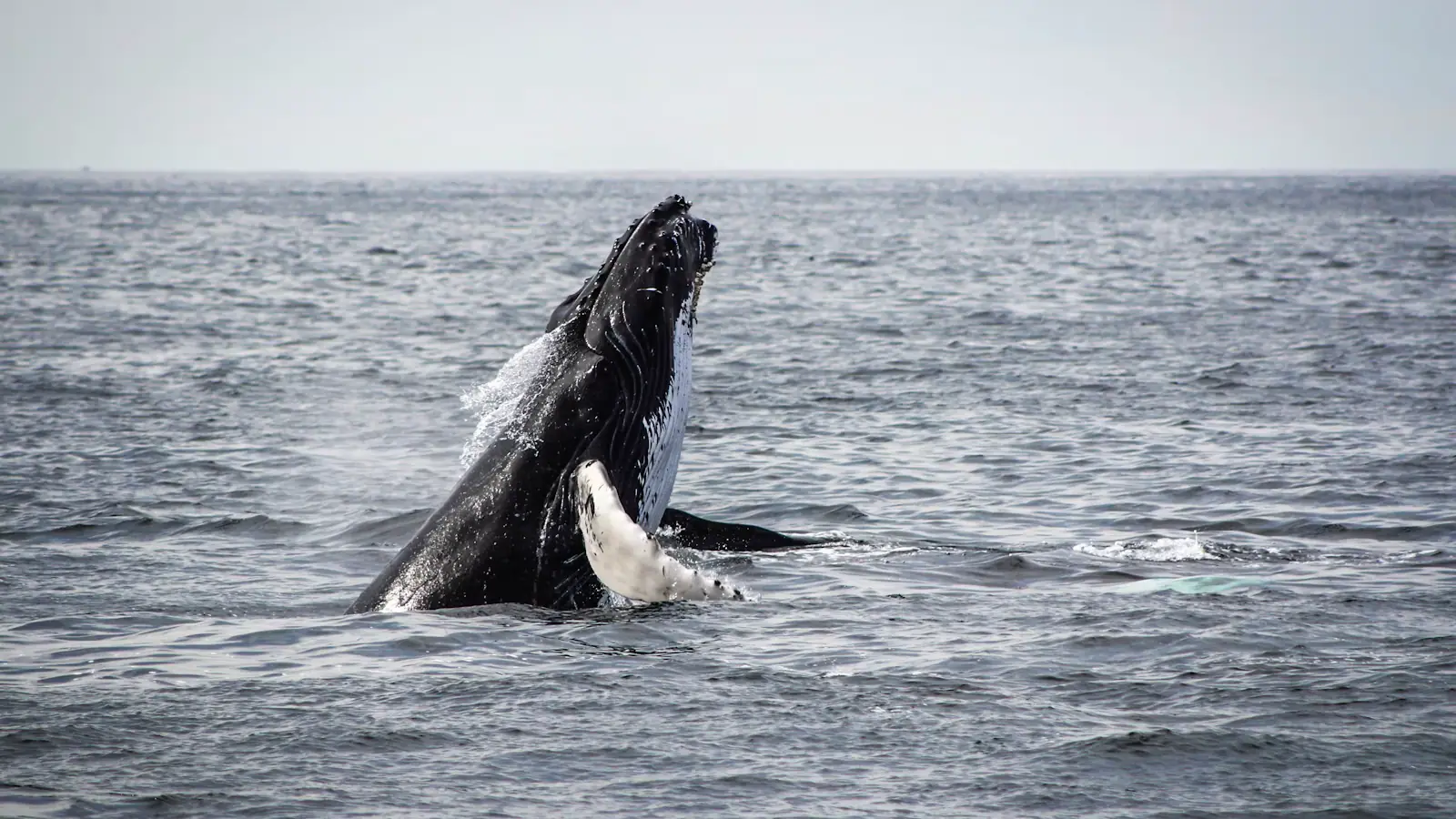
Whale season: humpbacks are in these waters roughly December to April. On a quiet morning off Olowalu or Mākena you can hear them singing through the water, which is the single best thing about snorkelling Maui in winter.
What actually goes wrong
Drownings involving snorkellers are a persistent problem in Hawaiʻi, and the pattern is consistent: a visitor in their fifties or older, early in the trip, in water that looked calm, often on a first snorkel in years. Contributing factors include an ill-fitting mask, breathing hard through an unfamiliar tube, and no one watching.
Practical defences. Snorkel with a partner and agree to stay within arm's reach. Test the mask and tube in shallow water at the beach before swimming out. Wear a flotation belt or vest if you are not a strong swimmer; the good operators carry them and there is no stigma in it. Stop and float if you feel out of breath, rather than pushing on to the next patch of reef.
Entries over lava are where people cut themselves. Reef shoes, and get in and out on the swell rather than between waves.
Never stand on coral, even to adjust a fin. It is a living animal, it takes decades to grow, and it cuts badly. If you cannot swim over something without touching it, you are in the wrong depth.
The hour-by-hour version
6:30 to 7:00 a.m. Shore sites are at their best. Black Rock, Kapalua, Ulua and Maluaka are all calm, clear and nearly empty. This is the single most productive hour of the snorkelling day on Maui.
7:00 to 8:00 a.m. Molokini boats leave Māʻalaea. The first arrivals get the crater largely to themselves before the fleet builds up.
9:00 to 11:00 a.m. Still good, getting busier, wind starting to show on the surface at exposed sites.
11:00 a.m. to 2:00 p.m. The trades are up. Visibility drops, chop builds, and afternoon Molokini trips frequently relocate to a coastal site. Fine for a first-timer who wants to see fish; not the day to judge Maui's snorkelling on.
Afternoon. Better spent on land. Go to Hoʻokipa at four and watch the turtles come ashore, or drive Upcountry where the wind matters less.
One seasonal exception: in a summer with no north swell, Honolua can stay glassy well into the afternoon because the headland shelters it from the trades.
Last updated
Opening hours, ordinances and prices move with the season. We re-check this guide rather than rewrite it, and the date above is the last time someone did. How we research and correct.