Hawaiʻi was the first state in the country to restrict sunscreen chemicals for the sake of its reefs. The 2018 law, in effect since 1 January 2021, prohibits the sale of over-the-counter sunscreen containing oxybenzone or octinoxate without a prescription.
Maui County went further. Ordinance 5306 has, since 1 October 2022, prohibited the sale, distribution and use of non-mineral sunscreen without a prescription across Maui, Lānaʻi and Molokaʻi. The distinction matters: the state rule is about what shops may sell, while the county rule reaches the bottle in your beach bag.
What counts as mineral
Two active ingredients: zinc oxide and titanium dioxide. Both are minerals, both are recognised by the FDA as generally safe and effective, and both work by sitting on the skin rather than being absorbed into it.
Everything else — oxybenzone, octinoxate, avobenzone, octocrylene, homosalate, octisalate — is a chemical filter and falls outside what Maui County permits without a prescription. Read the active ingredients panel, not the front of the bottle. "Reef safe" and "reef friendly" are marketing terms with no legal definition anywhere, and plenty of products carrying them contain chemical filters.
Buy it before you fly
This is the practical advice that saves you money and a trip to a pharmacy on your first morning. Mineral sunscreen is stocked everywhere on Maui and priced like everything else here. Bring what you need from home.
How much is more than people expect. A shot-glass measure covers an adult body once, and a family of four at the beach daily will go through a surprising volume in a week.
Mineral sunscreen behaves differently from what most visitors are used to. It goes on thick and leaves a white cast, tinted versions cost more and cover better, and it wants twenty minutes on the skin before you get in the water — partly so it works, and partly so less of it washes straight off onto the reef.
The better move is to need less of it. A long-sleeved rash vest, a hat and a beach umbrella do more for a sunburn than any bottle, and a rash vest is the single best purchase for a Maui snorkelling holiday.
The distances
| Animal | Distance | Notes |
|---|---|---|
| Green sea turtle, honu | 10 feet | On land and in the water. Never touch, never ride, never chase |
| Hawaiian monk seal | 50 feet | 150 feet for a mother with a pup, and stay behind any barrier |
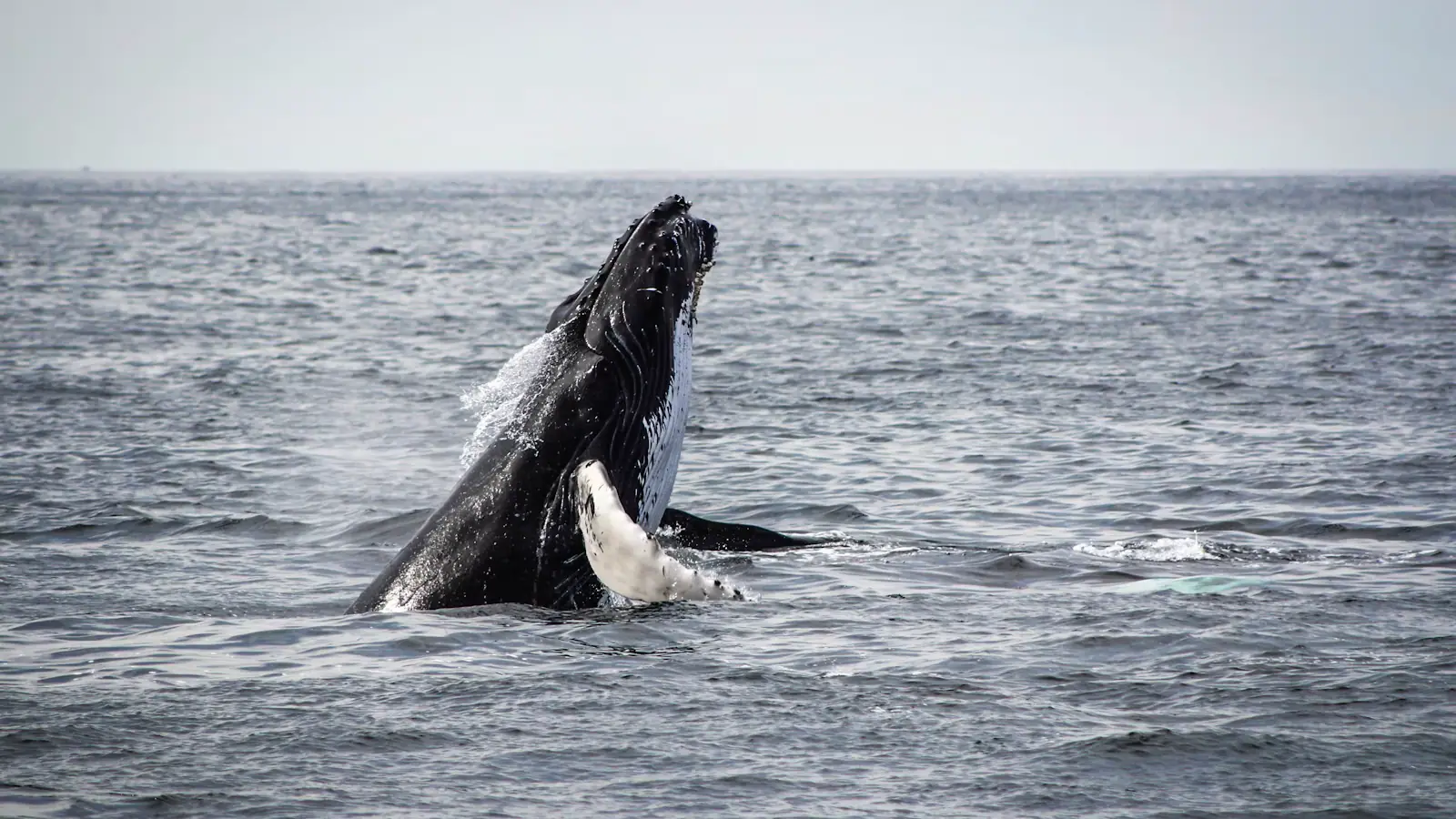
| Humpback whale | 100 yards in the water | 1,000 feet for aircraft and drones. Federal law, enforced |
| Spinner dolphins | Do not approach | They rest in shallow bays during the day; approaching them is regulated |
Honu haul out on Maui beaches to rest, and Hoʻokipa Beach Park sees them come ashore in numbers most afternoons. A resting turtle is not asleep in the way you assume, and a crowd forming a semicircle around one keeps it from returning to the water. Watch from the overlook, keep dogs away, and leave a clear path to the sea.
Monk seals are among the most endangered marine mammals in the world and there are only a few thousand of them. A seal on the sand is doing exactly what it should be doing. Volunteers rope off pupping sites; do not cross the tape for a photograph.
In the water
Do not stand on coral. This is the single most damaging thing visitors do here. Coral is a colony of living animals that grows a few centimetres a year, a fin kick or a footprint can undo a decade, and the cut it gives you will take weeks to heal. If you cannot swim over it without touching, you are in water that is too shallow for you.
Do not feed the fish. Bread and frozen peas change feeding behaviour, concentrate fish unnaturally and damage the reef's balance. It is prohibited in marine life conservation districts and discouraged everywhere else.
Do not chase anything. An octopus that has been photographed twelve times in a morning is a stressed animal. If a fish moves away, let it.
Take nothing. Live shells, coral fragments, urchins and sea stars all stay where they are. Removing sand and rock from Hawaiian beaches is also restricted by state law, quite apart from the cultural objection to it.
On the sand and the road
Carry out everything you carried in, including the fruit peel. Maui's leeward beaches have no bins at many access points by design.
Do not build rock stacks. Stacked stones are a form of ahu, a marker with cultural and sometimes religious meaning in Hawaiʻi, and tourist cairns both mislead and offend. They also strip habitat from under the rocks.
Park in marked spaces. Along the Hāna road and at the small west-side beaches, the verge outside a house is often the only place a resident can park.
Do not walk off the trail at the coastal sites and in the national park. At Haleakalā, the roots of ʻāhinahina, the silversword, sit just under the surface, and a single step near one can kill a plant that has been growing for decades.
Water, because it is the other reef
Maui is in a chronic water shortage. The county declared conservation stages across Upcountry, Central and South Maui well before the dry months in recent years, and a new conservation ordinance took effect in March 2026 restricting when potable water may be used for irrigation, applying to hotels and lodging as well as homes.
Shorter showers and reusing towels are small things, but the arithmetic on an island where thousands of visitors are on the system at once is not small. It is also the single most frequently mentioned request from Maui residents when they are asked what visitors should do differently.
What to put in the bag before you fly
A mineral sunscreen with zinc oxide or titanium dioxide as the only active ingredient, SPF 30 or higher, in the quantity a week actually consumes. Check the active ingredients panel on the back rather than trusting a reef claim on the front.
A tinted mineral product if the white cast bothers you, and a mineral stick for faces, ears and the tops of feet, which are the three places people burn.
A long-sleeved rash vest per person. It removes most of the reapplication problem and it protects you on the reef.
A wide-brimmed hat and polarised sunglasses. UV at this latitude runs to the top of the index by mid-morning for most of the year, and at the Haleakalā summit it is stronger still.
Reef shoes for the lava entries at Honolua, Black Rock, Olowalu and most of the west-side points.
A refillable water bottle. Maui's tap water is drinkable, and single-use plastic on a beach here has a short walk to the ocean.
Aloe or after-sun. Everyone gets caught once.
The hazards that actually put people in hospital
Shorebreak. Mākena, also called Big Beach, has consistently led Hawaiʻi for spinal injuries, and the mechanism is always the same: a wave picks a standing adult up and drives them head first into a steep sand shelf. Baldwin and parts of Kāʻanapali do it too on the right swell. Do not turn your back on the ocean at a steep beach, and do not body surf a dumping wave.
Snorkel drownings. Hawaiʻi has a persistent and well-documented problem here, disproportionately affecting visitors in their fifties and older, early in a trip, often on a first snorkel in years. Use a flotation vest if you are not a strong swimmer, test your mask in shallow water first, and never snorkel alone.
Rip currents. If you are being carried out, do not swim against it. Swim parallel to the beach until you are out of the pull, then in.
Fresh water. Streams and waterfall pools on the windward side rise very fast when rain falls upslope, and leptospirosis is present in Hawaiian fresh water. Do not enter brown or debris-carrying water, keep your head up, and keep cuts out.
Box jellyfish arrive on some south-facing beaches roughly eight to ten days after a full moon. Lifeguards post warnings; take them seriously.
When a lifeguard tower is flying a warning flag, the answer is not to try a different section of the same beach.
Last updated
Opening hours, ordinances and prices move with the season. We re-check this guide rather than rewrite it, and the date above is the last time someone did. How we research and correct.