Involves Animals
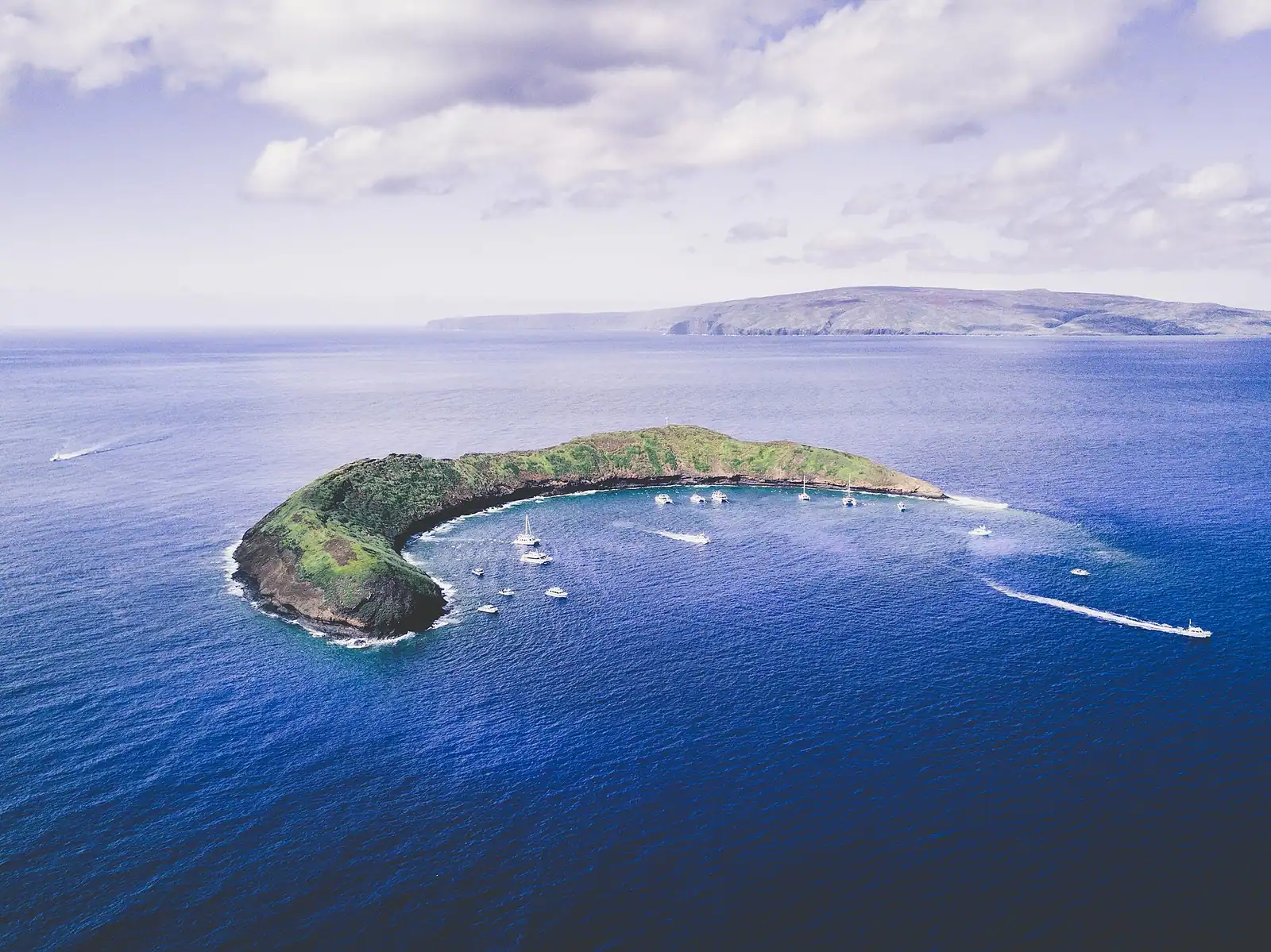
Maui: Molokini and Turtles Luxury Yacht Snorkel (opens in a new tab)
We are a family-owned Maui company with over 40 years of experience on Hawaiian waters. Our expert Captains and crew bring decades of…
5 hours
Prices checked
Nature preserve
Last updated
A protected bay with no sand, no restrooms and no lifeguard — and the best shore snorkelling in West Maui for half the year.
Photo: Jon Asato jon_asatoCC0
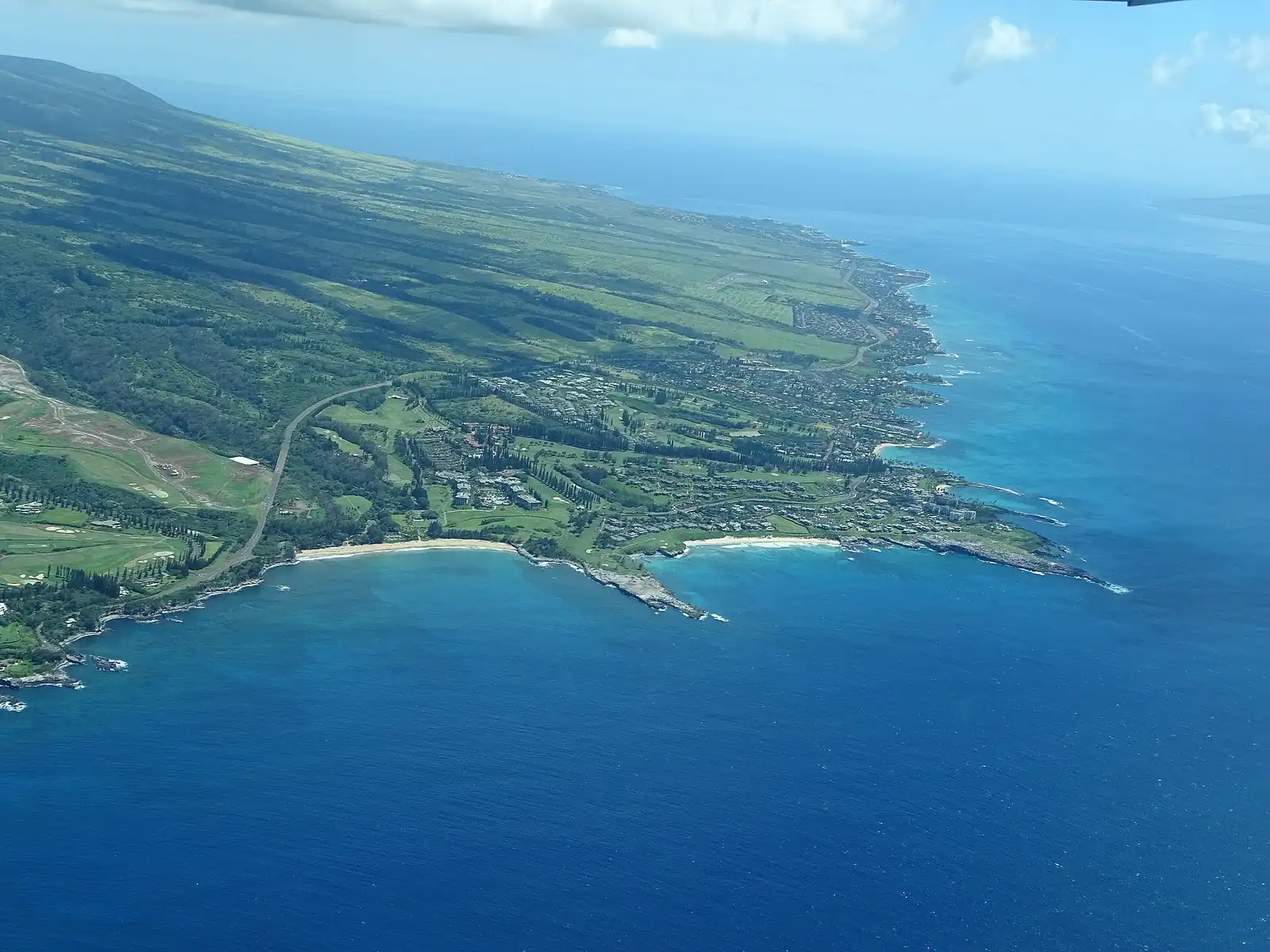
Honolua Bay is a narrow, steep-sided bay near the northern tip of West Maui, past Kapalua where Honoapiʻilani Highway starts to narrow and wind. Since 1978 it has been protected, with neighbouring Mokulēʻia Bay, as the Honolua-Mokulēʻia Bay Marine Life Conservation District: no fishing, no taking of anything living or dead, no damaging the reef. Four and a half decades of that protection is why the fish here are the size they are.
Understand two things before you commit a morning to it.
The first is that this is not a beach. The shoreline is rounded boulders and cobble, often slick, and you enter by picking your way over them into the water. There is a concrete boat ramp remnant at the back of the bay that most people use as the easiest entry point. Reef shoes are close to essential. There is no sand to lie on, no shade at the water's edge beyond what the cliffs give you early in the day, and absolutely no facilities — no restrooms, no showers, no drinking water, no lifeguard, no bins.
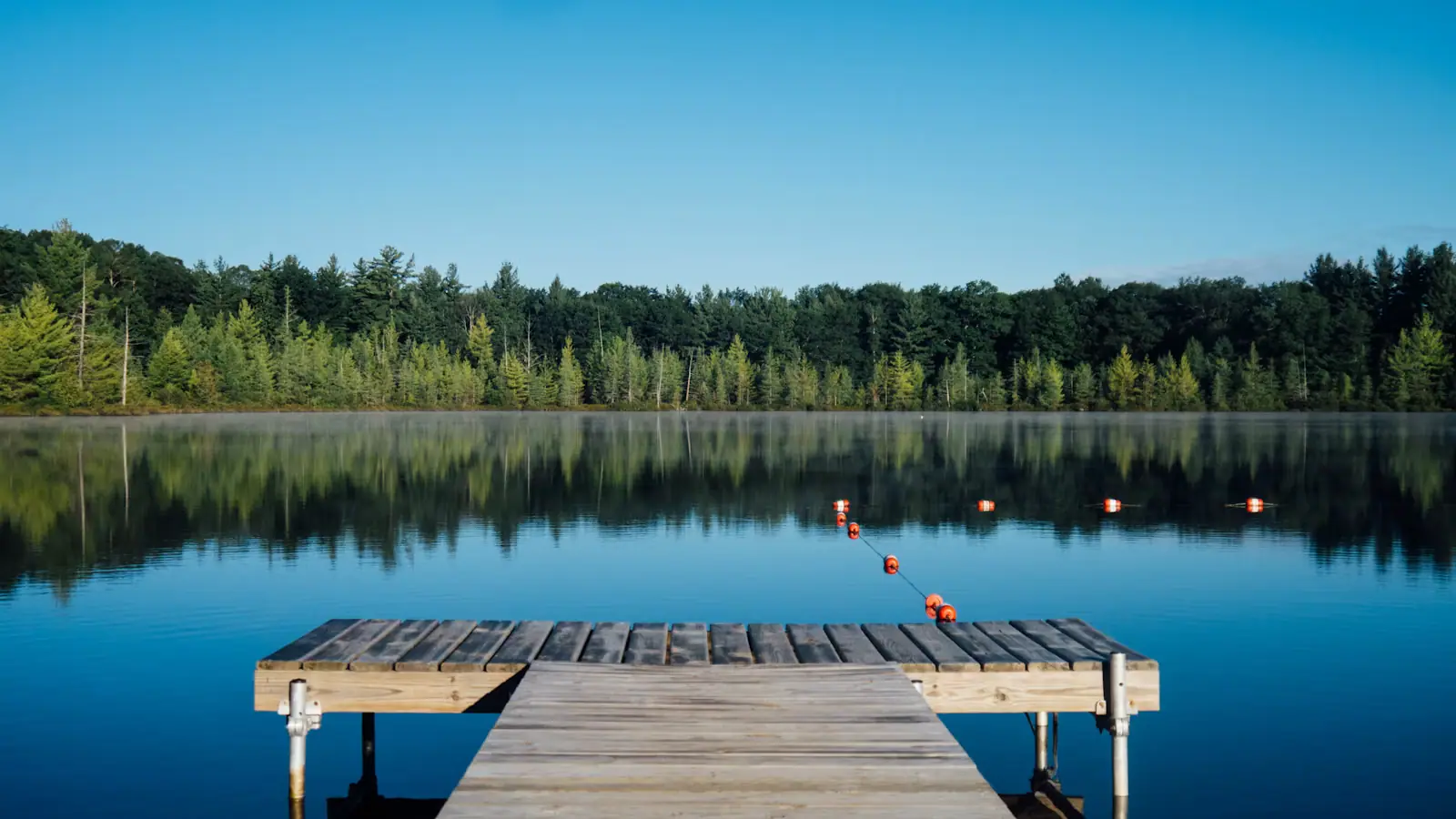
The second is that Honolua has two seasons that share nothing but a name. From roughly May to September the north swell shuts down, the bay goes glassy and the snorkelling is the best you can get from shore anywhere in West Maui: coral shelves along both walls, big schools, turtles, and visibility that on a good morning runs to forty or fifty feet. From roughly October to April the same bay becomes one of the finest right-hand point breaks on earth, a wave surfers travel across the world for, and the water is no place for a snorkeller. Do not get in when there are surfers out. That is a safety matter and an etiquette one.
The third variable is rain. Honolua Stream empties into the back of the bay, and after heavy rain up in the West Maui mountains the water goes brown with runoff and the visibility is finished for a day or two. If it rained hard overnight, go to Kapalua Bay instead.
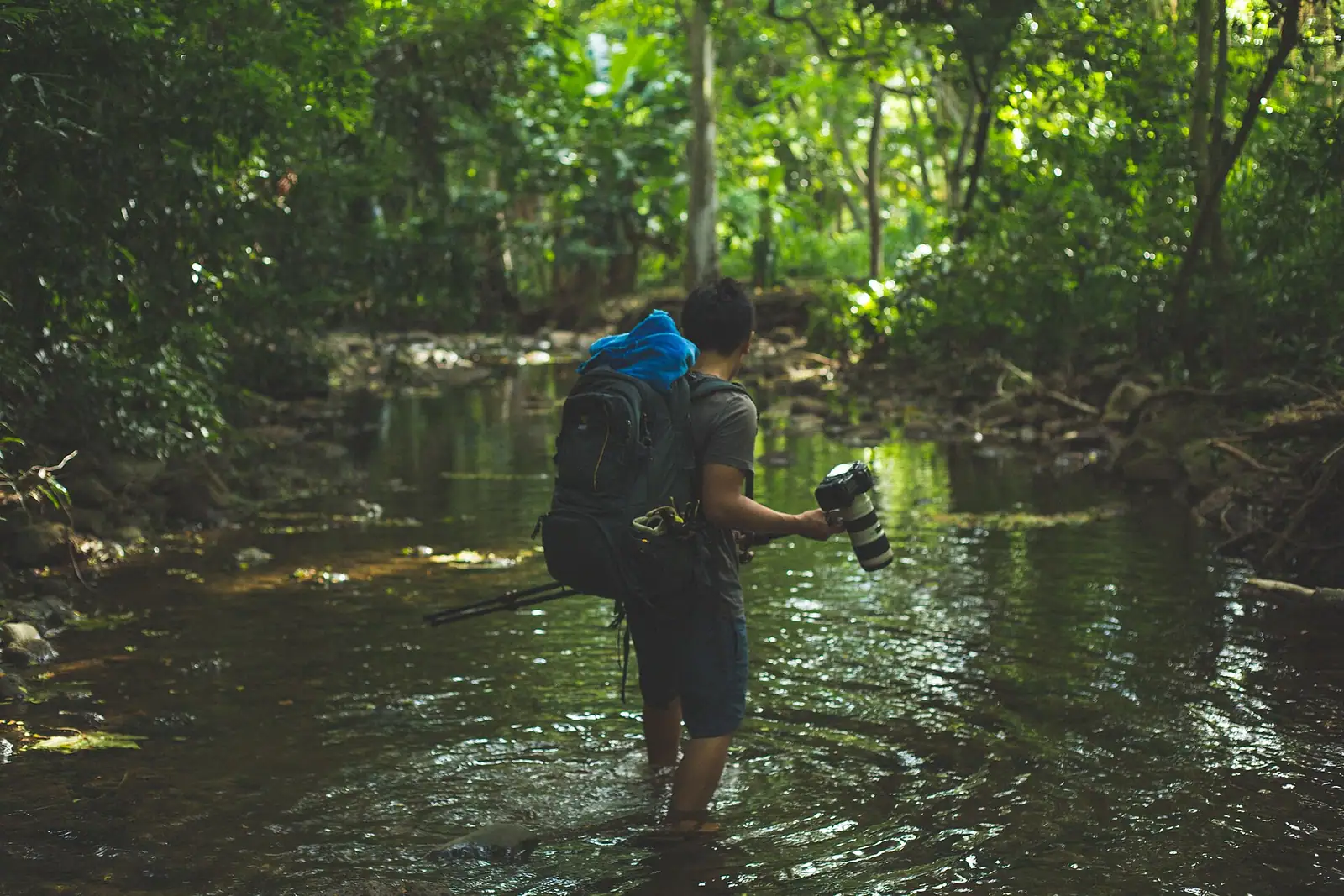
Access is over private land by long-standing arrangement, through a shaded streambed forest that is genuinely lovely. Treat it accordingly.
Follow Honoapiʻilani Highway (Route 30) north past Kapalua and D.T. Fleming Beach Park. The road narrows and starts to wind; Honolua Bay is around mile marker 32, roughly ten minutes past Kapalua and a little over an hour from Kahului Airport.
Coming from Kahului, use the Lahaina Bypass around Lahaina town rather than driving through the burn zone, which Maui County and West Maui residents have asked visitors to avoid.
There is no car park. Park on the dirt shoulders and pullouts near the mile marker, clear of the carriageway and clear of gates. From there a five-minute trail drops through streambed forest to the back of the bay; the footing is roots and dirt and is muddy after rain.
Note the highway beyond Honolua narrows further towards Kahakuloa and the Nākālele blowhole. Some rental agreements have historically discouraged that section; it is paved but tight and slow.
There is no official car park at Honolua Bay. Parking is on the dirt shoulders and in the small pullouts along Honoapiʻilani Highway near mile marker 32, and the usable spaces fill early — often before nine in summer, earlier on a flat, clear morning.
From the pullouts a short trail drops through a dense, shaded streambed forest to the back of the bay. It takes about five minutes. The footing is dirt, exposed roots and, after rain, slick mud. Wear shoes. This is not a walk to do in jandals with an armful of gear.
Several practical points that matter more here than at a county park:
Arrangements at the access have changed before and could change again. If you find signage saying something different from this page, the signage wins.
Summer mornings are the window, and the earlier the better — wind and boat traffic both build through the day.
Enter at the concrete ramp at the back of the bay, which is the least painful way over the cobble, and then choose a wall. The right-hand (north-east) side has the more developed coral and is the usual answer, with shelves stepping down into deeper water and good numbers of butterflyfish, parrotfish, uhu and the occasional eagle ray. The left-hand (south-west) side is shallower and rockier, often with turtles grazing close in. Both walls hold more fish as you get out towards the mouth; so does the current.
Practical notes:
Visibility is the make-or-break. Clear, flat, no recent rain, before ten: exceptional. Any of those missing: go to Kapalua.
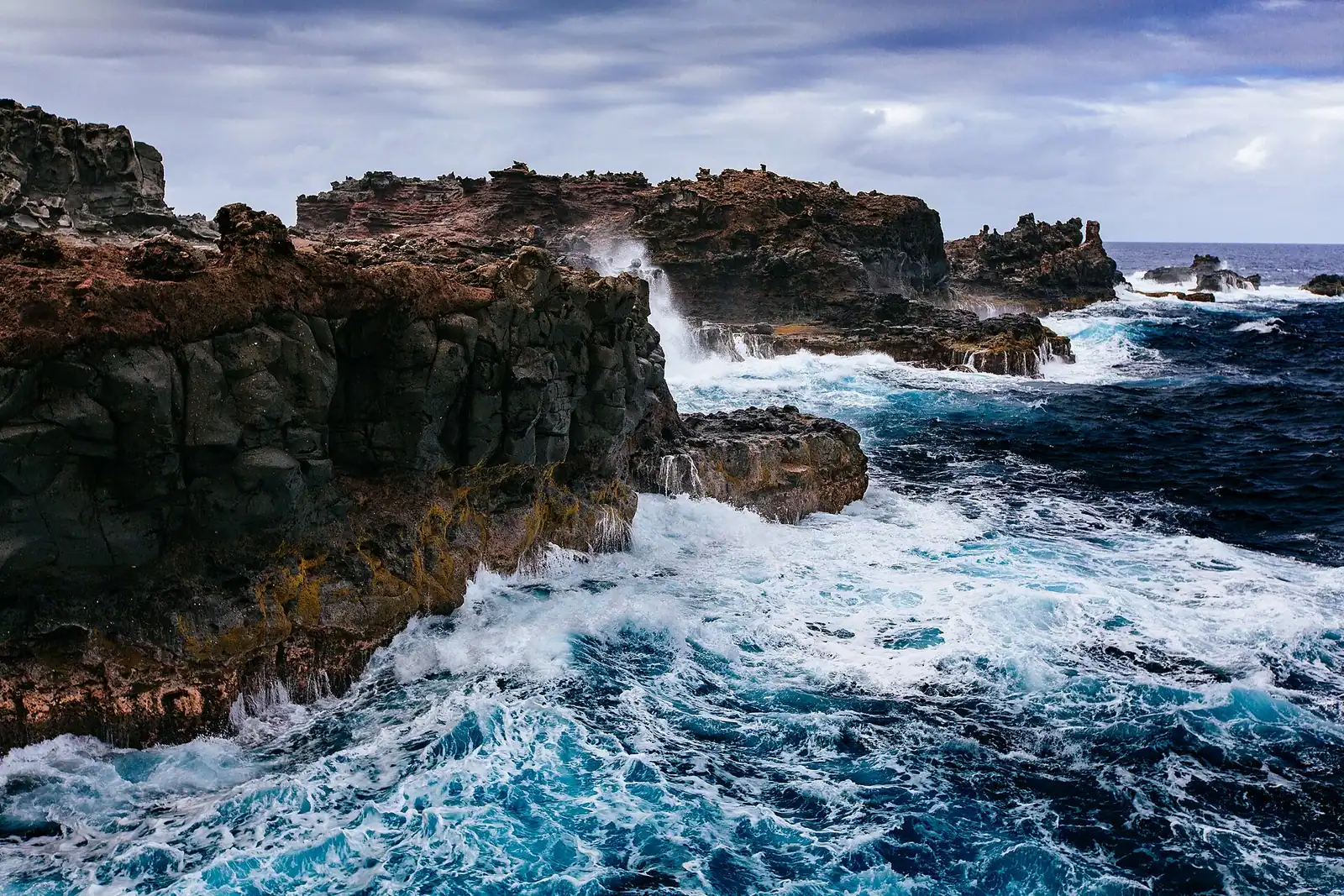
From about October through April, north and north-west swells wrap into Honolua and produce a long, fast right-hander that peels down the point past the cliffs. It is one of the most celebrated waves in Hawaiʻi and it has been a fixture of the professional surfing calendar; when it is working, the pullouts fill with people who have come only to watch.
For a visitor, the winter proposition is simple. Watch, do not swim. The clifftop above the point, reached from the pullouts along the highway, gives a clean view down the line, and on a solid day it is worth the drive for that alone. The water is for experienced surfers and the crowd is heavy and local.
Snorkelling in winter is off the table on any day with swell, and the days without swell are unpredictable. If snorkelling Honolua is the reason you are on this coast, come between May and September and check the surf forecast the night before anyway.
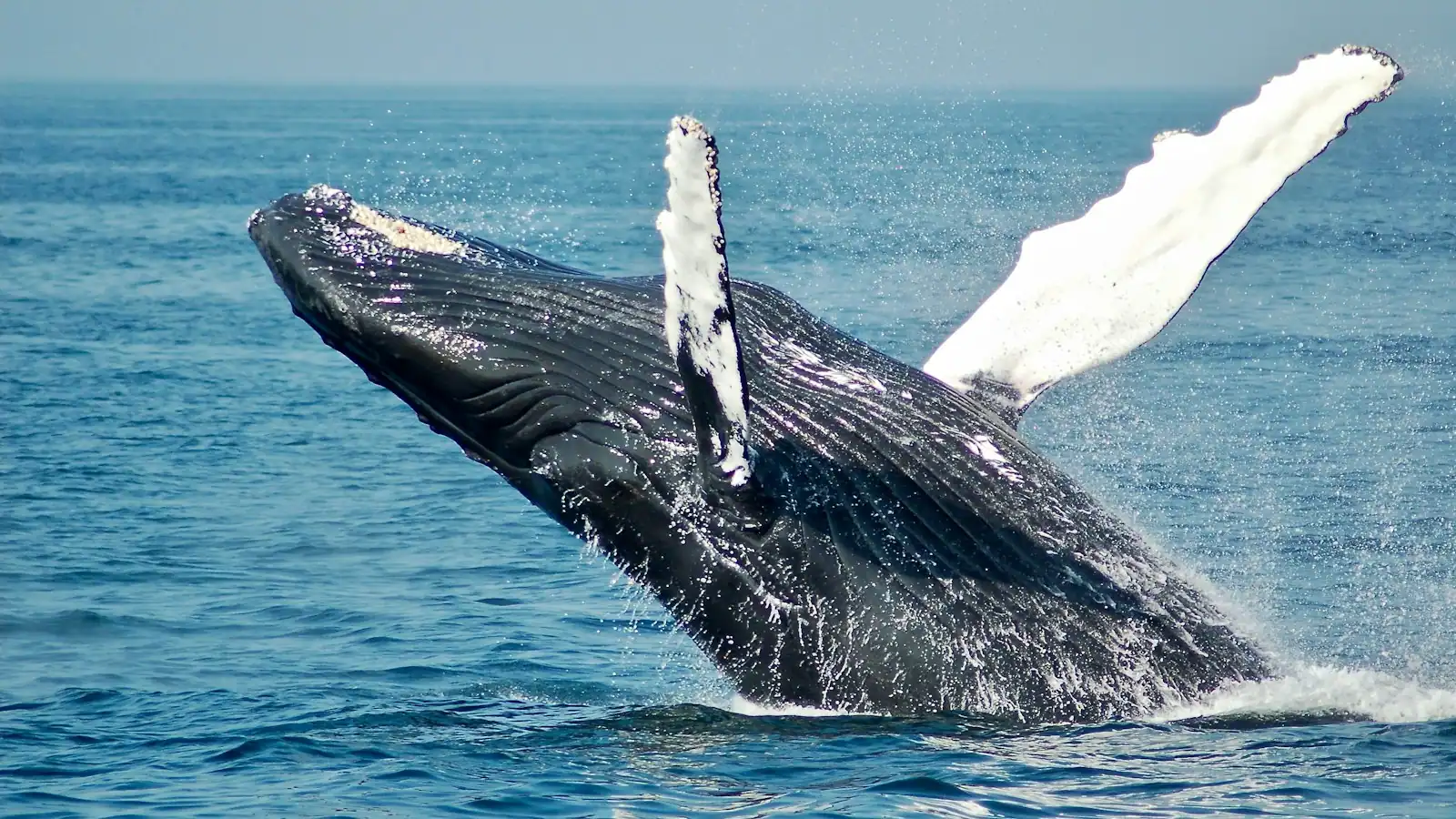
One more thing the winter brings: humpbacks. The channel off this headland, between Maui, Molokaʻi and Lānaʻi, is dense with them from roughly December to April, and the clifftop above Honolua is one of the best free whale-watching positions in West Maui.
The Honolua-Mokulēʻia Bay Marine Life Conservation District was established in 1978 and covers both bays and the headland between them. Inside it, fishing is prohibited, and so is taking or damaging any marine life, coral, rock or sand — living or dead. The rules are enforced by the Department of Land and Natural Resources.
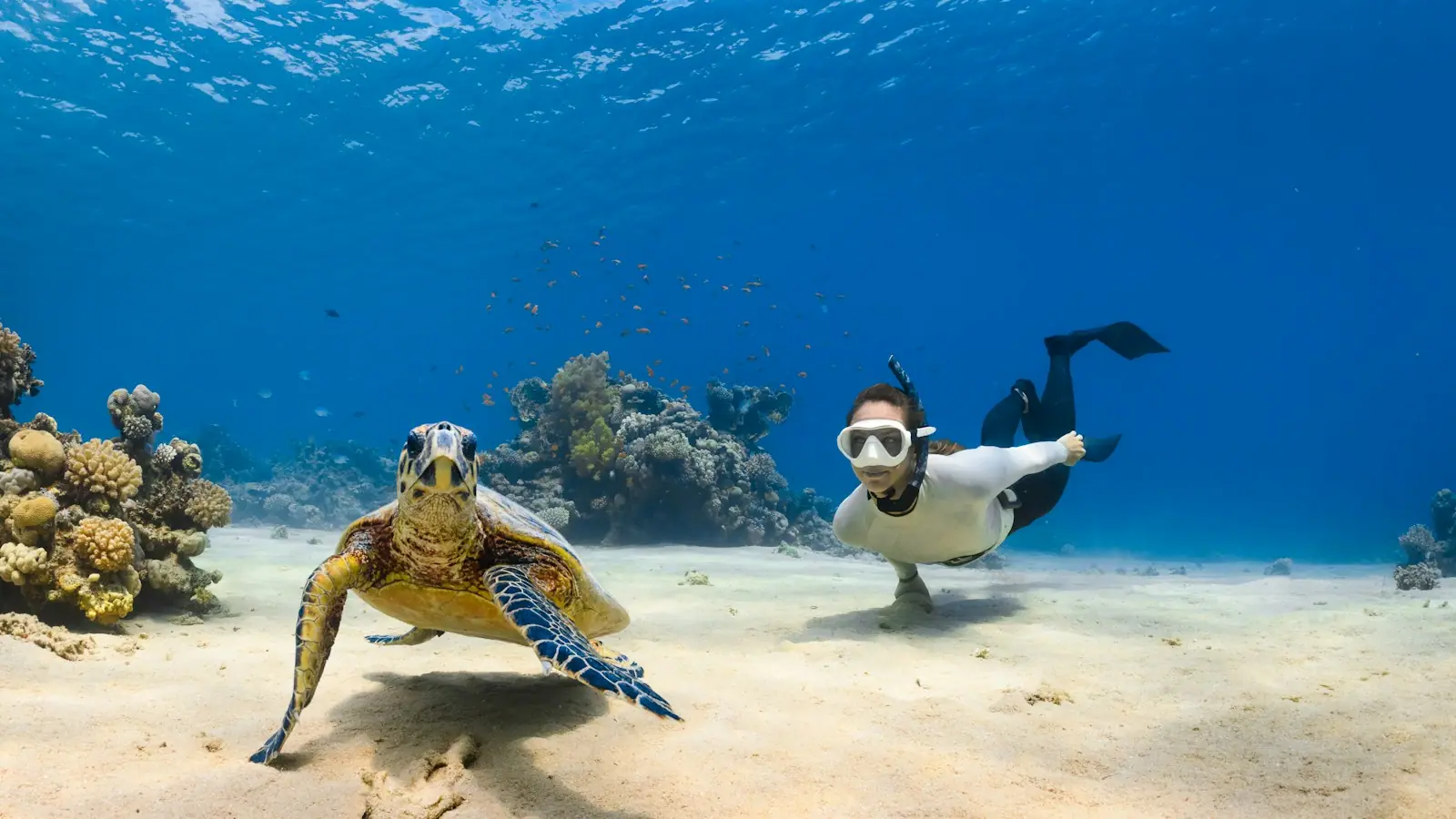
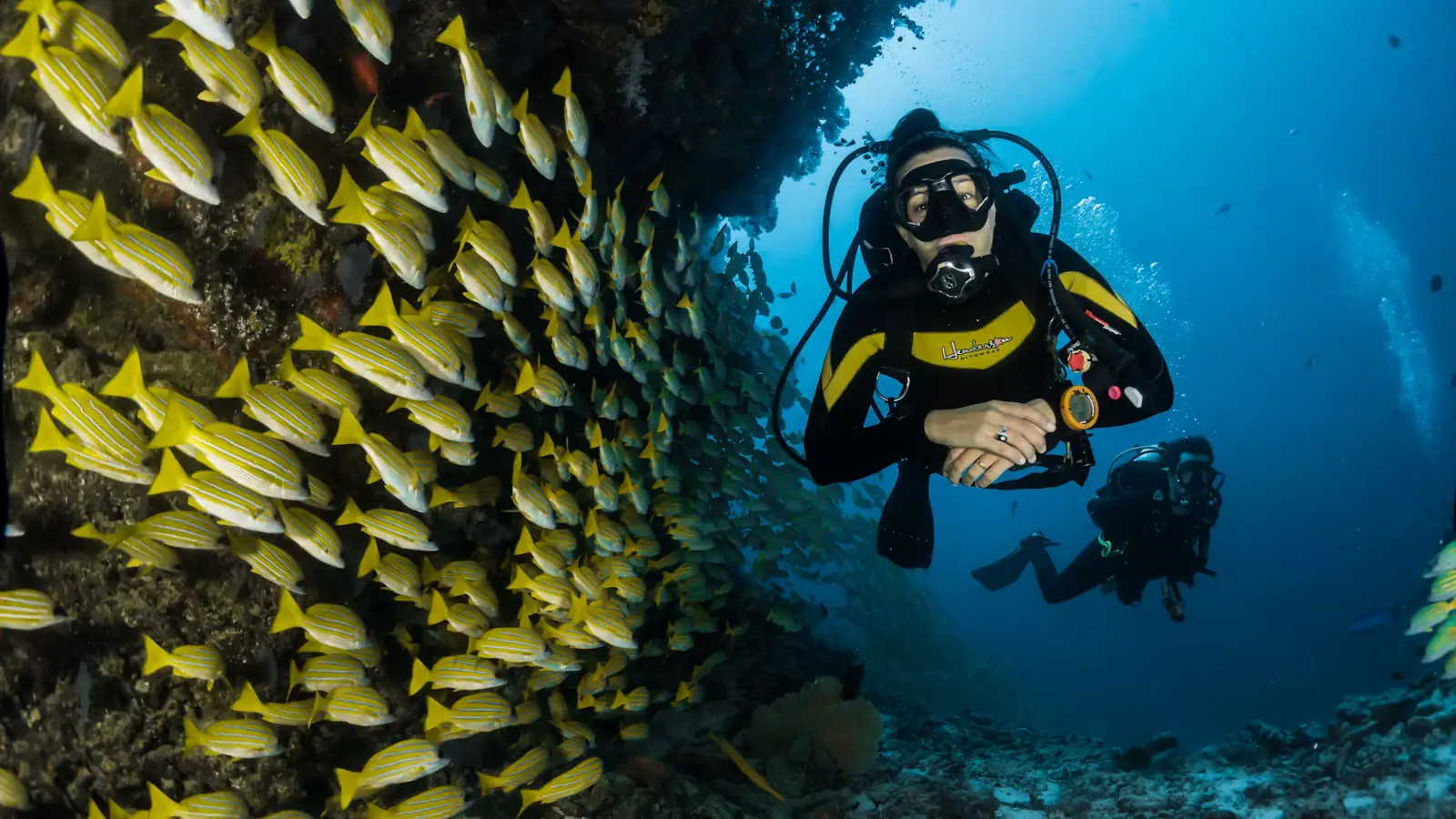
What that produces is visible in about ninety seconds in the water. Fish are bigger and far less skittish than on unprotected reef, because nothing here has been spear-fished in nearly fifty years. Uhu, the parrotfish that crunch coral into sand, are unusually large. Turtles are habituated enough that they will continue grazing while you hover ten feet away, which is exactly where you should stay.
The bay has also been the focus of long-running community effort over runoff, erosion and unmanaged access from the land side. Sediment from the slopes above is a real threat to the coral here, and heavy rain visibly browns the water. Nothing a visitor does fixes that, but staying on the trail, off the coral and out of the stream margins is not nothing.
Treat Honolua as somewhere you have been allowed into rather than somewhere you have bought a ticket to.
Operators run these trips past Honolua, or stop there as part of a longer route. We list what the booking data supports — not everything that mentions the name.
Booking through these earns us a commission from Viator. You pay the same, and payment did not decide what is listed.

Involves Animals
We are a family-owned Maui company with over 40 years of experience on Hawaiian waters. Our expert Captains and crew bring decades of…
5 hours
Prices checked

Short term availability
Your West Maui Snorkel adventure departs from Kaanapali Beach. Along the way keep your eyes open for Hawaiian spinner dolphins, bottle…
4 hours
Prices checked

Nature and Wildlife Tours
Trip Highlights - 15 minute boat ride to Molokini - Snorkel the crystal clear waters of Molokini crater, Maui's 1st Snorkeling destination…
2 hours
Prices checked

Low Supplier Cancellation Rate
You’ll have the chance to drive, or simply be a passenger in one of today’s most advanced 4 seater off-road vehicles, the Canam sport max…
2 hours
Prices checked

Low Last Minute Supplier Cancellation Rate
Sea Maui’s Sunset Dinner Cruise is our premium dining & Sunset experience. Leave behind the hustle and bustle of the land when you're…
2–3 hours
Prices checked

Excellent Quality
All riders must be 36 inches or taller to participate/ride submarine. Dive 100 feet below the surface and experience Maui’s marine…
2 hours
Prices checked

Sustainable Tours
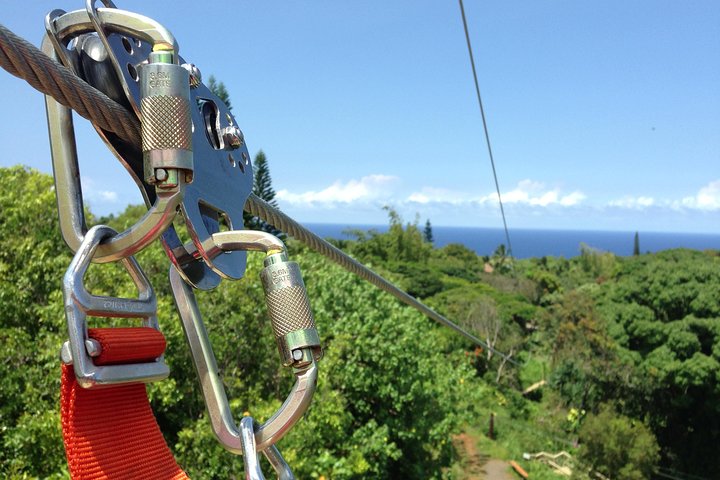
THIS IS A 8 LINES TOUR - JUNGLE ADVENTURE This adventure with Jungle Ziplines Maui includes eight amazing Ziplines, three tree platforms…
2 hours
Prices checked

Day Trips
Live the real Maui experience on the Road to Hana with our expert guides! Immerse yourself in the beauty of the spectacular Hana…
Full day
Prices checked
Straight-line distances, so allow more on the road — the island is long and has one main parkway.

Beach
A crescent held between two lava headlands, calm on days the rest of West Maui is blown out — with about forty parking stalls.
1.5–4 hoursFree, including the public beach access car park.2.1 mi away

Beach
A quiet condo-fronted crescent with turtles on both rocky sides, no facilities, and street parking that is gone before seven.
1.5–4 hoursFree. Shoreline access is public; there is simply very little parking and no county facilities.2.3 mi away

Beach
Three miles of public sand, a lava headland called Puʻu Kekaʻa, and free beach parking the resorts are legally required to keep.
2–7 hoursFree. Public beach access and the mandated resort stalls cost nothing; Whalers Village charges for parking with validation.7.2 mi away

Water feature
A lava vent on Maui's northernmost point that fires seawater skyward — and a place where standing in the wrong spot has killed people.
0.5–1.5 hoursFree. No entrance fee and no parking charge.3.3 mi away
Where this place fits into a day, and the pages that plan one.

Guide hub
Every beach on Maui is public. Hawaiʻi law puts the shoreline below the upper reach of the waves in public trust, and coastal landowners, including…

Things to do
Maui has reef on three sides and each side has a different season. That single sentence explains most of the disappointment visitors report about…

Things to do
The stretch of water between Maui, Lānaʻi, Molokaʻi and Kahoʻolawe is the reason humpback whales are the thing Maui is best at. That basin, Maui…

Budget
Maui has the most expensive activity market in this network and one of the better free ones, which is a stranger combination than it sounds. The…

Things to do
Maui dives better than its reputation suggests, and the reason is volcanic. The island's leeward coast is young lava that fell into deep water, so…

Guide
The trade winds decide this, not the guidebooks. Almost every good snorkelling site on Maui is excellent at eight in the morning and mediocre by two in the afternoon.
10 min readDana Whitfield

Guide
Maui County's rule is stricter than the state's: mineral only, no prescription, no exceptions. Most visitors arrive with a bag of sunscreen they should not be using here.
9 min readDana Whitfield
In summer it is the best shore snorkelling in West Maui. From roughly May to September the north swell shuts down, the bay goes flat and visibility can reach forty or fifty feet over coral shelves that have been protected since 1978. Fish are large and unbothered because the bay is a Marine Life Conservation District where nothing may be taken. From October to April it is a surf break and not a snorkelling site, and after heavy rain stream runoff browns the water for a day or two.
On the dirt shoulders and pullouts along Honoapiʻilani Highway near mile marker 32. There is no official car park, no charge and no attendant. The usable spaces fill early, often before nine on a calm summer morning. Park clear of the carriageway and away from gates and driveways, because this is a narrow road with blind bends and badly parked cars have caused real problems locally. Break-ins have been a persistent issue, so leave nothing in the vehicle.
No. The shoreline is rounded boulders and cobble, frequently slick, and you get into the water by picking your way over them or using the remains of the old concrete boat ramp at the back of the bay. There is no sand to sit on, no shade at the water's edge, no restrooms, no showers, no drinking water and no lifeguard. Bring reef shoes or an old pair of trainers, and bring out everything you bring in.
You should not. From about October through April, north and north-west swells turn Honolua into a long right-hand point break that experienced surfers travel the world for, and the water is theirs. Getting in as a snorkeller when there is swell running is both dangerous and a serious breach of etiquette. Use the clifftop pullouts above the point to watch instead, which in whale season also makes this one of the better free vantage points in West Maui.
Yes, and specifically mineral sunscreen. Maui County Ordinance 5306 has prohibited the sale, distribution and use of non-mineral sunscreen without a prescription since October 2022, so zinc oxide and titanium dioxide are the only permitted active ingredients; that goes further than Hawaiʻi's statewide ban on oxybenzone and octinoxate. In a marine conservation district with coral this close to the surface it is not a formality. Check the label before you leave home.