Involves Animals
Maui: Molokini and Turtles Luxury Yacht Snorkel (opens in a new tab)
We are a family-owned Maui company with over 40 years of experience on Hawaiian waters. Our expert Captains and crew bring decades of…
5 hours
Prices checked
Water feature
Last updated
A lava vent on Maui's northernmost point that fires seawater skyward — and a place where standing in the wrong spot has killed people.
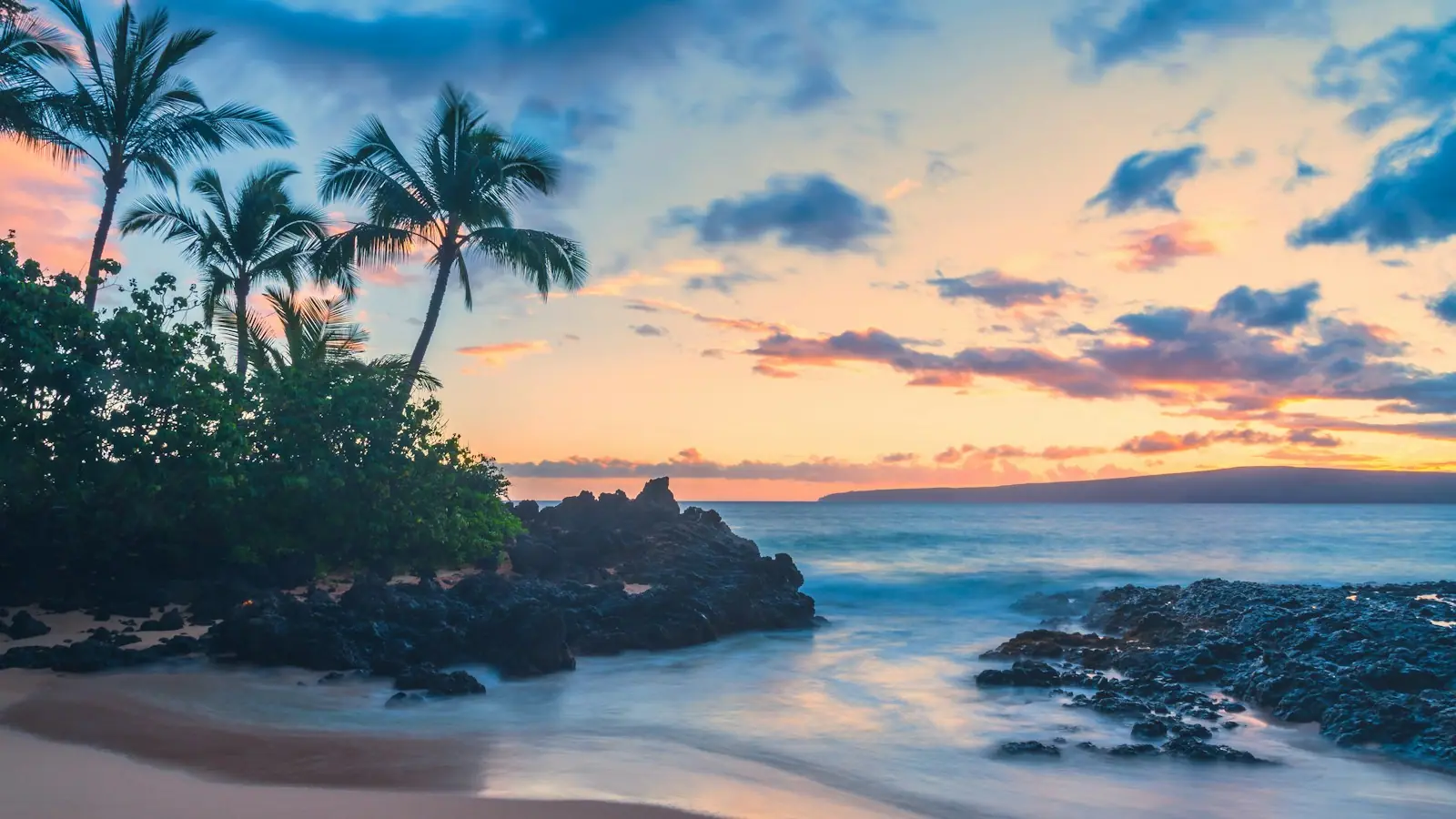
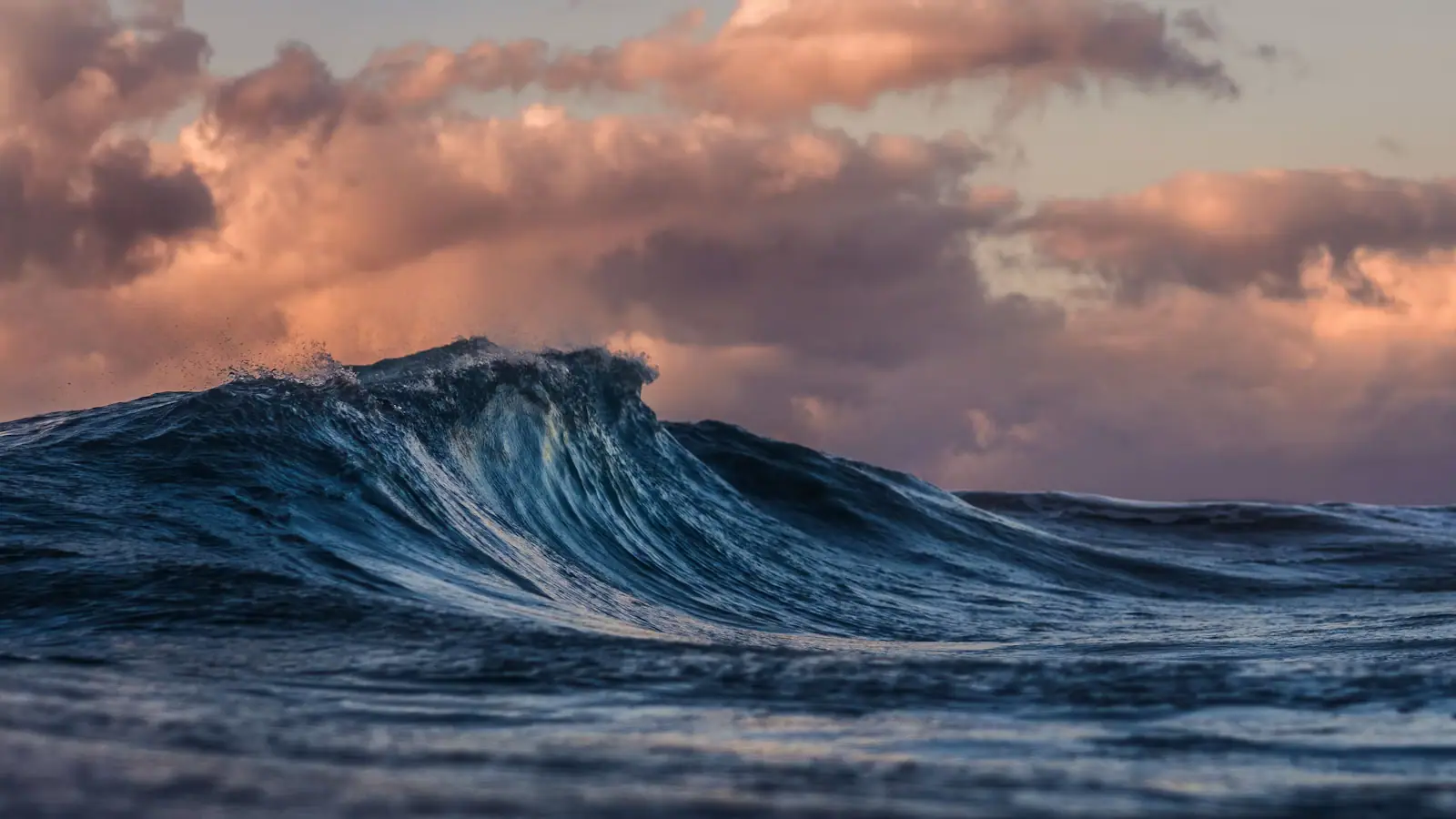
Photo: Anton Repponen repponenCC0
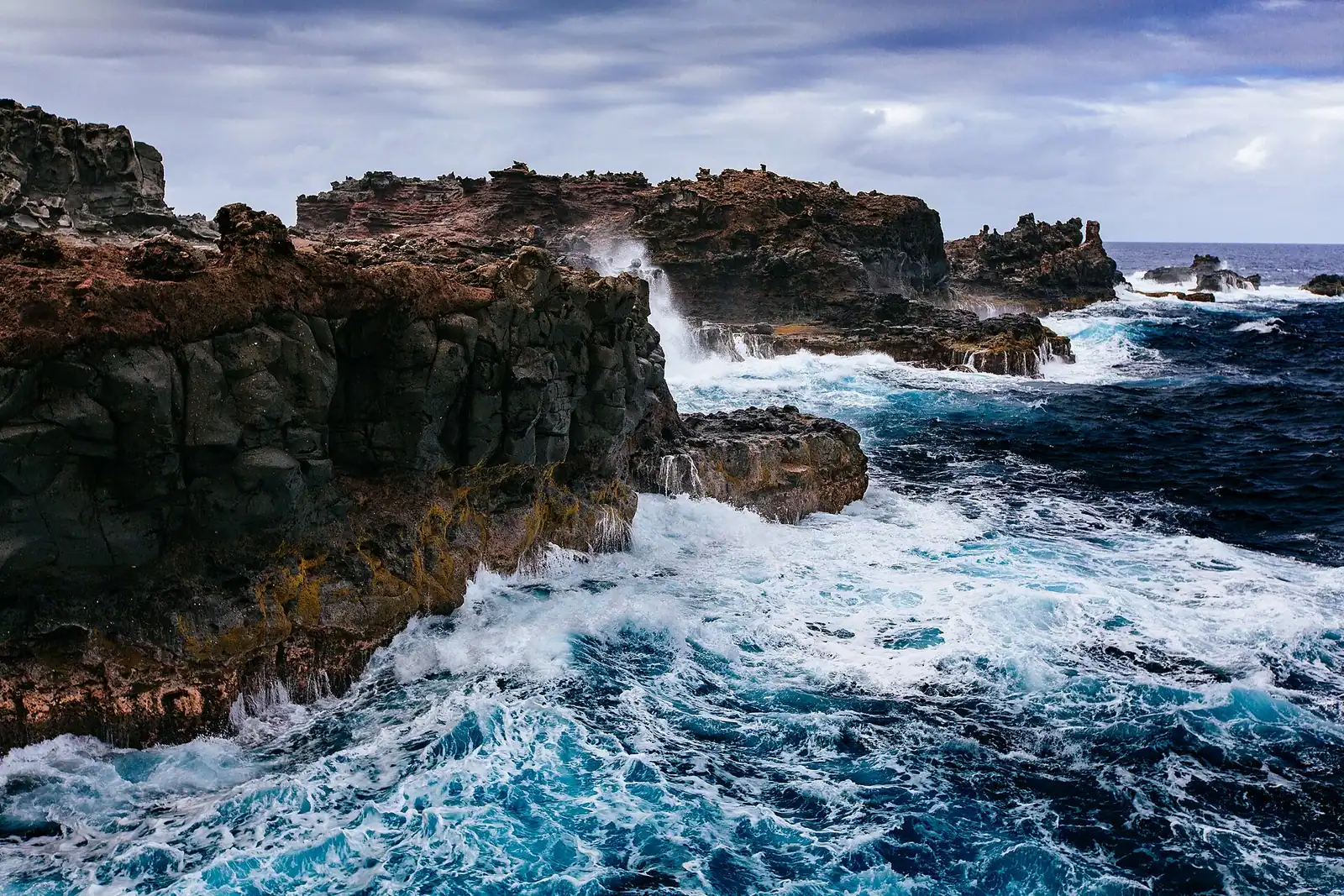
Nākālele is the blunt northern tip of Maui, where the West Maui Mountains run out into a shelf of black, broken lava and the open ocean arrives with nothing in front of it. Water forces into a sea cave under the shelf, compresses, and escapes through a hole in the rock above. On the right swell and the right stage of tide the spout goes up dozens of feet with a sound you feel through your feet.
On the wrong swell it does almost nothing, which is worth knowing before you drive an hour. The blowhole needs energy. A decent north or northwest swell — most reliable in winter — plus a rising or high tide will usually produce a show. A flat summer morning at low tide produces a damp hole.
Getting to it means leaving the car in a dirt pullout near mile marker 38 on the Honoapiʻilani Highway and walking down. From the cliff edge above you can see the spout perfectly well and safely. The path to the shelf itself is a quarter mile of loose cinder and rock, steep in the middle section, slick where spray lands, and has no handrail, no steps and no maintenance. Coming back up takes longer than going down.
The shelf around the vent is where the trouble happens. The rock is undercut and constantly wet, the spray is saltwater at pressure, and the ocean here does not run on a schedule — a set wave two or three times the size of the ones before it can arrive with no warning. People have been swept off this shelf and killed. Others have fallen through thin rock or broken bones on the descent. The county has posted warning signs, and every one of them is there because of an incident.
The honest recommendation: watch from the top, walk down only in calm conditions with proper shoes, and never stand between the vent and the sea.
Drive north on the Honoapiʻilani Highway (Route 30) past Kapalua and keep going as the road narrows and the resorts end. The dirt pullouts are on the ocean side around mile markers 38 and 38.5 and are unmarked — watch the mile markers rather than looking for a sign.
Allow about 25 minutes from Kapalua, 35 to 40 from Kāʻanapali, and roughly an hour and a half from Kīhei. There is no public transport and no shuttle.
Parking is free, unpaved, uneven and limited to a handful of cars per pullout. Do not block the highway, and do not leave anything visible in the car — remote pullouts on Maui are a known target for break-ins.
Past Nākālele the road becomes the single-lane Kahekili Highway. Turning round here is the normal plan.
Nākālele is not a viewing platform with a railing. It is an unmanaged lava shelf on an exposed coast.
If the ocean looks big, look from the top and drive on. The view from the cliff is genuinely good, and nothing on the shelf is worth the risk on a heavy day.
Two variables decide whether you see anything: swell and tide.
Swell. The vent is driven by wave energy hitting the north-facing shelf. Winter, roughly November to March, brings the large north and northwest swells that make it perform, and that is when the biggest spouts happen. Summer can still work on a decent north pulse, but flat weeks are common.
Tide. A rising or high tide pushes more water into the cave and produces a taller, more frequent spout. Low tide drops the performance sharply. A tide table is more useful here than a weather forecast.
Time of day matters less, but morning is calmer for the walk and the light comes from behind you. By afternoon the trade winds are usually up, which makes the cliff edge unpleasant and blows spray into your lens.
One consequence of all this that visitors underestimate: the same conditions that make the blowhole spectacular are the conditions that make the shelf lethal. Big winter swell means a great photograph from the top and a genuinely dangerous place to stand at the bottom. Treat a big day as a cliff-top day.
Parking is a set of dirt pullouts on the makai side of the Honoapiʻilani Highway around mile markers 38 and 38.5. They are unmarked, uneven and can hold a handful of cars each. There are no facilities of any kind — no restrooms, no water, no shade, no bins.
There are two ways down. From the upper pullout, a short walk brings you to the cliff edge with a clear view down onto the vent; this is the safe option and takes ten minutes round trip. From the lower pullout, a quarter-mile path descends across the lava shelf towards the blowhole itself. Allow twenty minutes down and rather more back up.
On the way you cross an area of jagged, weathered lava that locals call the acid war zone, where salt spray has eaten the rock into something lunar. A separate short scramble leads towards a much-photographed heart-shaped hole eroded in the rock. Both are on unmarked ground with no route markers; people get turned around here, and phone coverage is unreliable.
Take water. The shelf is black rock in full sun with zero shade, and it is considerably hotter down there than the car park suggests.
Nākālele sits at the point where the West Maui coast road changes character. Coming from Kapalua the highway is normal two-lane road. Shortly past the blowhole it becomes Route 340, the Kahekili Highway, and narrows to a single lane in long stretches with blind corners, no guardrail, steep drops and one-lane bridges where you reverse to let someone pass.
It is paved, it is spectacular, and it is not a casual drive. Many rental agreements have historically discouraged or excluded it, so read your contract before you commit. Locals use it, delivery trucks use it, and they are not slowing down for a hesitant visitor.
Most people should treat Nākālele as a there-and-back trip from West Maui rather than the start of a loop. Drive out from Kāʻanapali or Kapalua — about 25 to 40 minutes depending where you start — see the blowhole, and return the way you came.
If you do continue, do it in daylight, in dry weather, with a full tank, and accept that the twenty miles round to Wailuku will take well over an hour.
Operators run these trips past Nākālele, or stop there as part of a longer route. We list what the booking data supports — not everything that mentions the name.
Booking through these earns us a commission from Viator. You pay the same, and payment did not decide what is listed.

Involves Animals
We are a family-owned Maui company with over 40 years of experience on Hawaiian waters. Our expert Captains and crew bring decades of…
5 hours
Prices checked

Short term availability
Your West Maui Snorkel adventure departs from Kaanapali Beach. Along the way keep your eyes open for Hawaiian spinner dolphins, bottle…
4 hours
Prices checked

Nature and Wildlife Tours
Trip Highlights - 15 minute boat ride to Molokini - Snorkel the crystal clear waters of Molokini crater, Maui's 1st Snorkeling destination…
2 hours
Prices checked

Low Supplier Cancellation Rate
You’ll have the chance to drive, or simply be a passenger in one of today’s most advanced 4 seater off-road vehicles, the Canam sport max…
2 hours
Prices checked

Low Last Minute Supplier Cancellation Rate
Sea Maui’s Sunset Dinner Cruise is our premium dining & Sunset experience. Leave behind the hustle and bustle of the land when you're…
2–3 hours
Prices checked

Excellent Quality
All riders must be 36 inches or taller to participate/ride submarine. Dive 100 feet below the surface and experience Maui’s marine…
2 hours
Prices checked

Sustainable Tours
THIS IS A 8 LINES TOUR - JUNGLE ADVENTURE This adventure with Jungle Ziplines Maui includes eight amazing Ziplines, three tree platforms…
2 hours
Prices checked

Day Trips
Live the real Maui experience on the Road to Hana with our expert guides! Immerse yourself in the beauty of the spectacular Hana…
Full day
Prices checked
Straight-line distances, so allow more on the road — the island is long and has one main parkway.

Nature preserve
A protected bay with no sand, no restrooms and no lifeguard — and the best shore snorkelling in West Maui for half the year.
1–3 hoursFree. No entry fee, no permit and no parking charge — and no facilities of any kind.3.3 mi away

Beach
A crescent held between two lava headlands, calm on days the rest of West Maui is blown out — with about forty parking stalls.
1.5–4 hoursFree, including the public beach access car park.5.4 mi away

Beach
A quiet condo-fronted crescent with turtles on both rocky sides, no facilities, and street parking that is gone before seven.
1.5–4 hoursFree. Shoreline access is public; there is simply very little parking and no county facilities.5.6 mi away

Beach
Three miles of public sand, a lava headland called Puʻu Kekaʻa, and free beach parking the resorts are legally required to keep.
2–7 hoursFree. Public beach access and the mandated resort stalls cost nothing; Whalers Village charges for parking with validation.9.9 mi away
Where this place fits into a day, and the pages that plan one.

Guide hub
Maui is two volcanoes joined by a low, windy isthmus, and almost every planning mistake visitors make comes from forgetting that. The western half…

Guide hub
Maui's attractions do not cluster. They are strung along a figure-eight island where the two halves are separate volcanoes and the connecting road…

Plan your trip
The short answer is that you need a rental car on Maui, and this page exists to explain the exceptions rather than to pretend there are many. The…

Budget
Maui has the most expensive activity market in this network and one of the better free ones, which is a stranger combination than it sounds. The…

Things to do
Maui gives you three separate hiking countries inside an hour and a half of driving, and they have almost nothing in common. Up at the top of…

Guide
Maui is bigger than the map suggests and three of its headline sites now need a reservation booked before you leave home. Get those two things right and the rest of the week arranges itself.
10 min readKealoha Nakamura

Guide
Almost everyone needs one. The island is 727 square miles with a volcano in the middle, and the public bus does not go to a single thing you flew here for.
10 min readKealoha Nakamura

Guide
Maui asks more of its visitors than most places, and it asks for specific things rather than good intentions. Here is what residents have actually said they want.
12 min readMarcus Reyes
Yes, genuinely. People have been swept off the lava shelf and killed here, and others have fallen through undercut rock or been injured on the loose descent. The dangerous ground is between the vent and the ocean — never stand there. The rock around the hole is thin and constantly wet, and set waves arrive without warning. The cliff-top view from the upper pullout is safe and shows the spout perfectly well.
A rising or high tide with a north or northwest swell running, which in practice means winter, roughly November through March. That combination pushes the most water into the sea cave and produces the tallest, most frequent spouts. Low tide on a flat summer morning can produce almost nothing. Go in the morning if you can — the walk is cooler and the trade winds have not yet picked up.
About a quarter of a mile each way from the lower pullout, but that understates it. The path is loose cinder and rock, steep in the middle, unmarked and slippery where spray lands. Twenty minutes down and rather longer back up is realistic. Closed shoes with grip are essential and there is no shade at any point. From the upper pullout, the cliff-top view takes ten minutes round trip.
Only unpaved roadside pullouts on the ocean side of Route 30 around mile markers 38 and 38.5. They are unmarked, uneven, hold a handful of cars each and have no facilities whatsoever. Watch the mile markers rather than looking for a sign. Remote pullouts on Maui are a known target for break-ins, so take valuables with you and leave nothing visible.
The road continues as Route 340, the Kahekili Highway, and eventually reaches Wailuku — but it narrows to a single lane with blind corners, unguarded drops and one-lane bridges where you may have to reverse. It is paved and locals drive it daily, yet many rental agreements have discouraged or excluded it. Most visitors should turn around at the blowhole and return the way they came.