Involves Animals
Maui: Molokini and Turtles Luxury Yacht Snorkel (opens in a new tab)
We are a family-owned Maui company with over 40 years of experience on Hawaiian waters. Our expert Captains and crew bring decades of…
5 hours
Prices checked
Beach
Last updated
Three miles of public sand, a lava headland called Puʻu Kekaʻa, and free beach parking the resorts are legally required to keep.
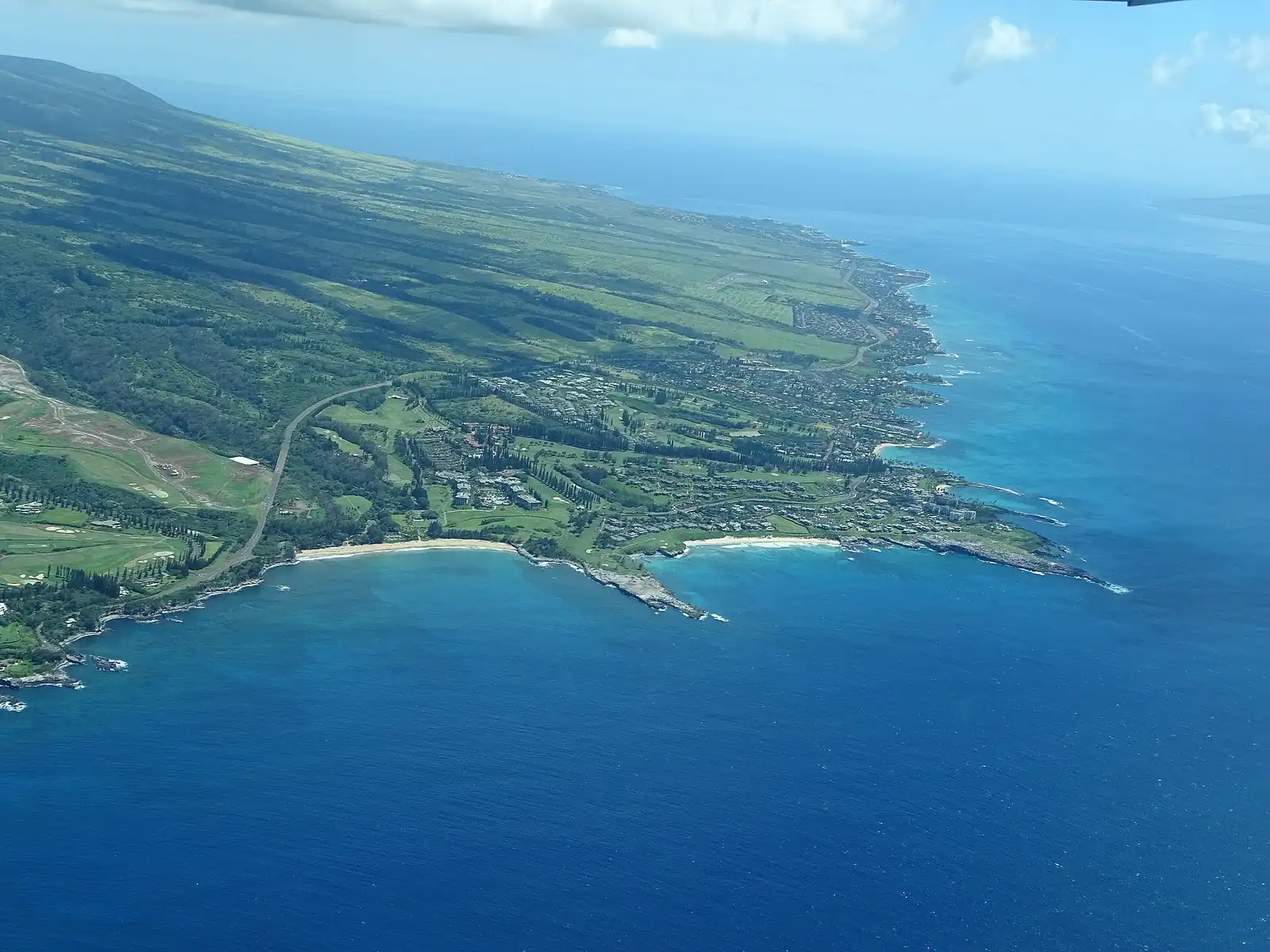
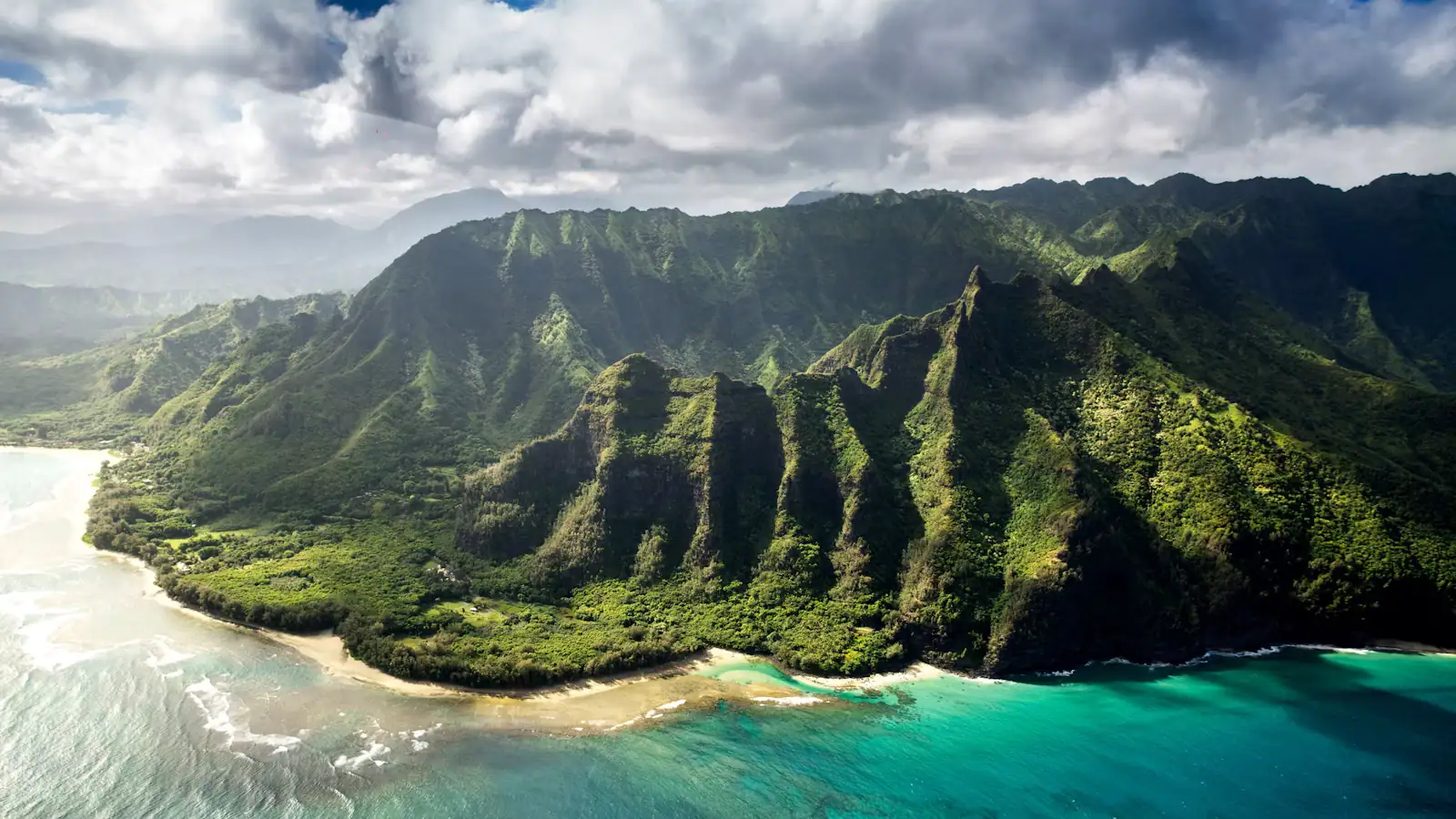
Kāʻanapali is roughly three miles of gold sand on the leeward side of West Maui, with a paved beach walk running its whole length from Hanakaoʻo Beach Park in the south to Kahekili Beach Park in the north. It was laid out from the early 1960s on ground that had been Pioneer Mill cane land, and it still reads that way: six large hotels and an open-air shopping centre standing shoulder to shoulder behind one continuous, entirely public beach.
That last word carries more weight here than almost anywhere. Every beach in Hawaiʻi is public to the high-water mark, and at Kāʻanapali the access is not theoretical. Seven properties along the strand carry conditions attached to Special Management Area permits granted in the late 1970s and 1980s that require them to keep free public beach-access stalls: the Hyatt Regency holds the largest block, with the Marriott, the Westin, Whalers Village, the Sheraton, Kāʻanapali Aliʻi and the Outrigger holding smaller ones. Two county lots book-end the sand at Hanakaoʻo and Kahekili. You do not need a room key to use any of it, and nobody at the gate is entitled to ask for one.
The landmark in the middle is Puʻu Kekaʻa, the black lava promontory almost everyone calls Black Rock. In Hawaiian tradition it is a leina a ka ʻuhane, a place where the souls of the dead depart for the next world, and it is bound up with the eighteenth-century Maui chief Kahekili, who is said to have leapt from it to prove his courage. The Sheraton stages a torch-lighting and cliff dive there most evenings at sunset. It costs nothing, it is watched from the sand, and it is the closest thing this beach has to a nightly event.
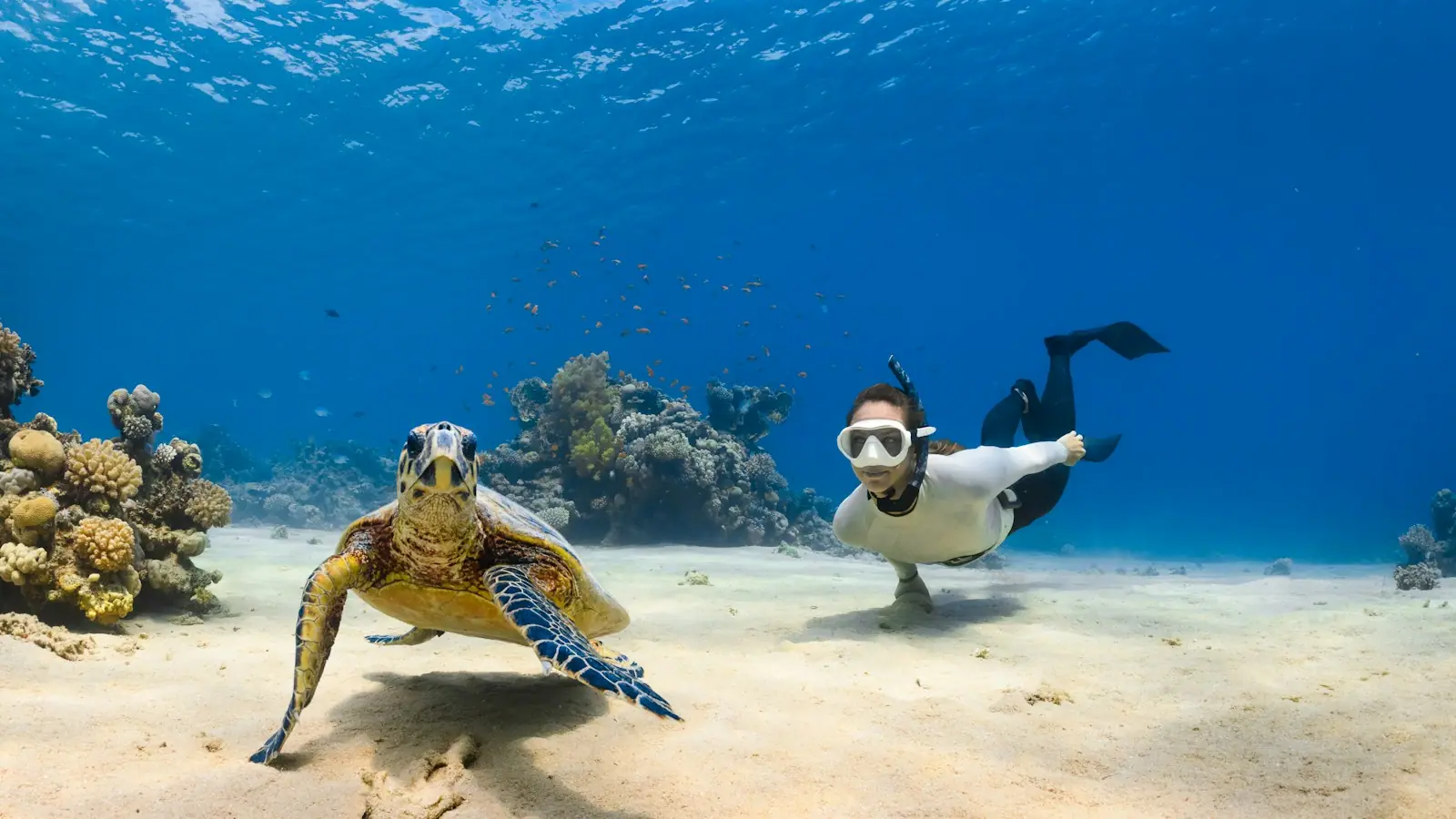
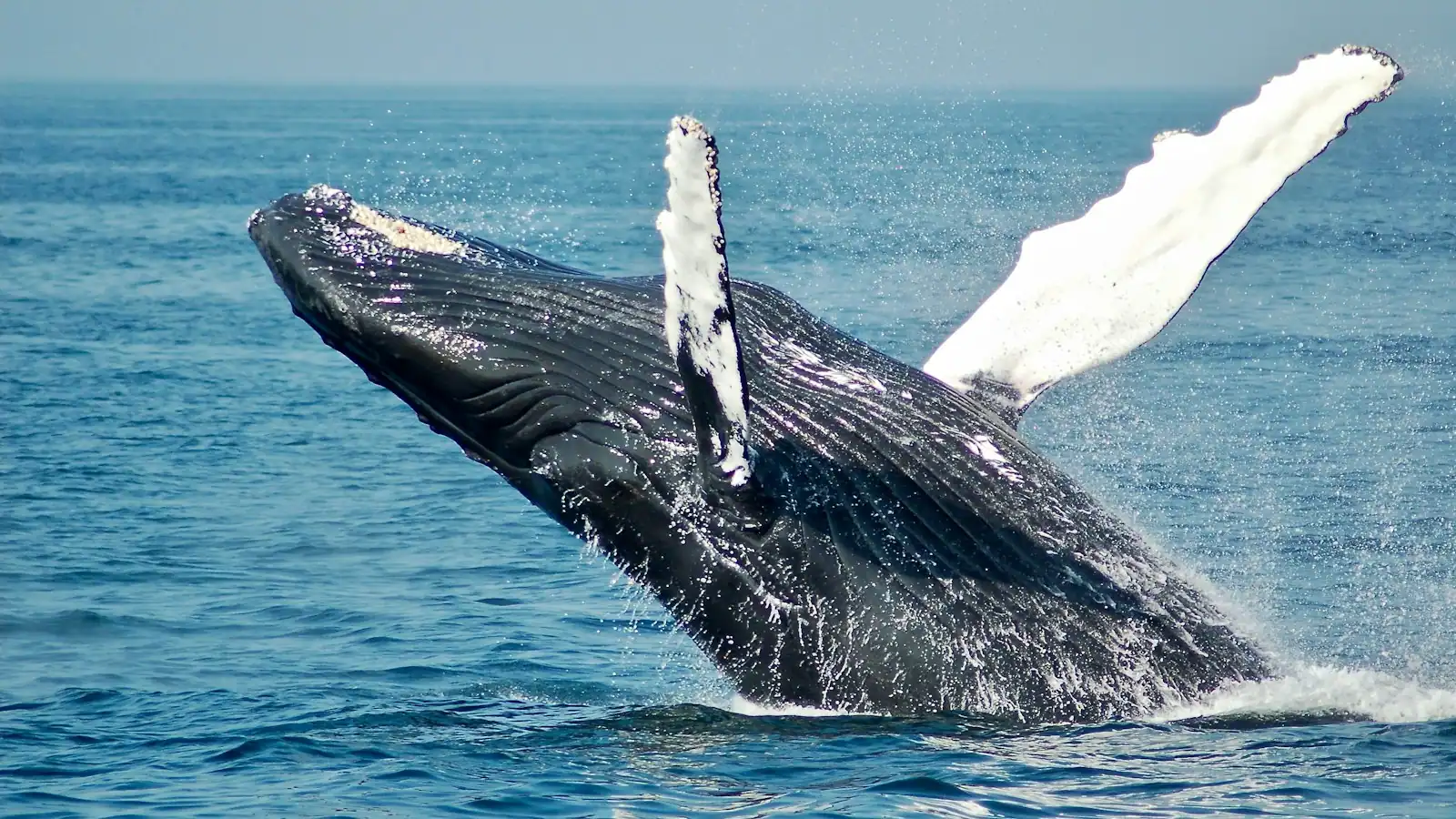
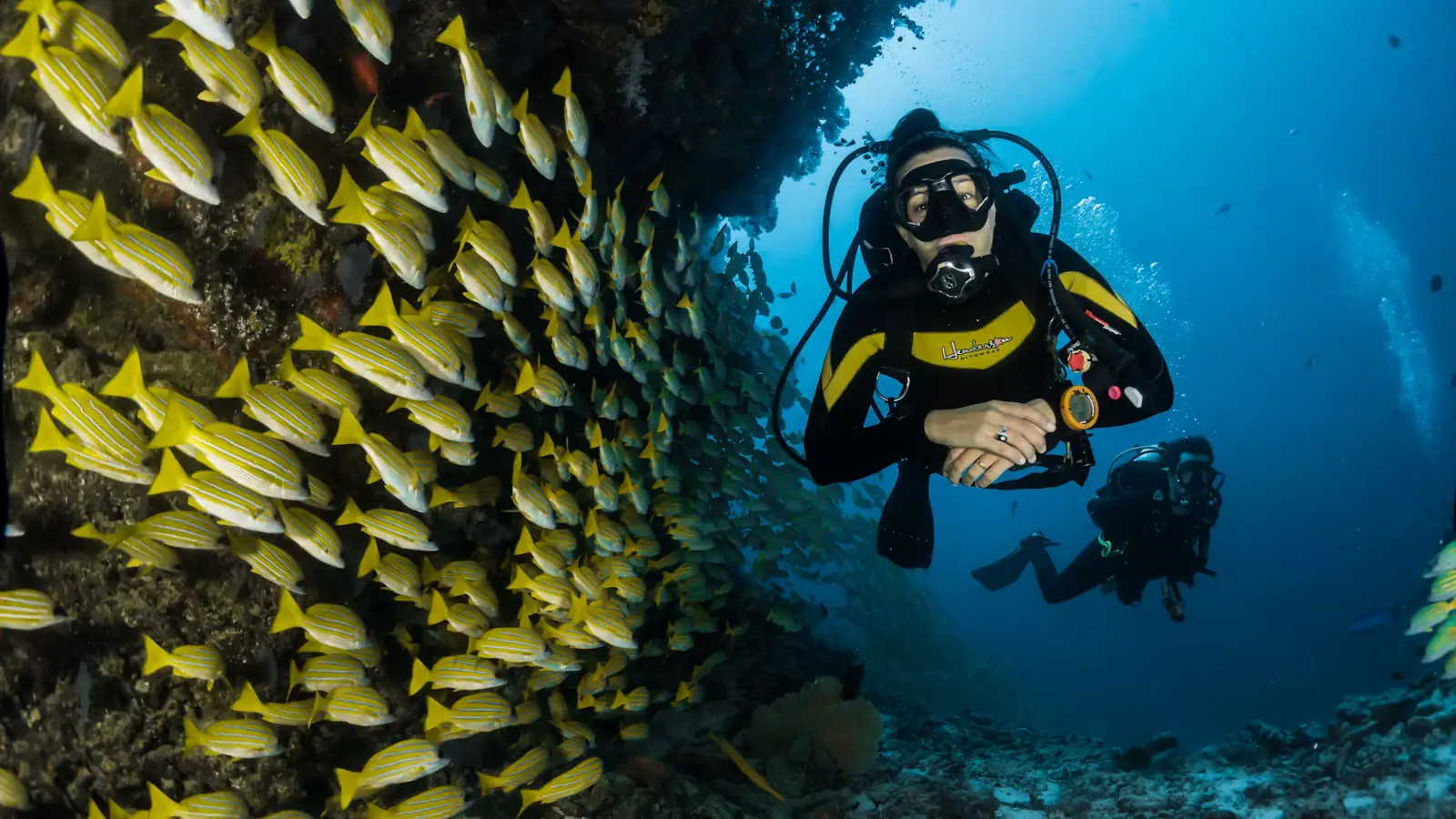
Snorkelling is concentrated on the south face of Black Rock, where the reef shelves away to about twenty-five or thirty feet and honu rest under the ledges. Go before ten. The trade winds usually build through the late morning, and by early afternoon the surface is chopped and the clarity is gone. From roughly December through April you can sit on this sand and watch humpbacks blowing in the ʻAuʻau Channel between Maui, Lānaʻi and Molokaʻi.
From Kahului Airport (OGG) it is about 25 miles and, in normal traffic, 45 minutes to an hour. Take Honoapiʻilani Highway (Route 30) west over the Pali, then follow signs for the Lahaina Bypass, which routes around Lahaina town on the mountain side and rejoins Honoapiʻilani north of it. Kāʻanapali Parkway loops off the highway and serves the whole resort.
Park at Hanakaoʻo Beach Park at the south end or Kahekili Beach Park at the north end for the simplest free lots with restrooms and showers, or use the signed public beach-access stalls at the Hyatt, Marriott, Westin, Sheraton, Kāʻanapali Aliʻi, Outrigger or Whalers Village. Whalers Village parking is paid with validation.
The paved Kāʻanapali Beach Walk links the whole strand, so one parking space can serve a whole day of moving up and down the beach. There is a resort shuttle between properties; it is for guests, and schedules change.
Do not route yourself through Lahaina's burn zone for sightseeing. It is a recovery area, and residents have asked visitors to stay out.
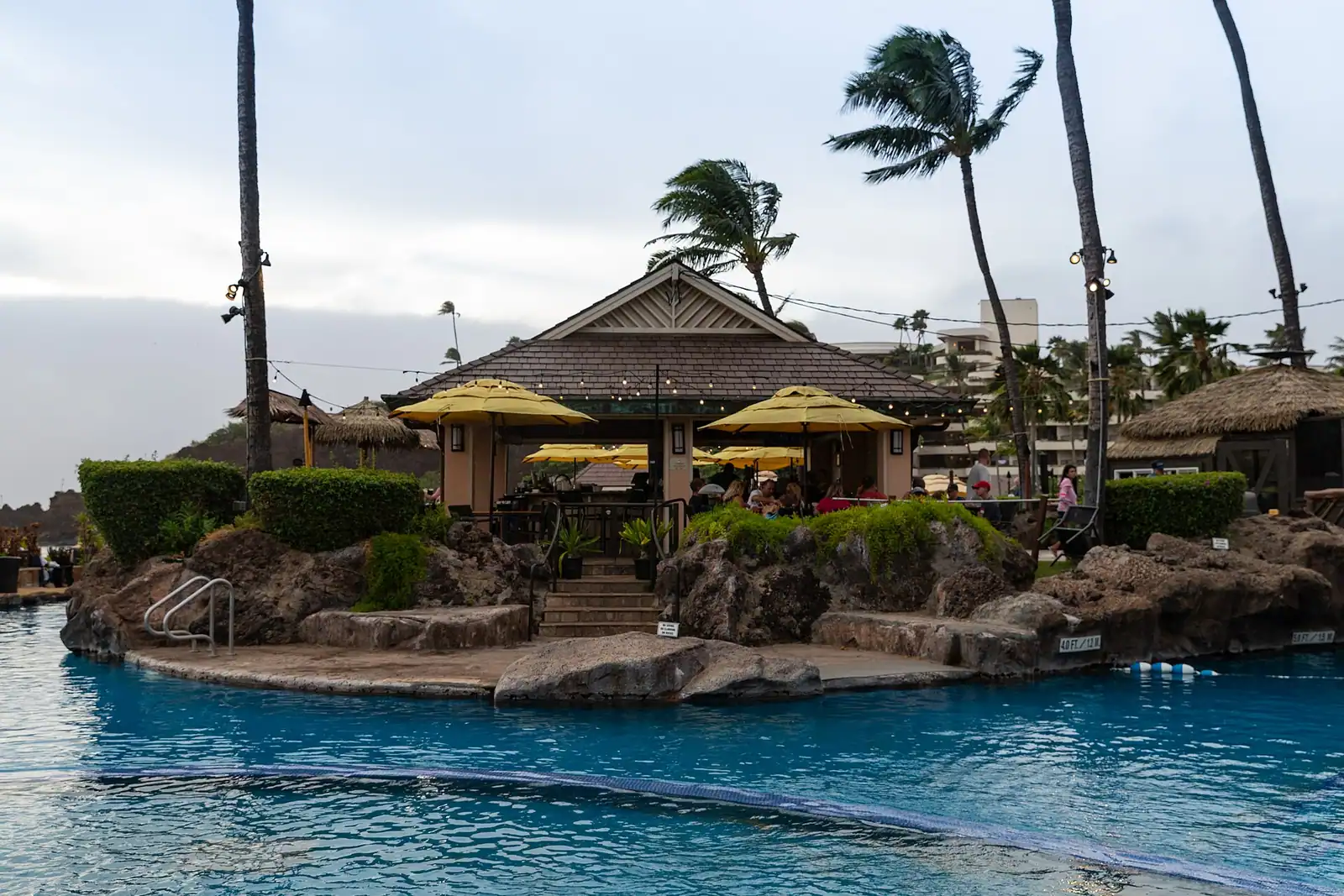
The free public stalls are the whole game at Kāʻanapali, and they are signed rather than hidden. The Hyatt Regency at the south end holds the biggest allocation, in the region of seventy stalls; the Marriott Maui Ocean Club and the Westin hold about thirty each; Whalers Village, the Sheraton, Kāʻanapali Aliʻi and the Outrigger hold smaller blocks. Look for signage reading "public beach access" or "public parking" at the porte-cochère entrances and follow it past the valet stand rather than stopping at it.
The two county parks are the simpler option and the one locals use. Hanakaoʻo Beach Park — you will also hear it called Canoe Beach, because the outrigger clubs launch there — sits at the south end with its own free lot and a lifeguard tower. Kahekili Beach Park at the north end has a free lot, restrooms, showers and a lawn with picnic shelters, and the snorkelling straight off the sand there is arguably better than anything in front of the hotels.
Whalers Village is paid parking with validation from shops and restaurants in the centre; check the current hourly rate and the validation threshold at the booth, because both get revised. Stall counts and rates quoted anywhere online, including here, should be treated as an order of magnitude rather than a promise.
Arrive before nine and none of this matters much. Arrive at eleven on a winter weekday and you will be circling.
Puʻu Kekaʻa is a cinder-and-lava headland that splits the beach in two. Treat it as three separate things.
As a snorkelling site it is the best entry on this stretch of coast. Swim out from the sand on the south side, keep the rock on your right, and follow the wall around; the bottom drops to roughly twenty-five or thirty feet and the ledges hold turtles, taʻape, unicornfish and, on a good morning, a white-tip reef shark asleep under an overhang. Conditions collapse with the wind, so this is a before-ten activity. Around the north tip the current picks up noticeably — that is where people get into trouble, and it is not a place to find out how strong a swimmer you are.
As a cultural site it is a leina a ka ʻuhane, one of the points in the islands where spirits were understood to leave for the ancestral world. That is not a decorative detail. It is a reason not to climb on it casually, not to leave anything on it, and not to treat it as a stunt platform.
As an evening event, the Sheraton's torch-lighting and cliff dive re-enacts Kahekili's leap. It runs at sunset, it is free, and the beach in front of the hotel fills for it. Arrive fifteen or twenty minutes early if you want to be able to see rather than hear it.
Kāʻanapali sits about 25 miles from Kahului Airport, and the route crosses the Pali on Honoapiʻilani Highway and approaches West Maui through Lahaina.
The August 2023 wildfire destroyed historic Lahaina town and killed about a hundred people. It remains an active recovery area where families lost their homes and their relatives. Maui County and West Maui residents have asked visitors plainly not to drive into the burn zone to look, and not to photograph it. The Lahaina Bypass carries through-traffic around the town on the mountain side and is the normal route to Kāʻanapali, Honokōwai, Nāpili and Kapalua; use it.
Front Street reopened to vehicle traffic in August 2026 and a number of businesses have reopened along it, but as of our last update much of the historic core was still closed to general visitor access and under reconstruction, and Banyan Court and the banyan tree itself remained fenced off while arborists work on the tree. This picture changes month to month. Check the County of Maui and Maui Nui Strong before you travel rather than relying on anything written in advance, including this page.
The resort areas of Kāʻanapali and Kapalua are open and operating normally, and the businesses along this coast depend on visitors who spend locally. Those two facts sit together without contradiction.
Come here if you want a long, walkable beach with food, shade, restrooms and rental gear within a few minutes of the sand, if you have children who will want a boogie board and an ice cream in the same hour, or if you want reliable morning snorkelling that does not require a boat.
Go elsewhere if solitude is the point. Kapalua Bay, twenty minutes north, is smaller, more sheltered and prettier. Nāpili Bay is quieter still and has no commercial frontage at all. Honolua Bay has the best summer snorkelling in West Maui and no facilities whatsoever. On the south shore, Keawakapu gives you a comparable length of sand with a fraction of the hotel density.
What Kāʻanapali does that none of those do is scale. It absorbs a crowd. On a March afternoon when Kapalua's forty stalls are long gone and Honolua's dirt pullouts are full, there is still sand and still parking here.
Operators run these trips past Kāʻanapali, or stop there as part of a longer route. We list what the booking data supports — not everything that mentions the name.
Booking through these earns us a commission from Viator. You pay the same, and payment did not decide what is listed.

Involves Animals
We are a family-owned Maui company with over 40 years of experience on Hawaiian waters. Our expert Captains and crew bring decades of…
5 hours
Prices checked

Short term availability
Your West Maui Snorkel adventure departs from Kaanapali Beach. Along the way keep your eyes open for Hawaiian spinner dolphins, bottle…
4 hours
Prices checked

Nature and Wildlife Tours
Trip Highlights - 15 minute boat ride to Molokini - Snorkel the crystal clear waters of Molokini crater, Maui's 1st Snorkeling destination…
2 hours
Prices checked

Low Supplier Cancellation Rate
You’ll have the chance to drive, or simply be a passenger in one of today’s most advanced 4 seater off-road vehicles, the Canam sport max…
2 hours
Prices checked

Sightseeing Cruises
Part of the reason Maui has been so popular year after year is due to the breathtaking sunsets. Sure you could just watch from the beach…
2 hours
Prices checked

Low Last Minute Supplier Cancellation Rate
Sea Maui’s Sunset Dinner Cruise is our premium dining & Sunset experience. Leave behind the hustle and bustle of the land when you're…
2–3 hours
Prices checked

Sustainable Tours
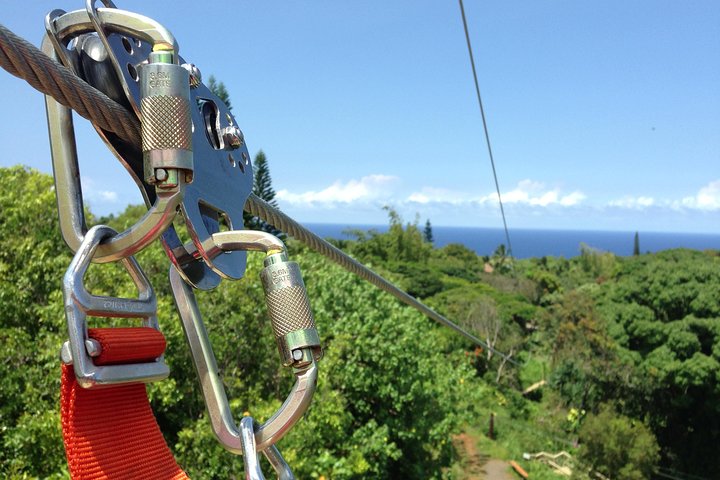
THIS IS A 8 LINES TOUR - JUNGLE ADVENTURE This adventure with Jungle Ziplines Maui includes eight amazing Ziplines, three tree platforms…
2 hours
Prices checked

Day Trips
Live the real Maui experience on the Road to Hana with our expert guides! Immerse yourself in the beauty of the spectacular Hana…
Full day
Prices checked
Straight-line distances, so allow more on the road — the island is long and has one main parkway.

Beach
A quiet condo-fronted crescent with turtles on both rocky sides, no facilities, and street parking that is gone before seven.
1.5–4 hoursFree. Shoreline access is public; there is simply very little parking and no county facilities.5.1 mi away

Beach
A crescent held between two lava headlands, calm on days the rest of West Maui is blown out — with about forty parking stalls.
1.5–4 hoursFree, including the public beach access car park.5.6 mi away

Nature preserve
A protected bay with no sand, no restrooms and no lifeguard — and the best shore snorkelling in West Maui for half the year.
1–3 hoursFree. No entry fee, no permit and no parking charge — and no facilities of any kind.7.2 mi away

Water feature
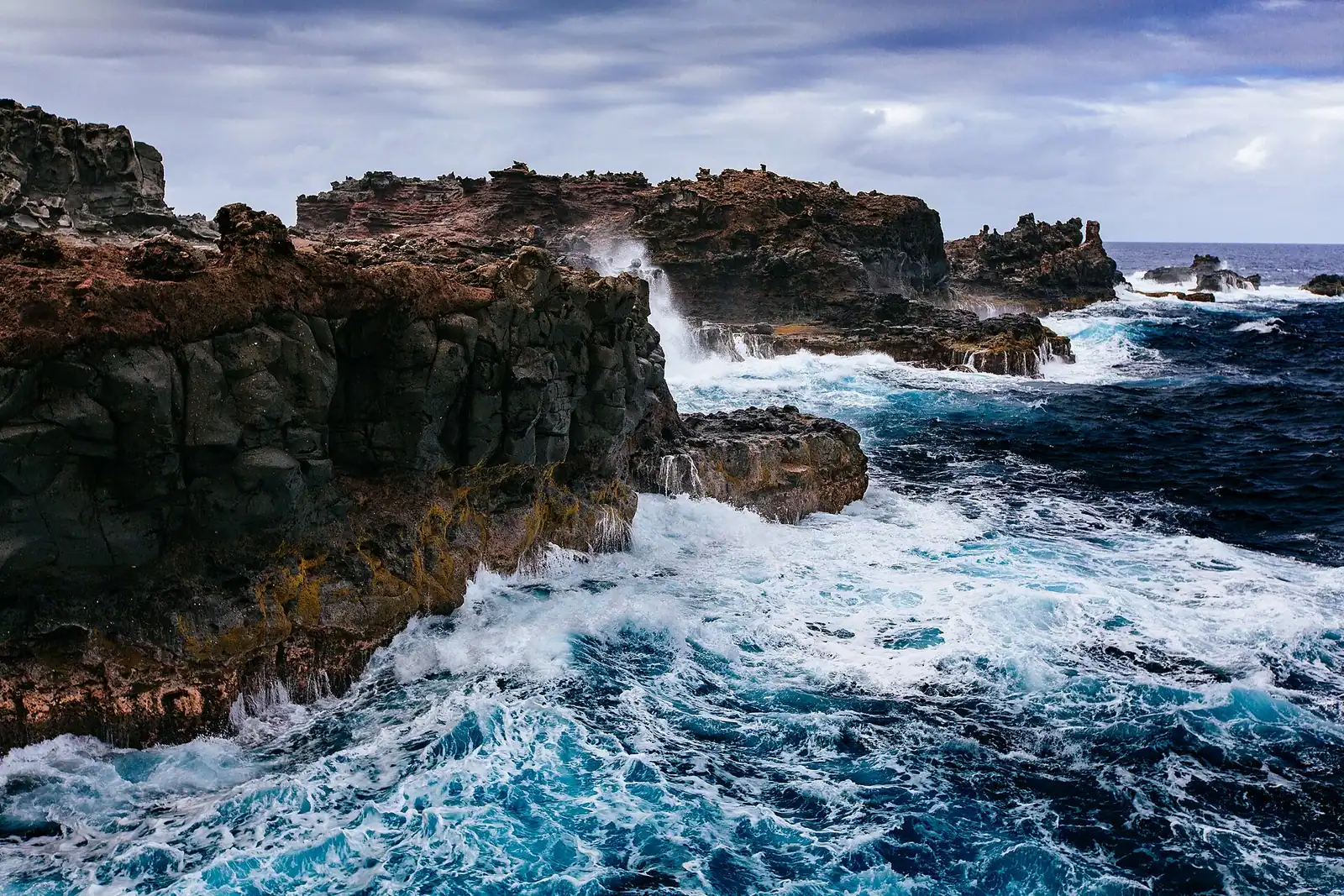
A lava vent on Maui's northernmost point that fires seawater skyward — and a place where standing in the wrong spot has killed people.
0.5–1.5 hoursFree. No entrance fee and no parking charge.9.9 mi away
Where this place fits into a day, and the pages that plan one.

Guide hub
Maui is two volcanoes joined by a low, windy isthmus, and almost every planning mistake visitors make comes from forgetting that. The western half…

Guide hub
Every beach on Maui is public. Hawaiʻi law puts the shoreline below the upper reach of the waves in public trust, and coastal landowners, including…

Things to do
Maui has reef on three sides and each side has a different season. That single sentence explains most of the disappointment visitors report about…

Things to do
The stretch of water between Maui, Lānaʻi, Molokaʻi and Kahoʻolawe is the reason humpback whales are the thing Maui is best at. That basin, Maui…

Things to do
A lūʻau is a feast, and the word itself is the young taro leaf that goes into the dish. What visitors book under that name today descends from the…

Things to do
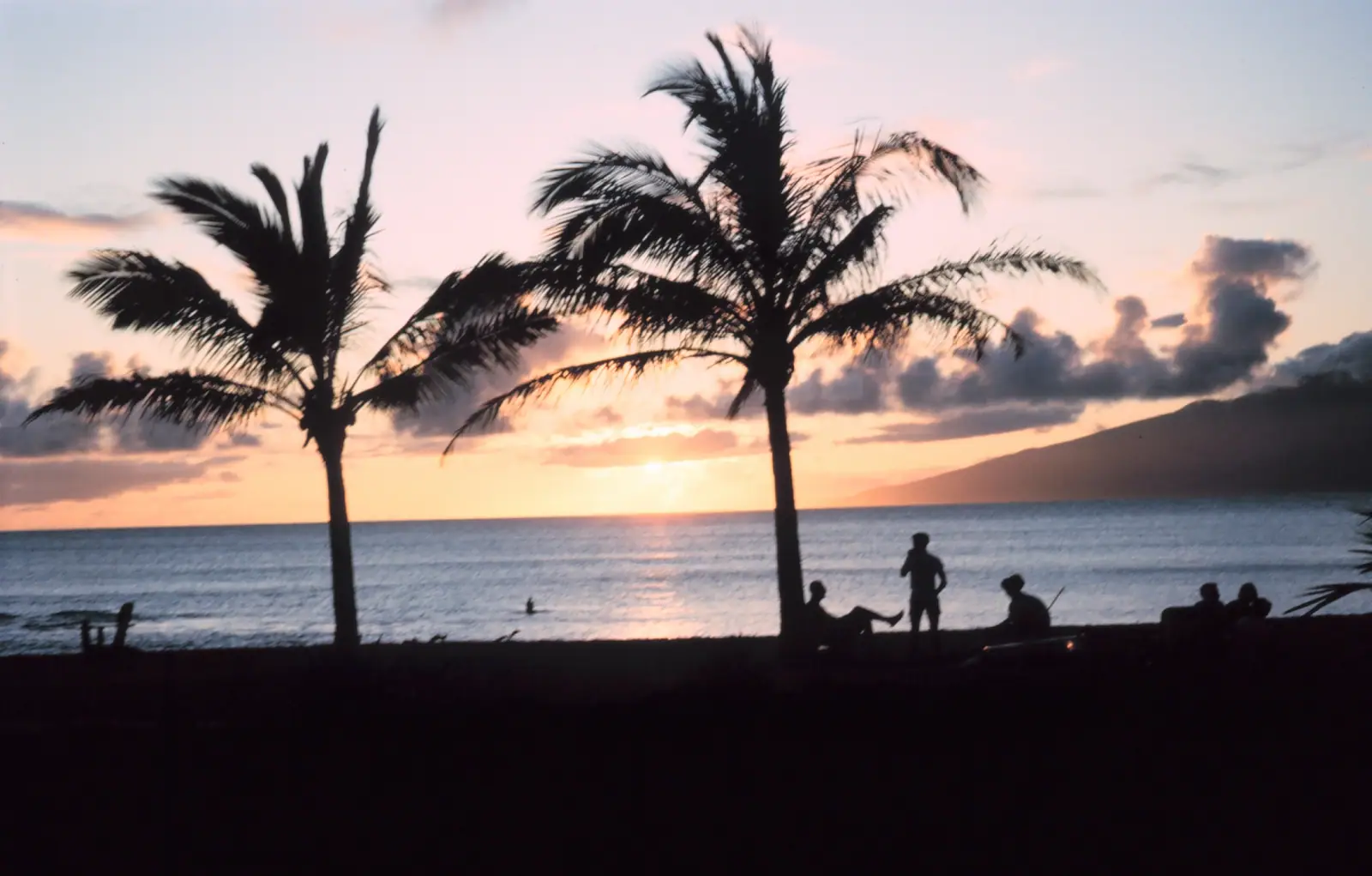
Maui's sunsets work because of where the islands sit. The leeward coast, from Kapalua down through Kāʻanapali and Lahaina to Olowalu, looks due west…

Guide
Almost everyone needs one. The island is 727 square miles with a volcano in the middle, and the public bus does not go to a single thing you flew here for.
10 min readKealoha Nakamura

Guide
The trade winds decide this, not the guidebooks. Almost every good snorkelling site on Maui is excellent at eight in the morning and mediocre by two in the afternoon.
10 min readDana Whitfield

Guide
Maui is bigger than the map suggests and three of its headline sites now need a reservation booked before you leave home. Get those two things right and the rest of the week arranges itself.
10 min readKealoha Nakamura
Yes, entirely. Every beach in Hawaiʻi is public to the high-water mark, and Kāʻanapali goes further: seven of the resort properties along the strand are required to provide free public beach-access parking as conditions of Special Management Area permits granted in the late 1970s and 1980s. Two free county parks, Hanakaoʻo at the south end and Kahekili at the north end, book-end the beach. You do not need to be a hotel guest to use the sand, the beach walk or the water.
The easiest free lots are the county parks at either end: Hanakaoʻo Beach Park to the south and Kahekili Beach Park to the north, both with restrooms and showers. In the middle, follow the signed public beach-access stalls at the Hyatt Regency, Marriott Maui Ocean Club, Westin, Sheraton, Kāʻanapali Aliʻi and Outrigger. The Hyatt holds the largest block. Whalers Village charges hourly with validation from its shops and restaurants. Everything fills from mid-morning, earlier in winter.
Yes, and it is the best shore snorkelling on this stretch. Enter from the sand on the south side of Puʻu Kekaʻa and follow the wall with the rock on your right; the reef drops to roughly twenty-five or thirty feet and green sea turtles rest under the ledges. Go before ten in the morning, because the trade winds build through late morning and take the visibility with them. The current strengthens sharply around the north tip, so turn back rather than rounding it.
People do, and it is not sanctioned or supervised. Puʻu Kekaʻa is also a leina a ka ʻuhane, a place in Hawaiian tradition where souls depart for the next world, which is a good reason to leave it alone beyond any question of injury. The rock is slick, the water depth varies with swell and tide, and the shallow ledges are not obvious from above. The nightly cliff dive is performed by a trained diver employed to do it.
No. The Lahaina Bypass carries through-traffic around the town on the mountain side of Honoapiʻilani Highway and is the normal route to Kāʻanapali, Honokōwai, Nāpili and Kapalua. Maui County and West Maui residents have asked visitors not to drive into the burn zone to look at it or photograph it. Front Street reopened to vehicle traffic in 2026 with some businesses trading again, but much of the historic core remained closed and under reconstruction at our last update. Check current conditions before you travel.