Skip to content
Menu

Booking through these earns us a commission from Viator. You pay the same, and payment did not decide what is listed.

Search

Beach

Keawakapu Beach

Last updated

Three quarters of a mile of soft sand between Kīhei and Wailea, three free car parks, and the island's best morning swim.

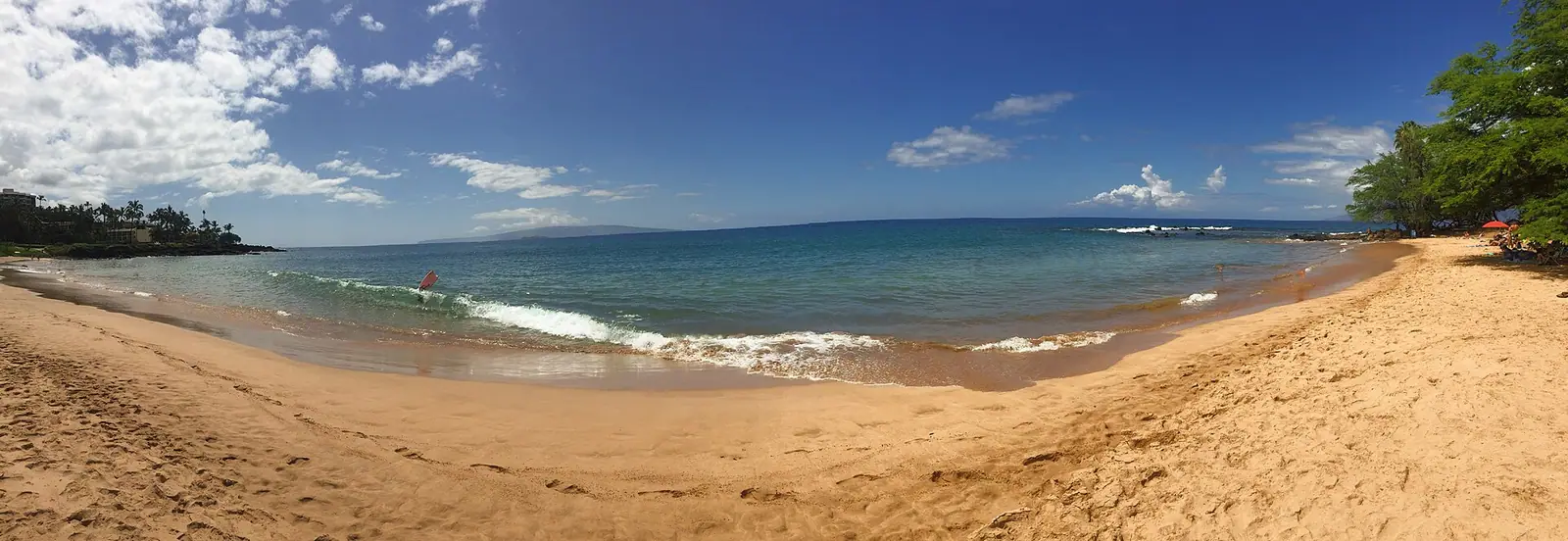
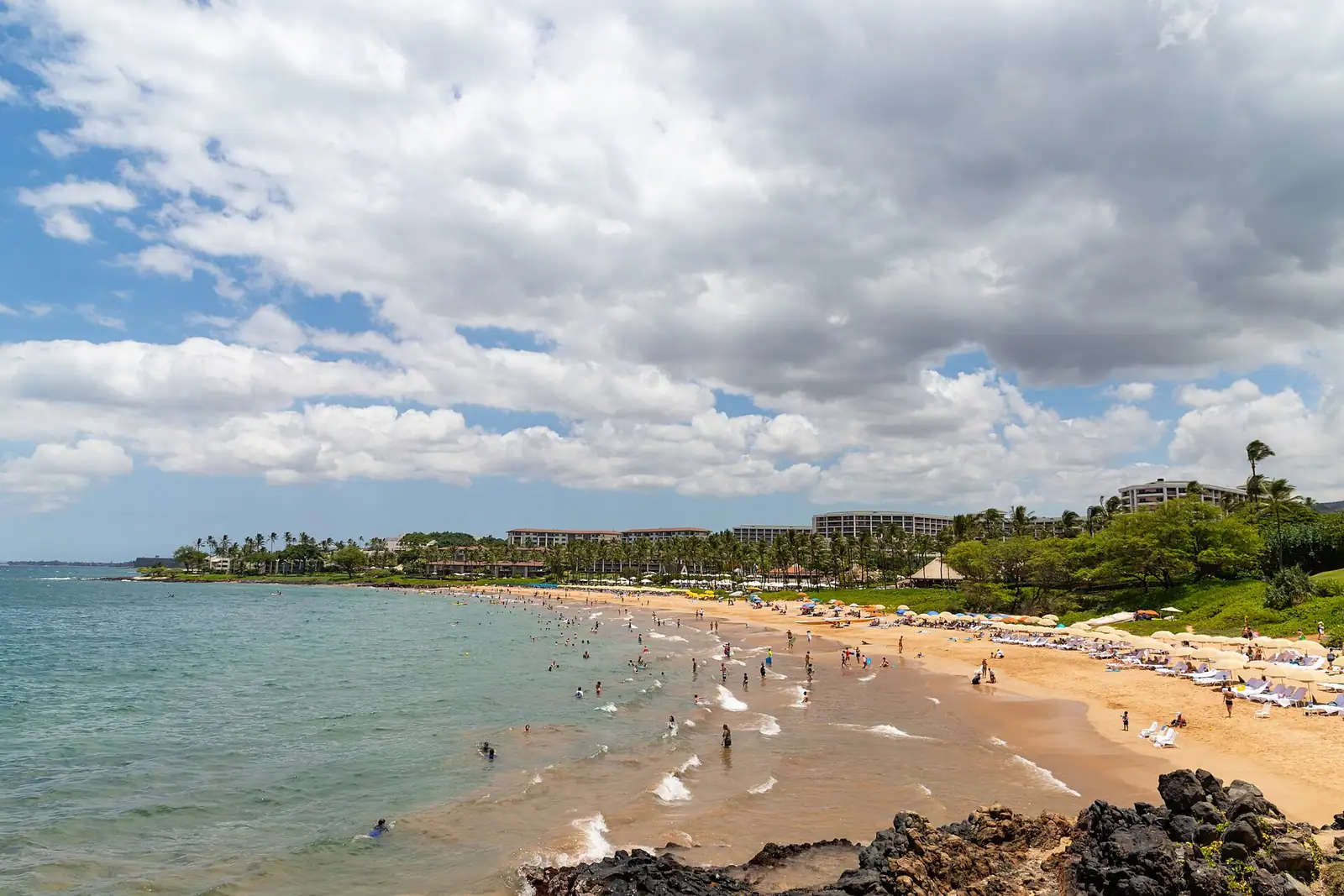
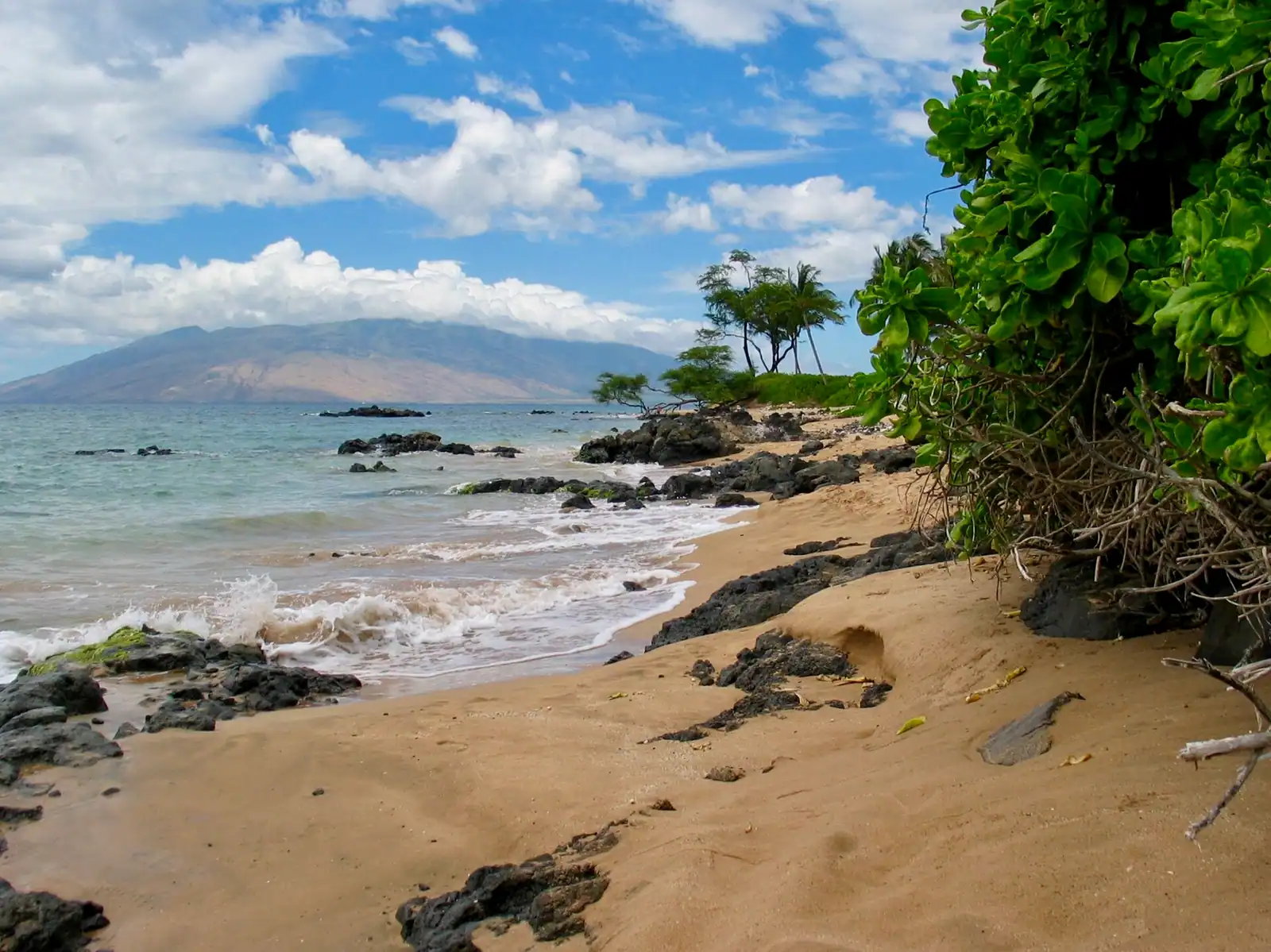
Keawakapu is the beach that South Maui regulars use. It runs about three quarters of a mile from the southern end of South Kīhei Road down to Mokapu at the northern edge of Wailea, and it does the ordinary things very well: soft sand, a gentle shelf, water that is usually flat before ten, and three separate free car parks rather than one small one. No hotel dominates it, no shopping centre backs onto it, and there is no concession. It is a beach for swimming in and walking along.

The swim is the point. Because the bay is long and shallow-shelving with no significant reef in the middle, you can swim a genuine distance parallel to the shore, and a good number of people here are doing laps rather than splashing. Morning is the window: South Maui's trade winds accelerate down the flank of Haleakalā and reach this coast around the middle of the day, and by two in the afternoon the surface is white-capped. Nothing dangerous about it, but the glassy hour is between about six and nine.

Offshore, in deep water, is something most visitors never learn about. The Keawakapu artificial reef was started in 1962, when the State of Hawaiʻi sank 150 junked car bodies off this beach as an experiment in building fish habitat. The cars corroded away within about twenty-five years, and later phases added thousands of concrete-encased tyre modules, concrete slabs and, in 1997, a 65-foot vessel called the St. Anthony. It is a working dive site rather than a snorkelling one — it sits far too deep to see from the surface — and it is the reason South Maui dive boats keep coming back to this stretch of water.

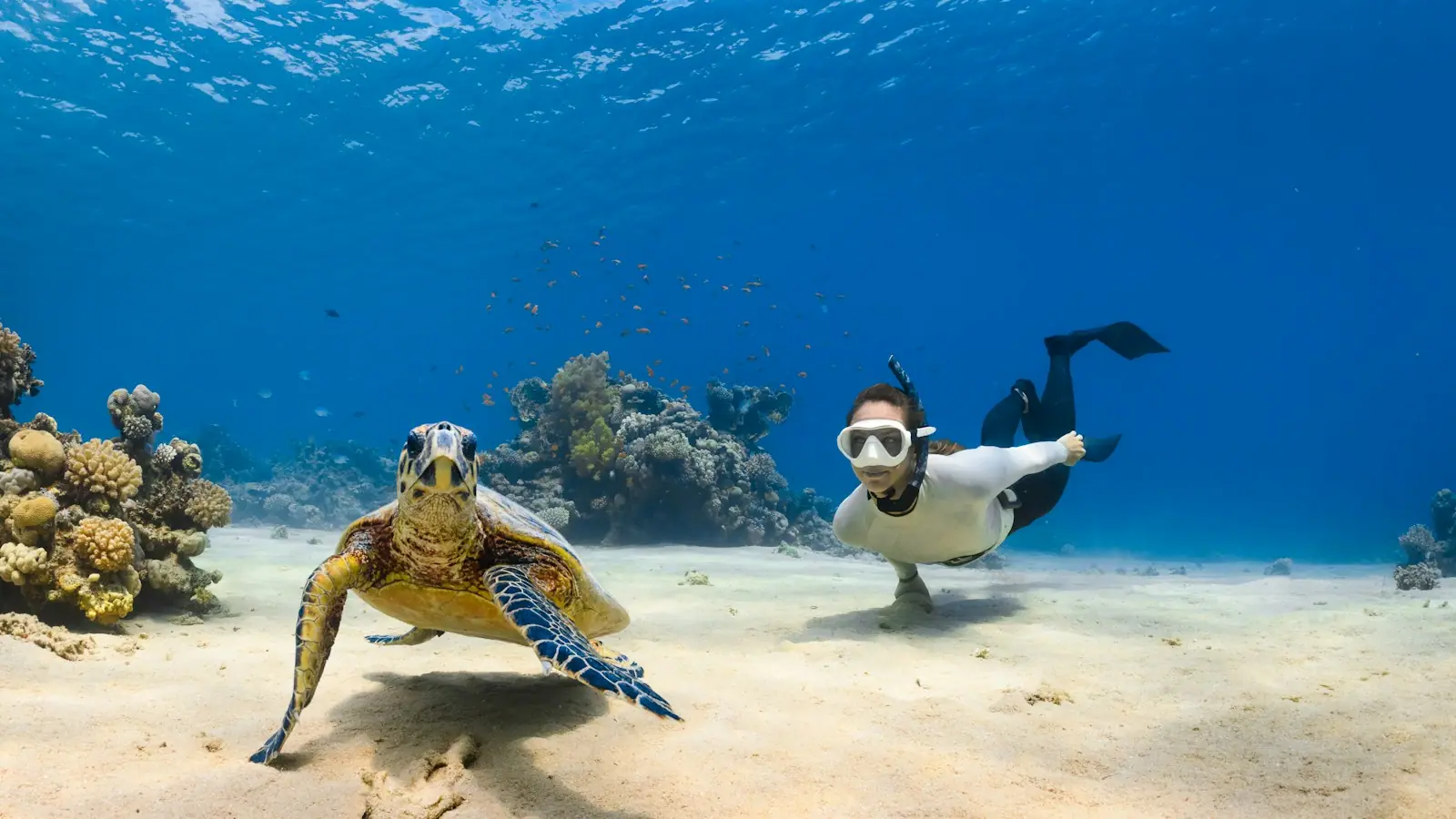
What snorkellers get from shore is the rocky point at the southern end, towards Mokapu, where turtles graze and reef fish gather. The middle of the beach is sand.

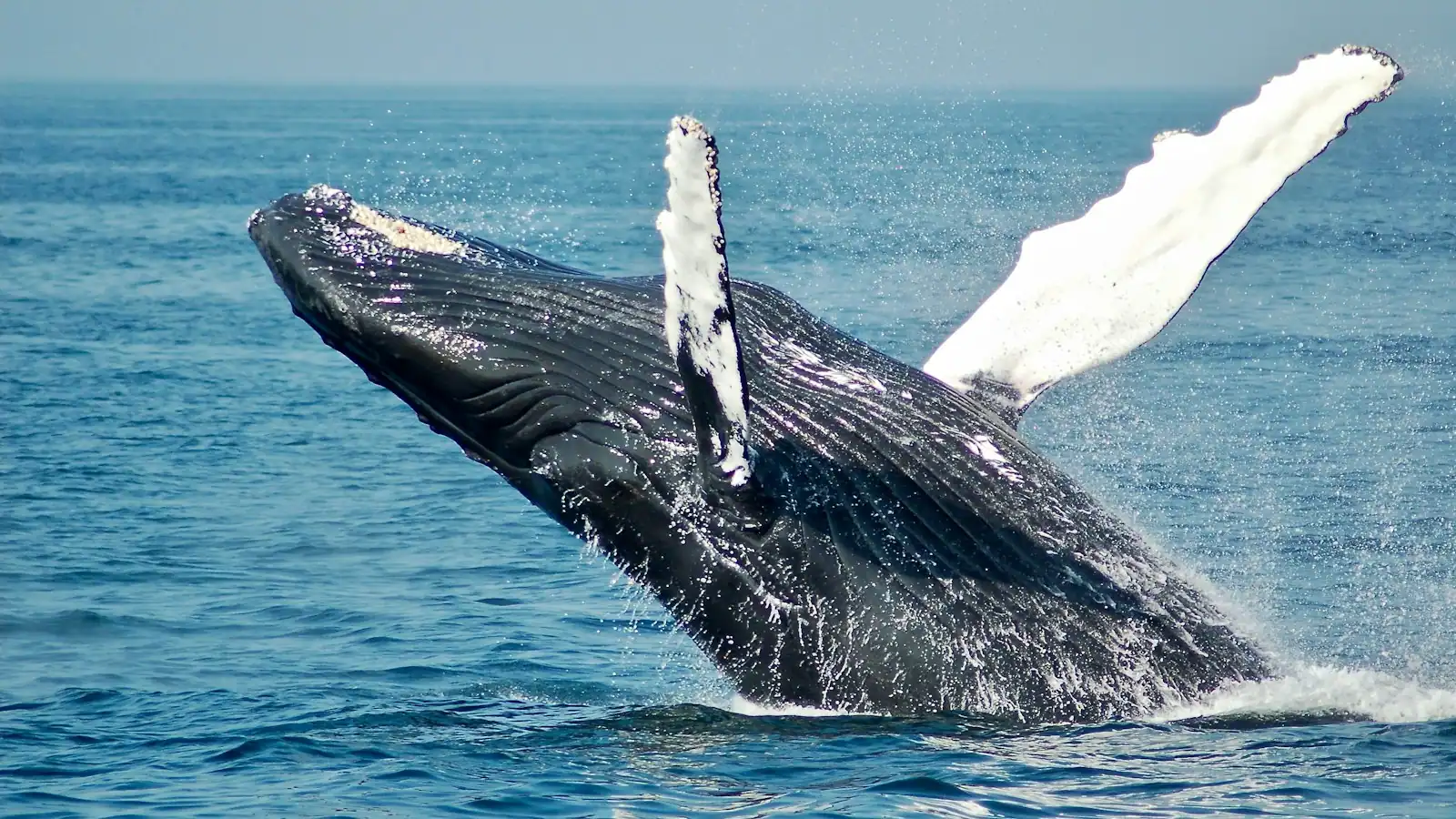
In whale season, roughly December to April, this is a very good beach to sit on with a coffee at seven in the morning.

Getting there and parking

From Kahului Airport take the Mokulele Highway then the Piʻilani Highway (Route 31) south through Kīhei; allow around 30 to 40 minutes.

For the north lot, follow South Kīhei Road to its southern end, past the Kamaʻole beach parks, and park in the gravel area near the Mana Kai. For the south lot, exit Piʻilani Highway towards Wailea and turn onto Kilohana Drive; the lot is at its end. There is also a small middle access off South Kīhei Road.

All three are free. The south lot is the one to remember, because it also serves as the overflow for Ulua Beach in Wailea — walk five minutes south across Mokapu and you are there.

The Maui Bus serves South Kīhei Road on a limited schedule. Rideshare is reliable along this corridor in daylight.

Three car parks, all free

Keawakapu's advantage over the Wailea beaches is simply that there is more than one place to leave the car, and none of them charges.

  • North lot — a gravel and dirt area at the very end of South Kīhei Road, by the Mana Kai. Closest to the Kīhei end of the sand, and usually the busiest because it is the easiest to find.
  • Middle access — a small paved area off South Kīhei Road, with a short path down.
  • South lot — off Kilohana Drive, at the Wailea end. This is the one people forget, and it is also the best overflow lot for Ulua Beach when Ulua's own car park has filled, because you can walk south across Mokapu in about five minutes.

Outdoor showers are at the access points. Restroom provision on this beach is thinner than at a full county park — plan ahead rather than assuming.

All three fill from mid-morning between December and April, and all three are usually fine by four in the afternoon. There is no charge, no kiosk and no attendant at any of them. As everywhere on Maui, leave nothing in the car.

There is no food on the beach. South Kīhei Road behind the north end has everything; Wailea behind the south end has more expensive versions of it.

The sunken reef, and why you cannot snorkel it

In the late 1950s the State of Hawaiʻi became concerned about declining inshore fish stocks and went looking for ways to build habitat. The result, off Keawakapu in 1962, was one of the first artificial reef projects in the islands: 150 junked car bodies, prepared on Oʻahu with fluids drained and tyres and batteries stripped, barged over and sunk.

It half worked. By the late 1980s the car bodies had rusted down to a few frames with almost no vertical structure left, which is the part fish actually use. Later phases were better engineered — thousands of tyre modules encased in concrete, concrete slabs, and in 1997 a 65-foot fishing vessel, the St. Anthony, sunk deliberately to give the site relief. The reef now covers something on the order of fifty acres.

The practical point for a visitor: it is a scuba site, not a snorkel site. It lies in water far deeper than you can see into from the surface, and the boats that visit it come out of Māʻalaea and Kīhei. If you are a certified diver, ask a South Maui shop about it by name; it is an unusual dive and most visitors have never heard of it.

From the beach, the reef's other function is invisible and useful: the structure takes some energy out of the swells that reach this shoreline, which is part of why Keawakapu swims as gently as it does.

The morning rule

South Maui runs on a wind clock and Keawakapu illustrates it as clearly as anywhere.

06:00–09:00. Glassy, cool, empty apart from swimmers and walkers. This is the beach at its best, and the reason to set an alarm on holiday.

09:00–12:00. Filling up, water still good, lots starting to go.

12:00–16:00. The trades arrive. Whitecaps, blowing sand, snorkelling visibility gone. Good for a walk, less good for the water.

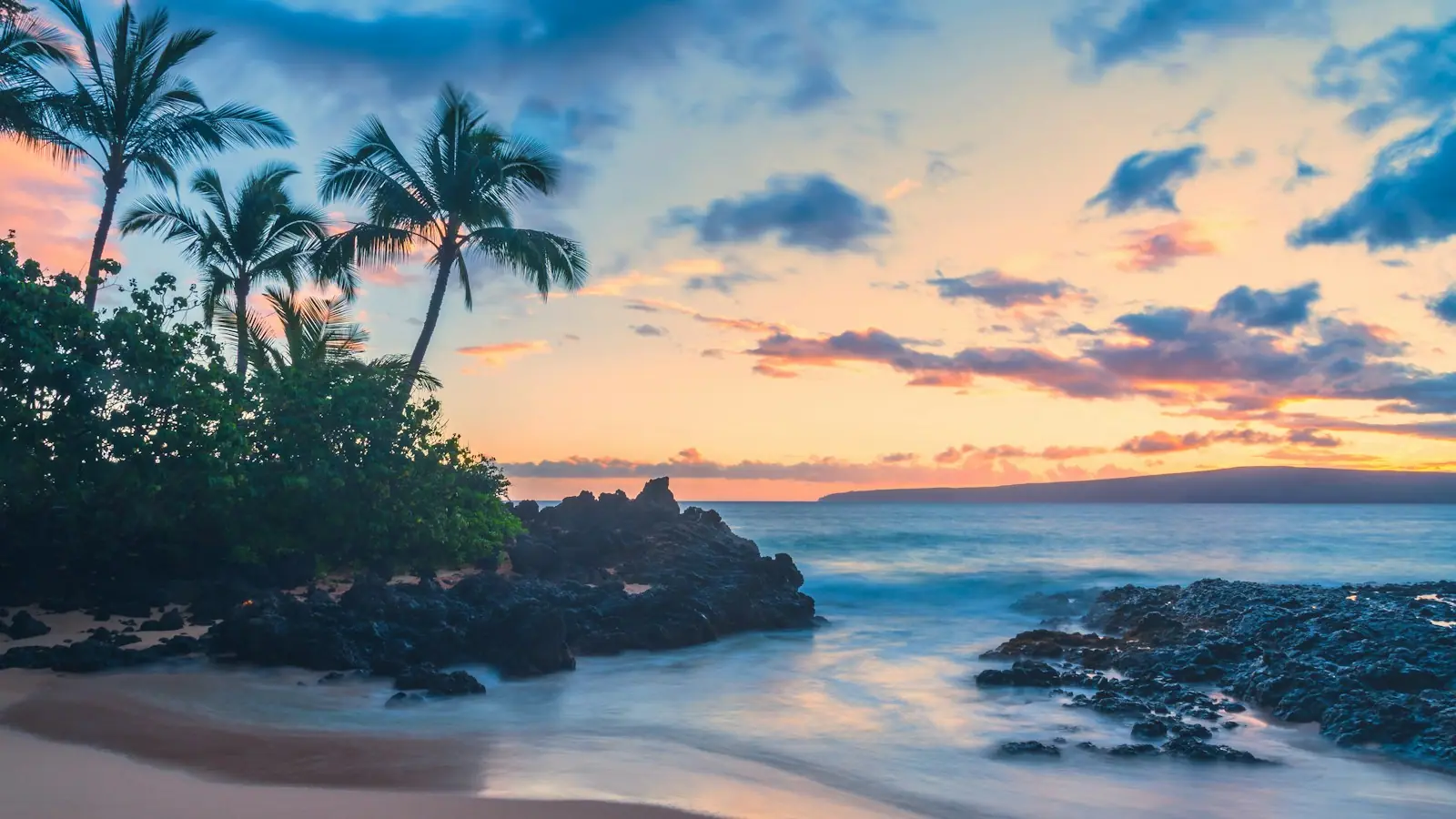
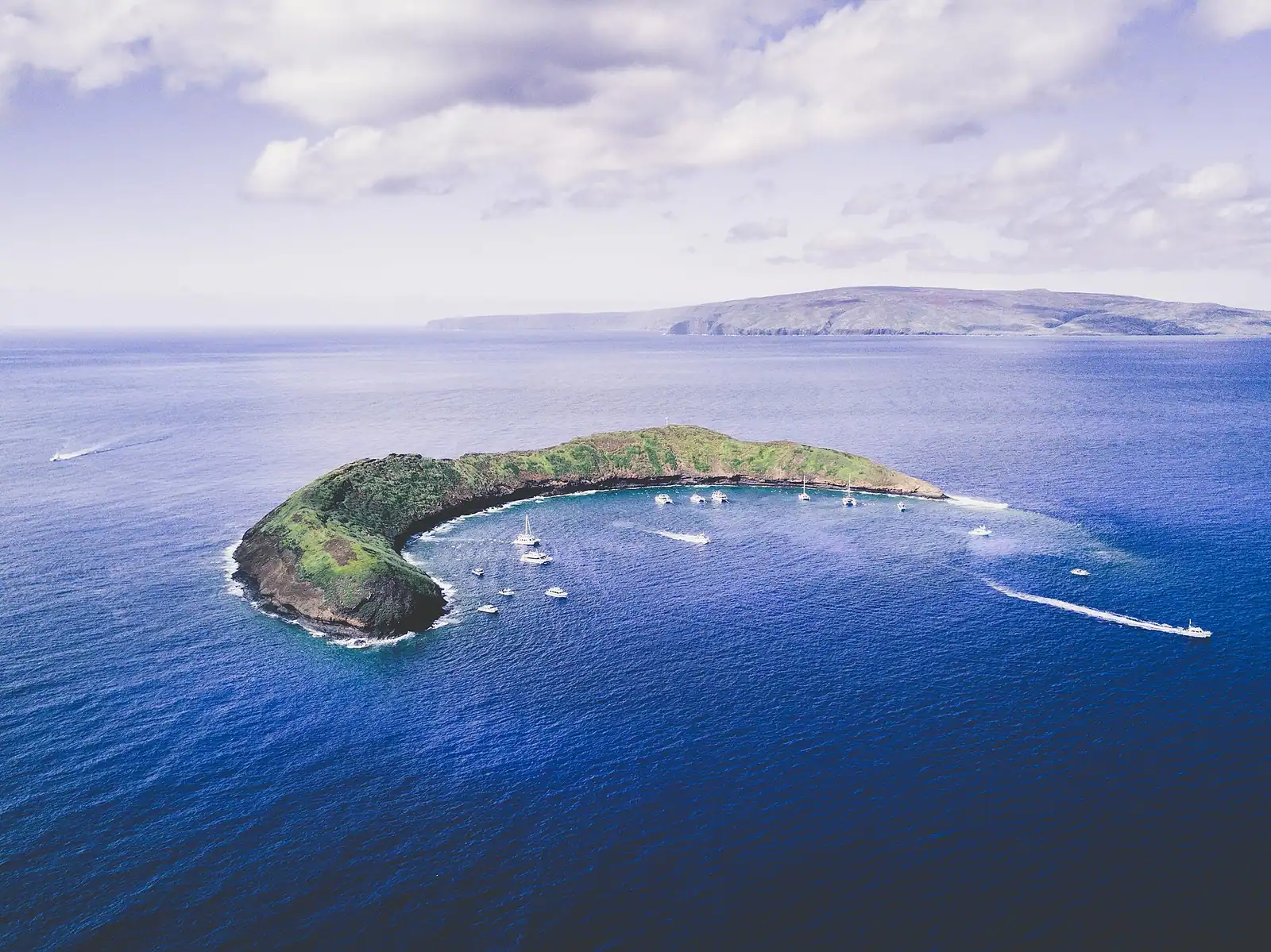
16:00–sunset. The wind usually eases. The sand refills with people who have come for the sunset over Kahoʻolawe, Molokini and Lānaʻi, and the water often goes calm again for a last swim.

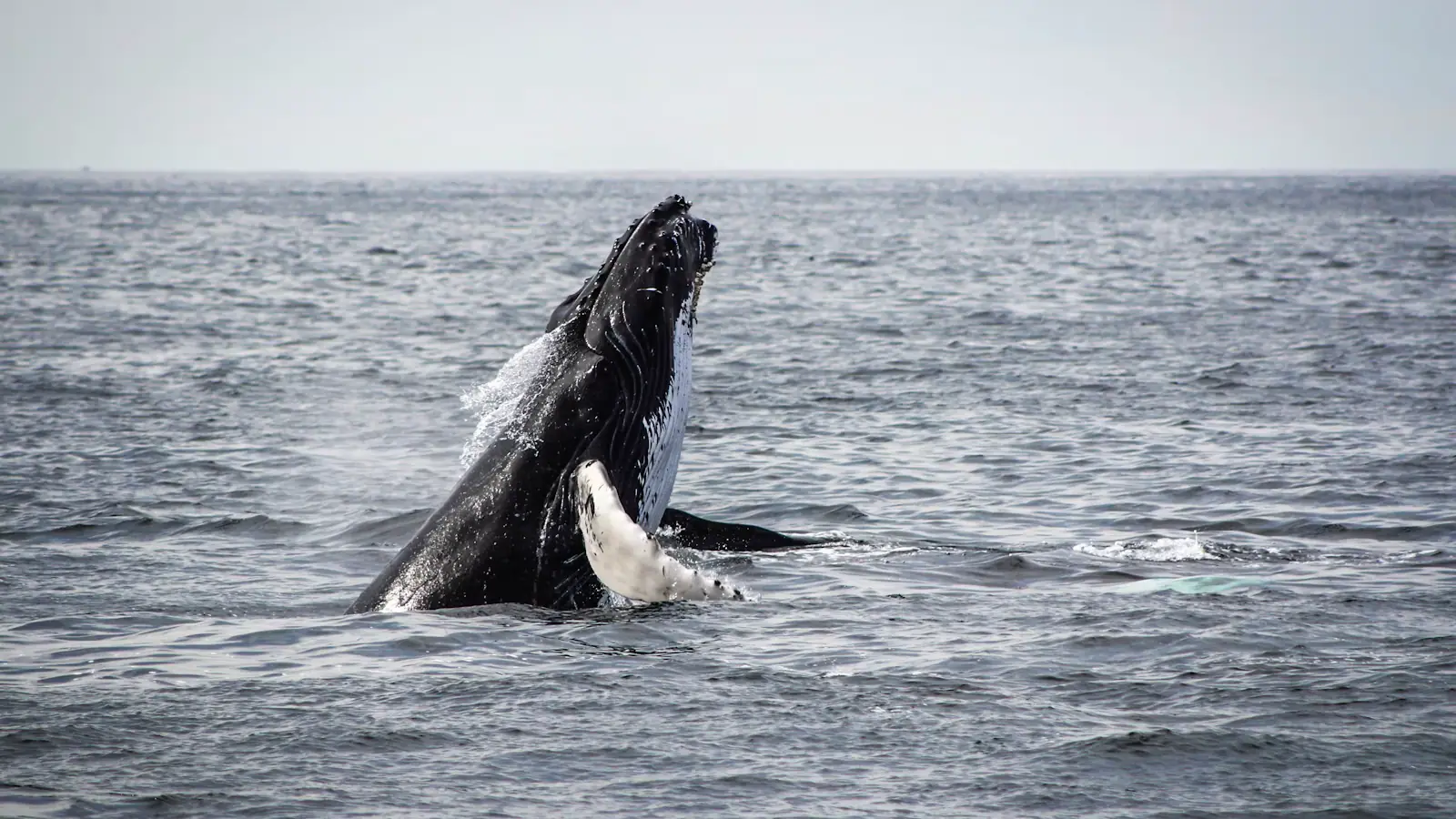
Season. Summer south swells occasionally put shorebreak on the beach, particularly at the southern end; winter is generally calmer here than on the north or west shores. Humpbacks are in the Alalākeiki Channel roughly December through April, and they are easy to see from this sand.

There is no lifeguard at Keawakapu. The nearest staffed towers are at the Kamaʻole Beach Parks in Kīhei to the north.
Sunscreen, turtles and keeping it the way it is

  • Mineral sunscreen only. Maui County Ordinance 5306 has banned the sale, distribution and use of non-mineral sunscreen without a prescription since October 2022. Zinc oxide or titanium dioxide — nothing else, without a prescription. This is stricter than the statewide ban on oxybenzone and octinoxate.
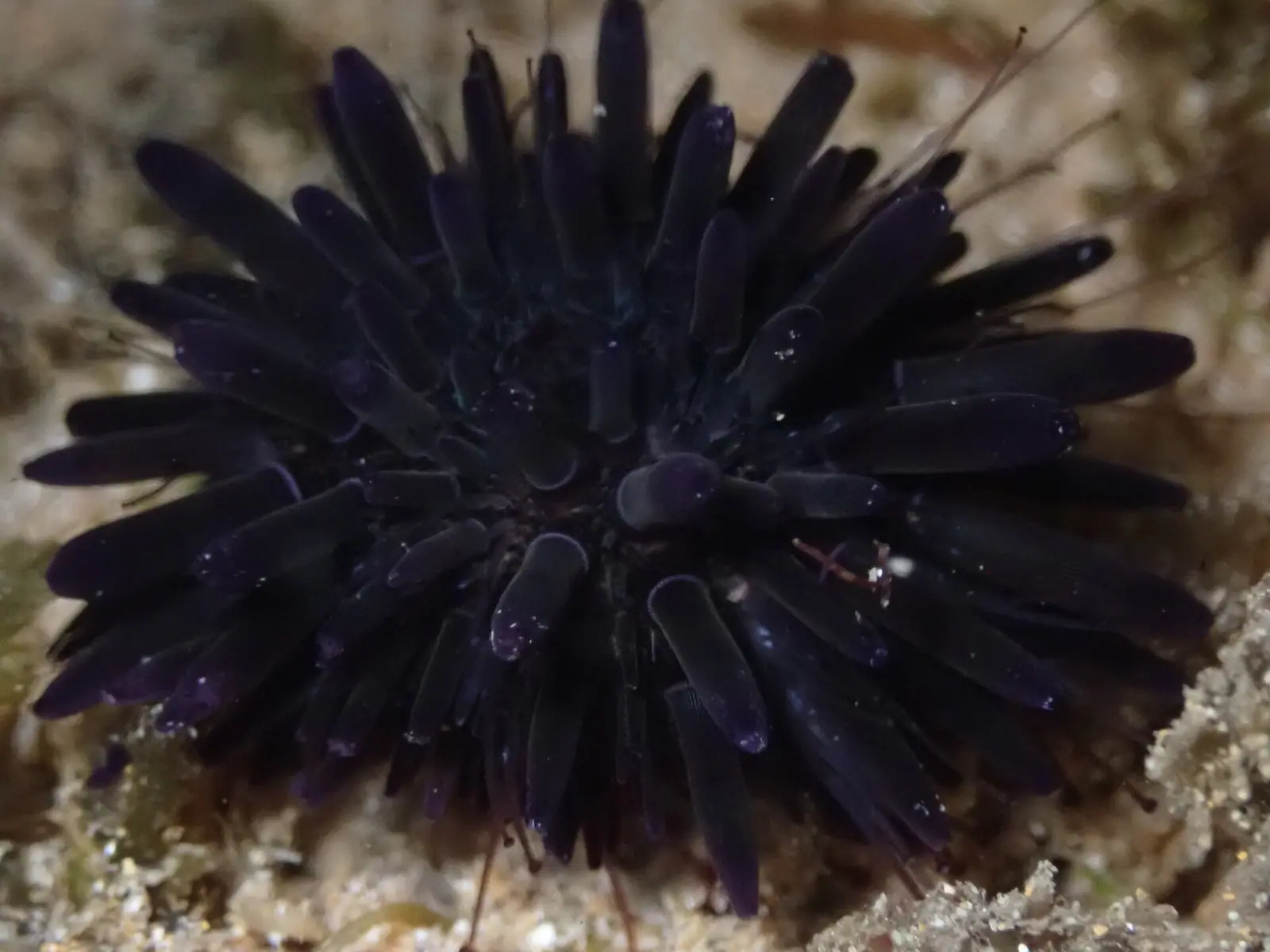
  • Honu. Green sea turtles feed on the rocky point at the southern end and sometimes rest on the sand. NOAA Fisheries and Hawaiʻi DLNR ask for ten feet minimum, on land and in the water. Do not swim above one.
  • Monk seals haul out on South Maui beaches occasionally. Fifty feet, further with a pup, and call it in rather than gathering round it.
  • No lifeguard. Swim parallel to the shore rather than straight out, and if you are alone, stay inside your depth.
  • Take rubbish with you. Bins here are limited and this beach is kept clean largely by the people who use it every morning.
  • No smoking on Hawaiʻi beaches, and no glass.

Tours that visit Keawakapu

Operators run these trips past Keawakapu, or stop there as part of a longer route. We list what the booking data supports — not everything that mentions the name.

Booking through these earns us a commission from Viator. You pay the same, and payment did not decide what is listed.

Shared departurespriced per seat, best value for one or two

  • Maui: Lahaina ATV Adventure

    Low Supplier Cancellation Rate

    Maui: Lahaina ATV Adventure (opens in a new tab)

    Free cancellation
    1.8K reviews

    You’ll have the chance to drive, or simply be a passenger in one of today’s most advanced 4 seater off-road vehicles, the Canam sport max…

    2 hours

    Prices checked

    from $202.55
  • Maui Atlantis Submarine Adventure

    Excellent Quality

    Maui Atlantis Submarine Adventure (opens in a new tab)

    Free cancellation
    815 reviews

    All riders must be 36 inches or taller to participate/ride submarine. Dive 100 feet below the surface and experience Maui’s marine…

    2 hours

    Prices checked

    from $144.36Usually $160.41

Private and small-group optionsoften cheaper per head for a family or a group of six

Near Keawakapu

Straight-line distances, so allow more on the road — the island is long and has one main parkway.

  • A snorkeller floating above shallow reef and coral heads in clear water

    Beach

    Ulua Beach

    Free

    A small Wailea cove with reef on the point, used by every South Maui dive school, sharing one modest car park with Mokapu.

    1–3 hoursFree, including the shared Ulua and Mokapu public car park.0.4 mi away

  • Pale sand and calm turquoise shallows below a landscaped resort lawn with palms

    Beach

    Wailea Beach

    Free

    A calm crescent between the Grand Wailea and the Four Seasons, with a free public lot and a paved path linking four beaches.

    1.5–5 hoursFree, including the public beach access car park. Hawaiʻi shorelines are public to the high-water mark.0.8 mi away

  • A wide, empty stretch of coarse gold sand curving away beneath a bare reddish volcanic hill

    Beach

    Mākena Beach (Big Beach / Oneloa)

    Free

    Two-thirds of a mile of undeveloped gold sand backed by a cinder cone, with a shorebreak that puts people in hospital every year.

    1.5–5 hoursBeach access is free; non-residents pay to park at the state park kiosks.4.4 mi away

  • A wide golden beach with calm water and palm trees under bright morning sun

    Neighbourhood

    Kīhei

    Free

    Six miles of beach, three lifeguarded parks and the best free whale watching on Maui, plus a wind that arrives every afternoon.

    2–8 hoursFree. All the beach parks are public with free parking.4.4 mi away

Keawakapu: common questions

Is parking free at Keawakapu Beach?

Yes, at all three access points: the gravel lot at the southern end of South Kīhei Road, a small middle access, and the lot at the end of Kilohana Drive at the Wailea end. There is no kiosk, no charge and no attendant. Between December and April they fill from mid-morning, so arrive early or come back after four. The Kilohana Drive lot is also the best overflow option for Ulua Beach, five minutes' walk south across Mokapu.

Can you snorkel at Keawakapu Beach?

Modestly. The middle of the bay is sand, which is what makes it such a good swimming beach, and the fish are on the rocky point at the southern end towards Mokapu, where turtles graze. Go before ten, because South Maui's trade winds arrive around midday and take the visibility. For better snorkelling, Ulua Beach is a few minutes south. The famous artificial reef offshore is far too deep to snorkel and is a boat dive.

What is the Keawakapu artificial reef?

An offshore habitat project begun in 1962, when the state sank 150 junked car bodies off this beach to create fish habitat. The cars had corroded away within about twenty-five years, and later phases added thousands of concrete-encased tyre modules, concrete slabs and, in 1997, a 65-foot vessel called the St. Anthony. It now covers roughly fifty acres. It lies in deep water and is a scuba site rather than a snorkelling one; South Maui dive shops run trips to it.

Is Keawakapu Beach good for swimming?

It is one of the best swimming beaches on Maui. The bay is long and gently shelving with no reef in the middle, so you can swim a real distance parallel to the shore, and a good proportion of the people in the water early are doing exactly that. There is no lifeguard, so stay within your depth and swim along the beach rather than out from it. Morning, before the trade winds arrive, is when the water is flattest.

Where is Keawakapu Beach?

Between Kīhei and Wailea on Maui's south shore, running about three quarters of a mile from the southern end of South Kīhei Road down to Mokapu Beach at the northern edge of the Wailea resorts. From Kahului Airport it is around 30 to 40 minutes via the Mokulele and Piʻilani highways. It is the beach immediately north of the Wailea Beach Path, and you can walk from one to the other along the shoreline.