Skip to content
Menu

Booking through these earns us a commission from Viator. You pay the same, and payment did not decide what is listed.

Search

Beach

Wailea Beach

Last updated

A calm crescent between the Grand Wailea and the Four Seasons, with a free public lot and a paved path linking four beaches.

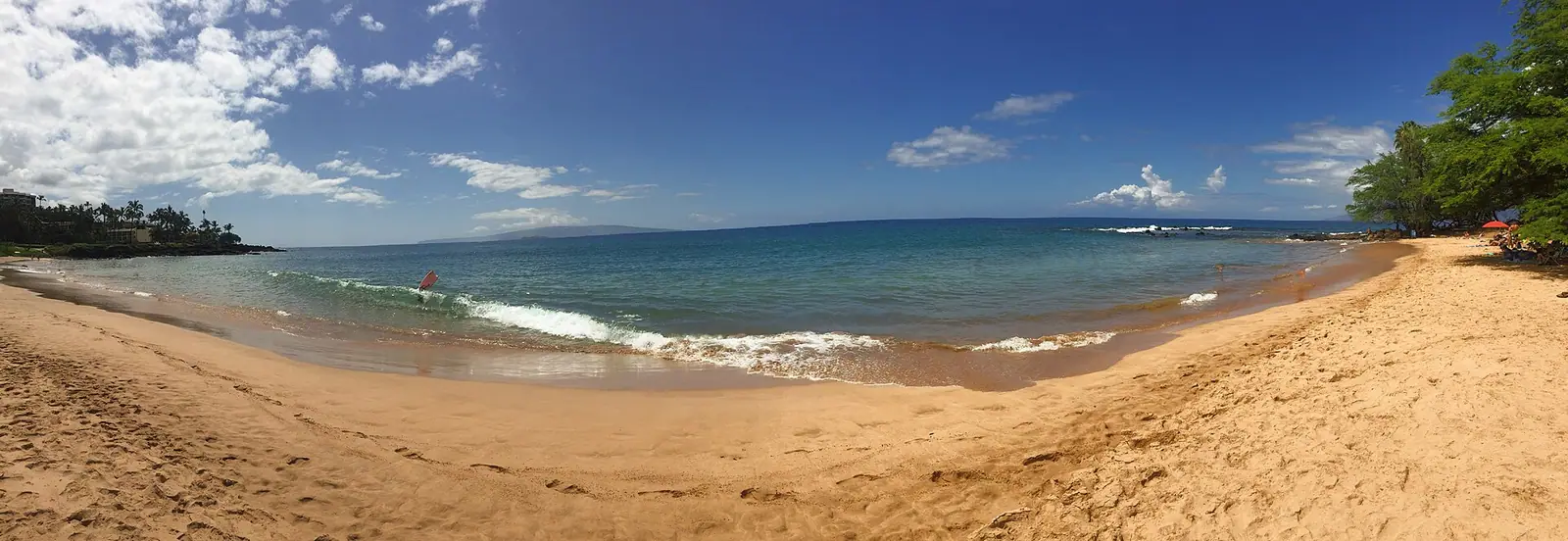
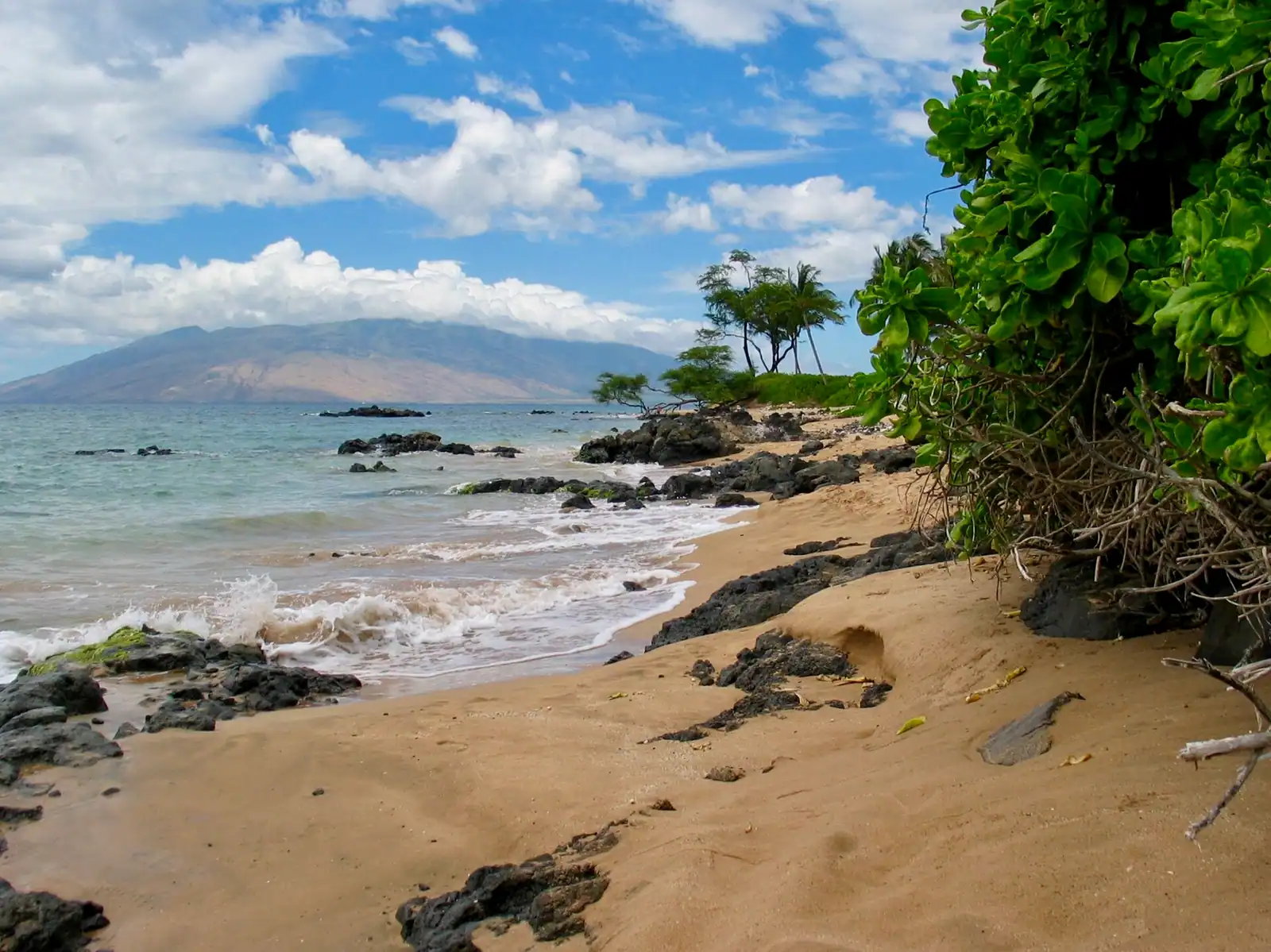
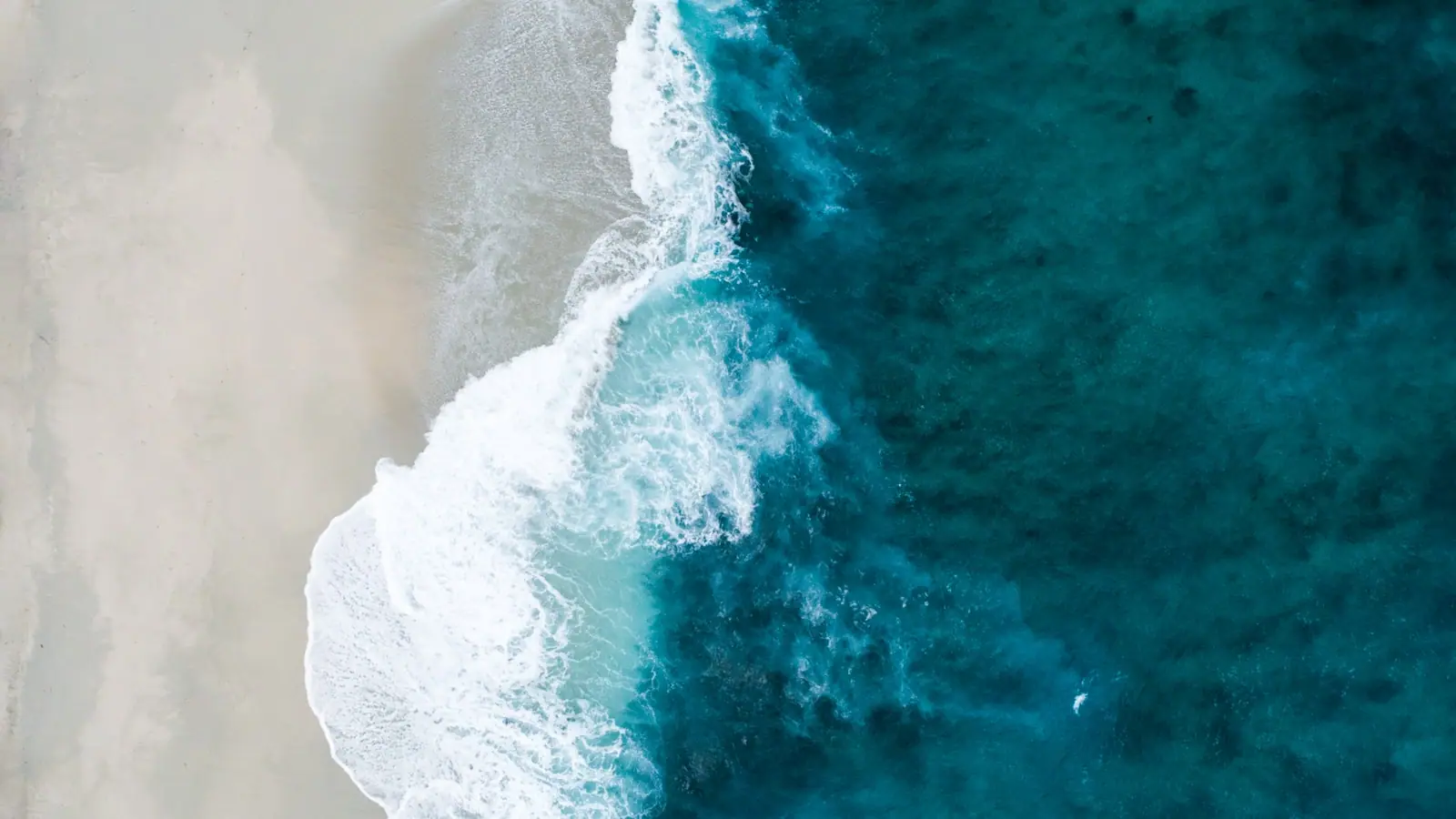
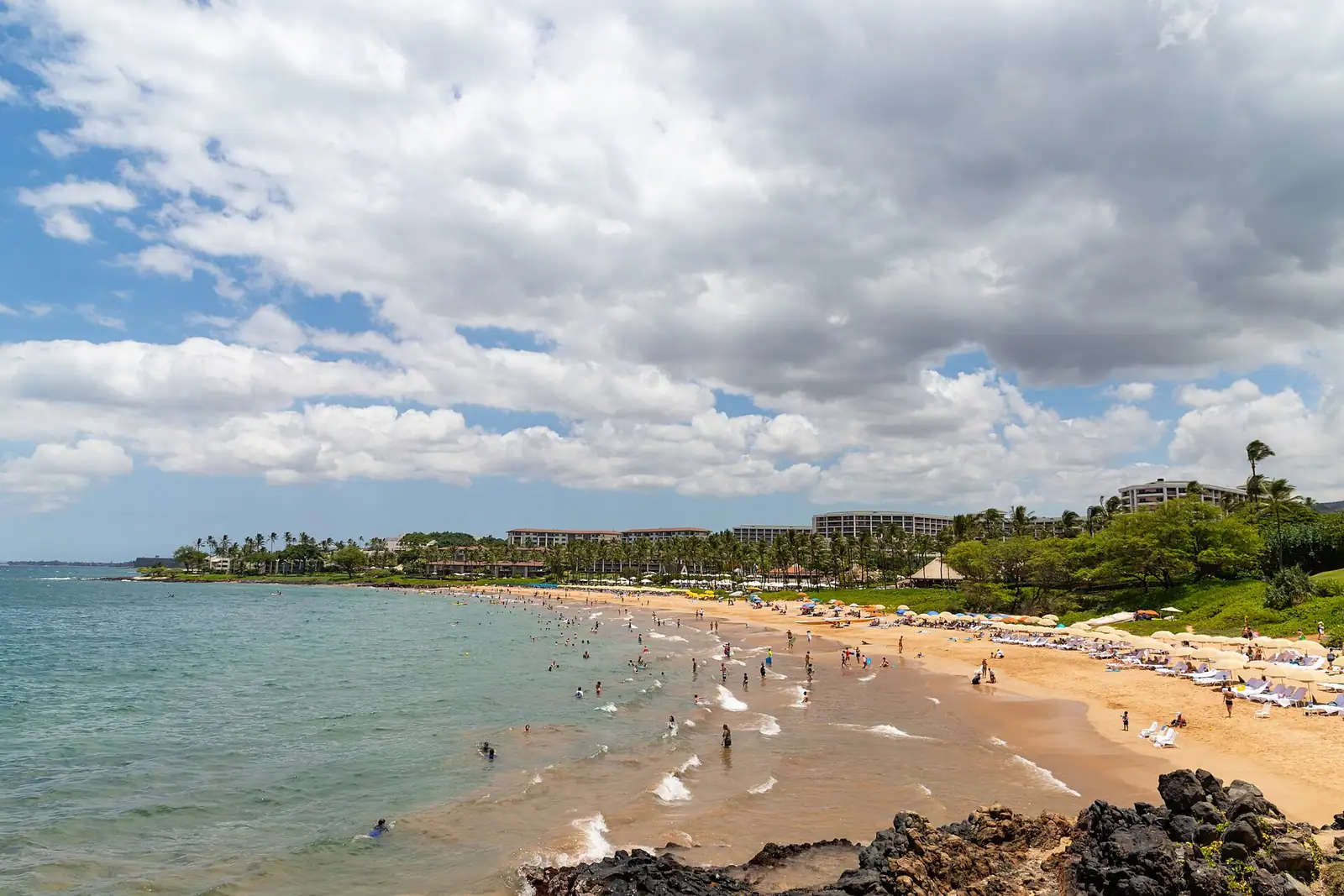
Wailea Beach is the centre panel of South Maui's resort coast: a short, calm crescent of pale sand with the Grand Wailea on one side and the Four Seasons on the other, and a free public car park wedged between them. That last detail is the point of this page. Hawaiʻi law guarantees public access to the shoreline, and the Wailea resorts were built with public beach access and public parking as conditions. Nobody at either hotel can ask you to leave the sand, and nobody can charge you to park in the public lot.

The water here is the gentlest on the island's south-west face. The bay is shallow and sandy with no significant reef in the middle, which makes it a straightforward swimming beach rather than a snorkelling one — the fish are on the rocky points at either end. Mornings are usually glassy. From around midday the trade winds accelerate down the flank of Haleakalā and across South Maui, and by two in the afternoon the surface has gone from mirror to chop. This is the single most reliable pattern on the leeward side of the island, and it decides most people's timing.

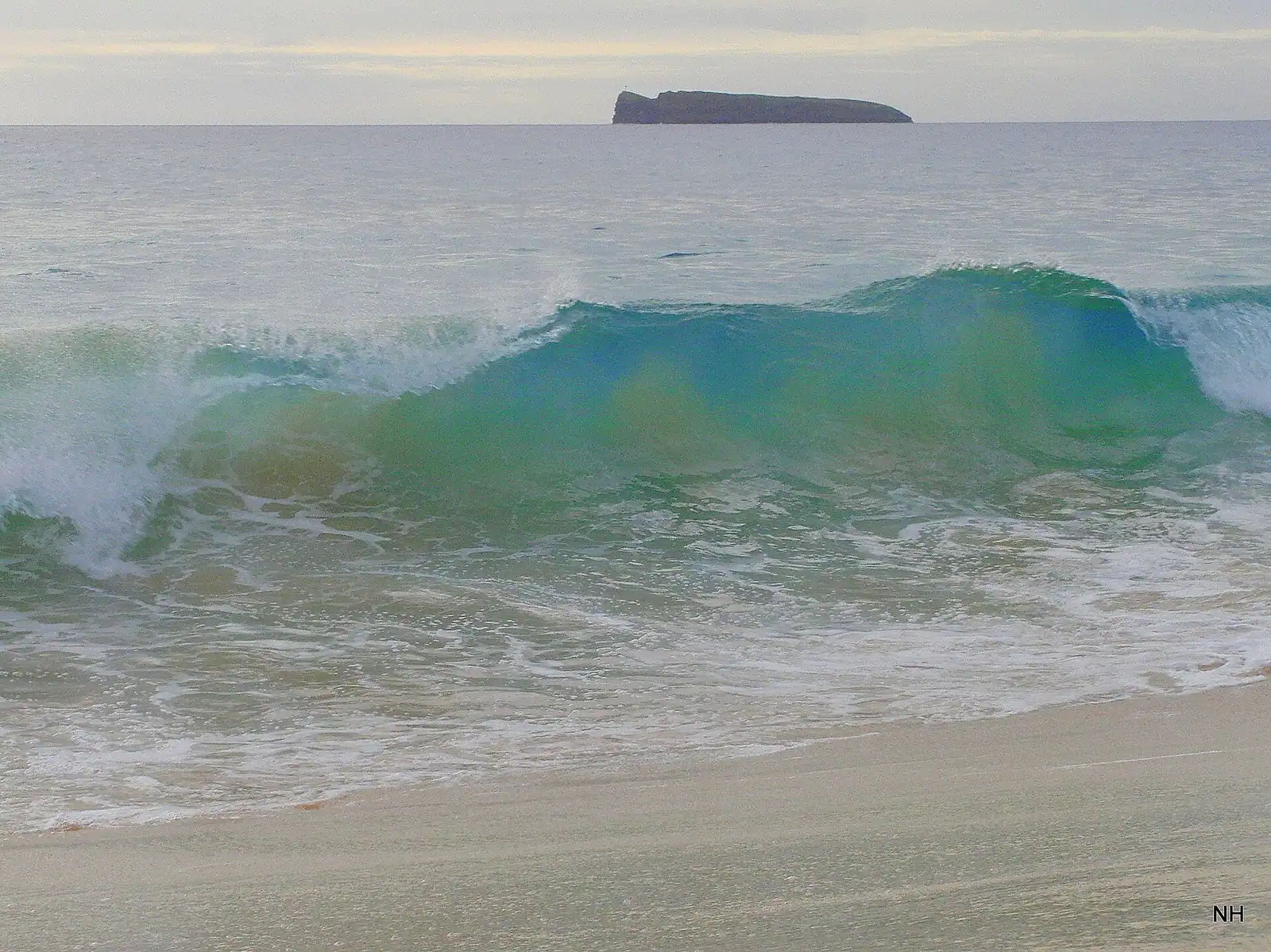
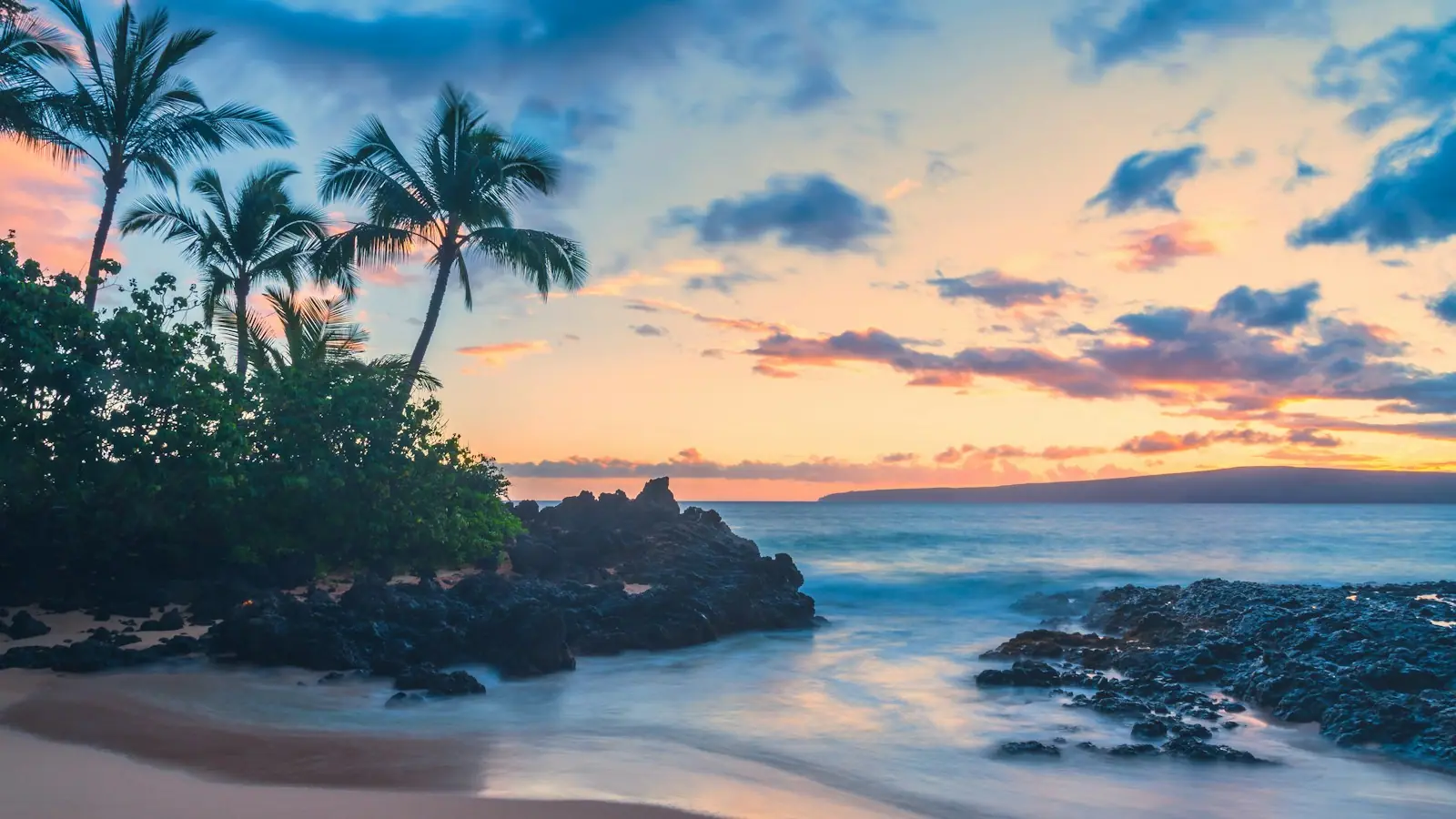
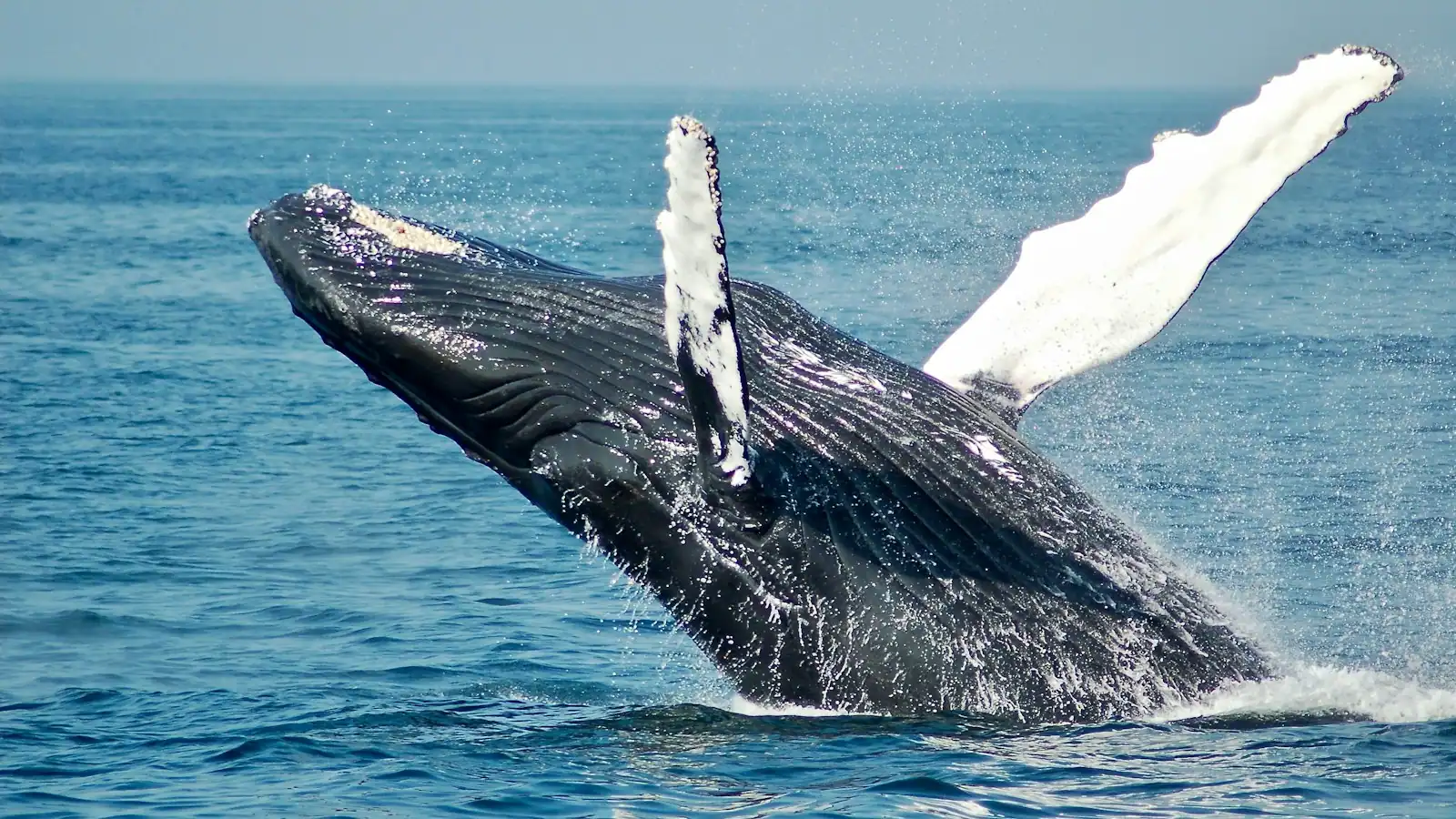
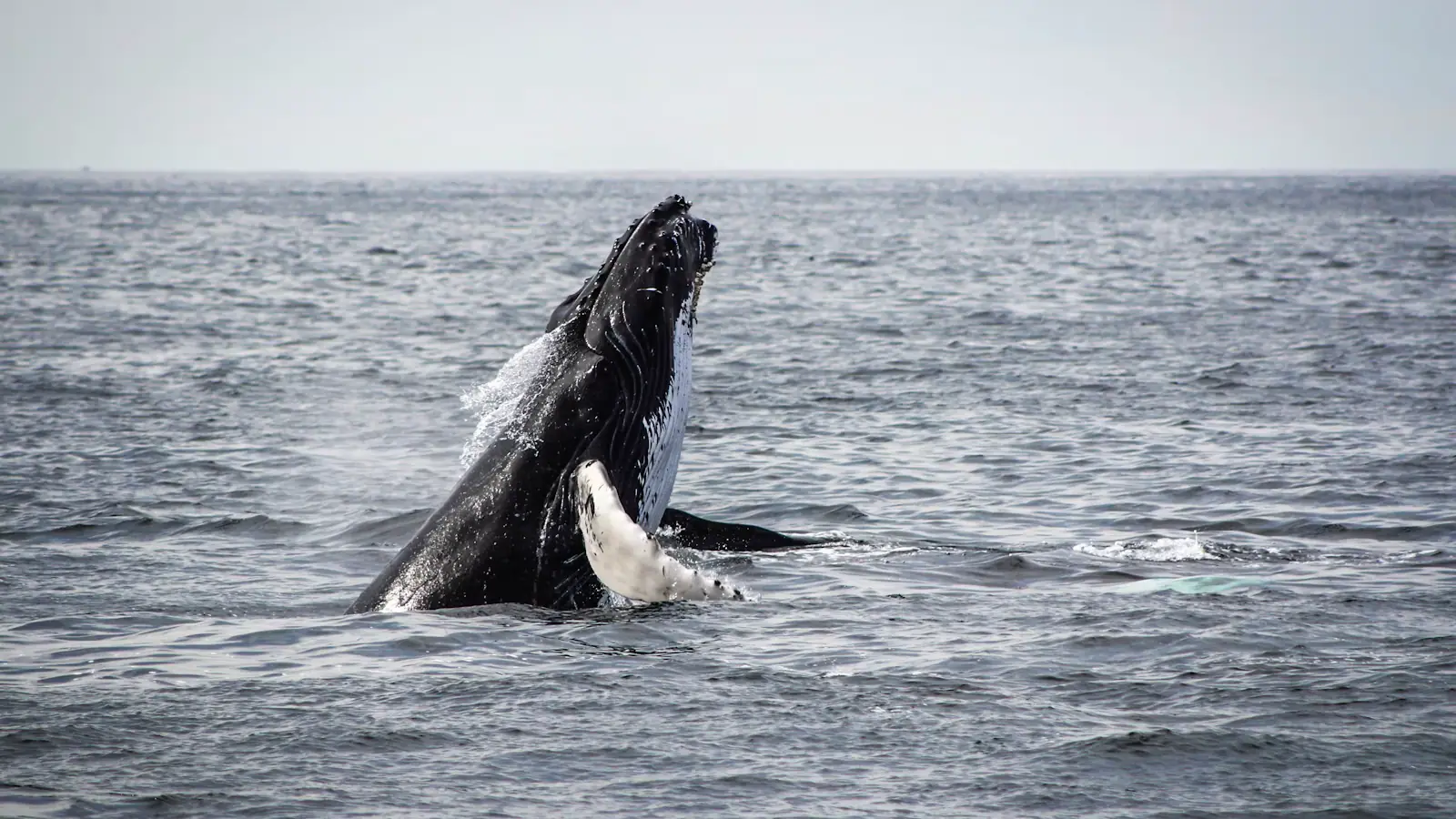
Look west and the horizon is busy: Kahoʻolawe low and dry on the left, the crescent rim of Molokini between it and Maui, and Lānaʻi off to the right. In whale season, from roughly December through April, humpbacks work the channel in front of the beach and you can watch breaches from a towel.

The other reason to come is the Wailea Beach Path, a paved shoreline walkway running about a mile and a half from Ulua Beach in the north to Polo Beach in the south, past Mokapu, Wailea, the Grand Wailea's gardens and the Four Seasons' lawns. It is open to everyone, it is level, and at either end of the day it is the best easy walk on the south shore. Early morning is when local runners have it; sunset is when everyone else does.

Wailea is a resort beach and does not pretend otherwise. It is polished, it is comfortable, and it works.
Getting there and parking

From Kahului Airport take the Mokulele Highway and then the Piʻilani Highway (Route 31) south through Kīhei, exiting onto Wailea Ike Drive and down to Wailea Alanui Drive. Allow around 35 to 45 minutes. From Kīhei it is ten minutes.

The public beach access lot is signed off Wailea Alanui Drive between the Grand Wailea and the Four Seasons. It is free and it is gated, with posted opening and closing times — read the sign on your way in.

If it is full, the free public lots at Ulua/Mokapu to the north and Polo Beach to the south are a few minutes away, and the paved Wailea Beach Path links all of them on foot. Keawakapu, at the southern end of South Kīhei Road, has more space again.

The Maui Bus serves Wailea from Kīhei and Kahului on a limited schedule; most visitors drive. Rideshare is reliable here in daylight and thins after dark.

The public lot, the gates and the nine o'clock rule

The Wailea Beach public access lot sits off Wailea Alanui Drive, signed, between the Grand Wailea and the Four Seasons. It is free. It is also small relative to the demand, and from December through April it is routinely full by nine in the morning.

Things worth knowing before you arrive:

  • The lot is gated and locked overnight. Posted hours have run from early morning to early evening — read the sign at the gate, because a car left inside after closing stays there until the gate is unlocked.
  • There is a second, smaller public access further along at the beach path entrance, and separate free public lots at Ulua/Mokapu to the north and Polo Beach to the south. If Wailea is full, Polo is usually the next-best bet, and the path connects them all.
  • Resort valet is not your parking. Do not park in a hotel's paid structure expecting to be treated as a beach visitor; use the signed public access.
  • Keawakapu, a few minutes north at the end of South Kīhei Road, has larger free lots and a longer beach if the whole Wailea strip has filled.

Restrooms and outdoor showers sit at the public access. There is no food at the beach itself, though the resort restaurants and the Shops at Wailea are a few minutes away on foot.

The Wailea Beach Path

The path runs roughly a mile and a half along the shoreline, connecting four beaches in order from north to south: Mokapu, Ulua, Wailea and Polo. It is paved, level and wide enough to pass on, with occasional short ramps and steps where it climbs over the lava points between coves.

Walking it end to end takes about forty minutes at a normal pace, more with stops. The public right of way is genuine — the resorts maintain the landscaping and the lawns fall away to either side, but the walkway itself cannot be closed to you. The plantings are worth slowing down for: the resorts spend serious money on them, and the stretch past the Grand Wailea and the Four Seasons is essentially a coastal botanical garden with a sea view.

Two good times. Before seven you get runners, a flat sea, the sun coming up over the shoulder of Haleakalā behind you and the beaches empty. The last hour before sunset gives you the light on Kahoʻolawe and Lānaʻi and, in season, whale spouts offshore; it is also the busiest the path gets.

Bring water — there are few fountains — and remember the lots close in the evening, so time the return leg against the gate rather than against the sunset.

Swimming, snorkelling and the afternoon wind

Wailea Beach is a swimming beach first. Sandy bottom, gentle shelf, no reef in the middle of the bay, and usually small surf — it is one of the easier entries on the island for children who are confident in water, and for anyone who wants a long swim parallel to the shore.

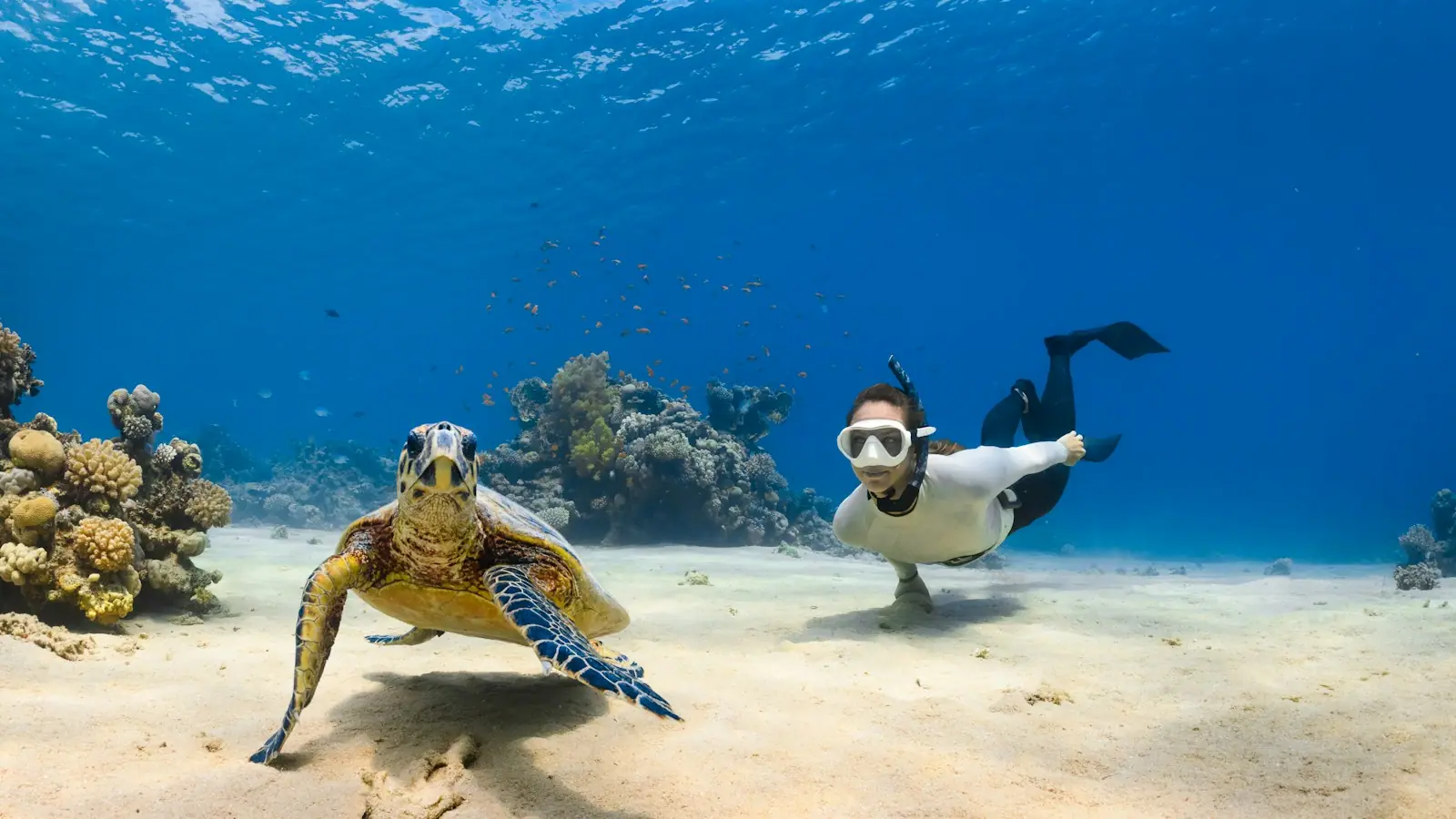
For snorkelling, work the rocky points. The north point towards Ulua and the south point towards Polo both hold reef and fish, and turtles feed along both. The middle of the bay is sand and holds very little. If snorkelling is the main event, Ulua Beach two coves north is the better choice, and is where the dive schools run their open-water training.

The wind is the variable that catches visitors out. South Maui's afternoon sea breeze and accelerated trades arrive with clockwork reliability — often before one in the afternoon — and turn a glassy bay into whitecaps. Nothing about it is dangerous at Wailea, but visibility for snorkelling is gone and the sand starts moving. Every experienced South Maui morning looks the same: in the water by eight, out by eleven.

There is no lifeguard at Wailea Beach. On south swells in summer, shorebreak builds on the steeper section at the south end; it is nothing like Mākena, but it is enough to knock a small child over.

Sunscreen, honu and shoreline manners

  • Mineral sunscreen only. Since October 2022 Maui County has banned the sale, distribution and use of non-mineral sunscreen without a prescription. Zinc oxide and titanium dioxide are the permitted actives. The statewide law bans oxybenzone and octinoxate; Maui County went further, and a resort gift shop will sell you a compliant product if you arrive with the wrong one.
  • Honu graze the rocky points at either end of the bay and occasionally rest on the sand. NOAA and Hawaiʻi DLNR ask for at least ten feet, on land and in the water. Do not swim over one and do not touch.
  • Hawaiian monk seals haul out on South Maui beaches from time to time. Fifty feet, more with a pup, and call it in rather than crowding it.
  • The sand is public, the furniture is not. Rows of loungers and cabanas on the resort frontage belong to the hotels. The beach in front of them does not, and you can put a towel anywhere below the high-water line.
  • No smoking on Hawaiʻi beaches, and no glass.
  • Pack out what you bring. Bins at the public access, not on the sand.

Tours that visit Wailea

Operators run these trips past Wailea, or stop there as part of a longer route. We list what the booking data supports — not everything that mentions the name.

Booking through these earns us a commission from Viator. You pay the same, and payment did not decide what is listed.

Shared departurespriced per seat, best value for one or two

Private and small-group optionsoften cheaper per head for a family or a group of six

Near Wailea

Straight-line distances, so allow more on the road — the island is long and has one main parkway.

  • A snorkeller floating above shallow reef and coral heads in clear water

    Beach

    Ulua Beach

    Free

    A small Wailea cove with reef on the point, used by every South Maui dive school, sharing one modest car park with Mokapu.

    1–3 hoursFree, including the shared Ulua and Mokapu public car park.0.4 mi away

  • A long, softly curving beach with calm shallow water and a dry hillside beyond

    Beach

    Keawakapu Beach

    Free

    Three quarters of a mile of soft sand between Kīhei and Wailea, three free car parks, and the island's best morning swim.

    1.5–4 hoursFree, with three free car parks along its length.0.8 mi away

  • A wide, empty stretch of coarse gold sand curving away beneath a bare reddish volcanic hill

    Beach

    Mākena Beach (Big Beach / Oneloa)

    Free

    Two-thirds of a mile of undeveloped gold sand backed by a cinder cone, with a shorebreak that puts people in hospital every year.

    1.5–5 hoursBeach access is free; non-residents pay to park at the state park kiosks.3.7 mi away

  • A wide golden beach with calm water and palm trees under bright morning sun

    Neighbourhood

    Kīhei

    Free

    Six miles of beach, three lifeguarded parks and the best free whale watching on Maui, plus a wind that arrives every afternoon.

    2–8 hoursFree. All the beach parks are public with free parking.5.2 mi away

Wailea: common questions

Is Wailea Beach public?

Yes, completely. Every shoreline in Hawaiʻi is public to the high-water mark, and the Wailea resorts were permitted on condition that they provide public beach access and public parking. There is a free, signed public access car park off Wailea Alanui Drive between the Grand Wailea and the Four Seasons, with restrooms and showers. No hotel can ask you to leave the sand. What does belong to the resorts is the furniture — the loungers and cabanas on their frontage are for guests.

Where can you park for free at Wailea Beach?

In the signed public beach access lot off Wailea Alanui Drive, between the Grand Wailea and the Four Seasons. It costs nothing but it is small, and from December through April it is commonly full by nine in the morning. The lot is gated and locked overnight, so read the posted hours. Free public lots at Ulua and Mokapu to the north and Polo Beach to the south are the fallbacks, and the paved beach path connects all four coves.

Is Wailea Beach good for snorkelling?

Moderately. The middle of the bay is sand with very little to see, which is exactly what makes it a good swimming beach. The fish are on the rocky points at either end, and turtles feed along both. If snorkelling is the reason you came, Ulua Beach two coves north is markedly better and is where the local dive schools run training. Go before ten either way, because the afternoon trade winds reach South Maui around midday and take the visibility with them.

How long is the Wailea Beach Path?

About a mile and a half, running along the shoreline from Ulua Beach in the north to Polo Beach in the south and passing Mokapu and Wailea beaches on the way. It is paved and level apart from short ramps and steps over the lava points, and takes roughly forty minutes end to end at a walking pace. It is a public right of way through resort grounds, best walked before seven in the morning or in the hour before sunset.

Are there lifeguards at Wailea Beach?

No. There is no county lifeguard tower at Wailea Beach, and the same applies at Ulua, Mokapu and Polo. Conditions are usually gentle — a sandy bottom, a shallow shelf and small surf — but summer south swells can put shorebreak on the steeper southern end of the bay, and the afternoon wind makes the water choppy. The nearest staffed towers on the south shore are at Kamaʻole Beach Parks in Kīhei and at Mākena State Park.