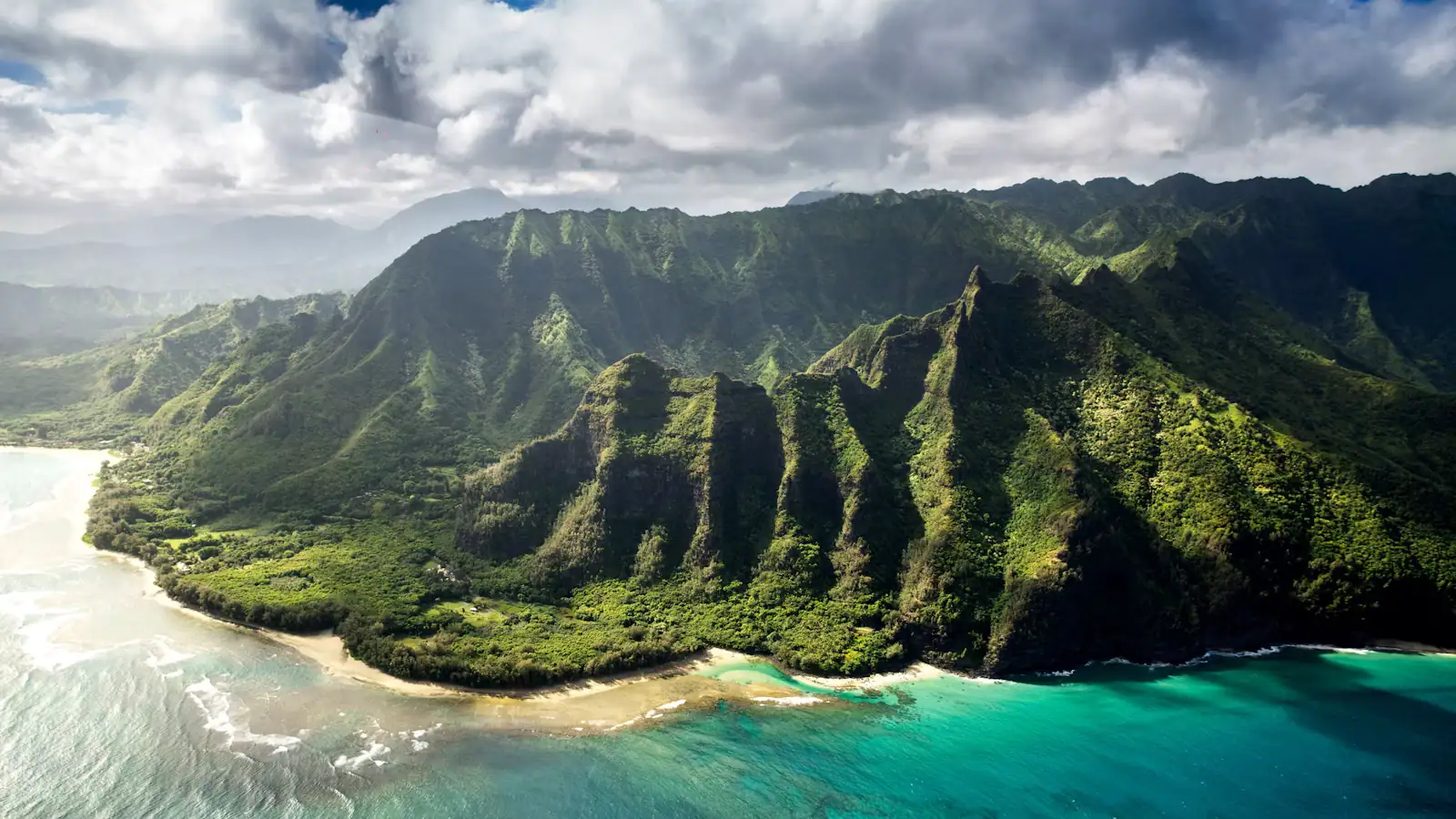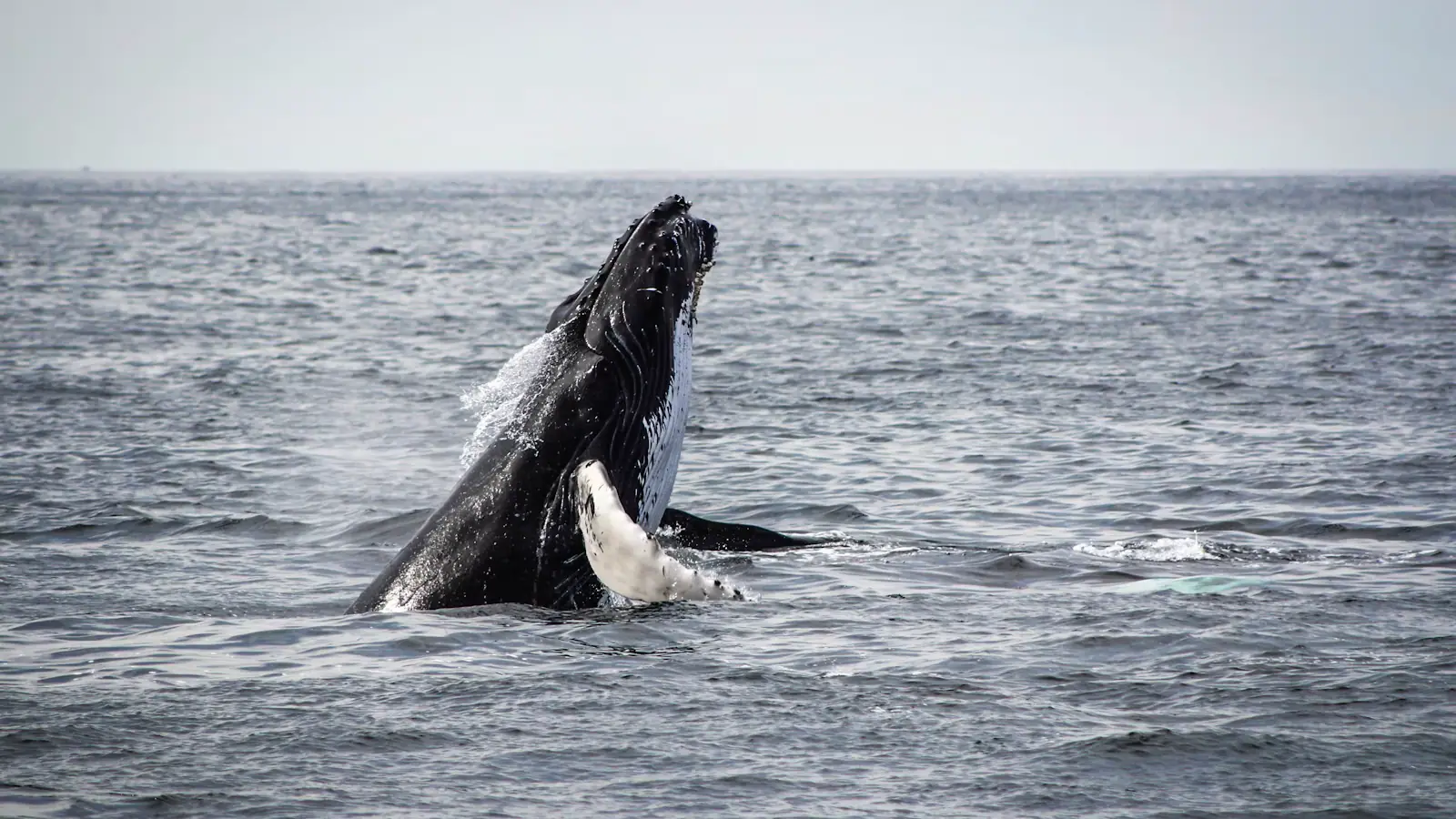
Koholā, the North Pacific humpback, spends the summer feeding in Alaskan waters and the winter breeding in Hawaiʻi. Something in the region of ten thousand of them make the crossing, and a very large share of those choose the Maui Nui Basin — the shallow, sheltered shelf enclosed by Maui, Molokaʻi, Lānaʻi and Kahoʻolawe. Much of that basin is under 600 feet deep and protected from the open swell, which is exactly what a female with a newborn calf wants.
This is why Maui is the best place in the Hawaiian islands to see whales, and why in February you can sit in a car park on the Honoapiʻilani Highway and watch them for an hour without spending anything.
When
| Month | What is happening |
|---|---|
| November | First arrivals. Occasional sightings, nothing to plan around |
| December | Numbers building through the month. Boats start running dedicated trips |
| January | Season proper. Consistently good |
| February | Peak. The highest density and the most surface activity |
| March | Still excellent, with more calves visible and mothers moving slowly |
| April | Thinning out. Late-season sightings can still be very good |
| May onwards | A few stragglers, then nothing until late autumn |
If whales are the reason for the trip, come in February. If they are a bonus on a beach holiday, any week from mid-December to early April will produce sightings.
One thing to understand about the calendar: humpbacks do not feed while they are here. They live off fat laid down in Alaska. Everything they do in Maui waters — the singing, the surface displays, the competition pods — is about breeding and calving, not food.
Watching from shore, free
Boats are better. Shore watching is free, unlimited in duration and nobody is seasick.
- Papawai Point on the Honoapiʻilani Highway between Māʻalaea and Olowalu. The headland pushes out into the channel and whales pass close. The lay-by is small and popular; pull in properly and do not stop on the highway.
- Puʻu Ōlaʻi, the cinder cone at the north end of Mākena, has a short steep climb to a viewpoint over the Mākena and Molokini water.
- The Wailea coastal path, one and a half miles of paved walkway between the resorts, with benches and a clear line of sight south.
- Kāʻanapali Beach and the boardwalk, straight out into the ʻAuʻau Channel toward Lānaʻi, which is one of the busiest stretches of water in the season.
- The Lahaina Pali Trail above the highway, for a long view down the coast, which is a hot, exposed hike and worth it on a clear morning.
Bring binoculars. Scan the horizon rather than staring at one point, and look for the blow — a bushy white spout that hangs for a few seconds — before you look for the animal.
Choosing a boat
Morning trips are calmer. The trades build through the day here as they do everywhere on Maui, and a 7:30 a.m. departure out of Māʻalaea is a very different ride from a 2 p.m. one.
Larger catamarans are stable, have toilets and shade, carry a naturalist, and usually run a hydrophone so you can hear the males singing. Best for families, anyone prone to seasickness, and anyone who wants the biology explained.
Rafts and rigid inflatables sit low and fast, get you out to the whales quickly and give a visceral, wet ride. No shade, no toilet, a hard seat, and usually a minimum age. Best for people who want the water in their face.
Sailing charters are quiet, which matters more than it sounds. An engine off and sails up gives a better chance of the whales choosing to come to you.
Whatever you book, check whether the operator guarantees a second trip free if nothing is sighted. Many do in peak season, and it costs them almost nothing because the sighting rate in February is close to certain.
The rules, which apply to you as well
Federal regulations prohibit approaching a humpback whale within 100 yards when you are on or in the water — that covers vessels, kayaks, stand-up paddleboards, canoes and swimmers — and within 1,000 feet by aircraft, which includes drones. The rules apply to all ocean users, year-round, throughout Hawaiian waters, and they are enforced by NOAA's Office of Law Enforcement alongside the Coast Guard and the state.
In practice, on a good boat, this is what it looks like. The captain stops well off, puts the engine in neutral and waits. If a whale chooses to swim toward the boat, that is allowed and it is the best thing that can happen on a whale watch. What is not allowed is positioning the vessel into the animal's path, chasing a moving pod, or splitting a mother and calf.
A captain who parallels a pod at speed, or keeps repositioning to stay in front of them, is breaking the law with you on board. Whale watching on Maui is a mature industry with a strong voluntary code on top of the regulations; the good operators are visibly patient. Watch how yours behaves and choose differently next time if it is not.
Kayakers and paddlers get caught out most often, because a whale surfacing 40 yards from your board is your problem to solve, not the whale's. Stop paddling, stay still, and let it move away.
What you are looking at
The blow. The first thing you will see, usually before anyone points.
A breach. The whole animal out of the water. Nobody agrees on why they do it. February is when you have the best chance.
Pectoral slapping and tail slapping. Repeated, deliberate, loud enough to hear from shore on a calm day.
A peduncle throw. The tail stock swung sideways out of the water. Usually aggression, usually part of a competition pod.
A competition pod. Several males pursuing a single female, with lunging, bubble screens and physical contact. The most dramatic thing you can see here.
Mothers and calves. From late winter, cows with newborns lying quietly in shallow water close to shore. A calf surfaces every few minutes; the mother can stay down far longer. Give them room, and expect a slow, gentle sighting rather than a spectacular one.
Under the water, the males sing. The song is long, structured, repeated, and it changes across a season with the whole population adopting the changes. If your boat has a hydrophone and the captain cuts the engine, this is the part that stays with people.
Photographing whales without ruining the trip
Put the phone down for the first sighting. People spend an entire trip through a screen and remember none of it.
If you are shooting: a shutter of 1/1000 or faster, continuous autofocus, and burst mode. Whales surface for a few seconds and the good frame is the one before you knew it was coming.
Frame wider than feels right. A breach that fills your viewfinder at the moment of prediction will be cropped in half by the moment of action.
Watch the blow and the back for direction of travel, then point the lens where the animal is going rather than where it was. A fluke-up dive gives a couple of seconds of warning: the back arches high, then the tail comes up.
Shoot from the upper deck if the boat has one, and wipe the lens. Salt spray on glass is the main reason people come home with nothing usable.
Drones are prohibited within 1,000 feet of a humpback. Leave it in the bag.
What else winter on Maui means
Whale season and the island's winter high season overlap, so expect higher rates and busier restaurants from mid-December through March, with the Christmas and New Year fortnight the most expensive of the year.
North and northwest swell through the same months closes the best shore snorkelling on the northwest coast, Honolua Bay in particular, and puts serious surf on the north shore breaks. South shore beaches in Kīhei and Wailea stay calmer, which is where winter visitors end up swimming.
Windward rain is heavier in winter, which means a greener Hāna road, fuller waterfalls and a higher chance of the road closing after a storm. Upcountry evenings are properly cold, and the Haleakalā summit can see sleet.
The upside is that February is the best month of the year to be on a boat in Maui waters, and one of the quieter months on the Hāna road. If you can accept a wetter windward side, it is an excellent time to come.
Last updated
Opening hours, ordinances and prices move with the season. We re-check this guide rather than rewrite it, and the date above is the last time someone did. How we research and correct.