Skip to content
Menu

Booking through these earns us a commission from Viator. You pay the same, and payment did not decide what is listed.

Search

Beach

Mākena Beach (Big Beach / Oneloa)

Last updated

Two-thirds of a mile of undeveloped gold sand backed by a cinder cone, with a shorebreak that puts people in hospital every year.

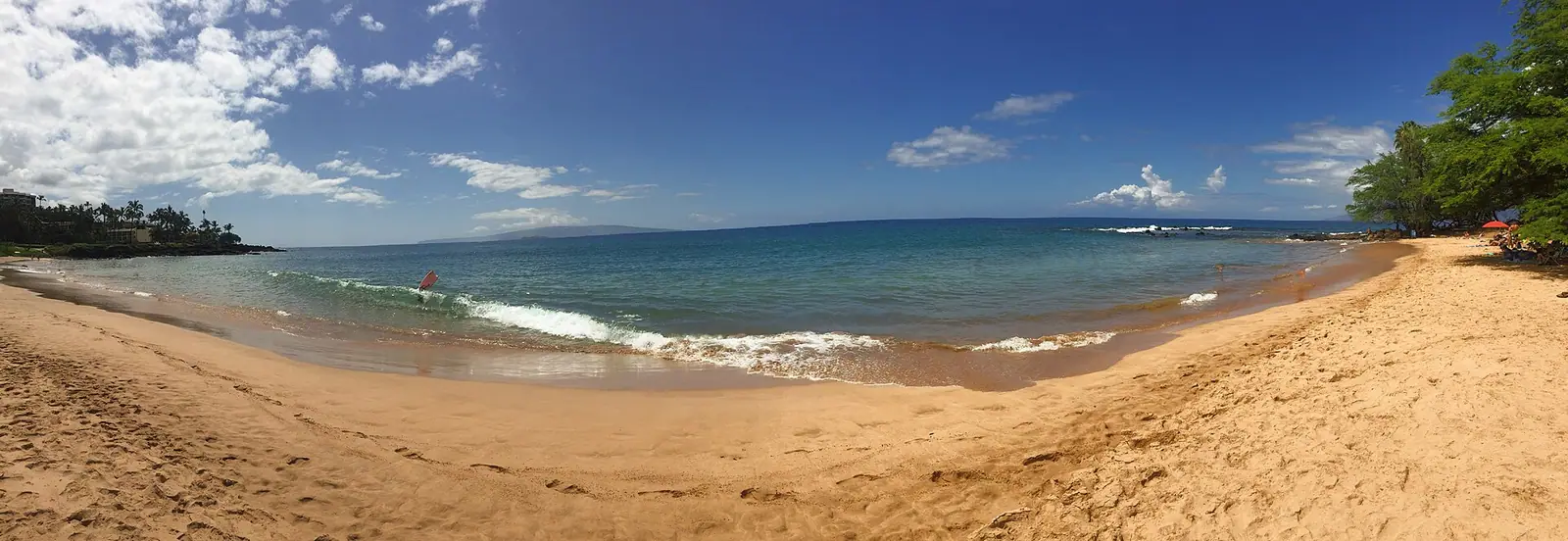
Mākena Beach — Oneloa in Hawaiian, Big Beach to almost everyone else — is about two-thirds of a mile long and a hundred feet deep, with no buildings behind it and a red-black cinder cone, Puʻu Ōlaʻi, closing off the north end. It is the last stretch of undeveloped coast on South Maui before the ʻĀhihi-Kīnaʻu reserve and the lava fields, and it looks the way people imagine Hawaiʻi looked before the resorts. The sand is coarse and gold, deep enough to be hard work to walk on, and the water in front of it is an absurd shade of blue.

It is also the beach that hurts the most people in the state. Hawaiʻi Department of Health injury data covering 2009 to 2017 recorded around forty spinal-cord injuries at Mākena, the highest total of any beach in Hawaiʻi. The mechanism is specific and worth understanding, because it is not a rip current and it is not a long swim gone wrong. Big Beach shelves steeply, so swells do not break on an outer bar and roll in. They stand up in a few feet of water and detonate straight down onto hard-packed sand a stride from dry land. People get picked up, driven head-first into the bottom and come out with a broken collarbone, a dislocated shoulder or a neck injury. It happens to strong swimmers, it happens in knee-deep water, and it happens to people who were standing rather than swimming.

None of that means stay away. It means read the flags, ask the lifeguards — there are towers here, and they will tell you exactly what the sandbar is doing that day — and treat the first ten feet of water as the hazard rather than the deep end. On a flat summer morning Big Beach is a swimming beach. On a south swell in July, or a big winter day, it is a beach to look at.

There is no shade, no drinking water and no food. The kiawe trees at the back of the lots drop thorns that go through jandals. Bring water, bring shoes, and plan to leave before you run out of either.
Getting there and parking

From Kīhei follow South Kīhei Road or the Piʻilani Highway south, join Wailea Alanui Drive through Wailea, and continue as it becomes Mākena Alanui and then Mākena Road. The state park entrances are signed on the right, roughly five minutes past the last Wailea resort. From Kahului Airport allow around 50 minutes without traffic.

Use the second entrance if the first is backed up; it drops you into the middle of the beach and usually clears faster. Parking is paid for non-residents at kiosks in the lots.

There is no bus service of any use here and rideshare supply thins out south of Wailea, especially in the evening. Coming without a car means arranging the return trip before you set off, not after sunset with no signal.

The shorebreak, in plain language

This is the single most important thing on this page, so it gets stated without softening.

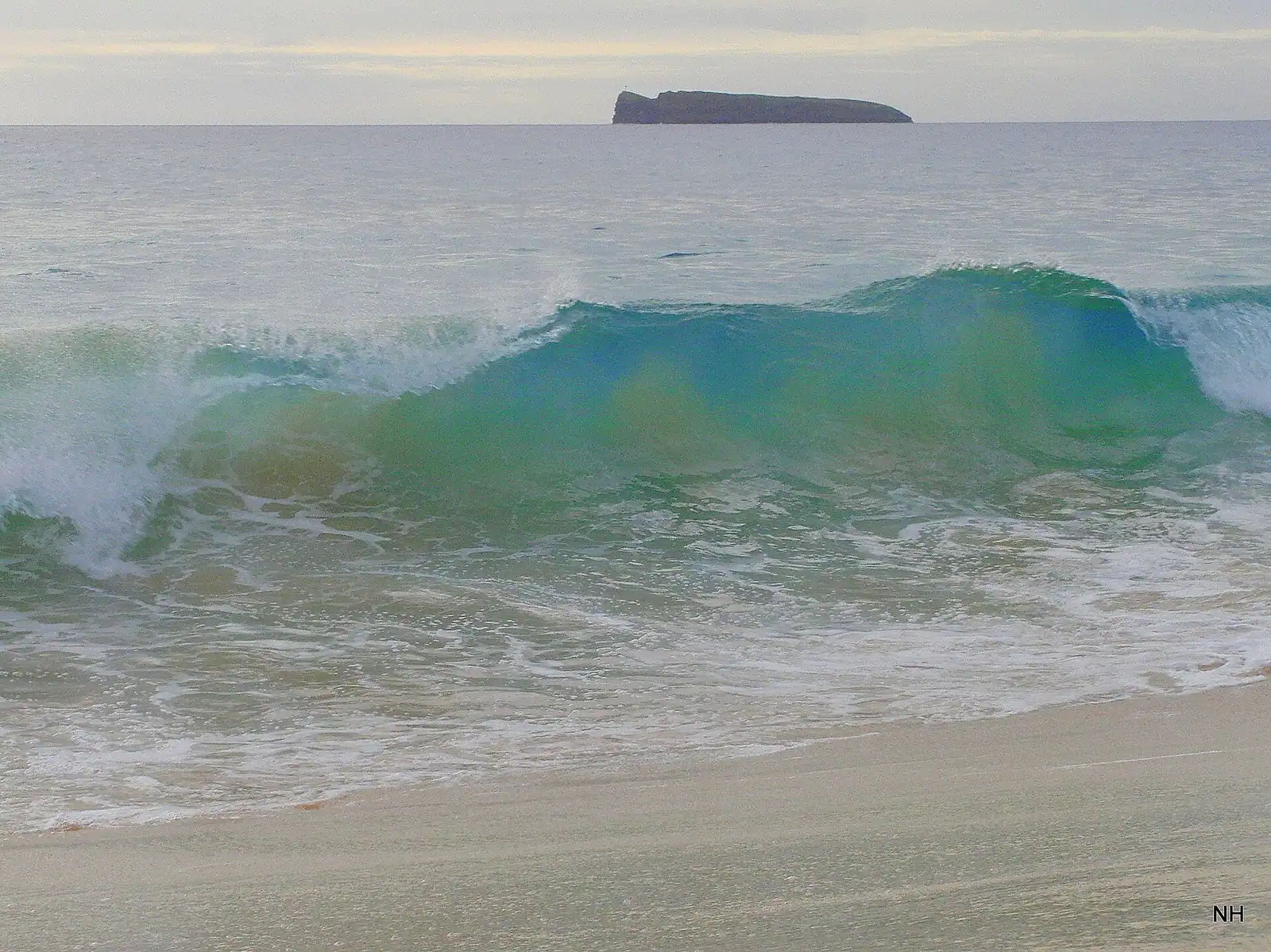
Mākena's beach face is steep. Waves that look modest from the sand carry their full energy into shin-to-waist-deep water and then close out onto packed sand. A three-foot wave here does something a six-foot wave on a gently shelving beach does not. The state's injury data for 2009–2017 put Mākena at the top of Hawaiʻi's list for spinal-cord injuries, and Maui beaches as a group led the state. Locals have a blunt nickname for it that involves the word "neck".

What actually keeps people safe:

  • Look before you commit. Stand and watch a full set — two or three minutes — before anyone goes in. If waves are throwing and slapping rather than rolling, the answer is no.
  • Never turn your back on the water in the impact zone, and never let a wave take you in head-first. If one catches you, go feet-first or roll onto your side.
  • Bodysurfing and boogie boarding here are how most of the serious injuries happen. Experienced local bodysurfers ride this wave; they know where the sandbar is and they still get hurt.
  • Children belong on the dry sand when there is any shorebreak at all. There is no shallow zone to play in — the shallow zone is the danger.
  • Ask a lifeguard. The towers here are staffed, and the guards will describe the day's conditions specifically. This is the most useful thirty seconds of your visit.

Flags and warning signs at the entrances are not decoration. On a red-flag day, drive fifteen minutes north to Keawakapu or Ulua instead.

Entrances, parking and fees

Mākena State Park has more than one entrance off Mākena Road, and they matter. The first (northern) entrance is closest to Puʻu Ōlaʻi and the busiest. The second entrance puts you in the middle of the beach and usually has more space. There is a further southern access as well.

Hawaiʻi State Parks charges non-residents to park here, with Hawaiʻi residents paying a reduced rate or nothing on production of a state ID; payment is at kiosks in the lots, by card or by scanning a QR code. Fees at Hawaiʻi state parks have been revised repeatedly since paid parking arrived at Mākena, so check the current rate at the kiosk and do not budget from a number you read in a blog post, including this one. Unlike ʻĪao Valley and Waiʻānapanapa, Mākena has not required an advance reservation, but the state has been extending its reservation systems, so confirm before you drive down.

Park gates open early and close in the evening — posted hours have run roughly 5am to 7pm — and cars left inside after closing get locked in. Read the sign at the gate on the way past.

Two practical warnings. Break-ins happen in beach lots on this island; leave nothing visible, and ideally nothing at all, in the car. And the kiawe trees shading the edges of the lots drop long thorns that will go through a flip-flop and into a tyre.

Puʻu Ōlaʻi and Little Beach

Puʻu Ōlaʻi is the cinder cone at the north end, a 360-foot remnant of the Haleakalā rift zone eruptions that built this whole coastline. The dark rock, the gold sand and the water make the one photograph everybody takes from the northern end of the beach.

A rough trail scrambles over the low shoulder of the cone to Little Beach (Puʻu Ōlaʻi Beach) on the far side — a short, steep climb over loose lava rock that needs both hands and proper shoes. Little Beach has long been used as an unofficial clothing-optional beach; nudity is not actually legal on Hawaiʻi beaches and enforcement has varied over the years, with the state cracking down at various points. The weekly drum circle that ran there for decades was shut down. If you go, go knowing that, and behave accordingly.

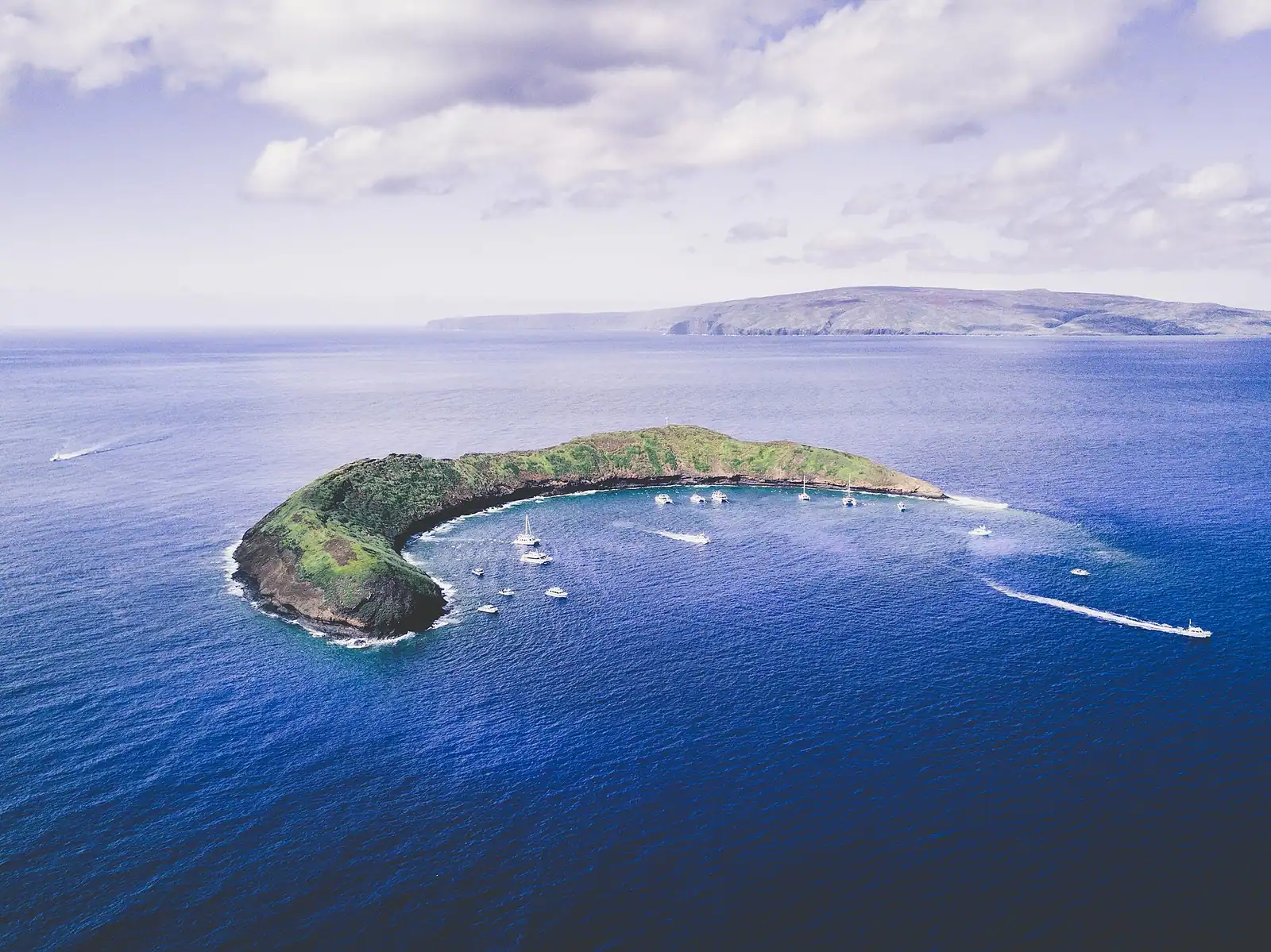
The same trail gives the best view of the whole sweep of Oneloa, and on a winter morning, of humpbacks in the Alalākeiki Channel between Maui and Kahoʻolawe. From the top of the cone the profile on the horizon is Kahoʻolawe; the small crescent to the north-west is Molokini.

When to come

Morning is the answer nearly every time. South Maui's trade winds build through the middle of the day, and by early afternoon the surface is textured and the sand is moving. Mornings are calmer, the lots are emptier and the light is better on Puʻu Ōlaʻi.

Summer (roughly May to September) brings south swells from the southern hemisphere. These are the swells that make the shorebreak dangerous at Mākena, and they arrive without any local weather to warn you — a clear, windless day can have a heavy shorebreak. Winter north-west swells wrap around less here than they do in West Maui, but big days still reach this coast.

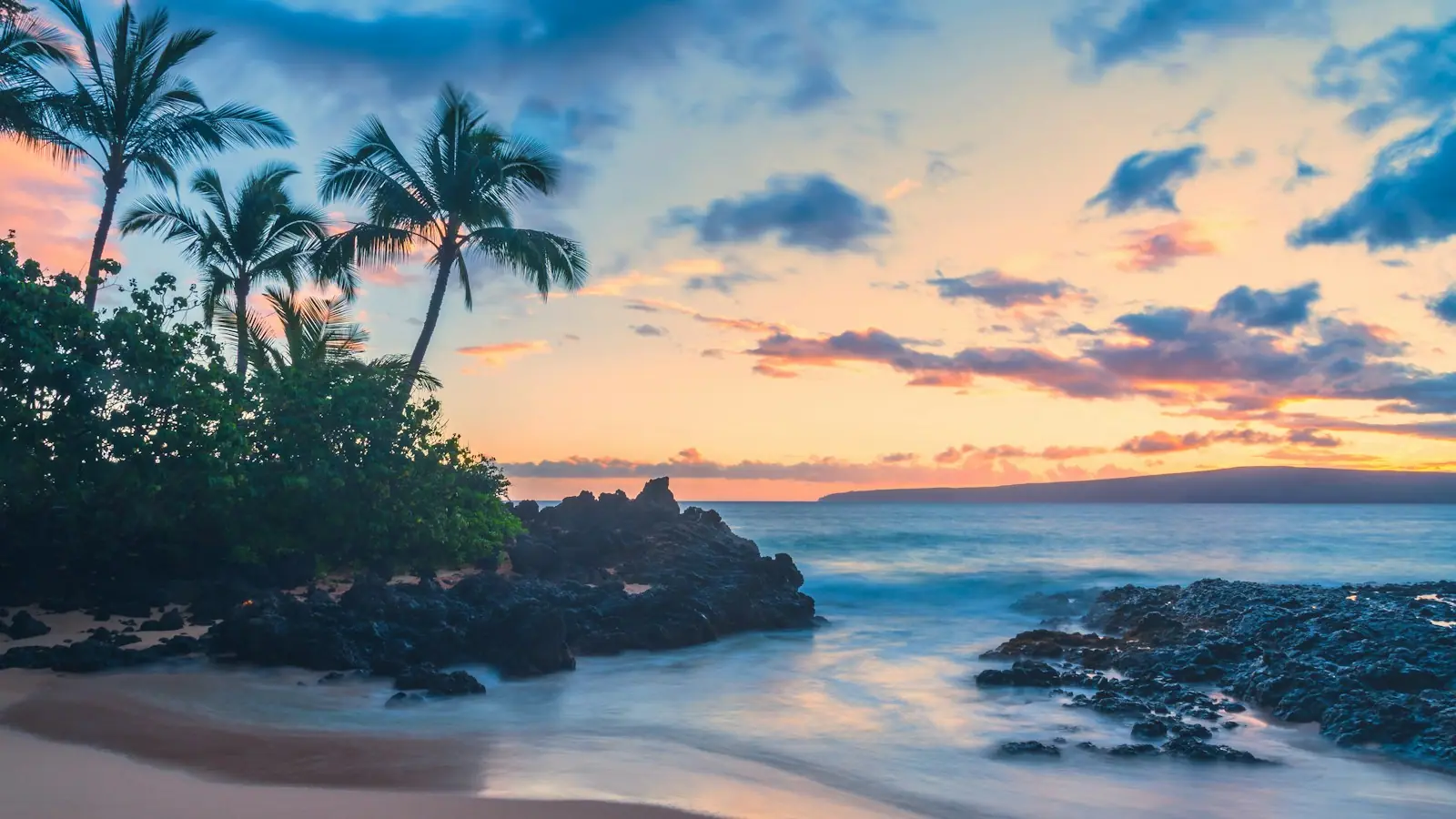
Sunset is the other reason to come, and Mākena faces west across the channel at Kahoʻolawe, Molokini and Lānaʻi. Allow for the gate closing time; the lots are locked in the evening, and the walk out in the dark over that sand with a cooler is nobody's idea of a good ending.

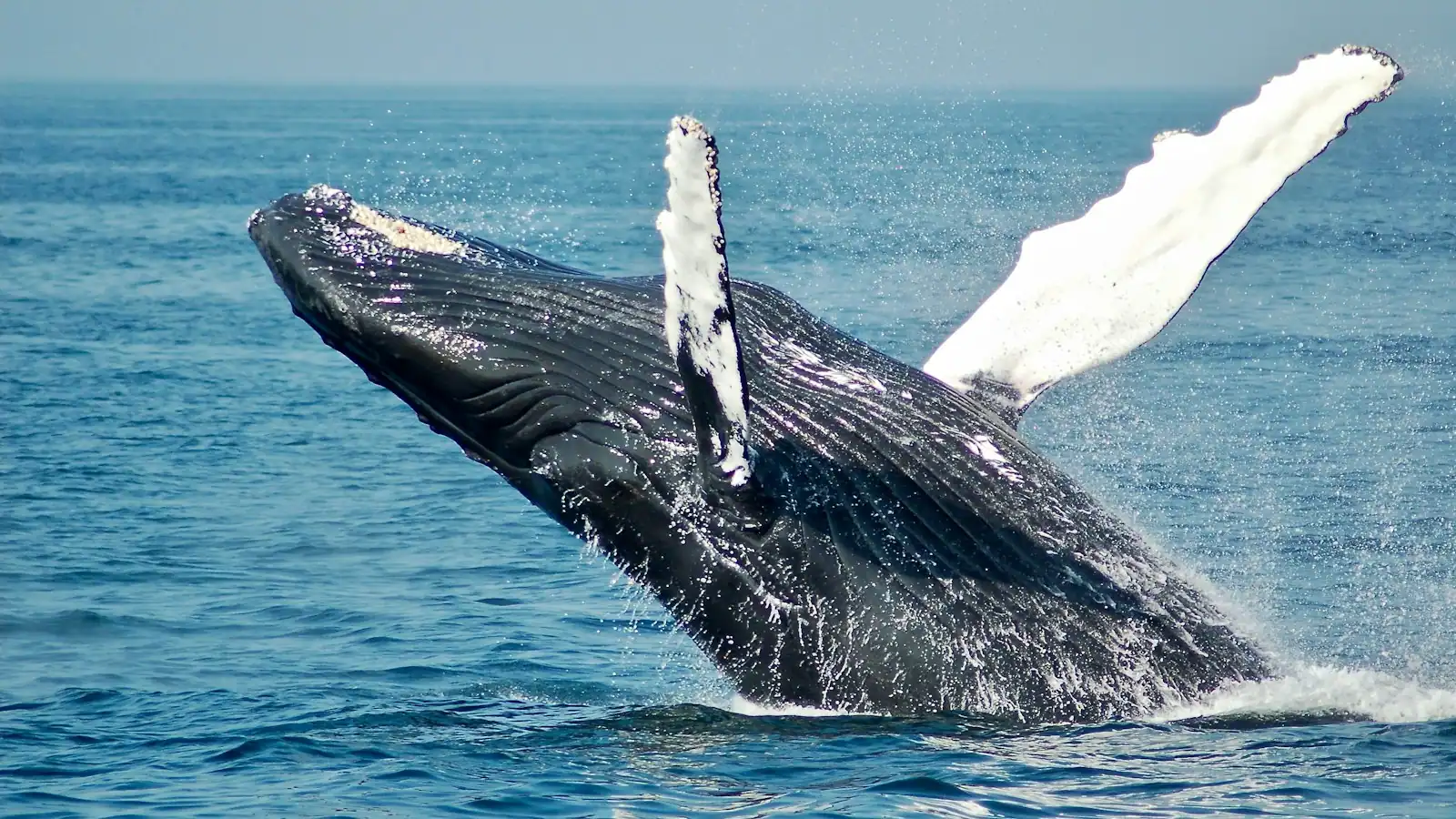
Whale season runs roughly December to April, peaking January to March, and the Alalākeiki Channel in front of this beach is one of the better shore-watching positions on the island.

What to bring, because there is nothing here

  • Water. There is no drinking water at the park. This is a hot, exposed, black-sand-adjacent beach with no shade at all past mid-morning.
  • Mineral sunscreen. Maui County has banned the sale, distribution and use of non-mineral sunscreen without a prescription since October 2022 — zinc oxide and titanium dioxide only. The statewide law covers oxybenzone and octinoxate; Maui County's is stricter than that.
  • A beach umbrella or shade tent. The kiawe at the back is not usable shade and the sand gets genuinely too hot to stand on barefoot.
  • Shoes. For the sand, for the kiawe thorns in the car park, and for the Puʻu Ōlaʻi scramble if you do it.
  • Reef shoes are not much help in the shorebreak and can make footing worse. Bare feet, feet-first, eyes on the water.
  • A cool box with your own food. No concessions, no shop, nearest supplies are back in Kīhei or Wailea.
  • Nothing valuable left in the car.

Tours that visit Big Beach

Operators run these trips past Big Beach, or stop there as part of a longer route. We list what the booking data supports — not everything that mentions the name.

Booking through these earns us a commission from Viator. You pay the same, and payment did not decide what is listed.

Shared departurespriced per seat, best value for one or two

  • Maui: Lahaina ATV Adventure

    Low Supplier Cancellation Rate

    Maui: Lahaina ATV Adventure (opens in a new tab)

    Free cancellation
    1.8K reviews

    You’ll have the chance to drive, or simply be a passenger in one of today’s most advanced 4 seater off-road vehicles, the Canam sport max…

    2 hours

    Prices checked

    from $202.55
  • Maui Atlantis Submarine Adventure

    Excellent Quality

    Maui Atlantis Submarine Adventure (opens in a new tab)

    Free cancellation
    815 reviews

    All riders must be 36 inches or taller to participate/ride submarine. Dive 100 feet below the surface and experience Maui’s marine…

    2 hours

    Prices checked

    from $144.36Usually $160.41

Private and small-group optionsoften cheaper per head for a family or a group of six

Near Big Beach

Straight-line distances, so allow more on the road — the island is long and has one main parkway.

  • Pale sand and calm turquoise shallows below a landscaped resort lawn with palms

    Beach

    Wailea Beach

    Free

    A calm crescent between the Grand Wailea and the Four Seasons, with a free public lot and a paved path linking four beaches.

    1.5–5 hoursFree, including the public beach access car park. Hawaiʻi shorelines are public to the high-water mark.3.7 mi away

  • A snorkeller floating above shallow reef and coral heads in clear water

    Beach

    Ulua Beach

    Free

    A small Wailea cove with reef on the point, used by every South Maui dive school, sharing one modest car park with Mokapu.

    1–3 hoursFree, including the shared Ulua and Mokapu public car park.4 mi away

  • A long, softly curving beach with calm shallow water and a dry hillside beyond

    Beach

    Keawakapu Beach

    Free

    Three quarters of a mile of soft sand between Kīhei and Wailea, three free car parks, and the island's best morning swim.

    1.5–4 hoursFree, with three free car parks along its length.4.4 mi away

  • Reef fish over coral in very clear blue water

    Nature preserve

    Molokini Crater

    A sunken crescent of volcanic rock three miles offshore, with water clear enough to see the bottom from the deck.

    4–6 hoursNo entry fee to the conservation district itself; access is entirely through paid boat charters, which on Maui sit at the premium end of the market.3 mi away

Big Beach: common questions

Is Mākena Big Beach dangerous?

Yes, genuinely. Hawaiʻi Department of Health data covering 2009 to 2017 recorded around forty spinal-cord injuries at Mākena, the highest of any beach in the state. The beach shelves steeply, so waves break directly onto hard-packed sand instead of rolling in over a bar, and people are driven head-first into the bottom in water that is only knee-deep. It is not a rip-current problem. Watch a full set before going in, ask the lifeguards about the day's conditions, and stay out when the waves are throwing.

Can you swim at Big Beach?

On a calm day, yes — and on a calm summer morning it is one of the best swims on Maui. On a day with any shorebreak, no. The variable is the swell rather than the wind, and a south swell in summer can produce a heavy, dangerous shorebreak under a clear windless sky. Lifeguards staff towers here and will tell you exactly what the sandbar is doing. If they say no, drive north to Keawakapu or Ulua, which are far more forgiving.

How much is parking at Mākena State Park?

Non-residents pay a parking fee at kiosks in the lots, by card or by scanning a QR code; Hawaiʻi residents pay a reduced rate or nothing with a state ID. The exact amount has been revised more than once since paid parking was introduced, and the state has been rolling reservation systems out to more parks, so check the kiosk rate and whether a booking is required before you drive down. Beach access itself is free — the charge is for the car.

What is Little Beach at Mākena?

Little Beach, properly Puʻu Ōlaʻi Beach, is a small cove on the far side of the cinder cone at the north end of Big Beach, reached by a steep scramble over loose lava rock that needs both hands and real shoes. It has long been used as an unofficial clothing-optional beach, though nudity is not legal on Hawaiʻi beaches and enforcement has varied; the long-running Sunday drum circle there was shut down. Go informed, and go with sturdy footwear.

Is there shade or food at Big Beach?

Neither. There is no drinking water, no concession, no shop and no natural shade on the sand once the sun is up. The kiawe trees at the back of the parking areas are not usable shade and they drop thorns that go through flip-flops. Bring water, bring an umbrella or shade tent, bring food, and buy it in Kīhei or Wailea on the way down, because there is nothing between the last Wailea resort and the park entrance.