Involves Animals
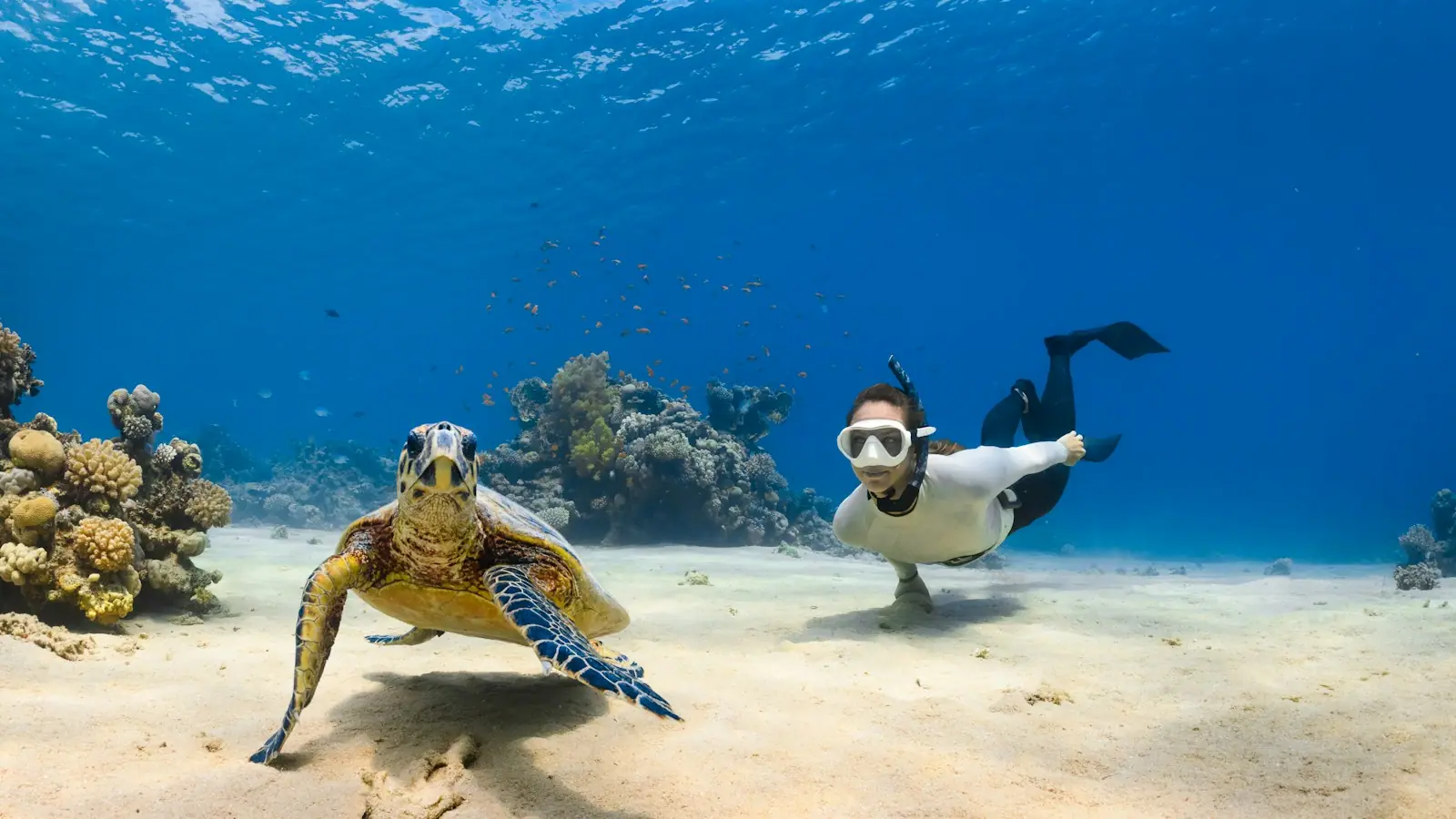
Maui: Molokini and Turtles Luxury Yacht Snorkel (opens in a new tab)
We are a family-owned Maui company with over 40 years of experience on Hawaiian waters. Our expert Captains and crew bring decades of…
5 hours
Prices checked
Museum
Last updated
The only aquarium on Maui, showing Hawaiian species exclusively — and by county law, no whales or dolphins in tanks.
Photo: Joel BradshawCC0
Maui Ocean Center sits at Māʻalaea Harbor Village, at the pinched waist of the island where the isthmus meets the water and the wind funnels through hard enough that Māʻalaea is reckoned one of the windiest harbours in the state. It opened in 1998 and it is the only public aquarium on Maui.
Two things separate it from an aquarium anywhere else, and they are the reasons to go.
Everything here is Hawaiian. The collection is restricted to species found in Hawaiian waters — no Amazonian tanks, no Indo-Pacific ringers, no penguins. That constraint is unusual and it changes the visit, because the fish you are looking at behind glass are the same ones you will be looking at through a mask at Honolua Bay or on a Molokini charter two days later. Walking through here before your first snorkel is the cheapest way to learn what you are about to see.
There are no cetaceans in tanks, and there will not be. Maui County ordinance prohibits the exhibition of live whales and dolphins, and the aquarium supports it. The humpback content is a 3D sphere theatre and an interpretive gallery rather than a captive animal, which is a considerably better answer than the one many aquariums give.
The headline exhibit is the Living Reef, a large shallow-coral display holding dozens of Hawaiian coral species, from shallow lagoon forms out to deeper reef. Coral is difficult to keep and this is the largest display of living Hawaiian corals anywhere. Beyond it, Turtle Lagoon for honu, Hammerhead Harbor for scalloped hammerheads, tide pools for touching things, and the Open Ocean exhibit — around 750,000 gallons, with an acrylic walkthrough tunnel that puts sharks and rays directly over your head.
It is small enough to do properly in two hours and expensive enough that you want those two hours. On this island it is also the reliable answer to a wet morning or a windy afternoon, which is not a small thing.
At Māʻalaea Harbor Village, off Honoapiʻilani Highway (Route 30) where it meets Route 380, at the point the island narrows between the two mountain ranges.
Driving times: about 15 minutes from Kahului airport, 15 from Kīhei, 20 from Wailea, 30 to 40 from Kāʻanapali and Kapalua depending on traffic through the pali. It is the most central attraction on the island and the easiest to reach from anywhere.
Parking is free and on site, shared with the harbour and the shops. It fills in the middle of the day in peak season, and again when several charter boats return at once.
The Maui Bus serves Māʻalaea on routes linking Kahului, Kīhei and Lahaina, which makes this one of the few Maui attractions genuinely reachable without a car. Check current timetables, because services are limited and evening coverage is thin.
The Living Reef. Start here and give it longer than you think. It holds dozens of Hawaiian coral species across a run of tanks, arranged roughly by depth from shallow lagoon to deeper reef. Live coral is notoriously difficult to keep, and what you are looking at is decades of husbandry. It is also the best possible primer on what a healthy Hawaiian reef looks like before you see a bleached or broken one in the wild.
Turtle Lagoon. Green sea turtles, honu, in an open-topped pool. This is where children stop moving. Worth timing around a feeding or a talk if the schedule allows.
Hammerhead Harbor. Juvenile scalloped hammerheads, a species that uses Hawaiian bays as a nursery. Odd, prehistoric and much smaller than people expect.
The Open Ocean exhibit. Around 750,000 gallons with a walkthrough acrylic tunnel underneath. Sandbar and blacktip sharks, rays, jacks and schooling fish passing overhead. The single most photographed spot in the building, and the one where the crowd bunches.
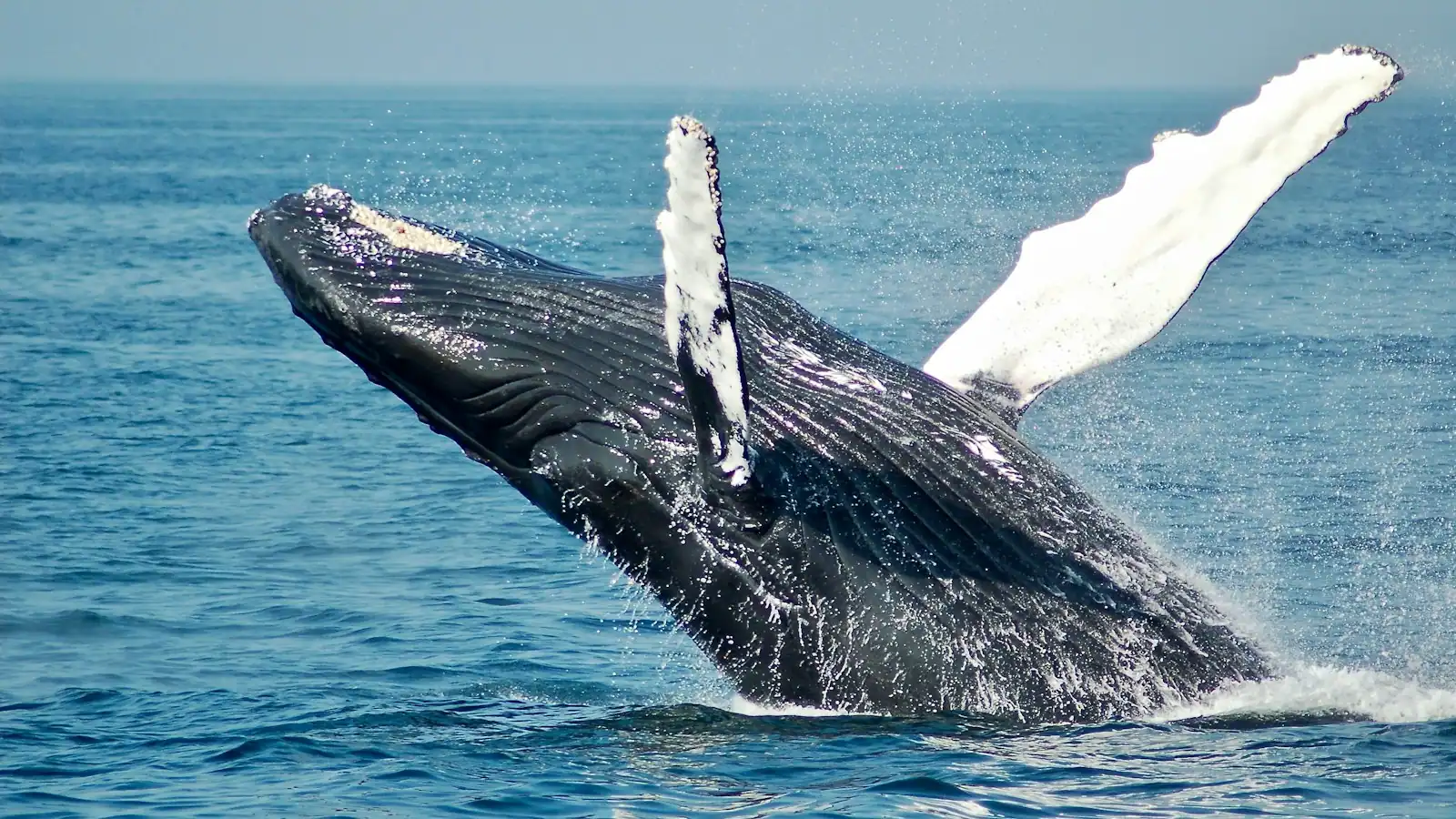
The Sphere / Humpback Whale Discovery Center. A 3D theatre experience built around humpbacks in Maui waters, included with admission. Given that the county bans live cetacean exhibits, this is how the whale story gets told here, and during whale season it lands harder because the animals are genuinely outside in the channel.
Tide pools and touch tanks. Sea cucumbers, urchins, small invertebrates. Short, hands-on, and the thing under-eights remember.
There is also a strong thread of Hawaiian cultural interpretation running through the site, covering voyaging, navigation and the relationship between kanaka maoli and the reef, which is more substantial than the usual token panel.
Open daily, 9:00am to 5:00pm, with last entry at 4:00pm and shorter hours on some holidays. Average visit is two to two and a half hours.
Pricing at last check sat around $50 for adults, roughly $40 for children in the 4–12 band and a little under the adult rate for over-65s. Under-fours are free. There is a substantial kamaʻāina and US military discount, bringing the adult rate down to around $30 with valid ID. Booking online in advance is normal and sometimes cheaper. Verify current pricing before you go; rates here have moved upward over the years.
Timing:
This is the island's default wet-weather and windy-afternoon plan, which means everyone else has the same idea when the weather turns. If a rainy morning is forecast, book online rather than queuing at the desk.
The Shark Dive Maui programme puts certified divers into the Open Ocean exhibit itself, cage-free, on set afternoons — generally Monday, Wednesday and Friday. It books separately, well ahead, and it is priced as a premium experience even by Maui standards.
It works well for children roughly four to twelve. Under-fours go free and will enjoy the turtles and the tunnel without absorbing much else; teenagers tend to move through it fast unless the Shark Dive is on the table.
The strongest argument for paying it anyway: do this on day one or two. Learning to tell a humuhumunukunukuāpuaʻa from a lauwiliwili, and knowing what a healthy coral head looks like, changes every snorkel for the rest of the trip. Doing it on your last afternoon is a waste of the best feature of the place.
Combining it with ʻĪao Valley, twenty-five minutes away in Wailuku, makes a straightforward central-Maui half day — and both are indoor-adjacent enough to survive a wet morning.
The aquarium is part of Māʻalaea Harbor Village, and the harbour is why many visitors are here in the first place. Most Molokini snorkel charters, a large share of the whale-watch fleet and a good number of the sunset sails leave from these slips. If your boat goes out at 7am, the aquarium is a natural way to fill the afternoon afterwards.
Māʻalaea sits where Maui narrows between Haleakalā and the West Maui Mountains, and the trade winds accelerate through that gap. The harbour is consequently one of the windiest in Hawaiʻi and the sea outside it builds quickly in the afternoon — which is exactly why morning boats are the good ones, and why an indoor option next to the slips has always made commercial sense.
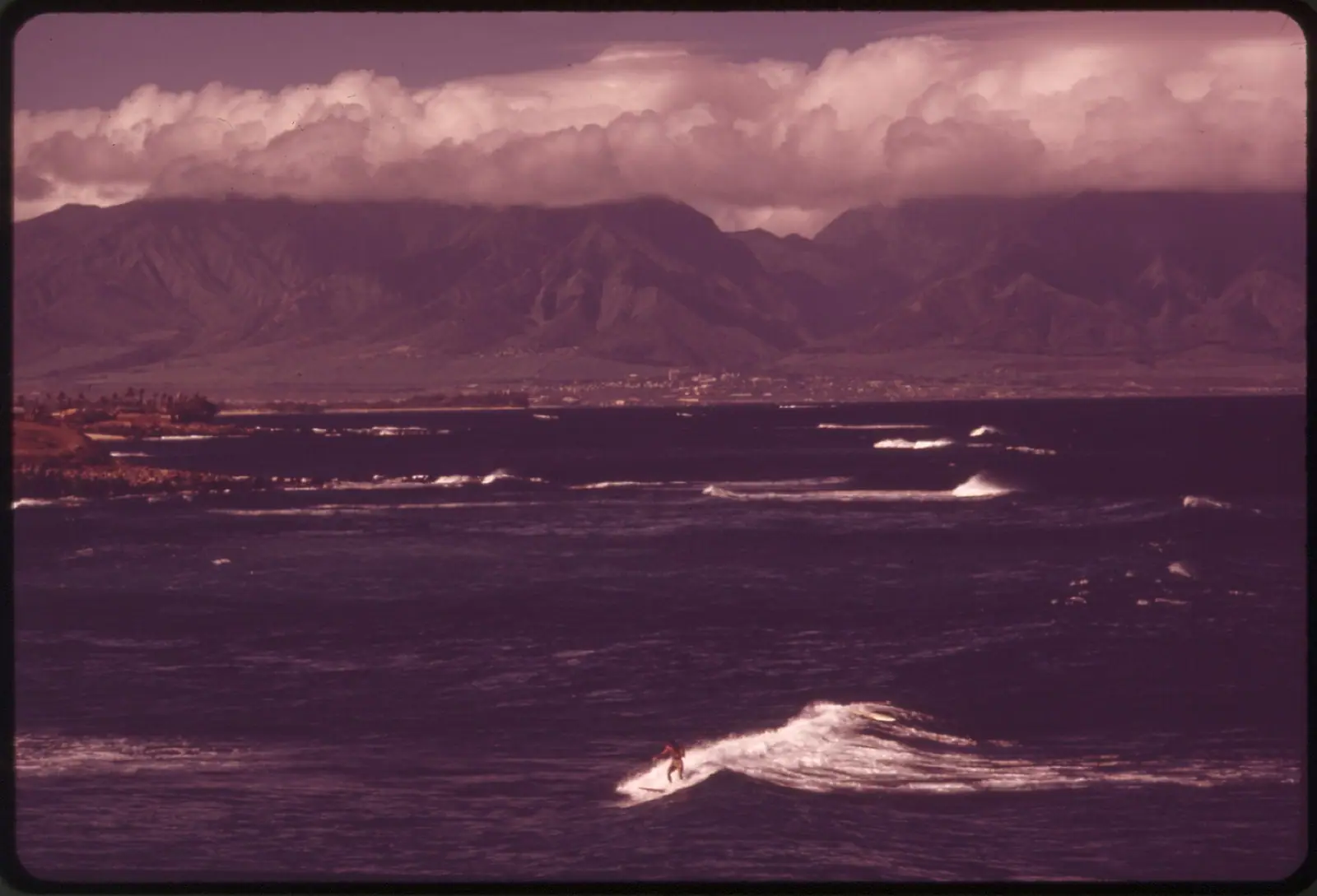
Just outside the harbour lies Māʻalaea Pipeline, reputed to be among the fastest right-hand surf breaks anywhere. It needs a big south swell and it does not turn on often. Locals know when it does.
Māʻalaea is also the closest launching point to Molokini, roughly three miles offshore, and during whale season the bay in front of the harbour is one of the more reliable places on the island to see humpbacks from dry land. Bring binoculars and stand on the seawall in February; it costs nothing.
Operators run these trips past Maui Ocean Center, or stop there as part of a longer route. We list what the booking data supports — not everything that mentions the name.
Booking through these earns us a commission from Viator. You pay the same, and payment did not decide what is listed.

Involves Animals
We are a family-owned Maui company with over 40 years of experience on Hawaiian waters. Our expert Captains and crew bring decades of…
5 hours
Prices checked

Short term availability
Your West Maui Snorkel adventure departs from Kaanapali Beach. Along the way keep your eyes open for Hawaiian spinner dolphins, bottle…
4 hours
Prices checked

Nature and Wildlife Tours
Trip Highlights - 15 minute boat ride to Molokini - Snorkel the crystal clear waters of Molokini crater, Maui's 1st Snorkeling destination…
2 hours
Prices checked

Low Supplier Cancellation Rate
You’ll have the chance to drive, or simply be a passenger in one of today’s most advanced 4 seater off-road vehicles, the Canam sport max…
2 hours
Prices checked

Low Last Minute Supplier Cancellation Rate
Sea Maui’s Sunset Dinner Cruise is our premium dining & Sunset experience. Leave behind the hustle and bustle of the land when you're…
2–3 hours
Prices checked

Excellent Quality
All riders must be 36 inches or taller to participate/ride submarine. Dive 100 feet below the surface and experience Maui’s marine…
2 hours
Prices checked

Sustainable Tours
THIS IS A 8 LINES TOUR - JUNGLE ADVENTURE This adventure with Jungle Ziplines Maui includes eight amazing Ziplines, three tree platforms…
2 hours
Prices checked

Day Trips
Live the real Maui experience on the Road to Hana with our expert guides! Immerse yourself in the beauty of the spectacular Hana…
Full day
Prices checked
Straight-line distances, so allow more on the road — the island is long and has one main parkway.

Nature preserve
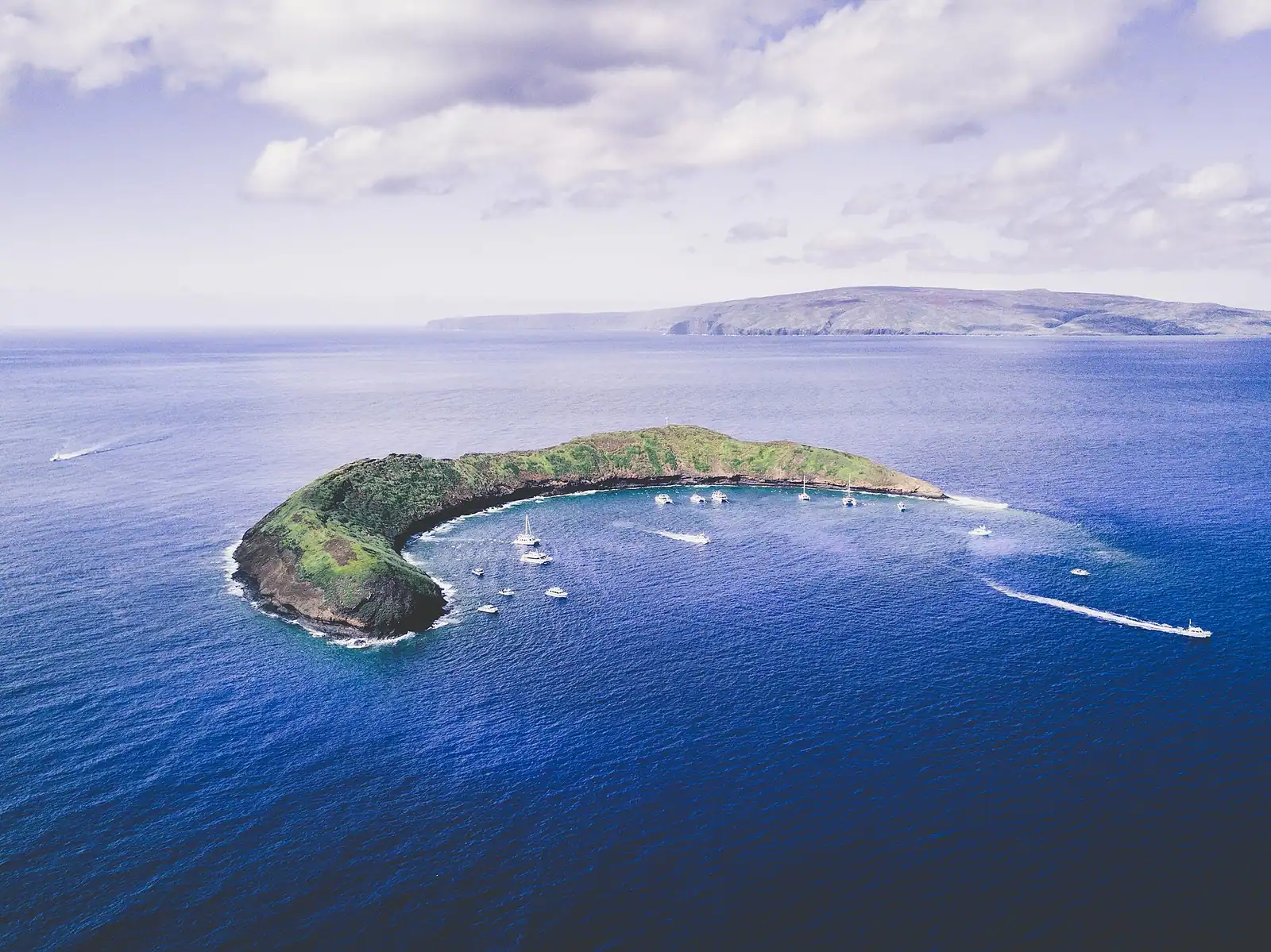
A sunken crescent of volcanic rock three miles offshore, with water clear enough to see the bottom from the deck.
4–6 hoursNo entry fee to the conservation district itself; access is entirely through paid boat charters, which on Maui sit at the premium end of the market.11.1 mi away

Historic site
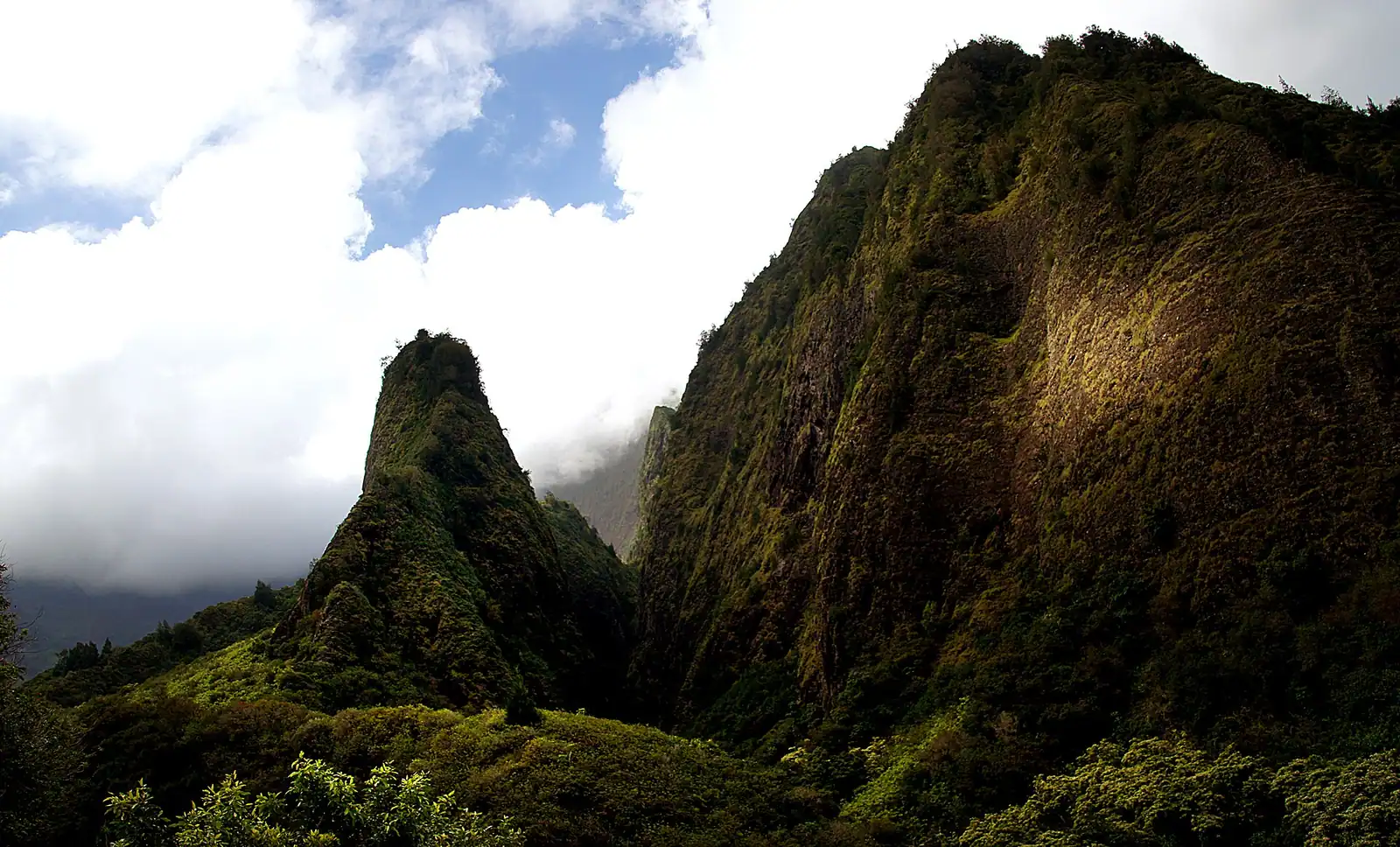
A green spire 1,200 feet above the valley floor, in a place Hawaiians remember as a battlefield rather than a viewpoint.
0.5–1.5 hoursNon-residents pay a per-vehicle parking fee plus a per-person entry fee, both booked in advance. Hawaiʻi residents with state ID are free.6.5 mi away

Neighbourhood
Maui's county seat — antique shops, an 1833 mission house and a 1928 theatre, three miles below the mouth of ʻĪao Valley.
1.5–4 hoursFree to visit the town. Museum admission and theatre tickets are charged separately.6.9 mi away

Neighbourhood
Six miles of beach, three lifeguarded parks and the best free whale watching on Maui, plus a wind that arrives every afternoon.
2–8 hoursFree. All the beach parks are public with free parking.4.2 mi away
Where this place fits into a day, and the pages that plan one.

Guide hub
Maui is two volcanoes joined by a low, windy isthmus, and almost every planning mistake visitors make comes from forgetting that. The western half…

Guide hub
Maui's attractions do not cluster. They are strung along a figure-eight island where the two halves are separate volcanoes and the connecting road…

Things to do
Maui has reef on three sides and each side has a different season. That single sentence explains most of the disappointment visitors report about…

Who it suits
Maui is an excellent family island with two conspicuous exceptions, and it saves a lot of disappointment to name them first. Sunrise at Haleakalā…

Things to do
The stretch of water between Maui, Lānaʻi, Molokaʻi and Kahoʻolawe is the reason humpback whales are the thing Maui is best at. That basin, Maui…

Who it suits
The most useful thing to know about rain on Maui is that it is a map problem rather than a calendar problem. The trade winds come out of the…

Guide
On Maui the family variable is water. Some of these beaches are a bathtub and one of them has sent more people to hospital with spinal injuries than any beach in the state.
10 min readKealoha Nakamura
Around $50 for adults at last check, roughly $40 for children aged 4 to 12 and a little under the adult rate for over-65s, with under-fours free. Hawaiʻi residents and US military personnel with valid ID pay substantially less — about $30 for adults. Booking online in advance is standard and occasionally cheaper than the gate. Prices have risen steadily here, so confirm current rates before you go.
Two to two and a half hours for most visitors, which is what the aquarium itself suggests. It is compact rather than sprawling, but the Living Reef tanks and the Open Ocean tunnel reward standing still. Families with young children often take longer because of the turtle lagoon and the touch pools. Last entry is 4:00pm, so arriving after about 3pm means rushing it.
No, and by law there cannot be. Maui County ordinance prohibits the exhibition of live cetaceans, and the aquarium supports that ban. The humpback whale content is delivered through a 3D sphere theatre and an interpretive gallery instead of a tank. Every animal on display is a species found in Hawaiian waters, which is unusual for an aquarium and is genuinely the most interesting thing about the collection.
It is the island's default one, with the caveat that a fair amount of the site is outdoors and open-sided rather than fully enclosed. It also means everyone else has the same idea, so book online rather than queuing at the desk when the forecast turns. Pairing it with ʻĪao Valley, twenty-five minutes away in Wailuku, makes a solid central-Maui half day when the coast is wet or the wind is up.
Yes, through the Shark Dive Maui programme, which puts certified divers cage-free into the 750,000-gallon Open Ocean exhibit alongside sandbar and blacktip sharks, rays and schooling fish. It runs on set afternoons, generally Monday, Wednesday and Friday, and is booked separately from general admission well in advance. It is priced as a premium experience even by Maui standards, and certification is required.