Involves Animals
Maui: Molokini and Turtles Luxury Yacht Snorkel (opens in a new tab)
We are a family-owned Maui company with over 40 years of experience on Hawaiian waters. Our expert Captains and crew bring decades of…
5 hours
Prices checked
Neighbourhood
Last updated
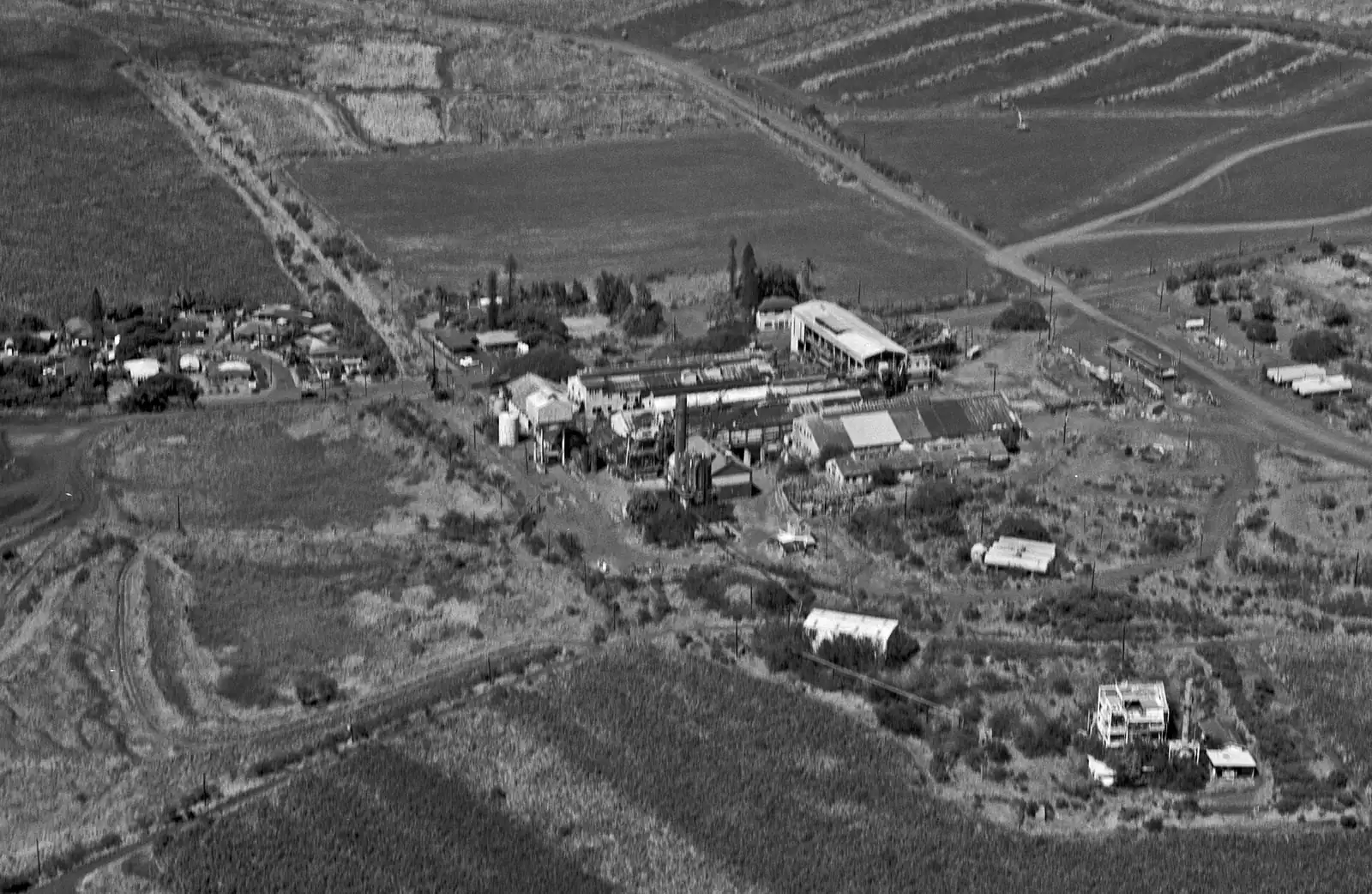
Maui's county seat — antique shops, an 1833 mission house and a 1928 theatre, three miles below the mouth of ʻĪao Valley.
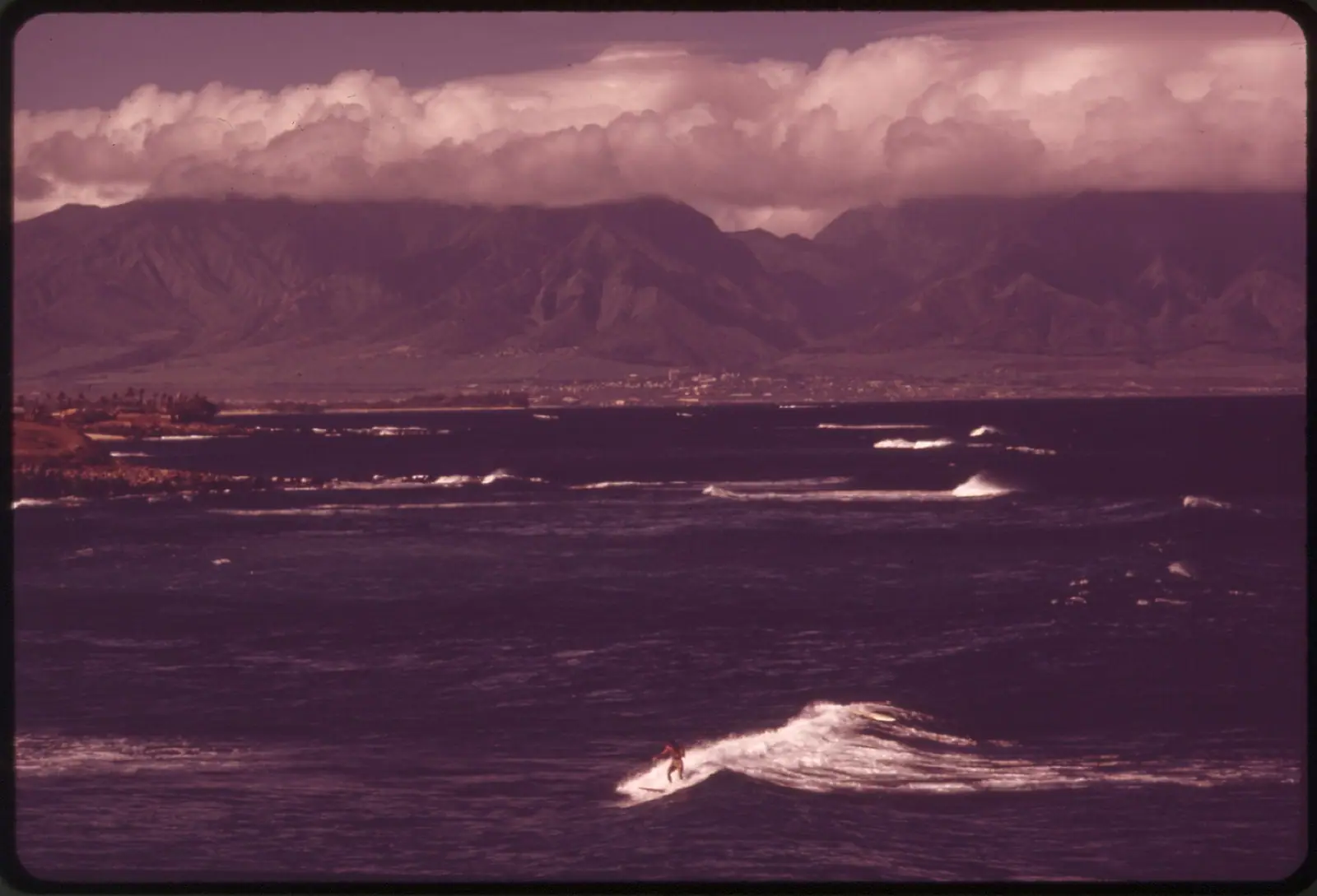
Photo: Charles O'RearPublic domain
Wailuku is where Maui does its paperwork. It is the county seat, which means courthouse, county offices, lawyers' shingles and a weekday parking problem, and nothing about it is arranged for visitors. That is precisely the argument for going.
The name means water of destruction, and it is not decorative. In 1790 Kamehameha's forces met Maui's army in the valley directly above this town, and the battle that followed is remembered as Kepaniwai — the damming of the waters — because the dead dammed ʻĪao Stream. The valley that produces the postcard is also a battlefield, and Wailuku sits at its mouth.
Three streets carry everything worth seeing. Market Street is a run of low early-twentieth-century storefronts now filled with antique dealers, vintage clothing, record shops, galleries and small restaurants — the densest concentration of second-hand browsing in the state outside Honolulu. At the top of it stands the ʻĪao Theater, a 1928 Spanish Mission Revival cinema by C. W. Dickey, saved from demolition, on the National Register, and still staging live theatre.
Up on Main Street is the town's best single reason to stop. Hale Hōʻikeʻike at the Bailey House, built in 1833 on the site of the royal compound of Kahekili, Maui's last ruling chief, holds the largest collection of pre-contact Hawaiian objects in Maui County alongside missionary-era furniture and Edward Bailey's own paintings of an island that no longer looks like that. It is small, old-fashioned, and much better than its visitor numbers suggest.
High Street has Kaʻahumanu Church, a white New England steeple from 1876 that looks transplanted from Massachusetts and is named for the queen born at Hāna Bay.
Then Main Street becomes ʻĪao Valley Road and climbs three miles into the mountains. Most people drive straight through Wailuku to get there. Stopping is the better trip.
From Kahului airport, take Kaʻahumanu Avenue (Route 32) west for about ten minutes; it becomes Main Street and runs straight into the centre of Wailuku. Market Street crosses it.
From Kīhei or Wailea allow 25 to 30 minutes via Route 31 and Route 380. From Kāʻanapali it is 45 minutes to an hour on Route 30 through Māʻalaea. From Pāʻia, 20 minutes on Route 36.
Parking is metered on the street and in a municipal structure in the civic area, and enforcement is active on weekdays. County workers take most of the spaces before nine in the morning; after four, and at weekends, it opens up.
Maui's county bus network centres on Wailuku and Kahului, so this is one of the few places on the island a visitor can reach without a car — though services are infrequent.
Market Street is four short blocks of two-storey plantation-era commercial buildings, and it has aged into the most interesting browsing on Maui. Antique shops carry Hawaiiana, aloha shirts, old sheet music, koa furniture and plantation-era bottles. There are vintage clothing stores, a record shop or two, artist studios and a handful of small kitchens doing Filipino, Japanese and local food at prices that have nothing to do with Wailea.
The thing to time your visit around is Wailuku First Friday. On the first Friday of the month the street closes to traffic between roughly six and nine in the evening for a block party — live music, food vendors, local art, a beer garden and a crowd that is mostly island residents rather than visitors. It is the best free evening on this side of Maui and it is nothing like a hotel luau.
The rest of the month, Market Street is a daytime proposition. Shops keep short hours, several close Sundays and Mondays, and things wind down early. Come mid-morning to mid-afternoon on a weekday or a Saturday.
The ʻĪao Theater at the top of the street is worth a look from the pavement even if nothing is on; Dickey's 1928 facade and the restored marquee are the best pieces of architecture in central Maui.
The house was built in 1833, in stone and lime plaster, as part of the Wailuku Female Seminary, on ground that had been the royal compound of Kahekili — the chief who ruled Maui before Kamehameha took it. Edward Bailey, who ran the seminary and later the sugar plantation, lived here for decades.
What is inside is two museums in one building. The Hawaiian collection holds the largest group of pre-contact objects in Maui County — kapa, stone and shell tools, fishing gear, wooden bowls, weapons — much of it collected in the nineteenth century and not reproducible today. The missionary-era rooms hold furniture, quilts and Bailey's landscape paintings, which have real documentary value because they show Central Maui before sugar rewrote it.
It is run by the Maui Historical Society, which is a small non-profit rather than an institution with deep pockets. Hours have been limited — recent schedules put it at weekday mornings and early afternoons only, closed at weekends — so check the current opening before making a special trip. Admission is modest, and members and Hawaiʻi residents often pay less.
Allow an hour. The garden of Hawaiian plants behind the house, and the view down over the isthmus from the lānai, are part of the ticket and most visitors miss them.
Main Street turns into ʻĪao Valley Road and runs three miles straight into the West Maui Mountains, which are not mountains so much as the eroded remains of a single enormous shield volcano.
Total time for Wailuku plus ʻĪao is a comfortable half day.
Wailuku is a working town, so its rhythms are a worker's rhythms.
Food is the strongest everyday argument for stopping. Central Maui's plate-lunch, saimin and noodle culture lives here rather than in the resorts, and the local speciality to look for is dry mein — noodles served without broth, with the soup on the side. The long-standing noodle shop in the Wailuku Millyard is the institution, and it keeps famously short hours, closing early in the afternoon and shutting some days entirely. Assume lunch, not dinner.
Parking is the main friction. Metered street parking on and around Market and Main fills with county and courthouse staff on weekdays, and enforcement is real. There is a municipal parking structure in the civic area, and street parking loosens noticeably after about four in the afternoon and at weekends.
What Wailuku does not have: a beach, a resort, a nightlife scene, or much of anything open late. It is not a base for a holiday. It is a two-to-three-hour stop, ideally bolted onto ʻĪao Valley, or an evening out on First Friday.
Kahului, five minutes east, is where the airport, the big-box shopping and the supermarkets are. The two towns run together on the map and are completely different in character.
Operators run these trips past Wailuku, or stop there as part of a longer route. We list what the booking data supports — not everything that mentions the name.
Booking through these earns us a commission from Viator. You pay the same, and payment did not decide what is listed.

Involves Animals
We are a family-owned Maui company with over 40 years of experience on Hawaiian waters. Our expert Captains and crew bring decades of…
5 hours
Prices checked

Short term availability
Your West Maui Snorkel adventure departs from Kaanapali Beach. Along the way keep your eyes open for Hawaiian spinner dolphins, bottle…
4 hours
Prices checked

Nature and Wildlife Tours
Trip Highlights - 15 minute boat ride to Molokini - Snorkel the crystal clear waters of Molokini crater, Maui's 1st Snorkeling destination…
2 hours
Prices checked

Low Supplier Cancellation Rate
You’ll have the chance to drive, or simply be a passenger in one of today’s most advanced 4 seater off-road vehicles, the Canam sport max…
2 hours
Prices checked

Low Last Minute Supplier Cancellation Rate
Sea Maui’s Sunset Dinner Cruise is our premium dining & Sunset experience. Leave behind the hustle and bustle of the land when you're…
2–3 hours
Prices checked

Excellent Quality
All riders must be 36 inches or taller to participate/ride submarine. Dive 100 feet below the surface and experience Maui’s marine…
2 hours
Prices checked

Sustainable Tours
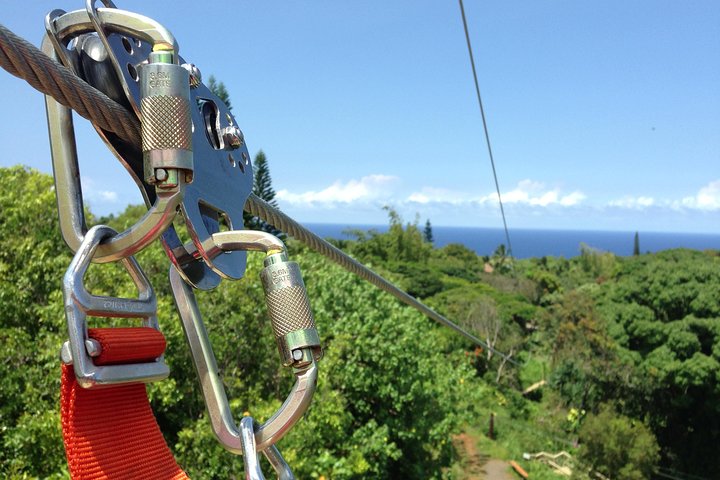
THIS IS A 8 LINES TOUR - JUNGLE ADVENTURE This adventure with Jungle Ziplines Maui includes eight amazing Ziplines, three tree platforms…
2 hours
Prices checked

Day Trips
Live the real Maui experience on the Road to Hana with our expert guides! Immerse yourself in the beauty of the spectacular Hana…
Full day
Prices checked
Straight-line distances, so allow more on the road — the island is long and has one main parkway.

Historic site
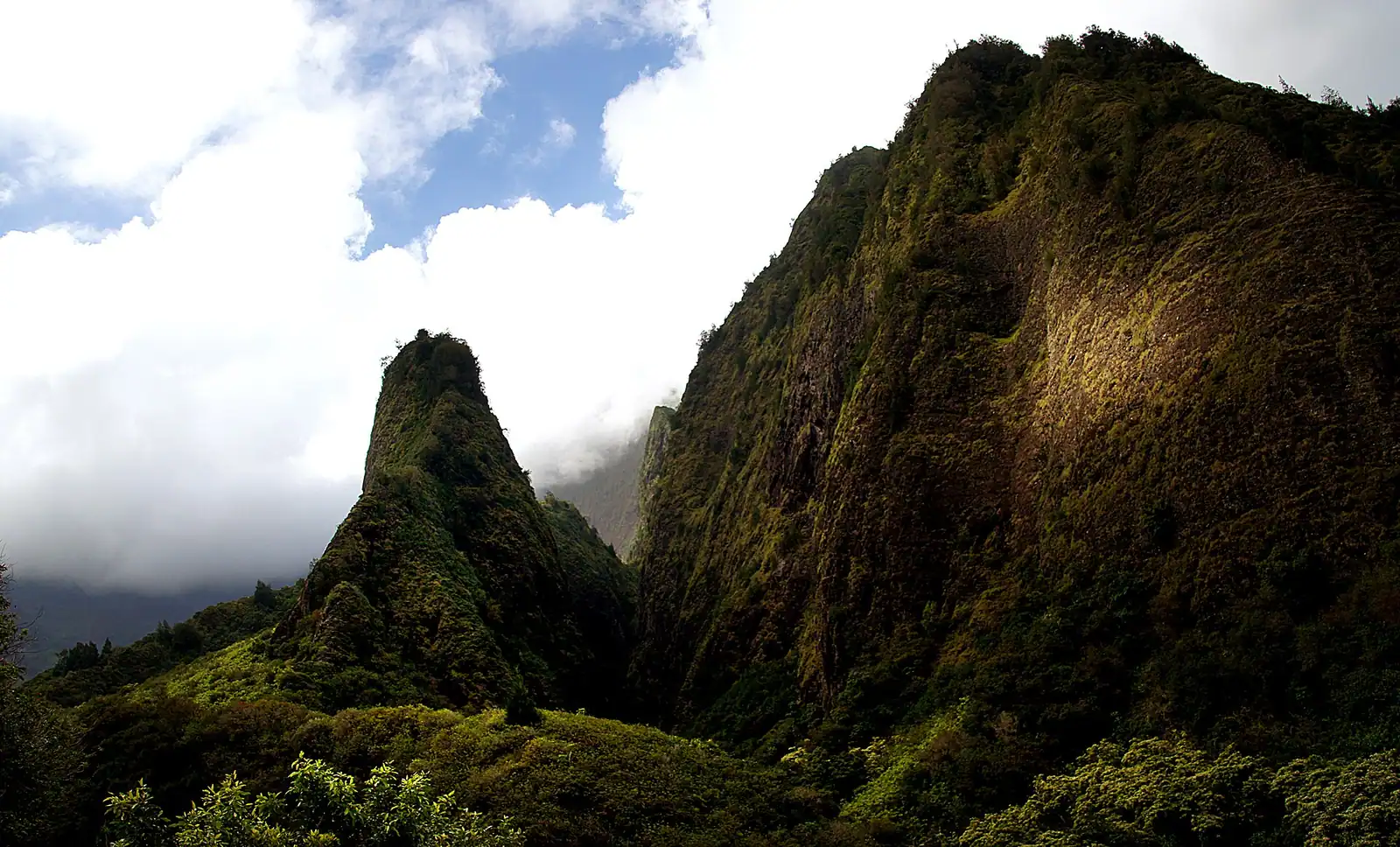
A green spire 1,200 feet above the valley floor, in a place Hawaiians remember as a battlefield rather than a viewpoint.
0.5–1.5 hoursNon-residents pay a per-vehicle parking fee plus a per-person entry fee, both booked in advance. Hawaiʻi residents with state ID are free.2.7 mi away

Park
A working farm at the mouth of Waikapū Valley where the grounds are free and the mountain behind it does most of the work.
1–2.5 hoursFree to enter the grounds and park. The tram tour, ziplines and food are charged separately.2.4 mi away

Neighbourhood
Six miles of beach, three lifeguarded parks and the best free whale watching on Maui, plus a wind that arrives every afternoon.
2–8 hoursFree. All the beach parks are public with free parking.9.6 mi away

Neighbourhood
A two-street sugar town that surfers took over, and the last place to buy petrol, coffee and a picnic before the Road to Hāna.
1–3 hoursFree to visit. You pay for what you buy, and parking is free but scarce.8.9 mi away
Where this place fits into a day, and the pages that plan one.

Guide hub
Maui is two volcanoes joined by a low, windy isthmus, and almost every planning mistake visitors make comes from forgetting that. The western half…

Guide hub
Maui's attractions do not cluster. They are strung along a figure-eight island where the two halves are separate volcanoes and the connecting road…

Plan your trip
The short answer is that you need a rental car on Maui, and this page exists to explain the exceptions rather than to pretend there are many. The…

Budget
Maui has the most expensive activity market in this network and one of the better free ones, which is a stranger combination than it sounds. The…

Who it suits
The most useful thing to know about rain on Maui is that it is a map problem rather than a calendar problem. The trade winds come out of the…

Guide
Water in the morning, land in the afternoon, and the three reservations booked before you fly. Order the week that way and Maui stops feeling like a driving holiday.
11 min readMarcus Reyes

Guide
Maui asks more of its visitors than most places, and it asks for specific things rather than good intentions. Here is what residents have actually said they want.
12 min readMarcus Reyes
As a two-to-three-hour stop, yes — particularly paired with ʻĪao Valley, which starts at the top of Main Street. Market Street has the best antique and vintage browsing in the islands outside Honolulu, the 1833 Bailey House museum holds the largest pre-contact Hawaiian collection in Maui County, and the food is Central Maui rather than resort. As a base for a holiday, no: there is no beach and very little open late.
Walk Market Street for antiques, vintage clothing, records and galleries; look at the 1928 ʻĪao Theater, a Spanish Mission Revival cinema by C. W. Dickey that still stages live theatre; visit Hale Hōʻikeʻike at the Bailey House on Main Street; see Kaʻahumanu Church on High Street; eat noodles or a plate lunch. Then drive three miles up ʻĪao Valley Road, stopping at the free Kepaniwai Heritage Gardens on the way.
Non-residents do. ʻĪao Valley State Monument requires advance parking and entry reservations through the state parks system, and the lot is small enough that people are turned away every day. Book before you drive up from Wailuku. Go in the morning too — the valley sits at the wet end of the island and collects cloud and rain most afternoons, and heavy rain upstream has closed the road before.
Water of destruction. The name refers to the valley above the town, where in 1790 Kamehameha's forces defeated Maui's army in a battle remembered as Kepaniwai, the damming of the waters, because the dead dammed ʻĪao Stream. The valley that appears on every Maui postcard is also a battlefield, and that is worth carrying with you when you walk the paths at the state monument.
Metered spaces on and around Market and Main Streets, plus a municipal parking structure in the civic area. The complication is that Wailuku is the county seat, so courthouse and county staff take most street spaces before nine on weekdays and enforcement is active. Arriving late morning is manageable; after four in the afternoon and at weekends, parking is easy.