Skip to content
Menu

Booking through these earns us a commission from Viator. You pay the same, and payment did not decide what is listed.

Search

Park

Maui Tropical Plantation

Last updated

A working farm at the mouth of Waikapū Valley where the grounds are free and the mountain behind it does most of the work.

Maui Tropical Plantation sits at the mouth of Waikapū Valley on Honoapiʻilani Highway, ten minutes from Kahului airport and directly beneath the green wall of the West Maui Mountains. That position is the single best thing about it. Stand at the lagoon on a clear morning with the ridgeline reflected in the water and you understand why the place has been photographed a million times, and why it is such a common first or last stop on a Maui trip.

The core offering is a 40-minute tram ride through the plantings — pineapple, coffee, banana, papaya, taro, macadamia, star fruit — with a coconut husking demonstration that is genuinely the highlight for most families. It is not a deep agricultural education and it does not pretend to be. It is a tractor-drawn wagon, a guide with a microphone and a set of crops you would otherwise only see in a supermarket. Children under about ten love it. Adults expecting a serious farm tour tend to find it thin.

Everything around the tram is free. Entry to the grounds and parking cost nothing, which makes this one of the better no-cost stops in Central Maui: you can walk the lagoon path, cross the little bridges, look at the plantings and eat without buying a ticket. The village at the front of the property holds a farm market that sells produce from the valley, local coffee, a café, a bar and a studio of Maui artisans.

Two zipline operators are based here. One runs a short set of five side-by-side lines, three hundred to nine hundred feet long, over the farmland and the lagoon — the gentlest zipline on Maui and the one that works for young children. The other runs a much longer course climbing into the valleys behind, which is a half-day commitment and a different proposition entirely.

Hours are Tuesday to Sunday for the tram. Check before you drive out.
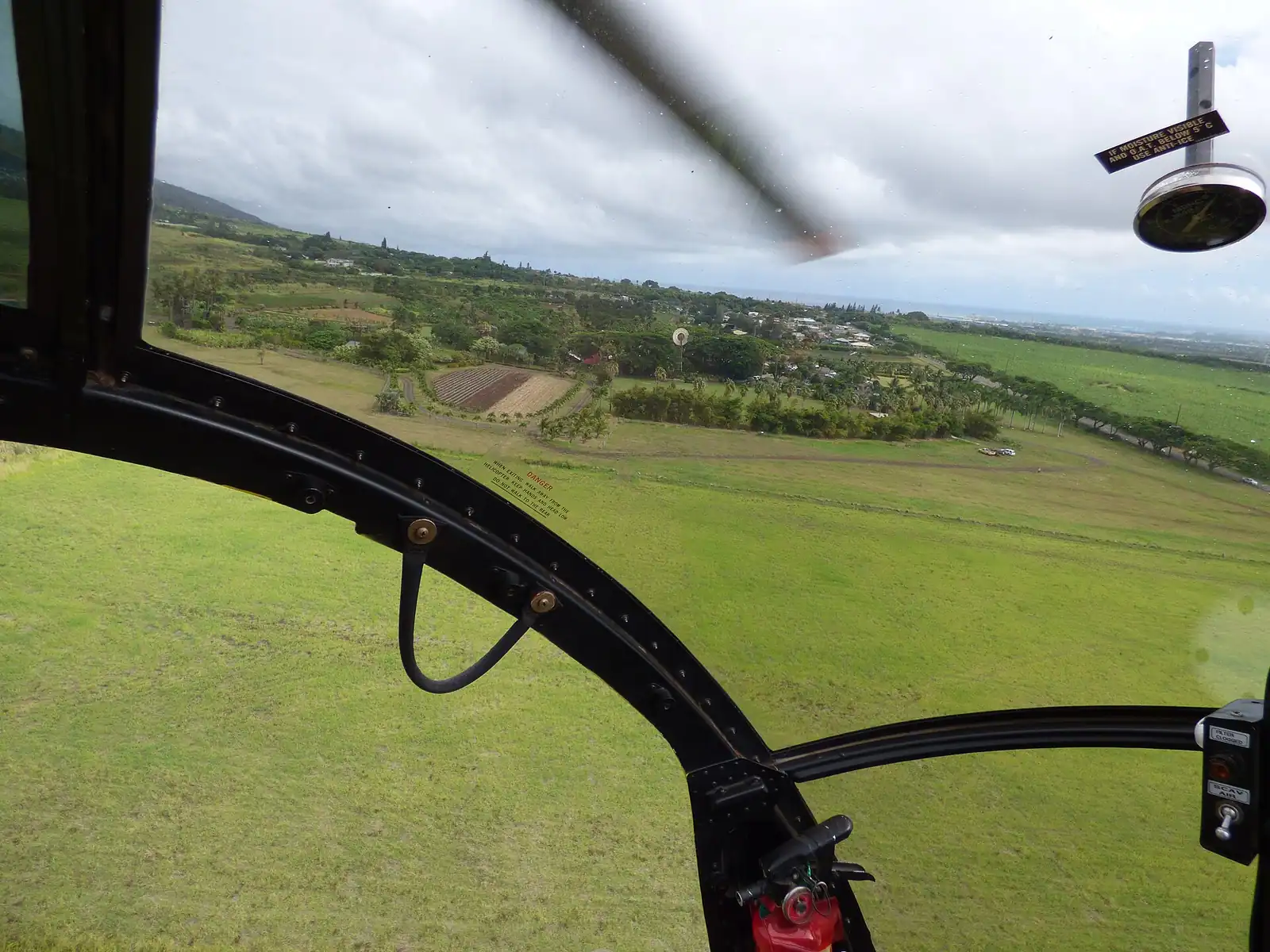
Getting there and parking

From Kahului, take Kūihelani Highway (Route 380) to Honoapiʻilani Highway (Route 30) and turn north towards Wailuku; the entrance is on the right, signed, about ten minutes from the airport.

From Kīhei or Wailea, take Route 31 north to Route 380 and join Route 30 — around 25 minutes. From Kāʻanapali, drive south on Route 30 past Olowalu and Māʻalaea, roughly 35 to 45 minutes. From Wailuku it is five to ten minutes south.

Parking is free in a large on-site lot, and there is space even on cruise-ship days. The entrance is a right-in, right-out off a fast highway from the southbound direction, so watch your approach.

No public transport serves it usefully, though the county bus route between Wailuku and Māʻalaea passes nearby.

The Tropical Express: what you get

The tram runs roughly every hour through the middle of the day, Tuesday to Sunday, and takes about forty minutes. It loops the lagoon and then goes out into the growing areas that are closed to people on foot, which is the actual value — you cannot see the back of the property any other way.

On the route you pass pineapple, sugarcane, coffee, papaya, banana, mango, macadamia, star fruit, guava and kalo, with commentary on how each is grown and harvested. The tram stops for a coconut husking demonstration, fifteen to twenty minutes of a guide stripping a coconut with a stake and a machete at speed, which is the bit everyone remembers and the bit small children talk about afterwards.

Be realistic about the level. This is an introduction pitched at people who have never seen a pineapple growing, not a horticultural tour. If you have already done Kahanu Garden or a working coffee farm, this will feel light.

Tickets are bought on the day at the plantation or booked ahead online, and later departures have occasionally been cancelled at short notice for staffing. If the tram is the whole reason you are driving out, call or check first, and do not leave it to the last run of the afternoon.

What you can do without paying

More than most visitors realise. Entry and parking are free, and a good hour here costs nothing.

  • Walk the lagoon. A flat, shaded loop with the West Maui Mountains reflected in the water. This is the photograph the plantation is known for, and it is best in the first two hours after opening before the cloud sits on the ridge.
  • The farm market sells produce grown in the valley, local coffee, dried fruit, macadamia and the usual souvenir shelf. It is a better place to buy pineapple than the airport.
  • Eat. There is a café and a bar on the property, and the tables look at the mountain. Hours have changed as tenants have changed, so check rather than arriving hungry at an odd hour.
  • The artisan studio carries Maui-made work, which is a step up from generic gift-shop stock.
  • Look at the plantings near the village — many are labelled, and you can see pineapple, papaya and taro at close range without a ticket.

For families killing time before an afternoon flight out of Kahului, this is one of the most useful stops on the island: ten minutes from the airport, free, shaded, with food, restrooms and something for children to look at.

The two ziplines, and which is which

Both operate from this property and they are genuinely different products. People book the wrong one.

The short course runs five side-by-side lines of roughly three hundred to nine hundred feet over the farm and the lagoon, with a low minimum age and weight, and takes around two to two and a half hours including the briefing. Side-by-side means a nervous child can go at the same moment as a parent, which is the whole reason this course exists. It is the easiest introduction to ziplining on Maui and nobody is going to be frightened by it.

The long course climbs into the valleys behind the plantation across a much longer set of lines, with some very long spans and real elevation. It is a half-day, has higher minimum ages and weights, involves hiking and suspension bridges between lines, and is the better choice for teenagers and adults who want the adrenaline version.

Both should be booked ahead, both have weight limits at the top and bottom that are enforced, and both cancel for lightning. Neither is included in plantation entry, and neither is included in the tram ticket. Wear closed shoes and tie back long hair.

Where it sits, and what to pair it with

Waikapū is Central Maui, not a resort area, and that is the useful thing about the plantation's location: it is close to everything on the isthmus and on the way to several things.

ʻĪao Valley State Monument is about fifteen minutes north through Wailuku, and the two make an obvious half day — the plantation for the easy, shaded, commercial version of Maui agriculture, ʻĪao for the serious geography and the weight of the 1790 battle fought there. Note that ʻĪao requires an advance reservation for non-residents, so book that first and fit the plantation around it.

Wailuku town is ten minutes away for lunch with more character. Kahului airport is ten minutes the other way.

The property is also the visible edge of a long-running plan to build a new town, Waikapū Country Town, on the surrounding farmland. Whatever you think of that, it explains why the place feels like a village frontage attached to a working farm rather than a purpose-built attraction.

What does not work is treating this as a full day. Ninety minutes covers the grounds and the tram comfortably.

Tours that visit Tropical Plantation

Operators run these trips past Tropical Plantation, or stop there as part of a longer route. We list what the booking data supports — not everything that mentions the name.

Booking through these earns us a commission from Viator. You pay the same, and payment did not decide what is listed.

Near Tropical Plantation

Straight-line distances, so allow more on the road — the island is long and has one main parkway.

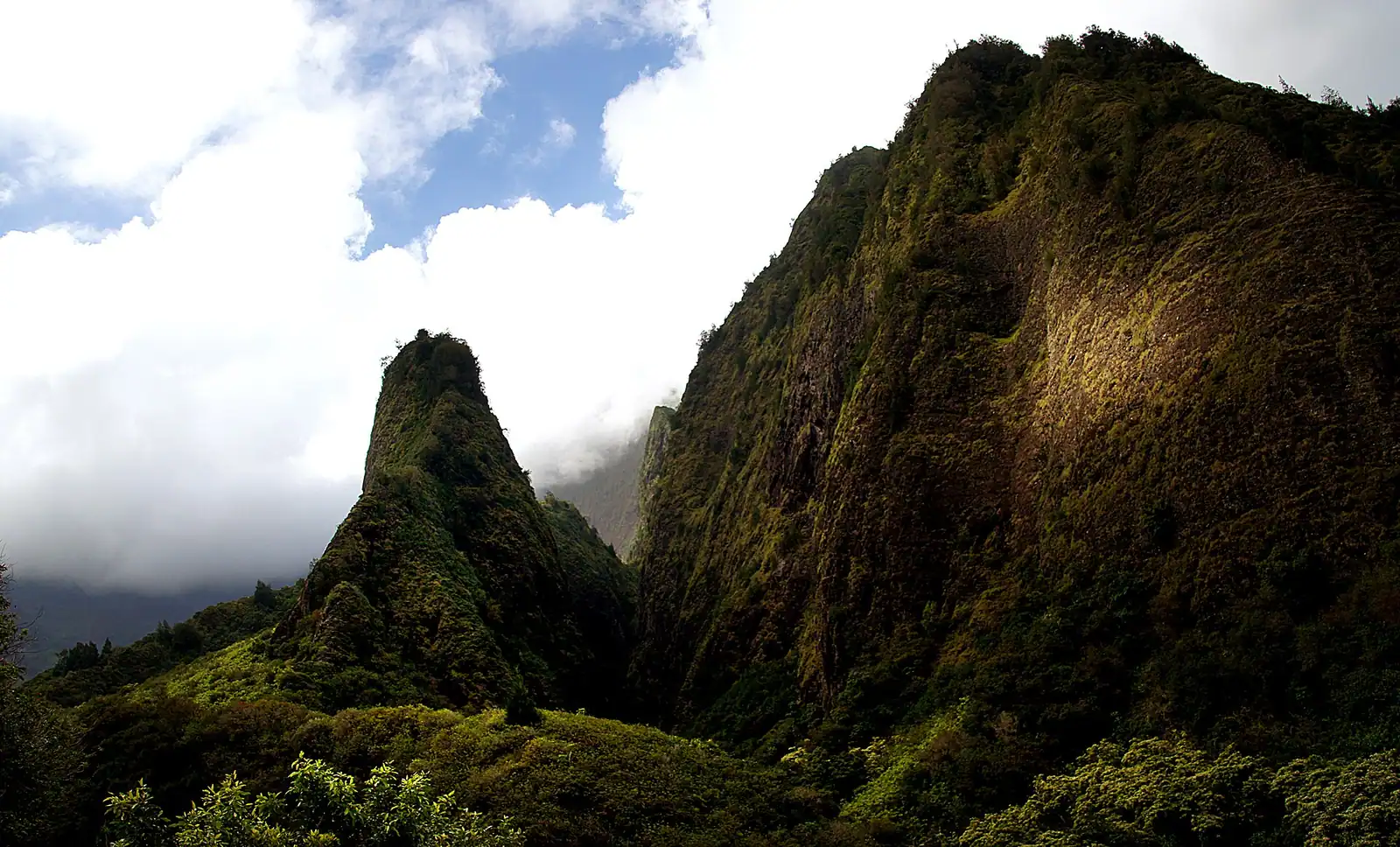
  • A sharp green ridge rising steeply out of a densely vegetated valley

    Historic site

    ʻĪao Valley State Monument

    A green spire 1,200 feet above the valley floor, in a place Hawaiians remember as a battlefield rather than a viewpoint.

    0.5–1.5 hoursNon-residents pay a per-vehicle parking fee plus a per-person entry fee, both booked in advance. Hawaiʻi residents with state ID are free.3.1 mi away

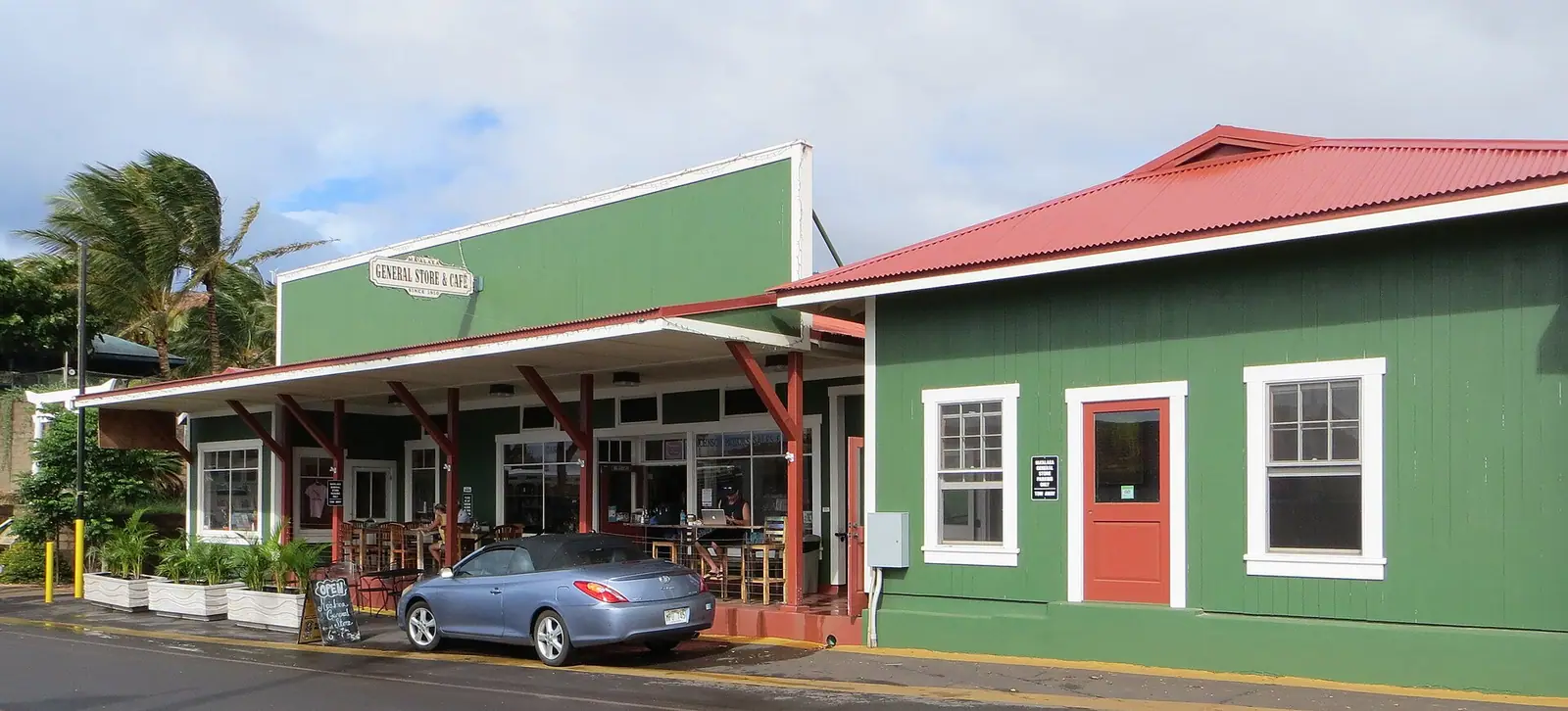
  • Low two-storey storefronts along a quiet main street with shopfront awnings

    Neighbourhood

    Wailuku Town

    Free

    Maui's county seat — antique shops, an 1833 mission house and a 1928 theatre, three miles below the mouth of ʻĪao Valley.

    1.5–4 hoursFree to visit the town. Museum admission and theatre tickets are charged separately.2.4 mi away

  • A wide golden beach with calm water and palm trees under bright morning sun

    Neighbourhood

    Kīhei

    Free

    Six miles of beach, three lifeguarded parks and the best free whale watching on Maui, plus a wind that arrives every afternoon.

    2–8 hoursFree. All the beach parks are public with free parking.7.4 mi away

  • Fish swimming past a large curved aquarium viewing window

    Museum

    Maui Ocean Center

    The only aquarium on Maui, showing Hawaiian species exclusively — and by county law, no whales or dolphins in tanks.

    2–3 hoursAround $50 for adults, roughly $40 for children 4–12, slightly less for over-65s. Under-fours free. Substantial kamaʻāina and military discount.4.4 mi away

Tropical Plantation: common questions

Is Maui Tropical Plantation free?

Entry to the grounds and parking are free. You can walk the lagoon loop, look at the plantings, browse the farm market and eat without buying anything. What costs money is the tram tour, the two zipline courses and the food. That combination makes it a genuinely useful free stop in Central Maui, particularly for families with an afternoon flight out of Kahului ten minutes away.

Is the tram tour at Maui Tropical Plantation worth it?

For families with children under about ten, usually yes — the forty-minute ride goes into growing areas you cannot otherwise reach, and the coconut husking demonstration is a genuine highlight. For adults wanting a serious agricultural tour it is thin, and a family ticket is not cheap. If you have already visited a working coffee farm or Kahanu Garden, skip it and enjoy the free grounds instead.

What days is Maui Tropical Plantation open?

The village, market and restaurants are open most days, while the Tropical Express tram has run Tuesday to Sunday through the middle of the day. Later departures have been cancelled at short notice because of staffing, so do not plan around the last run. If the tram is the reason for your visit, check the current schedule or call ahead rather than arriving and hoping.

Which zipline at Maui Tropical Plantation is right for kids?

The short course based on the property — five side-by-side lines of roughly 300 to 900 feet over the farm and lagoon, around two to two and a half hours including the briefing. Side-by-side lines let a nervous child go at the same moment as a parent. The other operator here runs a much longer course climbing into the valleys behind, with higher age and weight minimums, hiking and suspension bridges; that one suits teenagers and adults.

What else can you do near Maui Tropical Plantation?

ʻĪao Valley State Monument is about fifteen minutes north through Wailuku and makes the natural pairing — but non-residents need an advance reservation, so book that first and fit the plantation around it. Wailuku town, ten minutes away, has better lunch and a walkable historic Market Street. Kahului airport is ten minutes in the other direction, which is why this stop works well on arrival or departure day.