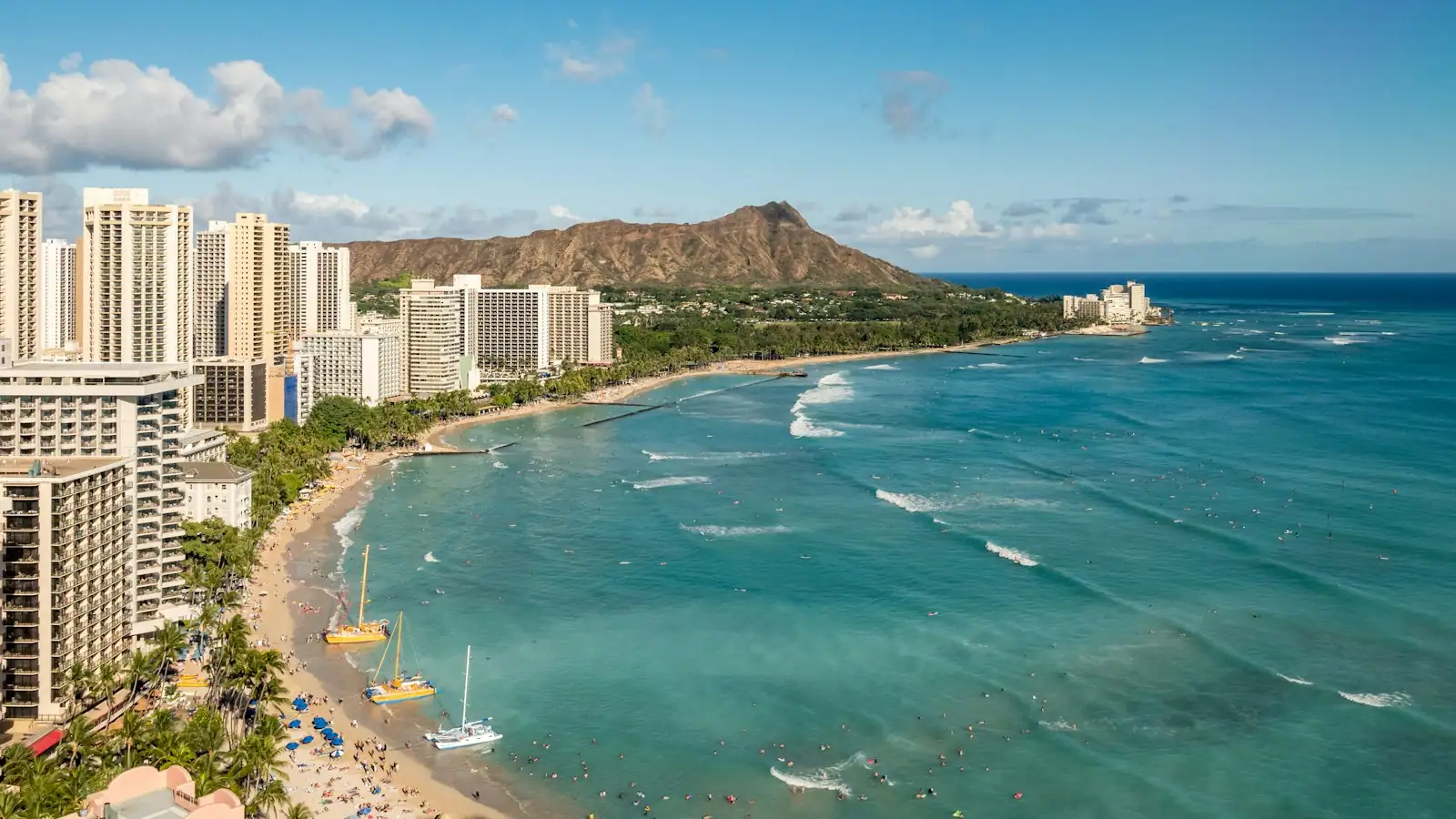
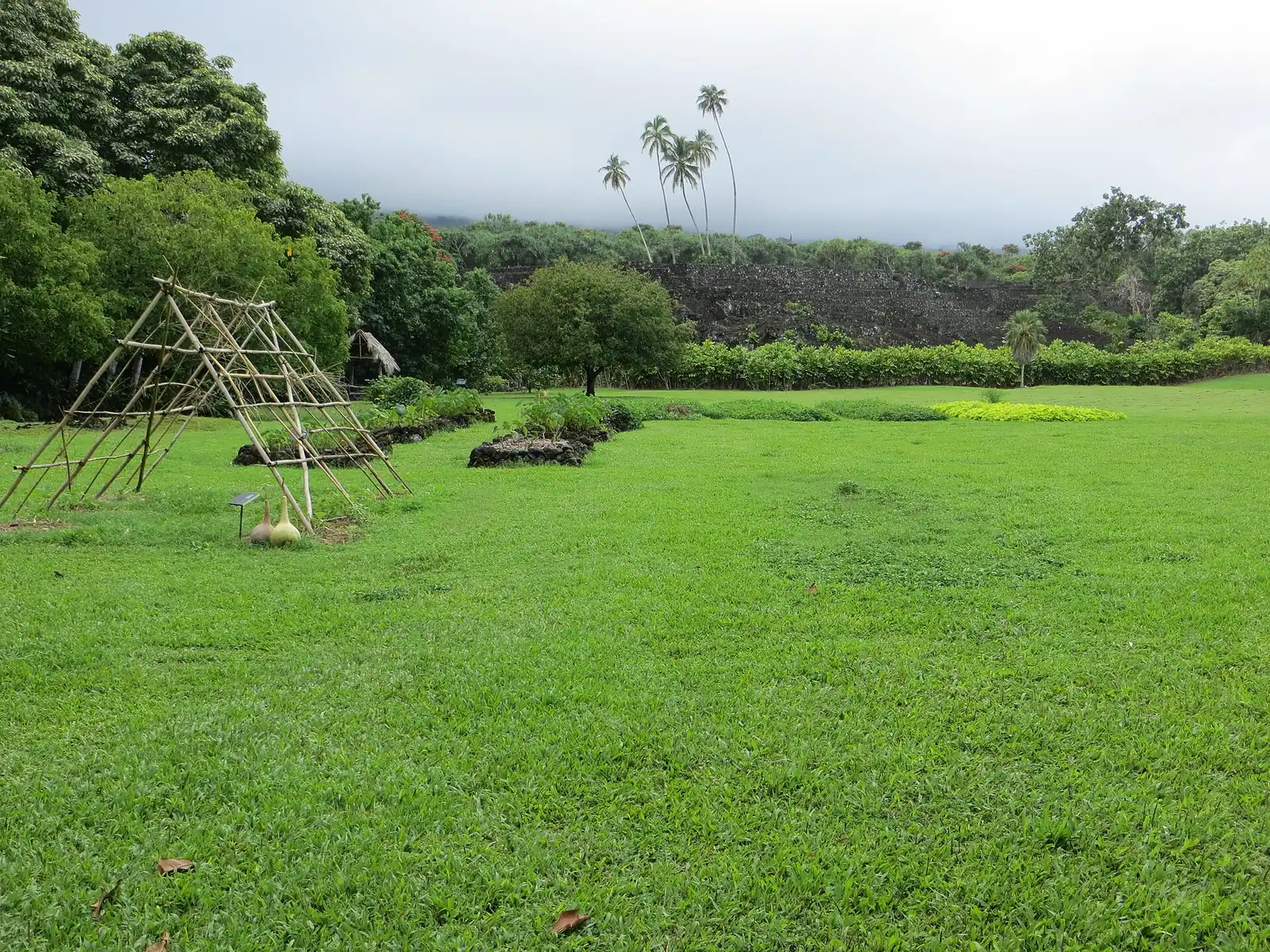
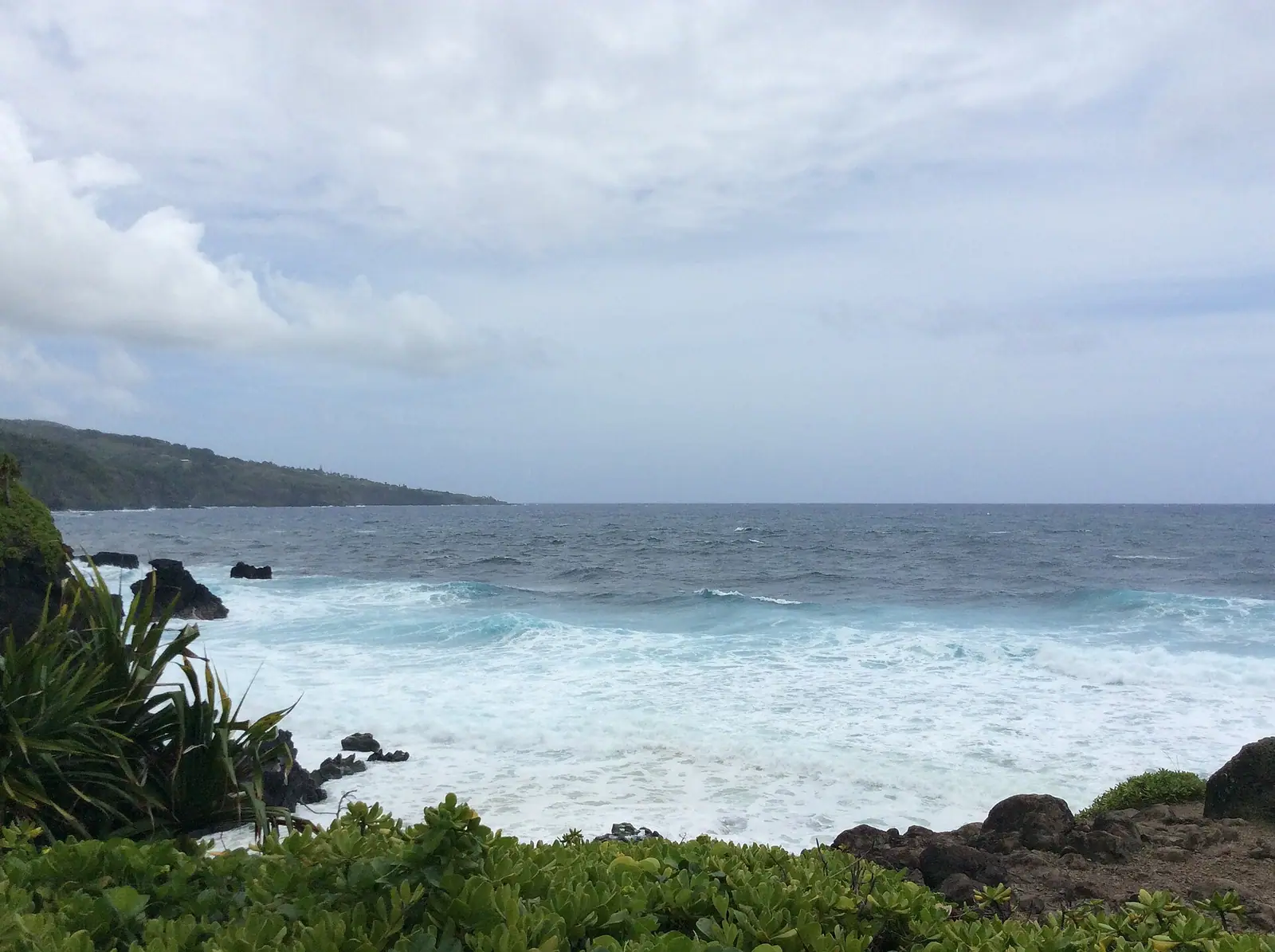
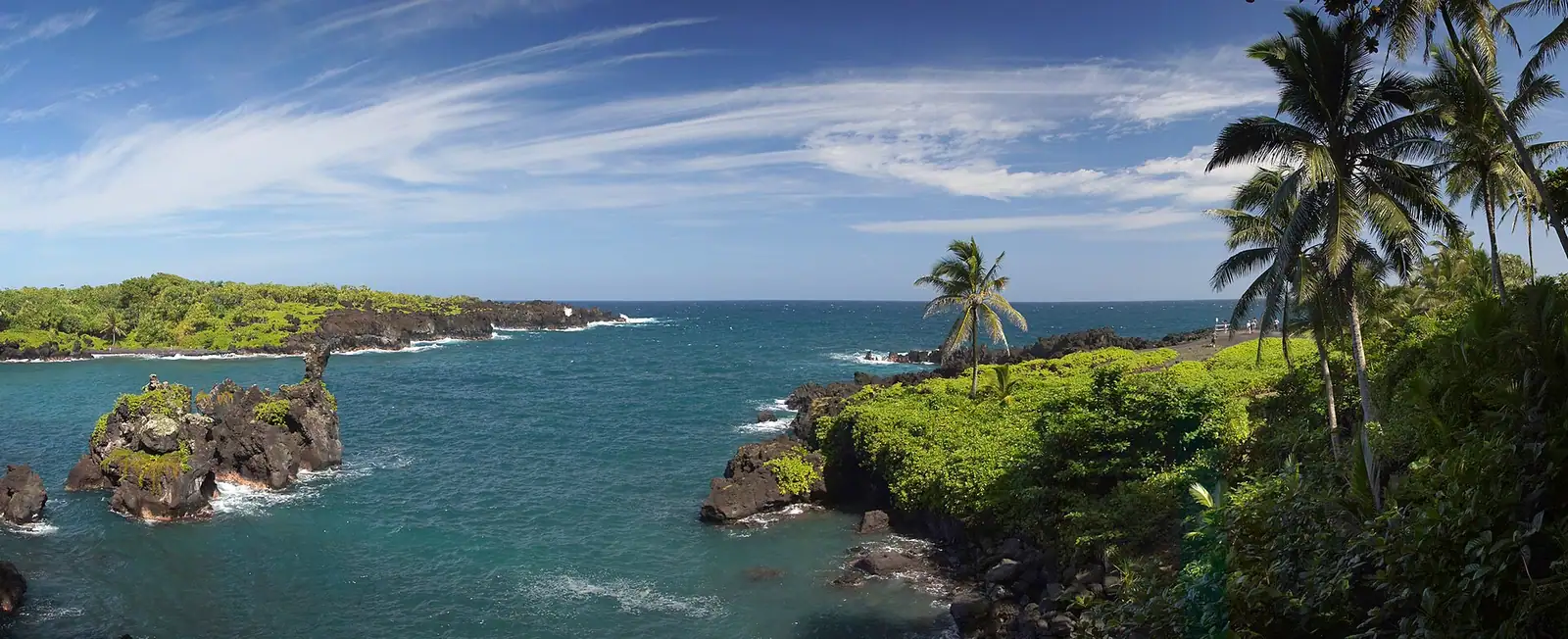
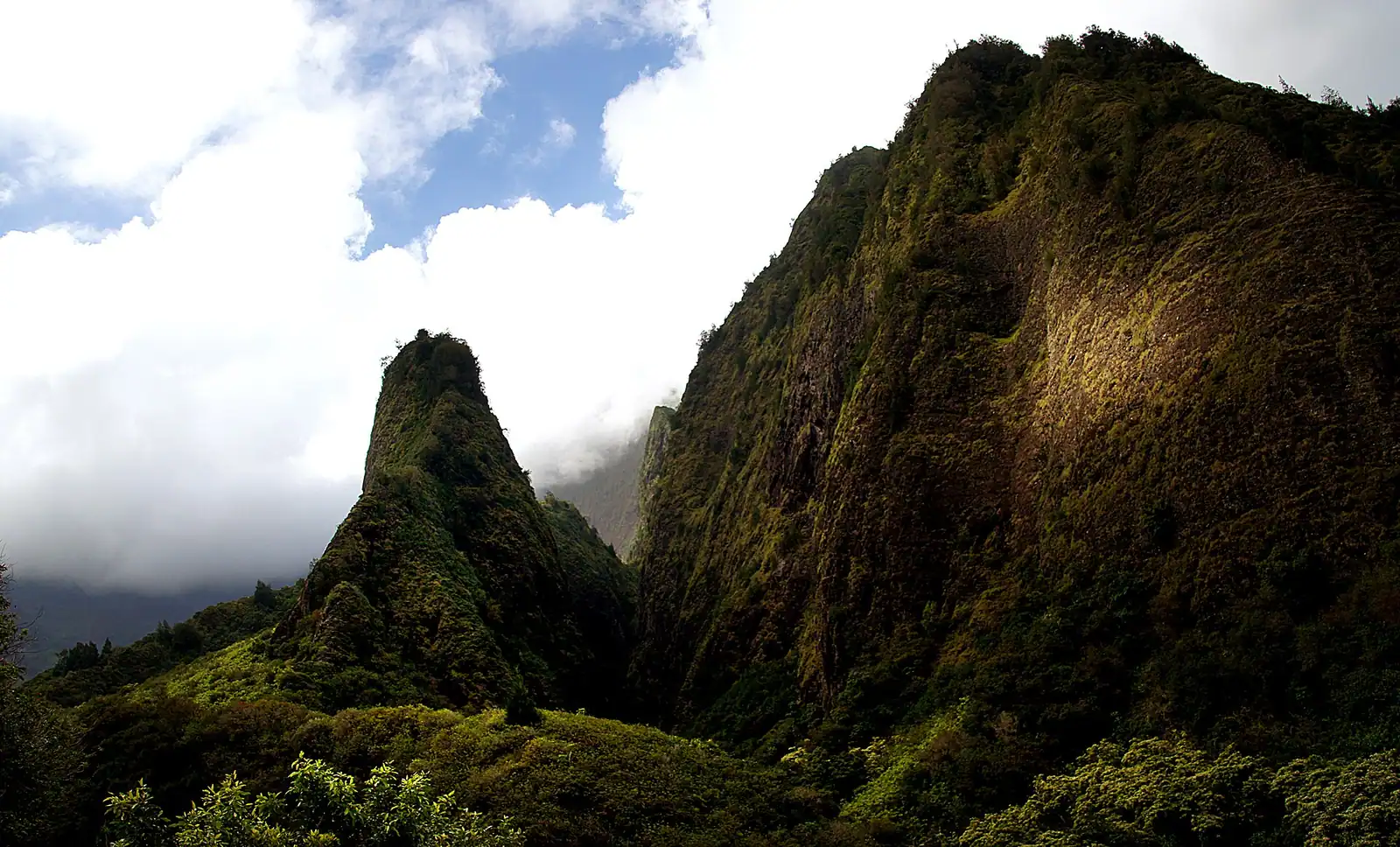
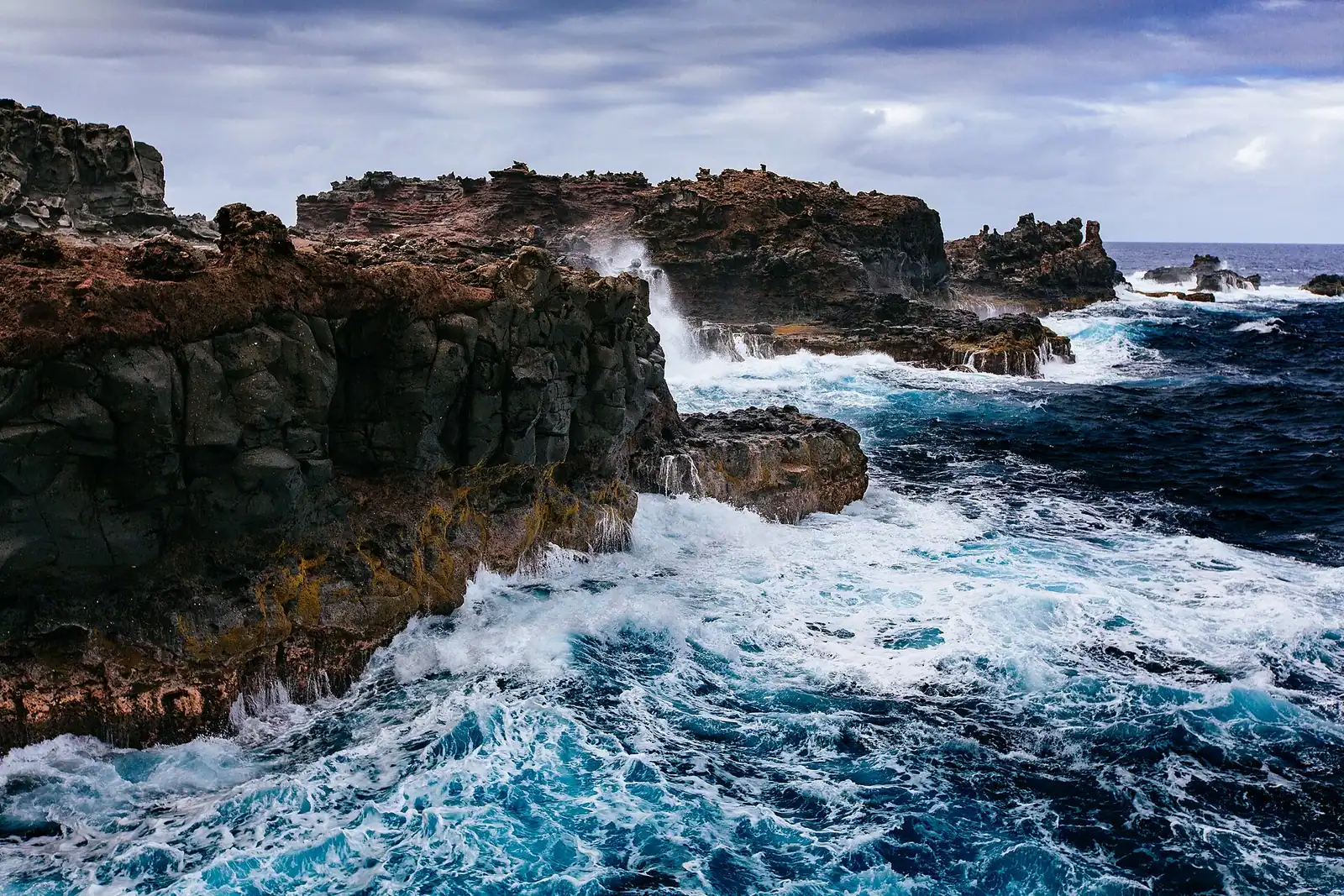
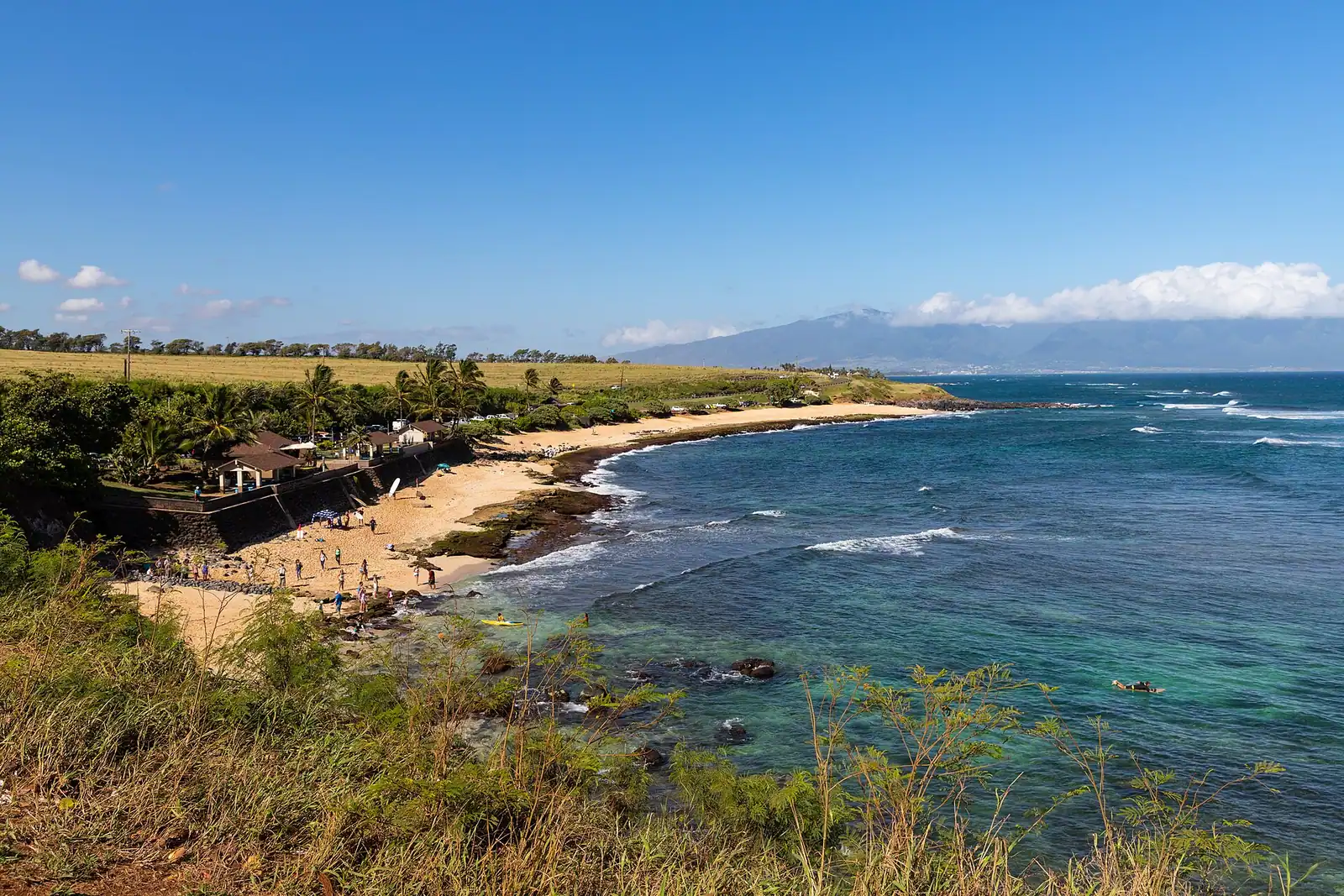
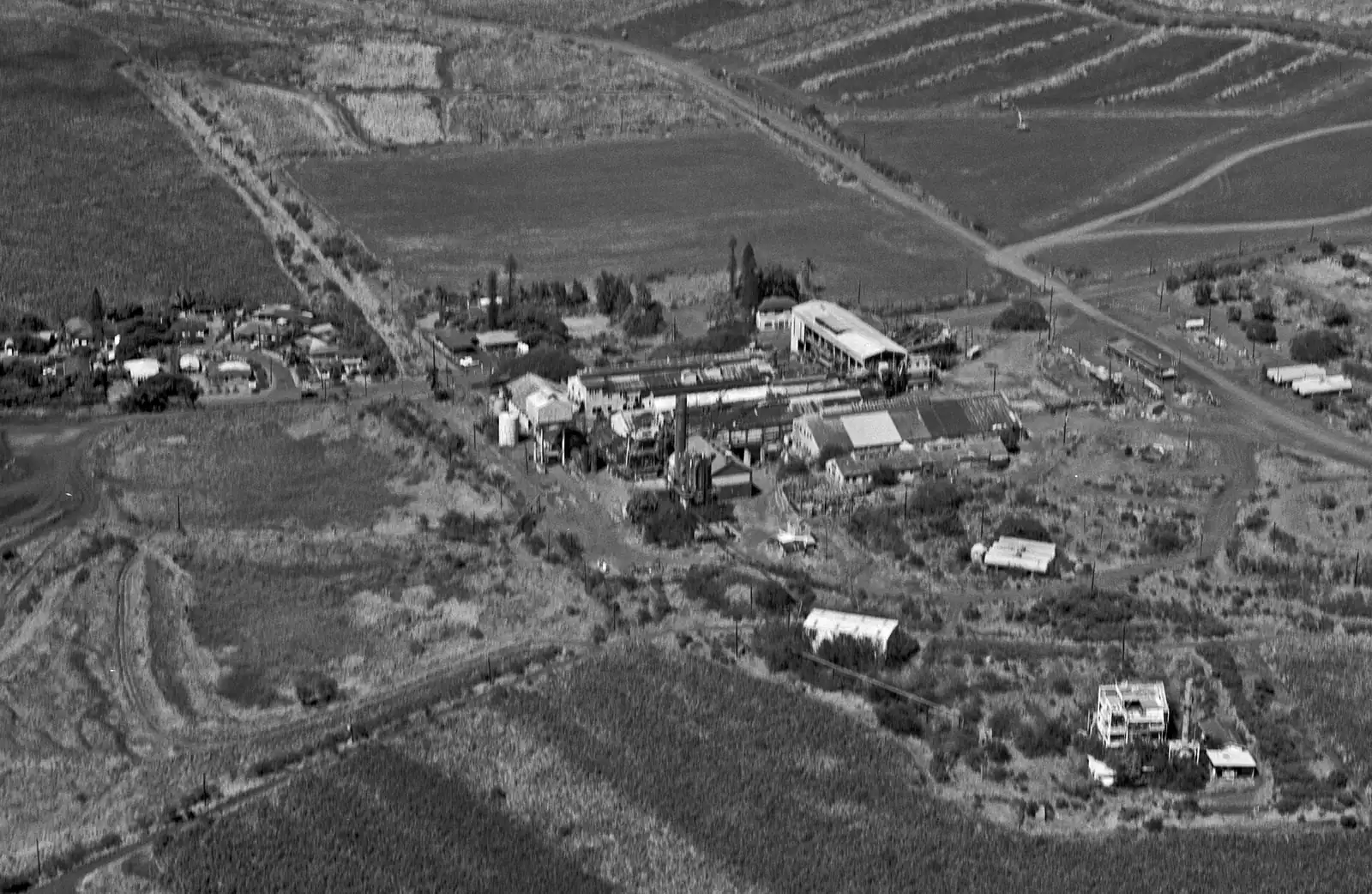
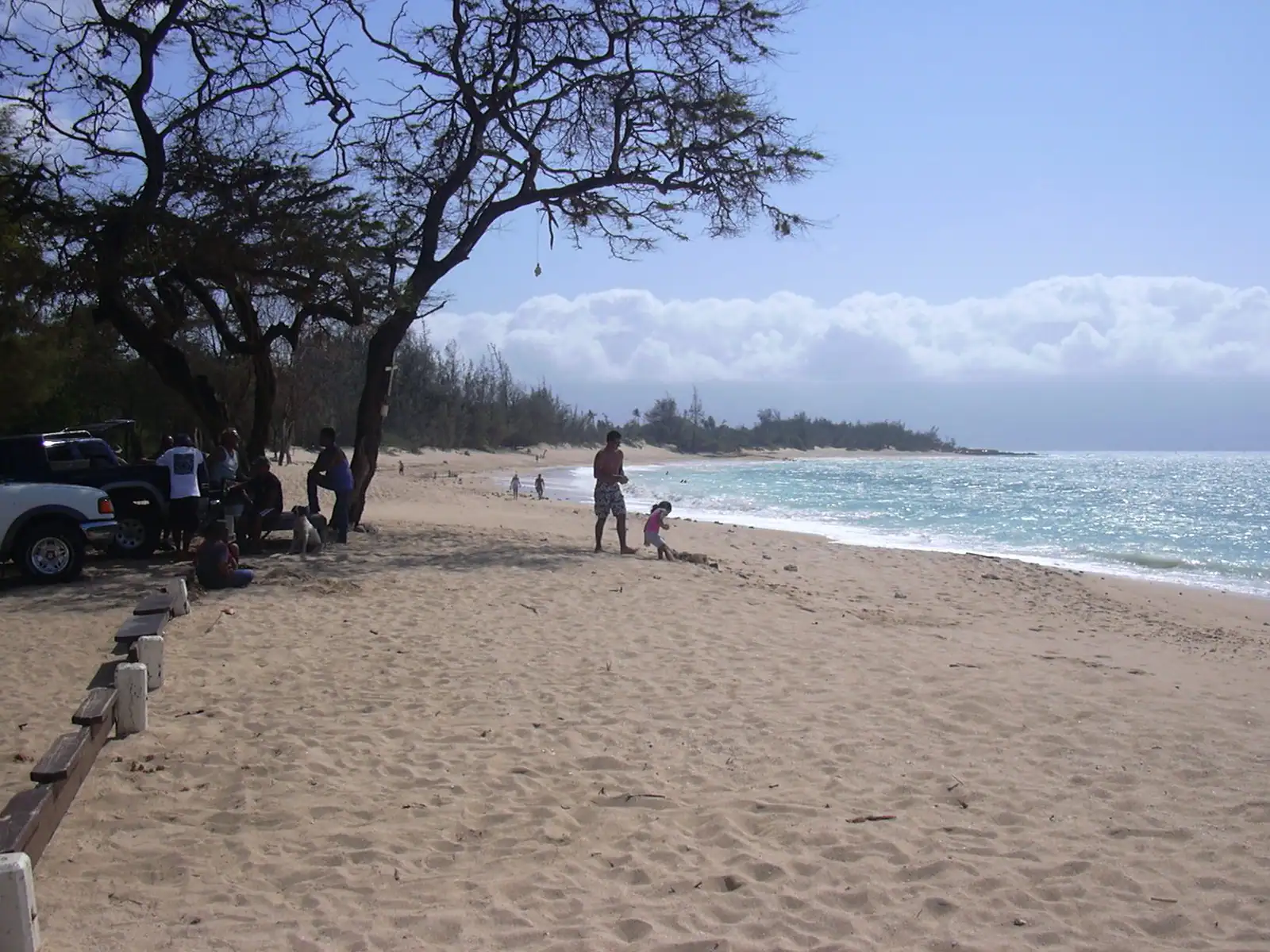
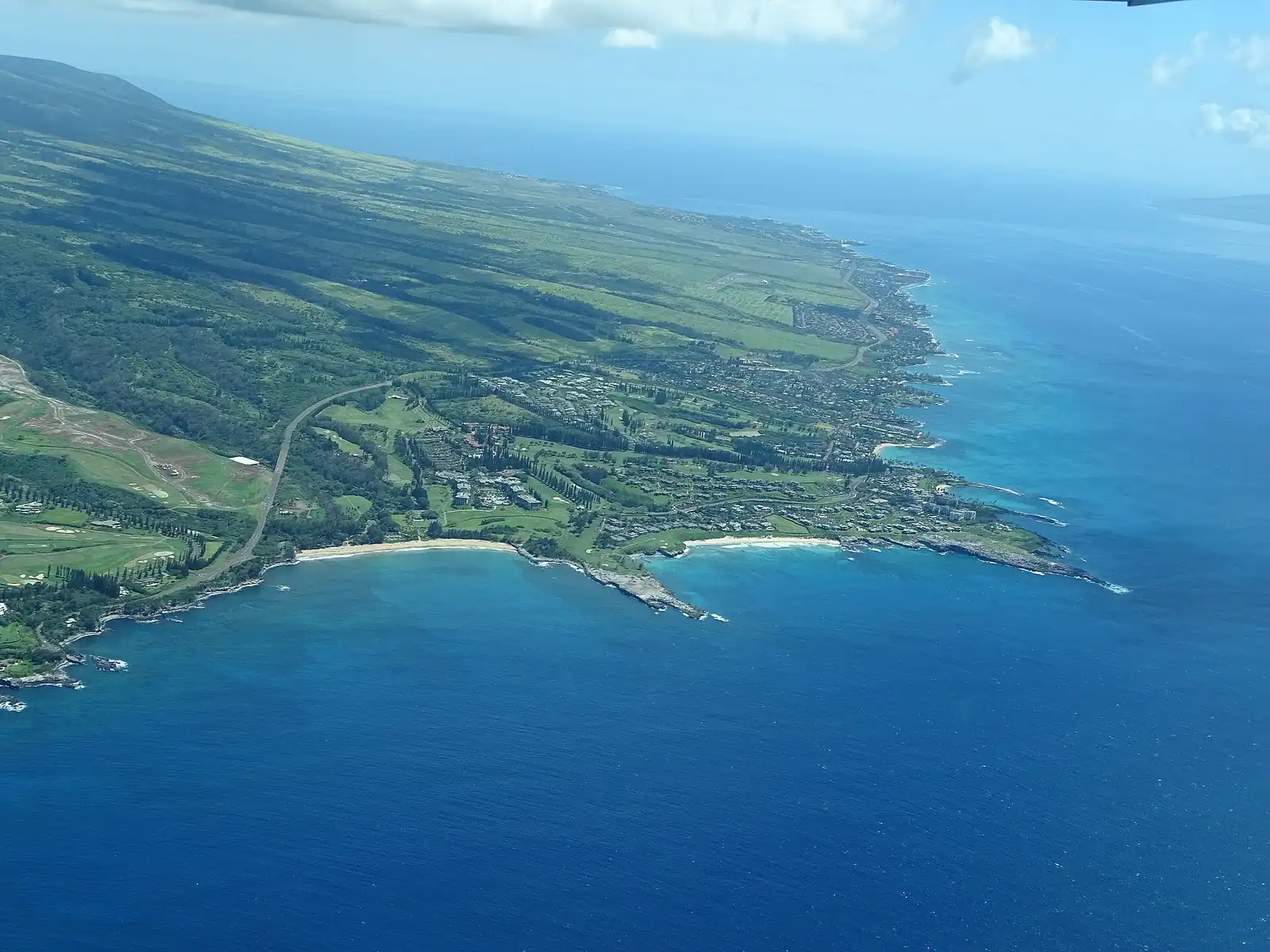
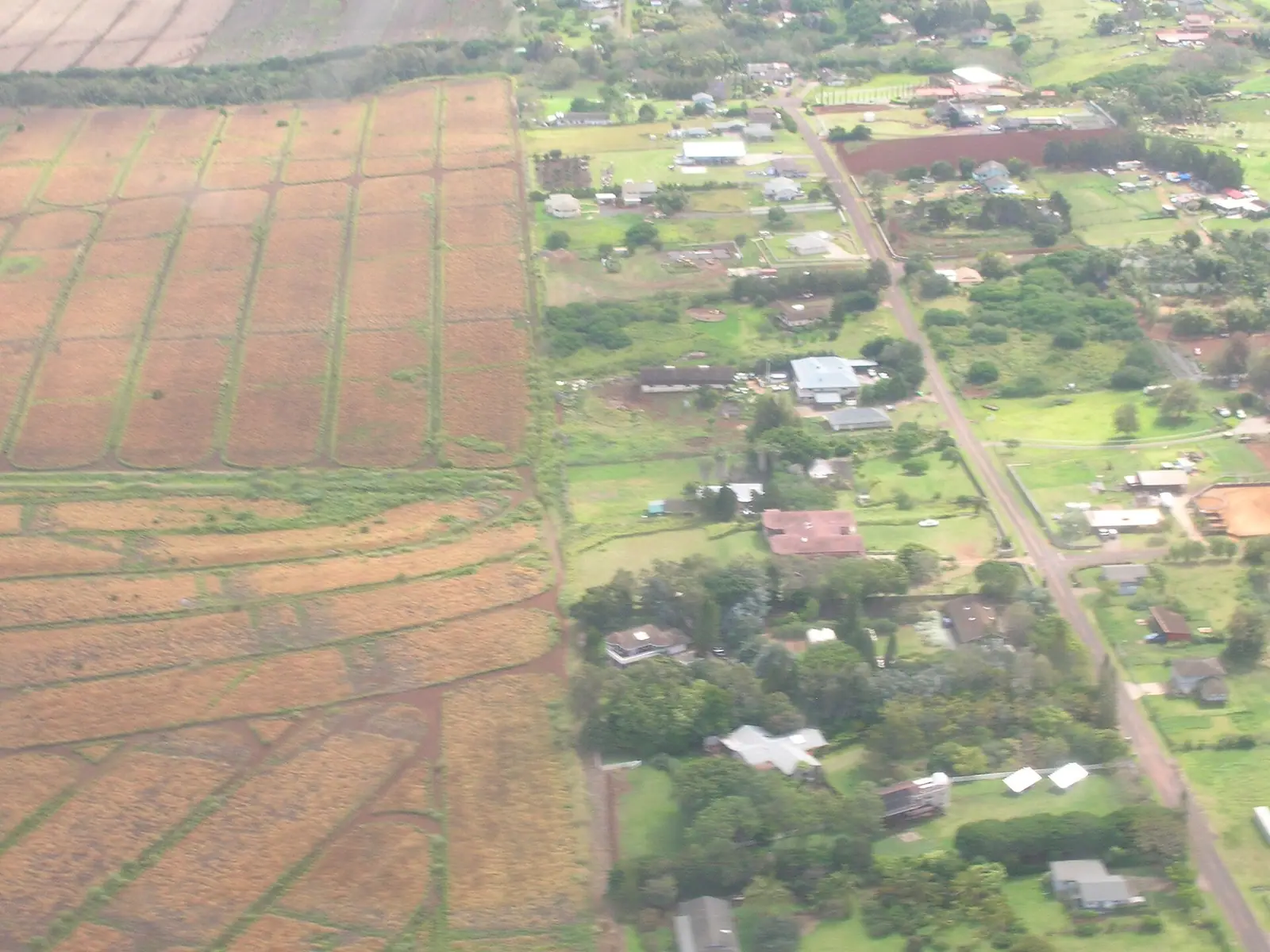
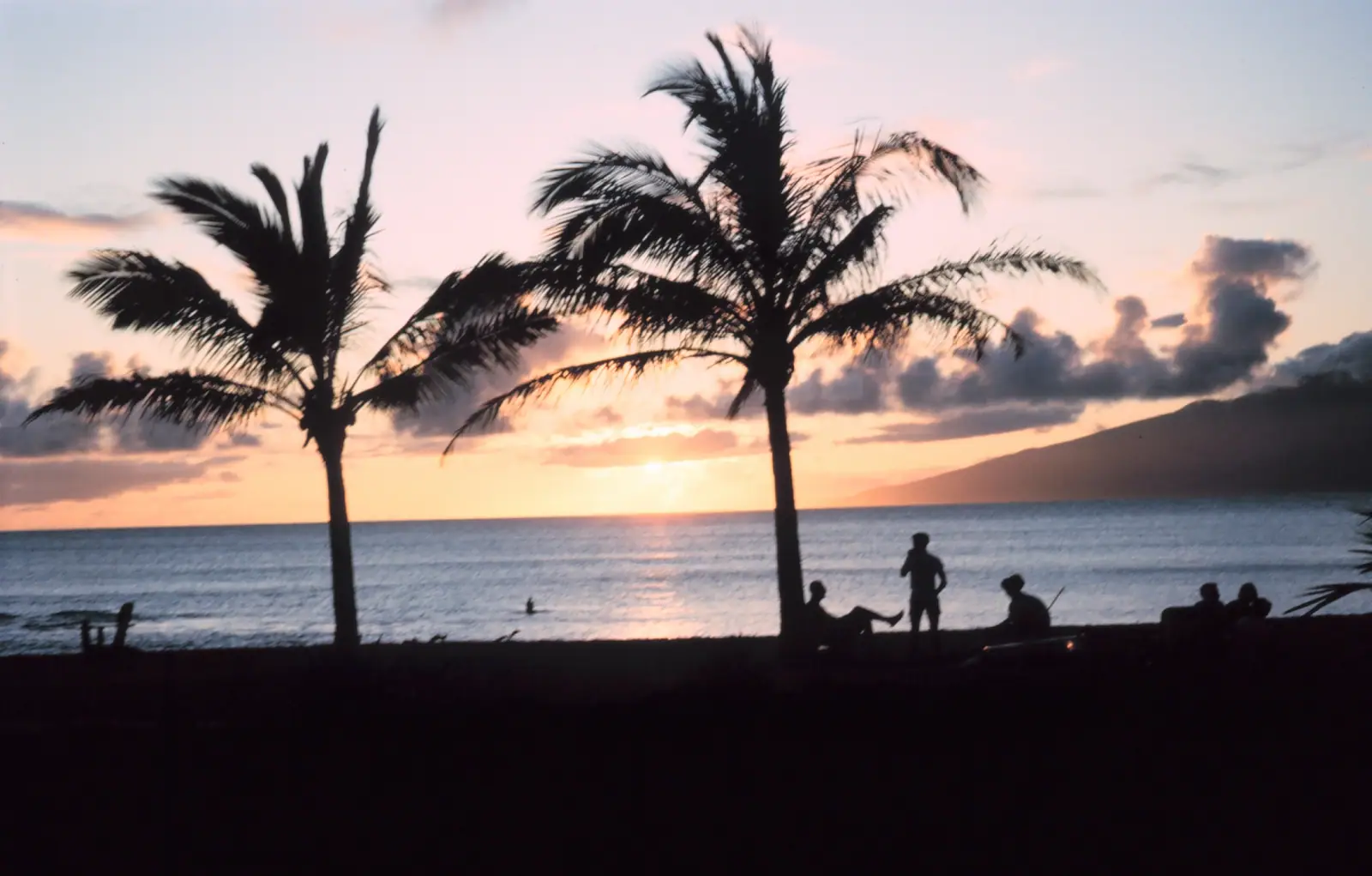
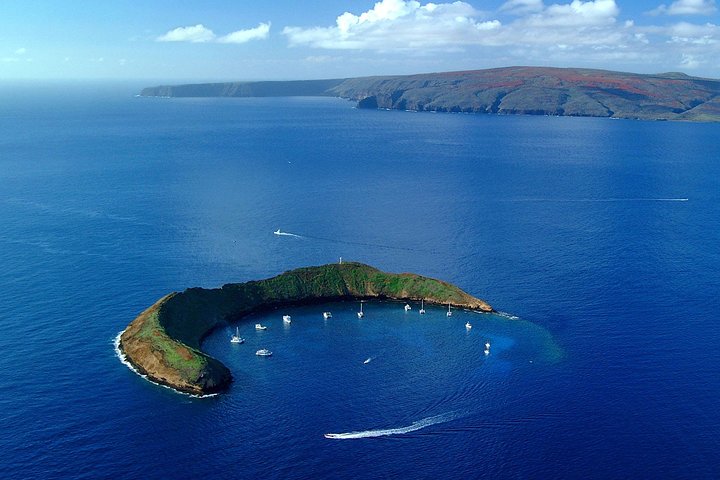
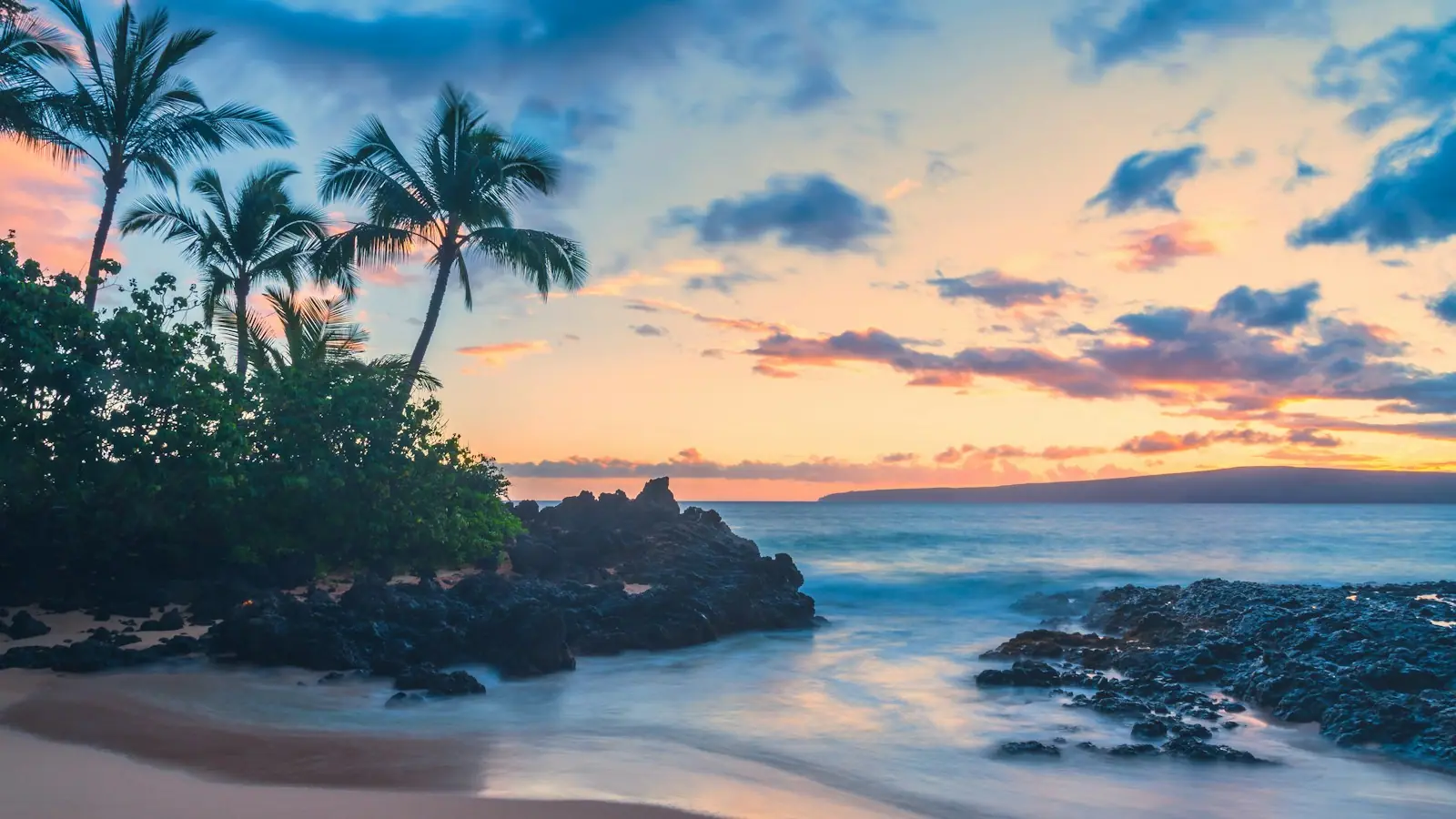
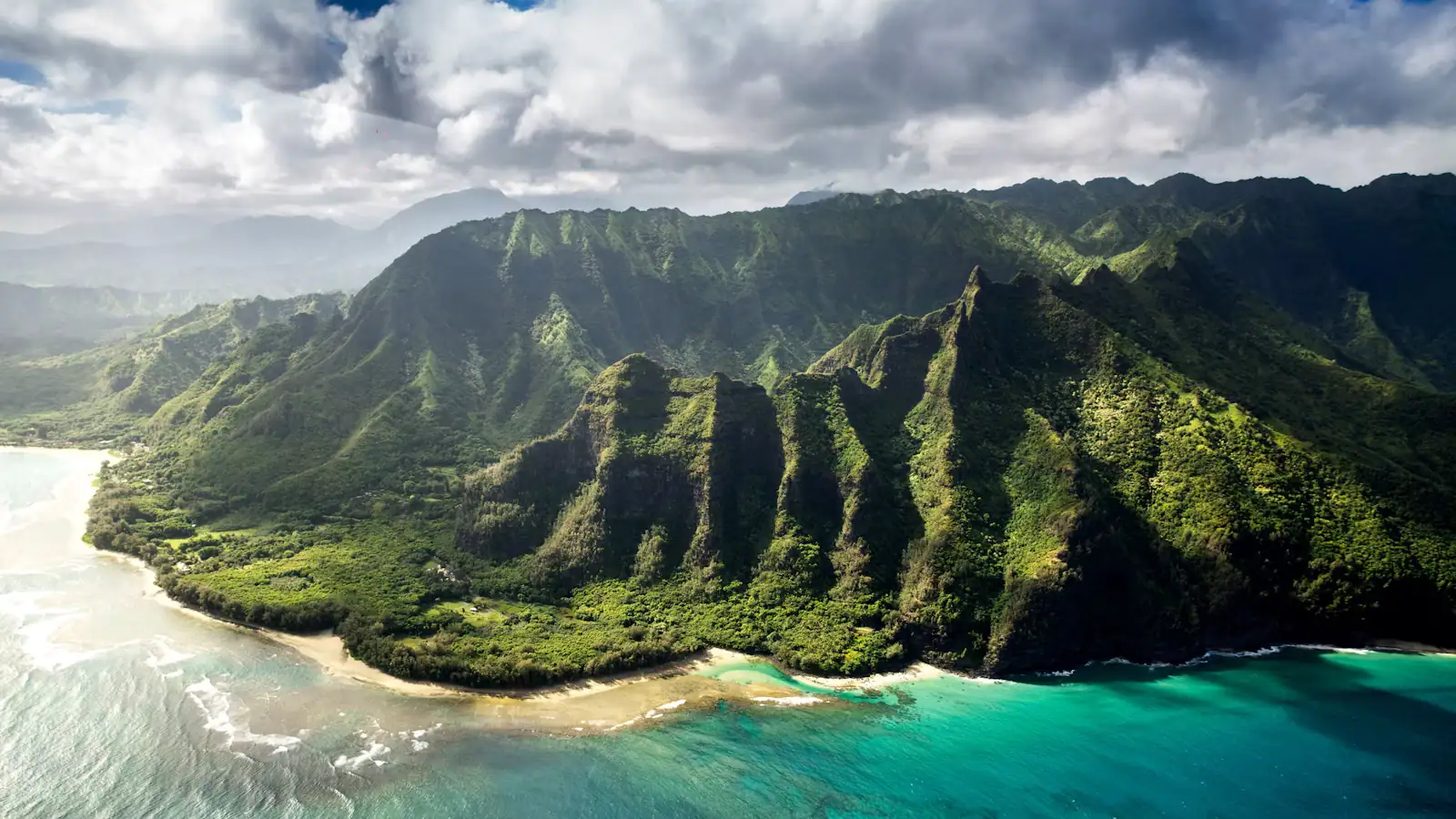
Maui's attractions do not cluster. They are strung along a figure-eight island where the two halves are separate volcanoes and the connecting road runs through what used to be sugar country. A visitor who picks places off a list without looking at a map ends up with a day that reads well and drives badly: ʻĪao Valley in Wailuku, Haleakalā's summit at 10,023 feet, and the Pipiwai Trail past Hāna are all worth a morning, and no two of them belong in the same one.
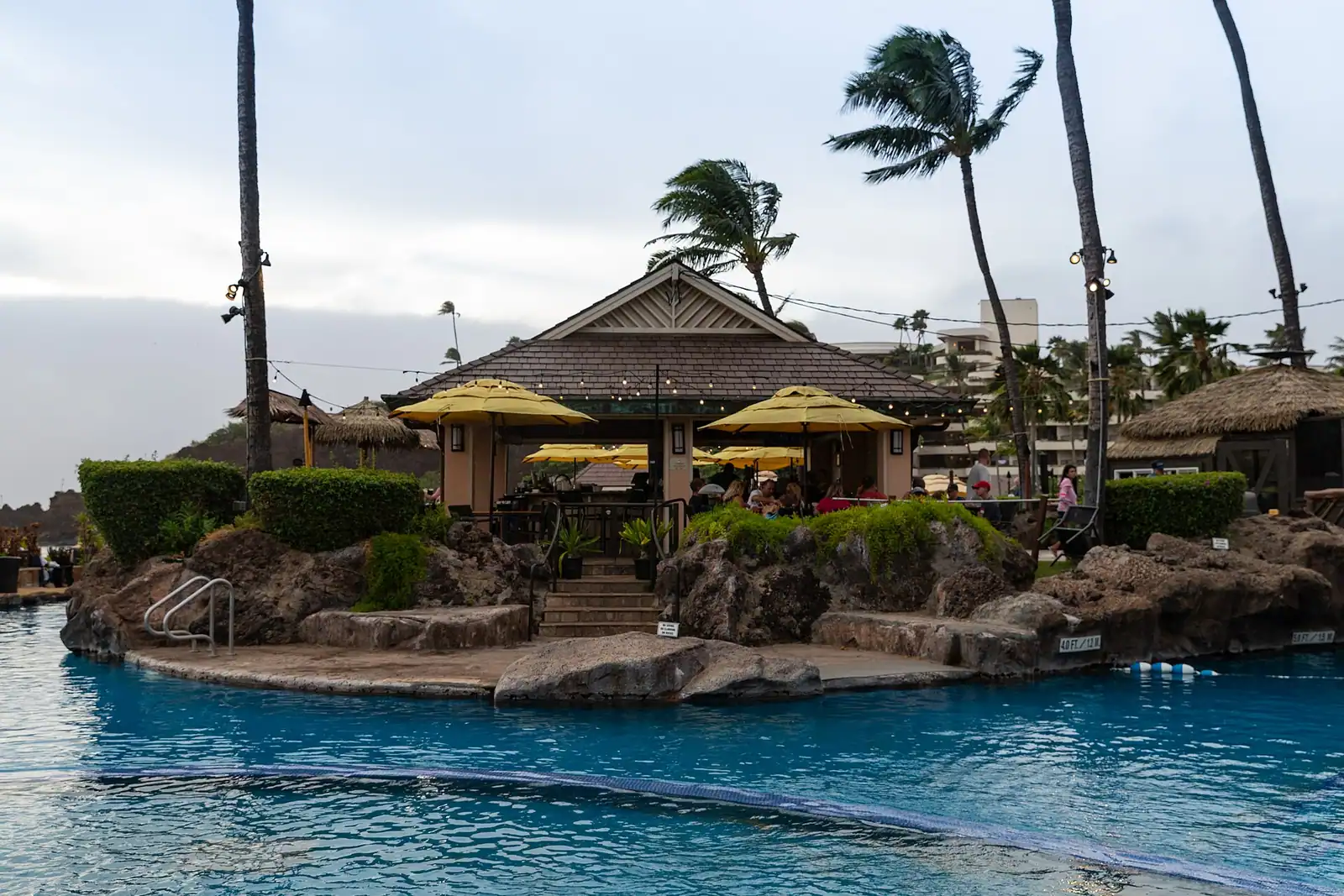
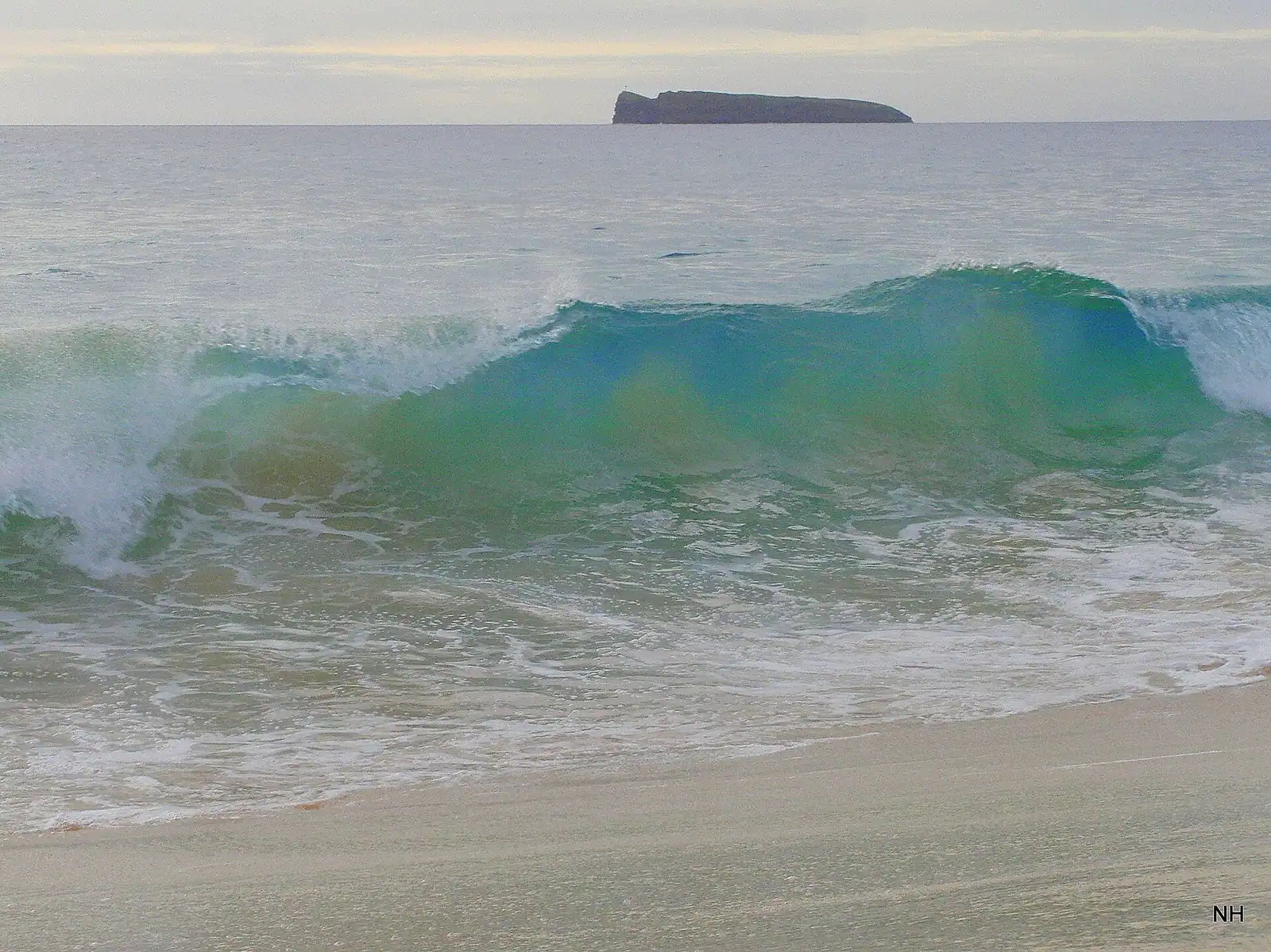
The honest way to plan is by region. Central Maui, around Kahului and Wailuku, holds ʻĪao Valley State Monument, the Maui Tropical Plantation at Waikapū and the arts centre, and it is where the airport and the supermarkets are. South Maui runs from Kīhei's beach parks down through Wailea's resort strand to the wild end at Mākena. West Maui is the resort coast from Lahaina north through Kāʻanapali and Kapalua to Honolua Bay. Upcountry climbs the western slope of Haleakalā through Pāʻia, Makawao, Kula and out to the ranch land at ʻUlupalakua. And East Maui is the Hāna side, which is a full day on its own and a different climate entirely.
The second organising fact is the permit calendar, and it catches a lot of people out. Three of the island's best-known places now run timed entry for non-residents. Haleakalā's summit requires a sunrise reservation for any vehicle arriving between 3am and 7am, booked separately from the park entrance fee. ʻĪao Valley State Monument requires an advance booking with parking charged per vehicle and a small per-person entry fee. Waiʻānapanapa State Park, the black-sand beach outside Hāna, also requires one, and state roadwork that began in July 2026 has reduced the number of slots. All three are cheap. None of them can be arranged in the car park.
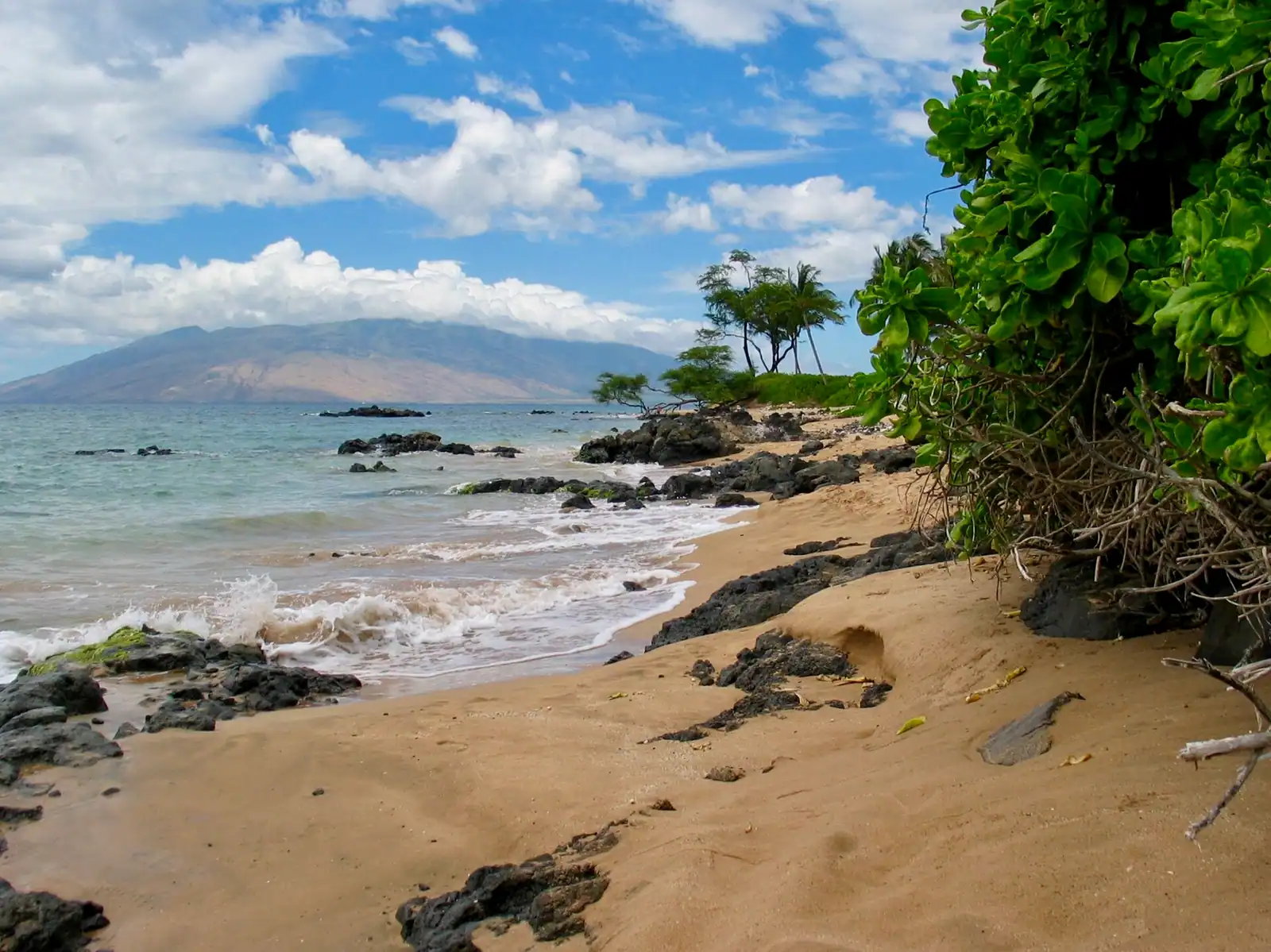
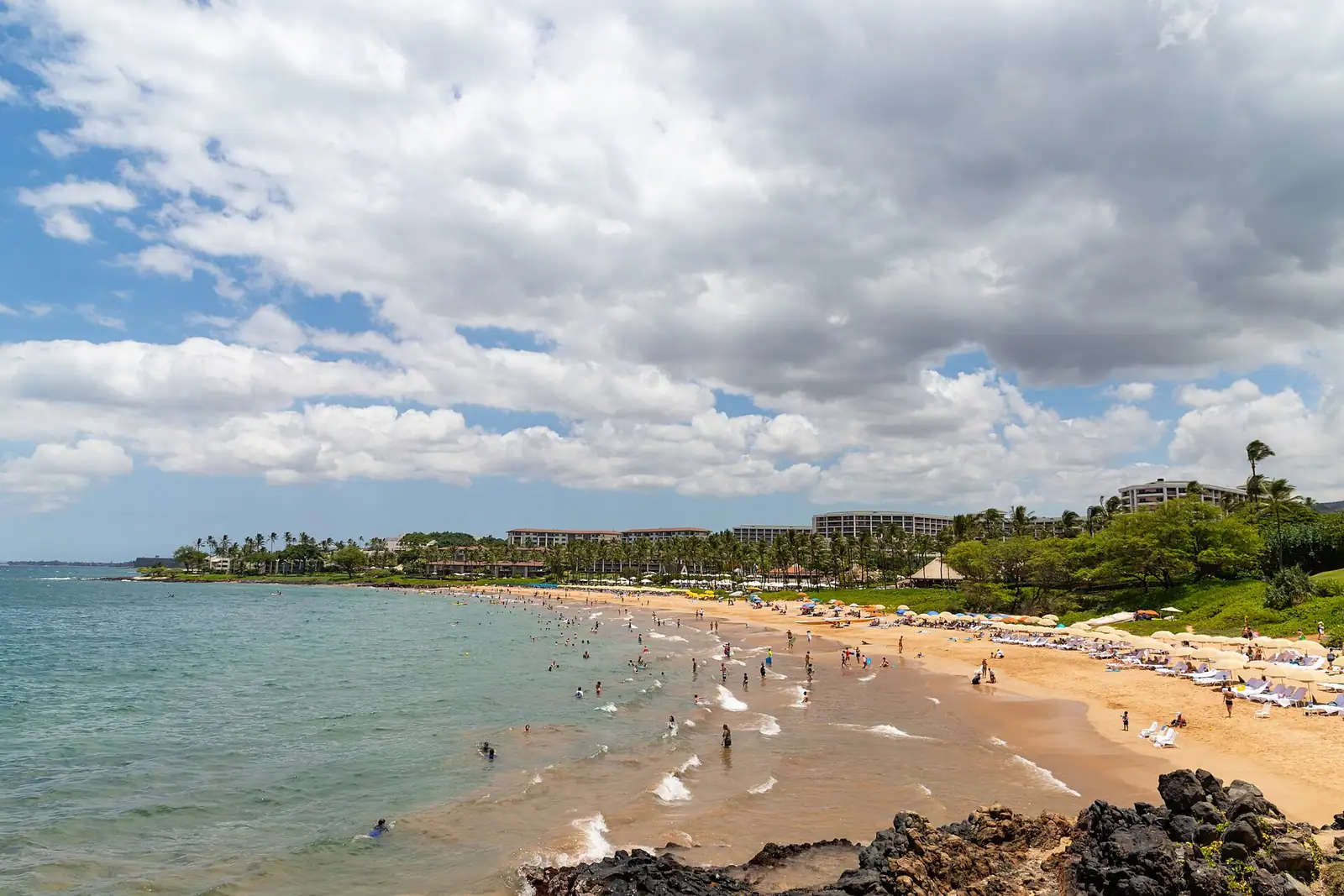
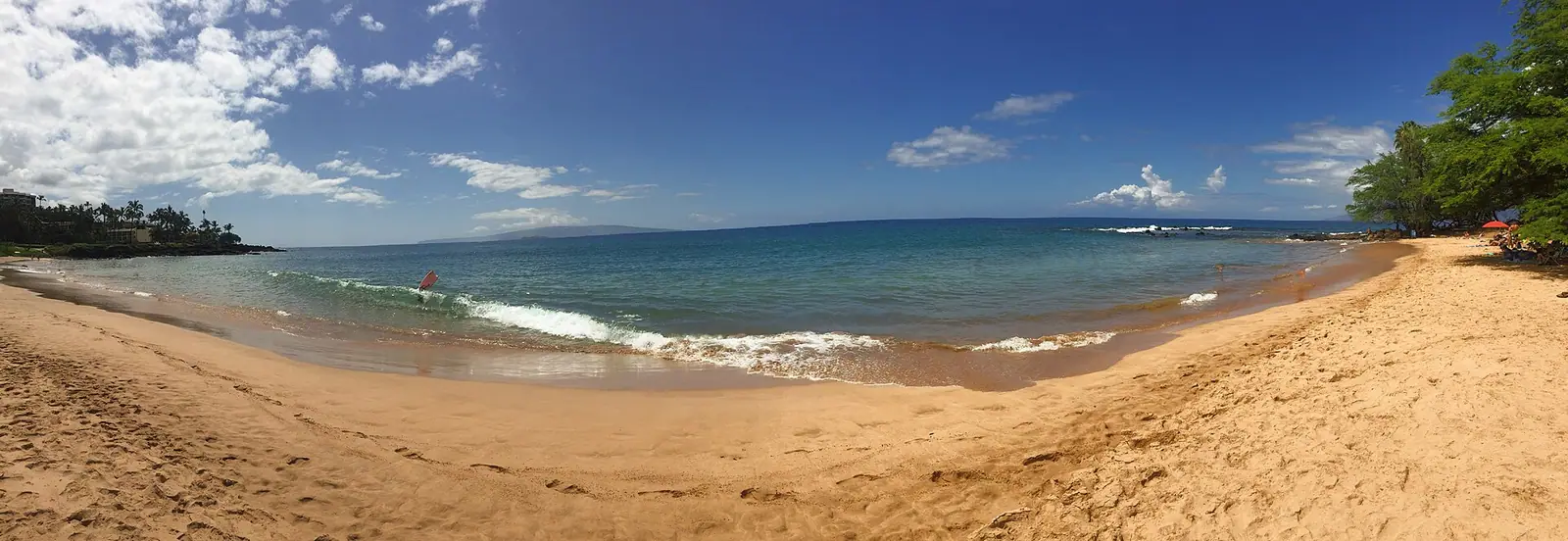
The third is that Maui's beaches are legally open in a way that surprises visitors from mainland resort towns. Hawaiʻi law makes the shoreline public to the high-water mark, and resorts are required to provide public access and parking. That means Wailea Beach in front of the luxury hotels, Kāʻanapali in front of the big resorts and the small lots at Ulua and Mokapu are all yours, and the only thing standing between you and them is how early the stalls fill.
One place needs stating plainly rather than listing. Historic Lahaina town was destroyed by the August 2023 wildfire, which killed about a hundred people. Front Street reopened to traffic between Pāpalaua and Shaw Streets in August 2026 and businesses have returned to it, but Banyan Court Park is closed and the tree is not expected to be publicly accessible before 2028 at the earliest. Lahaina is a town rebuilding, not an attraction. Spend money in the businesses that have reopened and do not photograph the burn zone.
What follows is the island region by region, with what each place actually asks of you: the drive, the fee, the permit, and the hour that makes it worth going.